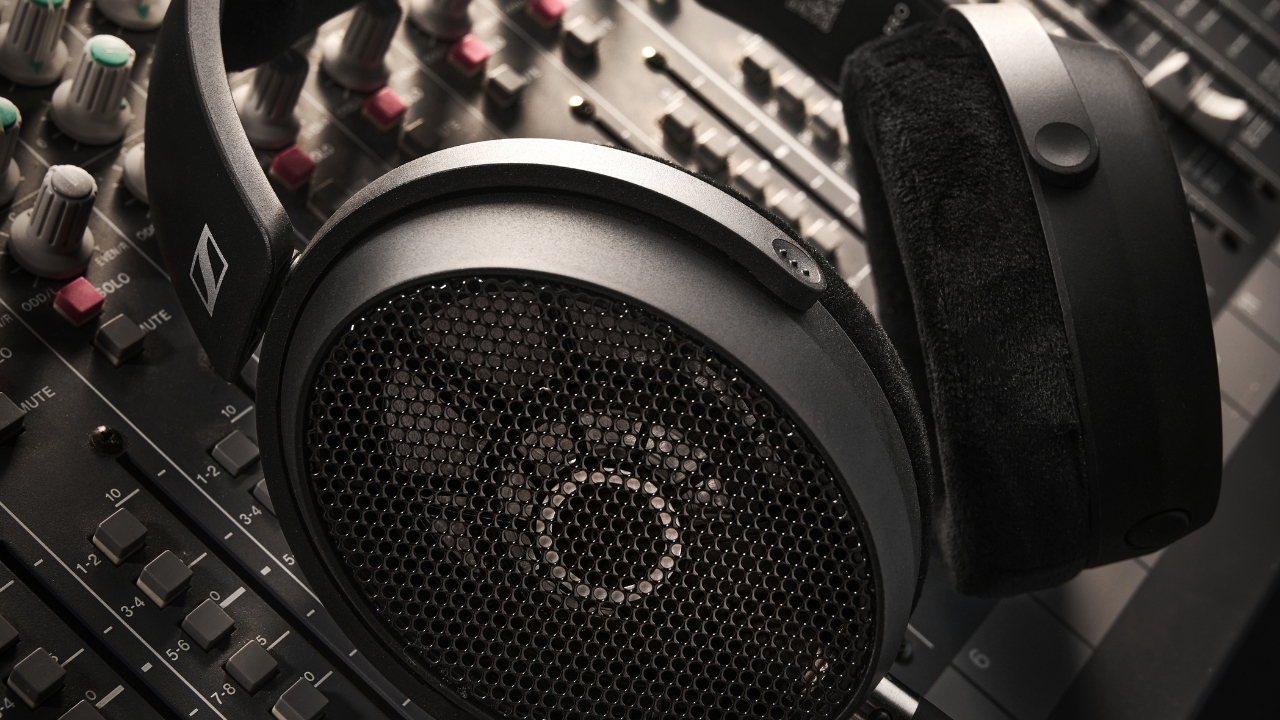

Choosing headphones for music production means balancing accuracy, comfort, and durability. The wrong pair can mask mixing flaws, fatigue your ears in an hour, or fall apart after a year of daily use. For the 2026 roundup, we looked at ten models that span every serious studio budget, from the AKG K240 that has been on desks since the 1990s to modern Bluetooth-enabled options that pull double duty. The best headphones for music production still come down to one name: the Audio-Technica ATH-M50X remains the undisputed reference tool for tracking, mixing, and mastering.
Comparison table
| # | Product | Award | Driver | Type |
|---|---|---|---|---|
| 1 | Audio-Technica ATH-M50X | Best overall | 45 mm | Closed-back |
| 2 | beyerdynamic DT 990 PRO | Best open-back | 45 mm | Open-back |
| 3 | Sony MDR7506 | Classic studio standard | 40 mm | Closed-back |
| 4 | Audio-Technica ATH-M40x | Best mid-range | 40 mm | Closed-back |
| 5 | AKG K240STUDIO | Best semi-open | 30 mm | Semi-open |
| 6 | Audio-Technica ATH-M30x | Best for detail | 40 mm | Closed-back |
| 7 | OneOdio A70 | Best wireless hybrid | 40 mm | Closed-back |
| 8 | OneOdio Pro-10 | Best for DJ monitoring | 50 mm | Closed-back |
| 9 | OneOdio A71 | Best for mixing | 40 mm | Closed-back |
| 10 | Audio-Technica ATH-M20x | Best entry-level | 40 mm | Closed-back |
1. Audio-Technica ATH-M50X: Best overall

Pros
- Exceptional clarity across the entire frequency range
- 90-degree swiveling earcups for one-ear monitoring
- Detachable cable with lock mechanism
- Circumaural design isolates well in loud rooms
- Foldable for transport
Cons
- Stock earpads can wear out faster than some competitors
- Slightly emphasised upper bass can mislead on low-end weight in a mix
Best for: anyone who needs a single pair of headphones for tracking, mixing, and casual listening.
The ATH-M50X has been the go-to studio headphone for over a decade, and for good reason. The 45 mm large-aperture drivers with rare-earth magnets and copper-clad aluminium wire voice coils deliver a level of detail that makes it easy to hear compression artefacts, reverb tails, and sibilance that cheaper cans smear over. The closed-back design keeps bleed out of a condenser microphone when you are recording vocals or acoustic instruments, and the 90-degree swivelling earcups let you flip one cup off your ear during a take without pulling the whole rig off your head.
Where the M50X really distinguishes itself from the Sony MDR7506 is in bass extension. The Sony tends to roll off sub-bass earlier, which can tempt you to over-compensate with low-end in a mix. The Audio-Technica gives you just enough thump to judge kick and bass guitar accurately without hyping the low end the way consumer headphones do. That said, the upper bass region around 200 to 300 Hz is slightly elevated, so experienced mix engineers often cross-reference with a neutral open-back like the Beyerdynamic DT 990 PRO before finalising.
The build is robust: the headband uses a metal core wrapped in padded leatherette, and the detachable cable includes a locking twist mechanism that prevents accidental disconnects in the middle of a session. The included cables are a coiled 1.2 m and a straight 3 m, both with a 3.5 mm plug and a 6.3 mm screw-on adapter. After three or four years of heavy use, the original earpads tend to flake, but replacements are cheap and easy to swap. The one-ear monitoring feature is invaluable during live tracking, and the folding design means they slide into a padded case (sold separately) for sessions at other studios.
If you are building a home studio and can only buy one pair of headphones, the best headphones for music production at this level are the ATH-M50X. They are not the most analytical option on this list, but they are the most versatile, and the one pair that will let you track, mix, and reference without switching cans.
2. beyerdynamic DT 990 PRO: Best open-back

Pros
- Wide, natural soundstage ideal for mixing and critical listening
- Extremely comfortable for long sessions (soft velour pads)
- Handcrafted in Germany with replaceable parts
- Detailed treble reveals mix flaws clearly
Cons
- 250 ohm impedance requires a headphone amplifier
- Open-back design leaks sound and offers no isolation for tracking
Best for: mixing engineers and audiophiles who want a reference-grade open-back for stereo imaging and depth.
The DT 990 PRO is the open-back companion to the ATH-M50X in many professional studios. With a 250 ohm impedance, these headphones demand a dedicated headphone amp or a quality audio interface like a Focusrite Scarlett to reach sufficient volume, but the payoff is a spacious, airy presentation that closed-back designs cannot match. The soundstage extends well beyond your ears, making it easy to place instruments in the stereo field and judge reverb depth.
Beyerdynamic uses a 45 mm dynamic driver in a semi-open housing, with circumaural pads made from velour that breathe better than leather during long mixing sessions. The clamping force is firm but not aggressive, and the self-adjusting headband distributes weight evenly. I have worn these for six-hour marathon sessions without discomfort. The coiled cable is 3 m long, sturdy, and terminates in a 3.5 mm plug with a 6.3 mm adapter.
Vocals and acoustic guitars sound especially open and uncoloured. The treble is slightly elevated, which can expose sibilance or harshness in a mix that might go unnoticed on the Sony MDR7506. This makes the DT 990 PRO excellent for final polishing, but less suited for tracking vocals because the open-back design bleeds sound into a microphone. For a comparison of the different presentations, our guide on headphones that give you the best sense of space and detail covers why open-back models sound wider.
The DT 990 PRO is not a daily driver for a tracking session, but if you do any mixing work, it is the essential second pair. The combination of the M50X for tracking and the DT 990 for mixing is a classic duo that many professionals rely on.
3. Sony MDR7506: Classic studio standard

Pros
- Legendary neutral tuning trusted for decades
- Lightweight and foldable for portable use
- 40 mm neodymium drivers produce detailed sound
- Closed-back design provides good isolation
Cons
- 9.8 ft non-detachable cable can be awkward in a tight space
- Thin earpads can cause discomfort after two hours
Best for: engineers who want a proven reference with a flat response for voiceover, podcasting, and tracking.
The Sony MDR7506 is the most widely used headphone in broadcast and podcasting for a reason. Its frequency response is famously flat from 10 Hz to 20 kHz, with no exaggerated bass or treble. The 40 mm neodymium drivers provide clear, uncoloured reproduction that makes it easy to judge levels and eq decisions accurately. The closed earcups seal well enough for tracking, and the lightweight plastic construction keeps the weight below 230 g.
Comfort is the MDR7506’s biggest Achilles heel. The thin pleather earpads put pressure on the ears after about 90 minutes, and the non-detachable cable means you have to coil it up whenever you pack the headphones. Many users replace the earpads with aftermarket velour or thicker foam pads, which changes the tuning slightly but adds hours of comfort.
Despite its age (the design dates to the early 2000s), the MDR7506 remains a standard recommendation for anyone starting in audio. It is not the most exciting headphone to mix on, but its honesty makes it a reliable check for translation. If you are producing music and want to know exactly what your consumer listeners will hear, this is the pair that tells you the truth without flattery. For a broader look at what to expect from different tuning philosophies, our guide on which over-ear models suit different listening goals includes the MDR7506 as a benchmark.
4. Audio-Technica ATH-M40x: Best mid-range

Pros
- Balanced, detailed sound with good midrange definition
- 90-degree swiveling earcups for one-ear monitoring
- Detachable cables with locking mechanism
- Pro-grade earpads and headband for durability
Cons
- Bass extension is slightly less than the M50X
- Slightly tighter clamping force out of the box
Best for: engineers who need the build quality and monitoring features of the M50X but prefer a leaner bass response for certain genres.
The ATH-M40x sits between the entry-level M20x/M30x and the flagship M50X in Audio-Technica’s pro line. It uses the same 40 mm driver and rare-earth magnet structure as the M30x, but the tuning is more refined, with a flatter response that emphasises the midrange without veiling the highs. If the M50X has a slight low-frequency bump, the M40x is more neutral in the bass, which makes it a better choice for engineers who work on genres where clean kick drum and bass lines are critical.
The build quality matches the M50X: the headband uses a reinforced metal core, the earcups swivel 90 degrees for one-ear listening, and the detachable cable locks in place. Two cables are included (a coiled 1.2 m and a straight 3 m), along with a 6.3 mm adapter. The clamping force is a bit stronger than the M50X; some users need a week of wear to break it in. After that, the circumaural pads seal well and stay comfortable for two-hour sessions.
If you are on the fence between the M40x and the M30x, the M40x is worth the step up for the detachable cable alone, plus the better tuning. It competes directly with the Sony MDR7506 on neutrality, but it wins on ergonomics because of the replaceable cable and the swiveling earcups. It is not quite as open-sounding as the DT 990 for mixing, but it is a capable all-around monitor for tracking and rough mixing.
5. AKG K240STUDIO: Best semi-open

Pros
- Semi-open design offers some isolation with a natural soundstage
- Self-adjusting headband distributes weight evenly
- 30 mm XXL transducers with Varimotion diaphragms
- Replaceable cable and earpads
Cons
- Bass extension is limited due to semi-open nature
- 30 mm drivers lack the dynamic punch of larger ones
Best for: vocalists and acoustic musicians who need to hear both the mix and the room ambience.
The AKG K240 has been a studio staple since the 1970s, and the K240STUDIO version modernises the formula with a replaceable cable and current materials. The semi-open architecture lets some outside sound in and some sound bleed out, which makes these a favourite for vocalists who want to feel connected to the room while still being able to hear the playback clearly.
The 30 mm Varimotion diaphragms are smaller than the competition here, but the sound is impressively clear in the mids and highs. The bass is present but rolls off noticeably below 80 Hz, so these are not ideal for electronic music producers who need to feel sub-bass. The self-adjusting headband and over-ear velour pads make the K240 one of the most comfortable headphones in this roundup for long sessions.
Durability is good: the plastic construction feels light but not fragile, and the cable is detachable with a mini XLR connection on the earcup side. The provided cable is 3 m long with a 3.5 mm plug and a screw-on 6.3 mm adapter. At this price point, the K240STUDIO offers a unique semi-open sound that is hard to find elsewhere among the best headphones for music production. It works well as a second pair for referencing how a mix sounds on a system with limited low-end extension.
6. Audio-Technica ATH-M30x: Best for detail

Pros
- Enhanced midrange detail for vocal and instrument editing
- Collapsible for portable storage
- Comfortable circumaural pads
- Single-side cable exit simplifies cable management
Cons
- Non-detachable cable limits repairability
- Slightly recessed highs compared to the M40x
Best for: podcast editors and voice engineers who need clear, fatigue-free mids for dialogue work.
The ATH-M30x is Audio-Technica’s mid-tier option for those who want more than the entry-level M20x but do not need the swiveling earcups or detachable cable of the M40x. The 40 mm drivers are tuned to emphasise the upper midrange, which makes details like sibilance, breath sounds, and room reflections easier to spot. This focus makes the M30x a solid choice for editing spoken word or mixing vocals.
The build is typical Audio-Technica quality for this tier: a plastic headband with a metal reinforcement, soft earpads, and a collapsible hinge that folds the earcups flat for storage. The single-side cable exit is a welcome design choice that keeps the cord out of the way when you are standing at a mixer. The cable is non-detachable and measures 1.2 m, which is fine for a desk setup but short for a studio with a patchbay.
The main weakness is the high-frequency extension. Treble sounds slightly rolled off compared to the M40x or the Sony MDR7506, so these are not the best for critical mixing of cymbals or digital synthesis. They excel in applications where midrange clarity is paramount, and they are light enough to wear for hours. For a deeper dive into how different headphone tunings affect editing accuracy, our article on what to look for in headphones for analytical listening provides useful context, even if binaural playback is not your focus.
7. OneOdio A70: Best wireless hybrid

Pros
- Bluetooth with up to 72 hours of playback
- Wired mode with jack lock for zero latency
- Comfortable memory foam and protein leather pads
- Built-in HD microphone for calls
Cons
- Bluetooth latency makes wireless unsuitable for tracking
- Sound signature is slightly V-shaped, not studio-neutral
Best for: producers who want a single headphone for casual listening and wired studio use without worrying about battery life.
The OneOdio A70 is the only wireless offering in this roundup, and it manages to serve double duty without falling apart on either side. The 40 mm neodymium drivers deliver a lively, slightly V-shaped sound that is great for listening to finished mixes or referencing how a track might sound on consumer headphones. In wired mode using the included 3.5 mm or 6.35 mm cable, the audio is fully analogue with no latency, so you can use it for tracking vocals or recording instruments.
The battery life claim of 72 hours is impressive and largely realistic in mixed use. The built-in microphone works well for Zoom calls or quick voice memos, and the memory foam earpads are plush enough for hours of wear. The jack lock system is a thoughtful touch: the cable screws into the earcup so it never pulls out during a session.
For serious studio work, the A70’s frequency response is not accurate enough to rely on for mixing decisions. The bass is boosted and the treble has a slight shimmer that can mislead you. But as a secondary set for rough checking or for producers who also need headphones for gym travel, it is a versatile option. The Bluetooth range is solid, and the foldable design makes it easy to toss in a bag.
8. OneOdio Pro-10: Best for DJ monitoring

Pros
- Huge 50 mm drivers deliver powerful, deep bass
- 90-degree swiveling earcups for one-ear DJing
- Share audio port for second headphone
- Detachable cable with both 3.5 and 6.35 mm plugs
Cons
- Heavy (0.66 lb) can cause fatigue over long mix sessions
- Bass-heavy tuning not suitable for critical mixing or mastering
Best for: DJs and beatmakers who need loud, energetic sound for live monitoring and headphone cuing.
The OneOdio Pro-10 is built for DJs, and that shows in the tuning and the ergonomics. The 50 mm drivers are the largest in this comparison, and they pump out bass that is loud and tactile. If you are beatmatching by ear or cueing in a loud club environment, the Pro-10 gives you the punch you need to stay locked in. The 90-degree swiveling earcups let you listen with one ear while the other ear monitors the room, and the share audio port lets a second set of headphones plug in for collaborative sessions.
Comfort is decent: the padded ear cushions are a soft protein leather, and the self-adjusting headband distributes the 300 g weight well. After four hours of continuous use, the clamping force can begin to press on your jaw, but for one-hour DJ sets it is fine.
For music production, the Pro-10’s exaggerated low end makes it a poor choice for mixing. It will tempt you to cut bass too heavily when you switch to studio monitors. However, if you are producing bass-heavy genres like hip hop or EDM and you want to hear how a beat feels rather than how it measures, the Pro-10 can be a useful supplementary tool. It is not a primary production headphone, but it has a place in a well-equipped studio.
9. OneOdio A71: Best for mixing

Pros
- Hi-Res certified audio with clear, balanced sound
- 90-degree swiveling earcups for monitoring
- Share audio port for collaboration
- Long coiled cable (6.6-9.8 ft) with standard plugs
Cons
- Build quality feels less robust than Audio-Technica models
- Earpads are not as breathable as velour
Best for: beginner producers who want a wired closed-back headphone with decent clarity and monitoring features at a low entry point.
The OneOdio A71 is a wired sister to the A70, dropping Bluetooth and the jack lock in exchange for a slightly more neutral tuning. The 40 mm drivers deliver a Hi-Res Audio certified sound that is cleaner than the Pro-10, with less bass emphasis and more detail in the mids. It does not reach the neutrality of the ATH-M40x, but it is a noticeable step up from the generic headphones bundled with audio interfaces.
The coiled cable is long enough to reach from a desk to a headphone output on a patchbay, and the included 3.5 mm and 6.35 mm adapters cover most studio gear. The 90-degree swiveling earcups work well for one-ear monitoring, and the share audio port is useful for co-producing or giving someone a quick listen without splitters.
The main trade-off is build quality. The plastic headband feels thin, and the earpads are glued rather than replaceable. After a year of heavy use the padding may compress. For the price, the A71 offers good value for someone building their first home studio and learning to mix. It is not the pair you will keep for a decade, but it will serve well while you save up for an M50X.
10. Audio-Technica ATH-M20x: Best entry-level

Pros
- 40 mm drivers with rare-earth magnets for clear sound
- Circumaural design blocks a good amount of ambient noise
- Single-side cable exit
- Reliable build from a trusted brand
Cons
- Non-detachable cable limits longevity
- Earpads are thinner and less comfortable for long sessions
- Tuning emphasises lower frequencies, not fully neutral
Best for: beginners on a tight budget who need a functional, closed-back headphone for basic tracking and practice.
The ATH-M20x is the most affordable entry in Audio-Technica’s professional monitor line, and it gives you the basic ingredients of a studio headphone without the frills. The 40 mm drivers use the same rare-earth magnet structure as the more expensive models, but the tuning is aimed at low-frequency emphasis, which makes these sound a bit boomy compared to the M30x. For a beginner learning to mix, that tuning can be misleading, but for simple tracking of a vocal or an instrument, it is adequate.
The build is simple: a plastic headband with a small metal spring, thin leatherette earpads, and a fixed cable that exits from the left earcup. The circumaural design seals reasonably well, though the pads do not contour to the head as well as the M40x’s pads. After two hours, the compression on the ears can become noticeable.
If your budget is very tight and you need the best headphones for music production to start recording demos or practising at home, the M20x works. It is not a headphone you should use for critical mixing; the bass boost will lead you to cut low end in a mix that sounds thin elsewhere. But as a tracking headphone for a solo producer recording acoustic guitar and vocals, it gets the job done. It is also common to see the M20x paired with a Focusrite Solo as an all-in-one starter kit.
How to choose headphones for music production
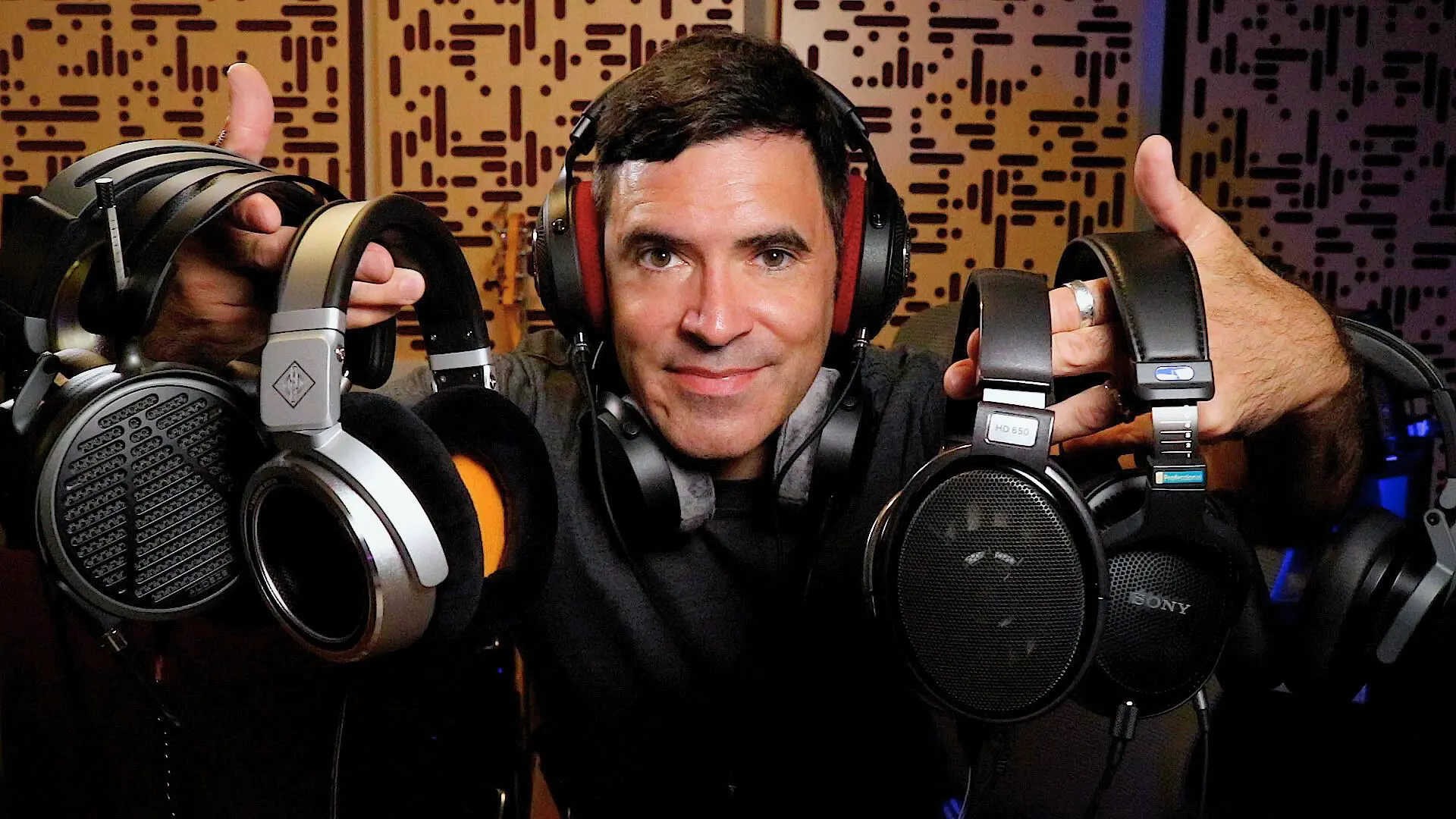
Choosing the right pair depends on your primary use: tracking, mixing, or both. Here are the factors that matter most.
Driver size and type
The driver diameter affects sound pressure and low-frequency capability. Larger drivers (45 mm to 50 mm) can move more air and produce deeper bass without distortion. Smaller drivers (30 mm to 40 mm) tend to be faster and more detailed in the mids. For music production, a 40 mm driver is a good baseline, while 45 mm or 50 mm drivers offer more headroom for bass-heavy genres.
Open-back vs. closed-back
Closed-back headphones isolate the ear from outside noise and prevent sound from leaking into a microphone. They are essential for recording vocals or acoustic instruments. Open-back headphones let air pass through the ear cups, creating a wider soundstage and more natural imaging, but they bleed sound and offer no isolation. Many engineers own one of each.
An open-back headphone is a mixing tool; a closed-back headphone is a tracking tool. Do not confuse one for the other.
Impedance and sensitivity
Impedance (measured in ohms) determines how much power a headphone needs. Low-impedance headphones (16 to 32 ohms) run well from a laptop or phone. High-impedance models (250 ohms or more) require a headphone amplifier to reach sufficient volume and sound their best. If you are using a standard audio interface, stick with 32 to 80 ohms unless you want to add an external amp.
Comfort and replaceable parts
You will wear these headphones for hours. Look for padded headbands, breathable ear pads (velour is better than leather for long sessions), and a clamping force that is firm but not skull-crushing. Replaceable ear pads and cables can double the lifespan of a headphone. For an idea of how different headphone designs affect long-term wear, our guide on picking the right headphones for extended listening sessions goes into the ergonomics of various models.
Frequency response and neutrality
A flat or neutral frequency response gives you an honest picture of your mix. Consumer headphones often boost bass and treble to sound exciting; that boost will lead you to make wrong mixing decisions. Studio monitors aim for neutrality, but every pair has slight colouration. Learn the quirks of your pair and cross-reference with other systems.
Frequently asked questions
Do I need open-back or closed-back headphones for music production?
It depends on the task. Closed-back headphones are necessary for recording to prevent microphone bleed. Open-back headphones are better for mixing because they offer a wider soundstage and more natural stereo imaging. Most professionals own one of each.
Can I use Bluetooth headphones for music production?
Bluetooth introduces latency that makes tracking impossible, and the audio compression degrades signal quality. If you must use wireless headphones, choose a pair that also works in wired mode, like the OneOdio A70, and only use the wired connection for serious work.
What does impedance mean and does it matter?
Impedance is the electrical resistance of the headphone drivers. Higher impedance headphones (250 ohms and above) need more voltage to reach the same volume as low-impedance headphones. They often sound better when paired with a dedicated headphone amplifier. Most audio interfaces can drive headphones up to about 80 ohms without a problem.
How often should I replace ear pads on studio headphones?
Replace ear pads when the material starts to flake or when the foam no longer springs back. For daily use, that is roughly every 12 to 18 months. Worn pads change the frequency response, especially the bass, so it is important to swap them for accurate monitoring.
Are expensive headphones always better for mixing?
Not necessarily. The Sony MDR7506 costs less than some consumer headphones and is still used in major studios because of its neutral tuning. What matters more than price is how well the headphone translates to other systems. A cheap, flat headphone is better than an expensive, coloured one.
What size cable do I need for studio headphones?
Most studio headphones use a 3.5 mm plug with a 6.3 mm screw-on adapter for mixing consoles and audio interfaces. Headphones with detachable cables let you replace a damaged cord without replacing the whole headphone. Fixed cables are a limitation.
Can I use gaming headphones for music production?
Gaming headphones typically emphasise bass and treble for in-game effects and often include a boom microphone. They are not tuned for neutral response, so they are not suitable for critical mixing. They can work for rough tracking in a pinch, but you will get better results with even an entry-level studio headphone.
The bottom line
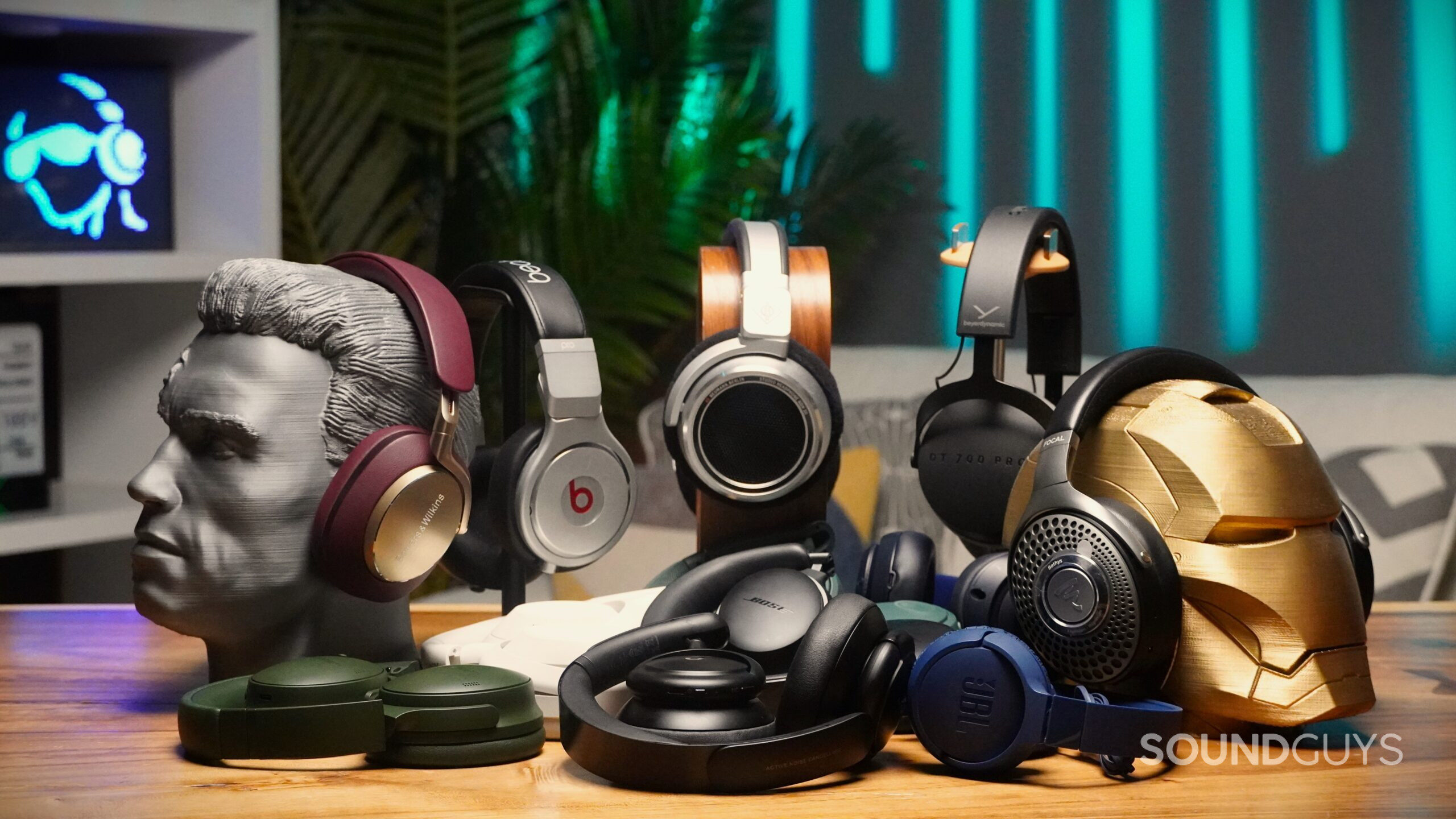
The best headphones for music production remain the Audio-Technica ATH-M50X, which balances accuracy, comfort, and durability for tracking and mixing alike. If your work demands a wider stereo field for mixing, add the Beyerdynamic DT 990 PRO as a second pair. For those on a tighter budget, the Sony MDR7506 or the Audio-Technica ATH-M40x offer professional neutrality without breaking the bank. Beginners can start with the Audio-Technica ATH-M20x and upgrade later. Whichever you choose, invest in a pair of studio headphones that let you hear your work honestly. The rest is practice.
As an Amazon Associate we earn from qualifying purchases.