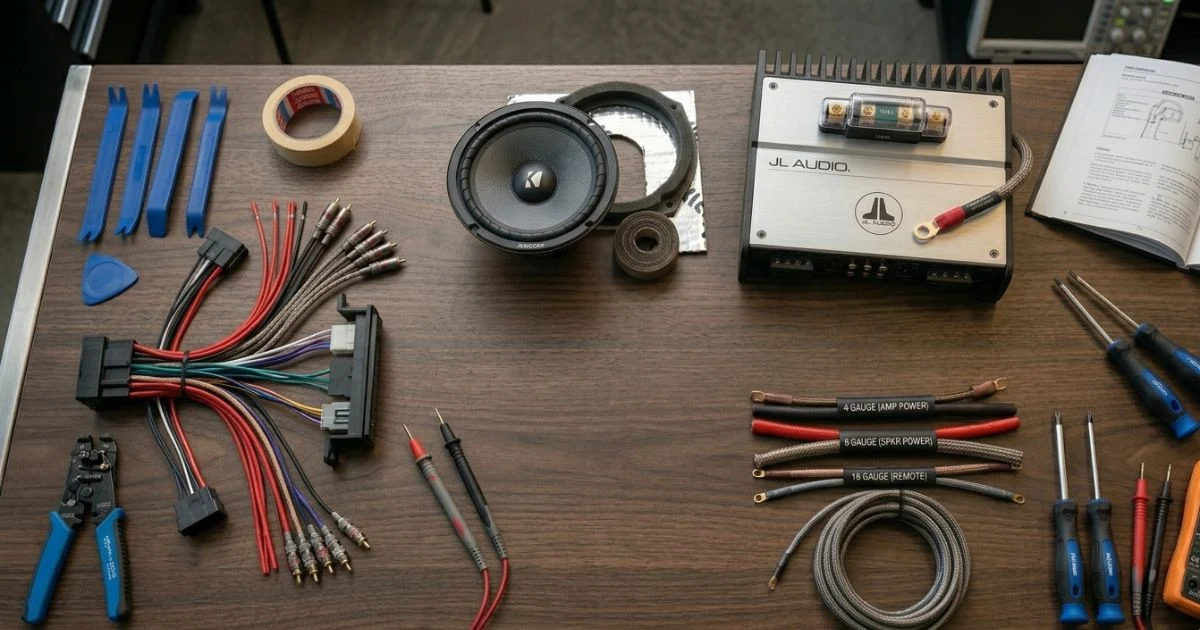

A car audio installation kit is the bundle of wiring harnesses, dash panels, antenna adapters, and mounting hardware that lets you fit an aftermarket radio into your specific vehicle without cutting factory wires or fabricating custom brackets. Most cars made after 2000 require such a kit because the factory radio is integrated into the dashboard design and uses a proprietary connector. Without it, you cannot simply swap the head unit.
The kit you need depends on your car’s make, model, and trim level, and on the size and shape of the new stereo you plan to install. The goal is to match the electronics (wiring, antenna, steering wheel controls) and the physical fit (the dashboard opening, the mounting depth, the trim bezel) so that the new radio looks factory-installed and works reliably.
What an Installation Kit Includes
A typical car audio installation kit contains several components, though not every kit includes all of them. It is important to know what you are getting because some sellers bundle only the wiring harness, while others provide a complete package.
The wiring harness adapter is the most critical piece. One end plugs into your car’s factory wiring connector; the other end has bare wires or a standardized plug that matches the aftermarket radio’s harness. This adapter lets you connect the new stereo without cutting or splicing into the car’s electrical system. The adapter also often includes a separate wire for the switched power source (accessory wire) that turns the radio on and off with the ignition.
The dash kit (also called a mounting kit or installation sleeve) is the plastic trim piece that fills the gap between the new radio and the car’s dashboard opening. Cars that have a double-DIN opening (about 4 inches tall by 7 inches wide) often accept aftermarket double-DIN radios directly, but many vehicles require a specific trim ring to match the contour of the dash. Single-DIN openings (2 inches tall) usually need a pocket or a trim bezel to prevent a gap.
The antenna adapter is needed because car antennas use different connectors than aftermarket radios. Most modern cars use a standard Motorola-style connector, but some European and Asian vehicles use a proprietary plug. The antenna adapter ensures you get clear radio reception.
If your car has steering wheel audio controls, you may need a steering wheel control interface. This small module translates the factory buttons into signals the aftermarket radio can understand. Without it, those buttons will not work.
Some full kits also include a wiring harness for retaining the factory backup camera, USB ports, or the auxiliary input. These are often sold separately as “integration modules.”
Why You Need a Vehicle-Specific Kit
Universal kits exist, but they are rarely the right choice for a clean, reliable installation. A vehicle-specific kit is designed for your exact car. The dash trim matches the shape and color of the factory dashboard, the wiring harness uses the correct pinout, and the mounting brackets align with the factory screw holes.
For example, a 2015 Chevy Silverado uses a completely different dash shape and wiring layout than a 2015 Honda Civic. A vehicle-specific kit like the one designed for a Chevy Silverado ensures the new radio sits flush, the buttons line up, and the wiring does not short out. Using a universal kit often leaves gaps, requires splicing, and may cause the radio to sit crooked or protrude.
The exception is when you are building a custom installation with a fabricated dashboard, such as in a classic car or a show vehicle. In that case, you may use a universal wiring harness and a custom mounting plate, but you will still need a vehicle-specific antenna adapter to maintain reception.
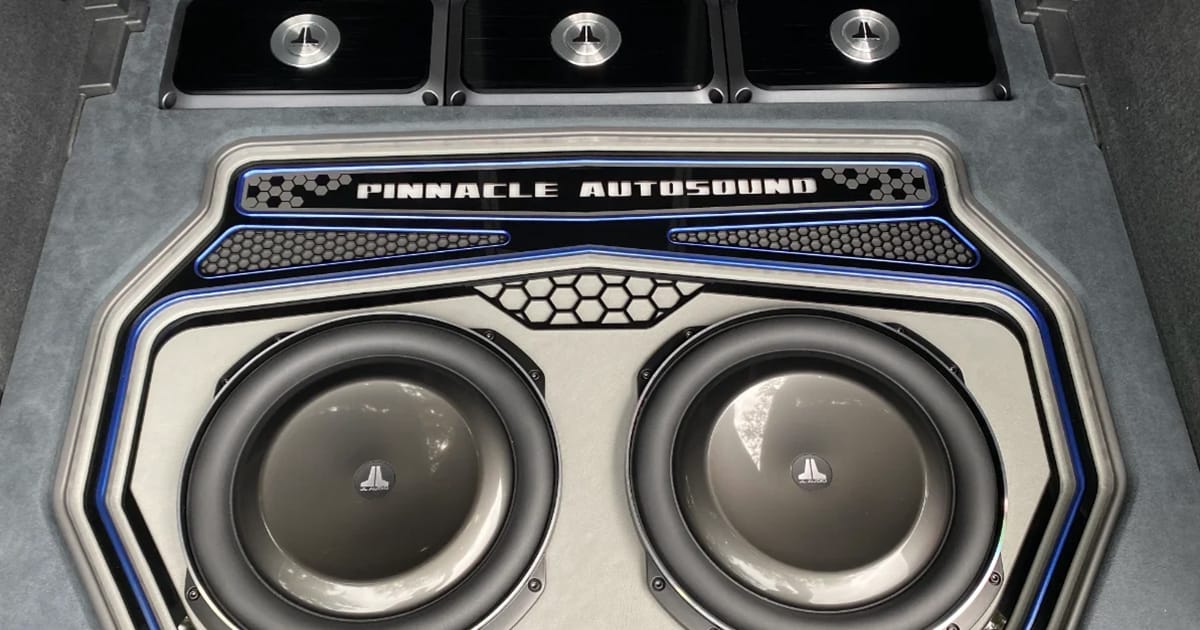
How to Match the Kit to Your Car and Stereo
Start by identifying your car’s radio size. The two common standards are single-DIN and double-DIN. Double-DIN radios are twice as tall as single-DIN and offer a larger touchscreen. Check your car’s factory radio opening: if it is about 4 inches tall, it accepts double-DIN; if it is 2 inches tall, it is single-DIN. Some cars have a “shallow” double-DIN opening that requires a specific kit that provides a deeper mounting sleeve.
Next, determine the radio’s wiring harness type. Most aftermarket radios from brands such as Sony, Pioneer, Kenwood, and JVC use a standardized ISO connector or a proprietary plug that comes with the radio. Your installation kit’s wiring harness must match that connector. Many kits are labeled “for Pioneer” or “for Sony” because the pinout varies slightly between brands.
Then, check for additional features that need to be retained. If your car has a factory backup camera, you will need a harness that adapts the camera’s signal to the aftermarket radio’s video input. If it has a factory amplifier, you may need a separate bypass harness. The same applies to USB ports, auxiliary inputs, and the factory satellite radio tuner.
Finally, confirm the antenna connector type. The most common is the standard Motorola plug, but some European cars (BMW, Volkswagen, Audi) use a specific “FAKRA” connector. Japanese cars often use a different size. The antenna adapter in your kit must match both the car’s cable and the radio’s antenna input.
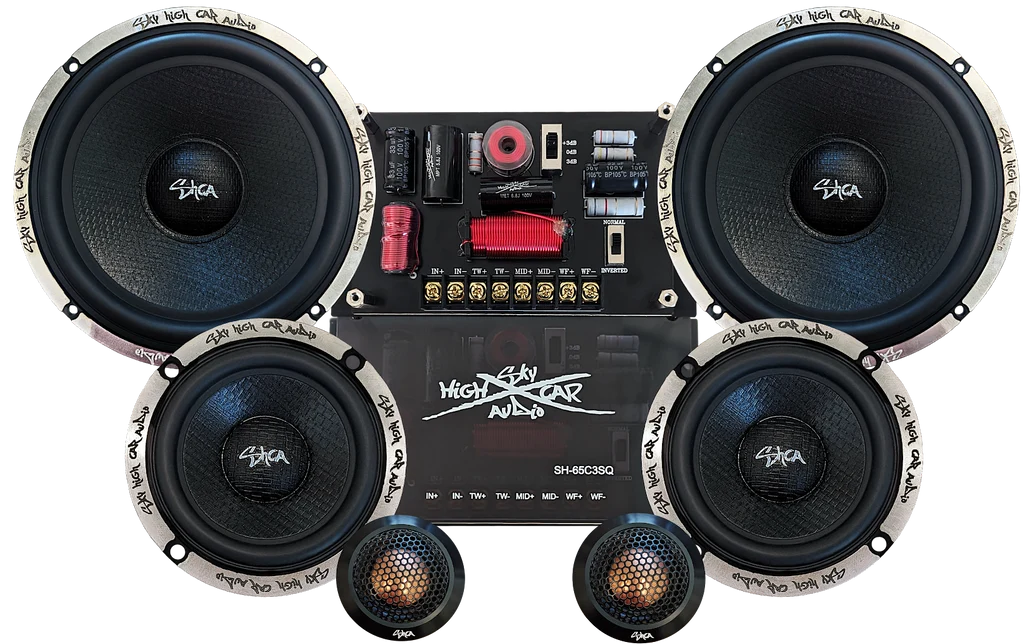
Common Mistakes to Avoid
One of the biggest mistakes is buying a kit that is only listed by car make and year without checking the trim level. Some cars have different dash shapes depending on whether they have a touchscreen, a navigation system, or a base audio system. Always verify the fit with your own VIN or by looking at the dashboard shape online.
Another mistake is forgetting the steering wheel control interface. Many people install the radio and then realize the volume knob on the steering wheel does nothing. Retrofitting this module later requires pulling the radio out again, which is time-consuming and risks damaging the dash trim.
Skipping the antenna adapter often leads to poor radio reception. You might get static or lose stations. The adapter costs a few dollars and is worth the peace of mind.
Finally, do not assume that the kit includes all the necessary screws and brackets. Some kits require you to reuse the factory mounting brackets from your original radio. Check the kit’s contents list before you start.
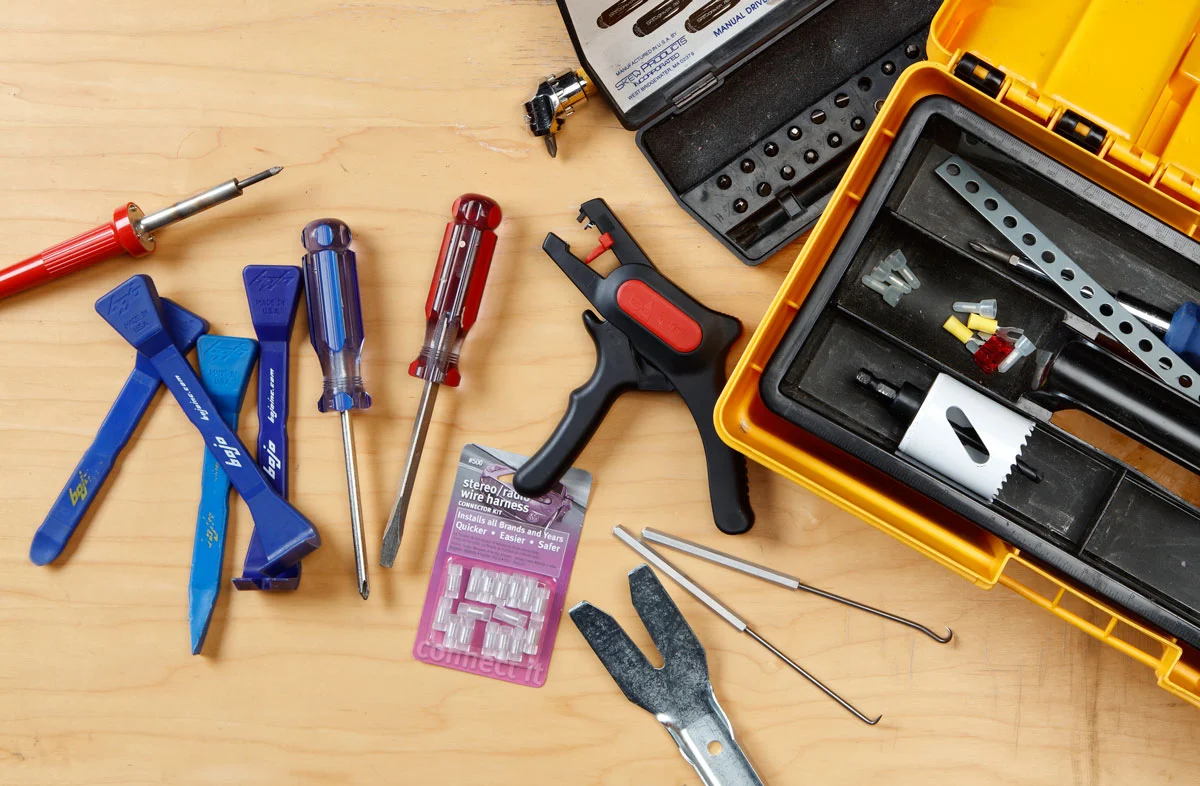
FAQ
What is the difference between a single-DIN and double-DIN installation kit?
Single-DIN kits are designed for radios that are 2 inches tall. They usually include a plastic pocket or a trim plate to fill the extra space above or below the radio. Double-DIN kits are for radios that are 4 inches tall and often include a mounting sleeve that slides into the dash opening. The dash trim piece is also shaped to match the larger radio face.
Do I need a wiring harness adapter if I can solder the wires myself?
You can cut and solder the factory wires directly, but that makes the installation irreversible and more difficult to troubleshoot later. A wiring harness adapter lets you plug the new radio in and out easily, and it preserves the factory connector for future resale or replacement. Most professionals recommend using the adapter.
Can I reuse the same installation kit for a different car?
Usually not. Each kit is designed for a specific dashboard shape, wiring connector, and antenna interface. Even two cars from the same manufacturer with the same model year may have different kits if they have different audio options. You would need to purchase a new kit for each vehicle.
What is a steering wheel control interface, and do I need it?
A steering wheel control interface is a small box that connects between the car’s factory steering wheel buttons and the aftermarket radio. It translates the button signals into commands the radio understands. If you want to keep using your steering wheel controls for volume, track change, and mode, you need this interface. It is sold separately and is specific to the radio brand and car model.
How do I know if my car needs a dash kit?
If your car’s factory radio is integrated into the dashboard with a custom trim piece, you will need a dash kit to fill the gap when you install an aftermarket radio. Most cars built after 2000 require one. You can check by looking at the shape of the radio opening: if it is not a perfect rectangle, or if there are curved edges, a dash kit is likely needed. On the other hand, some trucks and older cars have a standard rectangular DIN opening that works without a trim kit.