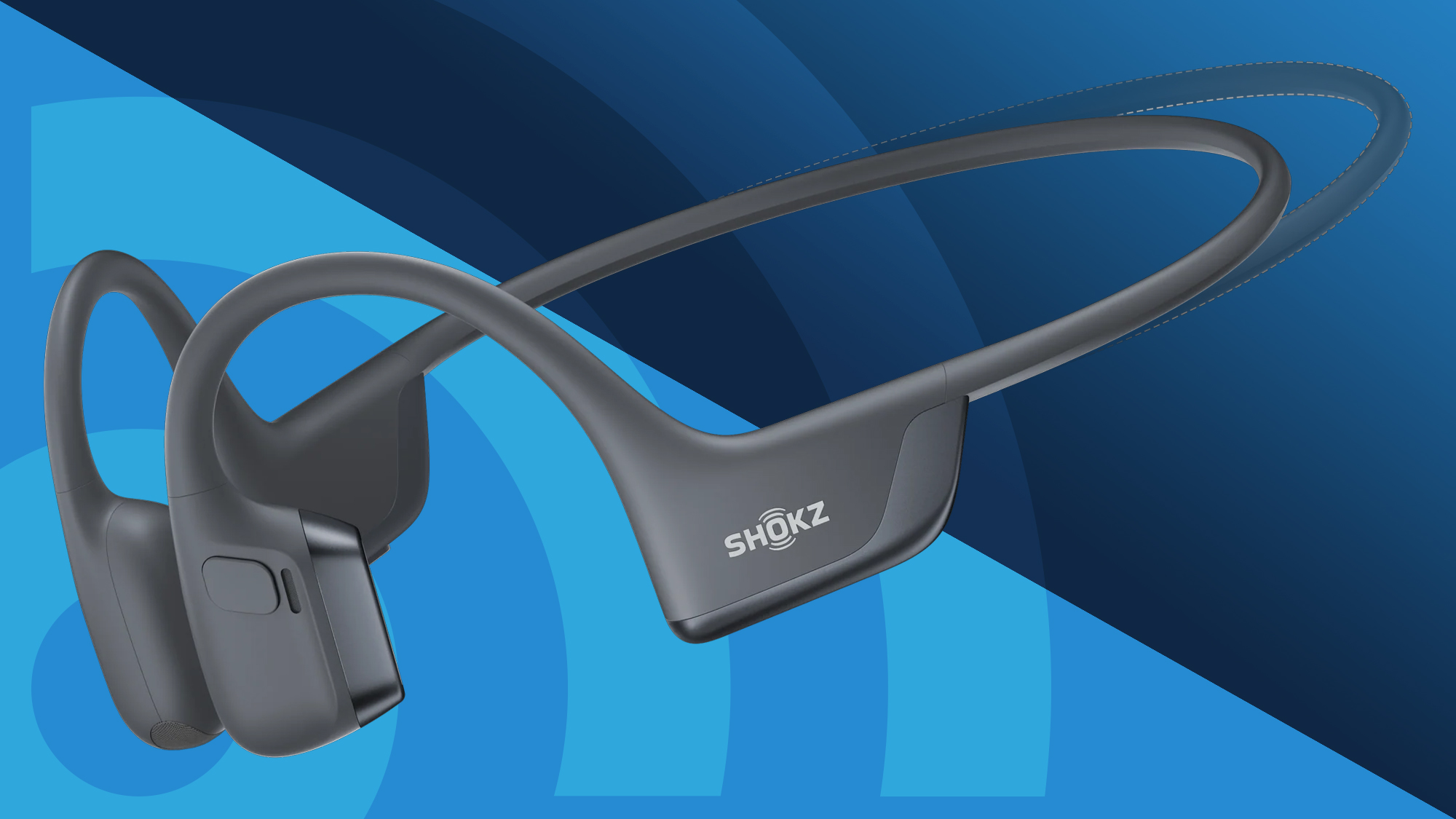

A good running earbud should disappear once the workout starts. A bad one loosens with every stride, muffles traffic, or leaves you wondering if sweat has already reached the electronics. The Best wireless earbuds for running need more than strong sound. They need a dependable fit, useful awareness modes, physical controls, and protection suited to the weather.
This list ranges from feature-rich hook designs to simpler workout earbuds with long-lasting cases. Some use active noise cancellation, while others rely on passive isolation and an awareness mode. The single best pick is Beats Powerbeats Pro 2, with JBL Endurance Peak 4 and JLab Go Sport+ close behind for different kinds of runners.
Comparison table
| # | Product | Award | Battery | Protection | Noise control | Best for |
|---|---|---|---|---|---|---|
| 1 | Beats Powerbeats Pro 2 | Best overall | Up to 45 hours with case | IPX4 | ANC and Transparency | Runners who want the most complete feature set |
| 2 | GNMN V7 | Best battery life | Up to 96 hours with case | IPX7 | ANC and Transparency | Long training schedules and wet conditions |
| 3 | bmani Sports Earbuds | Best physical controls | Up to 80 hours with case | Sweat and dust resistant | Passive isolation | Runners who dislike touch controls |
| 4 | TRAUSI i27 | Best lightweight design | Up to 54 hours with case | IPX7 | ENC microphone | Lightweight daily training |
| 5 | JLab Go Sport+ | Best app support | Up to 35 hours total | IP55 | Be Aware Audio | Runners who want adjustable controls |
| 6 | GOLREX ANC Sport Earbuds | Best for powerful sound | Up to 80 hours with case | Not specified | Hybrid ANC and Transparency | Bass-heavy playlists and commuting |
| 7 | HAOYUYAN BX17 | Best battery per charge | Up to 15 hours per charge | IPX7 | Passive isolation | Long runs between charges |
| 8 | JBL Endurance Peak 4 | Best weather protection | Up to 48 hours total | IP68 | Adaptive ANC and Smart Ambient | Trail runners and harsh weather |
| 9 | Aptkdoe HD65 | Best long-play option | Up to 75 hours total | IPX7 | ENC microphones | Runners who want infrequent charging |
| 10 | JBL Endurance Race 2 | Best compact JBL option | Up to 48 hours total | IP68 | ANC and Smart Ambient | Stable everyday workouts |
1. Beats Powerbeats Pro 2: Best Overall

Pros
- Earhooks and five ear tip sizes create a secure fit
- ANC and Transparency modes suit changing surroundings
- Heart rate monitoring works without a chest strap or watch
- Physical buttons and volume rockers are easy to use while moving
Cons
- IPX4 protection is less robust than several rivals here
- USB-C charging cable is sold separately
- The feature set is strongest for runners who use the Beats app
Best for: runners who want secure hardware, useful training features, and strong phone compatibility.
The first thing to know about Beats Powerbeats Pro 2 is that the earhook changes the whole wearing experience. Instead of relying on the ear tip alone, a nickel titanium alloy hook supports each earbud and flexes around the ear. Five ear tip sizes make it easier to find a seal that stays put during sprints, lifting, or a long steady run. Beats says the design is 20 percent lighter than the previous generation, which matters when the hook is in contact with your ear for an extended session.
The feature set is unusually broad for a sports earbud. Active Noise Cancelling can reduce the constant hum of a gym or treadmill area, while Transparency mode brings back outside sound when road awareness matters. Built-in sensors pulse more than 100 times per second for heart rate tracking, and the IPX4 rating covers sweat and water resistance. That is suitable for regular workouts, but it is not the same level of protection offered by the IP68 JBL models.
The Apple H2 chip supports automatic device switching and hands-free Siri on Apple devices. Android users still get feature access through the Beats app, including heart rate monitoring, controls, and battery widgets. The case provides up to 45 hours of total listening time, and a five-minute Fast Fuel charge adds up to 1.5 hours. Qi charging is another welcome convenience. Six microphones, three per earbud, also give this pair a stronger call setup than most of the inexpensive hook designs.
Compared with JBL Endurance Peak 4, the Powerbeats Pro 2 has a more distinctive training feature in heart rate monitoring and a broader Apple and Android story. JBL is tougher against dust and water, though. JLab Go Sport+ is easier to recommend for simple workouts and app-based customization, but it does not match Beats for sensors or ANC. The weakness here is the IPX4 rating, so runners who train in heavy rain or regularly deal with mud should choose a more sealed design. For everyone else, this is the most complete Best wireless earbuds for running package in the group.
2. GNMN V7: Best Battery Life

Pros
- Up to 96 hours with the charging case
- IPX7 waterproof rating
- ANC and Transparency modes
- 16mm drivers emphasize bass and a large sound
Cons
- Individual earbud playback is limited to up to 8 hours
- The large drivers may not suit listeners who prefer a restrained sound
- No app or advanced control customization is specified
Best for: runners who want a long-lasting case and strong water protection.
GNMN V7 is built around two numbers that matter to people who hate charging: up to 8 hours from the earbuds and up to 96 hours with the case. The dual LED display shows the case and earbud levels, so the remaining charge is visible before leaving for a run. USB-C fast charging keeps the case practical for daily use, although the product details do not specify a short-charge playback figure.
Its soft earhooks and customizable tips are designed to hold the buds in place during more intense movement. The IPX7 rating gives it a stronger stated water resistance level than Beats Powerbeats Pro 2, and the design is aimed squarely at sweat, rain, and workouts. Runners should still keep the charging case dry, since the water rating applies to the earbuds rather than automatically making the case waterproof.
GNMN uses active noise cancellation with a claimed reduction of up to 45dB, plus a Transparency mode. That makes the V7 flexible for indoor training, travel, and outdoor runs where awareness is important. The 16mm speaker drivers and in-ear structure are tuned around clear highs, rich mids, and punchy bass. Those larger drivers should appeal to people who want a forceful soundtrack, though listeners who prefer a lighter presentation may find the sound more assertive than the JLab Go Sport+.
The V7 beats bmani Sports Earbuds on stated waterproofing and adds ANC, while bmani offers more explicit physical button control. It also goes far beyond TRAUSI i27 in case capacity, but TRAUSI is lighter at a stated 7g per earbud. Skip GNMN if you want a small, subtle earbud or detailed app controls. Choose it when long stretches between case charges and a secure, weather-ready fit matter more.
3. bmani Sports Earbuds: Best Physical Controls

Pros
- Separate main and volume buttons
- Up to 80 hours with the charging case
- Adjustable earhooks suit running and cycling
- Ten millimeter dynamic drivers and dual microphones
Cons
- No ANC or Transparency mode is specified
- Water protection is described as sweat and dust resistance without an IP rating
- Earbud playback is up to 8 hours before returning to the case
Best for: runners who want reliable button presses instead of touch gestures.
bmani Sports Earbuds make a persuasive case for keeping controls simple. Their separate main and volume buttons give direct access to playback, calls, and volume without requiring a precise tap on a small touch panel. That is useful with sweaty fingers, gloves, or a running stride that makes accidental gestures frustrating. The adjustable earhooks are designed to follow different ear shapes and keep the earbuds stable during running, cycling, and gym sessions.
The battery setup is also straightforward. Each earbud offers up to 8 hours, while alternating use with the charging case extends total usage to up to 80 hours. A dual LED display shows the case level and the charging status of the earbuds. That is not as expansive as the GNMN V7's stated 96 hours, but it remains plenty for repeated training sessions without constant charging.
Inside, 10mm dynamic drivers are paired with dual microphones. The listed sound profile promises crisp treble and rich bass, while the microphones are intended to reduce surrounding noise during calls. There is no active noise cancellation mode listed, so this is better understood as an uncomplicated workout set than a way to reshape a noisy gym. Its protection is described as sweat and dust resistant, but no formal IP rating is provided.
Compared with JLab Go Sport+, bmani has the stronger argument for tactile operation, while JLab adds IP55 protection, Be Aware Audio, multipoint Bluetooth, and app control. Aptkdoe HD65 lasts longer per earbud, but bmani offers a more clearly defined button layout. Skip this pair if active noise cancellation or a formal waterproof rating is essential. It fits runners who value dependable controls and a case that can cover many workouts.
4. TRAUSI i27: Best Lightweight Design

Pros
- Each earbud weighs a stated 7g
- IPX7 waterproof rating
- Bluetooth 5.4 and a stated 15m connection range without obstacles
- Touch controls and a percentage battery display
Cons
- Up to 6 hours per charge is shorter than most picks here
- The advertised protection note says they are not suitable for submersion
- No ANC mode is specified
Best for: runners who dislike bulky hooks and want a lighter design.
TRAUSI i27 takes a lighter approach to the sports hook design. Each earbud is listed at 7g, and the soft, ultra-light hook is meant to keep the bud secure without creating unnecessary pressure. Three silicone tip sizes help establish the seal. That combination should appeal to runners who find larger over-ear designs distracting, though fit still depends on how the hook and tip align with each ear.
The i27 runs for up to 6 hours on a charge and up to 54 hours with its 400mAh case. A 10-minute quick charge provides up to 2 hours of playback, and the case fully charges in 1.5 hours. The LED percentage display is more informative than a single row of vague lights. For daily runners, the shorter individual runtime is the trade-off for a smaller, lighter design.
Bluetooth 5.4 supports automatic pairing and a stated connection range of up to 15m without obstacles. The earbuds support common profiles including HSP, HFP, A2DP, and AVRCP, so they are positioned for phones, tablets, and Windows devices. Touch controls handle playback, calls, volume, and voice assistants. Calls use a noise-cancelling microphone, but the data does not list active noise cancellation for music.
The IPX7 rating gives TRAUSI a stronger formal protection claim than bmani Sports Earbuds, though the product note says the earbuds are not suitable for submersion. GNMN V7 offers much longer case endurance and ANC, but its design is likely to feel more substantial. People choosing the Best wireless earbuds for running around low weight should put TRAUSI near the top of the shortlist. Skip it if you routinely run longer than six hours between charging opportunities or want environmental noise reduction for music.
5. JLab Go Sport+: Best App Support

Pros
- Up to 9 hours per earbud
- EQ3 sound modes and adjustable Be Aware Audio
- Multipoint Bluetooth and independent earbud use
- IP55 sweat and dust resistance
Cons
- The case adds 26 or more hours, less than most rivals here
- No active noise cancellation is specified
- The built-in USB charging cable may be less convenient to replace
Best for: runners who want software controls, sound presets, and multipoint pairing.
JLab Go Sport+ is the most thoughtfully configurable option in the group. The JLab app lets you switch between Signature, Balanced, and Bass Boost EQ modes, adjust Be Aware Audio, and remap touch controls. That is useful when the same earbuds need to handle a quiet treadmill session, a road run, and a call afterward. The ergonomic earhook is sized to fit smaller ears, which broadens its appeal beyond the usual one-size sports design.
Battery life is up to 9 hours per earbud, with 26 or more additional hours from the case. That gives the Go Sport+ a stronger single-session figure than bmani Sports Earbuds and TRAUSI i27, although its total case figure is lower than the long-running models. The case has a built-in USB charging cable, so there is one less loose cable to pack. It is convenient, but a permanently attached cable can be less easy to replace than a standard port.
IP55 protection covers sweat and dust, and Be Aware Audio lets outside sound in for safer listening. That is not ANC. Instead, JLab is designed around adjustable awareness and a simple workout sound profile. Dual MEMS microphones support C3 Clear Calling, with one microphone capturing the voice and the other helping cancel background noise. Multipoint pairing connects two devices, while Dual Connect allows either earbud to work independently.
This is a better software pick than bmani Sports Earbuds, whose physical buttons are more tactile but whose features are less configurable. JBL Endurance Race 2 offers stronger water and dust protection plus ANC, but JLab is easier to tailor from the app. Runners who want to keep a phone and laptop connected should look closely at the multipoint support. For other related listening needs, it also helps to consider how call clarity changes in busy outdoor settings.
6. GOLREX ANC Sport Earbuds: Best for Powerful Sound

Pros
- Hybrid ANC claims reduction of up to 50dB
- 13mm dynamic drivers
- Physical buttons reduce accidental workout inputs
- Wireless and USB-C charging for the case
Cons
- No IP protection rating is specified
- The case and earbuds are heavier than several compact rivals
- ANC performance cannot be judged from the specification alone
Best for: runners who want large-driver sound and strong noise control for indoor training.
GOLREX ANC Sport Earbuds are aimed at listeners who want their running playlist to feel substantial. The 13mm dynamic drivers are larger than those in JBL Endurance Race 2 and JLab Go Sport+, and the stated tuning emphasizes deep bass, clear vocals, and detail. That should suit energetic music, though a larger driver does not automatically mean better balance. People who prefer a restrained sound may find the presentation more forceful.
The hybrid ANC system uses a four-layer noise reduction architecture and claims to reduce ambient sound by up to 50dB. A Transparency mode lets conversations and traffic back into the mix. These modes make the GOLREX more adaptable than the passive-isolation designs from bmani and Aptkdoe. The product does not list an IP rating, however, so runners who regularly face heavy rain should prefer a formally rated model.
Physical buttons control playback, calls, volume, and voice assistants. That is a practical choice for training, where accidental touch inputs can interrupt a song. The flexible over-ear hooks and S, M, and L tips aim to keep the fit secure, while the listed lightweight shape is intended to reduce pressure. The 600mAh case provides up to 80 hours of total playback, supports wireless charging, and can also charge through USB-C. A 10-minute charge restores up to 2 hours.
Compared with GNMN V7, GOLREX offers larger drivers, physical buttons, and wireless case charging, while GNMN has a stronger stated IPX7 rating and longer total case endurance. Beats Powerbeats Pro 2 remains the more complete pick for heart rate tracking and platform integration. Skip GOLREX if you need clear water protection information. It is a better match for indoor gym users and bass-focused listeners than for exposed trail running.
7. HAOYUYAN BX17: Best Battery per Charge

Pros
- Up to 15 hours per charge
- Up to 80 hours with the case
- IPX7 protection
- Physical controls and three silicone tip sizes
Cons
- No active noise cancellation mode is specified
- The product title describes noise canceling without detailing a music ANC system
- The case must be charged before the next long session
Best for: runners who want the longest stated single-charge runtime.
HAOYUYAN BX17 stands out because its up to 15-hour single-charge figure is unusually high for this group. That gives it a clear role for long training days, travel, or anyone who regularly forgets to put earbuds back in the case. The case raises total playback to up to 80 hours and uses dual LED screens to show the remaining levels. The case itself charges through USB-C in about 1.5 hours according to the product details.
A flexible hook and three silicone tip sizes form the core of the fit. The IPX7 rating is designed to protect against sweat and rain, and the listing states that the earbuds can survive accidental submersion to one meter for 30 minutes. That is stronger water protection than JLab Go Sport+ and Beats Powerbeats Pro 2. As with every water-resistant earbud, the charging case is the part that needs more care.
The BX17 uses 14.3mm dynamic drivers, with a sound profile built around powerful bass, balanced mids, and crisp highs. Physical buttons handle volume, track changes, calls, and voice assistants. Bluetooth 5.3 supports auto-pairing and a stated stable range of up to 33 feet. The built-in microphone is intended to keep calls clear in noisy environments, but the supplied details do not specify active noise cancellation for listening.
The long per-charge battery separates HAOYUYAN from Aptkdoe HD65, which offers up to 15 hours per charge as well, but has a similar sports-focused design and 75-hour total figure. GNMN V7 adds ANC and Transparency, making it more flexible in gyms and travel. Skip the BX17 if you need an awareness mode for road running or want a companion app. For runners who simply want a secure pair that keeps playing through long sessions, it is a practical specialist.
8. JBL Endurance Peak 4: Best Weather Protection

Pros
- IP68 water and dust protection
- TwistLock design with liquid silicone memory-wire hooks
- Adaptive ANC and Smart Ambient
- Six microphones and wind reduction for calls
Cons
- Up to 48 hours depends on the listening mode
- The case is larger than compact everyday earbuds
- Charging cable is not included
Best for: trail runners and outdoor athletes who need maximum stated protection.
JBL Endurance Peak 4 is the most weather-focused design here. Its IP68 rating covers dust and water, with the product details specifically mentioning sweat, rain, salt water, sand, humidity, and high temperatures. That is a meaningful step above IPX4 or IP55 when training takes place on exposed trails or in unpredictable conditions. The rating does not make the case indestructible, but the earbuds themselves are built for a demanding outdoor routine.
The TwistLock fit uses JBL OvalTubes and a liquid silicone earhook with memory wire. The goal is a secure seal without forcing the hook tightly against the ear. This is a different approach from the lighter TRAUSI i27, and the Peak 4 may feel more substantial, but the hook is designed to adapt to different ear sizes. JBL also includes a lanyard hole in the case, which is a small but useful detail for carrying it on a run or hike.
Adaptive Noise Cancelling uses four noise-sensing microphones, while Smart Ambient lets the runner hear traffic and conversation. The 10mm dynamic drivers support JBL Pure Bass sound, and the Headphones app adds Personi-Fi 3.0 and activity presets. Six microphones, three per earbud, handle calls and use beamforming to reduce unwanted sound. JBL also describes a windproof design for clearer calls during breezy outdoor runs.
The battery reaches up to 12 hours from the earbuds and up to 48 hours total with the case when ANC is off. With ANC on, the stated figure drops to 8 hours from the earbuds plus 24 hours from the case. A 10-minute charge adds up to 4 hours. JBL Endurance Race 2 is a smaller-feeling alternative from the same family with comparable total playback and IP68 protection, but Peak 4 has the more substantial hook design and six-microphone call system. Pick Peak 4 for harsh conditions. Skip it if you want the least noticeable earbuds for short urban runs.
9. Aptkdoe HD65: Best Long-Play Option

Pros
- Up to 15 hours per charge
- Up to 75 hours with the case
- IPX7 protection
- Physical controls and Bluetooth 5.4
Cons
- No active noise cancellation mode is specified
- ENC microphones are intended for calls rather than music isolation
- No app or EQ customization is specified
Best for: runners who want long playback and button controls in a simple design.
Aptkdoe HD65 is a straightforward sports earbud with an unusually long stated runtime. Each charge lasts up to 15 hours, and the case extends total playback to up to 75 hours. The dual LED display shows the case level and charging progress, which makes it easier to manage a long training schedule. That single-charge figure matches HAOYUYAN BX17 and is considerably longer than the 6 to 9 hours listed for several compact competitors.
The TPU earhooks are intended to prevent the earbuds from falling out while remaining comfortable and anti-allergic. IPX7 protection covers splash damage from sweat and rain, making the HD65 better suited to wet runs than Beats Powerbeats Pro 2. The fit is still dependent on the included hook shape and ear tip seal, so runners with smaller or unusually shaped ears may prefer the more adjustable JLab or Beats designs.
A 14.2mm driver produces deep bass, mellow mids, and clear treble. The built-in ENC microphones are designed to reduce background noise on calls, with the listing claiming that they passively cancel 80 percent of background noise. That should not be confused with active noise cancellation for the listener. Physical buttons cover playback, track changes, volume, calls, and voice assistance, which is more dependable during exercise than many touch panels.
Bluetooth 5.4 supports automatic pairing and a stated range up to 33 feet. HAOYUYAN BX17 is the closest rival, with the same stated 15-hour individual runtime, IPX7 protection, and physical controls. Aptkdoe has a slightly shorter total case figure, while HAOYUYAN lists larger 14.3mm drivers. Choose the HD65 if the 75-hour case and direct controls fit your routine. Look elsewhere if you need ANC, Transparency, or a way to tune the sound in an app.
10. JBL Endurance Race 2: Best Compact JBL Option

Pros
- IP68 dust and water protection
- TwistLock wing enhancer improves stability
- ANC and Smart Ambient modes
- Multipoint, Google Fast Pair, and Microsoft Swift Pair
Cons
- The charging case needs to stay dry before charging
- Up to 48 hours includes case recharges
- Smaller 6.8mm drivers may sound less forceful than larger-driver rivals
Best for: runners who want JBL protection and stability in a more compact design.
JBL Endurance Race 2 takes the core sports priorities seriously without adding the larger hook structure of the Peak 4. Its ergonomic wing enhancer uses TwistLock technology to improve stability and seal, making it a strong candidate for runs that involve repeated changes of pace. The design is also rated IP68 for dust and water, including protection against submersion in fresh and sea water. JBL says the case is IPX2 water resistant, but it should still be dried before charging.
The earbuds provide up to 12 hours of playback, with another 36 hours from the case when ANC is off. ANC reduces distractions, and Smart Ambient lets the runner control how much of the outside world comes through. A 10-minute charge provides up to 4 hours. Sixteen hours of total playback with ANC on is the listed figure, so runners who use noise cancellation continuously should plan around that rather than the maximum.
JBL uses 6.8mm dynamic drivers with its Pure Bass tuning. That is smaller than the 10mm driver in the Peak 4 and the large drivers used by GNMN V7, GOLREX, and Aptkdoe. The Race 2 is therefore more about a stable, controlled sports package than maximum low-end impact. Four microphones, two per earbud, use beamforming to support calls in outdoor conditions.
The JBL Headphones app includes Sports Mode, ANC, Ambient Aware, EQ, and six workout presets. Multipoint allows two Bluetooth devices to remain paired, while Google Fast Pair and Microsoft Swift Pair make setup easier on compatible hardware. Compared with JLab Go Sport+, JBL offers stronger water and dust protection plus ANC, while JLab has a more established customization story for EQ and control remapping. Runners looking for a better balance between outside awareness and noise reduction should focus on this model. Skip it if your priority is maximum bass or the longest single-charge runtime.
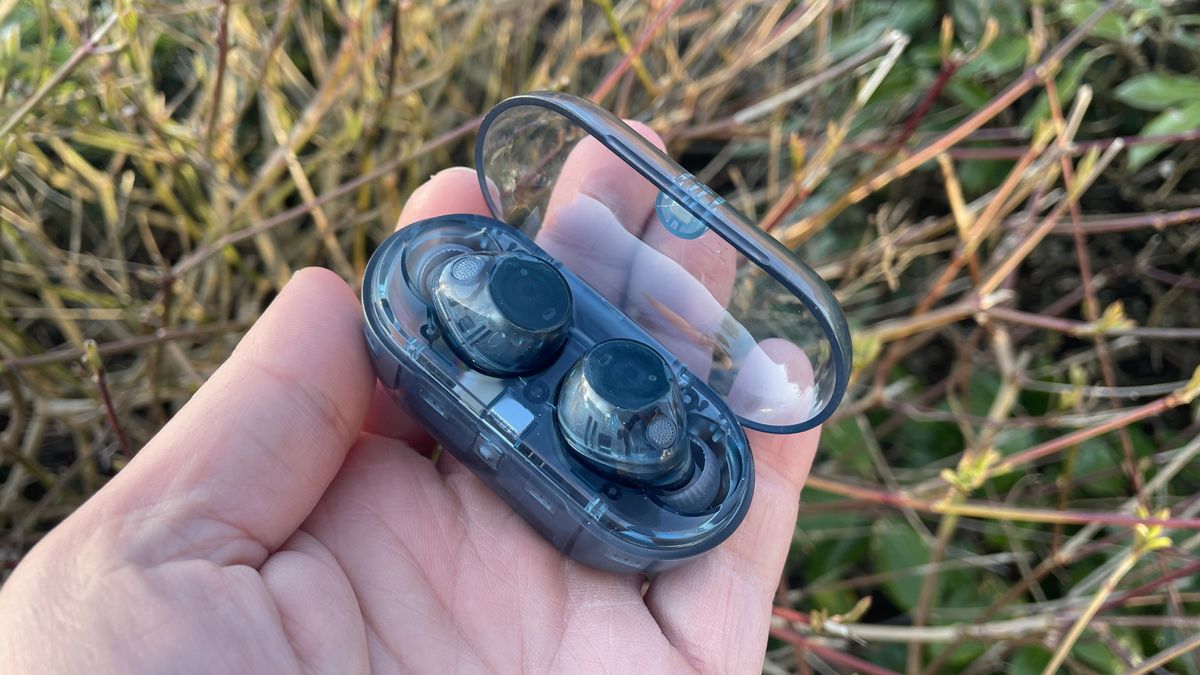
How to choose best wireless earbuds for running
The right pair depends less on headline battery claims than on how securely it fits, how well it handles sweat, and how easily you can control it while moving.
Fit and stability
Earhooks, wings, and correctly sized ear tips keep earbuds from shifting as your pace changes. A hook can be especially useful for sprinting and high-intensity workouts, while a wing enhancer may feel less noticeable for daily runs. Look for multiple tip sizes and a design that supports the ear without creating pressure behind it.
Water and dust protection
IP ratings provide a clearer guide than general phrases such as sweat resistant. IPX4 covers splashes and sweat, IP55 adds dust protection, IPX7 handles more serious water exposure, and IP68 offers the strongest protection in this group. The case may have a different rating or no water rating at all, so never assume the charging case can be treated like the earbuds.
For outdoor running, a secure awareness mode matters more than the strongest possible noise cancellation.
Ambient sound control
ANC can make a treadmill, gym, or commute less distracting, but runners on roads need a way to hear traffic and people. Transparency, Smart Ambient, Be Aware Audio, and similar modes serve that purpose. If a pair has neither ANC nor an awareness mode, it relies on passive isolation and may require more attention to volume.
Battery design
Check both earbud runtime and total case runtime. A case figure can look impressive while the earbuds still need charging after a normal workday, while a 12 to 15-hour individual runtime is better suited to long outings. Fast charging is useful when you discover a low battery before leaving, and a visible case display removes guesswork.
Controls and calls
Physical buttons are easier to operate with sweaty hands and reduce accidental taps, though touch controls can feel cleaner and more responsive. Runners who take calls should look for multiple microphones and a stated call noise reduction system. ANC for music and ENC for calls solve different problems, so do not treat them as interchangeable.
Sound and app features
Driver size can hint at the intended presentation, but it does not define sound quality by itself. Larger drivers often appeal to bass-focused listeners, while EQ modes and app adjustments let you reshape the presentation. Multipoint pairing is useful when earbuds move between a phone and a laptop, and independent earbud use helps when you want one ear open.
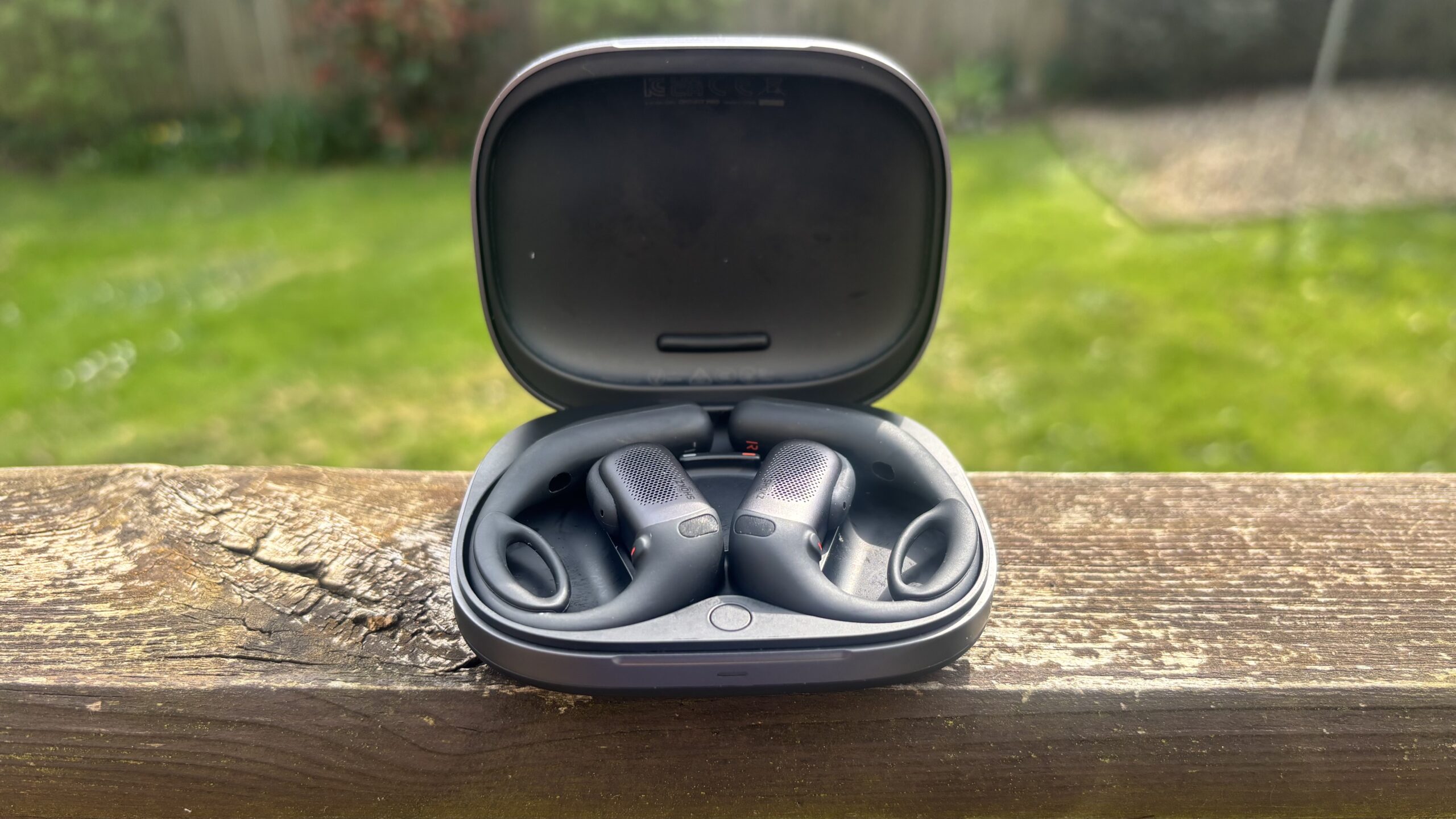
Frequently asked questions
Are earhooks necessary for running?
No. Earhooks are helpful for runners who experience slipping, especially during sprints, intervals, and high-impact workouts. Winged designs and well-fitted in-ear tips can also stay secure without extending around the ear.
Is ANC safe for outdoor running?
ANC can be used outdoors, but runners should activate Transparency or Smart Ambient when they need to hear traffic, cyclists, or other people. Noise cancellation is most useful in controlled settings such as a gym, treadmill, or airplane. Listening at a moderate volume also helps preserve awareness.
What water rating should running earbuds have?
IPX4 is suitable for sweat and light splashes, while IPX7 and IP68 provide more protection for rain and demanding outdoor use. Check the charging case separately because it may not share the earbuds' rating. Dry the earbuds and case before charging whenever the instructions call for it.
How much battery life is enough for a run?
Most runners need far less than the maximum case figure. Six to nine hours per earbud covers repeated daily workouts, while 12 to 15 hours is useful for long outings, travel, or people who rarely recharge. A quick-charge feature can matter more than an enormous case capacity when the earbuds are often used at short notice.
Do larger drivers make earbuds sound better?
Not automatically. Driver size can influence bass and the sense of scale, but tuning, fit, and the seal created by the ear tip have a major effect. The 13mm, 14.2mm, and 16mm designs in this list may suit bass-heavy playlists, while smaller drivers can still produce a balanced workout sound.
Can I use just one running earbud?
Several models support independent earbud use, including GNMN V7, JLab Go Sport+, and JBL Endurance Peak 4. Using one earbud can improve awareness on a road or shared path. Check that the specific model supports single-ear operation before relying on it for training.
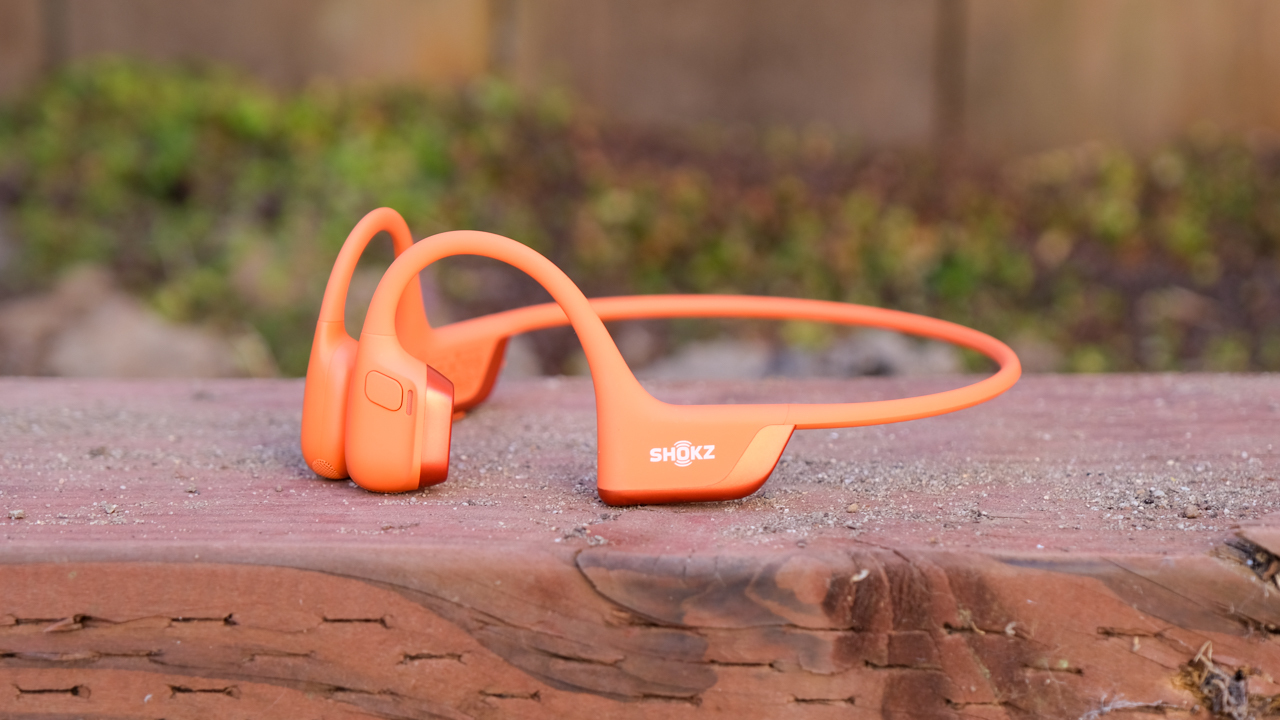
The bottom line
The Best wireless earbuds for running are Beats Powerbeats Pro 2 for runners who want the strongest combination of fit, ANC, Transparency, heart rate monitoring, physical controls, and broad device support. Its IPX4 protection is the main limitation, so JBL Endurance Peak 4 is the better choice for heavy rain, dust, salt water, and demanding outdoor conditions.
For a simpler design, JLab Go Sport+ offers the most useful app controls and multipoint pairing, while GNMN V7 stands out for its long case runtime and IPX7 protection. Runners who do not need ANC can also consider HAOYUYAN BX17 or Aptkdoe HD65 for their long single-charge figures.
If you are undecided, choose the Beats for features, JBL Endurance Peak 4 for severe weather, or JLab Go Sport+ for adjustable everyday training.
As an Amazon Associate we earn from qualifying purchases.