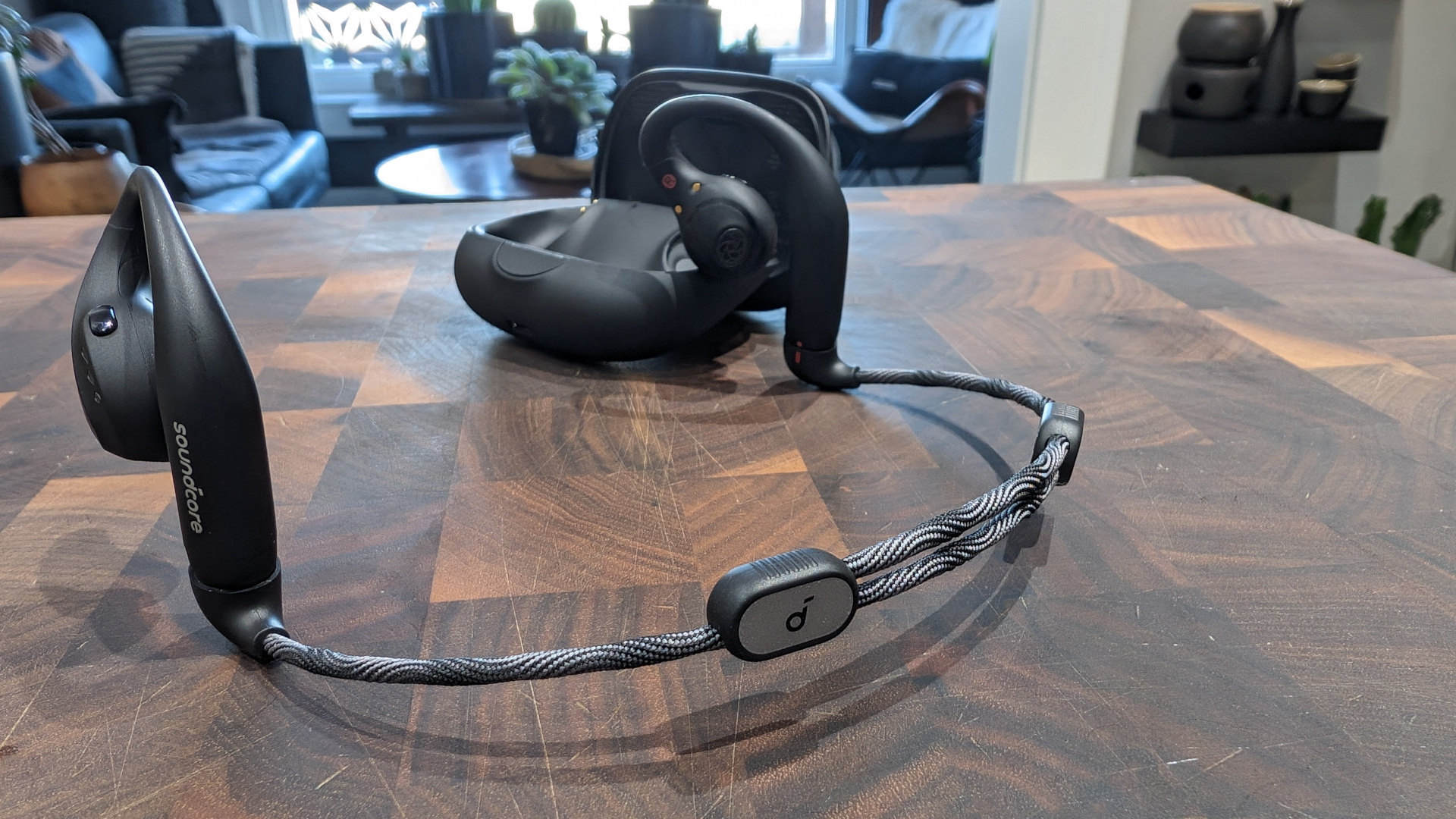

A good open-ear headset should let you hear a car, a coworker, or a trail cyclist without turning your music into background static. The challenge is finding one that stays put, sounds clear enough for speech and music, and does not become uncomfortable halfway through a run.
Our Best bone conduction earbuds picks range from established SHOKZ designs to newer true wireless open-ear models. Some use a wraparound frame, while others clip onto the ears or sit on the cheekbones. The differences in battery life, water protection, microphones, and sound design matter more than the marketing labels.
SHOKZ OpenRun Pro 2 is our top pick, with PSIER, SHOKZ OpenRun, Raycon, and several long-battery alternatives covering the rest of the range.
Comparison table
| # | Product | Award | Battery | Water rating | Bluetooth | Best for |
|---|---|---|---|---|---|---|
| 1 | SHOKZ OpenRun Pro 2 | Best overall | 12 hours | Not stated | Not stated | Runners who want stronger sound |
| 2 | PSIER Bone Conduction Headphones | Best lightweight frame | 10 hours | IPX5 | Bluetooth 6.0 | Lightweight outdoor listening |
| 3 | SHOKZ OpenRun | Best rugged classic | 8 hours | IP67 | Not stated | Serious training in wet weather |
| 4 | CPTEA Bone Conduction Headphones | Best simple sports pick | 10+ hours | Sweat resistant | Bluetooth 6.0 | Everyday workouts |
| 5 | Raycon Bone Conduction Headphones | Best adjustable fit | 13 hours | IP68 | Not stated | Users who want fit flexibility |
| 6 | AOTONOK Open Ear Headphones | Best case battery | 36 hours total | IPX7 | Bluetooth 5.4 | Calls and daily commuting |
| 7 | Yistao Gen 2 | Best reading mode | 15 hours per charge | IP68 | Bluetooth 6.0 | Audiobooks and long listening |
| 8 | DEMICEA True Wireless Earphones | Best codec support | 15 hours per charge | IP68 | Bluetooth 5.3 | Cycling and cleaning flexibility |
| 9 | Boytond Ultra Open Earbuds | Best clip-on design | 50 hours with case | Not stated | Bluetooth 5.3 | Travel and casual listening |
| 10 | SHOKZ OpenRun Pro 2 Orange | Best bright-color option | 12 hours | Not stated | Not stated | Runners who want visibility |
1. SHOKZ OpenRun Pro 2: Best Overall

Pros
- Dual-driver design adds bass to the open-ear format
- 12-hour listening time
- Secure memory-wire frame and ear hooks
- Wind-resistant microphones with AI noise reduction
- App-based EQ modes
Cons
- The frame is less pocketable than true wireless earbuds
- Water protection is not stated in the listed specifications
- Bass still cannot match sealed in-ear headphones
Best for: runners and active listeners who want the most complete open-ear sound.
The SHOKZ OpenRun Pro 2 is the pair we would keep for regular running because it addresses the biggest weakness of conventional bone conduction headphones: thin, underpowered music. Its dual-driver arrangement combines bone conduction for the clear high frequencies with air conduction for deeper bass. That does not turn it into a sealed music headset, but it gives drums, bass lines, and workout playlists more shape than the usual open-ear presentation.
The 12-hour battery is enough for several training sessions before charging becomes part of the routine. The weight-optimized unibody frame uses Ni-Ti alloy memory wire and ergonomic ear hooks, so it is built around stability rather than a loose earbud fit. That matters when a headset is moving with your head instead of sitting inside the ear. Open-ear awareness remains the point, and the design leaves the ear canal unobstructed.
Calls are a real strength. SHOKZ uses dual wind-resistant microphones and an AI noise reduction algorithm that the product information says filters 96.5 percent of background noise, including wind up to 15 miles per hour. Those claims are unusually specific, and the microphone setup makes this a more credible work-and-workout option than many generic models. Dedicated EQ modes in the SHOKZ app include Classic Mode and Volume Boost Mode, giving you a way to change the sound for quieter listening or noisier surroundings.
The weakness is physical rather than functional. A wraparound frame takes more room than the Boytond Ultra Open Earbuds, and the listed specifications do not state a water-resistance rating. The SHOKZ OpenRun Pro 2 is the better musical choice than SHOKZ OpenRun, while the OpenRun remains the more clearly documented option for wet training. Choose this model if you want the strongest combination of sound, calls, fit, and battery life.
2. PSIER Bone Conduction Headphones: Best Lightweight Frame
Pros
- 23-gram construction
- Bluetooth 6.0 and 60 ms low latency
- 13 mm drivers
- Adjustable strap and flexible memory-titanium frame
- USB-C charging
Cons
- IPX5 protection is not intended for submersion
- Sound customization depends on the Boean app
- No rating is stated for call performance
Best for: listeners who want a very light frame for running, cycling, or hiking.
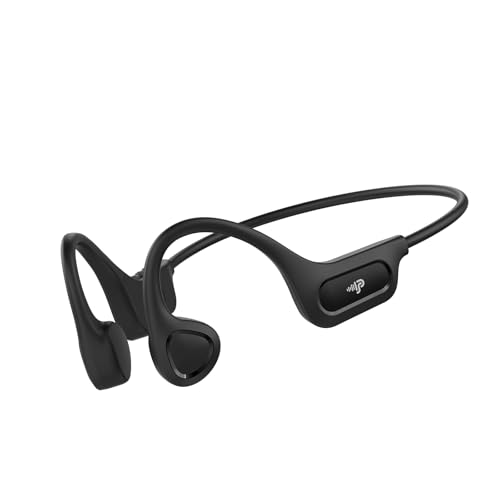
PSIER makes a strong case for comfort. At 23 grams, it is lighter than CPTEA's 27-gram frame, and the flexible memory-titanium construction is intended to contour around the head rather than clamp it. An adjustable strap is included for different head sizes, which is useful because open-ear frames can feel secure on one person and loose on another.
The audio hardware is more ambitious than the light build suggests. PSIER lists 13 mm bone conduction drivers, 90 dB sensitivity, and Bluetooth 6.0 with a stated 33-foot range. The 60 ms low-latency claim should help keep video and audio closer together, although this is still primarily a sports headset. The product also claims acoustic sealing that reduces sound leakage by up to 50 percent, a useful target for shared spaces where open-ear audio can otherwise bother people nearby.
Battery life reaches up to 10 hours at 50 percent volume, and a full charge takes about two hours over USB-C. The 200-hour standby claim is less important in daily use than the straightforward charging port and predictable single-session battery. IPX5 protection covers sweat and rain exposure, but the product specifically says it is not suitable for underwater use. The Boean app adds adjustable EQ profiles, including bass boost, balanced vocals, and genre settings.
PSIER is more comfortable to wear for long stretches than CPTEA if every gram matters, while SHOKZ OpenRun Pro 2 offers more mature call features and a more convincing premium audio design. PSIER's weakness is the less established software and the lack of stated call specifications. Skip it if you need the clearest possible headset for frequent windy calls. For lightweight outdoor listening with a modern connection and a flexible fit, it is a sensible pick.
3. SHOKZ OpenRun: Best Rugged Classic

Pros
- IP67 water protection
- Eight hours of continuous playback
- Ten-minute quick charge adds up to 1.5 hours
- Lightweight wraparound frame
- Moisture detection alert for charging
Cons
- Shorter battery life than OpenRun Pro 2
- Less bass-focused design
- The wraparound frame is not as compact as clip-on earbuds
Best for: runners who prioritize a proven rugged design and fast top-ups.
The SHOKZ OpenRun is the straightforward sports model in this group. It does not chase the extra bass and dual-driver design of OpenRun Pro 2. Instead, it focuses on the core bone conduction experience: a featherweight wraparound frame, an earbud-free fit, and enough sound to keep podcasts and workout music present without blocking nearby noise.
Eight hours of playback is adequate for most training plans, though it trails the 10-hour PSIER and CPTEA figures. The quick-charge behavior is more useful than the headline number in a rush. A 10-minute charge provides up to 1.5 hours of battery, so a short preparation window can cover a run or gym session. It pairs with Android, iOS, Windows, and other Bluetooth-enabled devices.
The standout durability feature is the IP67 rating. The headset is designed to resist sweat and water during workouts, and a moisture detection alert helps prevent unsafe charging when the magnetic connector is wet. It is not suitable for swimming, but that distinction is important. IP67 is a better documented wet-weather specification than the unlisted protection on OpenRun Pro 2.
The OpenRun gives up the newer model's 12-hour battery, app EQ modes, and dual-driver bass. Its advantage is the simpler, more clearly sport-focused package. Compared with CPTEA, it has the stronger stated water protection and quick-charge details. Compared with PSIER, it has less battery but a more established design. Choose it for hard training, frequent rain, and people who appreciate a fast charge more than maximum music weight.
4. CPTEA Bone Conduction Headphones: Best Simple Sports Pick

Pros
- 27-gram lightweight frame
- Bluetooth 6.0
- 16 mm drivers
- More than 10 hours of playback
- USB-C charging
Cons
- Water rating is described as sweat resistant rather than given an IP number
- Full charging takes about two hours
- Sound and call customization are less developed than SHOKZ
Best for: gym users and casual runners who want simple open-ear operation.
CPTEA is a no-nonsense frame for someone who wants open ears without learning another app or managing separate charging pieces. The soft frame weighs 27 grams and avoids entering the ear canal. That makes it a natural fit for people who dislike the pressure of conventional earbuds, though the slightly heavier construction is worth remembering beside PSIER's 23 grams.
The listed 16 mm bone conduction drivers are large for this category, with 90 dB sensitivity and an emphasis on crisp highs and detailed mids. That description points toward speech, podcasts, and vocal-heavy music rather than deep bass. Bluetooth 6.0 provides a stated 33-foot range and is designed for quick pairing and stable streaming. For a desk, treadmill, or familiar running route, that covers the practical basics.
Battery life is listed as more than 10 hours at 60 percent volume. A 220mAh polymer battery charges through USB-C and takes about two hours for a full charge. The product information describes resistance to sweat, rain, drops, and twisting, but it does not provide the IPX5 rating used by some other items in this roundup. That makes CPTEA better suited to ordinary workouts than to anyone who wants a clearly documented wet-weather rating.
CPTEA is easier to recommend than AOTONOK if you specifically want a neckband-style bone conduction frame, while AOTONOK is more convenient for people who want a case and true wireless buds. SHOKZ OpenRun still has the edge in water documentation and rapid charging. Choose CPTEA when the priority is a light, uncomplicated headset for exercise and calls, not a heavily featured audio platform.
5. Raycon Bone Conduction Headphones: Best Adjustable Fit

Pros
- 13-hour playback claim
- IP68 protection
- Adjustable earbud position
- Open design reduces ear pressure
- Designed for running and workouts
Cons
- Driver and Bluetooth version are not stated
- Microphone details are limited
- Adjustable parts may require more setup than a fixed frame
Best for: active listeners who need to fine-tune where the transducers sit.
Raycon takes a different approach to fit. The transducers can slide closer for louder sound or farther back for more environmental awareness. That is a practical idea because bone conduction depends heavily on placement against the cheekbone. A fixed frame can be comfortable yet sound inconsistent if it sits differently from one user to another.
The product lists 13 hours of playback, putting it ahead of SHOKZ OpenRun and behind the 15-hour per-charge claims of Yistao and DEMICEA. Raycon does not identify the driver size or Bluetooth version, so there is less technical detail here than with PSIER or CPTEA. The open design is aimed at balanced sound without sealing the ear, and the lightweight ergonomic frame is intended for extended wear.
IP68 is the strongest water-protection claim in this group alongside Yistao and DEMICEA. That makes Raycon appealing for heavy sweat, rain, and messy outdoor conditions. The headset also includes a microphone for calls, but the product information does not provide a wind-reduction figure or microphone arrangement. People who spend a lot of time taking calls outdoors should look more closely at SHOKZ OpenRun Pro 2.
Raycon's adjustable placement is its reason to exist. It gives users more control than the fixed PSIER or CPTEA frame, while the 13-hour battery leaves plenty of room for long sessions. The trade-off is a thinner specification sheet for audio and calls. Choose it if fit consistency is your recurring problem and you are willing to adjust the headset for the right balance of volume and awareness.
6. AOTONOK Open Ear Headphones: Best Case Battery

Pros
- 36 hours total with the charging case
- Eight hours from one charge
- IPX7 waterproof rating
- Four ENC noise-canceling microphones are advertised
- Touch controls and battery display
Cons
- Not a traditional wraparound bone conduction frame
- Bluetooth 5.4 rather than Bluetooth 6.0
- Open-ear sound can be less focused outdoors
Best for: commuters who want open ears, calls, and a charging case.
AOTONOK is the odd one out in this list because it uses over-ear open earbuds with silicone hooks rather than the familiar cheekbone-contact frame. That distinction matters. It still targets the same awareness-first listening experience, but the fit is closer to an ear-hook earbud, and the product information calls the design open ear rather than describing a dedicated bone conduction driver.
The audio hardware consists of 14.2 mm dynamic drivers. AOTONOK claims deep bass, crisp treble, balanced mids, and reduced sound leakage. Bluetooth 5.4 provides a stated 33-foot range. The earbuds support touch controls for playback, tracks, volume, calls, and voice assistant access, so they are more convenient for daily use than a small frame with limited buttons.
Battery life is eight hours per charge, with another 28 hours from the charging case for 36 hours total. A 15-minute quick charge provides two hours of listening, and the case has an LED display showing remaining battery. IPX7 protection is a strong fit for sweat, rain, and splashes. Four ENC noise-canceling microphones are advertised, although the feature list also refers to dual microphones, so call performance should be judged by the broader microphone design rather than assuming every microphone works independently for every call.
The case makes AOTONOK more practical for commuting than SHOKZ OpenRun, and the IPX7 rating is more reassuring than the unlisted protection on SHOKZ OpenRun Pro 2. It is not the pick for someone specifically seeking the feel of true bone conduction. Choose it if you want open ears, touch controls, a charging case, and the option to explore how over-ear earbuds handle comfort and stability alongside this category.
7. Yistao Gen 2: Best Reading Mode

Pros
- 15 hours of continuous listening
- 60 hours with the case
- IP68 protection
- Bluetooth 6.0
- Separate Music and Reading EQ modes
Cons
- Large total battery claim depends on the charging case
- App support is not stated
- The brand's newer design has less established fit information
Best for: audiobook listeners who switch between music and spoken content.
Yistao Gen 2 is designed around long listening rather than a single intense workout. The soft silicone contact surface is claimed to reduce wearing pressure by 40 percent compared with the previous hard plastic design, while increased friction should help the headset stay in place. Those changes are most relevant during audiobooks, yoga, desk work, and other sessions where comfort matters more than maximum volume.
Its ToneTerra system and SonicBoost 2.0 technology are claimed to increase volume by 30 percent over the prior generation and improve bass, highs, and vocal detail. The useful feature is the pair of EQ modes. Music Mode emphasizes bass and treble for songs, while Reading Mode optimizes vocal frequencies for audiobooks and spoken content. This is more purposeful than a generic bass boost because speech often benefits from a different balance.
Yistao lists Bluetooth 6.0 with faster pairing, IP68 protection, and up to 15 hours of playback from a full charge. A five-minute charge adds one hour, and the case provides four additional full charges for up to 60 hours in total. That makes the model one of the least demanding options for frequent charging. The case takes about 1.5 hours to reach a full charge.
The drawback is that the headline battery figure combines the earbuds and case, and there is no stated microphone specification. DEMICEA offers similar 15-hour and 60-hour claims with AAC and SBC support, while Yistao has the newer Bluetooth 6.0 connection and the more clearly defined Reading Mode. If your listening is mostly spoken audio, Yistao is a more interesting fit than a sports-only headset. For noisy outdoor calls, SHOKZ OpenRun Pro 2 remains the safer recommendation.
8. DEMICEA True Wireless Earphones: Best Codec Support

Pros
- 15 hours per charge and 60 hours with case
- IP68 water resistance
- AAC and SBC support
- 0.28-ounce earbud weight claim
- Earhook and flexible titanium frame
Cons
- Bluetooth 5.3 is older than the Bluetooth 6.0 models
- The stated 300-meter range is unusual for everyday Bluetooth use
- Calls are not a highlighted feature
Best for: cyclists and active users who want a true wireless open-ear fit.
DEMICEA uses a true wireless earhook format, which makes it less visually and physically similar to SHOKZ OpenRun than the name suggests. Each earbud is listed at 0.28 ounces, and the frame combines 0.7 mm memory-flex titanium alloy with soft silicone. That combination should suit listeners who want a lighter contact point and the freedom to store the earbuds in a case.
The audio system is described as genuine bone conduction with Sonic Direct to reduce leakage. DEMICEA also lists Tone Terra and Sonic Boost processing for clearer, more realistic sound. Support for AAC and SBC is a useful detail for compatible phones because it identifies the Bluetooth audio formats rather than leaving the connection behavior vague. Bluetooth 5.3 is stable and widely supported, though Yistao has the newer Bluetooth 6.0 specification.
Battery life is a headline feature. A full charge takes about 1.5 hours and provides up to 15 hours of continuous playback, while the case brings the total to 60 hours. A five-minute quick charge adds an hour. IP68 protection and a hydrophobic coating make the earbuds easy to live with after sweaty cycling or rainy walks, and the coating is intended to prevent water buildup.
DEMICEA and Yistao are close on battery and water protection. Yistao has the stronger case for spoken-word listening because of its Reading Mode, while DEMICEA has the clearer codec information and a more compact true wireless format. The limitation is call support, which is not a major selling point here. Choose DEMICEA if you want AAC, a case, strong water protection, and an earhook design for active movement.
9. Boytond Ultra Open Earbuds: Best Clip-On Design

Pros
- Clip-on fit helps prevent slipping
- 16.3 mm dynamic drivers
- Up to 50 hours with the case
- Five-minute charge provides about one hour
- Bluetooth 5.3
Cons
- Water protection is not stated
- The product information does not give a per-charge figure
- Clip-on fit may not suit every ear shape
Best for: travel, walking, and casual listeners who dislike in-ear pressure.
Boytond's defining feature is the clip-on structure. Rather than pressing a band around the back of the head, it wraps gently around the ear to limit slipping. That can be more convenient for travel and daily wear, especially for people who find neckbands awkward under hats or against a collar. It also keeps the ear canal open and makes surrounding voices easier to notice.
The 16.3 mm dynamic drivers are intended to provide deep bass, crisp treble, and hi-fi stereo sound. This is an air-conduction-style open ear description rather than a detailed bone conduction specification, so expectations should be set accordingly. Bluetooth 5.3 handles the wireless connection, and the design is aimed at music, calls, videos, running, sports, and travel.
Boytond claims up to 50 hours with the charging case, plus about one hour of playback from a five-minute quick charge. The listing does not state the earbuds' playback time on a single charge, and it does not provide a water-resistance rating. That makes the model less suitable for someone who needs a clearly documented rain or sweat rating, even though the clip design itself is well suited to movement.
The main alternatives are AOTONOK, with its stated IPX7 rating and 36-hour total battery, and DEMICEA, with a documented 15-hour per-charge figure and IP68 protection. Boytond wins on the compact clip-on concept and long case claim. Pick it for casual listening and travel, but skip it for wet-weather training unless the manufacturer supplies clearer protection details.
10. SHOKZ OpenRun Pro 2 Orange: Best Bright-Color Option

Pros
- Same dual-driver design as the black OpenRun Pro 2
- 12-hour battery
- Memory-wire frame with ergonomic ear hooks
- Wind-resistant dual microphones
- Two dedicated EQ modes in the SHOKZ app
Cons
- Water rating is not stated
- Orange finish is a matter of personal taste
- Frame is less compact than true wireless alternatives
Best for: runners who prefer a bright, easy-to-spot headset.
The orange SHOKZ OpenRun Pro 2 is functionally the same product as the black version in this roundup. Its reason to choose it is visibility. A bright frame is easier to distinguish on a crowded gym bench, easier to find in a gear bag, and more noticeable during an outdoor run. The audio and fit advantages remain the same.
Dual drivers combine bone conduction highs with air conduction bass, giving this model a fuller presentation than the standard SHOKZ OpenRun. Twelve hours of battery leaves it ahead of that model's eight hours, and the Ni-Ti alloy memory wire with ergonomic ear hooks is designed to stay stable during cycling and gym sessions. The open-ear design keeps awareness of surroundings intact.
SHOKZ includes dedicated EQ modes through its app. Classic Mode preserves the bone conduction presentation, while Volume Boost Mode is designed for noisier environments. The dual wind-resistant microphones and AI noise reduction system are listed as filtering 96.5 percent of background noise, including wind up to 15 miles per hour. That makes it better suited to calls than the less detailed microphone implementations in several generic alternatives.
The same caveat applies as with the black version: the listed specifications do not state a water-resistance rating. If you want the most complete sound and call package in this shape, the orange OpenRun Pro 2 is just as capable as the black model. Choose between them by appearance and availability, not performance. Readers comparing the two colors can also see how different open-ear designs handle running awareness before deciding.
How to choose best bone conduction earbuds
The right open-ear headset depends on how you move, how long you listen, and how much control you need over sound and calls. These are the factors that separate a genuinely useful sports headset from one that only looks good on a product page.
Fit and contact pressure
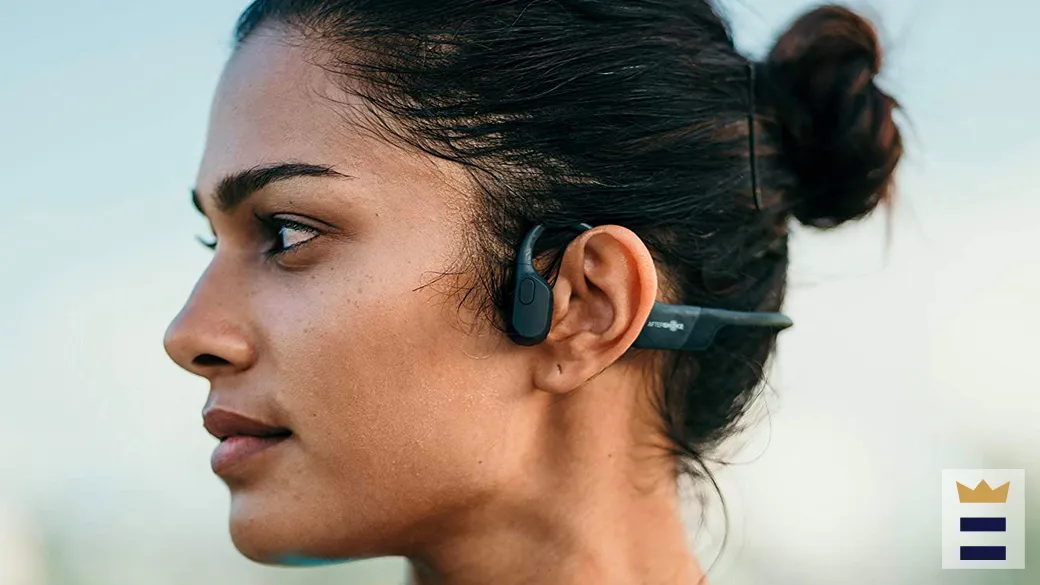
Bone conduction designs need consistent contact near the cheekbone, while earhook open-ear earbuds need a secure grip around the ear. A flexible memory-wire frame can spread pressure across the head, and silicone contact surfaces may reduce irritation during long sessions. Clip-on designs are less bulky but can be more dependent on ear shape.
A good fit should stay stable without forcing the headset tightly against the skin. If the frame shifts when you turn your head, volume and clarity can change with it. PSIER emphasizes a 23-gram frame, while DEMICEA uses a flexible titanium structure and a true wireless earhook design.
Driver and sound design
Bone conduction is naturally good at keeping ears open and making speech easy to follow, but it is not the same as a sealed in-ear soundstage. Driver size alone does not guarantee better bass. SHOKZ OpenRun Pro 2 stands apart because it combines bone conduction and air conduction drivers, while AOTONOK uses 14.2 mm dynamic drivers in an open-ear earbud design.
Look for a product that explains how it handles vocals, bass, and sound leakage. If music matters most, dual-driver or EQ features can help. If podcasts and audiobooks dominate, a clear vocal mode may matter more than bass.
The best open-ear fit is the one that stays in the same position when your stride changes.
Battery and charging
Compare per-charge playback with case-supported totals. Yistao and DEMICEA list 15 hours per charge and up to 60 hours with their cases, while Boytond lists 50 hours with the case without giving a per-charge figure. A quick-charge claim is valuable when the headset is often used at short notice.
Wraparound frames typically charge directly rather than through a case. SHOKZ OpenRun provides up to 1.5 hours after a 10-minute charge, and PSIER and CPTEA use USB-C for full charging.
Water protection
IP ratings matter because sweat and rain are common failure points for running headphones. IPX5 is intended for water jets and sweat exposure, IPX7 adds temporary immersion protection, and IP68 indicates a higher level of dust and water resistance under the manufacturer's conditions. No rating should be treated as permission to swim unless the product explicitly says so.
SHOKZ OpenRun has IP67, AOTONOK has IPX7, and Raycon, Yistao, and DEMICEA list IP68. The OpenRun Pro 2 and Boytond entries do not state a water rating, so they are harder to assess for wet training.
Calls and controls
A headset with physical buttons or reliable touch controls is easier to manage while moving. SHOKZ OpenRun Pro 2 lists dual wind-resistant microphones and AI noise reduction, making it the clearest choice for outdoor calls. AOTONOK offers touch controls and an LED battery display, while the generic frame models provide less detail about call processing.
For commuting, voice calls, and desk use, microphone information should carry more weight than a large driver number. For running, simple controls that work with gloves or sweaty fingers can be more important than app features.
Frequently asked questions
Are bone conduction earbuds safe for running?
Open-ear designs leave the ear canals unobstructed, so outside sounds remain easier to hear. That can help awareness around roads, shared paths, and gyms. You should still keep volume at a sensible level and remain attentive to traffic.
Do bone conduction earbuds have good bass?
They usually have less bass impact than sealed in-ear headphones because they do not create an ear canal seal. SHOKZ OpenRun Pro 2 improves the low-end presentation with a dual-driver design, while several other models emphasize balanced sound, mids, and spoken content.
Can bone conduction earbuds get wet?
Some can handle substantial sweat and rain, but protection varies. SHOKZ OpenRun is rated IP67, AOTONOK is IPX7, and Raycon, Yistao, and DEMICEA list IP68. The listed products without a water rating should not be assumed to have the same protection.
Are open-ear earbuds the same as bone conduction headphones?
Not always. Bone conduction models send vibrations through contact near the cheekbone, while many open-ear earbuds use small speakers that direct sound toward the ear without sealing it. AOTONOK and Boytond are examples where the open-ear format is more clearly described than the underlying conduction method.
Which model is best for phone calls outdoors?
SHOKZ OpenRun Pro 2 has the strongest stated call hardware in this group, with dual wind-resistant microphones and AI noise reduction. AOTONOK also highlights noise-canceling microphones, but its specifications provide less detail about outdoor wind handling.
How long do these headphones last on one charge?
The listed claims range from eight hours on SHOKZ OpenRun to 15 hours on Yistao and DEMICEA. PSIER and CPTEA list about 10 hours, Raycon lists 13 hours, and SHOKZ OpenRun Pro 2 lists 12 hours. Case totals can be much higher, but they should not be confused with continuous single-charge listening.
Can I use them for audiobooks?
Yes. Open-ear headphones are often well suited to speech because they preserve environmental awareness and do not create ear-canal pressure. Yistao is especially interesting because its Reading Mode is designed to emphasize vocal frequencies.
The bottom line
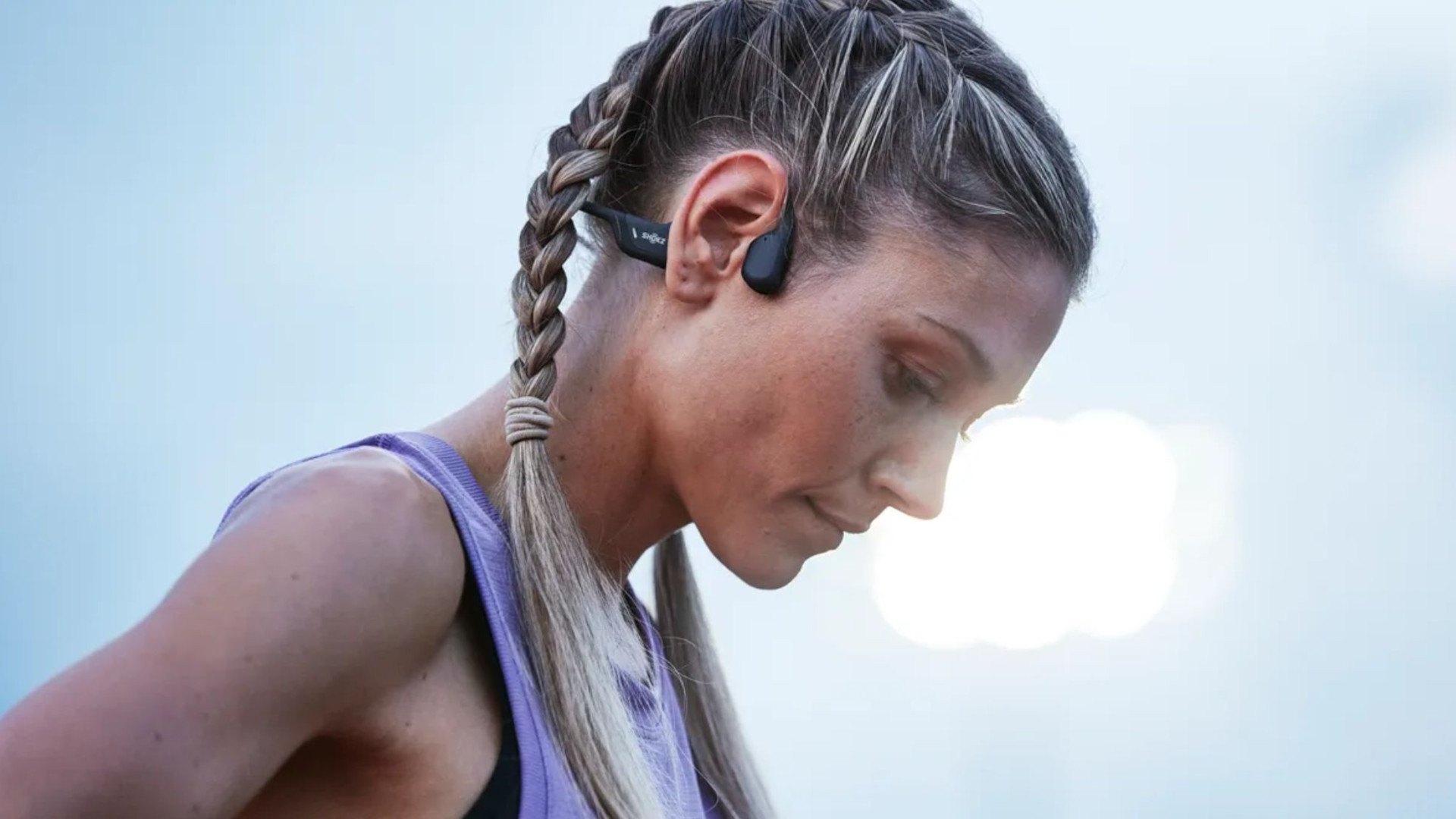
The Best bone conduction earbuds in this group are SHOKZ OpenRun Pro 2 for runners who want the fullest sound, reliable fit, strong call features, and a 12-hour battery. SHOKZ OpenRun remains the better fit for users who put IP67 protection and rapid charging ahead of bass and extra listening time.
For lighter or more specialized alternatives, PSIER is the standout lightweight frame, Raycon offers useful position adjustment, and Yistao and DEMICEA make the most sense for long listening with a charging case. AOTONOK is the practical choice for people who want open-ear earbuds rather than a traditional bone conduction band.
If you are undecided, choose SHOKZ OpenRun Pro 2 for music and calls, or SHOKZ OpenRun for wet-weather training.
As an Amazon Associate we earn from qualifying purchases.