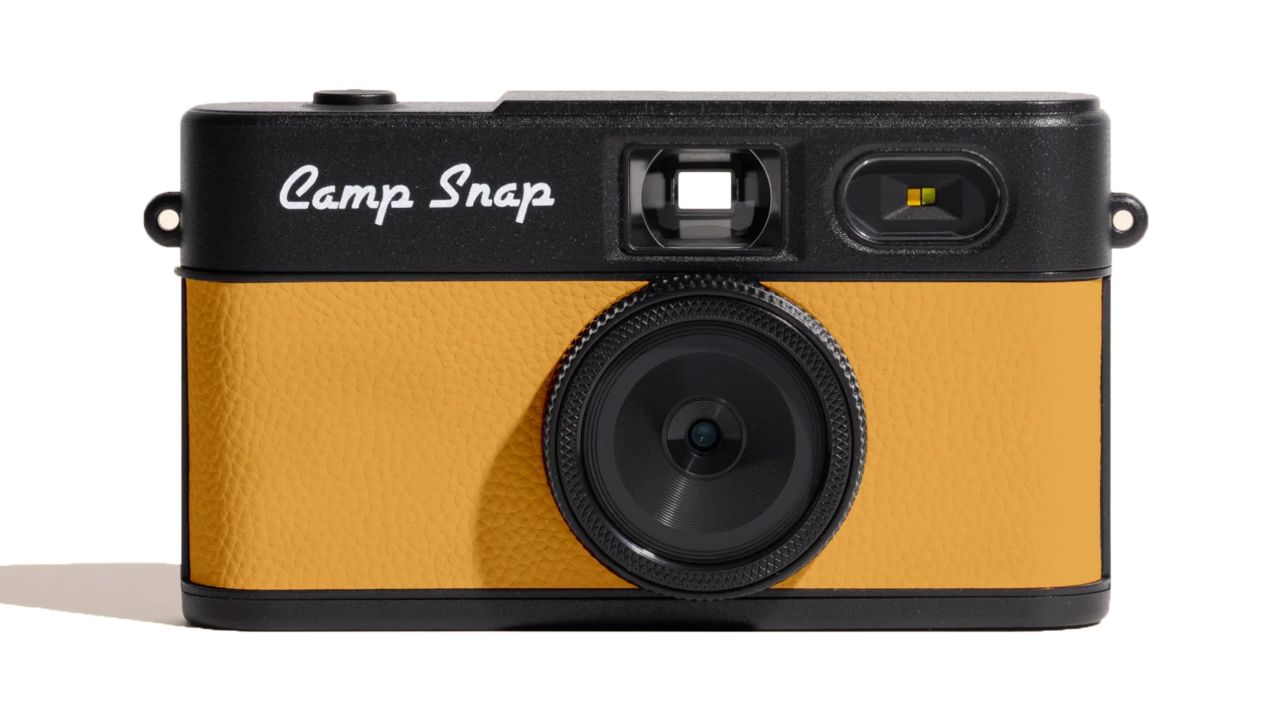

A phone is convenient until you need real optical reach, a viewfinder, or a camera a child can hold without risking your primary device. The Best digital camera depends on what you shoot, how much control you want, and whether portability matters more than interchangeable lenses.
This list covers simple Kodak compacts, Canon point-and-shoot cameras, creator-focused models, and two DSLR kits that give beginners room to grow. The Canon EOS Rebel T7 18-55mm is our top pick, with the Canon PowerShot SX740 HS for long-range travel and the Kodak models for straightforward everyday shooting.
Comparison
| # | Product | Award | Sensor and lens | Video | Best for |
|---|---|---|---|---|---|
| 1 | Canon EOS Rebel T7 18-55mm | Best overall | 24.1MP APS-C, 18-55mm lens | Full HD | Beginners learning photography |
| 2 | Canon PowerShot SX740 HS | Best zoom | 20.3MP, 40x optical zoom | 4K at 30p | Travel and distant subjects |
| 3 | Kodak PIXPRO FZ55 Black | Best simple compact | 16MP, 5x optical zoom | Full HD | Everyday snapshots |
| 4 | Canon PowerShot ELPH 360 HS | Best pocket zoom | 20.2MP, 12x optical zoom | Video clips | Pocketable family photos |
| 5 | Canon EOS Rebel T7 Dual Lens | Best DSLR range | 24.1MP APS-C, 18-55mm and 75-300mm | Full HD | Beginners photographing distant subjects |
| 6 | Kodak PIXPRO FZ45 Black | Best AA-powered compact | 16MP, 4x optical zoom | Full HD | Simple travel use |
| 7 | Kodak PIXPRO FZ55 Blue | Best colorful compact | 16MP, 5x optical zoom | Full HD | Casual everyday photography |
| 8 | Duluvulu 4K Digital Camera | Best for young creators | 48MP, 16x digital zoom | 4K | Vlogging and beginner content |
| 9 | Aureapix 8K Digital Camera | Best creator features | 96MP, 20x digital zoom | 8K | Selfie video and livestreaming |
| 10 | Kodak PIXPRO FZ45 White | Best white compact | 16MP, 4x optical zoom | Full HD | Straightforward family use |
1. Canon EOS Rebel T7 18-55mm: Best Overall

Pros
- Large 24.1MP APS-C sensor
- Interchangeable EF and EF-S lens support
- Built-in Wi-Fi and NFC
- Optical viewfinder
- Webcam support through Canon software
Cons
- Limited 9-point autofocus system
- Full HD video rather than 4K
- Larger and heavier than the compact cameras here
Best for: beginners who want to learn photography with a proper DSLR system.
The Canon EOS Rebel T7 18-55mm is the camera we would hand to someone who wants to move beyond automatic phone photography. It feels like a real photographic tool without making the first step needlessly complicated. The optical viewfinder gives a familiar way to frame a subject in bright light, while the included EF-S 18-55mm lens covers the everyday range from moderately wide scenes to short telephoto framing.
Its 24.1MP CMOS sensor uses the APS-C format, which is substantially more flexible for learning exposure and lens choice than the small sensors in the compact cameras below. The listed ISO range runs from 100 to 6400, with an extended setting of 12800. That does not make it a specialist low-light camera, but it gives a beginner room to raise sensitivity when indoor light falls away. The 9-point autofocus system and AI Servo AF are basic by current standards, yet they are straightforward to understand and capable of handling ordinary portraits, family events, and outdoor subjects.
The T7 also has the clearest upgrade path in this group. Unlike the Kodak PIXPRO FZ55 Black, it accepts compatible Canon EF lenses, including EF-S lenses. That matters more than another few megapixels because a different lens can change the way a subject looks and the distance you can work from. The Dual Lens version later in this list adds a 75-300mm lens, but the single-lens kit is lighter, simpler, and easier for a first-time owner to learn.
Wi-Fi and NFC make moving images to a compatible phone less tedious, and Canon's EOS Utility Webcam Beta Software can turn the camera into a webcam on Mac or Windows. Video is limited to Full HD, so the Canon PowerShot SX740 HS is the stronger pick for someone who prioritizes 4K clips. The T7 is also heavier than every compact model here, and its autofocus system will not be the right fit for demanding action.
For a first interchangeable-lens camera, though, those limitations are manageable. Choose it if you want to understand focal length, aperture, shutter speed, and composition rather than simply point and press. The Canon EOS Rebel T7 18-55mm remains the Best digital camera in this lineup for a learner who wants a foundation that can grow.
2. Canon PowerShot SX740 HS: Best Zoom

Pros
- 40x optical zoom
- 24 to 960mm equivalent range
- 20.3MP sensor with DIGIC 8 processing
- 4K video at 30p
- Wi-Fi and Bluetooth
Cons
- Much heavier than the other compact cameras listed
- Small-sensor design offers less control than the Rebel T7
- The bundle's extra items may not suit every buyer
Best for: travelers who need extreme reach in a compact fixed-lens design.
The Canon PowerShot SX740 HS solves a very specific problem: getting close to faraway subjects without carrying a DSLR and a long lens. Its 40x optical zoom spans a 24 to 960mm equivalent range. That means it can handle wide landscapes at one end and distant architecture, wildlife, or performers at the other. Optical zoom is the important part here, since it changes framing through the lens rather than merely enlarging pixels.
Canon pairs the lens with a 20.3MP CMOS sensor and DIGIC 8 processing. The sensor is not as physically large as the APS-C unit in the Canon EOS Rebel T7 18-55mm, so it is not the camera for maximum background blur or the most flexible dim-light work. Its advantage is reach. A compact camera that can move from wide-angle travel scenes to extreme telephoto framing is easier to pack and quicker to use than a larger interchangeable-lens setup.
The SX740 HS is also the strongest video option among the established Canon and Kodak models here. It records 4K UHD at 30p, and the listed 5-axis stabilization is intended to smooth handheld footage. Wi-Fi and Bluetooth work with Canon Camera Connect for transfers, social sharing, and remote operation. Those features make it a more complete travel companion than the Kodak PIXPRO FZ55 Black, which is simpler and lighter but stops at 5x optical zoom and Full HD video.
There is a tradeoff in the design. The listed weight is 2.73 pounds, which is surprisingly substantial beside the other compact cameras in this roundup. A long zoom also needs careful handling at its far end, especially when light is poor or the subject moves. Someone who mostly photographs people indoors should choose the Canon EOS Rebel T7 18-55mm instead, since its larger sensor and lens system are better suited to that work.
The SX740 HS makes sense when one camera must cover an unusually wide range of subjects. It is the Best digital camera here for travel photographers who value reach, 4K video, and wireless transfer more than interchangeable lenses.
3. Kodak PIXPRO FZ55 Black: Best Simple Compact

Pros
- 5x optical zoom
- 28mm wide-angle lens
- Rechargeable lithium-ion battery
- Full HD video
- Supports SD, SDHC, and SDXC cards up to 512GB
Cons
- Small 2.7-inch LCD
- Less control and flexibility than the DSLR picks
- No listed wireless transfer feature
Best for: uncomplicated snapshots, holidays, and family photography.
The Kodak PIXPRO FZ55 Black is the most sensible compact camera for someone who wants a dedicated camera without a learning curve. It has a small body, a 16MP CMOS sensor, and physical reach beyond a phone's usual fixed lens. The controls are aimed at everyday shooting rather than manual experimentation, which is exactly why it works for family trips, school events, and quick snapshots.
Its 5x optical zoom begins with a 28mm wide-angle lens. That is useful indoors and for group photos, while the telephoto end gives more framing flexibility than a basic fixed-lens camera. The FZ55 records Full HD video and uses a rechargeable lithium-ion battery. Its 2.7-inch LCD is not especially large, but it keeps the body compact and provides the basic viewing space needed for framing and playback.
Compared with the Kodak PIXPRO FZ45 Black, the FZ55 has the more convenient battery arrangement and an extra step of optical zoom. The two share a 16MP sensor, Full HD video, and support for Class 10 SD, SDHC, or SDXC cards up to 512GB. The Canon PowerShot ELPH 360 HS is a stronger compact alternative when a 12x optical zoom, 20.2MP sensor, and wireless sharing matter more than simplicity.
The FZ55's limits are plain. The small LCD can be harder to judge in bright outdoor light, and this is not a camera for someone who wants interchangeable lenses, advanced autofocus, or extensive low-light control. It also lacks a listed Wi-Fi feature, so transferring files requires the memory card or another physical route. Readers comparing small cameras may also want to consider how a simple fixed-lens camera handles everyday travel before deciding.
For a user who wants a camera that starts quickly and does not demand much setup, those compromises are reasonable. The Kodak PIXPRO FZ55 Black is the Best digital camera for uncomplicated snapshots when a rechargeable battery and modest optical zoom matter.
4. Canon PowerShot ELPH 360 HS: Best Pocket Zoom

Pros
- 12x optical zoom
- Optical image stabilization
- 20.2MP CMOS sensor
- Built-in Wi-Fi and NFC
- 3-inch LCD
Cons
- Compact sensor limits enthusiast-level control
- Older DIGIC 4+ processor
- No listed 4K video mode
Best for: people who want a small camera with more reach than a basic compact.
The Canon PowerShot ELPH 360 HS is the pocketable middle ground between a basic Kodak compact and the far-reaching SX740 HS. Its 12x optical zoom gives it considerably more framing flexibility than the Kodak PIXPRO FZ55 Black, while the body remains much easier to carry than either Canon DSLR. The optical image stabilizer is useful when the lens is extended or the light is less forgiving.
A 20.2MP CMOS sensor works with Canon's DIGIC 4+ image processor. The resolution gives room for ordinary prints and crops, though the ELPH 360 HS is still designed around convenience rather than advanced image-making. Its 3-inch LCD is larger than the 2.7-inch displays on the Kodak FZ45 and FZ55, making menus and playback easier to inspect. That extra screen area is helpful for family use, where several people may want to review a picture together.
Built-in Wi-Fi and NFC allow images and videos to move to a smartphone without removing the card. Canon's Hybrid Auto mode records up to four seconds of video before each still and combines the material into a short recap. It is a distinctive feature for birthdays, day trips, and family gatherings, although it is less useful to someone who wants deliberate video production.
The main weakness is age and ambition. The DIGIC 4+ processor and lack of a listed 4K mode place it behind the Canon PowerShot SX740 HS for video capability. It also cannot match the larger sensor and lens flexibility of the Canon EOS Rebel T7 18-55mm. Buyers who want a compact camera primarily for self-recorded video should look at the flip-screen models later in this list instead.
The ELPH 360 HS is at its best when a camera needs to disappear into a pocket but still offer meaningful optical zoom. It is the Best digital camera for casual photographers who want easy sharing and more reach without stepping up to a DSLR.
5. Canon EOS Rebel T7 Dual Lens: Best DSLR Range

Pros
- 24.1MP APS-C sensor
- Includes 18-55mm and 75-300mm lenses
- Built-in Wi-Fi and NFC
- Optical viewfinder
- Webcam support
Cons
- Heavy kit for beginners to carry
- 9-point autofocus system
- Full HD video only
Best for: new photographers who need both everyday and distant-subject lenses.
The Canon EOS Rebel T7 Dual Lens takes the basic T7 concept and makes it more versatile from the first day. The 18-55mm lens handles family photos, streets, landscapes, and general use. The included 75-300mm lens is the reason to choose this kit, bringing distant subjects much closer than the standard lens can. It gives a beginner a practical introduction to how focal length changes perspective and composition.
The camera body uses a 24.1MP CMOS APS-C sensor with an ISO range listed from 100 to 6400, expandable to 12800. That larger sensor gives the T7 family a clear advantage over the compact cameras when the photographer wants more control over light and lens behavior. The optical viewfinder covers approximately 95 percent of the frame, and the 9-point autofocus system includes AI Servo AF for continuous focusing.
Wi-Fi and NFC make sharing easier, while Canon's EOS Utility Webcam Beta Software supports webcam use on compatible Mac and Windows computers. Video capture is Full HD 1080p, not 4K. The Dual Lens kit is therefore a photography-first choice. For someone who wants a full travel video setup, the Canon PowerShot SX740 HS has a simpler body and 4K recording, though it cannot offer the T7's interchangeable-lens system.
The long lens brings practical drawbacks. The listed body weight is 3 pounds, before considering the second lens, and the kit takes more room than any compact here. The 75-300mm lens also demands steadier technique at its long end. A beginner who expects to carry one small camera everywhere may be happier with the Kodak PIXPRO FZ55 Black or Canon PowerShot ELPH 360 HS.
For wildlife at a distance, outdoor school events, or sports viewed from the sidelines, this is the more capable T7 kit. Anyone still deciding between DSLR systems should first consider which focal lengths make sense for the subjects you photograph. The Canon EOS Rebel T7 Dual Lens is the Best digital camera here for learning with a useful two-lens foundation.
6. Kodak PIXPRO FZ45 Black: Best AA-Powered Compact

Pros
- 16MP CMOS sensor
- 4x optical zoom
- 27mm wide-angle lens
- Runs on two AA alkaline batteries
- Full HD video
Cons
- Smaller zoom range than the FZ55
- 2.7-inch LCD
- AA batteries add a recurring replacement step
Best for: travelers and families who prefer replaceable batteries.
The Kodak PIXPRO FZ45 Black is deliberately simple. It uses a 16MP CMOS sensor, a 4x optical zoom, and a 27mm wide-angle lens for everyday scenes. There is no interchangeable-lens system to learn and no complex creator workflow to manage. Pick it up, frame the subject on the 2.7-inch LCD, and shoot.
The most meaningful distinction is its power system. The FZ45 uses two AA alkaline batteries rather than a rechargeable lithium-ion battery. That can be convenient on a trip where charging access is uncertain or when the camera will sit unused for long periods. It also means carrying spare batteries and replacing them more often than with the Kodak PIXPRO FZ55 Black.
The camera records Full HD video and accepts Class 10 SD, SDHC, or SDXC cards up to 512GB. Its 4x optical zoom is enough for portraits, indoor scenes, and moderate outdoor framing, but it does not provide the 5x reach of the FZ55 or the 12x reach of the Canon PowerShot ELPH 360 HS. The 27mm wide-angle starting point is a small advantage for groups and travel views.
The FZ45 is not the right camera for someone seeking strong low-light performance, sophisticated autofocus, or wireless transfers. Its compact sensor and basic LCD keep it firmly in the snapshot category. The Black and White versions are functionally the same in the listed specifications, so the choice between them comes down to appearance and availability rather than capability.
Choose the FZ45 Black for a family camera that can be powered with batteries found in many shops. It is the Best digital camera here for straightforward use away from a charger, provided the shorter zoom is acceptable.
7. Kodak PIXPRO FZ55 Blue: Best Colorful Compact

Pros
- 16MP CMOS sensor
- 5x optical zoom
- 28mm wide-angle lens
- Rechargeable lithium-ion battery
- Full HD video
Cons
- Small 2.7-inch LCD
- No listed Wi-Fi connectivity
- Limited control compared with DSLR cameras
Best for: casual users who want the FZ55 design in a blue finish.
The Kodak PIXPRO FZ55 Blue is the same kind of easygoing compact as the Black version, with the blue finish as its distinguishing feature in this list. That matters for buyers who want a camera that is easy to identify in a shared bag or simply prefer a more noticeable color. The underlying shooting package remains focused on basic photos rather than ambitious manual work.
Its 16MP CMOS sensor and 5x optical zoom are well suited to snapshots. The 28mm wide-angle lens is useful for groups and travel scenes, while the longer end gives a little extra reach for portraits and details. Full HD video covers short clips without asking the user to manage large 4K files. The rechargeable lithium-ion battery is more convenient for routine use than the AA setup in the Kodak PIXPRO FZ45 Black.
The FZ55 Blue supports Class 10 SD, SDHC, and SDXC cards up to 512GB. A 2.7-inch LCD keeps the body small, but it is not as spacious as the 3-inch screen on the Canon PowerShot ELPH 360 HS. The Canon also has a 12x optical zoom and built-in Wi-Fi, so it is the better compact for someone who wants more reach or regular phone transfers.
The FZ55 Blue lacks the larger sensor, optical viewfinder, and lens changes available from either Canon EOS Rebel T7 kit. It is also not listed with wireless connectivity, which makes sharing less immediate. Those limitations are easy to accept when the priority is a simple dedicated camera for family days, holidays, or a first camera for a casual photographer.
The blue FZ55 makes sense when appearance matters but the buyer still wants a rechargeable battery and optical zoom. It is a clean, uncomplicated Best digital camera choice for everyday shooting without DSLR complexity.
8. Duluvulu 4K Digital Camera: Best for Young Creators

Pros
- 4K video recording
- 48MP still image claim
- 180-degree 3-inch flip screen
- Autofocus and 16x digital zoom
- Two rechargeable batteries
Cons
- Digital zoom is not optical zoom
- Limited information about the sensor and lens
- USB transfer is the listed easy-transfer method
Best for: beginners, teens, and casual vloggers who need a flip screen.
The Duluvulu 4K Digital Camera is built around the act of making content rather than learning traditional camera technique. Its 3-inch IPS screen flips 180 degrees, so a person can see the composition while recording themselves. That makes it more approachable for vlogging, video chats, and casual travel clips than the rear-screen-only Kodak models.
The listed features include 4K video, autofocus, and 16x digital zoom. Digital zoom enlarges the image electronically rather than extending the lens's optical reach, so it should not be confused with the 5x optical zoom on the Kodak PIXPRO FZ55 Black or the 40x optical zoom on the Canon PowerShot SX740 HS. The camera also lists 48MP still images, exposure compensation from -3.0 to +3.0, time-lapse, slow motion, face and smile detection, continuous shooting, and filters.
There is a useful collection of beginner-friendly extras. Anti-shake, a fill light, a self-timer, and video pause give new creators simple ways to make clips without extra equipment. The camera can function as a webcam and connects to a computer through USB for file transfer. Two rechargeable batteries are included, which is sensible for recording sessions away from a power outlet.
The tradeoff is transparency. The listing does not provide the sensor format or lens focal length, so it is harder to predict how the camera will perform in dim rooms or how much real optical reach it has. The Canon PowerShot SX740 HS offers much more clearly defined optical capability, while the Canon EOS Rebel T7 18-55mm is a better choice for someone who wants control over photographic fundamentals.
For a teen, first-time vlogger, or family member who wants a flip screen and creative modes, the Duluvulu is easy to understand. Buyers should choose it for its creator features, not for the large resolution claims alone. It is the Best digital camera here for simple self-recorded video and beginner experimentation.
9. Aureapix 8K Digital Camera: Best Creator Features

Pros
- 8K video feature
- 96MP still image claim
- 3.5-inch 180-degree flip screen
- Wi-Fi transfer
- Webcam functionality and two batteries
Cons
- 20x zoom is digital
- Limited sensor and lens details
- Large listed dimensions for an ultra-compact camera
Best for: beginner creators who want wireless transfer and a large flip screen.
The Aureapix 8K Digital Camera is the most feature-heavy creator camera in this roundup. Its 3.5-inch screen flips 180 degrees, giving vloggers a larger view of their framing than the 3-inch display on the Duluvulu. Wi-Fi transfer is also built in, with the listing describing phone synchronization through the Viipulse app for iOS and Android.
The feature list claims 8K video and 96MP still images, along with autofocus and a 20x digital zoom. Those headline figures need context. The zoom is digital, so it does not provide the same detail-preserving reach as the optical lens in the Canon PowerShot SX740 HS. The listing also does not identify the sensor format or lens focal length, which makes direct image-quality comparisons with the Canon EOS Rebel T7 18-55mm impossible.
Aureapix adds tools aimed at casual content production. The camera lists webcam mode for livestreaming, online teaching, and video calls, plus a built-in microphone, HDR imaging, slow motion, continuous shooting, self-timer, and 60 filters. Two batteries are included, and the product information describes the camera as ultra-compact. The listed dimensions are 6.9 inches high, 4.53 inches long, and 6.9 inches wide, however, so buyers should check the physical fit before assuming it will be pocket-sized.
This is not the camera for a photographer who wants a viewfinder, interchangeable lenses, or clearly documented optical performance. The Kodak PIXPRO FZ55 Black is much simpler for still snapshots, and the Canon PowerShot SX740 HS is the safer pick for genuine long-distance framing. The Aureapix's advantage is the combination of a large flip display, wireless transfer, and webcam features.
Choose it for casual vlogging and experimentation with creator tools, especially if wireless sharing is important. Skip it if the main goal is predictable photographic performance or serious lens control. The Aureapix is the Best digital camera here for a feature-packed beginner creator setup.
10. Kodak PIXPRO FZ45 White: Best White Compact

Pros
- 16MP CMOS sensor
- 4x optical zoom
- 27mm wide-angle lens
- Two AA alkaline batteries
- Full HD video
Cons
- Shorter zoom than the FZ55 models
- Small 2.7-inch LCD
- No listed wireless transfer
Best for: casual photographers who prefer a white AA-powered compact camera.
The Kodak PIXPRO FZ45 White is the white version of the FZ45 Black, and the listed camera features are the same. It is a compact 16MP camera with a 4x optical zoom and a 27mm wide-angle lens. That combination covers the basic jobs people expect from a dedicated snapshot camera, from indoor gatherings to outdoor walks.
The two AA alkaline batteries are its defining practical feature. They make it possible to keep shooting with commonly available replacements instead of relying on a dedicated charger. The compromise is that AA batteries take more planning than the rechargeable lithium-ion system in the Kodak PIXPRO FZ55 Blue. Both cameras record Full HD video, but the FZ55 provides 5x optical zoom and a 28mm wide-angle lens.
The FZ45 White accepts Class 10 SD, SDHC, and SDXC cards up to 512GB. Its 2.7-inch LCD is adequate for composing and reviewing images, though it is smaller than the Canon PowerShot ELPH 360 HS display. The Canon also provides a 12x optical zoom, optical image stabilization, and built-in Wi-Fi, making it the stronger compact if the user expects more demanding travel or frequent smartphone sharing.
As with the Black FZ45, the White model is not a DSLR substitute. It lacks the lens changes and larger APS-C sensor of the Canon EOS Rebel T7 18-55mm, and the listing does not include wireless transfer. Its short zoom also makes distant subjects difficult. The white finish is the differentiator, not a change in photographic performance.
This is a sensible choice for a user who wants uncomplicated controls, replaceable batteries, and a distinctive finish. It is the Best digital camera for casual family use when the FZ45's simple operation matters more than zoom range or advanced features.
How to choose best digital camera
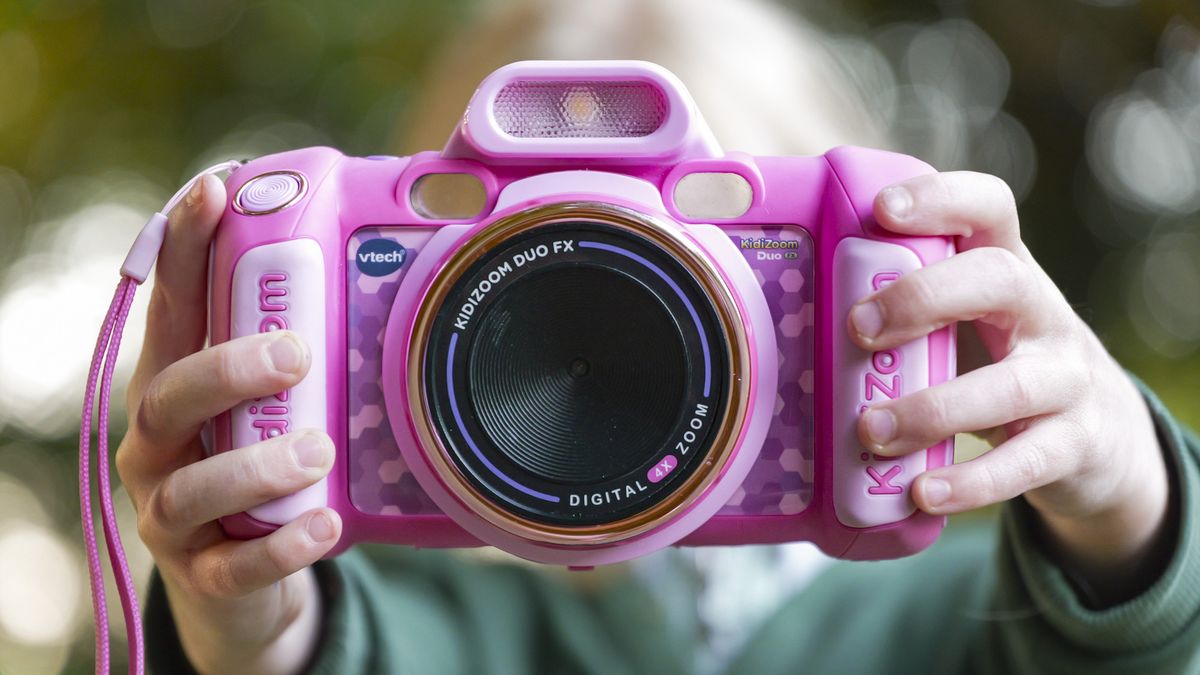
The right camera is determined less by the largest number in the title than by the way its sensor, lens, controls, battery, and screen fit your actual shooting.
Sensor size and resolution
Sensor size affects how much light the camera can gather and how much control it gives you over background blur and noise. The Canon EOS Rebel T7 models use a 24.1MP APS-C sensor, giving them a more flexible photographic foundation than the compact cameras listed here. The Kodak models use 16MP CMOS sensors, which are sufficient for everyday photos but are designed for simpler use.
Resolution matters when you crop or make larger prints, but it does not guarantee better images. The 48MP and 96MP claims on the creator cameras should be considered alongside the missing sensor and lens information. A well-controlled 16MP photo can be more useful than a heavily processed image with a larger stated number.
Optical zoom and digital zoom
Optical zoom changes the lens's actual focal length. The Kodak FZ45 has 4x optical zoom, the FZ55 has 5x, the Canon ELPH 360 HS has 12x, and the Canon SX740 HS reaches 40x. These differences are meaningful when photographing distant subjects.
Digital zoom enlarges part of the captured image and can reduce detail as it increases. The Duluvulu and Aureapix list 16x and 20x digital zoom respectively, so they should not be judged as long-range alternatives to the Canon SX740 HS.
If distant subjects matter, choose optical reach first and treat digital zoom as a convenience feature.
Autofocus and viewfinders
Autofocus determines how quickly and reliably the camera can keep a subject sharp. The Canon T7 models list a 9-point autofocus system, AI Servo AF, and, on the Dual Lens version, Dual Pixel CMOS AF and eye detection AF. These cameras are better suited to learning how focus modes work than the simpler point-and-shoot models.
An optical viewfinder is useful in bright light and provides a stable way to compose without holding the camera at arm's length. Neither the Kodak compacts nor the creator cameras listed here includes a viewfinder in the supplied information, so they rely on their screens.
Video and creator screens
Full HD is enough for ordinary clips, while 4K records more detail and gives footage a higher-resolution source. The Kodak cameras record Full HD, the Canon SX740 HS records 4K at 30p, and the Duluvulu and Aureapix list 4K and 8K features respectively.
A flip screen is more important for self-recording than a high headline resolution. The Duluvulu has a 3-inch 180-degree screen, while the Aureapix has a 3.5-inch 180-degree display. If you are mainly taking still photos, the viewfinder and lens system on a DSLR may matter more.
Battery and storage
Battery design changes how easy a camera is to keep ready. The Kodak FZ45 models use two AA alkaline batteries, while the FZ55 models use a rechargeable lithium-ion battery. The Canon SX740 HS listing includes a Canon NB-13L battery and charger, and the creator cameras list two batteries.
Storage also matters when recording video. The Kodak FZ45 and FZ55 support Class 10 SD, SDHC, and SDXC cards up to 512GB. The Canon and creator listings identify transfer or included-card features, but buyers should confirm the desired card format and capacity before a long trip.
Frequently asked questions
Is a DSLR better than a compact digital camera?
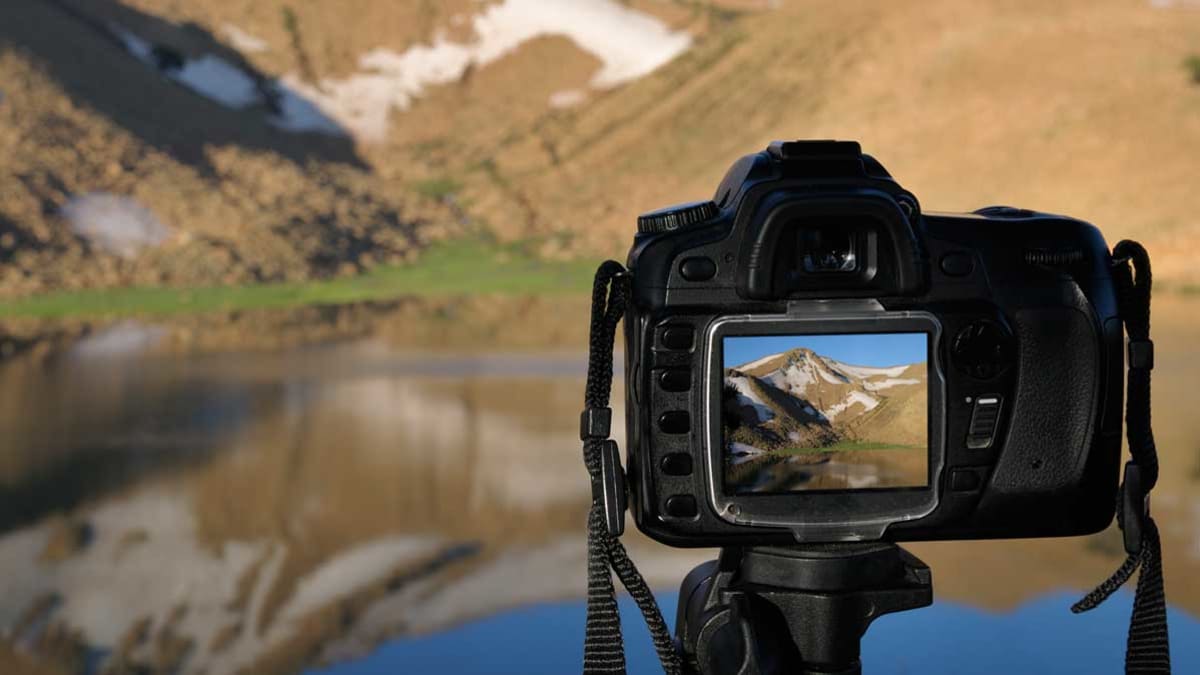
A DSLR is better when you want a larger APS-C sensor, an optical viewfinder, and interchangeable lenses. A compact camera is easier to carry and quicker to use, especially for casual family photography. The Canon EOS Rebel T7 is the stronger learning platform, while the Kodak FZ55 is simpler.
Which camera has the longest zoom?
The Canon PowerShot SX740 HS has the longest listed optical zoom, at 40x with a 24 to 960mm equivalent range. That is a substantially different capability from the digital zoom listed on the Duluvulu and Aureapix cameras.
Which camera is best for vlogging?
The Aureapix 8K Digital Camera and Duluvulu 4K Digital Camera are the most directly aimed at vlogging because both list 180-degree flip screens. The Aureapix adds Wi-Fi transfer and a larger 3.5-inch screen, while the Duluvulu lists webcam functionality and two batteries.
Do these cameras include memory cards?
The Kodak cameras support SD, SDHC, and SDXC cards up to 512GB, but the supplied information does not say that a card is included. The Canon PowerShot SX740 HS bundle lists a 64GB memory card, while the Duluvulu listing mentions an SD card. Check the individual listing for the exact contents.
Can the Canon Rebel T7 be used as a webcam?
The Canon EOS Rebel T7 listings say the camera can work as a webcam through EOS Utility Webcam Beta Software on compatible Mac and Windows computers. The camera also has built-in Wi-Fi and NFC. The creator cameras list webcam functionality as part of their features as well.
Are AA batteries useful in a digital camera?
AA batteries can be useful when you are traveling somewhere with limited charging access because replacements are widely available. The drawback is carrying spares and replacing them more often than a rechargeable battery. The Kodak PIXPRO FZ45 Black and White are the AA-powered options here.
Is a higher megapixel number always better?
No. Resolution can help with cropping and larger output, but image quality also depends on sensor size, lens quality, focus, lighting, and processing. The Canon Rebel T7's 24.1MP APS-C sensor may offer more photographic flexibility than a compact camera that advertises a higher resolution without identifying its sensor or lens.
The bottom line
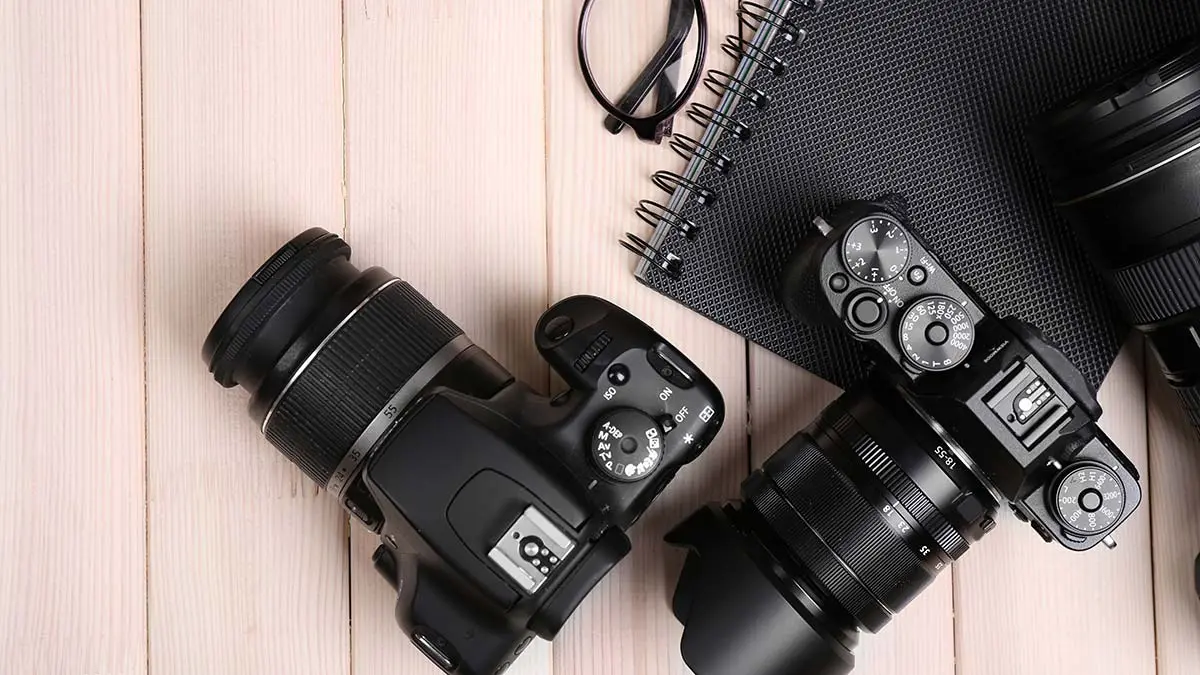
The Best digital camera in this group is the Canon EOS Rebel T7 18-55mm for beginners who want to learn photography properly. Its APS-C sensor, optical viewfinder, interchangeable EF and EF-S lens support, Wi-Fi, and webcam compatibility make it more useful over time than a basic compact.
Choose the Canon PowerShot SX740 HS instead when a travel camera needs a 40x optical zoom and 4K video. For simple snapshots, the Kodak PIXPRO FZ55 Black is the easier compact to live with, while the Duluvulu and Aureapix are better suited to beginners focused on flip-screen video.
If you are undecided, choose the Rebel T7 for photographic control, the SX740 HS for distant subjects, or the FZ55 for the least complicated everyday camera.
As an Amazon Associate we earn from qualifying purchases.