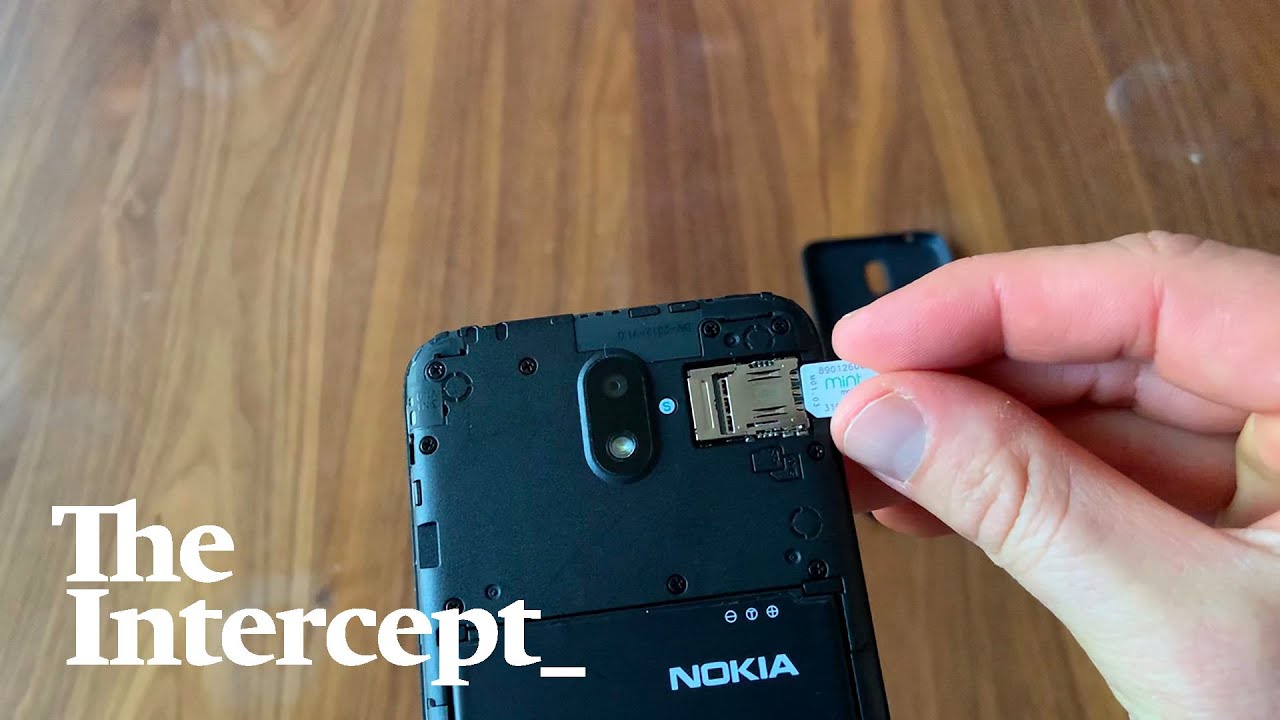

A burner phone is any prepaid mobile phone you buy and use temporarily, then discard or stop using, to keep your calls and messages separate from your main identity. You pay cash for the handset and a prepaid SIM card or airtime card, top up with no credit check or contract, and you are done. The number stays active only as long as you keep adding credit. That is the whole mechanism: a physical device that is disconnected from your name, address, and billing history.
Burner phones are not a single product category. They are any phone used that way. The cheapest models are basic feature phones with no smartphone OS, but you can also buy an Android smartphone and treat it as a burner. The key is the payment method and the SIM. A burner phone is defined by how you acquire and pay for service, not by the hardware itself.
What makes a phone a burner
The term "burner" comes from espionage and crime dramas, but the real-world use is much broader. Anyone who wants a temporary second line for a few weeks or months uses one. The phone itself is ordinary. The burner nature comes from three things:
Prepaid service with no identity. You buy a prepaid SIM card or a phone that already has one inside. You pay with cash. The carrier does not ask for your name, address, or social security number. You are anonymous to the carrier as far as the account goes. The carrier still knows the IMEI of the phone and the ICCID of the SIM, but unless you link them to a real identity, they cannot be traced back to you in a simple subscriber lookup.
Short usage lifespan. You use the phone for a specific purpose, then you stop paying for service. The number goes dormant after a period of inactivity (usually 30 to 90 days depending on the carrier). You can let it expire or physically destroy the SIM and phone. The point is that the line is not persistent.
No data trail back to a permanent address. Because you never gave the carrier your real name, and you paid cash, the phone number is not tied to your credit report, utility bills, or online accounts. It is a clean line.
The hardware itself can be a $20 flip phone or a $200 Android phone. The phone still works the same way any mobile phone does: it connects to cellular towers, authenticates with the SIM, and routes calls and texts through the carrier's network. Nothing about the radio technology is different. The difference is entirely in the billing relationship.
How prepaid cellular service works
To understand the burner, you need to understand prepaid. A prepaid plan is pay-before-you-use. You buy a SIM card with a certain amount of credit, or you buy a top-up card, and you add that money to your account. Each minute, text, or megabyte of data deducts from your balance. When the balance hits zero, the service stops until you add more.
The carrier does not need to collect your personal information because there is no bill to send. You are not a credit risk. The carrier is paid in advance. This is why prepaid can be anonymous.
The phone itself is just a terminal. It has a Subscriber Identity Module (SIM) that stores the unique number and authentication key given by the carrier. When you turn the phone on, it sends the SIM's data to the network, the network checks that the SIM has a valid account with credit, and the phone is allowed to connect.
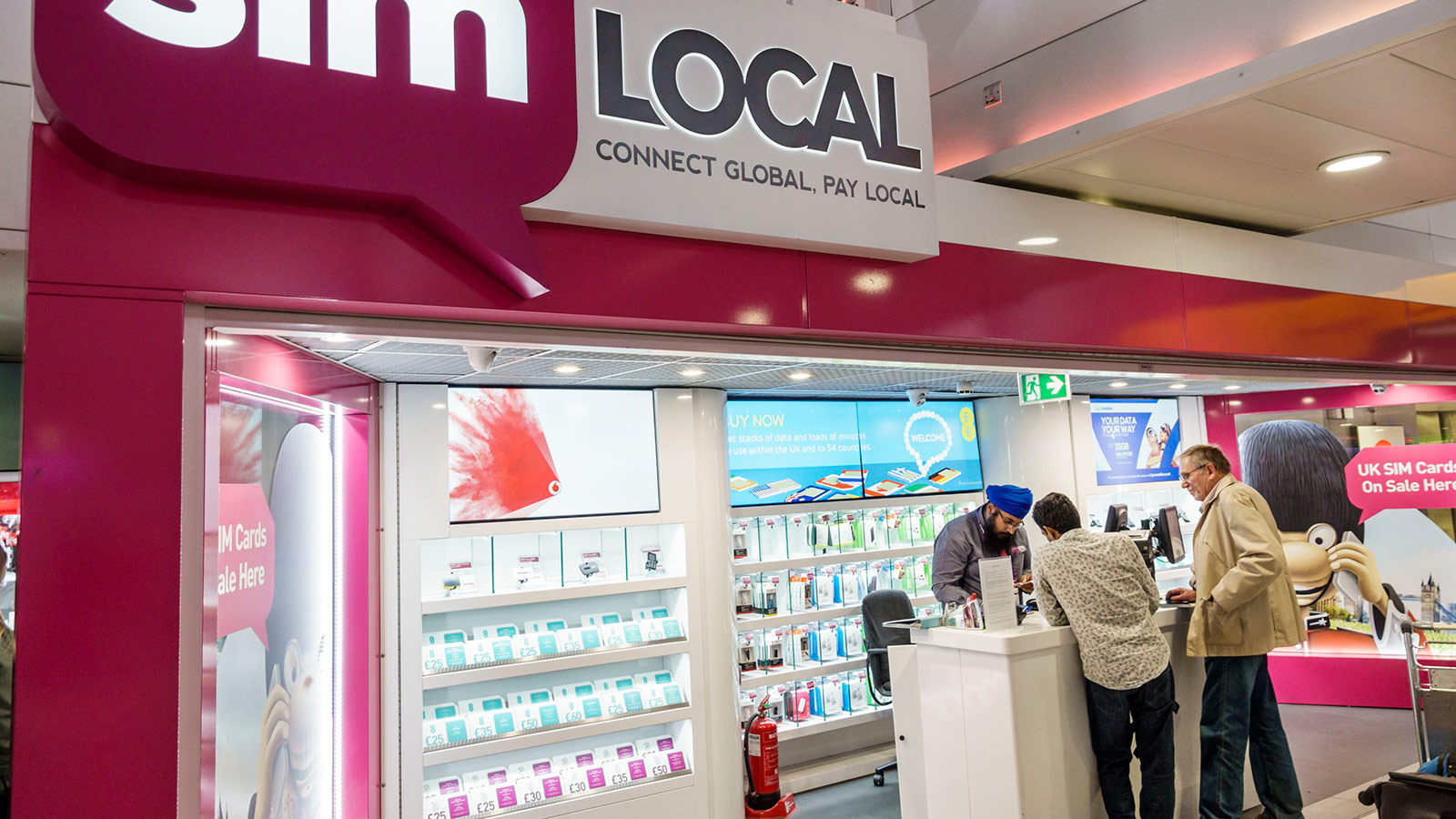
Burner phones often use smaller carriers that resell service from the big three networks (AT&T, T-Mobile, Verizon) as MVNOs (Mobile Virtual Network Operators). These MVNOs tend to have even looser identity requirements. Some will sell you a prepaid SIM at a convenience store with no paperwork at all.
What a burner phone is not
A burner phone is not a secure phone. It is not encrypted by default. The calls and texts travel over the same cellular network as any other phone. Carriers can see the metadata (who you called, when, for how long) and the content of SMS is stored. Law enforcement with a warrant can get that data. The anonymity is only at the subscriber level, not at the network level.
A burner phone is also not a "disposable" phone in the sense that you throw it away after one use. Many people reuse the same handset with a new SIM card. The phone itself is durable. The "burner" refers to the number, not the hardware.
Some people confuse burner phones with prepaid phones generally. All burner phones are prepaid, but not all prepaid phones are burners. If you buy a prepaid phone from a carrier and register it with your real name and address because you want to keep the number long-term, that is just a prepaid phone, not a burner. The burner is defined by the intention to remain anonymous and to discard the line.

Who actually uses burner phones
The most common legitimate use is for short-term projects. A contractor working on a job site for three months might buy a burner to give out the number without handing out their personal line. A person selling items on a classified site might use a burner to avoid spam calls to their main number. A traveler might buy a local prepaid SIM in another country and treat that phone as a burner for the trip.
Another common scenario is privacy during a sensitive transaction. Someone selling a car or a house might want to communicate with potential buyers without revealing their home address through a reverse phone lookup. A burner phone keeps that separation.
Some people use burners as a second phone for dating apps or social media accounts that they do not want linked to their main identity. The phone is a tool for compartmentalization.
The less common but much-discussed use is for illegal activity. The anonymity of a burner phone appeals to people who want to avoid surveillance. This is the reason the term exists in the first place. But the vast majority of burner phone sales are to people who simply want a temporary line for a legitimate reason.

The practical limits of anonymity
A burner phone bought with cash from a convenience store is not completely anonymous. The carrier knows the IMEI of the phone and the ICCID of the SIM. If you buy the phone with a credit card at a big box store, the store's transaction can be linked to you. If you activate the phone at home and then use it near your home, the cell tower location data can be cross-referenced with your known home address.
To maintain true anonymity, you would need to buy the phone with cash, pay for the SIM with cash, activate it away from your home, and never use it in a place where you are known. That is a level of effort that most legitimate users do not need.
For most people, a burner phone provides enough separation from their main identity to be useful for temporary communication. It is not a tool for evading law enforcement. It is a tool for preventing a random classified ad caller from getting your full name and address.
How to set up a burner phone
If you want to try it, the process is straightforward:
-
Buy a prepaid phone. You can buy a basic flip phone or a low-end Android smartphone. The phone comes with a SIM card already installed, or you buy a separate SIM card and put it in a compatible phone you already own.
-
Activate the service. Most prepaid phones have a built-in activation process. You remove the plastic tab from the battery, hold the power button, and follow the on-screen prompts. Some carriers require you to call a toll-free number. You choose a phone number from the available options. You do not need to give your name.
-
Add credit. You can buy a prepaid airtime card at the store and scratch off the code, or you can pay with cash and have the cashier add credit. Many carriers also let you add credit with a prepaid debit card, but that creates a paper trail.
-
Use the phone. The phone works like any other phone. You can make calls, send texts, and use data if you bought a data plan.
-
Let it expire. When you are done, stop adding credit. The number will be deactivated after a period of inactivity. You can then remove the SIM and destroy it, or keep the phone for a future use.

What to look for when buying a burner phone
You do not need a high-end phone. The burner phone is a utility device. The most important considerations are network coverage, battery life, and ease of activation.
Network coverage matters because the phone only works on the carrier you choose. If you are in a rural area, check which carrier has the best coverage. Tracfone, Straight Talk, and Mint Mobile are common prepaid options that use the major networks.
Battery life is important because you may not charge the phone every day if you are only using it for occasional calls. Basic feature phones can last a week on a single charge. Smartphone burners need more frequent charging.
Ease of activation matters because some prepaid phones require you to register online or call a number that asks for your zip code. That is minimal, but it is one step. The simplest burners are the ones sold in a sealed box with a prepaid SIM already inside and a simple activation flow.
Do not buy a "locked" phone from a prepaid carrier that requires a long-term contract. Those are not burners. The phone should be sold as prepaid, not postpaid.
The honest limitation
The honest limitation of a burner phone is that it is not fully private. The cellular network is not designed for anonymity. Every phone has a unique identifier, and the carrier keeps records of what towers the phone connected to. If law enforcement needs to find you, they can get a court order and the carrier will provide the location data.
The burner phone is a tool for temporary separation, not for complete invisibility. If you need truly secure communication, you need encrypted messaging apps on a phone that you keep offline when not in use. That is a different category entirely.
For the person who just wants a second number for a few weeks without giving out their real name, a burner phone works perfectly. It is simple, cheap, and it does exactly what it is supposed to do.
FAQ
Can I use my existing phone as a burner?
Yes, if you buy a prepaid SIM card and put it in a phone that is not tied to your main identity. You can remove the SIM from your main phone and use a prepaid SIM in the same handset, but then the phone itself is linked to you through the IMEI. A truly separate burner phone is a separate device.
How long does a burner phone number stay active?
It depends on the carrier. Most prepaid carriers deactivate the number after 30 to 90 days of no activity. Some carriers give you a grace period of up to a year if you add credit periodically. Check the carrier's policy when you buy the phone.
Can I put a burner phone SIM in a smartphone?
Yes. A prepaid SIM card works in any unlocked phone that is compatible with the carrier's network. The smartphone itself becomes a burner phone if you use it with a prepaid SIM and do not link it to your identity.
Do burner phones work with Wi-Fi?
Most burner phones are basic feature phones that do not have Wi-Fi. Smartphone burners can connect to Wi-Fi, but that does not change the nature of the phone. The phone is still a burner because the service is prepaid and anonymous.
Are burner phones illegal?
No, owning and using a burner phone is legal in most countries. The legality depends on what you do with it. Using a burner phone to commit a crime is illegal, but the phone itself is just a tool. Reporters, activists, and people in sensitive situations use burner phones legally all the time.