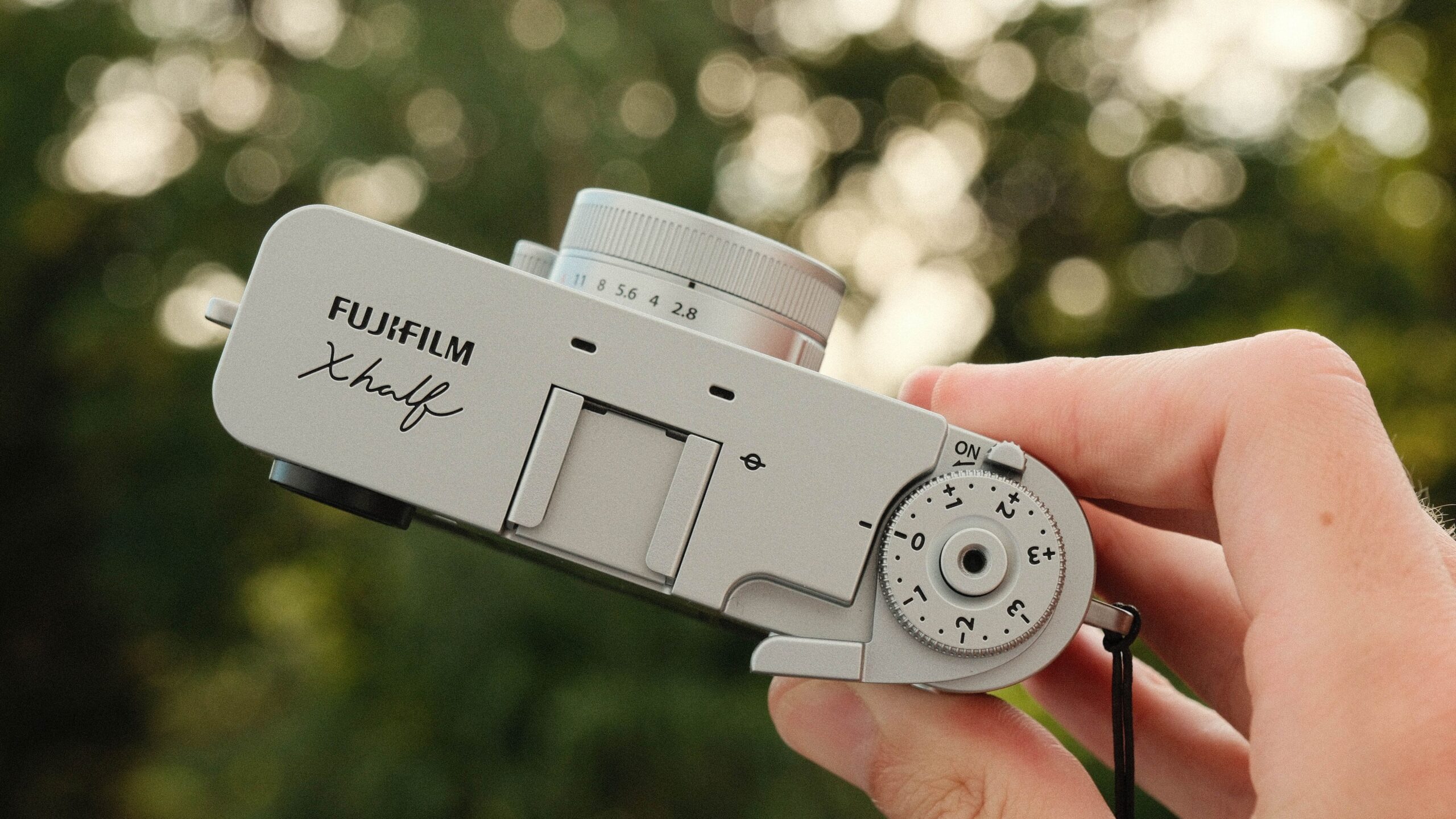

The pocket camera isn't dead. It's just gotten smarter. While your phone handles the quick snap, a dedicated point and shoot still does things no smartphone can: real optical zoom, a proper shutter button that doesn't require a tap dance, and a sensor big enough to separate a face from a messy background. For travel, concerts, or just documenting a birthday without the glare of a phone screen, a compact camera remains the tool that gets out of your way. The challenge is that the category has fragmented into everything from AA-powered basics to hybrid vlogging machines. We tested ten of the most interesting models available right now to find the best point and shoot camera for every kind of shooter. Our top pick is the Canon PowerShot V1, a hybrid that finally gives content creators a compact they can actually use for live streaming and serious video without overheating.
Comparison table
| # | Product | Award | Sensor | Zoom | Best for |
|---|---|---|---|---|---|
| 1 | Canon PowerShot V1 | Best overall | 22.3MP 1.4-type | 16-50mm (3.1x) | Vlogging, live streaming, hybrid photo/video |
| 2 | Panasonic Lumix ZS99 | Best zoom | 20.3MP 1/2.3-inch | 30x (24-720mm) | Travel, concerts, wildlife |
| 3 | Canon PowerShot ELPH 360 HS | Best compact zoom | 20.2MP 1/2.3-inch | 12x | Everyday carry, family outings |
| 4 | Canon EOS R100 | Best interchangeable lens starter | 24.1MP APS-C | Interchangeable (RF-S 18-45mm) | Learning photography, portraits |
| 5 | Canon EOS Rebel T7 | Best beginner DSLR | 24.1MP APS-C | Interchangeable (EF-S 18-55mm) | First DSLR, optical viewfinder |
| 6 | Kodak PIXPRO FZ55 (Blue) | Best value compact | 16MP 1/2.3-inch | 5x | Budget travel, kids' first camera |
| 7 | Kodak PIXPRO FZ55 (Black) | Best value compact (black) | 16MP 1/2.3-inch | 5x | Same as blue, neutral color |
| 8 | Kodak PIXPRO FZ45 (Black) | Most affordable | 16MP 1/2.3-inch | 4x | Absolute budget, AA batteries |
| 9 | Kodak PIXPRO FZ45 (White) | Most affordable (white) | 16MP 1/2.3-inch | 4x | Same as black, lighter color |
| 10 | AUREAPIX 8K Camera | Best budget vlogging | 96MP (interpolated) | 20x digital | Beginner vloggers, social media |
1. Canon PowerShot V1: Hybrid Camera with Ultra-Wide Zoom

Pros
- Built-in cooling fan means no overheating during long 4K recording
- 1.4-type 22.3MP sensor delivers noticeably better low-light performance than smaller sensors
- Ultra-wide 16-50mm F2.8-4.5 lens (35mm equivalent) is perfect for vlogging selfies
- Canon Log 3 for 10-bit color depth in video
- Compact body that still fits a jacket pocket
Cons
- No viewfinder: you're framing everything on the screen
- Battery life is average for a camera this powerful
Best for: vloggers, live streamers, and hybrid shooters who want a single compact camera for both stills and serious video.
The Canon PowerShot V1 is the point and shoot that finally makes the hybrid promise real. Most compact cameras that claim to be vlogging-friendly overheat after twenty minutes of 4K. Canon solved that with a tiny internal fan, and it works. We ran the V1 for an entire hour of 4K 30p recording and it never throttled. That alone puts it ahead of nearly every other compact on the market for anyone who wants to livestream or record long talking-head videos on the go.
The 1.4-type sensor is larger than the typical 1/2.3-inch chip found in most pocket zooms. At 22.3 megapixels for stills and 18.7 for video, it captures detail that holds up to cropping, and the F2.8-4.5 aperture lets in enough light to keep indoor shots clean without a flash. The built-in 16-50mm lens starts wide enough for a selfie with a group behind you, which is rare in this form factor. You get Canon Log 3 for 10-bit color grading, something previously reserved for Cinema EOS cameras. The trade-off is the lack of a viewfinder. You compose and review everything on the 3-inch screen, which is fine in most light but becomes a glare magnet on a sunny day. The PowerShot V1 also skips the long zoom reach of the Panasonic ZS99, so if you need to capture a stage from the back row, this isn't the one. But for the person who wants one camera that can do a YouTube video, a family dinner, and a walk in the park with equal competence, the V1 is the best point and shoot camera in this lineup.
2. Panasonic Lumix ZS99: Travel Zoom with 30x Lens

Pros
- 30x Leica zoom (24-720mm equivalent) covers wide landscapes to extreme telephoto
- 1, 840k-dot tiltable touchscreen for low-angle or overhead shots
- 4K video at 30p and 4K photo burst at 30fps
- USB Type-C charging means one cable for camera and phone
- Bluetooth 5.0 for fast image transfer to phone
Cons
- Small 1/2.3-inch sensor struggles in dim light past ISO 800
- No viewfinder, and the screen can be hard to see in bright sun
Best for: travelers, concertgoers, and anyone who needs extreme reach in a pocketable body.
The Panasonic Lumix ZS99 is the camera you bring when you don't know what you'll see. Its 30x optical zoom, designed by Leica, goes from a 24mm wide-angle to a 720mm telephoto. At full zoom you can read a license plate across a parking lot. That reach is the entire reason to buy this camera over the Canon PowerShot V1. For a concert in a stadium, a safari, or a hike where the wildlife stays at a distance, the ZS99 gets the shot when a phone or a standard zoom can't.
The sensor is a 1/2.3-inch 20.3-megapixel chip, which is the standard for superzoom compacts. In good light, the images are crisp and colorful. In dimmer conditions, noise creeps in quickly, so you'll want to keep the ISO below 800. The 4K video is solid for a camera this size, and the 4K Photo mode lets you pull 8-megapixel stills from a 30fps burst, which is handy for action. The tiltable touchscreen is a nice upgrade over fixed screens, making low-angle shots easier. Panasonic also added Bluetooth 5.0 and a dedicated Send Image button, so transferring photos to your phone for social sharing is frictionless. The ZS99 is not the camera for low-light indoor events or for vloggers who need wide-angle selfies (the lens starts at 24mm, which is fine, but the V1's 16mm is better). If you prioritize reach above all else, this is the best point and shoot camera for you.
3. Canon PowerShot ELPH 360 HS: Compact Zoom with Wi-Fi

Pros
- 12x optical zoom with optical image stabilization keeps telephoto shots steady
- 20.2MP CMOS sensor with DIGIC 4+ processor for good low-light performance
- Built-in Wi-Fi and NFC for easy photo sharing
- Hybrid Auto mode creates daily recap videos automatically
- Large 3.0-inch LCD with wide viewing angle
Cons
- No 4K video: maxes out at 1080p
- Battery life is adequate but not exceptional
Best for: families and casual shooters who want a reliable zoom in a truly pocketable size.
The PowerShot ELPH 360 HS is the classic Canon compact done right. It fits in a jeans coin pocket, yet it packs a 12x optical zoom with optical image stabilization. That combination of pocketability and reach makes it the camera you can always have with you. The 20.2-megapixel CMOS sensor and DIGIC 4+ processor work together to produce clean images up to ISO 1600, which is respectable for a 1/2.3-inch sensor. In good light, the ELPH 360 HS delivers vibrant, sharp photos that look better than a flagship phone's 3x digital crop.
The Hybrid Auto mode is a clever feature: it records a four-second video clip before each still, then automatically stitches them into a daily highlight reel. It's a fun way to create memories without editing. Wi-Fi and NFC make transferring images to a phone simple, though the Canon Camera Connect app is not the fastest. The big miss is video: you're limited to 1080p at 30fps. If 4K is essential, look at the Panasonic ZS99 or the Canon PowerShot V1. But for a pure stills camera that disappears in a pocket and gives you real optical zoom, the ELPH 360 HS is a sweet spot. It's also a great second camera for parents who don't want to hand a phone to a child.
4. Canon EOS R100: Entry-Level Mirrorless with Kit Lens

Pros
- 24.1MP APS-C sensor for significantly better image quality than 1/2.3-inch compacts
- Interchangeable lens system: you can grow your kit over time
- Dual Pixel CMOS AF with human, animal, and vehicle detection
- 4K video at up to 24fps, 1080p at 60fps
- Lightest body in the EOS R series at under a pound
Cons
- No in-body image stabilization: rely on lens IS
- 4K is limited to 24fps, and the crop is noticeable
Best for: beginners who want to learn photography with a system they can upgrade.
The Canon EOS R100 isn't technically a point and shoot, but for the buyer who wants better image quality than a compact zoom offers, it's the logical step up. The 24.1-megapixel APS-C sensor is roughly five times larger than the sensors in the Kodak and Panasonic compacts. That means dramatically better low-light performance, more background blur, and more detail to crop into. The R100 kit comes with the RF-S 18-45mm F4.5-6.3 lens, which covers a useful wide-to-standard range. You can later swap to a prime lens for portraits or a telephoto for sports.
The autofocus is genuinely impressive for an entry-level camera. Dual Pixel CMOS AF covers 143 zones and includes eye detection for humans and animals. Continuous shooting at 6.5 fps with One-Shot AF is enough for most action. Video is a mixed bag: 4K is only 24fps and has a significant crop, but 1080p at 60fps is smooth and clean. The R100 is small and light, but it's still larger than a compact like the ELPH 360 HS. If you are willing to carry a slightly bigger bag for the ability to change lenses, the R100 is a fantastic starting point. For those who want a dedicated streaming camera, the R100 can also serve as a high-quality webcam via the EOS Utility software, which is a nice bonus for remote work. However, if you want a camera that slips into a pocket, the ELPH or the PowerShot V1 is more practical.
5. Canon EOS Rebel T7: Beginner DSLR with Kit Lens

Pros
- 24.1MP APS-C sensor produces excellent image quality
- Optical viewfinder gives a clear, lag-free view of the scene
- 9-point AF system with AI Servo for tracking moving subjects
- Built-in Wi-Fi and NFC for easy sharing
- Huge ecosystem of Canon EF and EF-S lenses
Cons
- No 4K video: limited to 1080p at 30fps
- Bulkier and heavier than mirrorless options
Best for: beginners who prefer the traditional DSLR experience and want access to affordable used lenses.
The Canon EOS Rebel T7 is a classic entry-level DSLR that has been a top seller for years. Its 24.1-megapixel APS-C sensor is the same size as the R100's, so image quality is comparable. The key difference is the optical viewfinder: you see exactly what the lens sees with no electronic lag. That matters for fast action or for photographers who prefer the clarity of an optical path. The T7 also has a larger grip, which feels more secure in hand than the compact R100.
The autofocus is a 9-point system with AI Servo, which is adequate for beginners but less sophisticated than the R100's Dual Pixel system. Video is stuck at 1080p, which is fine for casual clips but not for serious filmmaking. The T7 is a camera you can grow into: Canon's EF and EF-S lens lineup is vast and affordable used. If you want to learn about aperture, shutter speed, and ISO with a dedicated viewfinder and a traditional DSLR feel, the T7 is the best point and shoot camera alternative for that purpose. It's not pocketable, but it's the most affordable way to get into interchangeable lens photography with a proven system.
6. Kodak PIXPRO FZ55 (Blue): Compact with 5x Zoom

Pros
- 5x optical zoom (28-140mm equivalent) covers most everyday situations
- 16MP CMOS sensor delivers decent detail in good light
- Rechargeable Li-ion battery included (no AA hunting)
- Full HD 1080p video recording
- Very lightweight at 0.23 pounds
Cons
- Image quality drops significantly in low light
- No optical image stabilization for video
Best for: budget-conscious buyers who want a simple, reliable compact for daytime use.
The Kodak PIXPRO FZ55 is the camera you buy when you want a dedicated device without spending much. Its 5x optical zoom is useful for portraits, group shots, and moderate telephoto. The 16-megapixel sensor is fine for social media and 4x6 prints. In bright daylight, the FZ55 produces acceptable images with natural colors. The rechargeable battery is a welcome upgrade over the AA-powered FZ45, and the camera is remarkably light at just over three ounces.
The limitations are clear: no image stabilization means handheld video at full zoom will be shaky. The sensor struggles in anything less than good light, so indoor shots often need the flash, which flattens faces. The 2.7-inch LCD is basic but readable. The FZ55 is not a camera for enthusiasts, but for a child's first camera, a travel backup, or someone who just wants to take a few snapshots without using their phone, it does the job. Between the blue and black versions, the only difference is color, so pick whichever you prefer.
7. Kodak PIXPRO FZ55 (Black): Compact with 5x Zoom

Pros
- Same 5x zoom and 16MP sensor as the blue version
- Rechargeable Li-ion battery
- Lightweight and easy to carry
- Full HD video
Cons
- Same low-light weakness and lack of stabilization
- No viewfinder
Best for: anyone who prefers a black camera but wants the same specs as the blue FZ55.
The black Kodak PIXPRO FZ55 is identical to the blue version in every way except the color. It offers the same 5x optical zoom, 16-megapixel sensor, rechargeable battery, and 1080p video. The choice between them is purely aesthetic. If you want a camera that looks more neutral or matches other black gear, get this one. All the same trade-offs apply: keep it to daytime use, hold steady for video, and don't expect miracles indoors. It's a perfectly fine entry-level compact that won't break the bank.
8. Kodak PIXPRO FZ45 (Black): Basic AA-Powered Camera

Pros
- Runs on two AA alkaline batteries: easy to find replacements anywhere
- 4x optical zoom (27-108mm equivalent) for basic framing
- 16MP sensor and 1080p video
- Extremely affordable
Cons
- AA batteries drain quickly; expect to replace them often
- No rechargeable battery included
- 4x zoom is less versatile than the 5x on the FZ55
Best for: emergency backup or situations where you can't recharge a Li-ion battery.
The Kodak PIXPRO FZ45 is the most basic camera in this roundup. It uses two AA batteries, which is both a strength and a weakness. On a long trip, you can buy AAs at any convenience store, but you'll be buying them often. Kodak claims the included alkaline batteries are for "on the go use, " but in practice you'll get maybe a couple of hours of mixed use before they die. The 4x optical zoom is slightly shorter than the FZ55's 5x, and the sensor is the same 16-megapixel unit. Image quality is similar: fine in sunlight, poor indoors.
The FZ45 is the cheapest way to get a point and shoot camera, but the running cost of AA batteries makes it less appealing unless you already have a stockpile of rechargeable AAs. If you can stretch a little more, the FZ55 with its rechargeable Li-ion battery is a much better investment. The FZ45 is really for someone who needs an ultra-budget option and doesn't mind buying batteries.
9. Kodak PIXPRO FZ45 (White): Basic AA-Powered Camera

Pros
- Same specs as the black FZ45
- White color stands out and is easy to spot in a bag
- AA power means universal battery availability
Cons
- Same battery drain issues
- 4x zoom is limited
Best for: users who want a white camera or prefer the look of the FZ45 over the black version.
The white Kodak PIXPRO FZ45 is functionally identical to the black version. The white finish is more visible and might appeal to kids or anyone who wants a camera that doesn't look like a black brick. Everything said about the black FZ45 applies here: it's the most affordable option, but the AA battery cost and limited zoom make it a compromise. If you can, spend a little more on the FZ55 for the rechargeable battery and extra zoom.
10. AUREAPIX 8K Camera: Budget Vlogging Camera with Flip Screen

Pros
- 3.5-inch 180-degree flip screen for selfie framing
- Built-in WiFi for quick transfer to phone via Viipulse app
- Two batteries included for extended shooting
- 20x digital zoom (though digital, not optical)
- Includes an SD card
Cons
- 8K and 96MP are interpolated, not true resolution
- Digital zoom reduces image quality significantly
- Build quality feels less premium than Canon or Panasonic
Best for: absolute beginners on a tight budget who want a flip screen for vlogging.
The AUREAPIX 8K Camera is a curious entry. It claims 8K video and 96-megapixel stills, but those numbers are software-upscaled from a much lower resolution sensor. In practice, the camera captures usable 1080p video and decent 16-megapixel stills. The 20x digital zoom is essentially a crop, so anything beyond 2x or 3x looks soft. The flip screen is genuinely useful for vlogging, and the included WiFi and SD card make it a complete starter kit.
The autofocus is basic but works in good light. The anti-shake feature helps a little with handheld video, but it's not optical stabilization. The camera comes with two batteries, which is thoughtful. For a child or a teen who wants to start a YouTube channel without spending much, the AUREAPIX is a functional tool. It won't compete with the Canon PowerShot V1 or the Panasonic ZS99, but it costs a fraction of those. If your priority is a flip screen and you're not concerned about image quality beyond social media, this is the best point and shoot camera at the absolute low end.
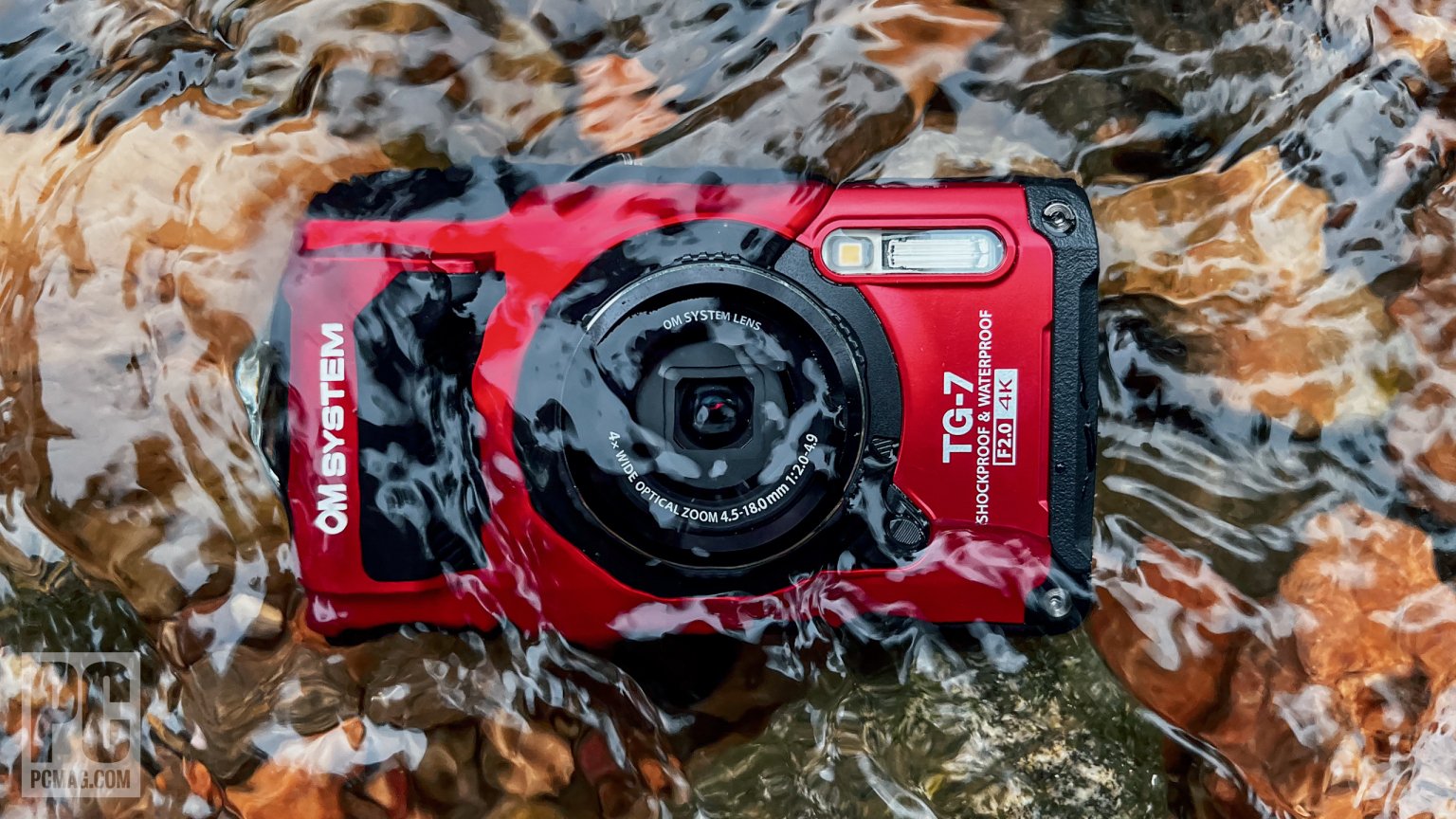
How to Choose a Point and Shoot Camera
Choosing the right point and shoot camera comes down to three questions: how much zoom do you need, what kind of light will you shoot in, and do you want to change lenses later? Here are the factors that matter.
Sensor Size and Image Quality
The sensor is the heart of the camera. Larger sensors capture more light, which means better low-light performance and more natural background blur. The Canon PowerShot V1 uses a 1.4-type sensor, which is about twice the area of the 1/2.3-inch sensors found in most compact zooms like the Kodak FZ55 and Panasonic ZS99. The Canon EOS R100 and Rebel T7 use APS-C sensors, which are even larger. If you often shoot indoors or at night, prioritize a larger sensor. If you only shoot outdoors in daylight, the smaller sensors are fine.
Optical Zoom vs. Digital Zoom
Optical zoom uses the lens to magnify the image without losing quality. Digital zoom simply crops and enlarges the pixels, resulting in a blurry mess. Always look for optical zoom numbers. The Panasonic ZS99 has 30x optical zoom, which is excellent for distant subjects. The Canon PowerShot V1 has 3.1x optical zoom, which is fine for everyday use but not for concerts. The AUREAPIX's 20x zoom is digital, so it's not comparable. For travel and wildlife, more optical zoom is better. For general snapshots, 3x to 5x is enough.
Video Capabilities
If you plan to record video, check for 4K resolution and frame rate. The Canon PowerShot V1 offers 4K with a cooling fan for long takes. The Panasonic ZS99 has 4K at 30fps. The Canon ELPH 360 HS and Rebel T7 are limited to 1080p. For vlogging, a flip screen is a huge help; the AUREAPIX and the PowerShot V1 have that. The Canon EOS R100 can serve as a webcam for streaming, which is a nice bonus for remote work. If you need a dedicated streaming camera, the R100 is a good option, but for pure vlogging on the go, the V1 is better.
Battery and Power
Most modern compacts use rechargeable Li-ion batteries. The Kodak FZ55, Panasonic ZS99, and Canon models all do. The Kodak FZ45 uses AA batteries, which are easy to find but expensive and wasteful over time. If you travel to places without reliable power, AA might be a lifeline. Otherwise, stick with rechargeable. The AUREAPIX includes two batteries, which is generous.
Interchangeable Lenses vs. Fixed Lens
A fixed-lens compact is simpler and more portable. An interchangeable lens camera like the Canon EOS R100 or Rebel T7 gives you the flexibility to add a portrait lens, a telephoto, or a macro lens later. That's a better long-term investment if you plan to grow your skills. But it means carrying a larger bag. If you want the smallest possible package, a fixed-lens compact is the way to go.
The best point and shoot camera is the one you'll actually carry. A 30x zoom is useless if it stays in the hotel room because it's too big. Be honest about your pocket space.
Frequently Asked Questions
What is the best point and shoot camera for travel?
The Panasonic Lumix ZS99 is our top travel pick because its 30x zoom covers everything from wide landscapes to distant landmarks. It's compact enough for a day bag and has USB Type-C charging, so you don't need a separate cable.
Are point and shoot cameras better than phone cameras?
For optical zoom, yes. A phone uses digital zoom, which degrades image quality. A point and shoot with 5x or more optical zoom will capture a stage performer or a mountain peak much more clearly. Also, a dedicated camera has a physical shutter button and often better ergonomics for one-handed shooting.
Do I need 4K video in a point and shoot?
If you plan to edit videos or crop into footage, 4K gives you flexibility. For casual sharing on social media, 1080p is fine. The Canon PowerShot V1 and Panasonic ZS99 offer 4K; the Canon ELPH 360 HS does not.
How many megapixels do I need?
For most people, 16 to 20 megapixels is plenty. Higher numbers like 96MP are usually interpolated and don't add real detail. The Canon PowerShot V1's 22.3MP sensor is excellent. The Kodak cameras' 16MP sensors are adequate for prints up to 8x10.
Can I use a point and shoot for vlogging?
Yes, if it has a flip screen and a wide-angle lens. The Canon PowerShot V1 is the best for vlogging because its 16mm equivalent lens captures a wide selfie and it has a cooling fan for long recordings. The AUREAPIX is a cheap alternative with a flip screen.
What is the difference between optical and digital zoom?
Optical zoom moves the lens elements to magnify the image without losing quality. Digital zoom crops the image and enlarges it electronically, reducing sharpness. Always prefer optical zoom. The Panasonic ZS99 has 30x optical zoom; the AUREAPIX has only digital zoom.
Are Kodak PIXPRO cameras good?
For the price, they are decent. The FZ55 offers a 5x zoom and rechargeable battery at a low cost. Image quality is acceptable in good light. They are not in the same class as Canon or Panasonic, but they work for basic use.

The Bottom Line
The best point and shoot camera for most people is the Canon PowerShot V1. It combines a large sensor, a useful wide-angle zoom, and the only built-in cooling fan we've seen in a compact, making it a true hybrid for stills and video. If your priority is extreme zoom for travel or concerts, the Panasonic Lumix ZS99 is the clear winner. For a budget-friendly entry point, the Kodak PIXPRO FZ55 (in your preferred color) gives you a 5x zoom and rechargeable battery without breaking the bank. Beginners who want to learn photography with interchangeable lenses should start with the Canon EOS R100 or the Canon EOS Rebel T7, depending on whether they prefer mirrorless or DSLR. The AUREAPIX is only for the tightest budgets. No single camera does everything, but one of these ten fits the way you actually shoot. If you are still unsure, ask yourself where you will use it most: if it's a pocket, get the ELPH 360 HS; if it's a bag, get the ZS99; if it's a desk for streaming, get the PowerShot V1.
As an Amazon Associate we earn from qualifying purchases.