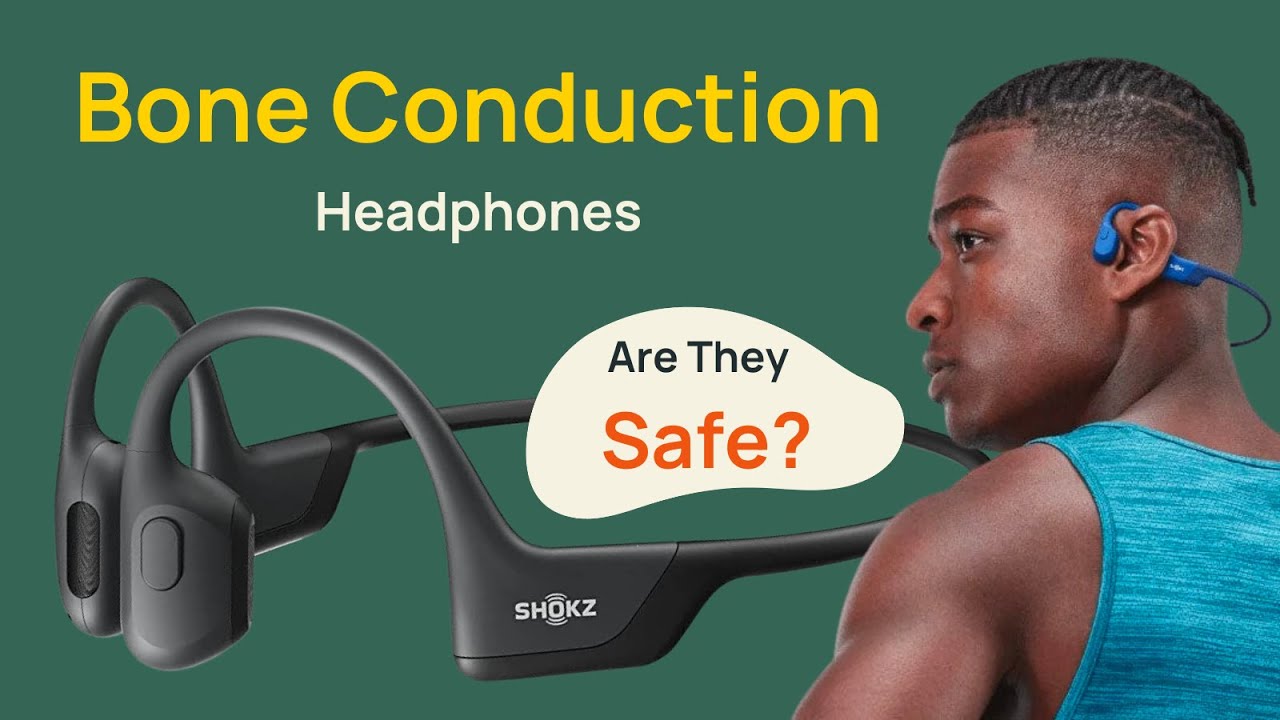

Yes, bone conduction headphones are generally safe for hearing when used correctly. They bypass the eardrum and deliver sound via vibrations through the skull, which avoids the most common cause of hearing loss from headphones: damage to the inner ear from prolonged high volume. However, safety depends on volume levels, fit, and usage context. Here is what you need to know.
How Bone Conduction Headphones Work
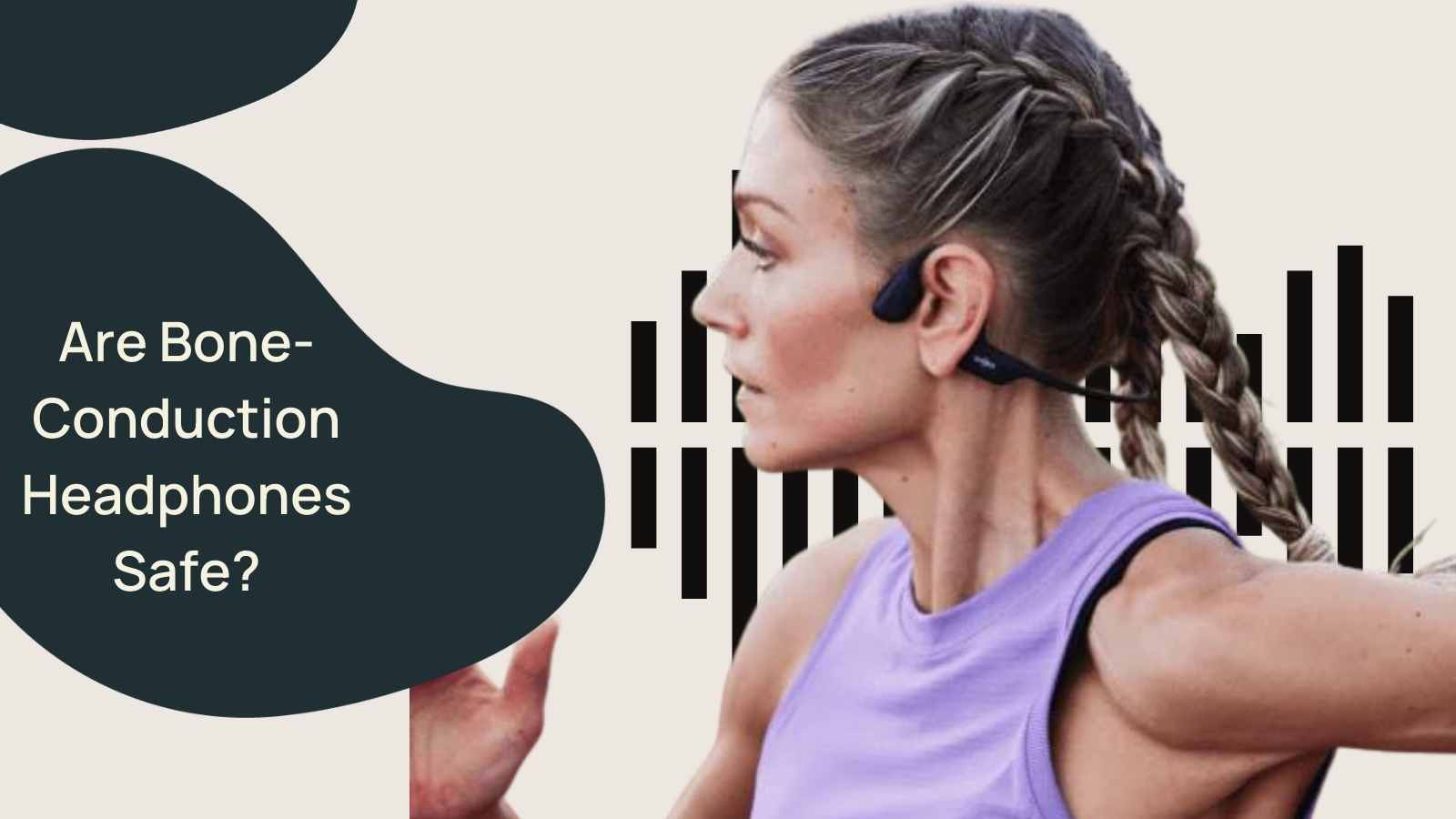
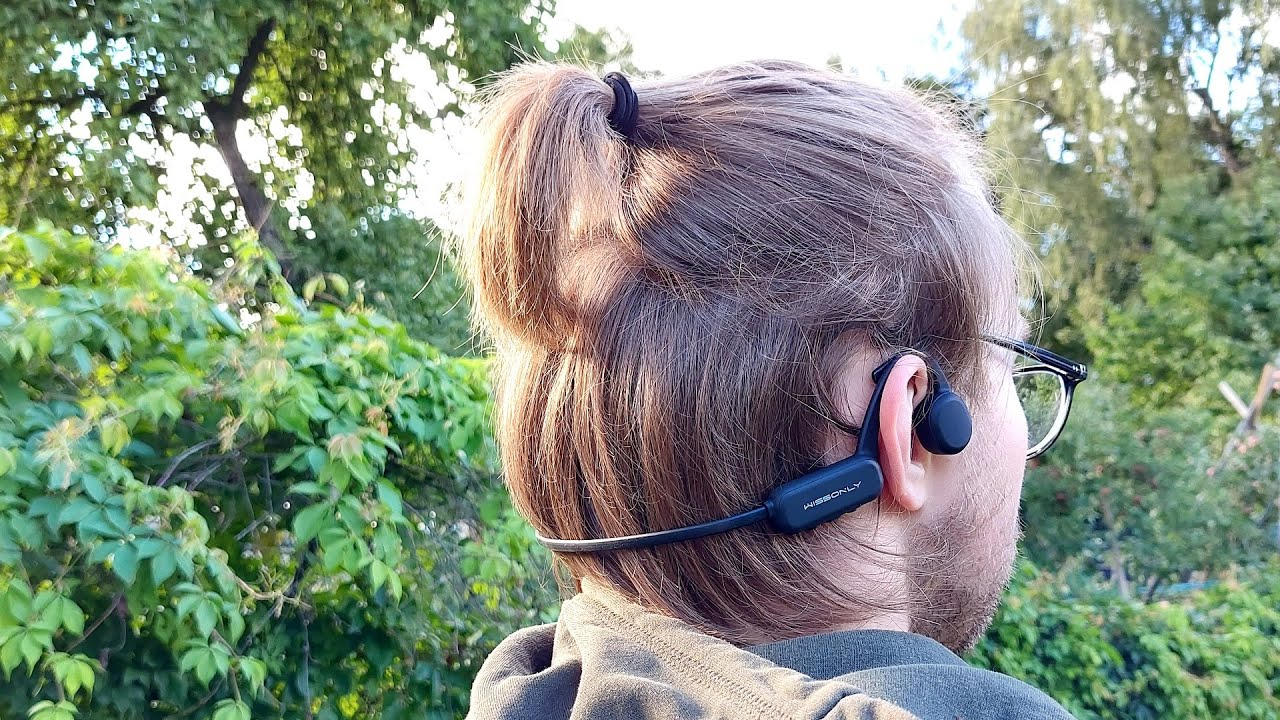
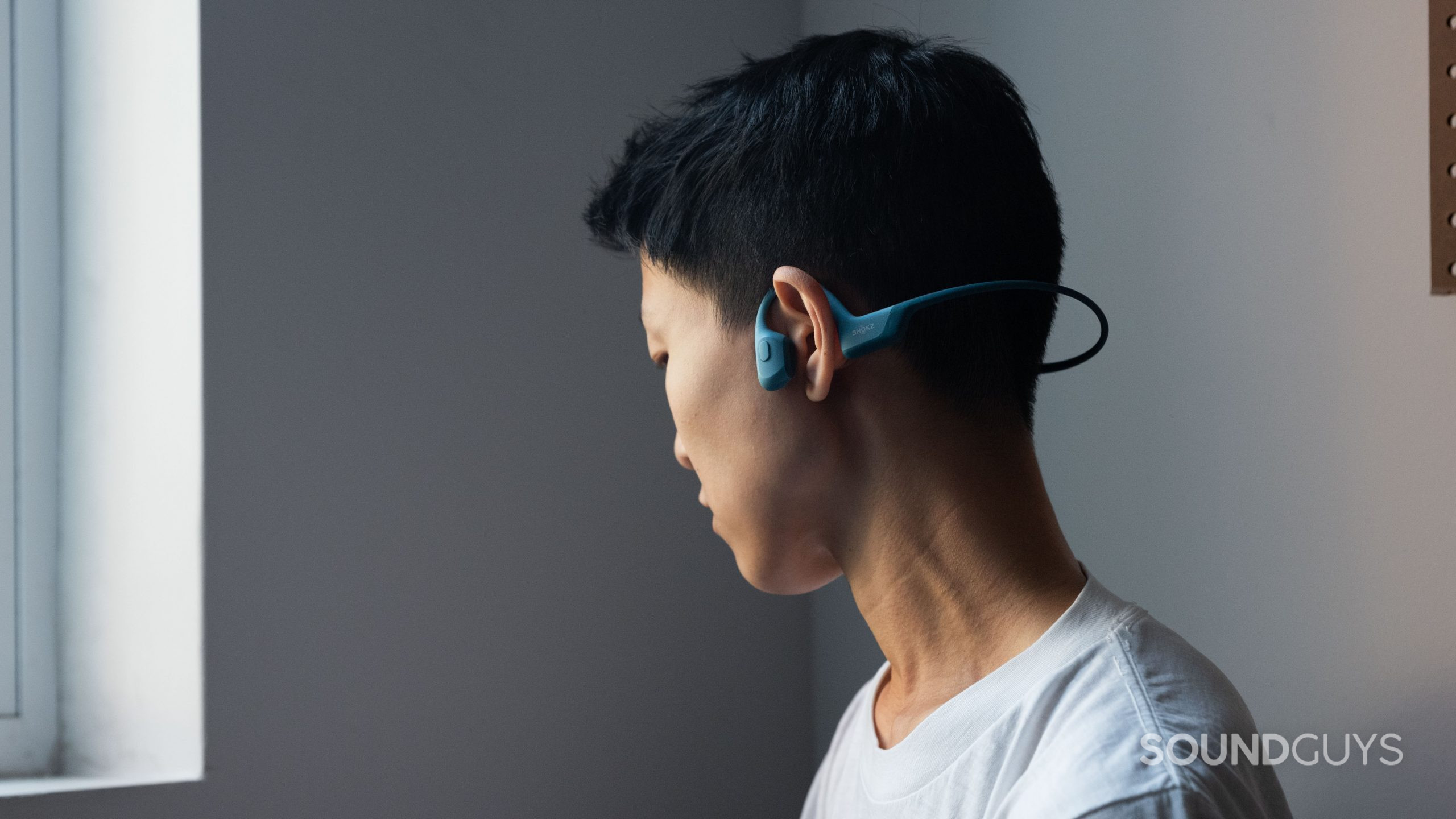
Bone conduction headphones rest on the cheekbones in front of your ears, not inside or over them. A small transducer vibrates against the bone, sending sound waves directly to the cochlea through the skull. The eardrum and middle ear never receive the air pressure changes that traditional speakers create.
This is the same principle behind hearing aids for people with conductive hearing loss. It is also why you can hear your own voice differently when you plug your ears and speak.
The key difference from regular headphones is that your ear canals remain completely open. You hear ambient sounds normally while also hearing the headphone's audio. That open-ear design is the main reason people choose bone conduction: it lets you stay aware of your surroundings while listening to music, podcasts, or taking calls.
Are There Any Hearing Risks?
The short answer is that bone conduction headphones can cause hearing damage, but only in the same way any headphone can: through excessive volume over time.
Cochlear damage still possible. Because the vibrations still reach the cochlea, loud enough sound can damage the hair cells inside it. The World Health Organization recommends keeping headphone volume below 85 decibels for extended listening. That applies to bone conduction too. The difference is that bone conduction drivers are less efficient at transferring sound, so you may naturally listen at lower volumes than with in-ear monitors. But if you crank the volume to overcome loud background noise, you can still exceed safe levels.
No eardrum or middle ear risk. Since the eardrum is not involved, you cannot rupture it or cause conductive hearing loss from bone conduction. That is a real advantage over earbuds that seal the ear canal.
Distraction hazard. The open-ear design is safer for outdoor activities because you hear traffic, bikes, and people. But it also means you might miss important sounds if the volume is too high. That is a safety concern, not a hearing one, but it matters.
Skin irritation. The vibrating pads sit against your skin for hours. Some people develop mild irritation or soreness, especially with tight fit or prolonged use. This is not hearing damage, but it can make the headphones uncomfortable.
Who Should Consider Bone Conduction Headphones
Bone conduction is not a replacement for all listening scenarios. It works best for specific situations.
People with hearing aids or conductive hearing loss. Because the eardrum is bypassed, bone conduction can deliver sound to someone whose middle ear is blocked or damaged. Many hearing aid users find bone conduction headphones a comfortable alternative to in-ear monitors that cause feedback.
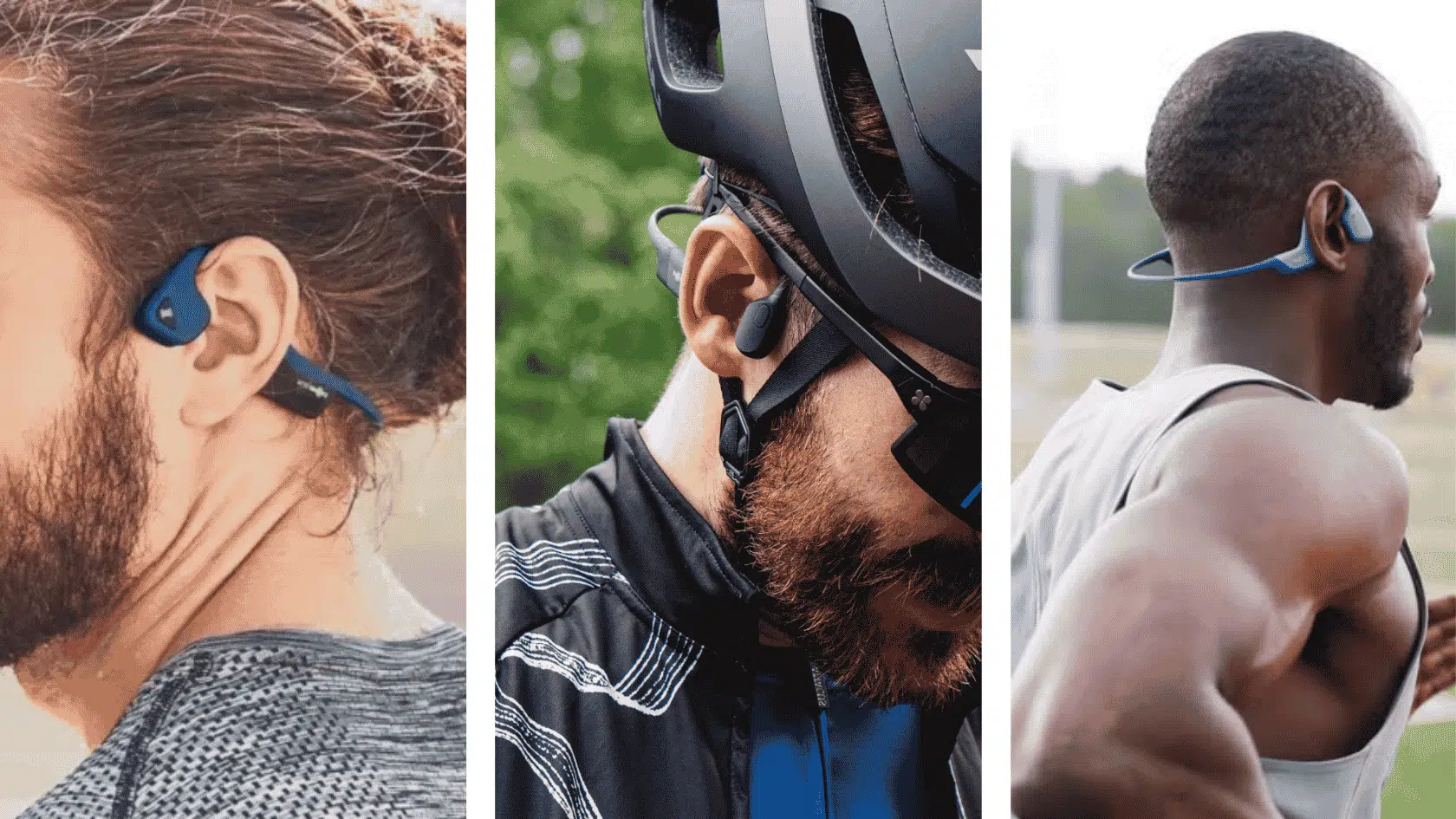
Runners, cyclists, and outdoor workers. The open ears let you hear approaching vehicles, other people, and alarms. For these activities, the trade-off in sound quality is worth the safety gain.
Those who dislike in-ear or over-ear fit. Some people find earbuds painful or over-ear headphones too hot. Bone conduction sits lightly on the face and leaves ears free.
People with chronic ear infections. If you cannot wear anything in or over your ear canals, bone conduction is a practical way to listen to audio.
When Bone Conduction Might Be Less Safe
There are a few scenarios where the safety equation tilts the other way.
High volume in noisy environments. If you are in a loud gym, on a subway, or near heavy traffic, you will need to raise the volume to hear the audio. That increased volume can push the cochlear stimulation into unsafe territory. For these situations, noise cancelling headphones are actually safer because they block ambient noise and let you listen at lower volumes. It is worth understanding what you give up when you go wireless before committing to bone conduction for noisy settings.
Poor fit causing excessive vibration. If the transducers do not sit flush against your cheekbones, the headphones may need higher volume to produce audible sound. That again raises the risk. A secure fit is essential for safe use.
All-day wear. Wearing any headphone for hours increases cumulative exposure. Bone conduction is not exempt from the rule that listening breaks are important. If you wear them all day at work, take a five minute break every hour.
How to Use Them Safely
These guidelines apply to any headphone, but they are especially relevant for bone conduction because the open design can trick you into thinking volume is lower than it is.
Keep volume below 60 percent. Most bone conduction headphones have a maximum volume that is safe for short bursts. For continuous listening, stay at half or lower. If someone next to you can hear the audio clearly, it is too loud.
Take breaks. The cochlea can recover from moderate noise if given rest. A five minute break every hour reduces cumulative risk.
Ensure a snug fit. The transducers should press gently against your cheekbones. If they slide around or lift off during movement, adjust the band or try a different size.
Clean the pads. Sweat and oils can cause skin irritation. Wipe the transducers with a damp cloth after workouts.
Do not use in very loud environments. If you cannot hear the audio at a moderate volume, you are better off with a different headphone type. For those who need to block out noise, traditional headphones that seal off the ear canal are a safer choice for your hearing.
FAQ
Can bone conduction headphones cause hearing loss?
Yes, if you listen at very high volumes for long periods. The cochlea can be damaged by loud vibrations just as it can by loud air pressure. Keep volume moderate and take breaks.
Are bone conduction headphones safe for children?
Generally yes, with the same volume limits. Children's ears are more sensitive, so keep volume lower and limit daily listening time. The open ear design is good for kids who need to hear parents or surroundings.
Do bone conduction headphones work for people with hearing aids?
Yes, and they are often recommended because they do not interfere with the hearing aid's microphone or feedback loop. Many hearing aid users find bone conduction comfortable for music and calls.
Can you wear bone conduction headphones all day?
You can, but it is not ideal. The constant vibration can cause skin soreness, and cumulative noise exposure adds up. Take breaks and keep volume low if you plan to wear them for hours.
Are bone conduction headphones safe for running outdoors?
Yes, and they are actually safer than noise cancelling headphones for that use because you can hear traffic and other hazards. Just keep the volume low enough to stay aware of your environment.