

A camera mounted to a helmet, chest strap, rifle rail, or backpack has one job: capture the moment without making you stop to operate it. The wrong model adds shake, misses the framing, or leaves you with a camera that cannot handle water and dust.
Our Best action shot camera picks range from high-end DJI models with strong stabilization and low-light performance to tiny magnetic body cameras and straightforward 4K options. The best choice depends on whether you need cinematic footage, hands-free portability, underwater protection, or a specialized hunting mount.
The DJI Osmo Action 6 is the strongest all-around pick, with the DJI Osmo Action 5 Pro close behind and several smaller cameras offering a simpler way to record from your point of view.
| # | Product | Award | Resolution | Stabilization | Best for |
|---|---|---|---|---|---|
| 1 | DJI Osmo Action 6 | Best overall | 8K video | 360° HorizonSteady, RockSteady 3.0 | Serious creators and demanding outdoor use |
| 2 | DJI Osmo Action 5 Pro | Best for low light | 4K video | 360° HorizonSteady | Night scenes, cycling, and vlogging |
| 3 | AKASO EK7000 | Best established 4K option | 4K at 30fps | EIS | General outdoor recording |
| 4 | ODDV 4K60FPS | Best dual-screen pick | 4K at 60fps, 30MP photos | Six-axis EIS | Selfies and fast-moving activities |
| 5 | acgiewo Mini Body Camera | Best tiny camera with a screen | 4K at 30fps | Six-axis EIS 3.0 | Wearable POV recording |
| 6 | CAMWORLD Mini Body Camera | Best for vertical video | 4K video | Not specified | TikTok, YouTube, and motorcycle footage |
| 7 | Asdanalili Thumb Camera | Best for long recording sessions | 4K video | Not specified | Cycling, travel, and hands-free clips |
| 8 | RunCam ScopeCam2 | Best for hunting mounts | 4K video | Not specified | Rifles, bows, airsoft, and paintball |
| 9 | ABLEBRO Action Video Camera | Best specialized shotgun camera | 1080p video | Not specified | Shooting and fishing |
| 10 | zakotu Mini Body Camera | Best ultra-light option | 1080p video | Not specified | Casual clips and pet footage |
1. DJI Osmo Action 6: Best Overall

Pros
- 8K recording and a square 1/1.1-inch sensor
- Variable f/2.0 to f/4.0 aperture
- 360° HorizonSteady and RockSteady 3.0
- Up to four hours of recording
- 50GB of built-in storage
Cons
- The most advanced features are more than casual users need
- The listed underwater depth is 20 meters without a case
- Its larger body is less discreet than thumb-sized cameras
Best for: creators who want the strongest combination of image quality, stabilization, storage, and all-weather flexibility.
The DJI Osmo Action 6 is the camera we would choose when the footage matters as much as the adventure. Its square 1/1.1-inch sensor gives it a useful advantage for reframing, while 8K recording preserves detail when you crop a landscape clip into a vertical post. That flexibility is more meaningful than the headline resolution alone. You can shoot once and shape the footage for several platforms later.
The variable f/2.0 to f/4.0 aperture is another unusual strength. A wider f/2.0 setting helps in dim conditions, while the camera can adapt as the scene becomes brighter. DJI also lists a cold-resistant design and up to four hours of normal recording, so the Action 6 is better suited to long outdoor sessions than the smallest wearable cameras. Its 50GB of built-in storage is helpful when you forget a memory card or want to keep recording without immediately opening a compartment.
Stabilization is where the Action 6 separates itself from the smaller options here. RockSteady 3.0 handles ordinary movement, while 360° HorizonSteady keeps the horizon level during rolls and tilts. It supports HorizonSteady recording up to 4K at 60fps, which is a practical ceiling for smooth action footage. Gesture and voice controls also reduce the need to reach for the camera while riding, skiing, or filming yourself.
The DJI Osmo Action 5 Pro is the closest alternative and may be the better fit for someone who prioritizes low-light performance without needing 8K or built-in storage. The Action 6 counters with its variable aperture, square sensor, and broader reframing options. It also connects directly to two DJI microphone transmitters, which is useful for interviews or two-person vlogging.
The weakness is straightforward: this is not the discreet, almost invisible camera represented by the acgiewo Mini Body Camera or the zakotu model. It has more capability, but that capability comes with a less minimal form and a more involved workflow. Choose it if you want footage you can crop, stabilize, and reuse. Skip it if you only need a tiny camera for occasional clips.
2. DJI Osmo Action 5 Pro: Best for Low Light

Pros
- 1/1.3-inch sensor with 2.4 micrometer pixels
- 13.5-stop dynamic range
- 360° HorizonSteady stabilization
- Up to four hours of recording
- Dual bright OLED touchscreens
Cons
- Does not offer the Action 6's 8K recording
- The Essential Combo omits the curved adhesive base
- Built-in voice control works best within one meter
Best for: riders, vloggers, and outdoor creators who often film in changing or dim light.
The DJI Osmo Action 5 Pro is the most convincing alternative to the Action 6 for people who care more about reliable 4K footage than maximum resolution. Its 1/1.3-inch sensor uses 2.4 micrometer pixels and offers a stated 13.5 stops of dynamic range. In practice, those specifications are aimed at retaining more information in shadows and bright areas, which matters when a trail moves from open sun into tree cover.
Its 360° HorizonSteady system keeps the horizon level when the camera rotates, making it particularly well suited to cycling, skiing, and motorcycle footage. The camera also uses an advanced 4nm chip to keep fast-moving subjects centered in either 16:9 or 9:16 framing. That is a useful feature for solo creators who want a subject to remain prominent without constantly adjusting the mount.
The dual OLED touchscreens are bright enough to make setup and playback practical from either side. The front display helps with self-recording, while the rear screen provides the usual control surface when the camera is mounted in front of you. DJI lists up to four hours of recording from the 1950mAh battery, plus 3.6 hours at minus 20 degrees Celsius. It is rated IP68 for use up to 20 meters underwater.
Audio is a notable strength. The Action 5 Pro can connect directly to DJI Mic 2 or Mic Mini transmitters without a receiver, which keeps a vlogging setup compact. Its color temperature sensor is designed to maintain natural white balance on land and underwater, so footage should require less correction when lighting changes quickly.
The Action 6 beats it for cropping flexibility and built-in storage, while the AKASO EK7000 is a simpler choice for basic outdoor clips. The Action 5 Pro earns its place between those extremes by combining strong stabilization, useful screens, and better low-light hardware. Its main limitation is that the Essential Combo does not include the curved adhesive base. Choose it for polished action footage and direct microphone support, not for the smallest possible setup.
3. AKASO EK7000: Best Established 4K Option

Pros
- 4K video at 30fps
- 20MP photos
- Electronic image stabilization
- Waterproof case rated to 131 feet
- Wrist remote and built-in Wi-Fi
Cons
- A microSD card is not included
- The wrist remote is not waterproof
- Its stabilization feature is less fully specified than DJI's systems
Best for: everyday outdoor users who want a conventional action camera with a remote and a waterproof case.
The AKASO EK7000 remains an easy camera to understand. It has the familiar action-camera shape, a wrist remote, Wi-Fi, and a case for underwater use. You do not need to learn a complicated mounting system or adapt to a body camera that clips onto clothing. That straightforward design makes it a sensible starting point for travel, cycling, swimming, and general outdoor recording.
It records 4K at 30fps and captures 20MP photos. The 30fps limit is fine for normal riding, hiking, and scenic footage, but the ODDV 4K60FPS gives fast movement more temporal detail. The EK7000 also supports 2.7K at 30fps, which can reduce file sizes while retaining more detail than standard HD. Its electronic image stabilization is intended to smooth movement, though the listing does not provide the more detailed stabilization modes found on the DJI cameras.
The waterproof case is rated to 131 feet, giving the EK7000 a clear role for snorkeling and other water activities. The remote makes starting and stopping the camera easier when it is mounted out of reach. That remote is not waterproof, however, so it needs to stay dry even when the camera is in its case. Built-in Wi-Fi connects to the AKASO GO app, with a listed signal range of up to 10 meters for previewing and sharing.
At 1.5 inches high, 2 inches wide, and 0.9 inches long, the camera stays compact without moving into the thumb-camera category. Its listed weight is 0.125 pounds. That makes it easier to mount on traditional brackets than a tiny wearable camera, while still keeping the setup manageable.
The DJI Osmo Action 5 Pro is substantially better for difficult light and intense movement, and the ODDV offers a higher frame rate plus two screens. The EK7000 counters with a familiar layout, a 131-foot case rating, and the useful wrist remote. A microSD card is not included, and anyone who needs the smoothest possible footage should look at DJI first. It is a good fit for uncomplicated action-camera use.
For a broader look at the features that separate stabilized cameras from basic models, the handling details that matter for moving footage are useful to settle before choosing.
4. ODDV 4K60FPS: Best Dual-Screen Pick

Pros
- 4K recording at 60fps
- 30MP photos
- 2-inch touch rear screen
- 1.4-inch front screen
- Six-axis EIS and a 132-foot waterproof case
Cons
- A microSD card is not included
- The wrist remote is not waterproof
- The listing does not identify a battery runtime
Best for: action-camera users who need a front framing screen and smooth 4K motion.
The ODDV 4K60FPS gets the basics that matter for self-filming right. Its 1.4-inch front screen lets you check your position, while the 2-inch touch rear screen handles settings, playback, and mode changes. That is much more useful for solo creators than a camera that requires blind mounting or a phone for every framing adjustment.
Its headline feature is 4K recording at 60fps. That gives fast activities such as biking, motocross, climbing, and snowboarding a smoother look than 30fps modes. The camera also takes 30MP photos, although still image quality depends on more than the stated resolution. Six-axis electronic image stabilization is designed to reduce shake during movement and make handheld or mounted footage easier to watch.
Water users get a rugged case rated to 132 feet. The case is the protection to rely on for underwater recording, while the supplied 2.4G wrist remote makes it possible to start recording from a distance. As with the AKASO EK7000, the remote is not waterproof. Built-in 2.4GHz Wi-Fi connects to the SupCam Pro app, with a stated range of up to 10 meters for transferring footage and controlling the camera.
The ODDV is more flexible for framing than the AKASO, and its 60fps mode gives it an advantage for fast action. The DJI Osmo Action 5 Pro produces more sophisticated stabilization and is the stronger low-light tool, but the ODDV offers a clear, simple interface for people who want to see themselves while recording. It also has a conventional action-camera body that works naturally with common mounting positions.
The missing details matter. The listing does not specify battery runtime, and a memory card is not included. Those omissions make it harder to plan a long shoot. Choose the ODDV if front-screen composition and 4K60 footage matter most. It is less compelling for someone who primarily records in dim conditions or wants advanced audio integration.
5. acgiewo Mini Body Camera: Best Tiny Camera With a Screen

Pros
- 35g wearable design
- 4K at 30fps
- Six-axis EIS 3.0
- 1.5-inch screen
- Wi-Fi and Bluetooth
- Listed battery life of up to 150 minutes
Cons
- The small body has less room for controls
- The camera is intended for 4K30 rather than 4K60
- The listing does not state an exact underwater depth
Best for: hands-free POV recording from helmets, straps, clothing, bicycles, and pets.
The acgiewo Mini Body Camera is the pick for people who find a traditional action camera too noticeable. At 35 grams, it is light enough for a helmet, backpack strap, hat brim, bike frame, or pet collar. Its magnetic back plate and rotating clip make it easier to place at unusual angles than a standard rectangular action camera.
It records 4K at 30fps and uses EIS 3.0 six-axis stabilization. The ability to switch stabilization on or off is useful because stabilization can help while moving but may not suit every fixed or carefully composed shot. The wide-angle lens is designed for immersive first-person footage, and the camera can switch between 16:9 landscape and 9:16 portrait recording. That makes it more practical for social clips than a camera locked into one orientation.
The 1.5-inch display is a major advantage at this size. It allows you to preview the frame, replay footage, adjust settings, and use the on-screen QR code for app pairing. The CAMWORLD Mini Body Camera also has a screen, but the acgiewo combines its display with a stated six-axis system and both Wi-Fi and Bluetooth. The camera lists up to 150 minutes of battery life, which is a useful figure for a small wearable model.
The included waterproof case, cycling mount, helmet mount, ski mount, and 360-degree rotating clip broaden its use beyond casual body recording. Wi-Fi and Bluetooth support remote control, preview, and file transfer. That is more convenient than the zakotu camera, which specifically does not support Wi-Fi or Bluetooth.
The trade-off is that its small size means less physical control and no listed 4K60 mode. The DJI models are better for serious image work, while the CAMWORLD may be easier for creators who want vertical recording and included storage. Pick the acgiewo when unobtrusive placement and a built-in screen matter more than maximum frame rate.
6. CAMWORLD Mini Body Camera: Best for Vertical Video

Pros
- 4K video recording
- 1.47-inch real-time display
- 150° wide-angle lens
- 16:9 and 9:16 shooting modes
- 64GB memory card included
- 44g body with one-button recording
Cons
- Stabilization is not specified
- A 150° view can exaggerate edge distortion
- The listing does not provide a battery runtime
Best for: creators who want a tiny wearable camera for both horizontal and vertical publishing.
The CAMWORLD Mini Body Camera is built around convenience rather than a long feature list of advanced video controls. Its 44g body uses one-button recording, and the 1.47-inch display gives you a quick way to confirm framing and review clips. For motorcycle rides, casual vlogging, or a camera clipped to a strap, that simplicity is a genuine advantage.
The 150° lens captures a broad view, which helps when the camera is mounted close to the body or on a helmet. It can also switch between 16:9 horizontal and 9:16 vertical formats. That is the clearest reason to choose it over the AKASO EK7000. The AKASO is a more traditional action camera, while CAMWORLD is better suited to footage intended for TikTok, Shorts, or vertical mobile viewing.
The camera records 4K video and includes a 64GB memory card. That removes one setup step and gives the camera somewhere to store footage immediately. Its built-in Wi-Fi connects to a dedicated app for remote parameter changes, live preview, and file management. The screen, card, and wireless connection make it a practical pocket setup for short clips.
The broad lens should be judged by the mounting position. It can capture more of a scene, but wide views may make objects near the edges look stretched. CAMWORLD also does not specify a stabilization system in the supplied details. That is a meaningful gap beside the acgiewo's six-axis EIS 3.0 and the DJI cameras' horizon correction.
The DJI Osmo Action 5 Pro is the better tool for footage that must survive rough motion, while the Asdanalili Thumb Camera lists a larger 800mAh battery and recording while charging. CAMWORLD wins for vertical workflow and included storage. Choose it for quick social content and hands-free clips, but do not buy it expecting the stabilization controls of a dedicated high-end action camera.
Creators comparing different camera types may also benefit from how a dedicated video camera handles recording and audio before deciding that a tiny body camera is the right format.
7. Asdanalili Thumb Camera: Best for Long Recording Sessions

Pros
- 4K video with a 120° lens
- 800mAh rechargeable battery
- Recording while charging
- 36g body
- Waterproof case rated to 30 meters
- Supports microSD cards up to 256GB
Cons
- Stabilization is not specified
- The supplied details do not identify a display
- Wi-Fi is listed, but no Bluetooth support is mentioned
Best for: users who need a tiny camera that can keep recording from a mount or power source.
The Asdanalili Thumb Camera makes the most sense when recording duration and flexible mounting are more important than a full-size screen. It weighs 36 grams and measures 2.5 by 1.1 by 0.7 inches, so it can clip to clothing, a helmet, a backpack, or a bike without the visual bulk of a regular action camera.
It records 4K video through a 120° wide-angle lens. That is a moderately broad perspective for POV footage, capturing the scene without the extreme coverage of CAMWORLD's 150° lens. The camera supports microSD cards up to 256GB and includes a card according to the listing. The included magnetic holder, clip, and waterproof case make it ready for several mounting arrangements.
The 800mAh battery is the main reason to consider this model. It supports recording while charging, so a power bank or vehicle charger can extend a session beyond the camera's normal battery capacity. The supplied information does not state a specific runtime, however, so the battery should be viewed as a capability rather than a guaranteed number of hours.
The dedicated Wi-Fi app can preview, adjust settings, download, and edit recordings. That gives it a more connected workflow than the zakotu Mini Body Camera, which requires a USB-C cable and does not support Wi-Fi or Bluetooth. It is also more travel-friendly than the AKASO if you want a camera that can disappear onto a strap or clip.
The missing stabilization specification is the important weakness. The acgiewo offers six-axis EIS 3.0, and the DJI Osmo Action 6 is far more capable when footage is likely to involve rapid rotation or heavy vibration. Choose the Asdanalili for extended, hands-free recording and a compact waterproof setup. Skip it if smoothness during intense movement is your primary concern.
8. RunCam ScopeCam2: Best for Hunting Mounts

Pros
- 4K video recording
- Built-in Pica-Tiny rail mount
- 4x digital zoom
- IP64 water and dust protection
- Aluminum body
- Instant-on recording switch
Cons
- Designed around specialized shooting mounts
- Digital zoom cannot add optical detail
- No stabilization specification is provided
Best for: hunters, airsoft players, paintball players, and tactical trainees who need a rail-mounted camera.
The RunCam ScopeCam2 is not trying to be a general-purpose travel camera. Its built-in Pica-Tiny rail mount attaches to a gun, crossbow, bow, or scope without tools, and the instant-on recording switch is designed for quick operation. A vibration indication confirms the camera's working status, which is useful when you cannot look down at the controls.
It records in 4K and includes a 4x digital zoom. The zoom can make a distant target appear larger in the frame, but it does not provide the optical detail of a longer lens. That distinction matters when reviewing a shot or trying to inspect fine detail. The camera's form is best understood as a perspective recorder for the equipment it is mounted to, not as a replacement for a conventional telephoto camera.
The aluminum body is rated IP64 for water and dust protection and is described as shockproof. That gives it a more suitable build for rain, debris, and rough handling than many tiny clip-on cameras. The listed dimensions are 112 by 32 by 36 millimeters, with a weight of about 0.33 pounds. It is compact enough for a rail but not as light as the 26g zakotu.
Wi-Fi connects the camera to the RunCam app for live preview, playback, parameter changes, downloads, and sharing. That is a practical way to check alignment before recording. The ABLEBRO Action Video Camera also targets shooting activities, but the RunCam's integrated rail mount and 4K recording make it the more focused tool for firearm and bow footage.
The weakness is specialization. It is awkward for normal travel, cycling, or underwater use, and the listing does not specify stabilization. The DJI Osmo Action 6 is far more versatile, while the ABLEBRO may suit someone who wants a simpler 1080p shotgun camera with multiple mounts. Choose RunCam for a dedicated rail-mounted perspective and a quick record switch.
9. ABLEBRO Action Video Camera: Best Specialized Shotgun Camera

Pros
- Purpose-built gun clip mount
- 120° wide-angle lens
- 1080p recording
- 32GB card included
- Alloy case
- Wi-Fi app control
Cons
- Maximum storage support is 32GB
- No zoom
- The video files are AVI
- Stabilization is not specified
Best for: recording shooting, fishing, riding, skiing, and similar activities from a mounted perspective.
The ABLEBRO Action Video Camera has a narrower purpose than nearly every other model in this roundup. It is designed for rifles, shotguns, paintball guns, airsoft equipment, and crossbows with an outer diameter under 35 millimeters. The included gun clip, helmet strap, handlebar mount, universal base, and hanging rope also let it move to other outdoor activities.
Its 120° wide-angle lens records 1080p video and has no zoom. That is a limitation for distant subjects, but it keeps the operation simple and suits a point-of-view shot from a gun or helmet. The camera uses one-button control and has a built-in vibration motor to indicate its recording status. A high-sensitivity microphone is included for sound pickup.
The alloy case is intended to withstand outdoor use, and the listing describes the camera as waterproof. Unlike the RunCam ScopeCam2, the supplied information does not give an IP rating or a detailed depth rating. It does list support for TF cards up to 32GB and says a 32GB card is included. That is convenient at setup, but the storage ceiling is much lower than the 256GB support listed for the Asdanalili.
Wi-Fi and app control let you manage the camera and share footage. The camera is also listed for fishing, skiing, riding, climbing, surfing, diving, and training, though its 1080p resolution and unspecified stabilization make it less attractive for polished sports footage than the ODDV or DJI models.
The RunCam ScopeCam2 is the clear step up for 4K hunting footage, digital zoom, and a dedicated rail mount. ABLEBRO is better for someone who wants a broader set of included mounts and a simpler shooting camera. Skip it if you need high-resolution crops, zoom, or long recording sessions with large memory cards.
10. zakotu Mini Body Camera: Best Ultra-Light Option

Pros
- 26g thumb-sized body
- 120° wide-angle lens
- 360° rotatable mount
- 120 minutes of continuous recording
- Recording while charging
- Supports memory cards up to 512GB
Cons
- Records at 1080p rather than 4K
- Memory card is not included
- No Wi-Fi or Bluetooth
- No waterproof rating is specified
Best for: casual hands-free recording where the smallest possible camera matters more than resolution.
The zakotu Mini Body Camera is the smallest and simplest camera here. It weighs 26 grams and measures 65 by 32 by 22 millimeters. Clipped to clothing, a bag, or a bicycle, it is easy to carry without making the mount feel like part of the activity. The magnetic lanyard and detachable swivel clip also allow it to act as a small necklace camera.
Video resolution is limited to 1080p, but the 120° lens gives a useful view for biking, hiking, pet monitoring, lectures, and casual vlogs. The built-in display shows power and recording status and supports preview and playback. Its 360° rotatable mount helps correct the angle after clipping the camera into place.
The battery is rated for 120 minutes of continuous recording, and the camera supports recording while charging through USB-C. It can work with a power bank or motorcycle charger for longer sessions. The listing says a microSD card is required and supports cards up to 512GB, but no card is included. That large capacity ceiling is useful for extended recording, even though the camera's 1080p files are less demanding than 4K footage.
The major compromise is connectivity. This camera does not support Wi-Fi or Bluetooth, so files must be exported with the included USB-C cable. That is slower and less convenient than the app-based workflows on the acgiewo, CAMWORLD, and Asdanalili cameras. The listing also does not provide a waterproof rating, so it should not be treated like the cased AKASO, ODDV, or DJI models for water activities.
The acgiewo is the better tiny camera if you need 4K, six-axis stabilization, wireless sharing, and a longer listed runtime. The zakotu makes sense only when light weight and direct cable transfer are acceptable. Choose it for simple clips, pet footage, and casual POV recording, not for high-detail action footage.
How to choose best action shot camera
The right camera depends on how much movement, water, low light, and hands-free operation your footage will involve. Start with the recording format, then look at stabilization, mounting, battery behavior, and the way you will move files.
Resolution and frame rate
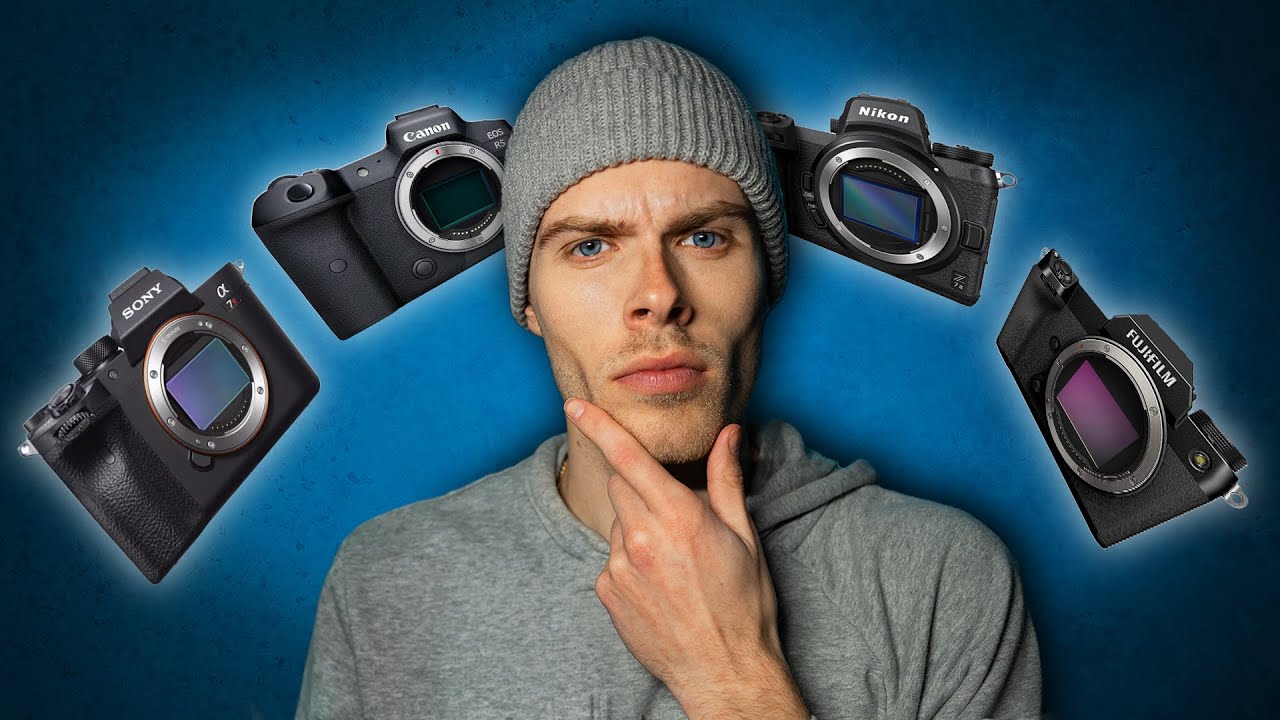
4K preserves substantially more detail than 1080p and gives you more room to crop a wide POV shot. A 4K mode at 60fps is especially useful for fast movement because it records more frames per second, as seen on the ODDV. The DJI Osmo Action 6 goes further with 8K and a square sensor for reframing.
1080p remains adequate for casual clips, pets, and footage viewed mainly on a phone. It is also less demanding on storage. Do not choose a resolution based on the number alone. Check whether the camera has stabilization and whether your editing device can handle the files.
Stabilization
Electronic image stabilization reduces visible shake caused by walking, riding, or mounting the camera to moving equipment. The DJI cameras offer the most advanced systems here, with 360° HorizonSteady and RockSteady modes. The acgiewo lists six-axis EIS 3.0, while the AKASO, ODDV, and other models identify EIS without giving the same level of detail.
A wide lens can make small movements look less obvious, but it does not replace stabilization. If you plan to mount the camera to a helmet, handlebar, or motorcycle, choose a model with a clearly specified stabilization system.
A sharp 4K clip is still difficult to watch if the horizon tumbles through every turn.
Mounting and camera size
Traditional action cameras work well with handlebars, helmets, chest mounts, and adhesive bases. Thumb cameras are lighter and more discreet, with magnetic clips that can attach to clothing, bags, or metal surfaces. The best design depends on whether the camera must stay secure under vibration or simply remain unobtrusive.
The RunCam ScopeCam2 and ABLEBRO are specialized for shooting equipment, while the acgiewo, CAMWORLD, Asdanalili, and zakotu are aimed at wearable POV footage. Examine the mounting method before buying. A camera that is easy to clip on but poorly suited to your activity may produce a badly angled or unstable view.
Waterproof protection
Waterproof claims vary significantly. The AKASO EK7000 uses a case rated to 131 feet, the ODDV case reaches 132 feet, and the Asdanalili case supports up to 30 meters. DJI lists IP68 protection and use to 20 meters without a case for both of its featured models.
A waterproof case can add bulk and affect sound, but it is often the clearest protection for snorkeling, rafting, and diving. Do not assume a camera described as waterproof has the same depth rating as another model. The zakotu listing does not specify a waterproof rating, so it is not a sensible choice for planned underwater recording.
Battery, storage, and sharing
A long battery rating matters when changing batteries is difficult. The DJI Osmo Action 6 and Action 5 Pro list up to four hours in normal conditions, while the acgiewo lists up to 150 minutes and the zakotu lists 120 minutes. Recording while charging, available on the Asdanalili and zakotu, can extend a session from a power bank.
Storage also affects convenience. DJI's Action 6 has 50GB of built-in storage, CAMWORLD includes a 64GB card, and several smaller models support high-capacity microSD cards. Wi-Fi apps make it easier to preview and share, but the zakotu relies on a USB-C cable. Pick the workflow you will actually use after the recording ends.
Frequently asked questions
What is the best action shot camera for fast movement?
The DJI Osmo Action 6 is the strongest choice for fast movement because it combines 8K recording with RockSteady 3.0 and 360° HorizonSteady. The DJI Osmo Action 5 Pro is also a strong option, especially when low-light performance matters more than 8K capture.
Is 4K necessary for action footage?
4K is useful when you want to crop footage, preserve detail, or display the video on a larger screen. A 1080p camera such as the zakotu or ABLEBRO can still work for casual clips and simple POV recording. Stabilization and mounting quality may have a bigger effect on watchability than resolution alone.
Which camera is easiest to wear?
The zakotu, acgiewo, CAMWORLD, and Asdanalili are the easiest to wear because they use compact bodies, clips, or magnetic mounts. The zakotu is the lightest at 26 grams, while the acgiewo adds a screen, 4K recording, and six-axis stabilization at 35 grams.
Can these cameras record vertically?
The acgiewo and CAMWORLD specifically support switching between 16:9 landscape and 9:16 portrait modes. Other cameras may be physically rotated in a mount, but the supplied information does not confirm a dedicated vertical recording mode for them.
Which action camera is best for underwater use?
The DJI Osmo Action 6 and DJI Osmo Action 5 Pro are the most advanced underwater options, with IP68 protection and listed use to 20 meters without a case. The AKASO EK7000 and ODDV use waterproof cases rated to 131 and 132 feet respectively. Check the exact case or depth rating before taking any camera underwater.
Do all of these cameras have wireless sharing?
No. The AKASO, DJI, ODDV, acgiewo, CAMWORLD, Asdanalili, and RunCam models list Wi-Fi features. The zakotu specifically does not support Wi-Fi or Bluetooth and uses a USB-C cable for file export. ABLEBRO lists Wi-Fi and app control.
What is the best camera for a rifle or bow?
The RunCam ScopeCam2 is the strongest specialized choice because it has a built-in Pica-Tiny rail mount, 4K recording, and a 4x digital zoom. The ABLEBRO is more flexible if you need a gun clip plus helmet and handlebar mounts, but it records at 1080p and has no zoom.
The bottom line
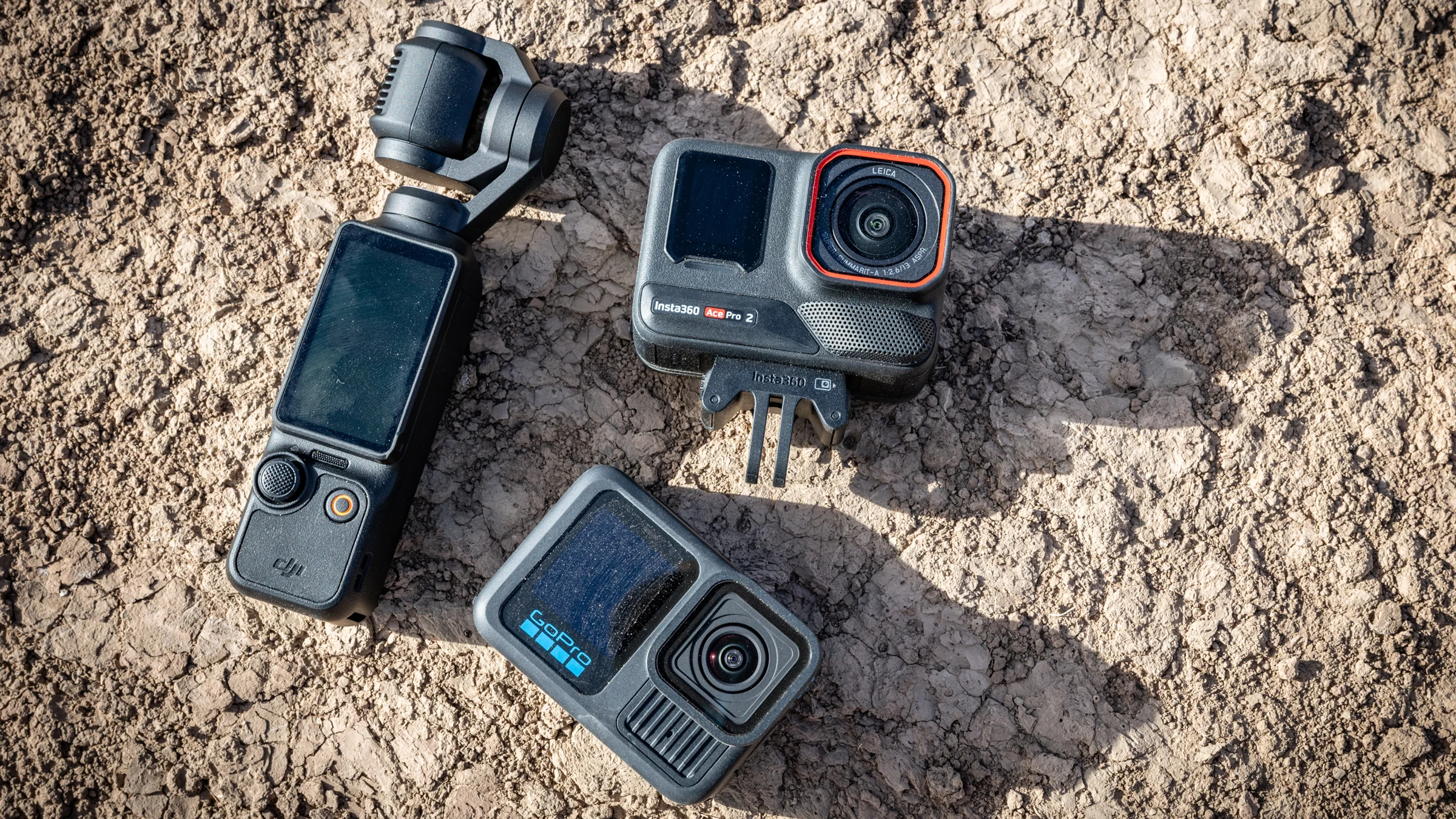
The DJI Osmo Action 6 is the Best action shot camera for creators who want the most flexibility. Its 8K recording, square sensor, variable aperture, built-in storage, and advanced stabilization make it the best fit for demanding sports, travel, and professional-looking POV footage.
The DJI Osmo Action 5 Pro is the smarter choice for low-light scenes, direct DJI microphone connections, and excellent 4K stabilization. For a smaller and simpler setup, the acgiewo Mini Body Camera provides 4K recording, six-axis EIS, a screen, and wireless sharing in a 35g body.
If you are undecided, choose the DJI Osmo Action 6 for image quality, the DJI Osmo Action 5 Pro for low light, or the acgiewo if hands-free size matters most.
As an Amazon Associate we earn from qualifying purchases.