

A good pair of open-ear headphones should let you hear a car, conversation, or approaching cyclist without forcing you to sacrifice music. The problem is that many bone conduction models sound thin, shift during movement, or make ambitious waterproofing claims that do not extend to swimming.
Our Best bone conduction headphones picks cover premium workout headsets, compact designs, long battery options, and one model built for actual underwater use. The SHOKZ OpenRun Pro 2 is the top pick, while the rest of the lineup gives you credible alternatives for smaller heads, shorter runs, calls, and pool training.
Comparison of the Best Bone Conduction Headphones
| # | Product | Award | Battery | Water resistance | Weight | Best for |
|---|---|---|---|---|---|---|
| 1 | SHOKZ OpenRun Pro 2 | Best overall | 12 hours | Not specified | 0.0668 lb | Serious runners and cyclists |
| 2 | PSIER Open Ear Headphones | Best for long listening | 10 hours | IPX5 | 23 g | Daily workouts and commuting |
| 3 | SHOKZ OpenRun Pro 2 Orange | Best visible finish | 12 hours | Not specified | 0.0668 lb | Outdoor visibility |
| 4 | SHOKZ OpenRun | Best proven design | 8 hours | IP67 | 0.0573 lb | Runners who want simplicity |
| 5 | SHOKZ OpenRun Pro 2 Mini | Best for smaller heads | 12 hours | Not specified | 0.0661 lb | Smaller head sizes |
| 6 | SHOKZ OpenMove | Best everyday starter | 6 hours | Sweatproof | 0.0639 lb | Walks and light workouts |
| 7 | Raycon Bone Conduction Headphones | Best adjustable fit | 13 hours | IP68 | Not specified | Rainy outdoor training |
| 8 | Ogogrs Open Ear Headphones | Best for flexible frames | 10 hours | IP55 | Not specified | Running and cycling |
| 9 | Gelecek Open Ear Headphones | Best lightweight alternative | 10 hours | IP55 | 29 g | Casual workouts |
| 10 | CXK Swimming Headphones | Best for swimming | 12 hours | IPX8 | 0.06625 lb | Pool and open-water training |
1. SHOKZ OpenRun Pro 2: Best Overall

Pros
- Dual-driver design gives bone and air conduction a clearer division of labor
- 12-hour battery supports long training days
- Stable memory-wire frame and ergonomic ear hooks
- Wind-resistant microphones support clearer calls
- App-based EQ modes add useful listening flexibility
Cons
- Water-resistance rating is not specified in the supplied details
- Premium design may be more than casual listeners need
- Open-ear audio still cannot match sealed headphones for deep bass
Best for: runners and cyclists who want the most complete open-ear listening package.
The OpenRun Pro 2 is the pair that makes the most convincing case for leaving conventional earbuds at home. Its frame stays away from the ear canal, so you can hear traffic and people around you, but the listening experience is less skeletal than the usual bone conduction presentation. SHOKZ combines bone conduction for clear highs with air conduction for deeper bass, a more ambitious arrangement than the single-method designs lower down this list.
Battery life is a practical strength. The stated 12 hours covers a full day of commuting and a long workout without making charging part of every routine. The headset weighs 0.0668 pounds, and its unibody frame uses Ni-Ti alloy memory wire with ergonomic ear hooks. That combination is meant to resist shifting during running, gym sessions, and cycling, where a loose open-ear headset becomes distracting quickly.
The companion app gives the Pro 2 dedicated EQ modes. Classic Mode emphasizes the pure bone conduction presentation, while Volume Boost Mode is intended for louder surroundings. This is more useful than a long list of presets because open-ear headphones have to adapt to the environment rather than isolate you from it. The dual microphones and AI noise reduction are also designed to filter 96.5 percent of background noise, including wind up to 15 miles per hour.
Compared with the SHOKZ OpenRun, this model offers longer battery life and a more sophisticated driver arrangement. The PSIER Open Ear Headphones also run for 10 hours and add Bluetooth 6.0, but the Pro 2 has the stronger audio architecture and more established fit design. The trade-off is important: the supplied product details do not specify a water-resistance rating, so swimmers should choose the CXK instead.
This is the headset we would keep for regular outdoor training. It is not a substitute for sealed headphones in a noisy gym or on an airplane, but it is the most balanced choice here for people who want awareness, secure wear, better bass, and dependable call performance.
2. PSIER Open Ear Headphones: Best for Long Listening
Pros
- 23-gram frame is the lightest specified option here
- 10-hour battery supports extended listening
- Bluetooth 6.0 with 60 ms low latency
- IPX5 protection suits sweat and rain
- Adjustable strap helps accommodate different head sizes
Cons
- Not suitable for underwater use
- App features may be unnecessary for simple listening
- Claimed sound leakage reduction depends on fit and surroundings
Best for: listeners who want a light open-ear headset with long battery life and modern wireless features.
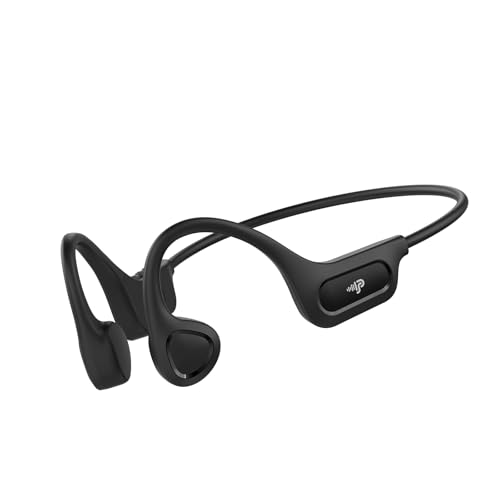
PSIER takes a feature-heavy approach, but the most persuasive detail is its 23-gram weight. That is noticeably lighter on paper than the other explicitly weighted general-purpose models, and it should reduce the sense of wearing a band around the back of your head during longer walks or work sessions. The adjustable strap is another practical touch for people who find fixed wraparound frames too loose or too tight.
Its 13 mm bone conduction drivers are paired with Bluetooth 6.0, a stated 33-foot range, and 60 ms low latency. Low latency matters most for videos and games, where delayed speech can make an open-ear headset feel poorly connected. For music and podcasts, the stable connection is the more important advantage. The 10-hour battery rating at 50 percent volume is enough for a long commute, several workouts, or a day of intermittent calls.
The IPX5 rating makes this a sweat and rain model, not a swimming model. That distinction matters. The headset is intended to handle workout moisture and sudden rain, while the CXK is the only pick here specifically built around underwater listening. PSIER also claims that its enclosed cavity reduces sound leakage by up to 50 percent, though the amount others hear will still depend on volume, fit, and background noise.
The Boean app adds adjustable EQ profiles, including bass boost, balanced vocals, and genre-oriented settings. That gives the PSIER more tuning control than the straightforward SHOKZ OpenMove, though it also adds a layer of software that some buyers will never use. Calls are supported, and the headset includes a large standby figure, but standby time should not be confused with active playback.
The SHOKZ OpenRun Pro 2 remains the better pick for refined sound and premium workout ergonomics. PSIER is the more sensible alternative for someone who puts low weight, Bluetooth 6.0, and a 10-hour listening claim ahead of brand continuity. Choose it for daily movement and commuting, not for submersion.
3. SHOKZ OpenRun Pro 2 Orange: Best Visible Finish

Pros
- Same dual bone and air conduction design as the black version
- 12-hour battery life
- Memory-wire frame resists slipping
- Wind-resistant microphones support outdoor calls
- Dedicated EQ modes through the SHOKZ app
Cons
- The supplied specifications do not state water resistance
- Fit is standard rather than a smaller-head version
- Open-ear design cannot isolate loud surroundings
Best for: runners who want the OpenRun Pro 2 platform in a more conspicuous finish.
The orange OpenRun Pro 2 is functionally the same product as the black OpenRun Pro 2 in this lineup. Its reason to exist here is visibility. A brighter finish is easier to spot when you set the headset down at a gym, and it can make a runner more visually obvious than a dark frame against a jacket or evening background. It does not change the core listening system.
That system uses dual drivers, combining bone conduction clarity with air conduction bass, and claims 12 hours of audio. The 0.0668-pound headset uses the same Ni-Ti alloy memory wire and ergonomic ear hooks as the black model. Those parts matter more than the color when you are moving: the frame is designed to stay stable without putting an earbud inside the canal.
SHOKZ includes Classic and Volume Boost EQ modes in its app. The first keeps the presentation closer to the traditional bone conduction sound, while the second is intended to help in noisier environments. The microphones use wind resistance and AI noise reduction, with the supplied details claiming filtration of 96.5 percent of background noise and wind up to 15 miles per hour. That makes this a more serious call headset than many generic sports models.
The black OpenRun Pro 2 is the easier recommendation if color does not matter. Both versions have the same stated battery, dimensions, weight, driver design, and microphone claims. The SHOKZ OpenRun Pro 2 Mini is a better fit-led choice for smaller heads, while the older SHOKZ OpenRun gives you a specified IP67 rating and a lighter listed weight.
There is one notable omission. No water-resistance rating is supplied for this version, so we would not buy it for swimming or assume it is appropriate for immersion. Pick the orange model when you want the Pro 2's sound and fit, and visibility is a useful extra.
4. SHOKZ OpenRun: Best Proven Design

Pros
- IP67 protection for demanding workouts
- 8-hour playback
- Ten-minute quick charge adds up to 1.5 hours
- Lighter listed weight than the Pro 2 models
- Works with Android, iOS, Windows, and other Bluetooth devices
Cons
- Shorter battery life than the Pro 2 range
- Older single-generation design has fewer audio options
- Not suitable for swimming
Best for: runners who want a simple, established open-ear headset with strong workout protection.
The OpenRun is the sensible middle ground in the SHOKZ lineup. It skips the Pro 2's more elaborate dual-driver arrangement, but the wraparound titanium frame remains light, familiar, and easy to wear without blocking the ear canal. For a runner who mainly listens to podcasts, navigation prompts, and energetic playlists, its uncomplicated design is a virtue.
The stated battery life is 8 hours, enough for most training plans and a workday with intermittent use. More useful for people who forget to charge is the quick-charge claim: 10 minutes connected to power can provide up to 1.5 hours of playback. The listed weight is 0.0573 pounds, lighter than the Pro 2 models in this dataset, although fit and pressure matter as much as the number.
The IP67 rating makes the OpenRun a stronger choice than the Pro 2 when sweat and rain protection are central to the decision. It has a moisture detection alert for safer charging, and SHOKZ says it is sweat and waterproof for workouts. The important limitation is explicit: it is not suitable for swimming. The CXK is the only pick designed for submerged use.
Audio is clear enough for the open-ear format, and the headset supports calls as well as music. It pairs with Android, iOS, Windows, and other Bluetooth-enabled devices. Compared with the SHOKZ OpenMove, the OpenRun has longer battery life, stronger protection, and a quicker top-up. Compared with the SHOKZ OpenRun Pro 2, it gives up the newer dual-driver approach and app-based EQ modes.
That makes the OpenRun a good choice for someone who does not need the richest sound in the group. It is also the model we would favor for a runner who values a stated workout protection rating more than a newer audio platform. Skip it if you need underwater playback, longer than 8-hour sessions, or the smallest available fit.
If you are still deciding between open-ear designs and traditional sealed models, the difference in how much outside sound reaches your ears during exercise is the first trade-off to understand.
5. SHOKZ OpenRun Pro 2 Mini: Best for Smaller Heads

Pros
- Mini size is intended for a more compact fit
- Dual bone and air conduction drivers
- 12-hour battery life
- Memory wire and ear hooks support stability
- App EQ modes and wind-resistant microphones
Cons
- The supplied details do not give a separate head-size measurement
- Water-resistance rating is not specified
- Smaller fit may feel restrictive on larger heads
Best for: listeners who find standard wraparound headsets loose or poorly positioned.
The Pro 2 Mini is not a cut-down audio product. It uses the same basic idea as the standard OpenRun Pro 2, but the Mini designation makes fit the deciding factor. A wraparound open-ear headset can sound fine and still be annoying if the transducers sit too far from the cheekbones or the rear band moves during a run. A smaller frame should help keep those contact points where they belong for smaller heads.
It claims 12 hours of audio and weighs 0.0661 pounds. That is only slightly below the listed weight of the standard Pro 2, so the Mini should not be treated as a radically lighter headset. Its benefit is geometry. The memory-wire frame and ergonomic ear hooks are designed to hold their position without sealing the ears, which is useful for running, cycling, and gym sessions.
The driver arrangement is the same highlight as the larger version. Bone conduction handles the clear upper presentation, while air conduction contributes deeper bass. The SHOKZ app offers Classic Mode and Volume Boost Mode, giving the listener a way to alter the balance when the environment changes. Calls use dual wind-resistant microphones and AI noise reduction, with the stated claim of filtering 96.5 percent of background noise.
The standard SHOKZ OpenRun Pro 2 is the safer recommendation when you do not know which size you need. The Mini becomes more compelling when standard frames have slipped, pressed awkwardly, or left the transducers poorly placed. The PSIER Open Ear Headphones offer an adjustable strap, which may be more flexible across different users, but they do not provide the Mini designation or the same dual-driver system.
The missing water-resistance rating is the same concern as with the other Pro 2 entries. We would choose the Mini for fit first, then use it for normal workouts and outdoor listening. Larger-head users should skip it unless they already know a smaller SHOKZ frame suits them.
For a different kind of open-ear fit, readers comparing ear-free listening with conventional designs may want to consider how a headband changes comfort during long listening sessions.
6. SHOKZ OpenMove: Best Everyday Starter

Pros
- Earbud-free design leaves the ear canals open
- Wraparound titanium frame supports a secure fit
- Compatible with Android, iOS, Windows, and other Bluetooth devices
- USB-C cable included
- Sweat-resistant construction
Cons
- 6-hour battery is the shortest among the SHOKZ models here
- Intended for lower-impact activity than the OpenRun
- No specific water-resistance rating is supplied
Best for: casual listeners who want open-ear comfort for walks, commuting, and light exercise.
The OpenMove is the uncomplicated SHOKZ option. Its earbud-free fit keeps the ear canal open, and the wraparound titanium frame is designed to stay in place during walks, commutes, and light jogging. It feels less like a specialist endurance headset and more like an everyday audio accessory that happens to use bone conduction.
The six-hour playback claim is the main practical boundary. It works for a morning walk, a commute, or several shorter sessions, but it is not the model to choose for a full day away from a charger. The headset supports music, calls, and podcasts, and it pairs with Android, iOS, Windows, and other Bluetooth devices. A USB-C cable is included, which keeps charging straightforward.
SHOKZ describes the construction as sweat resistant and suitable for workouts, but the supplied information does not give a formal IP rating. That makes the OpenMove less reassuring than the IP67-rated SHOKZ OpenRun when heavy rain or very sweaty training is routine. The OpenRun also runs for 8 hours and has a quick-charge feature, so the step up is meaningful for frequent runners.
Sound is balanced for the format, with the product details calling out rich bass and clear calls. As with any open-ear headset, the sound is more exposed to nearby noise than it would be with sealed earbuds. The upside is awareness and airflow. The downside is that busy streets and loud gyms can overwhelm the presentation.
The OpenMove is the right answer for someone who values the SHOKZ fit and broad device compatibility but does not need a long training battery. Choose the Raycon Bone Conduction Headphones instead if weather protection and longer playback matter more. Skip the OpenMove for swimming, extended sessions, or high-noise environments.
7. Raycon Bone Conduction Headphones: Best Adjustable Fit

Pros
- 13-hour playtime claim is the longest in the general workout group
- IP68 rating handles demanding exposure to moisture
- Adjustable transducer position
- Open design supports environmental awareness
- Built for running, walking, and gym use
Cons
- The supplied details do not specify weight or Bluetooth version
- Adjustable pieces may require more setup than a fixed frame
- No underwater playback mode is described
Best for: outdoor users who want to tune the position of the listening points and prioritize weather resistance.
Raycon's strongest idea is adjustability. The transducers can slide closer for a louder presentation or move back to increase awareness. That is a useful response to one of the unavoidable compromises of bone conduction: the right position depends on head shape, cheekbone placement, volume, and how much outside sound you need to hear.
The product claims 13 hours of playtime, which is longer than every other general-purpose model in this selection. That should suit people who combine commuting, walking, and training without charging between activities. Raycon does not provide a weight in the supplied details, so we cannot call it the lightest or make a direct comfort comparison with PSIER or Gelecek.
Its IP68 rating is the clearest reason to choose it over several rivals. The headset is described as resistant to rain, sweat, storms, and spills, making it a more confident outdoor companion than the IP55-rated Ogogrs Open Ear Headphones or Gelecek Open Ear Headphones. IP68 still should not automatically be read as a swimming feature, since no underwater mode or immersion instruction is provided here.
The open-ear design leaves the ears clear and aims to reduce irritation associated with in-ear pressure. That is helpful during long sessions, but the lack of a stated Bluetooth version leaves less technical detail than PSIER or CXK. Calls are supported through a microphone, and the fit can be altered while moving between a quiet path and a busy road.
The SHOKZ OpenRun Pro 2 remains the more complete pick for audio controls and call-focused engineering. Raycon is the better fit-led alternative for users who have struggled with fixed transducer positions. Choose it for long, wet outdoor sessions, but choose CXK if the goal is music in a pool.
8. Ogogrs Open Ear Headphones: Best for Flexible Frames

Pros
- Flexible titanium frame can bend without losing its shape
- 10-hour music and call battery claim
- Bluetooth 5.3 connection
- Type-C fast charging
- Built-in microphone for calls and conferences
Cons
- IP55 protection is below the IP67 and IP68 options
- No weight is supplied
- Audio and fit details are less developed than SHOKZ's
Best for: runners and cyclists who want a pliable frame with USB-C charging.
Ogogrs focuses on the physical frame rather than a long list of listening modes. Its lightweight titanium construction is described as flexible, durable, and able to bend freely while remaining stable during high-intensity training. That makes it appealing to users who worry about a rigid band pressing behind the head or resisting adjustment.
The headset claims up to 10 hours for music or calls. Bluetooth 5.3 is specified for fast connection and stable playback, and Type-C fast charging makes it easier to use alongside a phone or laptop that already uses the same connector. The built-in microphone also positions it as a headset for remote conferences, not just a running accessory.
IP55 protection covers sweat and light exposure to water, but it is not the strongest weather rating here. The Raycon Bone Conduction Headphones have an IP68 rating, and the SHOKZ OpenRun has IP67 protection, so either is a more reassuring pick for frequent rain or very wet training. Ogogrs is better suited to normal workouts where moisture is present but immersion is not a concern.
The product details promise clear sound and strong volume through bone conduction, but they do not provide a driver size, a measured weight, or specific microphone processing. That does not make the headset unsuitable, but it gives the SHOKZ models an advantage when you want more documented audio and call features. Gelecek offers similar 10-hour battery and IP55 protection, with a stated 29-gram weight.
Ogogrs is a straightforward option for someone who values a bendable frame and USB-C charging more than advanced app support. It should be skipped by swimmers and by users who spend most workouts in heavy rain. For ordinary running, walking, and cycling, its feature set is sensible.
9. Gelecek Open Ear Headphones: Best Lightweight Alternative

Pros
- Stated 29-gram weight
- 10-hour battery life
- Bluetooth 5.4 connection
- IP55 protection for sweat and routine moisture
- Type-C fast charging and microphone support
Cons
- Heavier than the stated PSIER weight
- No specific fit adjustment is described
- Not intended for swimming
Best for: casual runners who want a clearly specified weight and long battery life.
Gelecek is a practical alternative for buyers who want the basic bone conduction format without moving to a premium SHOKZ design. Its titanium frame weighs 29 grams, according to the supplied details, and is described as flexible enough to stretch and bend without deforming. That gives the headset a clear comfort story, even though it is not as light as PSIER's stated 23 grams.
The battery claim is up to 10 hours, covering a substantial workout schedule or a full day of intermittent listening. Bluetooth 5.4 handles wireless playback, and Type-C fast charging reduces the friction of topping it up. The built-in microphone and noise-cancelling call feature also make it suitable for hands-free calls and remote meetings.
IP55 protection is appropriate for sweat, light rain, and normal exercise. It does not make this a swimming headset, and it offers less moisture protection on paper than the SHOKZ OpenRun or Raycon model. The product does claim reduced sound leakage through an enclosed cavity, but that will vary with volume and the fit of the transducers.
Gelecek's position is close to the Ogogrs Open Ear Headphones, which also claim 10 hours, use a flexible frame, and carry IP55 protection. Ogogrs specifies Bluetooth 5.3, while Gelecek specifies Bluetooth 5.4 and a 29-gram weight. PSIER is the stronger choice when lower weight and Bluetooth 6.0 matter, and OpenMove is the simpler SHOKZ route if brand fit is the priority.
Choose Gelecek for everyday running, gym sessions, and cycling where a moderate moisture rating is enough. It is not the pick for deep water, loud environments, or listeners who want extensive EQ controls. Its appeal is clear specifications and a conventional feature set.
10. CXK Swimming Headphones: Best for Swimming

Pros
- IPX8 protection supports immersion up to 2 meters for 2 hours
- MP3 mode works without a phone underwater
- Built-in storage supports up to 8, 000 songs
- 12-hour playback claim
- Adjustable headband and soft silicone pads
Cons
- Bluetooth cannot connect underwater
- MP3 mode must be selected before entering the water
- Magnetic charging is different from the USB-C systems used by some rivals
Best for: swimmers and water athletes who need phone-free listening in the pool.
The CXK is the specialist in this group. Most open-ear headphones are designed to survive sweat and rain, but this model is built around underwater use. Its IPX8 construction is specified for immersion up to 2 meters for 2 hours, and its triple-seal design is intended for swimming, rowing, and surfing training.
The key operating detail is MP3 mode. Bluetooth cannot connect underwater, so you need to double-click the power button and switch modes before entering the water. The headset has built-in storage for up to 8, 000 songs and supports WMA, FLAC, WAV, and MP3 formats. That phone-free workflow is less convenient than streaming, but it is the only workable approach once the water blocks a Bluetooth connection.
CXK claims 12 hours of continuous playback and uses magnetic charging. The 0.06625-pound weight is close to the Pro 2 models, while the adjustable headband and soft silicone pads are intended to keep the transducers stable across different head shapes. The open-ear design also preserves awareness above water, though swimming conditions naturally change how sound is perceived.
The 15 by 10 mm PulseCraft bone conduction transducer is claimed to improve clarity and depth, and the headset includes up to two microphones with AI noise cancellation for calls on land. Those call features are secondary here. The important difference is that the SHOKZ OpenRun and SHOKZ OpenRun Pro 2 should not be used for swimming, while CXK explicitly supports it.
CXK is not the right purchase for someone who only needs a running headset. Its MP3 preparation step, separate charging method, and water-focused design add complexity outside the pool. For swimmers who are tired of leaving the phone at the edge of the lane, though, it is the clear choice in this roundup.

How to choose best bone conduction headphones
The right pair depends on where you will wear it, how long you need it to run, and whether awareness matters more than isolation. These are the specifications that separate a reliable training headset from a frustrating one.
Fit and transducer position
Bone conduction headphones need their contact points to sit correctly against the cheekbones. A frame that is too loose can shift during a run, while one that is too tight can become uncomfortable over a long session. Smaller-head users should look closely at the SHOKZ Mini designation, while adjustable designs such as the PSIER and Raycon models offer more ways to fine-tune placement.
Battery and charging
Battery claims should be read alongside your routine. Six hours suits short daily sessions, while 10 to 13 hours is more comfortable for commuting, work calls, and long training days. Quick charging can be more useful than a very large battery when you often forget to recharge before leaving.
Water protection
IP ratings are not interchangeable. IP55 and IPX5 are suited to sweat and routine rain, while IP67 and IP68 offer stronger protection against water exposure. IPX8 is the relevant feature for immersion, but check the operating instructions: CXK requires MP3 mode because Bluetooth does not work underwater.
The most important waterproofing question is not the rating alone. It is whether the headset supports the way you actually listen around water.
Audio design
Open-ear headphones cannot create the same isolation or bass pressure as sealed earbuds. Dual-driver systems such as the OpenRun Pro 2 attempt to add air conduction bass to the bone conduction presentation. EQ modes can help tailor the sound, but no setting can fully overcome a loud street or gym.
Calls and connectivity
Bluetooth version, microphone placement, and noise reduction all affect call quality. PSIER lists Bluetooth 6.0 and low latency, while Ogogrs and Gelecek specify Bluetooth 5.3 and 5.4. SHOKZ's Pro 2 models add wind-resistant microphones and stated AI noise reduction, which makes them more attractive for outdoor calls.
For readers considering a different listening style, the comfort trade-offs between open and sealed headphones are useful to settle before choosing a frame.

Frequently asked questions
Can bone conduction headphones block outside noise?
No. Their open-ear design is intended to keep you aware of your surroundings rather than isolate you from them. Volume Boost modes may help in noisy places, but sealed headphones remain better for blocking external sound.
Are these headphones safe for running near traffic?
They are designed to leave the ears open, which can help you hear traffic, cyclists, and nearby conversations. You should still keep the volume moderate and remain attentive to your surroundings. Open-ear listening is not a replacement for basic road awareness.
Can I swim with any of these headphones?
No. The CXK Swimming Headphones are the only model in this selection specifically described for underwater use. The OpenRun is explicitly not suitable for swimming, and the other water ratings should not be treated as permission for immersion.
Do Bluetooth headphones work underwater?
Bluetooth mode does not work underwater with the CXK model. It includes MP3 mode and internal storage so you can listen without a phone after switching modes before entering the water.
Are bone conduction headphones good for phone calls?
Several models include microphones for calls, but performance varies with wind and surrounding noise. The SHOKZ OpenRun Pro 2 models use dual wind-resistant microphones and AI noise reduction, while PSIER, Ogogrs, Gelecek, and CXK also list microphone support.
What is the difference between the SHOKZ OpenRun and OpenRun Pro 2?
The OpenRun Pro 2 claims 12 hours of battery life and uses dual drivers that combine bone and air conduction. The OpenRun claims 8 hours, adds a quick-charge feature, and has an IP67 rating. Choose the Pro 2 for newer audio features, or the OpenRun for its specified workout protection and simpler design.
The bottom line
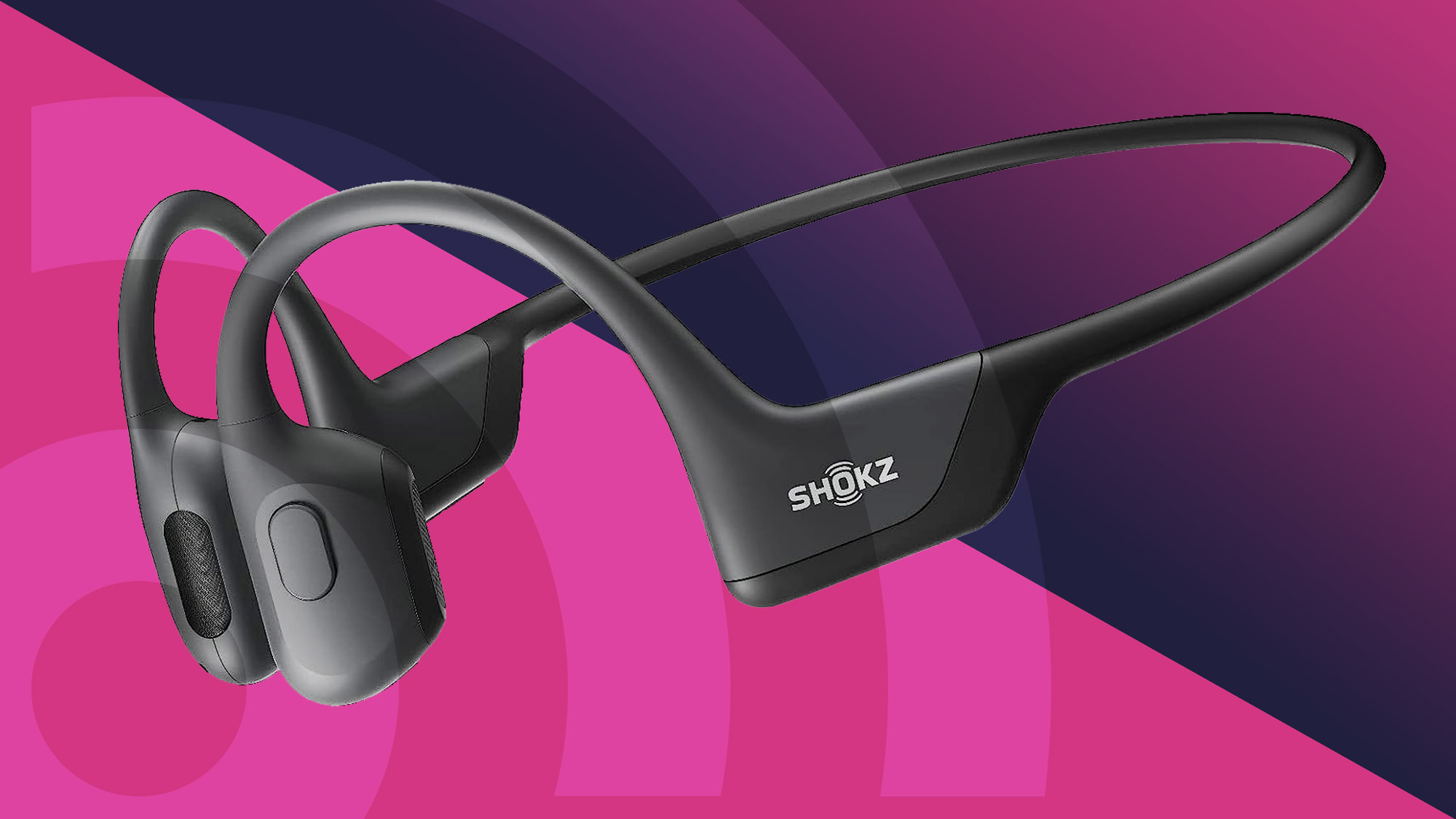
The SHOKZ OpenRun Pro 2 is the strongest all-around choice in this Best bone conduction headphones roundup. Its dual-driver audio, 12-hour battery, stable frame, app EQ modes, and wind-focused call system give it the widest range of useful abilities. The SHOKZ OpenRun Pro 2 Mini is the better fit-led choice for smaller heads.
For swimming, buy the CXK Swimming Headphones instead. For a lighter frame and long listening, the PSIER Open Ear Headphones are the most compelling alternative, while the SHOKZ OpenRun remains a dependable option for runners who want a stated IP67 rating and quick charging.
If you are undecided, choose the OpenRun Pro 2 for land-based training and CXK for underwater listening.
As an Amazon Associate we earn from qualifying purchases.