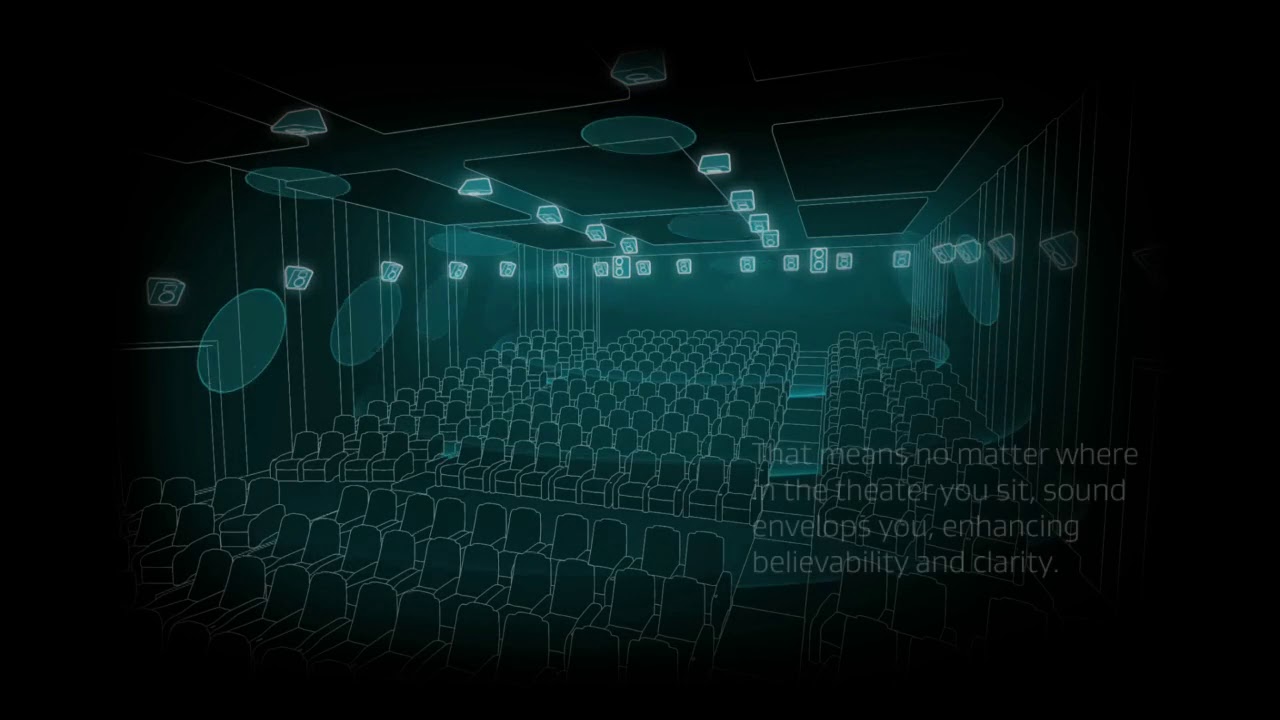

A good Dolby Atmos system does more than play loud. It places sounds in space with precision, so rain falls from above, helicopters circle overhead, and footsteps move around the room. The best Dolby Atmos sound system for your home should turn a flat TV mix into a three-dimensional bubble of audio. But the range of options is enormous, from compact soundbars with virtual processing to full speaker arrays with dedicated height channels.
We looked at ten systems that span that range. Our top pick, the Nakamichi Shockwafe 11.2.6, is a beast that rewrites what a soundbar can do. But there are excellent choices for smaller rooms, tighter budgets, and those who want a true speaker system rather than a soundbar. Here is the best Dolby Atmos sound system in every key category.
| # | Product | Award | Channels | Subwoofer | Best for |
|---|---|---|---|---|---|
| 1 | Nakamichi Shockwafe 11.2.6 Dolby Atmos/DTSX Soundbar | Best overall | 11.2.6 | Dual 10-inch wireless | The ultimate home theater experience |
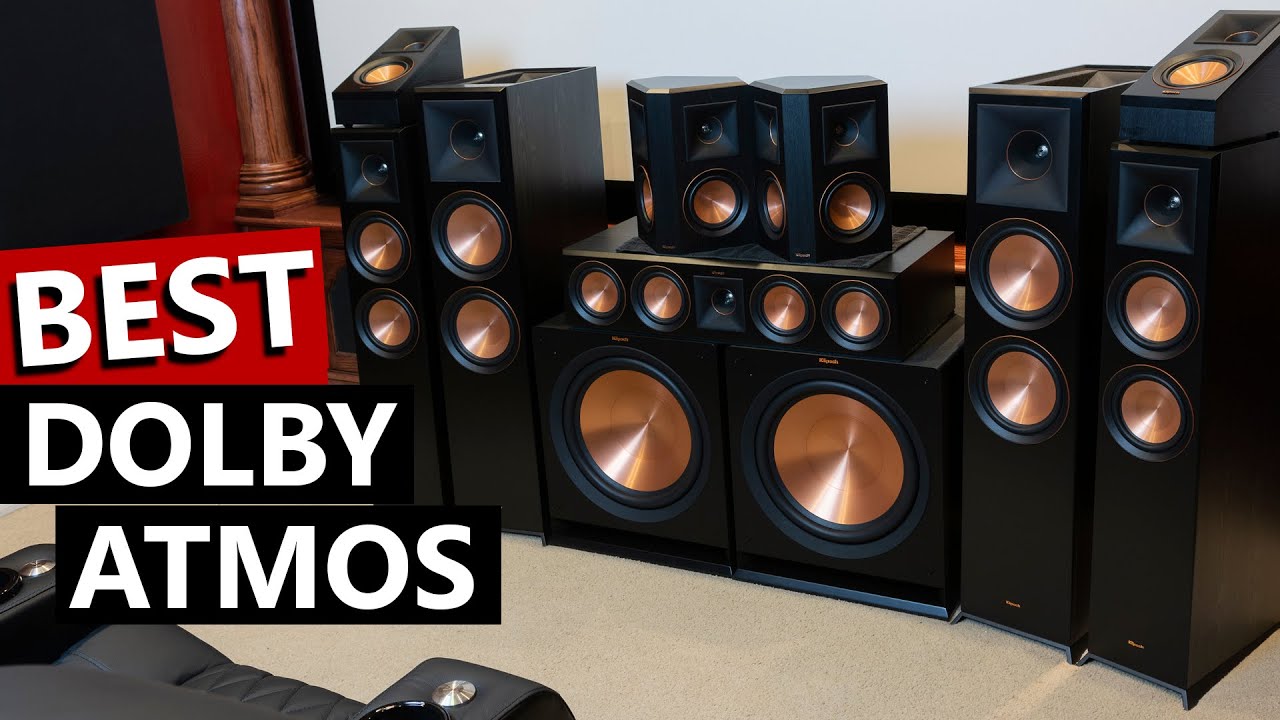
| 2 | Klipsch Reference Cinema Dolby Atmos 5.1.4 System | Best true speaker system | 5.1.4 | 10-inch powered | Audiophiles who want separate speakers |
| 3 | ULTIMEA Skywave X70 7.1.4ch Wireless System | Best wireless | 7.1.4 | 10-inch wireless | Clean setups without cable clutter |
| 4 | ULTIMEA Skywave X50 5.1.4ch Wireless System | Best balanced performance | 5.1.4 | 8-inch wireless | Flexible placement with deep bass |
| 5 | Hiwill-Audio Flagship True 5.1.4 Hi-Fi System | Best Hi-Fi value | 5.1.4 | 13.5L wired | Music lovers who also want Atmos |
| 6 | Sony BRAVIA Theater System 6 5.1ch Soundbar | Best for Sony TV integration | 5.1 | 6.5-inch wired | Sony TV owners wanting seamless control |
| 7 | ULTIMEA Skywave X40 5.1.2ch Sound Bar | Best for compact spaces | 5.1.2 | 6.5-inch wired | Small to medium rooms |
| 8 | ULTIMEA 5.1.2ch Sound Bar with Dolby Atmos | Best entry-level Atmos | 5.1.2 | 5.25-inch wired | First-time Atmos buyers |
| 9 | ULTIMEA 7.1ch Surround Sound System Aura A60 Pro | Best for small rooms | 7.1 | 5.25-inch wired | Tight spaces with four surround speakers |
| 10 | ULTIMEA 5.1CH Surround Sound Bar Poseidon M60 | Best budget pick | 5.1 | 5.3L wired | Minimum setup for big sound |
1. Nakamichi Shockwafe 11.2.6 Dolby Atmos/DTSX Surround Soundbar: Best Overall

Pros
- Six discrete height channels for true overhead effects
- Dual 10-inch wireless subwoofers deliver room-shaking bass
- Bipolar surround speakers create the presence of six surround channels
- 54-inch wide soundbar moves serious air
- HDMI 2.1 inputs with 4K 120Hz, Dolby Vision, and HDR10+
Cons
- Massive footprint demands a large room and TV stand
- Ships in three boxes, setup requires serious planning
Best for: someone who wants the most powerful, immersive home theater soundbar available.
The Nakamichi Shockwafe does not look like a typical soundbar. At 54 inches wide, it is wider than most 65-inch TVs, and when you add the two 22.5-inch tall subwoofers and the bipolar surround speakers, this system occupies the kind of floor space you would normally reserve for a full speaker array. That physical presence translates directly into audio performance. The soundbar itself uses a wide chassis to produce a massive front soundstage with dialogue that stays locked to the center channel even during chaotic action scenes. Where most soundbars run out of steam at high volumes, the Shockwafe has headroom for days.
The headline feature is the 11.2.6 channel configuration. Six discrete height channels, four in the soundbar and two in the bipolar surrounds, create a genuine overhead bubble. Helicopters flying over your head in a movie sound like they are actually above you, not just bouncing off the ceiling. The bipolar surround speakers fire sound from both sides and above, using the AHD Ultra engine to simulate the presence of six surround speakers. The result is a 360-degree sound field that rivals dedicated in-ceiling speaker systems. The dual 10-inch wireless subwoofers use flared ports to move air efficiently, producing bass that is both deep and fast. Explosions hit with physical impact, but the subs also handle subtle low-end textures in music without losing control.
The Nakamichi supports HDMI eARC and two HDMI 2.1 inputs, passing 4K 120Hz, Dolby Vision, and HDR10+ without any loss. That makes it perfect for gaming on a PS5 or Xbox Series X. The system includes a backlit remote and a companion app for control. For those who want the absolute best Dolby Atmos sound system without the complexity of a full receiver and separate speakers, this is the one. The trade-off is size and weight. The subwoofers alone weigh 32.7 pounds each, and the soundbar is 32.5 pounds. This is not a system you move once it is set up. But if you have the space and the budget, the Shockwafe delivers a cinematic experience that few soundbars can touch.
2. Klipsch Reference Cinema Dolby Atmos 5.1.4 System: Best True Speaker System

Pros
- Four satellite speakers with built-in up-firing Atmos drivers
- Tractrix horn-loaded tweeters for clear, extended highs
- 10-inch powered subwoofer with digital amplifier
- True 5.1.4 channel separation with dedicated height channels
Cons
- Requires speaker wire runs to all satellites
- Subwoofer is wired, limiting placement options
Best for: someone who wants a traditional speaker system with genuine Atmos height effects.
The Klipsch Reference Cinema is a proper 5.1.4 speaker system, not a soundbar. Four satellite speakers each include a dedicated up-firing driver for height effects, giving you two front height channels and two rear height channels. That is a true 5.1.4 configuration, which is rare at this level. The satellites use Klipsch's signature Tractrix 90x90 degree horn technology paired with aluminum tweeters. The result is high-frequency response that is crisp and extended without being harsh. Voices sound natural, and the treble detail in movie soundtracks and music is excellent.
The center channel is designed to anchor dialogue, and it does that job well. Even during complex scenes with multiple characters and background effects, speech remains clear and centered. The subwoofer is a 10-inch unit with a built-in all-digital amplifier. It delivers ample power and integrates well with the satellites. The bass is punchy and controlled, not boomy. For a system that does not include a separate receiver, the subwoofer's amplifier is sufficient to drive the whole setup.
The weakness of this system is the wiring. All satellite speakers are wired, and the subwoofer is also wired. That means you need to run speaker wire from the subwoofer to each satellite. The subwoofer itself must be placed near the TV or source. For a clean installation, you may need to hide wires or use cable management. The system also lacks HDMI inputs; it relies on the subwoofer's line-level inputs, so you will need a TV with analog outputs or a separate receiver. But for those who prioritize sound quality over convenience, the Klipsch Reference Cinema offers a genuine surround sound experience that outperforms most soundbars in channel separation and dynamic range. It is the best option for anyone who wants a traditional speaker setup with built-in Atmos height channels, and it pairs well with a dedicated AV receiver for those who want to expand later.
3. ULTIMEA Skywave X70 7.1.4ch Professional Wireless Home Theater Sound System: Best Wireless

Pros
- Fully wireless rear speakers and subwoofer via dual 5GHz
- 10-inch wireless subwoofer with Gravus bass down to 20Hz
- GaN amplifier for high efficiency and low distortion
- NEURACORE triple-core DSP for precise surround processing
Cons
- Large subwoofer footprint (10-inch driver)
- App control has a learning curve
Best for: someone who wants a powerful wireless system with no visible cables.
The Skywave X70 is ULTIMEA's flagship wireless system, and it is the first in their lineup to use a 10-inch wireless subwoofer. The Gravus Ultra-Linear Bass technology delivers deep bass down to 20Hz, which is rare for a wireless subwoofer. The subwoofer remains clean and distortion-free even at high volumes, thanks to the oversized waveguide and precision-engineered acoustic chamber. The 7.1.4 channel configuration includes four height channels, all driven by the NEURACORE multi-channel audio engine. The triple-core DSP and dual-core MCU process 24-bit/192kHz audio with less than 0.5% distortion, and the system supports up to 17 channels for future expansion.
The wireless connection uses dual 5GHz transmission, which ensures stable connectivity with minimal interference. The rear speakers and subwoofer communicate wirelessly with the soundbar, so you only need to plug them into power. This makes setup much cleaner than traditional wired systems. The soundbar itself is 43.3 inches wide and features a metal grille with rose gold accents, giving it a premium look. The 4K HDR pass-through preserves picture quality, and the CEC integration allows control from the TV remote.
The main trade-off is size. The subwoofer is large and heavy, and the soundbar is not compact. But for a room that can accommodate it, the Skywave X70 delivers a truly immersive Atmos experience without the hassle of running wires. The app provides 121 sound presets and a 10-band EQ, allowing you to fine-tune the sound to your room. It is the best wireless option for those who want a clean, cable-free setup without sacrificing performance.
4. ULTIMEA Skywave X50 5.1.4ch Wireless Surround Sound System: Best Balanced Performance

Pros
- 5.1.4 channels with four height drivers
- Gravus bass down to 28Hz from a wireless subwoofer
- GaN amplifier with 98% efficiency
- 760W peak power for dynamic scenes
Cons
- Subwoofer is wired (not fully wireless)
- Rear speakers require power outlets
Best for: someone who wants a strong Atmos experience with flexible placement and deep bass.
The Skywave X50 sits between the X40 and X70 in ULTIMEA's lineup, and it strikes a good balance of features and price. The 5.1.4 channel configuration includes four height channels, which is more than the X40's two height channels. The wireless rear speakers connect via dual 5GHz, but the subwoofer is wired. That is a minor compromise, but it allows the subwoofer to use a larger driver and more powerful amplifier. The Gravus technology delivers bass down to 28Hz, which is deep enough to feel explosions and music with real weight.
The GaN amplifier provides up to 98% efficiency, meaning less heat and cleaner power. The 760W peak power rating ensures the system can fill a large room without distortion. The NEURACORE engine handles the spatial processing, and the system supports 4K HDR pass-through. The soundbar is 43.3 inches wide, similar to the X70, but the subwoofer is smaller and lighter. The wireless rear speakers are compact and easy to place.
The X50 is a strong choice for medium to large rooms. It offers true height effects from the four up-firing drivers, and the bass is powerful enough to satisfy most listeners. The wired subwoofer is a small inconvenience, but it ensures consistent performance. For those who want a wireless surround system with dedicated height channels, the X50 is the best all-around performer in ULTIMEA's lineup. It does not have the extreme bass extension of the X70, but it is more manageable and still delivers a compelling Atmos experience.
5. Hiwill-Audio Flagship True 5.1.4 Hi-Fi Dolby Atmos Surround Sound System: Best Hi-Fi Value

Pros
- True 5.1.4 channel system with separate speakers, not a soundbar
- 16 aluminum-magnesium alloy drivers for fast response
- Handcrafted wooden cabinets reduce resonance
- Dedicated Hi-Fi center channel for clear dialogue
Cons
- All speakers are wired, requiring cable management
- Subwoofer is large and heavy
Best for: someone who wants Hi-Fi sound quality in a complete Atmos speaker system.
The Hiwill-Audio Flagship M514 is a true 5.1.4 speaker system, not a soundbar. It includes a dedicated center channel, four surround speakers, and a large 13.5-liter wired subwoofer. Each speaker is housed in a handcrafted wooden cabinet with a soft-touch finish, which improves acoustic warmth and reduces cabinet resonance. The 16 drivers use rose gold aluminum-magnesium alloy cones, a material typically found in premium Hi-Fi speakers. These drivers are lightweight and rigid, providing fast transient response and low distortion.
The system is designed for pure audio fidelity. The independent Hi-Fi crossovers in each speaker ensure that bass, mids, and treble are directed to the correct drivers, preventing frequency overlap and preserving tonal balance. The center channel is a dedicated Hi-Fi unit, not a compromise, so dialogue remains clear and focused even during complex mixes. The four height channels use up-firing drivers to create the Atmos effect, and they integrate well with the horizontal channels.
The subwoofer reaches down to 25Hz, which is deep and controlled. It uses a 13.5-liter cabinet and a high-excursion driver to produce tight bass without muddying the mids. The total peak power is 900W, which is enough to fill a large room. The main drawback is the wiring. Like the Klipsch system, this is a fully wired setup. You need to run speaker wire to each satellite and connect the subwoofer to the source. But for those who value sound quality over convenience, the M514 offers exceptional Hi-Fi performance at a fraction of the cost of comparable separates. It is the best choice for music lovers who want a Dolby Atmos system that also excels with stereo content.
6. Sony BRAVIA Theater System 6 5.1ch Soundbar with Subwoofer & Rear Speakers: Best for Sony TV Integration

Pros
- Full 5.1 channel system with rear speakers included
- Dolby Atmos and DTS:X support
- Dedicated center channel for clear dialogue
- BRAVIA Connect app for control
- Voice Zoom 3 when paired with compatible BRAVIA TV
Cons
- No up-firing height drivers (virtual Atmos only)
- Subwoofer is wired
Best for: Sony TV owners who want seamless integration and reliable performance.
The Sony BRAVIA Theater System 6 is a 5.1 channel soundbar system that includes a subwoofer and two rear speakers. It supports both Dolby Atmos and DTS:X, but it uses virtual processing for height effects rather than dedicated up-firing drivers. That means the overhead sound is less convincing than systems with physical height channels, but the horizontal surround is solid. The front soundbar has three channels, including a dedicated center channel that does an excellent job with dialogue. The rear speakers are connected wirelessly to the subwoofer, but the subwoofer itself is wired to the soundbar.
The real strength of this system is integration with Sony BRAVIA TVs. When paired with a compatible BRAVIA TV, the soundbar can be controlled from the TV menu, and you get access to Voice Zoom 3, which enhances dialogue clarity. The BRAVIA Connect app allows you to adjust sound profiles, volume, and advanced settings from your phone. The system also supports Bluetooth streaming for music.
The sound quality is clean and balanced. The subwoofer provides enough bass for movies, but it is not as deep or powerful as the larger subwoofers in other systems. The rear speakers add a sense of immersion, but they are small and cannot produce the same level of detail as larger satellites. The Sony system is a good choice for those who already own a BRAVIA TV and want a simple, reliable 5.1 setup that works out of the box. It is not the most exciting Atmos system, but it is one of the most polished in terms of user experience.
7. ULTIMEA Skywave X40 5.1.2ch Sound Bar with Dolby Atmos: Best for Compact Spaces

Pros
- 5.1.2 channels with two up-firing height drivers
- GaN amplifier for high efficiency
- 530W peak power in a compact package
- 4K HDR pass-through
Cons
- Only two height channels, not four
- Subwoofer is wired and relatively small
Best for: smaller rooms where a full 5.1.4 system is too large.
The Skywave X40 is ULTIMEA's entry into the Skywave series, and it is designed for smaller spaces. The 5.1.2 channel configuration includes two up-firing height drivers, which provide a taste of Atmos overhead effects without the need for four height channels. The soundbar is 43.3 inches wide, but the subwoofer is compact with a 6.5-inch driver. The Gravus Ultra-Linear Bass technology delivers clean bass down to 35Hz, which is respectable for a subwoofer of this size.
The GaN amplifier provides up to 98% efficiency, and the 530W peak power is enough to fill a small to medium room. The NEURACORE engine handles the spatial processing, and the system supports 4K HDR pass-through. The wireless rear speakers connect via dual 5GHz, but the subwoofer is wired. The app provides 121 presets and a 10-band EQ.
The X40 is a good choice for apartments or smaller living rooms where a larger system would be overwhelming. The two height channels create a noticeable sense of overhead space, though it is not as immersive as systems with four height channels. The bass is solid but not earth-shaking. For the size, the X40 delivers a convincing Atmos experience that outperforms many soundbars without height drivers. It is the best option for those who want genuine height effects but have limited space.
8. ULTIMEA 5.1.2ch Sound Bar with Dolby Atmos: Best Entry-Level Atmos

Pros
- True 5.1.2 channels with up-firing height drivers
- Neodymium core magnets for height channels
- 360° SurroundX technology
- HDMI eARC for lossless audio
Cons
- Not compatible with DTS
- Rear speakers are wired
Best for: first-time Dolby Atmos buyers who want real height effects at a low cost.
This ULTIMEA soundbar is one of the most affordable ways to get true Dolby Atmos with up-firing drivers. The 5.1.2 configuration includes two dedicated height channels that use neodymium internal magnets and 18-core voice coils for precise high-frequency response. The 360° SurroundX technology combines the two rear surround speakers with the up-firing drivers to create a 360-degree sound field. The system supports HDMI eARC for lossless audio, which is rare at this price level.
The subwoofer is a 5.25-inch wired unit, and the rear speakers are also wired. That limits placement flexibility, but the system is still relatively easy to set up. The app provides 121 presets and a 10-band EQ. The sound quality is good for the price, with clear dialogue and noticeable height effects. The bass is adequate for movies and music, but it does not have the depth of larger subwoofers.
The main limitation is that the system does not support DTS, only Dolby formats. That is a significant omission if you have a Blu-ray collection that uses DTS soundtracks. But for streaming services like Netflix, Disney+, and Apple TV+, which use Dolby Atmos, this system works well. It is the best entry point for someone who wants to experience Dolby Atmos without spending a lot.
9. ULTIMEA 7.1ch Surround Sound System Aura A60 Pro: Best for Small Rooms

Pros
- 7.1 channels with four surround speakers for room-filling sound
- 5.25-inch subwoofer with BassMX technology
- Wireless rear speakers (Wired front surrounds)
- 121 EQ presets in the app
Cons
- No height channels (virtual Atmos only)
- Not compatible with DTS
Best for: small rooms where you want a wide surround field without height speakers.
The Aura A60 Pro is a 7.1 channel system, but it does not have dedicated height channels. It uses the 7.1 layout to create a wide horizontal soundstage with four surround speakers: two wired front surrounds and two wireless rear surrounds. The system is designed for rooms of 108 to 270 square feet, where the four surround speakers can create a convincing bubble of sound even without height effects. The Dolby Atmos processing is virtual, so it does not have the same overhead precision as systems with up-firing drivers.
The subwoofer uses BassMX technology to produce deep bass from a 5.25-inch driver. It is wired and works well for movies and music. The app provides 121 presets and a 10-band EQ, plus six tailored EQ modes for different content types. The wireless rear speakers connect to the soundbar, reducing cable clutter.
The Aura A60 Pro is a good choice for small rooms where you cannot place height speakers or where the ceiling is not suitable for reflecting sound. The four surround speakers create a more immersive side-to-side effect than typical 5.1 systems. It is not a true Atmos system in the height sense, but it still delivers a wide, engaging soundstage. For the price, it is a strong performer for small spaces.
10. ULTIMEA 5.1CH Surround Sound Bar Poseidon M60: Best Budget Pick

Pros
- 5.1 channels with side-firing drivers for wide sound
- 300W peak power with 6-driver system
- VoiceMX technology for clear dialogue
- HDMI eARC for lossless audio
- Bluetooth 5.4
Cons
- No height channels (virtual Atmos only)
- No rear speakers included
Best for: budget-conscious buyers who want a simple 5.1 system with Atmos support.
The Poseidon M60 is the most affordable system in this roundup, but it still supports Dolby Atmos through virtual processing. The 5.1 channel configuration uses five built-in full-range drivers, including two side-firing drivers, to create a wide soundstage without rear speakers. The 300W peak power and 6-driver system produce room-filling sound for a small to medium room. The VoiceMX technology uses advanced DSP to isolate and enhance dialogue, making it easy to hear conversations even at low volumes.
The subwoofer is a wired wooden cabinet with a 5.3-liter tuned enclosure and a high-excursion driver. It delivers bass down to 45Hz, which is decent for the size. The system supports HDMI eARC for lossless audio, and Bluetooth 5.4 provides stable wireless streaming. The app offers 121 presets and a 10-band EQ.
The biggest limitation is the lack of dedicated height channels and rear speakers. The Atmos effect is entirely virtual, so it does not have the same spatial precision as systems with physical drivers. But for a budget system, the sound quality is impressive. The side-firing drivers create a sense of width that helps movies feel more immersive. The Poseidon M60 is the best option for someone who wants to upgrade from TV speakers and get Dolby Atmos support without spending much.
How to Choose a Dolby Atmos Sound System
Choosing the best Dolby Atmos sound system comes down to three factors: channel configuration, room size, and whether you prefer a soundbar or separate speakers. Understanding these will help you pick the right system.
Channel Configuration
The number of channels determines how many discrete audio streams the system can produce. The first number is the number of horizontal channels (left, center, right, surround), the second is the subwoofer channel, and the third is the number of height channels. A 5.1.2 system has two height channels, typically from up-firing drivers in the soundbar or satellites. A 5.1.4 system adds two more height channels for better overhead effects. A 7.1.4 system adds extra surround channels for a wider horizontal soundstage. The 11.2.6 system in the Nakamichi Shockwafe is one of the most advanced available, with six discrete height channels. For most rooms, a 5.1.2 or 5.1.4 system is sufficient. If you have a dedicated theater room, consider a 7.1.4 or higher.
Height Channels: Up-Firing vs. In-Ceiling
Most consumer systems use up-firing drivers that bounce sound off the ceiling to create the illusion of overhead audio. This works well with flat ceilings up to about 10 feet. For best results, place the soundbar or satellites at ear level and ensure the ceiling is reflective. In-ceiling speakers are a permanent solution that provides more precise height effects, but they require installation and wiring. The systems in this roundup all use up-firing drivers, except the Sony and the bottom two ULTIMEA systems, which use virtual processing. If you want the most convincing overhead sound, choose a system with at least two up-firing height channels.
Room Size and Layout
The size of your room affects how much power you need and how the sound behaves. Small rooms (under 150 square feet) can be overwhelmed by a large system like the Nakamichi Shockwafe. In those spaces, a 5.1.2 soundbar like the ULTIMEA Skywave X40 or the Aura A60 Pro is a better fit. Medium rooms (150 to 300 square feet) can handle a 5.1.4 system like the Skywave X50 or the Klipsch Reference Cinema. Large rooms (over 300 square feet) benefit from the extra power and channel count of the Nakamichi or the Skywave X70. Also consider whether you have space for rear speakers and a subwoofer. Wireless systems offer more placement flexibility.
A good rule of thumb: the more channels you have, the more immersive the experience, but only if your room can accommodate the speaker placement. A 5.1.4 system in a small room may sound cluttered, while a 5.1.2 system in a large room may lack presence.
Soundbar vs. Separate Speakers
Soundbars are convenient and easy to set up. They work well for most living rooms and offer a clean look. Separate speaker systems, like the Klipsch Reference Cinema and the Hiwill-Audio M514, provide better channel separation, lower distortion, and more upgrade options. They typically require an AV receiver (or in the case of these systems, a powered subwoofer that handles amplification). If you are a music lover or a home theater enthusiast, separate speakers are worth the extra effort. Soundbars are the better choice for casual viewers and those who want a simple, all-in-one solution.
Frequently Asked Questions
What is the difference between Dolby Atmos and regular surround sound?
Dolby Atmos adds height channels to the traditional surround sound layout. Instead of sound coming from just left, right, front, and back, Atmos can place sounds above you, creating a three-dimensional audio bubble. This is achieved through dedicated height speakers or up-firing drivers that bounce sound off the ceiling.
Do I need a special receiver for Dolby Atmos?
Many soundbar systems include the processing built in, so you do not need a separate receiver. The systems in this roundup are all self-contained. For a speaker system like the Klipsch Reference Cinema, the subwoofer contains the amplifier and processing. If you build a system with separate speakers and a receiver, you need a receiver that supports Dolby Atmos processing.
Can I add rear speakers to a soundbar later?
Some soundbar systems, like the ULTIMEA Skywave series, support wireless rear speakers that can be added. Others are fixed. Check the system's specifications. Systems that come with rear speakers as part of the package are generally easier to set up from the start.
How many height channels do I need?
For a convincing Atmos experience, two height channels are a good start. Four height channels provide better overhead localization and are recommended for larger rooms. Six height channels, as in the Nakamichi Shockwafe, are for enthusiasts who want the most precise overhead effects.
Will Dolby Atmos work with streaming services?
Yes, major streaming services like Netflix, Disney+, Apple TV+, and Amazon Prime Video offer Dolby Atmos content. You need a compatible TV or streaming device that passes Atmos through HDMI or eARC. Most modern TVs support this.
What is the difference between eARC and ARC?
eARC (enhanced Audio Return Channel) supports higher bandwidth, up to 37 Mbps, which allows lossless audio formats like Dolby TrueHD and DTS-HD Master Audio. ARC is limited to compressed audio. For full Dolby Atmos quality, use eARC if your TV and soundbar support it.
Can I use a Dolby Atmos system for music?
Yes, many music streaming services offer Dolby Atmos Music, which uses the same technology to create a three-dimensional mix. Even standard stereo music benefits from the improved sound quality of a good system, but the height channels are not used unless the music is mixed in Atmos.
The Bottom Line
The best Dolby Atmos sound system for most people is the Nakamichi Shockwafe 11.2.6. It delivers the most immersive, powerful sound you can get from a soundbar-based system, with six discrete height channels, dual 10-inch subwoofers, and HDMI 2.1 inputs. It is expensive and large, but for a dedicated home theater, it is unmatched.
If you want a traditional speaker system with true Atmos height channels, the Klipsch Reference Cinema 5.1.4 offers excellent sound quality at a lower price, though it requires wiring. For those who want a wireless setup with deep bass, the ULTIMEA Skywave X70 is the best wireless option. And for budget-conscious buyers, the ULTIMEA Poseidon M60 provides virtual Atmos support and good sound at a very low cost.
Whichever you choose, make sure the system fits your room size and that you have a way to place the rear speakers. The best Dolby Atmos sound system is the one that works with your space and your content. For most people, the Nakamichi Shockwafe is the one we would keep.
As an Amazon Associate we earn from qualifying purchases.