

A fitness tracker should make the useful information easy to act on, not turn every walk into a spreadsheet. The right one quietly records movement, sleep, and heart rate, then gives you enough context to decide when to train, rest, or simply move more.
The Best fitness tracker options here range from discreet bands to full smartwatches and a screenless recovery device. Fitbit Inspire 3 is our top pick for most people, while the list also includes GPS watches, long battery performers, and simpler trackers with broader health feature lists.
Comparison table
| # | Product | Award | Display | Battery or tracking | Best for |
|---|---|---|---|---|---|
| 1 | Fitbit Inspire 3 | Best overall | Not specified | 40+ exercise modes, sleep tracking | Everyday health and sleep tracking |
| 2 | Fitbit Charge 6 Obsidian | Best with built-in GPS | Not specified | Built-in GPS, 40+ exercise modes | Phone-free workouts |
| 3 | Garmin vívoactive 6 | Best for structured training | AMOLED | Up to 11 days smartwatch mode, GPS sports apps | Training and recovery guidance |
| 4 | Amazfit Bip 6 | Best GPS smartwatch | 1.97-inch AMOLED | Up to 14 days, 140+ workout modes | Outdoor workouts |
| 5 | Xiaomi Smart Band 10 | Best battery life | 1.72-inch AMOLED | Up to 21 days | Infrequent charging |
| 6 | WHOOP Peak | Best for recovery coaching | Screenless | 14+ days, 24/7 monitoring | Training load and recovery |
| 7 | Fitbit Charge 6 Porcelain | Best Fitbit with Google tools | Not specified | Built-in GPS, 40+ exercise modes | Fitbit and Google users |
| 8 | Bestinn Health Smartwatch | Best for exercise variety | 1.58-inch display | 120+ exercise modes, phone GPS | Broad activity coverage |
| 9 | Moremore Health Tracker | Best compact AMOLED tracker | 1.1-inch AMOLED | Up to 7 days, 25 sports modes | Basic health monitoring |
| 10 | LIVIKEY Activity Watch | Best simple tracker | 1.3-inch display | 5 to 7 days, 9 sport modes | Steps and sleep basics |
1. Fitbit Inspire 3: Best Overall

Pros
- Small, discreet design
- Daily activity, sleep, and stress scores
- 40+ exercise modes
- Automatic exercise tracking
- Smart wake vibrating alarm
Cons
- No built-in GPS listed
- Small display is less suited to detailed workout data
- Some coaching features require a premium membership
Best for: someone who wants a compact tracker with strong everyday health and sleep features.
The Fitbit Inspire 3 is the easiest tracker in this group to recommend to someone who wants useful health information without wearing a large smartwatch. Its compact body is about 1.54 inches high, 0.71 inches long, and 0.43 inches wide, with a listed weight of 0.2375 pounds. Those dimensions make it a natural sleep companion, especially for people who find full-size watches intrusive overnight.
Its strength is the breadth of Fitbit's everyday tracking. It records activity throughout the day, supports more than 40 exercise modes, and can automatically recognize exercise. The Daily Readiness Score is designed to help decide whether to push or recover, while Active Zone Minutes gives heart rate activity a more practical frame than step counting alone. The tracker also includes all-day heart rate monitoring, resting heart rate, SpO2, irregular heart rhythm notifications, and menstrual health tracking.
Sleep is where the Inspire 3 feels particularly complete. Automatic sleep tracking, a detailed Sleep Score, sleep mode, and a smart wake vibrating alarm turn it into more than a daytime pedometer. Its stress management score and guided breathing sessions add another layer for people who want a quick check-in rather than a dense training dashboard. These features are estimates and wellness tools, not medical diagnoses, but they give the app plenty to work with.
Compared with the LIVIKEY Activity Watch or Moremore Health Tracker, the Inspire 3 has a more mature mix of sleep, stress, exercise, and readiness features. The Fitbit Charge 6 Obsidian is the better Fitbit for runners who need built-in GPS, while the Garmin vívoactive 6 goes further for structured training. The Inspire 3 wins by staying focused and small.
The main limitation is the lack of built-in GPS in the listed features. Outdoor route tracking therefore does not have the same appeal as it does on the Charge 6 or Garmin. Compatibility is also specific: it supports Apple iOS 16.4 or higher and Android 11.0 or higher. Choose it if sleep, general activity, and a discreet fit matter more than maps or advanced workout data.
2. Fitbit Charge 6 Obsidian: Best With Built-In GPS

Pros
- Built-in GPS
- More than 40 exercise modes
- Google Maps directions and Google Wallet
- Heart rate broadcast to compatible exercise machines
- Sleep and stress tracking
Cons
- Larger and heavier than the Inspire 3
- Premium coaching is sold separately
- The listed dimensions are packaging style measurements rather than a clear watch body size
Best for: active users who want Fitbit's health tracking with route data and useful Google features.
The Fitbit Charge 6 Obsidian is the more capable choice when the tracker needs to leave the phone behind during a run or ride. Built-in GPS is the key distinction over the Inspire 3. It also tracks more than 40 exercise modes, all-day activity, calories, Active Zone Minutes, heart rate, sleep, and Daily Readiness, so it covers both the workout and the recovery afterward.
Fitbit adds unusually practical controls here. Google Maps can provide turn-by-turn directions for runs and rides, and Google Wallet lets you tap to pay from the device. You can also control YouTube Music, while compatible treadmills, ellipticals, and other exercise machines can receive real-time heart rate data from the tracker. These are small conveniences, but they make the Charge 6 feel more useful away from the phone.
The health features are familiar if you have used Fitbit before. Its stress management score gives a quick view of how your body is responding, and the personalized nightly Sleep Score makes the sleep data easier to interpret. Automatic exercise tracking helps when you forget to start a session, while the Smart Wake alarm uses vibration for a gentler morning routine.
The Fitbit Inspire 3 is slimmer and less distracting, but it cannot match the Charge 6 for route tracking. The Garmin vívoactive 6 offers deeper training tools and more built-in sports apps, while the Amazfit Bip 6 gives outdoor users a larger screen and downloadable maps. The Charge 6 sits between those approaches, pairing a band-like shape with a strong set of Google-connected features.
The catch is that some of its most adaptive coaching is tied to Google Health Premium, which is sold separately after the included trial. Its size and listed weight of 0.3125 pounds also make it less appealing for someone who wants a nearly invisible sleep tracker. Pick the Charge 6 if built-in GPS and Google tools are central to your routine. If you mainly care about sleep and basic movement, the Inspire 3 is the calmer option.
3. Garmin vívoactive 6: Best for Structured Training

Pros
- AMOLED display
- Built-in GPS sports apps
- Body Battery energy monitoring
- Recovery time and workout benefit insights
- Animated workouts and Garmin Coach plans
Cons
- More watch than a simple step tracker
- Listed battery life is shorter than Xiaomi's
- Health metrics are stated as close estimations
Best for: people who want training guidance, recovery context, and a full smartwatch format.
The Garmin vívoactive 6 is the serious training watch in this list. It has a bright AMOLED display, a 42mm format, and up to 11 days of battery life in smartwatch mode. It is not as discreet as the Inspire 3, but the larger watch format gives Garmin room to present workouts, recovery information, and health trends without forcing every detail into a phone app.
Garmin's Body Battery feature combines sleep, naps, stress, and workouts into an estimate of available energy. The watch also provides a sleep score, sleep coaching, HRV status, morning report, stress tracking, and automatic nap detection. These readings are explicitly described as close estimations of tracked metrics, so they should guide decisions rather than replace professional medical advice.
For training, the vívoactive 6 includes more than 80 indoor and GPS sports apps. Walking, running, cycling, HIIT, mobility, swimming, and golf are among the named activities. Workout benefit and recovery time help explain what a session may have done and how long recovery could take. Animated workouts cover cardio, yoga, strength, HIIT, and Pilates, and Garmin Coach plans adapt using health and recovery information.
That training structure is the reason to choose it over the Fitbit Charge 6 Obsidian. Fitbit is simpler and more approachable, while Garmin gives a more developed progression from workout selection to recovery. The Amazfit Bip 6 is a strong alternative for GPS, maps, and a longer stated battery life, but Garmin has the more substantial coaching ecosystem in this group.
The weakness is complexity. A casual walker may not use Body Battery, HRV status, workout benefit, and recovery time often enough to justify the larger format. The AMOLED display and feature-rich interface also make it feel more like a smartwatch than a discreet tracker. For anyone building a repeatable running, strength, or mixed training routine, though, the vívoactive 6 is the most informative pick here.
4. Amazfit Bip 6: Best GPS Smartwatch

Pros
- Large 1.97-inch AMOLED display
- GPS with support for five satellite systems
- Downloadable maps and turn-by-turn directions
- 140+ workout modes
- Up to 14 days of battery life
Cons
- Larger than a traditional fitness band
- Health tracking is broad rather than deeply explained
- Navigation features may be more than casual users need
Best for: outdoor exercisers who want a readable screen, route tracking, and long battery life.
The Amazfit Bip 6 makes the case for choosing a smartwatch rather than a narrow tracker. Its 1.97-inch AMOLED display is large enough for workout data and navigation, and the aluminum build keeps the watch's listed weight to 0.09 pounds. The screen is described as readable in bright sunlight, which matters when a workout takes place outside rather than in a gym.
GPS is the headline feature. The Bip 6 supports five satellite systems, offers downloadable maps, and provides turn-by-turn directions. That gives it a more useful outdoor role than a tracker that merely records steps and syncs a route afterward. It also includes 140+ workout modes, including HYROX Race and Strength Training, so the activity list is unusually broad.
Amazfit includes 24/7 health monitoring for heart rate, sleep, blood oxygen, and stress. The watch also has 50m water resistance, which suits swimming and sweaty training, though water resistance is not the same as suitability for every water activity. Its stated battery life of up to 14 days means it can remain on the wrist through a substantial stretch of training and recovery.
The Garmin vívoactive 6 is stronger when coaching and recovery interpretation matter most. The Xiaomi Smart Band 10 lasts longer between charges and has a smaller band design, but it does not list GPS in the supplied features. The Bip 6 is the better fit for someone who wants to glance at a route or workout without reaching for a phone.
Its weakness is the size. People who prefer a subtle sleep tracker may find the 1.97-inch case visually and physically more present than the Fitbit bands. The broad feature set can also feel excessive for basic step goals. Choose the Bip 6 when outdoor navigation and readable workout data are priorities, particularly if you want a watch that can serve as a daily display as well as a fitness device.
5. Xiaomi Smart Band 10: Best Battery Life

Pros
- Up to 21 days of battery life
- 1.72-inch AMOLED display
- 1500 nits HBM brightness
- Fast charging in about one hour
- Multi-sport and sleep tracking
Cons
- Xiaomi Fit uses the metric system only
- No GPS is listed in the supplied features
- Larger screen than a discreet band may suit some wrists better than others
Best for: users who want a bright, capable band and as little charging as possible.
The Xiaomi Smart Band 10 is built around one simple advantage: it should not need constant attention. Xiaomi states up to 21 days of battery life on a charge, with a full recharge taking about an hour. That makes continuous sleep and activity tracking easier because the device is less likely to be sitting on a charger when useful data would otherwise be recorded.
Its 1.72-inch AMOLED display is unusually generous for a band. With 1500 nits HBM brightness and thinner bezels, the screen should be easier to read outdoors than a dimmer, smaller panel. The touchscreen and HyperOS 2 interface make the band feel more interactive than a basic pedometer, while the display provides room for workout and health information at a glance.
The feature set covers multi-sport activity, heart rate monitoring, and enhanced sleep monitoring with sleep stages and quality insights. A high-precision electronic compass is intended to improve swimming direction tracking, and Xiaomi highlights professional workout analysis for training sessions. The supplied information does not list built-in GPS, so runners who want independent route recording should look toward the Amazfit Bip 6, Garmin vívoactive 6, or Fitbit Charge 6 Obsidian.
One practical issue is software localization. Xiaomi Fit supports the metric system only, and the product notes say imperial measurements such as pounds, ounces, inches, and feet require a third-party connection through Google Fit. That is a needless complication for users who want familiar units immediately.
The Xiaomi Smart Band 10 is a better battery-first choice than the Moremore Health Tracker, and its screen is much more ambitious. The Fitbit Inspire 3 has a more established sleep and readiness presentation, while Xiaomi is the pick for endurance and display brightness. Choose it if charging interruptions bother you more than the absence of listed GPS.
6. WHOOP Peak: Best for Recovery Coaching

Pros
- Screenless, distraction-free design
- 14+ days of battery life
- Sleep, Strain, Recovery, and VO2 max insights
- Personalized coaching
- Waterproof Wireless PowerPack included
Cons
- No on-device display
- Requires the included 12-month membership model
- Less useful for people who want notifications or visible workout data
Best for: committed exercisers who want recovery guidance instead of smartwatch functions.
The WHOOP Peak is not trying to be a watch. It has no screen and no buzzing notifications, so it removes the distractions that make some wearables feel like another phone on the wrist. The package includes the WHOOP 5.0 device, a SuperKnit band, a waterproof Wireless PowerPack, and a 12-month membership.
WHOOP monitors heart rate every second and turns that stream into Sleep, Strain, Recovery, VO2 max, menstrual cycle, and real-time stress insights. Its appeal is interpretation. Instead of simply telling you that you moved or slept, the system is designed to connect training load, rest, habits, and recovery. The Journal can capture more than 300 daily behaviors, while WHOOP AI analyzes more than 140 metrics for adaptive guidance.
Battery life is up to 14+ days, and the Wireless PowerPack is designed for charging on the go. That supports the central idea of continuous wear. WHOOP also integrates with Apple Health, Google Health Connect, Strava, and Natural Cycles, which helps bring existing workout and health information into its broader picture.
The trade-off is obvious when compared with the Garmin vívoactive 6 or Amazfit Bip 6. Those watches show information on the wrist, support GPS activities, and offer a more conventional daily wearable experience. The Fitbit Inspire 3 is better for someone who wants simple scores and a smart wake alarm without committing to a screenless system.
The membership model is the biggest barrier, not a hidden technical flaw. WHOOP Peak makes sense for someone who will actually use coaching, recovery trends, and behavior logging. Skip it if you want a visible step count, notifications, maps, or an uncomplicated tracker that works as a standalone watch.
7. Fitbit Charge 6 Porcelain: Best Fitbit With Google Tools

Pros
- Built-in GPS
- More than 40 exercise modes
- Google Maps and Google Wallet support
- YouTube Music controls
- Smart Wake and Sleep Score features
Cons
- Premium coaching is sold separately
- No clear battery duration is provided in the supplied data
- Less discreet than the Inspire 3
Best for: Fitbit users who want the lighter Porcelain and Silver finish with GPS and Google services.
The Fitbit Charge 6 Porcelain is the same Charge 6 fitness platform as the Obsidian version, with a Silver Case and White Band finish distinguishing this listing. Its core proposition remains strong: built-in GPS, more than 40 exercise modes, all-day activity tracking, 24/7 heart rate, and automatic exercise tracking in a band-shaped device.
Google integration gives it an edge over simpler trackers. Google Maps can provide turn-by-turn directions during runs and rides, while Google Wallet supports tap-to-pay use. YouTube Music controls keep basic music management on the wrist, and compatible gym equipment can display the Charge 6 heart rate in real time.
Fitbit also gives the Charge 6 a broad wellness layer. It includes a stress management score, personalized nightly Sleep Score, Smart Wake alarm, calories, Active Zone Minutes, and Daily Readiness. That balance makes it less training-intensive than Garmin but more capable for workouts away from the phone than the Inspire 3.
There is no functional reason to choose this version over the Fitbit Charge 6 Obsidian unless the Porcelain and Silver finish is the one you prefer. Both belong to the same product family and list the same tracking capabilities. The Amazfit Bip 6 offers a bigger screen and downloadable maps, while the Charge 6 is easier to wear as a narrow band.
As with the Obsidian version, Google Health Premium is sold separately for expanded personalized coaching. The supplied data also does not give a battery duration, so we cannot promise a charging interval. Choose the Porcelain model when you want Fitbit's GPS and Google features, and the finish matters to your daily wear.
For readers comparing a band with a larger watch, how phone connectivity changes outdoor workout tracking is a useful question to settle before choosing a format.
8. Bestinn Health Smartwatch: Best for Exercise Variety

Pros
- More than 120 exercise modes
- 1.58-inch touch display
- Heart rate, blood oxygen, and sleep monitoring
- Phone call and message notifications
- IP68 waterproof rating
Cons
- GPS connects through the phone
- Health feature list is broader than its explanations
- The title and feature data use inconsistent wording around blood pressure monitoring
Best for: users who want many activity profiles and smartwatch notifications in one device.
The Bestinn Health Smartwatch takes the broadest possible approach to activity tracking. It lists more than 120 exercise modes, from everyday activities to less common training types, and records steps, distance, and calories throughout the day. That range is useful for people who dislike forcing every workout into a generic walking or running profile.
The 1.58-inch high-resolution display supports full touch controls, a side button, and an always-on clock. Bestinn also lists more than 250 watch face options and customizable dials, so the device can be adjusted toward a traditional watch look or a more data-heavy display. Call and message notifications keep it connected to an Android or iPhone.
Health monitoring includes 24/7 heart rate, blood oxygen, blood pressure, and sleep stage tracking. The product describes the data as viewable in an app, with light sleep, deep sleep, and waking periods included in the sleep record. It also has reminders for water and sedentary time, breathing training, weather, alarms, music control, and a remote camera function.
The GPS is connected rather than built into the watch. Outdoor routes therefore depend on the phone, unlike the Fitbit Charge 6 Obsidian, Garmin vívoactive 6, and Amazfit Bip 6. The Moremore Health Tracker offers a simpler and smaller AMOLED format, but Bestinn is the better choice if notifications, watch faces, and an extensive activity menu matter.
The long health feature list needs sensible interpretation. Blood pressure and blood oxygen readings from a consumer wearable should not be treated as a diagnosis, and the supplied information does not provide measurement accuracy details. Choose Bestinn for activity variety and phone-connected convenience, not as a replacement for medical equipment.
9. Moremore Health Tracker: Best Compact AMOLED Tracker

Pros
- 1.1-inch AMOLED touch display
- 25 sports modes
- Heart rate, blood pressure, blood oxygen, and sleep tracking
- Up to 7 days of regular use
- Magnetic fast charging
Cons
- No built-in GPS listed
- Fewer sports modes than Bestinn or Amazfit
- Health readings need cautious interpretation
Best for: someone who wants a small color-screen tracker for daily movement and sleep.
The Moremore Health Tracker is a straightforward band-style device with a 1.1-inch AMOLED touch screen. Its size keeps the interface compact, while the bright panel should make basic health and activity information easier to read than a monochrome display. The watch supports custom dials and includes original watch faces, giving it some flexibility beyond a single static screen.
Moremore lists 25 sports modes, including walking, running, dancing, and yoga. During those activities it tracks steps, heart rate, distance, and calories. Automatic all-day monitoring also covers heart rate, blood pressure, and blood oxygen, while the app analyzes deep sleep, light sleep, and waking time into a nightly sleep score.
The stated battery life is up to seven days of regular use and up to 15 days in standby. Magnetic fast charging takes one to two hours for a full charge. The tracker also supports call, text, and app notifications, sedentary and water reminders, an alarm, stopwatch, remote photo control, and a find-device function.
The LIVIKEY Activity Watch is simpler and lists only nine sports modes, while the Bestinn Health Smartwatch offers a much larger display and more than 120 exercise modes. Moremore sits neatly between them. It is less ambitious than the Xiaomi Smart Band 10, but the smaller interface may suit someone who wants a tracker rather than a mini smartwatch.
The missing piece is independent route tracking. No built-in GPS is listed, and the feature set does not suggest the same outdoor focus as the Amazfit or Garmin. The blood pressure and blood oxygen functions should be treated as wellness references rather than clinical measurements. Moremore is a sensible choice for compact everyday tracking when simple notifications and sleep records matter most.
10. LIVIKEY Activity Watch: Best Simple Tracker

Pros
- Heart rate and sleep monitoring
- Nine sport modes
- Step, calorie, distance, and active-time tracking
- IP68 waterproof rating
- Five to seven days of continuous use
Cons
- Cannot make calls or send texts
- No GPS listed
- Not compatible with tablets or computers
Best for: users who need basic step, sleep, and heart rate tracking without advanced training tools.
The LIVIKEY Activity Watch is the least complicated option here. Its 1.3-inch display presents the essentials, while automatic heart rate and sleep monitoring cover the two health categories many people check most often. It records deep sleep, light sleep, and awake time, giving the accompanying app enough information to show a basic view of overnight rest.
Activity tracking is limited to nine sport modes, with running and walking among the named options. The watch records daily steps, calories burned, walking distance, and active time, and lets you set a daily step goal in the app. That is enough for a walking habit or general movement target, but not a substitute for the workout analysis found on Garmin, Fitbit, or Amazfit.
Its battery is stated at five to seven days of continuous use, with about two hours needed for charging. An IP68 rating is intended to handle sweat, hand washing, and rainy days. The watch also includes an alarm, stopwatch, breathing guide, sedentary alert, and SMS or social notification support.
The Moremore Health Tracker is the clear step up for anyone who wants an AMOLED screen and 25 sports modes. The Fitbit Inspire 3 adds considerably richer sleep, stress, readiness, and exercise features. LIVIKEY's advantage is its uncomplicated scope, not the depth of its health platform.
It cannot make calls or send texts, despite displaying incoming notifications. Compatibility covers iPhone and Android phones using the listed older operating system requirements, but the product is not compatible with tablets or computers. Pick LIVIKEY when the goal is simply to count steps, monitor sleep, and receive basic alerts.
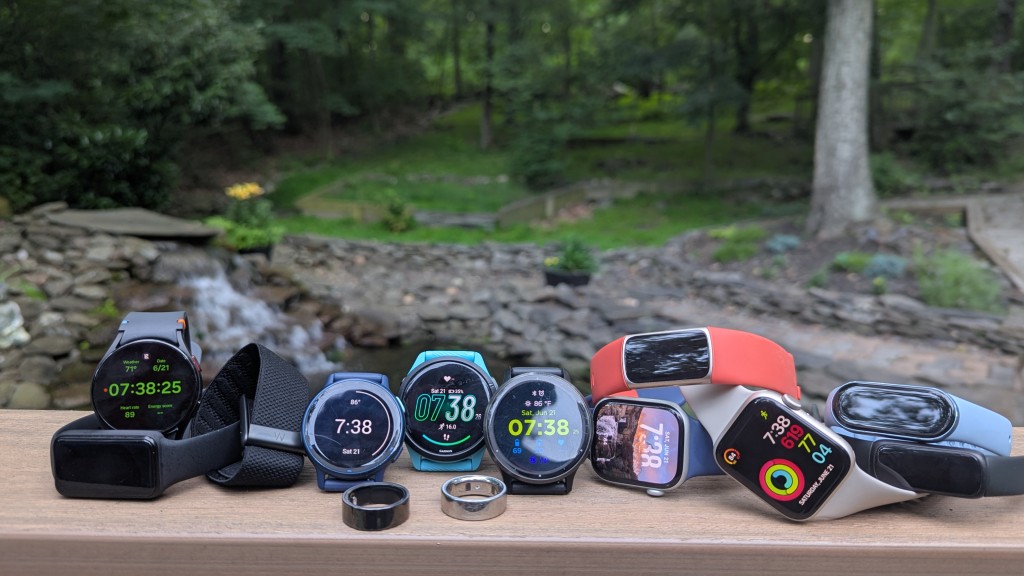
How to choose best fitness tracker
The right tracker depends less on the number of features in its listing than on whether it fits the way you exercise, sleep, and review your data.
Display and form factor
A narrow band such as the Fitbit Inspire 3 is easier to wear overnight and less visually prominent. Larger watches such as the Amazfit Bip 6 and Garmin vívoactive 6 make workout data, maps, and notifications easier to read. Screenless WHOOP Peak is the strongest choice for distraction-free wear, but all data is viewed in the phone app.
GPS and route tracking
Built-in GPS matters if you run, cycle, or walk without carrying a phone. The Fitbit Charge 6 models, Garmin vívoactive 6, and Amazfit Bip 6 list built-in GPS capabilities. Bestinn uses phone GPS connectivity, while the Inspire 3, Xiaomi Smart Band 10, Moremore, WHOOP, and LIVIKEY do not list independent GPS in the supplied data.
Sleep and recovery insight
Sleep tracking is more useful when it explains patterns rather than only showing a duration. Fitbit provides Sleep Scores, smart wake functions, stress information, and readiness features. Garmin adds Body Battery, sleep coaching, HRV status, naps, and recovery time. WHOOP goes furthest into strain, recovery, habits, and personalized coaching.
A tracker that stays on your wrist overnight is more useful than a technically richer watch you remove every evening.
Exercise modes and training tools
The number of modes matters only if the activities you do are represented accurately. Bestinn lists more than 120 modes, Amazfit lists 140+, and Garmin includes more than 80 indoor and GPS sports apps. For guided progression, Garmin's suggested workouts, animated sessions, and Coach plans are more meaningful than a long menu of activity labels.
Battery and charging
Long battery life reduces gaps in sleep and activity records. Xiaomi claims up to 21 days, WHOOP more than 14 days, Amazfit up to 14 days, and Garmin up to 11 days in smartwatch mode. The Moremore tracker lists up to seven days of regular use, while LIVIKEY lists five to seven days. Treat these figures as usage-dependent estimates, especially when GPS or an always-on display is active.
Health data and medical limits
Heart rate, blood oxygen, stress, sleep, and blood pressure features can help identify patterns, but the supplied products do not provide the clinical validation needed to replace medical devices. This matters especially for the Bestinn and Moremore trackers, which prominently list blood pressure monitoring. Use health readings as general wellness information and consult a qualified professional about symptoms or concerning results.
Readers choosing a watch for a particular routine may also want to consider the features that make walking sessions easier to track, especially if GPS and screen size are more important than sleep analysis.

Frequently asked questions
Do fitness trackers need a phone?
Not always. Fitbit Charge 6, Garmin vívoactive 6, and Amazfit Bip 6 list built-in GPS, so they can record outdoor routes without relying on a phone for positioning. A phone is still useful for setup, detailed analysis, notifications, maps, and syncing.
Which tracker is best for sleep monitoring?
The Fitbit Inspire 3 is the simplest sleep-focused recommendation because it combines automatic sleep tracking, Sleep Score, sleep mode, and a smart wake alarm in a compact design. WHOOP Peak is more appropriate for athletes who want sleep connected to strain, recovery, and coaching.
Is built-in GPS important for walking?
It is useful if you want an independent map of a walk or prefer leaving your phone behind. If you only want steps, active time, and general movement, a tracker such as the Inspire 3 or LIVIKEY Activity Watch can cover the basics without listed built-in GPS.
Can these trackers measure blood pressure accurately?
The Moremore and Bestinn products list blood pressure monitoring, but the supplied data does not establish clinical accuracy. Those readings should not be used to diagnose or manage a medical condition. Use a validated medical device and speak with a healthcare professional when blood pressure is a concern.
How many exercise modes do I need?
You need the modes that match your actual routine, not the largest number on a product page. Nine modes can be enough for walking and running, while Garmin's 80+ sports apps, Amazfit's 140+ modes, and Bestinn's 120+ modes make more sense for people who regularly switch between different activities.
Is a screenless tracker better?
A screenless tracker is better if notifications and on-wrist data would distract you. WHOOP Peak focuses on continuous measurement and app-based coaching, while Fitbit, Garmin, Xiaomi, and Amazfit are better for checking progress during a workout without opening a phone.

The bottom line
The Fitbit Inspire 3 is our Best fitness tracker for most people because it stays compact while covering activity, heart rate, sleep, stress, readiness, and exercise modes in a coherent system. Choose the Fitbit Charge 6 Obsidian instead when built-in GPS, Google Maps, and Google Wallet are part of your routine.
For structured training, the Garmin vívoactive 6 is the stronger tool, with GPS sports apps, Body Battery, recovery time, animated workouts, and adaptive coaching. Outdoor users who want a large display and long battery life should look at the Amazfit Bip 6, while WHOOP Peak is the specialist choice for recovery-focused coaching.
If you are undecided, start with the Fitbit Inspire 3 unless you specifically need built-in GPS, a full smartwatch display, or screenless recovery analysis.
As an Amazon Associate we earn from qualifying purchases.