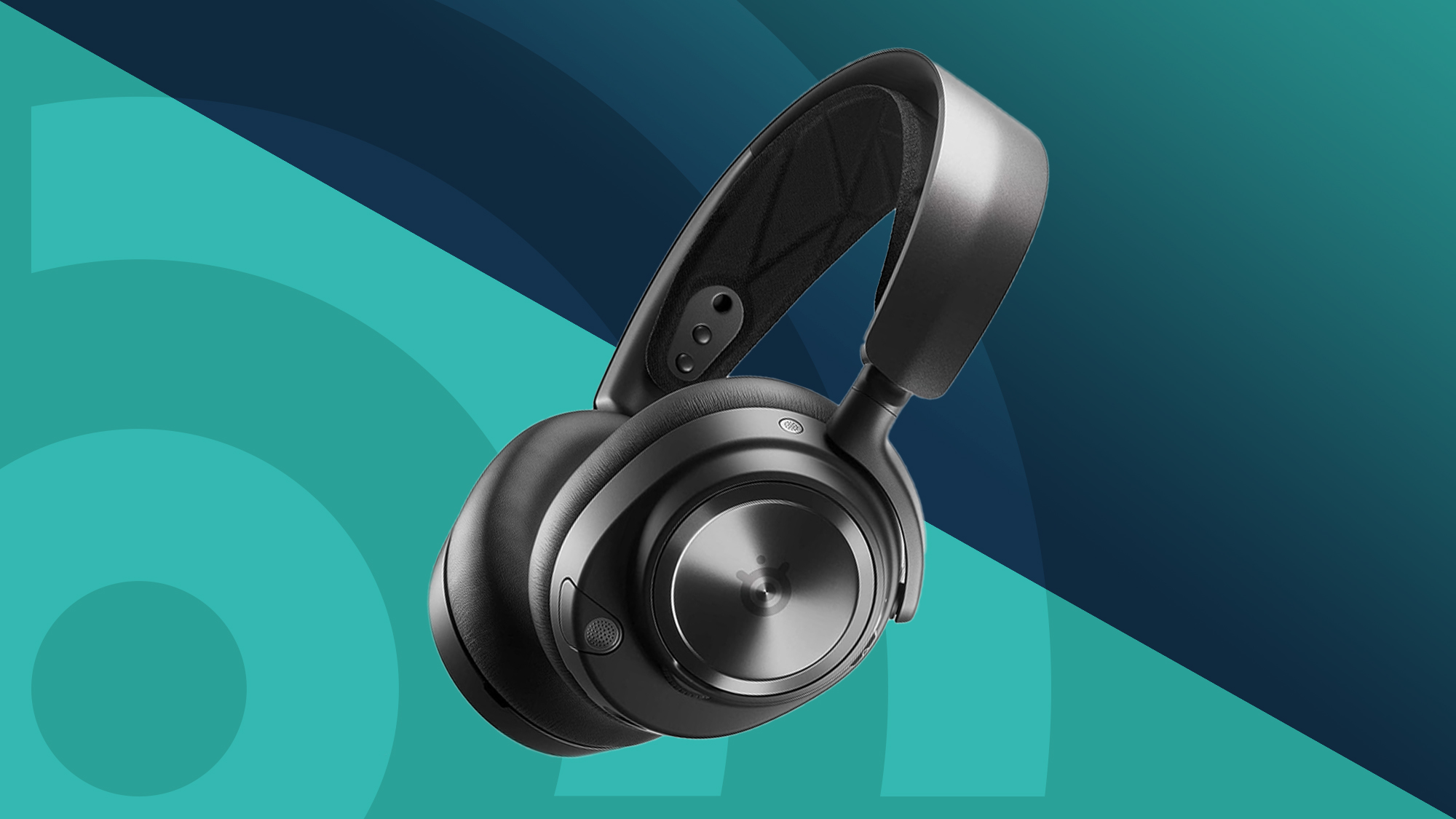

Windows 10 headset shopping gets complicated when a simple call headset, a gaming model, and a Bluetooth adapter all appear in the same search. A lightweight USB model may be perfect for meetings, while a gamer needs wireless freedom, stronger audio, and a microphone that can handle team chat.
Our Best headsets for windows 10 picks include straightforward wired headsets, a wireless gaming option, a Bluetooth upgrade for desktops, wired earbuds, and a Windows mixed reality headset. The Jabra Evolve 10 is the best pick for most people, while the rest cover more specialized needs.
Comparison table
| # | Product | Award | Connection | Mic or audio feature | Best for |
|---|---|---|---|---|---|
| 1 | Jabra Evolve 10 | Best overall | USB | Noise-cancelling boom mic | Work calls and daily PC use |
| 2 | Logitech H340 | Best lightweight | USB | Stereo audio, rotating boom mic | Simple calls and music |
| 3 | Dell WH125 | Best for office controls | USB-A | Uni-directional boom mic | Meetings with quick mute access |
| 4 | TP-Link UB500 | Best Bluetooth upgrade | USB Bluetooth 5.4 | Adds wireless headset support | Windows desktops without Bluetooth |
| 5 | Logitech H540 | Best for rich USB audio | USB | Laser-tuned drivers, built-in EQ | Music and calls |
| 6 | NUBWO HW02 | Best ultra-light option | USB | Adjustable boom mic | Long conference calls |
| 7 | EPOS H3Pro Hybrid | Best for mixed gaming and calls | Wireless, Bluetooth, wired | ANC and audio mixing | PC gaming with phone audio |
| 8 | TOPAUX Wired Earbuds | Best compact option | 3.5mm | In-line mic and controls | Laptops, tablets, and casual listening |
| 9 | Turtle Beach Stealth 700 Gen 2 MAX | Best wireless gaming headset | 2.4GHz, Bluetooth | 50mm speakers, 40+ hour battery | Multi-platform gaming |
| 10 | Acer AH101 | Best for Windows mixed reality | HDMI and USB 2.0 | Dual 2.89-inch displays | VR on a compatible Windows PC |
1. Jabra Evolve 10: Best Overall

Pros
- Plug and play USB setup
- Noise-cancelling microphone
- Adjustable boom works on either side
- Compact design weighing about 0.31 pounds
- More than 50 percent recycled plastic
Cons
- Wired connection limits movement
- Focused on calls rather than gaming features
- No wireless option
Best for: people who want a light, simple headset for Windows calls and meetings.
The Jabra Evolve 10 is the headset we'd hand to someone who wants their computer audio sorted in a few minutes. It is a compact wired USB model with no wireless pairing routine, battery management, or separate software setup to complicate the first call. Plug it into a Windows PC or laptop and it is ready for the basic work this category demands.
Its most important feature is the noise-cancelling microphone. That does not mean the earcups actively cancel the room around you. Instead, the microphone is designed to reduce background noise before your voice reaches other people. That distinction matters in a home office with a fan, a shared room, or a busy workspace. The adjustable boom can sit on the left or right, so the headset does not force one wearing style.
At about 0.31 pounds, the Evolve 10 is lighter than the Logitech H540 and close to the Dell WH125. That makes it a sensible all-day meeting headset, especially when the priority is comfort and clear speech rather than a large, immersive soundstage. The Jabra also has a TCO certification and uses more than 50 percent recycled plastic, details that set it apart from the otherwise very conventional Logitech H340.
The weakness is the same thing that makes it dependable: it is wired and purpose-built. It will not give you Bluetooth convenience or the game-focused controls found on the EPOS H3Pro Hybrid. Music and games should sound serviceable, but the available information emphasizes communication rather than rich playback or surround effects. Skip it if you need to walk away from the desk or mix several wireless audio sources.
For office calls, remote lessons, support work, and ordinary Windows audio, the Evolve 10 is the most balanced pick here. It is less flashy than the gaming models and more purposeful than the earbuds. If a reliable boom mic and a low-fuss USB connection matter most, this is the one to keep.
2. Logitech H340: Best Lightweight

Pros
- Lightweight design weighing about 0.22 pounds
- Plug and play USB audio
- Rotating boom microphone
- Foam ear cups and adjustable headband
- Works with Windows and Mac
Cons
- Foam cups provide limited isolation
- No in-line controls listed
- Wired USB connection only
Best for: anyone who wants a basic, lightweight USB headset for calls and stereo listening.
The Logitech H340 is the uncomplicated alternative to the Jabra Evolve 10. It is light enough to fade into the background during a long call, and its USB connection avoids the uncertainty that can come with older analog audio jacks. The adjustable headband and foam ear cups keep the design familiar and easy to wear.
The H340 uses stereo USB audio for calls, music, and general computer listening. Its rotating boom microphone is designed to reduce background noise, then folds up and out of the way when you are listening without speaking. That makes it more flexible than a headset with a fixed microphone, although the feature list does not promise the stronger call focus of Jabra's noise-cancelling mic.
At about 0.22 pounds, the Logitech is the lightest conventional headset in this group. It is noticeably more minimalist than the H540, which adds padded leatherette parts and more substantial audio controls. The foam ear cups should suit people who dislike the warmer feel of sealed cushions, though they are unlikely to block as much room noise as a larger over-ear design.
There are trade-offs. The H340 does not list a mute button or volume control, so you may need to use Windows or your meeting app for those adjustments. It also lacks Bluetooth and gaming extras. If your PC sits beside a loud appliance, the Evolve 10's microphone is the stronger recommendation. If you care more about a featherweight fit and basic stereo playback, the H340 makes more sense.
This is a good choice for students, occasional remote workers, and family members who need a headset that can be plugged in without explanation. It does not try to be a music production tool or a gaming headset. It simply handles everyday calls with very little fuss.
3. Dell WH125: Best for Office Controls

Pros
- USB-A plug and play connection
- In-line volume and mute controls
- 270-degree rotatable boom
- Uni-directional microphone
- Lightweight cushioned design
Cons
- USB-A may require an adapter on some laptops
- Wired use limits mobility
- Less information about music performance than the Logitech models
Best for: office users who want physical mute and volume controls within easy reach.
The Dell WH125 takes the familiar office headset formula and gets one practical detail right: the controls are on the cable, where you can reach them without hunting through a meeting window. Volume and mute adjustments are available from the in-line controller, which is useful when a call starts unexpectedly or someone enters the room.
Its USB-A connection is explicitly plug and play, and the boom rotates through 270 degrees for left or right-side use. The uni-directional microphone is intended to focus on the speaker's voice, a design choice that suits conference calls better than an omnidirectional pickup. A cord-storage fastener is also included in the feature set, a small touch that may help keep the cable under control at a desk.
At 0.28 pounds, the WH125 sits between the Logitech H340 and the Jabra Evolve 10. Its lightweight cushioned fit is described for all-day wear, though the available information does not specify the cushion material or any active noise cancellation. That leaves the Jabra as the safer pick for a noisy room and the H340 as the lighter pick for people who want the least headset on their head.
The main compatibility question is the USB-A plug. It is a straightforward choice for a desktop or a laptop with a full-size USB-A port, but newer thin laptops may need an adapter. The headset is also more clearly aimed at voice communication than at serious music listening. For a broader look at how desk peripherals fit together, a keyboard layout that keeps Windows work comfortable can matter just as much as the headset.
Choose the WH125 when a tactile mute button matters more than wireless freedom. It is a particularly sensible fit for office teams, shared workstations, and people who want the boom and controls to move around the headset rather than stay fixed.
4. TP-Link UB500: Best Bluetooth Upgrade
Pros
- Bluetooth 5.4 with EDR
- Backward compatibility with older Bluetooth versions
- Nano-sized design
- Supports Windows 8.1, 10, and 11
- Supports wireless headsets and other peripherals
Cons
- Not a headset by itself
- Windows PC use only
- Existing internal Bluetooth should be disabled to avoid conflicts
Best for: Windows desktop owners who need to add Bluetooth headset support.
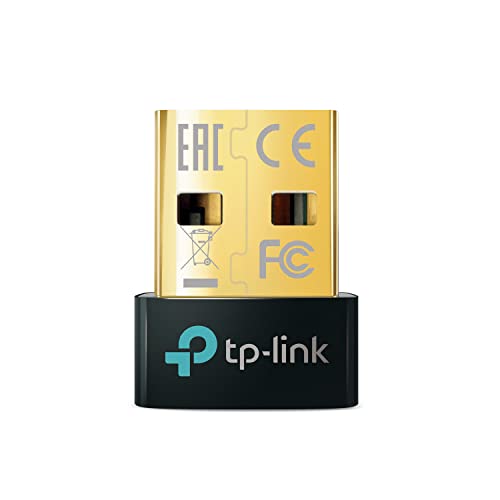
The TP-Link UB500 is the odd one out in this roundup, but it solves a real Windows 10 headset problem. Many desktop PCs have no built-in Bluetooth, leaving their owners limited to USB or wired headsets. This tiny USB adapter adds Bluetooth connectivity without taking up much room or requiring a large external receiver.
It supports Bluetooth 5.4 and EDR, with backward compatibility extending through Bluetooth 5.3, 5.0, 4.2, 4.0, 3.0, 2.1, 2.0, and 1.1. The newer standard is useful for connecting current accessories, while backward compatibility helps with older headphones and controllers. TP-Link also describes faster transfer and broader coverage than Bluetooth 4.0, though actual results will depend on the PC, headset, surroundings, and drivers.
The nano-sized body can remain in a USB port while the computer sits on a desk or travels in a bag. It supports wireless headsets along with phones, printers, and other Bluetooth devices. Windows 10 is supported with an internet connection for plug and play setup. Windows 7 needs a driver, while macOS, Linux, televisions, Windows 8, and direct console use are not supported.
There is a setup detail that should not be ignored. TP-Link recommends disabling existing internal Bluetooth in Device Manager before using the adapter, which can prevent driver conflicts. The UB500 also cannot pair with another UB500, and it is not a replacement for a dedicated low-latency gaming receiver. People buying a headset should start with a real headset such as the Jabra Evolve 10, while desktop owners with a wireless model already in mind may need this adapter.
The UB500 earns a place because the Windows 10 headset experience sometimes depends on the computer's hardware, not just the headset. It is the right add-on for a Bluetooth-less desktop, but it should not be mistaken for an audio device that includes speakers or a microphone.
5. Logitech H540: Best for Rich USB Audio

Pros
- Laser-tuned drivers
- Built-in EQ
- Padded leatherette headband and ear cups
- On-ear volume and bass controls
- Rotating boom with mute indicator
Cons
- Heavier than the H340
- USB cable limits movement
- No wireless connection
Best for: people who want a USB headset for both calls and fuller music playback.
The Logitech H540 is what to choose when a headset has to do more than make your voice understandable. Its laser-tuned drivers and built-in EQ are intended to give music, films, and games more shape than a basic call-first headset. It still uses a simple USB connection, so it remains easy to set up on Windows 10.
The H540 also has the most complete physical control set among the straightforward wired Logitech options. You can adjust volume and bass on the headset, mute the microphone, and see the mute status through an indicator light. The boom rotates up and hides when not needed, which keeps the headset usable for listening after a meeting ends.
Comfort comes from a padded leatherette headband and ear cups, but the design weighs about 0.66 pounds. That is substantially heavier than the 0.22-pound H340 and more than twice the listed weight of the Jabra Evolve 10. The extra material may appeal to listeners who prefer a cushioned fit, while people sensitive to pressure may be happier with the lighter alternatives.
The H540 is not a wireless headset, and the feature list does not mention active noise cancellation. Its controls and audio tuning make it a stronger entertainment headset than the Dell WH125, but the Jabra remains more appealing for a minimalist work setup. If wireless music is the priority, the trade-off between a desktop wireless headset and a wired model deserves attention before choosing a USB design.
Pick the H540 for a desk where calls and music share equal billing. It is the most fully featured traditional USB headset here, provided you are comfortable with its heavier build and fixed cable.
6. NUBWO HW02: Best Ultra-Light Option

Pros
- Listed weight of only 60 grams
- Adjustable boom microphone
- Designed for long conference calls
- Noise-cancelling microphone
- In-line control
Cons
- Limited published feature information
- Wired USB design
- Listed as a 10-pack size
Best for: offices or call-heavy users who prioritize the lightest possible headset design.
The NUBWO HW02 makes a single promise very clearly: keep the headset light during long calls. Its listed weight is 60 grams, and the product description pairs that figure with a simple design intended for all-day use, conference calls, and multimedia listening. That makes it an interesting alternative to the more substantial Logitech H540.
The adjustable boom microphone is described as suitable for clear, natural calls on platforms such as Microsoft Teams, Skype, and Zoom. The listing also identifies noise cancellation and in-line control, though it does not provide the same level of detail about the control functions that Dell does. Buyers who need a clearly identified mute switch should look more closely at the WH125.
This is a USB headset with a narrow brief rather than a feature-heavy entertainment model. There is no listed Bluetooth connection, surround mode, driver size, or detailed audio tuning. That is not automatically a problem for speech, but it means the H540 is the better documented choice for people who care about music quality and the EPOS H3Pro Hybrid is the obvious step up for gaming features.
One unusual detail is the listed size of 10 packs and a unit count of 10. That makes the product information less straightforward than the single-unit listings elsewhere in this group. Offices outfitting multiple desks may find that relevant, while an individual buyer should confirm exactly what the listing includes before ordering.
The HW02 is worth considering when headset weight is the deciding factor and the main task is voice communication. Skip it if you want a carefully specified music headset, wireless use, or a clearly documented control layout. For long calls where every gram matters, its 60-gram design is the reason to choose it.
7. EPOS H3Pro Hybrid: Best for Mixed Gaming and Calls

Pros
- Wireless dongle for low-lag gameplay
- Bluetooth and wired connections
- Simultaneous audio mixing
- Adjustable noise cancellation
- Surround sound presets and gaming software
Cons
- More complex than a basic work headset
- Bluetooth connectivity may need troubleshooting
- Heavier than lightweight office models
Best for: Windows 10 gamers who also want Bluetooth calls and adjustable game audio.
The EPOS H3Pro Hybrid is the most versatile headset in the list for someone who uses a Windows 10 PC for both games and communication. Its wireless dongle is intended for lag-free gameplay, while Bluetooth lets you connect another device. The unusual part is that the headset can mix Bluetooth and wired gaming audio, allowing a call and game sound to share the same listening session.
Its noise cancellation is adjustable through a slider on the ear cup, and the ear cups are shaped to block some outside distraction even before that feature is engaged. The EPOS Gaming Suite adds control over treble and bass, while the smart button handles surround sound presets and calls when Bluetooth is connected. Those controls give it far more flexibility than the H340 or H540.
The H3Pro Hybrid weighs about 0.68 pounds, close to the Logitech H540 and slightly heavier than the Turtle Beach Stealth 700 Gen 2 MAX. It is not the headset we'd choose for a lightweight office day. It is built around gaming control, wireless features, and the ability to manage multiple audio sources, so the extra hardware is part of the design.
The Bluetooth connection has a documented troubleshooting note: if connectivity causes problems, the listing advises turning Bluetooth off for a couple of minutes and then back on. That is a reminder that this headset is more complex than a USB model. It also means the Jabra Evolve 10 remains the better recommendation for someone who wants to plug in and start a meeting.
For PC gaming, the H3Pro Hybrid is more flexible than the office headsets and more capable for audio mixing than the Turtle Beach if simultaneous wired and Bluetooth sound is central to your setup. Readers comparing gaming options may also want to consider how Bluetooth changes gaming headset flexibility before deciding. Choose EPOS when you want one headset to bridge game audio, calls, and adjustable sound rather than a single-purpose work tool.
8. TOPAUX Wired Earbuds: Best Compact Option

Pros
- Compact 3.5mm wired connection
- S, M, and L silicone ear tips
- In-line microphone and controls
- Cable fixer helps reduce swinging and tangling
- Includes a storage case
Cons
- 3.5mm connection may not suit every Windows laptop
- Earbud fit is more personal than a headband design
- No USB or wireless connection
Best for: people who want small wired earphones for a laptop, tablet, or compatible Windows PC.
The TOPAUX wired earbuds are not a conventional computer headset, but they make sense when a full headband feels excessive. The 3.5mm plug works with compatible Windows computers, laptops, tablets, and other devices, and the small design is easier to store in a bag than any over-ear option in this roundup.
The earbuds use a dynamic driver and are described as delivering high-fidelity bass and stereo sound for calls, video, games, studying, and music. The more useful fit detail is the set of S, M, and L replaceable silicone ear tips. That gives you a chance to create a more secure seal, and the right size can improve both comfort and passive noise isolation.
An in-line microphone and control set covers calls and music functions. The listing identifies play, pause, answer, end, reject, song skipping, and volume controls for mobile devices. Windows behavior can vary by computer and application, so the Jabra or Dell is a safer pick if work calls and a dependable boom microphone are the priority.
The 3.5mm connection is the main limitation. Many Windows 10 laptops still support it, but some modern computers do not, and a desktop may place the jack inconveniently. There is no USB digital audio, Bluetooth, active noise cancellation, or wireless receiver. The included case and cable fixer are useful for carrying the earbuds, but they do not change the compatibility question.
Choose TOPAUX when portability and a low-profile fit matter more than microphone positioning. It is particularly handy for a compatible laptop or tablet, while the Logitech H340 is a better all-purpose PC choice when you want a stable headband and USB connection.
9. Turtle Beach Stealth 700 Gen 2 MAX: Best Wireless Gaming Headset

Pros
- 2.4GHz wireless connection
- 40+ hour battery life
- Bluetooth support
- 50mm speakers
- Compatible with Windows 10 and multiple consoles
- Gel-cooled memory foam cushions
Cons
- Gaming-focused design is excessive for office calls
- Firmware update is recommended
- Heavier than the lightest wired headsets
Best for: gamers who want one wireless headset for Windows 10, consoles, and mobile Bluetooth audio.
The Turtle Beach Stealth 700 Gen 2 MAX is the strongest choice here for someone whose Windows 10 PC is part of a wider gaming setup. It uses a proprietary lag-free 2.4GHz wireless connection for gaming, adds Bluetooth for another device, and supports Xbox, PlayStation, Nintendo Switch, PC, and Mac. That broad compatibility is the reason to choose it over a work-first USB headset.
Its 50mm speakers are tuned for immersive surround sound, and the Gen 2 microphone is designed for clear teammate chat. The 40-plus-hour battery claim is a meaningful advantage for people who do not want to charge after every evening session. The headset also uses gel-cooled memory foam ear cushions with ProSpecs, a comfort feature aimed at people who wear glasses, and a metal-reinforced headband adds structural support.
At about 0.66 pounds, it is nearly the same listed weight as the EPOS H3Pro Hybrid and much heavier than the Logitech H340. The cushions and headband may make that weight comfortable, but this is still a full gaming headset rather than an unobtrusive meeting accessory. For office calls alone, the Jabra Evolve 10 is simpler and lighter.
The Turtle Beach also needs some software attention. The product information recommends updating firmware with the Turtle Beach Audio Hub desktop app for the best performance. That is a sensible step for a wireless gaming headset, but it adds setup work that wired models avoid. The EPOS offers more explicit audio mixing controls, while Turtle Beach counters with longer stated battery life and wider console support.
This is the headset to choose when Windows 10 gaming is only one part of the brief. It is overqualified for basic meetings, but its wireless receiver, Bluetooth, long battery claim, 50mm speakers, and multi-platform compatibility make it the most complete gaming option in this group.
10. Acer AH101: Best for Windows Mixed Reality

Pros
- 2, 880 by 1, 440 combined resolution
- 1, 440 by 1, 440 per eye
- Up to 90Hz refresh rate with HDMI 2.0
- Inside-out tracking camera
- Gyroscope, accelerometer, and magnetometer
- 13-foot cable
Cons
- It is a VR headset, not a conventional audio headset
- HDMI 1.4 reduces refresh rate to 60Hz
- Requires compatible Windows PC connections
- Listed weight is about 1.87 pounds
Best for: readers specifically looking for a Windows mixed reality headset rather than headphones for calls or music.
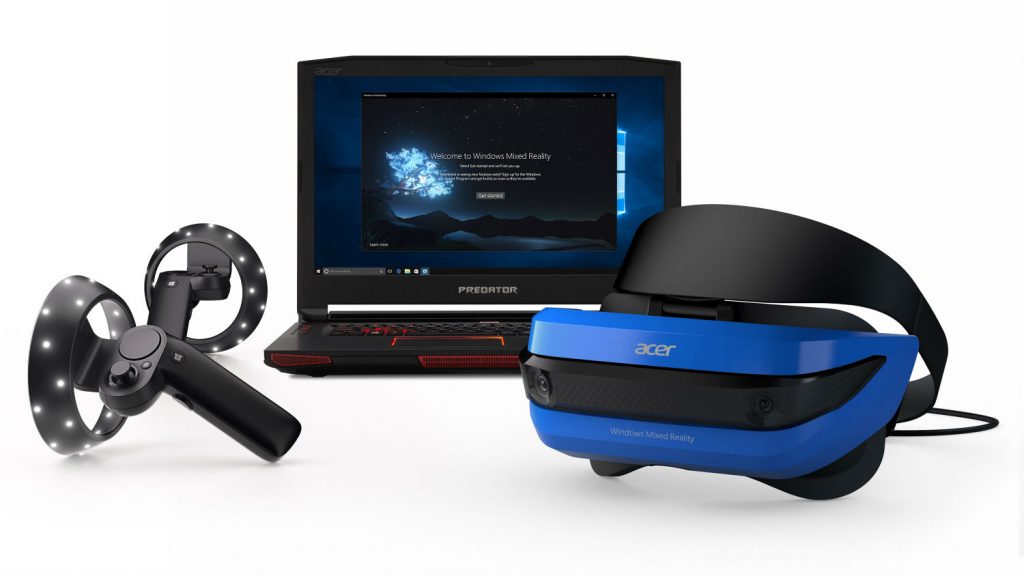
The Acer AH101 belongs at the bottom of this list because it serves a completely different interpretation of the search. It is a Windows mixed reality headset, not a headset for ordinary PC audio. If you are looking for calls, music, or game chat, choose one of the other nine products. If you want a visor for compatible Windows mixed reality software, the Acer has the relevant display and tracking hardware.
It uses two 2.89-inch displays with a combined resolution of 2, 880 by 1, 440, or 1, 440 by 1, 440 per eye. With HDMI 2.0, the refresh rate is listed as 90Hz. HDMI 1.4 reduces that to 60Hz, so the computer's available output matters. That difference can affect how smooth motion appears in a virtual environment.
Tracking comes from a gyroscope, accelerometer, magnetometer, and an inside-out black and white VGA camera. The inside-out approach means the headset uses its own tracking hardware rather than relying only on external sensors. Connectivity consists of one HDMI 1.4 or 2.0 connection and one USB 2.0 connection, with a 13-foot cable that gives some freedom around the computer.
The Acer is also the heaviest device here at about 1.87 pounds. That is not a meaningful comparison with the 60-gram NUBWO or the 0.22-pound H340 because the Acer is a display system worn on the face, not a small audio accessory. Its age and specialized Windows mixed reality purpose also make compatibility something to verify before buying.
Choose the AH101 only if virtual reality is the point of the purchase. It has no place ahead of a conventional headset for meetings or music, but it is the only product here with dual displays, motion sensors, and mixed reality tracking.
How to choose best headsets for windows 10
The right Windows 10 headset depends on the connection, the microphone, the way it fits, and whether you need ordinary computer audio or gaming features.
Connection type
USB headsets such as the Jabra Evolve 10, Logitech H340, Dell WH125, and Logitech H540 are easy to connect to a compatible USB port. They bypass the computer's analog audio jack and keep the microphone and speakers in one device. USB-A availability matters on newer laptops, so check the ports before choosing.
A 3.5mm model such as the TOPAUX earbuds is convenient when the computer has a combined headset jack. Bluetooth offers freedom from a cable, but a desktop without built-in Bluetooth may need the TP-Link UB500. A gaming headset with a dedicated wireless dongle, such as the Turtle Beach, is a different connection class from ordinary Bluetooth and is designed around low-lag play.
Microphone design
A boom microphone puts the pickup close to your mouth, which is usually preferable for meetings and voice chat. The Jabra uses a noise-cancelling microphone, Dell specifies a uni-directional microphone, and Logitech uses rotating booms on both the H340 and H540.
An in-line microphone, as found on the TOPAUX earbuds, keeps the device compact but leaves the pickup farther from your mouth. That can be perfectly adequate for casual calls, yet a boom is easier to position consistently. Look for a physical mute control if you frequently move between speaking and listening.
Comfort and weight
Headset weight matters during long meetings. The NUBWO is listed at 60 grams, the H340 at about 0.22 pounds, and the Dell at 0.28 pounds. The H540, EPOS, and Turtle Beach are all around 0.66 to 0.68 pounds, with more substantial padding and gaming or audio hardware.
Ear cup material changes the feel as much as weight. Foam cups on the H340 feel different from the leatherette padding on the H540, while the Turtle Beach uses gel-cooled memory foam. Earbuds shift the decision to ear-tip size, and TOPAUX includes S, M, and L tips.
The best microphone cannot rescue a headset you keep taking off because the fit is wrong.
Audio and controls
For speech-first use, a simple stereo USB headset is enough. The Logitech H540 adds laser-tuned drivers, built-in EQ, bass control, and a mute indicator for people who also listen to music. The EPOS H3Pro Hybrid adds surround presets and Gaming Suite adjustments, while the Turtle Beach uses 50mm speakers and immersive surround sound.
Physical controls are useful when the computer is busy. Dell places volume and mute on an in-line controller, Logitech puts volume, bass, and mute controls on the H540, and TOPAUX puts playback and call functions on its cable. Wireless gaming models add buttons for connection and audio management, but also introduce charging and firmware considerations.
Gaming and specialized features
Gaming needs change the buying decision. The Turtle Beach pairs 2.4GHz wireless with Bluetooth, a 40-plus-hour battery claim, and console support. EPOS combines a wireless dongle, Bluetooth, wired audio, adjustable noise cancellation, and simultaneous audio mixing.
The Acer AH101 should be considered separately. It is a Windows mixed reality headset with dual displays and motion tracking, not a replacement for headphones. Buy it only when the display and VR functions are the reason you need a headset.
Frequently asked questions
Do these headsets work with Windows 10?
The Jabra Evolve 10, Logitech H340, Dell WH125, Logitech H540, and NUBWO HW02 use USB connections suited to Windows PCs. The TP-Link UB500 specifically supports Windows 10, while the EPOS H3Pro Hybrid and Turtle Beach Stealth 700 Gen 2 MAX list Windows 10 compatibility. A 3.5mm model depends on whether the computer has a compatible headset jack.
Which headset is easiest to set up?
A plug and play USB headset is the simplest route. The Jabra Evolve 10, Logitech H340, Dell WH125, and Logitech H540 are designed to connect directly over USB, while the TP-Link UB500 may need internet access for setup and driver support.
Which option is best for long meetings?
The Jabra Evolve 10 is the strongest all-around meeting pick because it combines a lightweight design with a noise-cancelling boom microphone. The NUBWO HW02 is listed at only 60 grams and is aimed at long conference calls. The Logitech H340 is another light option, weighing about 0.22 pounds.
Can I use a Bluetooth headset with a Windows 10 desktop?
Yes, if the desktop has Bluetooth or you add a compatible adapter. The TP-Link UB500 adds Bluetooth 5.4 to supported Windows PCs, but it is not compatible with macOS or Linux. TP-Link also recommends disabling existing internal Bluetooth to avoid driver conflicts.
Which headset is best for Windows 10 gaming?
The Turtle Beach Stealth 700 Gen 2 MAX is the strongest choice for multi-platform gaming, with a 2.4GHz wireless connection, Bluetooth, 50mm speakers, and a listed 40-plus-hour battery life. The EPOS H3Pro Hybrid is better if you want adjustable sound, surround presets, and simultaneous Bluetooth and wired audio mixing.
Are the TOPAUX earbuds suitable for PC calls?
They can work with a compatible 3.5mm headset jack and include an in-line microphone and controls. They are more compact than a boom headset, but the Jabra, Dell, Logitech, or NUBWO models are better suited to frequent work calls because their microphones sit closer to the mouth.
Is the Acer AH101 a normal computer headset?
No. The Acer AH101 is a Windows mixed reality headset with dual displays, motion sensors, and an inside-out tracking camera. It is intended for virtual reality and mixed reality use, not ordinary music, meetings, or voice chat.
The bottom line
The Best headsets for windows 10 start with the Jabra Evolve 10 for most people. Its light wired design, simple USB setup, adjustable boom, and noise-cancelling microphone make it the clearest fit for meetings, remote work, and everyday PC calls. The Logitech H540 is the better alternative when music, bass adjustment, and padded comfort matter as much as speech.
For gaming, choose the Turtle Beach Stealth 700 Gen 2 MAX for multi-platform wireless use and long battery life, or the EPOS H3Pro Hybrid for more flexible audio mixing and software controls. The TP-Link UB500 is useful when a Windows desktop needs Bluetooth, while the Acer AH101 belongs only with a mixed reality setup.
If you are undecided, buy the Jabra Evolve 10 for calls, the Turtle Beach for wireless gaming, and do not choose the Acer unless you specifically want virtual reality.
As an Amazon Associate we earn from qualifying purchases.