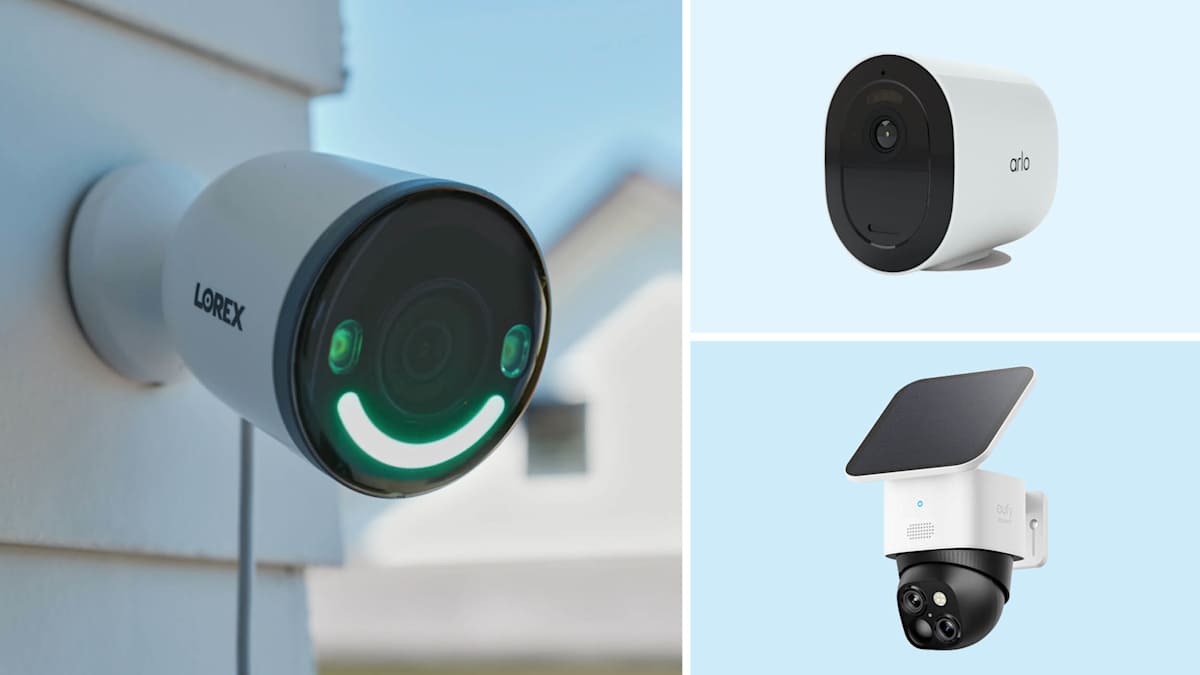

There is a lot riding on a home camera system outdoors. The best one covers your driveway, back porch, and side gates without blind spots, and it makes reviewing footage easy when you need it. But the trade-offs between wired reliability and wireless flexibility are real, and the range of options can be overwhelming.
After sorting through the latest models, we picked the ANNKE 3K Lite Wired System as the best home camera system outdoor for most people, it offers dependable 24/7 recording, human and vehicle detection, and a built-in hard drive, but we also found excellent solar-powered kits from aosu, versatile PTZ cameras from Vivideye and ANSQUE, and budget-friendly battery options that are surprisingly capable. Here is the full breakdown.
Comparison table
| # | Product | Award | Video Resolution | Storage | Best for |
|---|---|---|---|---|---|
| 1 | ANNKE 3K Lite Wired System | Best overall wired | 1080p cameras, 3K DVR | 1TB HDD (up to 10TB) | Nonstop recording without subscriptions |
| 2 | aosu 2K Solar 4-Cam Kit | Best solar system | 2K | Local microSD (up to 1TB) | Wire-free solar with minimal false alerts |
| 3 | aosu 2K Solar 6-Cam Kit | Best large property | 2K | Local microSD (up to 1TB) | Six-camera coverage on one app |
| 4 | Camcamp Dual Lens Wireless System | Best dual-lens PTZ | 2K per lens | 500GB HDD (up to 6TB) | Auto-tracking and wide-angle simultaneously |
| 5 | ANSQUE Solar PTZ 4-Cam System | Best smart deterrence | 2K | 32GB built-in | Cross-camera tracking and active alarms |
| 6 | Vivideye Solar PTZ 2-Cam Kit | Best 5GHz stability | 4MP (approx 2.5K) | 128GB built-in in hub | Dual-band WiFi for smooth streaming |
| 7 | Gianteye Solar PTZ 4-Pack | Best 360-degree coverage | 2K | microSD (not included) or cloud | Pan-tilt-zoom for every corner |
| 8 | GMK 4 Pack Battery Cameras | Best battery flexibility | 2K (3MP) | microSD or cloud (trial) | Long battery life with hybrid power option |
| 9 | Rraycom 5G/2.4G 4-Pack | Best for bird watching | 2K | microSD (up to 256GB) or cloud | Dual-band WiFi and AI bird identification |
| 10 | Blink Mini 2K+ 2-Pack | Best indoor plug-in | 2K | Cloud subscription required | Indoor monitoring with Alexa integration |
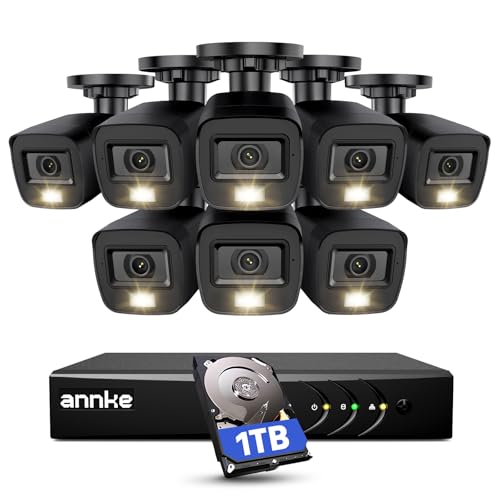
1. ANNKE 3K Lite Wired System: Best Overall Wired
Pros
- Continuous 24/7 recording to a 1TB hard drive
- AI human and vehicle detection with smart search
- IP67 weatherproof cameras with dual-light night vision
- Expandable up to 10TB for long retention
- Compatible with TVI, AHD, CVI, CVBS, and IP cameras
Cons
- Requires running coaxial or Ethernet cables to each camera
- Maximum 1080p resolution on the included cameras
Best for: homeowners who want reliable, always-on recording without cloud fees or battery anxiety.
If you can run a single cable to each camera, this ANNKE kit is the most straightforward path to round-the-clock security. It does not rely on WiFi, batteries, or solar panels. The 8-channel DVR records continuously to the pre-installed 1TB drive, and with H.265+ compression, you get more days of history before the drive loops. The system supports up to 10TB if you ever need to upgrade.
The cameras themselves are 1080p bullet-style with IP67 weatherproofing and a unique dual-light night vision system. In complete darkness, infrared LEDs see up to 100 feet in black and white. Flip to color mode, and the built-in white lights illuminate the scene in full color up to 66 feet. The lights also double as a visual deterrent: the DVR can trigger them on motion, which is more subtle than a siren.
The AI motion detection 2.0 is a step up from older DVR systems. It differentiates people and vehicles, and you can set flexible detection zones. A particularly handy feature is the smart search in recordings: instead of scrubbing through hours of footage, you can pull up only clips containing a person or car. This is exactly the kind of practicality that separates a good security system from an annoying one.
Where the ANNKE falls short is resolution. The included cameras max out at 1080p, while the DVR can accept 3K/5MP cameras if you buy separately and swap them in. For many properties, 1080p is enough to identify faces and license plates at reasonable distances, but if you need extreme detail across a large yard, you might prefer a system with higher native resolution. Also, the wired installation is a weekend project: you need to route cables through attics, crawl spaces, or along exterior walls. That effort pays off in reliability, but it is not for every renter or timid DIYer.
If you want a set-and-forget system that records everything, this is the pick. For a completely wire-free installation, the aosu solar systems below are your best alternative, but they cannot match the continuous recording that a wired DVR provides. For more on the pros and cons of each, our guide to choosing between wired and wireless covers the trade-offs in detail.
2. aosu 2K Solar 4-Cam Kit: Best Solar System

Pros
- Split solar panel design for optimal sun placement
- PIR plus AI human detection with few false alerts
- Full-color night vision with active deterrence
- Camera-to-camera tracking groups events across cameras
- No monthly fees; local storage up to 1TB via microSD
Cons
- Up to 1TB microSD card sold separately
- Solar charging depends on sunlight, season, and placement
Best for: an expandable, wire-free outdoor system that manages false alerts well.
aosu has designed its 2K solar system around a clever insight: the best place for a camera is not always the best place for a solar panel. The split panel design lets you mount the camera where you need coverage and place the solar panel where it actually gets sun. That small detail can make the difference between a system that needs occasional manual charging and one that runs year-round with almost zero maintenance.
The base station, called aosuBase, brings all cameras into one unified app and stores video locally without requiring any subscription. You can add a microSD card up to 1TB for extended history. The app supports viewing up to 4 cameras simultaneously on one screen, and the Camera-to-Camera Tracking feature links clips of the same person seen by different cameras into a single timeline. This is a practical time-saver when reviewing an event that moved across your property.
False alerts are a common complaint with outdoor cameras, and aosu addresses this with a combination of PIR sensors and AI human detection. In our experience, the system is noticeably better than many competitors at ignoring rustling bushes, passing cars, and neighborhood cats. When it does trigger, you get full-color night vision, the option to sound an alarm, and instant notifications. The IP65 weatherproof rating means rain, snow, and heat are not issues.
The trade-off is that, like all solar wireless systems, it cannot record 24/7. It records on motion events, and the clip length and cooldown depend on your settings. If you need continuous recording day and night, the wired ANNKE system is better suited. But for most homeowners, event-based recording captures everything important without wasting hours of empty footage.
For properties with more than four zones, the 6-cam kit (covered next) is the logical upgrade. aosu also offers a 1-cam starter kit if you want to try one before committing to a full system.
3. aosu 2K Solar 6-Cam Kit: Best Large Property

Pros
- Same great solar and AI platform as the 4-cam kit
- Covers all entry points with six cameras
- Expandable to even more cameras over time
- No subscription, local storage up to 1TB
Cons
- Solar placement is critical for all six cameras
- Base station may need to be centrally located
Best for: large homes or properties that need blanket coverage without running cables.
This is the bigger sibling of the aosu 4-cam kit, sharing all the same hardware and software features. The only difference is that you get six cameras instead of four, making it a better fit for properties with more angles to cover, think front door, back door, garage, side gates, driveway, and backyard. The split solar panels still give you flexibility to mount each camera where it sees best and place the panel in a sunny spot.
Managing six cameras in the aosu app remains smooth. The Camera-to-Camera Tracking becomes even more useful with more cameras, as it stitches together a person's movement across your entire property into a single event timeline. You can still view up to four cameras on screen at once, and the base station handles the load without lag.
The main consideration with any multi-camera solar system is making sure each panel gets enough sun. If a camera is mounted in deep shade, you may need to occasionally recharge it via USB-C. aosu provides the panels and cables; installation is straightforward with the reinforced mounts.
For most large homes, this kit is the best home camera system outdoor because it balances wireless convenience with reliable solar power and intelligent alerts. If your property is smaller, the 4-cam kit saves money, but you cannot add cameras to a kit later, you would need to buy another base station and set. So think ahead. For properties where six cameras are overkill but you want a wired system with more recording time, the ANNKE is still unbeatable.
4. Camcamp Dual Lens Wireless System: Best Dual-Lens PTZ

Pros
- Dual-lens design: wide-angle overview plus PTZ tracking
- Auto tracking follows moving subjects
- 500GB HDD included, expandable to 6TB
- 24/7 continuous recording with no monthly fees
- Works over 2.4/5GHz WiFi (cameras need power outlet)
Cons
- Cameras are plug-in, not battery or solar
- Wireless refers to camera-to-NVR link only; each cam needs AC power
Best for: anyone who wants both a wide scene view and the ability to zoom and track a suspicious person.
The Camcamp system solves one of the toughest problems in outdoor security: you want to see the whole scene, but you also want to be able to follow someone who moves through it. Its dual-lens cameras have a fixed wide-angle lens that captures the full field of view, while a second PTZ lens pans 355 degrees and tilts 90 degrees to auto-track any moving subject. Both views appear on a split screen in the NVR app, so you never lose context.
This is a genuinely useful approach. Most PTZ cameras either track and lose the wide view, or stay wide and cannot zoom. Camcamp gives you both, and the tracking is smooth enough that the person stays centered in the PTZ view. The system includes four cameras and a 10-channel NVR with a 500GB HDD, which records 24/7 out of the box. You can expand up to 6TB if you need more retention.
Night vision is handled with three modes: infrared, full-color with a built-in spotlight, and smart auto-switching. The spotlight can also be triggered by motion to scare off intruders. The NVR connects to a TV via HDMI for a live view, and there is two-way audio on each camera.
The catch: these are not wire-free cameras. Each one needs to be plugged into a power outlet. The wireless label refers to the WiFi connection between the cameras and the NVR. That is still more convenient than running Ethernet cables, but you need outdoor outlets or extension cords. The cameras are IP66 rated for weather, so they can handle rain and cold down to -22°F.
If you have power near each mounting point and want the dual-view advantage, this is a standout system. For those who cannot run power, the aosu solar systems are the better fit. For a deeper look at what you give up by going wireless, our article on the best wired security camera systems explains the performance differences.
5. ANSQUE Solar PTZ 4-Cam System: Best Smart Deterrence

Pros
- PTZ camera covers 360 degrees with auto tracking
- Cross-camera tracking links events across all cameras
- Built-in 32GB storage, AES-128 encryption
- Solar panel charges in as little as 2 hours of sunlight
- 0.5-second wake-on-detection with audible/visual alarm
Cons
- Only one PTZ camera in the kit; three are fixed
- 32GB built-in storage is limited without expansion
Best for: a solar system that actively deters intruders with alarms and tracks them across multiple cameras.
ANSQUE takes a proactive approach to security. The system includes one PTZ camera that can pan 360 degrees and auto-track people, plus three fixed cameras. When any camera detects motion, the PTZ camera can swing around to follow the subject, and cross-camera tracking links all clips of the same person into one event. This is similar to aosu's Camera-to-Camera Tracking but with the added ability of the PTZ to physically follow movement in real time.
The built-in 32GB storage is secured with AES-128 encryption, and the company claims it can hold up to 120 days of event-based recordings. That is generous for 32GB, likely thanks to efficient H.265 compression and the fact that it only records on events. There is no microSD slot for expansion mentioned, so the 32GB is what you get. If you need more, cloud plans may be available, but ANSQUE emphasizes no subscription fees.
The solar panels are notably efficient: ANSQUE says 2 hours of sunlight can keep the cameras running all day, and the panels charge even in cloudy or shaded conditions. The cameras wake from sleep in 0.5 seconds when motion is detected, and they can trigger both a spotlight and a siren. The app includes Home, Away, and Disarm modes, plus scheduled recording for vacations.
The main limitation is that only one camera offers PTZ. The other three are fixed bullet cameras without pan/tilt. Still, the PTZ camera is positioned as the hub, and if you mount it in a central location, its 360-degree coverage minimizes blind spots. The 2K color night vision uses four LEDs and a PIR sensor up to 40 feet, with smart IR to avoid overexposed faces.
For those who want an active defense system that chases intruders visually and audibly, this is worth serious consideration. If you prefer every camera to have PTZ, the Gianteye system below gives you that.
6. Vivideye Solar PTZ 2-Cam Kit: Best 5GHz Stability

Pros
- 5GHz and 2.4GHz WiFi for faster streaming
- 4MP (approx 2.5K) video resolution
- 128GB storage built into the hub, no microSD needed
- Solar powered, no wiring to the camera itself
- Alexa voice support for hands-free viewing
Cons
- Only two cameras in the kit
- Hub must be connected to router via Ethernet or WiFi
Best for: starting with a two-camera system and wanting the smoothest possible WiFi connection.
This two-camera kit from Vivideye is a strong entry point for solar PTZ security. It uses a home hub that connects to your router via Ethernet or WiFi, and the cameras pair wirelessly to the hub. The hub has 128GB of built-in storage, which saves you from buying a microSD card and keeps recordings secure even if a camera is damaged.
Video resolution is 4MP, which is slightly higher than standard 2K, giving you a bit more detail when you zoom in. The cameras support 360-degree pan and tilt with digital zoom, and the solar panels keep them charged. Dual-band WiFi (both 2.4GHz and 5GHz) is a real advantage here. The 5GHz band is less congested and offers faster data transfer, translating to smoother live streaming and quicker clip loading in the app.
Color night vision extends to about 65 feet, and the PIR plus AI detection claims to minimize false alarms from animals. The detection sensitivity can be adjusted from 16 to 29 feet. Two-way audio is clear enough for talking to delivery drivers or telling a prowler they are being recorded.
The obvious catch is that you only get two cameras. For a typical home with a front door and backyard, that might be enough. But if you need to cover the garage and side gates, you will run out of cameras. The hub supports up to four cameras, so you can buy additional pairs later. However, at launch, this kit is limited to two. If you need four from the start, the aosu 4-cam or Gianteye 4-pack are better options.
The Vivideye is ideal when you want the best WiFi performance and are okay starting small. Its dual-band support gives it an edge over many competitors that are stuck on 2.4GHz alone.
7. Gianteye Solar PTZ 4-Pack: Best 360-Degree Coverage

Pros
- Every camera has pan-tilt-zoom, no fixed units
- Dual-band 2.4/5GHz WiFi built into each camera
- 2K color night vision with spotlight
- IP65 weatherproof, can handle rain and snow
- No forced cloud subscriptions
Cons
- microSD card not included
- Solar panels are attached to each camera (not split)
Best for: those who want PTZ on every camera, not just one.
The Gianteye 4-pack gives you four PTZ cameras, each capable of 360-degree pan and 90-degree tilt controlled remotely from the app. That means every camera can actively monitor its zone and zoom in on details, rather than having a few fixed cameras and one PTZ. This is a significant advantage for large properties where you want to check on an area from any angle.
The cameras support both 2.4GHz and 5GHz WiFi for a stable connection, and they connect directly to your home network without needing a separate hub. Storage is handled via microSD card (not included, supports up to 256GB) or optional cloud. The app allows you to view all four cameras, set custom detection zones, and receive instant alerts triggered by PIR plus AI human detection.
Color night vision is achieved with a built-in spotlight that illuminates the scene when motion is detected. The 2K resolution is sharp enough to identify people and vehicles. Two-way audio and Alexa compatibility are included.
The main downside is that the solar panels are attached directly to each camera, so you cannot mount the panel separately in a sunnier spot. If your camera mount is in shade, the panel will not charge as effectively. You may need to place the camera where it gets sun, which might not be the ideal vantage point. Also, the cameras are battery-powered with solar trickle charging; in low-sun conditions, you might need to bring them inside to recharge via USB.
For the price, getting four PTZ cameras is excellent value. If you prioritize PTZ on every camera over split solar panels, this is the kit to choose. If solar efficiency matters more, consider the aosu with its split panels.
8. GMK 4 Pack Battery Cameras: Best Battery Flexibility

Pros
- Battery powered with optional plug-in mode
- Claimed 1-6 months standby or 3000+ motion triggers per charge
- 2K color night vision and infrared
- IP65 weatherproof for outdoor use
- Smart PIR detection with instant app alerts
Cons
- Only works on 2.4GHz WiFi, no 5GHz support
- No hub or base station; each camera connects individually
Best for: renters or temporary setups where you cannot drill holes or run wires.
GMK’s 4-pack takes a different approach from the solar systems: each camera runs on a rechargeable battery that the company says can last 1 to 6 months in standby or handle over 3, 000 motion-triggered recordings on a full charge. Charging takes 6 to 8 hours. What makes this system flexible is that you can also plug the cameras into a constant power source via USB if you have an outlet nearby. This hybrid power option is helpful for zones with heavy traffic.
The cameras are compact and easy to mount, or you can stand them on a flat surface indoors if you want to reposition later. They use the VicoHome app for management, which supports family sharing with view-only access for other members. There is also a privacy sleep mode that puts the cameras into low-power hibernation when you are home, and you can set schedules.
Video quality is 2K (3MP) with a 3.3mm lens for a wide-angle view. Color night vision switches on when motion is detected, and the built-in microphone and speaker allow two-way talk. The IP65 rating means rain and snow are not a concern.
The downside is that these cameras connect directly to your 2.4GHz WiFi only. If your home network is crowded or you have weak 2.4GHz coverage, you may experience lag or disconnects. There is no hub to extend range. Also, the lack of solar means you will need to charge them periodically, though the hybrid plug-in option mitigates this for some locations.
For renters who cannot run wiring or mount solar panels, this is a practical choice. The battery life is impressive, and you can always plug them in when convenient. For a more permanent solar solution, the aosu or ANSQUE systems avoid the recharging chore entirely.
9. Rraycom 5G/2.4G 4-Pack: Best for Bird Watching

Pros
- Dual-band 2.4/5GHz WiFi with Bluetooth setup
- AI bird recognition identifies 10, 000+ species (subscription needed)
- 2K color night vision with 130-degree wide angle
- 110dB siren and spotlight for deterrence
- Works with Alexa
Cons
- Bird recognition requires a subscription after trial
- Cameras are plug-in (USB power, not battery or solar)
Best for: bird lovers who want a security camera that doubles as a backyard camera feeder.
Rraycom positions its system as a home security and nature camera combo. The standard security features are solid: 2K resolution, color night vision, 130-degree wide angle, two-way audio, and a 110dB siren with a spotlight. The standout is the AI bird recognition, which can identify over 10, 000 bird species and send you a notification with the species name. This feature requires a subscription after the trial period, but it is a genuinely differentiator for anyone who enjoys backyard birds.
The cameras connect via dual-band WiFi (2.4/5GHz) and support Bluetooth for a quick setup. They are plug-in models, meaning they need to be connected to a USB power adapter and outlet. That makes installation simpler than wired cameras but still requires access to power. The IP65 rating means they can be mounted outdoors in a covered or exposed location.
Storage is handled via microSD card (up to 256GB, not included) or cloud subscription. The app, O-Kam Pro, supports custom detection zones and alerts. Alexa integration allows voice commands to view live feeds.
The two biggest trade-offs are the subscription cost for the bird identification (which may be a dealbreaker if you only want security) and the lack of battery or solar operation. If you are primarily interested in security and not birds, the GMK or Gianteye systems offer more flexibility for similar money. But for someone who wants both surveillance and a smart bird feeder, this is the only option on our list.
10. Blink Mini 2K+ 2-Pack: Best Indoor Plug-In

Pros
- 2K video with improved audio and noise cancellation
- Person and vehicle detection with optional subscription
- Works with Alexa for voice control and as chime for Blink doorbell
- Small, discreet form factor for windowsill placement
Cons
- Indoor only; outdoor use requires separate weather-resistant adapter
- Continuous recording requires subscription; otherwise event-only
- No local storage; cloud subscription needed for clip storage after free trial
Best for: monitoring indoor areas or looking out a window at a porch when paired with the weather adapter.
The Blink Mini 2K+ is the most affordable camera in this roundup, but it is primarily an indoor camera. We include it because it can be used outdoors with the separately sold Weather Resistant Power Adapter, and many people place it on a windowsill to watch a front porch. That said, it is not designed for full outdoor exposure like the other cameras here.
Image quality is 2K resolution, and Blink has improved the microphone and speaker for clearer two-way talk with noise cancellation. Smart detection (person, vehicle) is available through a Blink Subscription Plan, which also provides cloud storage for clips. Without the subscription, the camera only records short clips on motion detection and stores them in the cloud for a limited time. There is no local storage option.
The Mini 2K+ can also serve as a plug-in chime for the Blink Video Doorbell, sounding an audible alert when someone presses the doorbell. It integrates tightly with Alexa.
The biggest limitation for outdoor use is that it requires a plug-in power source and the weather adapter. Even then, it is not IP-rated, so you would not want it in heavy rain. It works best as an indoor camera looking out a window, or under a covered porch with the adapter.
For homeowners who already own a Blink doorbell and want a cheap camera for a specific indoor angle, this is a useful addition. For dedicated outdoor coverage, spend the money on one of the solar or battery systems above.
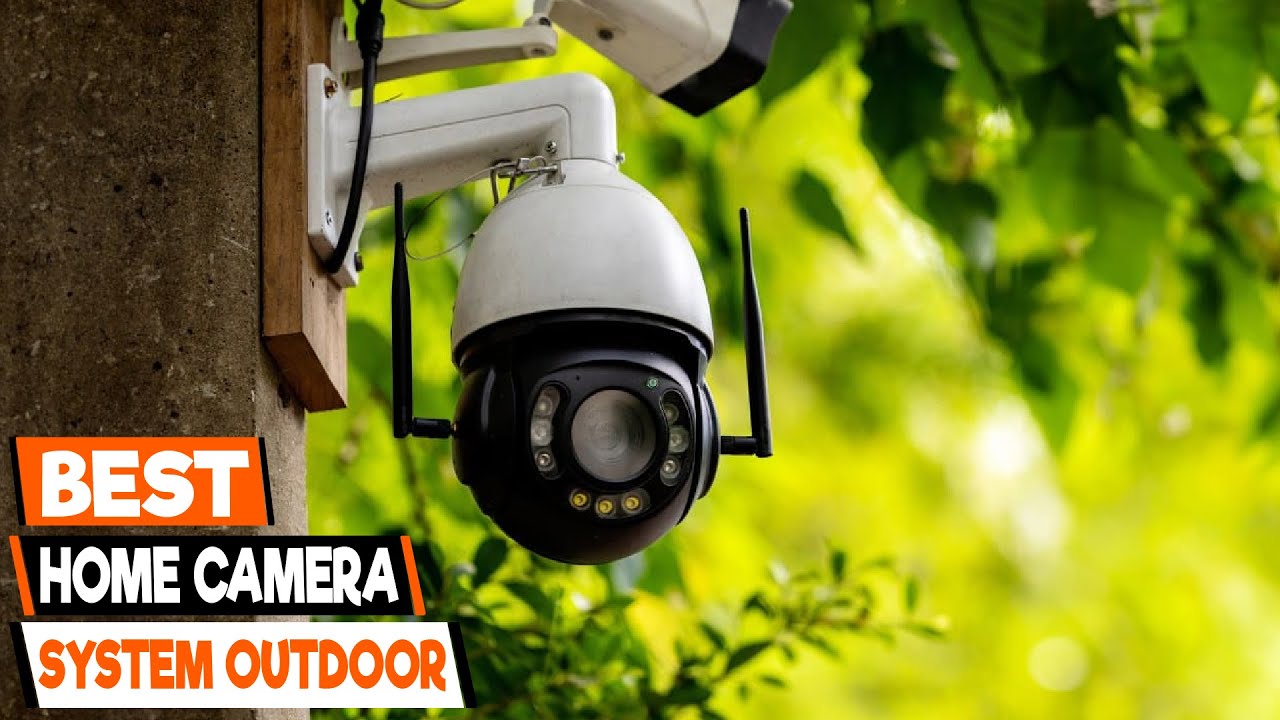
How to Choose a Home Camera System Outdoor
Choosing the best home camera system outdoor comes down to understanding a few key trade-offs between power, connectivity, and storage. Here are the factors that matter most.
Wired vs. Wireless Power
The first decision is whether you can run cables to each camera. Wired systems like the ANNKE provide continuous 24/7 recording and never need battery changes, but installation is more involved. Wireless cameras (battery, solar, or plug-in) are easier to place but typically record only on motion events to conserve power. Solar panels add a level of autonomy, but their efficiency depends on sunlight exposure. If you have power outlets outdoors, plug-in wireless cameras offer a middle ground.
Video Resolution and Night Vision
Most modern cameras offer at least 2K resolution, which is sufficient for identifying faces and license plates at moderate distances. Some systems, like the Vivideye, offer 4MP (approx 2.5K) for slightly more detail. Night vision quality varies: infrared gives black-and-white, while color night vision uses a spotlight. The latter provides more useful evidence but can disturb neighbors. Look for systems with both modes or smart switching.
Storage: Local vs. Cloud
Local storage (microSD, HDD, or built-in memory) avoids ongoing fees but can be lost if the camera is stolen. Cloud storage keeps data off-site but usually requires a subscription. Many systems offer both, but read the fine print: some require a subscription for continuous recording or advanced AI features. The ANNKE, Camcamp, aosu, and ANSQUE systems all offer local recording without any subscription required.
Detection and Alerts
PIR sensors combined with AI analysis reduce false alarms from animals and swaying trees. Human-only detection is the gold standard. Some systems also offer vehicle detection. The aosu and ANSQUE are particularly good at this. Response time varies: the ANSQUE claims a 0.5-second wake time, which is noticeably faster than some battery cameras that take 1-2 seconds to start recording after motion.
"A camera that misses the first second of an event because it was sleeping is not much better than no camera. Look for near-instant wake times or continuous recording where possible."
Weatherproofing and Temperature Range
All outdoor cameras should have at least IP65 or IP67 rating. The ANNKE is IP67 (dust-tight and protected against powerful water jets). Most others are IP65 (dust-proof and protected against low-pressure water jets). For extreme cold, the Camcamp is rated down to -22°F, while others are typically around -4°F to 14°F. Check your local climate.
Frequently Asked Questions
Can I use indoor cameras outdoors?
Indoor cameras lack weatherproofing and cannot handle rain, snow, or extreme temperatures. The Blink Mini 2K+ can be used outdoors with a separately sold weather-resistant power adapter, but it is still not fully weather-sealed. For reliable outdoor use, IP65 or IP67 rated cameras are necessary.
Do I need a subscription for cloud storage?
Many systems offer local storage as a free alternative. The ANNKE, Camcamp, aosu, and ANSQUE systems all store video locally without subscription fees. Other systems like Blink and some budget models require a cloud subscription for continuous recording or AI features.
How many cameras do I need for a typical home?
Most homes need between 4 and 6 cameras to cover the front door, back door, garage, driveway, and common side entrances. A 4-cam kit is a good starting point. You can expand with some systems (aosu allows adding cameras to its base station, while others require a new kit).
What is the best camera placement for outdoor cameras?
Mount cameras 8 to 10 feet high, angled slightly downward to avoid direct sunlight and reduce glare. Cover all entry points and blind spots. Avoid pointing cameras directly at the street to minimize false triggers from passing cars.
Can outdoor cameras work without WiFi?
Wired cameras that connect to a DVR via coaxial cable or Ethernet can operate without WiFi, as the DVR records locally. Wireless cameras require WiFi to stream to your phone, though some can record to a local microSD card even if WiFi is down.
How long do solar camera batteries last between charges?
With sufficient sunlight (at least 2 hours of direct sun per day), solar cameras can run indefinitely without manual charging. In cloudy conditions or winter, they may need occasional USB charging. Battery-only cameras like the GMK need charging every 1-6 months depending on traffic and settings.
Are PTZ cameras worth the extra cost?
Yes, if you want the ability to remotely pan and tilt to check on specific areas. PTZ cameras reduce blind spots, but they can be more complex to set up. The Gianteye and Vivideye offer PTZ on every camera, while the ANSQUE has one PTZ and three fixed.

The Bottom Line
The ANNKE 3K Lite Wired System remains the best home camera system outdoor if you want reliable, continuous recording without relying on batteries or WiFi. It is not the easiest to install, but the trade-off is rock-solid performance and zero monthly fees. If you prefer a wire-free setup, the aosu 2K Solar 4-Cam Kit is the best balance of solar efficiency, intelligent alerts, and expandability. For large properties, the aosu 6-Cam Kit extends that same platform to cover more angles.
The other systems fill specific niches: the Camcamp for dual-view tracking, the ANSQUE for active deterrence, the Gianteye for all-PTZ coverage, and the GMK or Rraycom for budget-friendly flexibility. The Blink Mini is best kept for indoor use or as an add-on to a Blink doorbell.
Whatever your setup, the most important step is to pick one system and get it installed. A camera on the shelf protects nothing. Our guide to the best outdoor home security cameras can help you compare more options if you are still undecided.
As an Amazon Associate we earn from qualifying purchases.