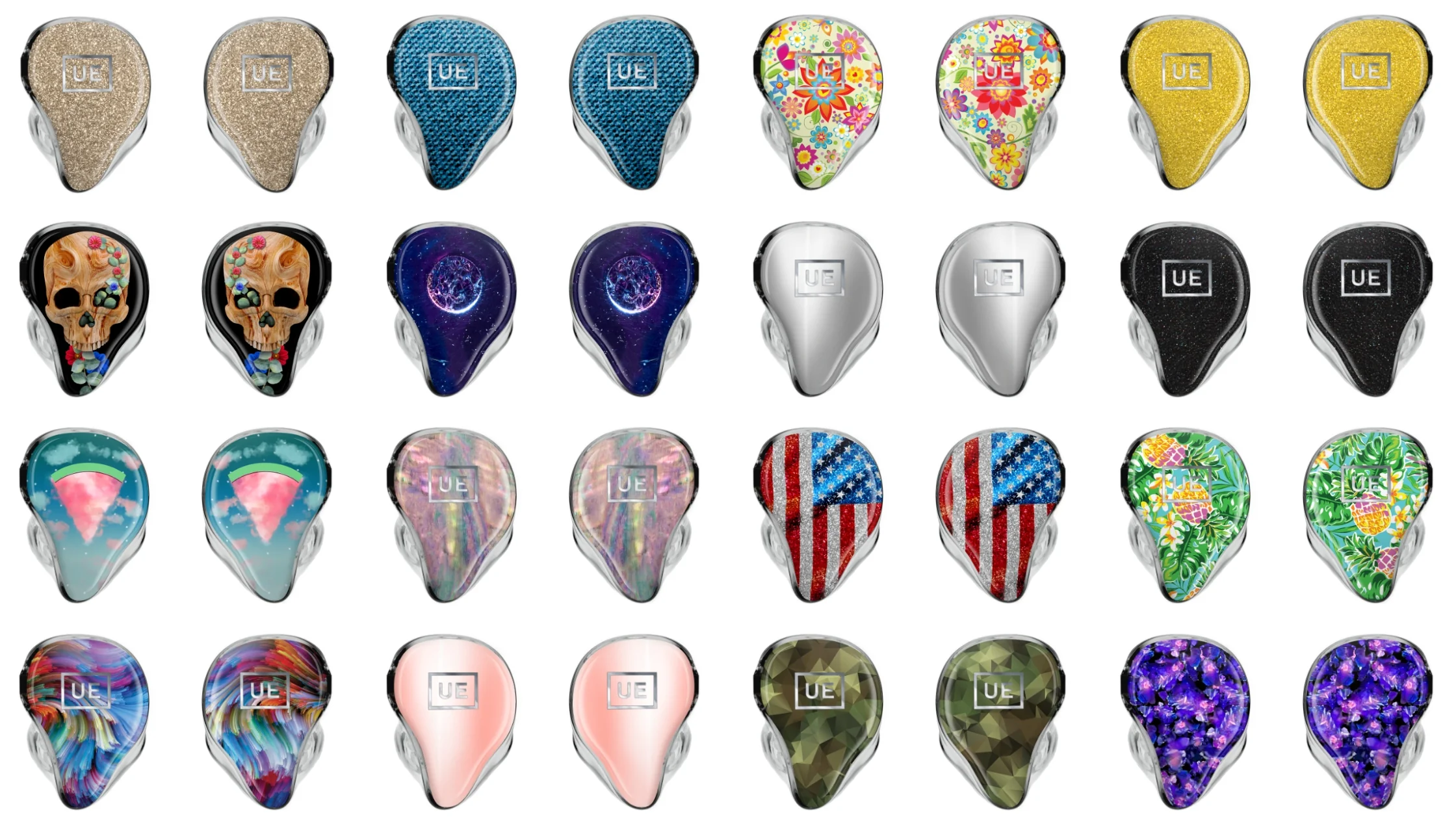

A poor in-ear monitor fit can turn a promising performance into a fight with loose earbuds, outside noise, and bass that disappears every time you move. The right pair should stay put, isolate enough of the room, and give you a clear balance of vocals, instruments, and rhythm.
The Best in ear monitors in this group range from compact single-driver stage monitors to multi-driver models aimed at musicians and detailed listening. We looked at driver layouts, cable designs, fit features, isolation claims, and the practical differences between each model.
Our top pick is the Linsoul KZ ZS10 Pro Black, with the Sennheiser IE 100 PRO close behind for musicians who prefer a simpler, more focused design. The rest cover triple-driver monitoring, lightweight everyday use, strong bass, and replaceable-cable flexibility.
| # | Product | Award | Drivers | Cable | Best for |
|---|---|---|---|---|---|
| 1 | Linsoul KZ ZS10 Pro Black | Best overall | 4 BA + 1 DD | Detachable | Detailed music and stage monitoring |
| 2 | Sennheiser IE 100 PRO | Best for live musicians | 10mm dynamic | Stage-proof cable | Reliable live monitoring |
| 3 | Ultimate Ears UE 350 | Best professional design | Triple balanced armature | Not specified | Extended stage sessions |
| 4 | Linsoul KZ ZS10 Pro Dark Black | Best bright hybrid sound | 4 BA + 1 DD | Detachable | Energetic detail and gaming |
| 5 | Yinyoo KZ-ZST | Best lightweight hybrid | 1 BA + 1 DD | Removable | Casual listening and gaming |
| 6 | BASN Bmaster | Best cable flexibility | Triple driver | Two detachable MMCX cables | Musicians who want accessories |
| 7 | CCZ Melody | Best lightweight fit | 1 DD + 1 BA | Detachable 2-pin | Long listening sessions |
| 8 | CCA CRA | Best for deep bass | Dynamic driver | Detachable | Bass-led music and gaming |
1. Linsoul KZ ZS10 Pro Black: Best Overall

Pros
- Five-driver hybrid design gives music plenty of separation
- Stainless steel faceplate and resin cavity feel distinctive
- Detachable cable supports future replacement
- Ear-shaped housing helps maintain a secure fit
Cons
- Bright tuning can make already-bright recordings tiring
- Cable version is supplied at random
- No microphone is included
Best for: listeners who want a lively, highly detailed wired monitor for music, gaming, or stage use.
The Linsoul KZ ZS10 Pro Black is the most complete all-rounder here. It sounds like a product built around contrast: punchy low frequencies, an energetic top end, and enough separation to keep vocals from collapsing into guitars, cymbals, and game effects. It is not a subdued monitor, but it gives a recording plenty of shape and immediacy.
The driver arrangement explains much of that character. Four balanced armatures handle the upper and middle ranges, while a second-generation Tesla double-magnetic dynamic unit covers the low end. Linsoul also adds a PCB dividing board to coordinate the drivers. The result is a presentation with dynamic lows and bright resolution rather than the softer, more blended sound of a basic single-driver earphone.
The physical design is unusually substantial for a compact wired IEM. Its 304 stainless steel faceplate is paired with an imported resin cavity, and the shaped housing is intended to follow the contours of the ear. The product claims up to 26dB of noise isolation, though the actual result depends heavily on choosing tips that seal your ear canal. The included gold-plated ODC cable is detachable, and the protected connection slot is a sensible touch for anyone who expects regular use.
Compared with the Sennheiser IE 100 PRO, the ZS10 Pro is more ambitious sonically and more forceful in the treble. The Sennheiser is the calmer choice for a vocalist or performer who wants a straightforward monitor feed. The ZS10 Pro is better for a listener who wants to hear layers and textures, but its brightness can expose harsh mixes and become fatiguing during long sessions.
The Black and Dark Black versions use the same listed driver arrangement and features, so the distinction is cosmetic. This version is the one we'd keep for a flexible wired setup, especially if you want a removable cable and an ear-shaped shell without stepping up to a professional triple-driver design. Skip it if you prefer a relaxed, neutral presentation or need an in-line microphone.
2. Sennheiser IE 100 PRO: Best for Live Musicians

Pros
- 10mm dynamic transducer is simple and coherent
- Slim housing is comfortable for extended wear
- Silicone and foam tips help with isolation
- Stage-proof cable includes an internal cable duct
Cons
- Single-driver design is less elaborate than several rivals
- Fit depends strongly on selecting the right tip size
- Cable is not described as detachable in the listing
Best for: performers who want a compact, consistent monitor from an established audio brand.
The Sennheiser IE 100 PRO takes the opposite route from the KZ ZS10 Pro. Instead of stacking multiple driver types into one shell, it uses one 10mm broadband dynamic transducer. That makes the design easier to understand and gives it a focused identity: a slim stage monitor designed to stay comfortable and reproduce a coherent feed without an oversized housing.
Sennheiser says the dynamic system reduces acoustic stress factors through homogeneous, distortion-free reproduction. That does not mean it will sound identical from one source to another, but the single-driver approach avoids the integration challenges that can arise when several drivers divide the frequency range. For a singer, guitarist, or drummer who mainly needs a stable monitor mix, that directness can be more useful than an especially dramatic treble response.
The fit is the important practical detail. The earpiece is shaped to sit securely, while the package includes flexible silicone and foam tip options. The listing specifically warns that an incorrect tip size or poor insertion can prevent the intended sound and call performance. That is not a minor footnote. An incomplete seal changes bass response and lets stage noise leak in, so spend time trying the available tips before judging the monitor.
The cable is described as stage-proof and uses an internal cable duct. That construction should help manage handling noise and keep the cable organized around the ear, although the listing does not identify it as detachable. The IE 100 PRO is therefore less adaptable than the detachable designs from Linsoul KZ ZS10 Pro Black and BASN Bmaster.
Its weakness is also its reason for existing. The single-driver architecture does not offer the same multi-driver separation as the Ultimate Ears UE 350, and listeners who want very prominent sub-bass or sparkling upper detail may find it restrained beside the brighter KZ models. For live work, though, the IE 100 PRO makes a persuasive case through its slim ergonomic shape, tip flexibility, and controlled approach.
If you are comparing this with other wired designs for stage and everyday listening, pay close attention to cable construction and tip fit rather than driver count alone. The IE 100 PRO is the pick for musicians who want a purpose-built monitor that stays out of the way.
3. Ultimate Ears UE 350: Best Professional Design

Pros
- Triple balanced armature layout targets detailed live reproduction
- Two-way crossover separates the driver duties
- Perform Fit design aims for a reliable seal
- Red tactile marking makes the right earpiece easy to find
Cons
- Listing provides limited cable and accessory information
- Balanced armature design may not suit listeners wanting strong dynamic bass
- Larger professional focus may be unnecessary for casual use
Best for: serious performers who want a universal monitor shaped around stage usability and driver separation.
The Ultimate Ears UE 350 is the most overtly professional option in this group. Its triple Knowles balanced armature drivers are arranged with a two-way crossover, and the layout uses two dedicated low-mid drivers alongside a high-frequency driver. That division is designed to preserve headroom and dynamic range in live audio rather than simply making the specification look impressive.
The two low-mid drivers should give the UE 350 a stronger foundation for vocals, guitars, keys, and other central musical information than a design that relies on one small high-frequency armature. The dedicated high-frequency driver handles detail separately. Balanced armatures can sound fast and precise, but they do not automatically create a large or powerful low end, so this monitor makes more sense for intelligibility and separation than for a bass-heavy recreational sound.
Ultimate Ears emphasizes its Perform Fit design, which aims to provide a secure, comfortable fit and a consistent seal during extended sessions. That is exactly the right priority for a stage monitor. It also adds a tactile red dot marking for immediate right-side identification in low light. Small details like that matter when a performer is moving quickly backstage or setting up without a bright room.
Compared with the Sennheiser IE 100 PRO, the UE 350 is the more complex and purpose-built design. The Sennheiser's single 10mm dynamic driver has a simpler signal path and a slimmer concept, while the UE 350 is aimed at extracting more controlled separation across the range. The Linsoul KZ ZS10 Pro Black has even more listed drivers and a livelier hybrid presentation, but the UE 350's professional fit language and balanced-armature arrangement may appeal more to performers who value controlled monitoring.
The available listing is less specific about the cable, accessories, and connection system than the other products here. That makes it harder to judge long-term replaceability from the supplied information. The UE 350 is also a focused tool, not the obvious pick for someone who simply wants a fun earphone for commuting.
Choose it when stage consistency and a professional fit concept matter more than an elaborate accessory list. It is the specialist pick in the roundup, especially for musicians who want a universal monitor with dedicated low-mid and high-frequency driver duties.
4. Linsoul KZ ZS10 Pro Dark Black: Best Bright Hybrid Sound

Pros
- Four balanced armatures and one dynamic driver
- Stainless steel faceplate with resin housing
- Detachable ODC cable enables replacement
- Claimed 26dB isolation supports noisy environments
Cons
- Bright tuning may emphasize sharp recordings
- Cable appearance can vary
- No microphone is included
Best for: listeners who want the ZS10 Pro platform with the Dark Black finish and energetic detail.
The Linsoul KZ ZS10 Pro Dark Black is not a different acoustic design from the Black version above. It uses the same 4BA plus 1DD hybrid configuration, the same general cavity and faceplate materials, and the same listed approach to isolation. The meaningful distinction is the finish, so choose between these two versions based on appearance and availability rather than expecting a different tuning.
That shared architecture is still compelling. Two 30095 balanced armatures are assigned to the highs, two 50060 units cover the mids, and the second-generation Tesla double-magnetic dynamic unit handles the low end. The PCB dividing board is intended to help the drivers work together. In listening terms, this is a monitor built to sound animated, with firm lows and a clear, forward upper range.
The shell combines a 304 stainless steel faceplate with an imported resin cavity. Linsoul says the shape is based on ear data and is designed to stay secure during vigorous movement. It also claims 26dB of noise isolation. As with every passive IEM, that figure is dependent on the seal, so the shell's ergonomic shape only reaches its potential when the tips fit correctly.
The detachable gold-plated ODC cable is one of the useful ownership features. A replaceable cable gives the earphones a path forward if the cable becomes damaged, and the slot protection design is intended to reduce stress around the pins. The listing notes that cable appearance may vary while performance remains the same. That is worth remembering if the item you receive looks slightly different from the product image.
Against the Yinyoo KZ-ZST, this model has a much more developed driver layout and a greater emphasis on separation. Against the Ultimate Ears UE 350, it offers a more assertive hybrid character rather than a strictly professional balanced-armature concept. The weakness is the same as the Black version: bright material can be exciting for games and detailed tracks, but tiring for long sessions or already-hot recordings.
The Dark Black version is right for listeners who want an energetic IEM and prefer its understated finish. If you are deciding between the two ZS10 Pro listings, there is no need to split hairs over sound. Pick the shell appearance you prefer.
5. Yinyoo KZ-ZST: Best Lightweight Hybrid

Pros
- Hybrid 1BA plus 1DD driver layout
- Memory wire helps lock the cable around the ear
- Removable cable uses a 3.5mm L plug
- Three pairs of silicone tips are included
Cons
- Less driver separation than the multi-driver picks
- Colorful design will not suit every setup
- No microphone is included in this version
Best for: first-time IEM buyers who want a lightweight, secure design for music, gaming, and general use.
The Yinyoo KZ-ZST is the uncomplicated entry point in this roundup. It uses one balanced armature and one dynamic driver, giving it a hybrid layout without the bulk or complexity of the five-driver KZ ZS10 Pro. The sound is described as rich and energetic across bass, mids, and treble, so this is aimed at listeners who want liveliness rather than a deliberately restrained monitor.
The housing is designed around a locked-in fit. Its memory wire follows the ear, while the included silicone tips are intended to improve comfort and direct sound into the canal. The product also describes its silicone tip design as a way to improve noise reduction. That benefit will depend on the individual ear, but the combination of a shaped shell, over-ear cable route, and tip choices is sensible for gaming or movement.
The cable is removable and terminates in a 3.5mm L plug. That makes the KZ-ZST compatible with devices that still have a standard analog headphone jack, including the Android devices, tablets, MP3 players, and other equipment named in the listing. A removable cable is useful here because it gives the earphones a more serviceable design than a permanently fixed budget model.
It cannot match the separation of the Linsoul KZ ZS10 Pro Dark Black, and the single dynamic driver in the CCA CRA may produce a more direct bass-led presentation for some listeners. The ZST's advantage is balance between driver variety, fit security, and lightness. It is easier to recommend for someone who wants one pair for games, music, and occasional travel without moving into a more specialized stage monitor.
The colorful housing is the main design limitation. It is distinctive, but not subtle, and the tuning may feel energetic rather than neutral. Buyers who need precise stage reference or a carefully controlled mix should look to the Sennheiser IE 100 PRO or Ultimate Ears UE 350 instead.
For a first step into IEMs, the KZ-ZST gets the important basics right. It is light, its cable can be replaced, and its memory-wire fit should help keep the earphones in place.
6. BASN Bmaster: Best Cable Flexibility

Pros
- Triple-driver design with balanced, detailed sound
- Two detachable MMCX cables are included
- Rotating MMCX connectors allow cable adjustment
- Earhook supports stage movement
- Tips, case, adapter, clip, and cleaning tool are included
Cons
- Housing and listed package dimensions are comparatively substantial
- Sound isolation depends on tip selection and fit
- Less established stage-focused design than Sennheiser or Ultimate Ears
Best for: musicians and audio users who want a flexible cable system and a generous accessory package.
The BASN Bmaster stands out because it treats the cable and fit as part of the product rather than afterthoughts. It uses a triple-driver design and is described as having balanced, coherent sound, with full low frequencies, a clear midrange, and detailed treble. That combination should suit users who want more tonal range than a basic single-driver monitor without moving to the more stage-specialized language of the UE 350.
Its strongest practical feature is the pair of detachable cables. The MMCX connectors can rotate 360 degrees, which lets the cable settle more naturally around the ear and makes replacement or customization easier. An earhook keeps the monitor in place, an important feature for musicians who cannot keep adjusting an earpiece while working.
BASN includes silicone and memory foam tips, giving the Bmaster more ways to create a seal. The package also includes a carrying case, a 6.3mm adapter, a cable clip, and a cleaning tool. Those accessories do not change the sound, but they make the design easier to integrate into a rehearsal room, recording setup, or travel bag.
The isolation claim is useful for low-volume listening, though passive isolation will always be shaped by the tip and the ear canal. Compared with the CCZ Melody, the Bmaster is the more feature-rich and adaptable choice. Compared with the Linsoul KZ ZS10 Pro Black, it has fewer listed drivers and a less explicitly bright sound profile, which may suit listeners who want a smoother balance.
The main concern is physical bulk. Its housing and accessory package make it feel more like a complete monitor kit than a featherlight everyday earphone. The product listing also gives less detail about the exact driver types than some competitors, so buyers who want a very specific crossover or armature breakdown should look elsewhere.
If you are building a replaceable-cable monitoring setup, the Bmaster deserves serious attention. Its rotating MMCX connectors, two cables, earhook, and fit accessories address the problems that tend to matter after the first few listening sessions.
7. CCZ Melody: Best Lightweight Fit

Pros
- 1DD plus 1BA hybrid configuration
- Each earpiece weighs 2.3g according to the listing
- Ear fins and memory earhooks support stability
- Detachable 2-pin cable
- Three sets of silicone tips are included
Cons
- Sound description is less detailed than the more advanced models
- Listing contains conflicting microphone information
- Lightweight shell may not feel as substantial as metal-bodied rivals
Best for: listeners who prioritize a barely-there fit for exercise, work, and extended casual listening.
The CCZ Melody is the comfort specialist. The listing says each headset weighs only 2.3g, and the design adds a soft ear fin, an ergonomic cavity, and a memory earhook. Those features work toward the same goal: keeping the monitor stable without making the ear feel crowded. For long sessions, that can matter more than a complicated driver count.
Sound comes from a 1DD plus 1BA arrangement. CCZ describes the result as relatively bright and clear, with transparent presentation, deep bass, and crisp treble. The cavity uses a PC material with a UV varnish finish, while the ear tips use TPE material. A short sound guide tube is intended to reduce sound loss and improve the sense of stereo detail.
The cable is a four-core 4N OFC design with a detachable 2-pin connector. The 3.5mm plug works with compatible analog audio devices, and the cable can be exchanged for another compatible Yinyoo cable. Three pairs of silicone tips are included, which gives the fit system a useful starting point.
There is a contradiction in the listing that buyers should notice. The title and product information identify this as a no-microphone version, but one feature paragraph describes an in-line microphone and remote buttons. We would not buy this model expecting call controls. Treat the cable as a music and monitoring cable unless the specific listing configuration confirms otherwise.
The Yinyoo KZ-ZST is the closest alternative. It also uses a 1BA plus 1DD arrangement and a memory-wire fit, but the Melody emphasizes its exceptionally light 2.3g earpiece weight and ear fins. The CCA CRA offers a more metal-and-resin construction and a bass-focused dynamic-driver approach, while the Melody is easier to wear for hours.
The compromise is a less fully documented sound design and a shell that may not feel as robust as the stainless-steel KZ models. Still, if ear fatigue and slipping are your main problems, the Melody has the right priorities. It is a particularly sensible choice for light exercise, desk listening, and anyone who dislikes heavy earphones.
8. CCA CRA: Best for Deep Bass

Pros
- Ultra-thin 3.8μm diaphragm
- Dual-magnetic dynamic driver design
- Detachable OFC cable resists tangling
- Metal and transparent resin cavity
- Lightweight memory-hook fit
Cons
- Single dynamic-driver design has less multi-driver separation
- Bass-led tuning may not suit neutral monitoring
- No microphone is included
Best for: listeners who want clear vocals and deep, energetic bass from a lightweight wired IEM.
The CCA CRA is the bass-forward choice, but it is not simply a blunt low-end machine. Its dual-magnetic dynamic driver is paired with an ultra-thin diaphragm listed at 3.8μm. CCA says that design supports higher-frequency extension, stronger amplitude, and a more balanced tone without pushing bass so far that everything else disappears.
That distinction matters for gaming and music. A dynamic driver can give kick drums, bass lines, and cinematic effects a physical sense of weight, while a carefully controlled diaphragm can help preserve vocals and treble detail. The CRA's electronic frequency division is intended to make transitions more fluid and natural, though this remains a single-driver design rather than a multi-driver crossover system.
The cavity combines metal with transparent resin, giving the earphones a more solid feel than the lightest plastic-bodied options. A PU memory hook follows the ear and is designed to reduce pressure during extended wear. The cable is an OFC double-line parallel design that is described as tangle-resistant, and it is detachable, so replacement remains possible.
Compared with the CCZ Melody, the CRA has a more substantial cavity and a clearer focus on bass weight. Compared with the Linsoul KZ ZS10 Pro Black, it offers less driver complexity and a less explicitly separated presentation, but its single dynamic driver may sound more unified with rhythm-heavy tracks. It is also a more direct alternative to the Yinyoo KZ-ZST for gaming and casual listening.
The weakness is predictable. A listener who needs neutral stage reference or highly isolated instrument layers may prefer the Sennheiser or Ultimate Ears models. The CRA's appeal is strongest when you want energy, clarity, and low-end presence rather than a restrained monitoring curve.
The CRA is a good fit for a drummer, DJ, gamer, or music listener who wants a lightweight wired monitor with a replaceable cable and a lively dynamic-driver sound. It is also a useful reminder that driver count alone does not determine whether an IEM is enjoyable.
How to choose the Best in ear monitors
The right monitor depends less on the number printed in its driver specification than on how it fits, isolates, connects, and presents the parts of your music or stage mix that matter most.
Driver layout and tuning
A dynamic driver usually handles the full range from one transducer and can produce a coherent, punchy presentation. Balanced armatures are often used to target specific ranges, and hybrid designs combine the two approaches. More drivers can improve separation, but only when the crossover and tuning work well together.
For a detailed and energetic sound, the KZ ZS10 Pro models use four balanced armatures with one dynamic driver. For a simpler stage monitor, the Sennheiser IE 100 PRO uses a 10mm broadband dynamic transducer. Choose by the sound you need, not by driver count alone.
Fit and seal
An IEM must seal the ear canal to produce reliable bass and block outside sound. Foam and silicone tips can change both comfort and tonal balance, while memory wire, earhooks, and fins help keep the housing in place.
The IE 100 PRO offers silicone and foam tip options. The CCZ Melody adds ear fins and a memory earhook, while the BASN Bmaster uses an earhook and several tip types. A weak seal can make an otherwise capable monitor sound thin, distant, or unstable.
A secure seal is part of the sound system, not an accessory to it.
Passive isolation
These products rely on physical fit rather than electronic noise cancellation. A deep, comfortable seal is useful for stage work because it reduces surrounding noise and lets you monitor at a sensible level. The KZ ZS10 Pro listings claim up to 26dB of isolation, while the IE 100 PRO emphasizes its optimized earpiece and flexible tips.
Isolation is never identical for every listener. Ear shape, tip material, insertion depth, and the noise around you all matter. If you perform in a loud setting, test the fit carefully before trusting any isolation claim.
Cable and connector design
A detachable cable is easier to replace and gives you more options for routing or upgrading. The KZ ZS10 Pro and CCZ Melody use detachable connections, while the BASN Bmaster uses rotating MMCX connectors and includes two cables. The Yinyoo KZ-ZST also has a removable cable and a 3.5mm L plug.
The Sennheiser IE 100 PRO is described with a stage-proof cable and internal cable duct, but the listing does not identify it as detachable. That may be a worthwhile trade for a performer who values its slim stage-focused design more than cable customization.
For a broader look at how fit, cable routing, and passive isolation affect daily listening, the trade-offs between different wired in-ear designs are useful to consider before choosing a pair.
Weight and long-session comfort
Light housings can reduce pressure, but a heavier shell may feel more durable or stay seated more confidently. The CCZ Melody lists each earpiece at 2.3g, while the Yinyoo KZ-ZST is also designed around a lightweight, over-ear fit. The Bmaster takes a more accessory-rich approach, with a housing and cable system aimed at musicians.
Comfort is personal, so look for several fit aids rather than relying on weight alone. Tip choices, ear fins, memory wire, and shell shape can matter as much as the number on the scale.

Frequently asked questions
Are in-ear monitors good for everyday music listening?
Yes. Wired IEMs can provide strong passive isolation and a secure fit without needing a battery. The KZ ZS10 Pro, Yinyoo KZ-ZST, and CCA CRA are especially suited to listeners who want energetic music playback alongside monitoring features.
Which driver type is best for stage monitoring?
There is no universal winner. A single dynamic driver, such as the 10mm unit in the Sennheiser IE 100 PRO, can offer a coherent presentation, while balanced-armature and hybrid designs can emphasize separation and detail. The best choice depends on whether you need a natural monitor feed, strong bass, or more distinct instrument layers.
Do these IEMs block outside noise?
They use passive isolation from the ear tips and shell, not active noise cancellation. The KZ ZS10 Pro listings claim up to 26dB of isolation, but the actual result depends on the seal and your ear shape. Foam tips can help some listeners create a tighter fit.
Can the cables be replaced?
Several can. The KZ ZS10 Pro models use detachable cables, the Yinyoo KZ-ZST has a removable cable, the CCZ Melody uses a detachable 2-pin connector, and the BASN Bmaster uses rotating MMCX connectors. The Sennheiser IE 100 PRO listing describes a stage-proof cable but does not state that it is detachable.
Are these monitors suitable for gaming?
Yes, particularly models with secure over-ear routing and clear upper-range detail. The KZ ZS10 Pro, Yinyoo KZ-ZST, and CCA CRA are explicitly described for gaming, while the Sennheiser and Ultimate Ears models are more focused on monitoring use. A wired connection also avoids wireless transmission delay.
Do in-ear monitors need an amplifier?
The supplied information does not provide impedance or sensitivity figures for these products, so there is no responsible way to specify an amplifier requirement. They are wired earphones designed for compatible audio devices, but the output level and connection on your source still matter.
What should singers prioritize in an IEM?
Singers should prioritize a stable seal, clear midrange, manageable isolation, and a cable that stays secure around the ear. The Sennheiser IE 100 PRO is built around a slim ergonomic shape and stage-proof cable, while the Ultimate Ears UE 350 uses a Perform Fit design and dedicated low-mid drivers.
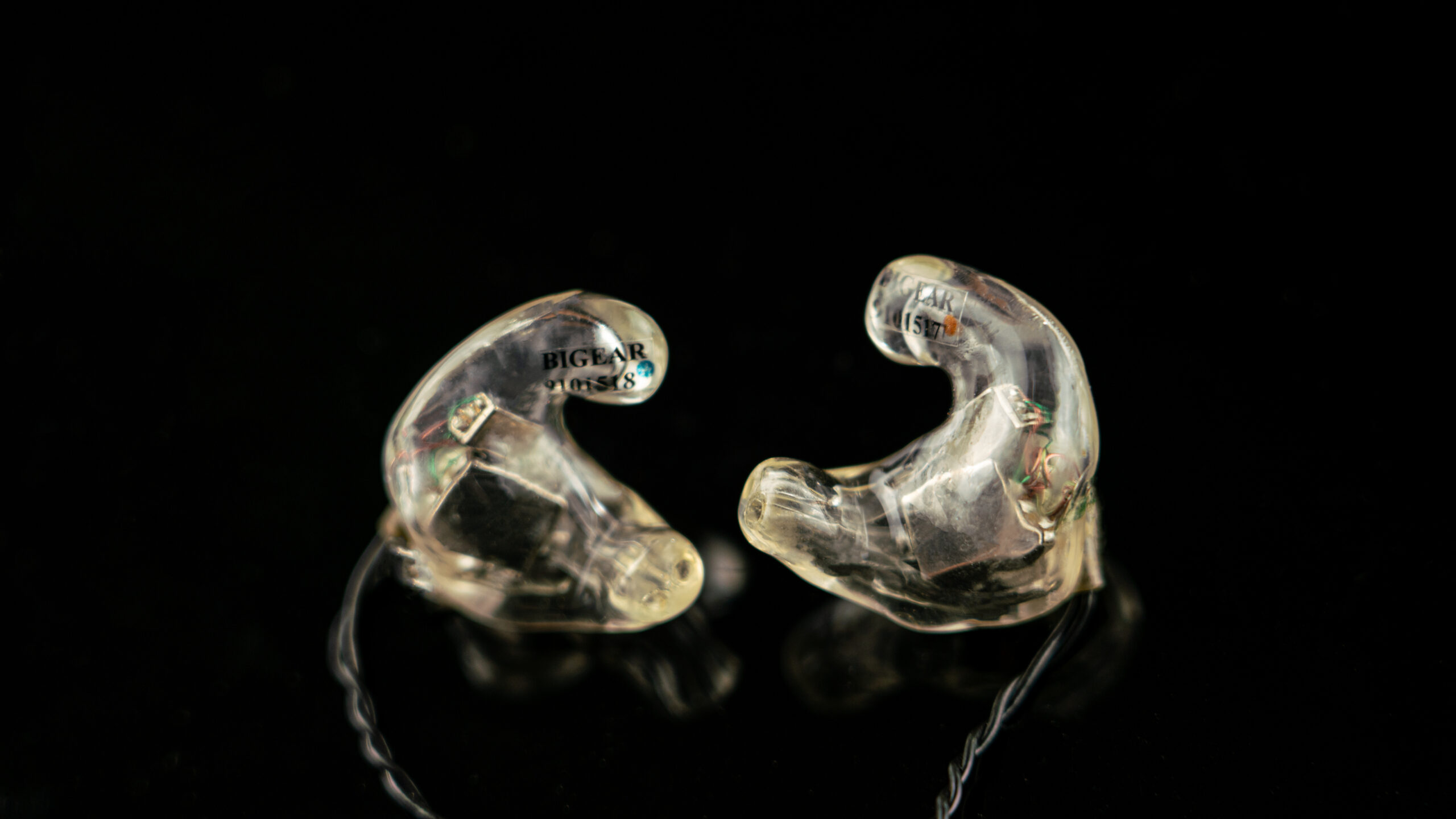
The bottom line
The Linsoul KZ ZS10 Pro Black is the strongest all-round recommendation in the Best in ear monitors group. Its 4BA plus 1DD layout, detachable cable, shaped housing, and lively detailed sound give it the broadest appeal. Choose the Sennheiser IE 100 PRO instead if your priority is a slim, coherent stage monitor with a simple 10mm dynamic-driver design.
The Ultimate Ears UE 350 is the specialist pick for performers who want a triple balanced-armature design and a professional fit concept. For lighter everyday wear, the CCZ Melody and Yinyoo KZ-ZST are easier on the ears, while the CCA CRA is the better match for deep bass and energetic playback.
If you are undecided, choose the KZ ZS10 Pro for the most versatile mix of detail, fit, and replaceable-cable flexibility.
As an Amazon Associate we earn from qualifying purchases.