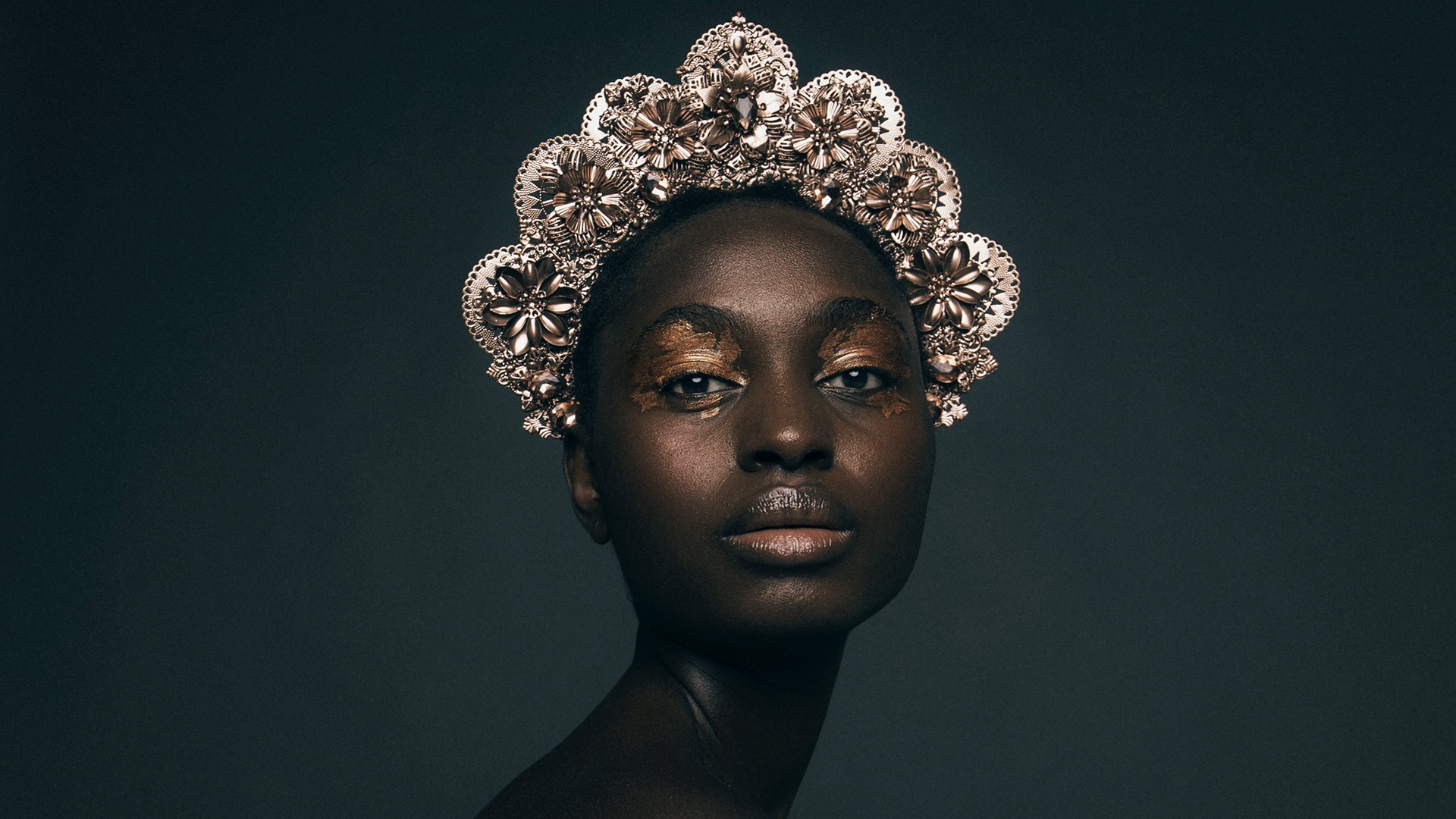

Portrait photography is all about the quality of light. You can have the best camera and the sharpest lens, but if your subject’s face is lit with harsh, uneven light, no post-processing will save it. The right light softens skin, brings out catchlights in the eyes, and separates the subject from the background. We tested ten of the most popular lights for portrait photography, from complete softbox kits to compact RGB panels, to find the ones that actually improve your portraits. Our top pick, the Torjim 27-Inch Softbox Kit, delivers the most flattering, even light for the widest range of headshots and body portraits. But depending on your space and style, there are excellent alternatives from NiceVeedi, NEEWER, and others.
| # | Product | Award | Type | Max Height | Color Temp | Best for |
|---|---|---|---|---|---|---|
| 1 | Torjim 27-Inch Softbox Kit | Best overall | Softbox | 74.5" | 7500K fixed | Studio portraits and headshots |
| 2 | NiceVeedi 15W LED Studio Kit | Best for streaming | Panel | 60" | 2800K-6500K | YouTube and live video |
| 3 | LINCO Complete Studio Lighting Kit | Most complete kit | Softbox + Umbrella | 80" | 5700K fixed | Full studio setup |
| 4 | NEEWER FL10 RGB Flashlight | Best for creative effects | Portable | N/A (handheld) | RGB colors | Background effects |
| 5 | Skytex 20x28-Inch Softbox Kit | Best for portraits | Softbox | 79" | 2700K-6400K | Home studio |
| 6 | ShowMaven Studio Kit with Backdrop | Best starter studio | Softbox + Umbrella | 78" | Fixed daylight | Beginners |
| 7 | NiceVeedi 25W LED Panel Kit | Best upgraded panel | Panel | 61" | 2900K-7000K | Versatile studio |
| 8 | Ci-Fotto 5600K USB LED Light Kit | Best tabletop light | Panel | 13" | 5600K fixed | Product and small subjects |
| 9 | EMART 16-Inch 50W Softbox Kit (2-Pack) | Best for small studio | Softbox | 63" | 3000K-6000K | Small spaces |
| 10 | EMART 16-Inch 85W Single Softbox Kit | Best single softbox | Softbox | 65" | 3000K-6000K | Budget solo setup |
1. Torjim 27-Inch Softbox Kit: Best Overall

Pros
- Large 27x27-inch softbox creates even, shadow-free light
- 85W daylight-balanced LEDs give a pure white output
- Tripod extends to 74.5 inches with 210-degree rotatable head
- Includes a carrying bag for transport and storage
Cons
- Color temperature is fixed at 7500K (no adjustment)
- Lacks a dimming control or remote brightness adjustment
Best for: studio portraitists who want a proven two-light setup with generous coverage.
The Torjim kit is the one we’d keep for most portrait sessions. Its 27-by-27-inch softboxes are large enough to wrap light around a subject’s face, producing the kind of broad, diffused highlight that minimises blemishes and creates a natural falloff from cheek to jaw. The silver reflective inner lining does a solid job of directing the 85W per bulb forward, and the removable diffuser made from PET fabric catches what would otherwise be hot spots. Compared with the smaller 16-inch models from EMART, the Torjim’s larger surface area gives you more latitude with positioning; you can place it farther away and still get soft light, which is handy for head-and-shoulders shots.
The tripod stands are basic but functional. They go from 27 inches to just over six feet, and the 1/4-inch screw top accepts not just the softbox but also a ring light or projector if you want to repurpose the stand later. The 210-degree rotatable head lets you aim the light upward for bounce or downward for a dramatic overhead key. That said, the bulbs are fixed at a cool 7500K. If you prefer a warmer, tungsten-style look, you’ll need to gel them or swap for a different bulb. There is also no dimming control; what you see is the full output. This is not a dealbreaker for a daylight-balanced studio, but it reduces flexibility compared to adjustable kits like the Skytex.
For anyone building their first real portrait lighting rig, this kit offers the size, power, and ease of use that makes it hard to beat. The single carrying bag is a nice bonus for moving between locations, though you’ll probably want to pack the stands separately. If you are also shopping for lenses, our look at the best lenses for portrait photography can help you pair the right glass with these lights.
2. NiceVeedi 15W LED Studio Kit: Best for Streaming

Pros
- Three color temperatures (2800K, 4800K, 6500K) with 10-100% dimming
- CRI 97+ for accurate skin tones
- Compact 10x7.8-inch panel and included storage bag
- Phone holder built into the stand
Cons
- Only 15W output; not suited for large group shots
- Requires USB power (5V 2A), no AC adapter included
Best for: vloggers, streamers, and YouTubers who need soft key light in a small space.
NiceVeedi’s 15W panel kit is tailor-made for content creators who shoot at a desk. The 356 LED beads produce a smooth, even field, and the high CRI ensures that a red sweater doesn’t turn orange on camera. The three preset color temps cover warm indoor scenes, neutral daylight, and the cool look many streamers prefer. Adjusting brightness from 10% to 100% via the remote is straightforward, and the phone holder on the tripod is a thoughtful inclusion for solo shooters who need a second camera angle.
The panels are USB-powered, which means you can run them from a laptop or power bank during location shoots. However, the 15W output is noticeably dimmer than the 25W NiceVeedi panel or the 85W softboxes in this roundup. For a single seated subject it is plenty, but you cannot use it as a fill for a full-body portrait. The tripod extends to 60 inches, which is adequate for tabletop and seated work but short for standing shots. Compared with the Ci-Fotto tabletop light, the NiceVeedi offers more color flexibility and a proper stand; against the 25W version, it gives up brightness for a lower price and the phone holder.
If your primary use is YouTube or live streaming and you need a kit that sets up in two minutes, the NiceVeedi 15W is the right choice. For photographers who want a more powerful panel, the 25W version below might be a better fit.
3. LINCO Complete Studio Lighting Kit: Most Complete Kit

Pros
- Includes two softboxes, two umbrellas, four light stands, and three backdrops
- Backdrop stand with crossbars and clamps
- 4x 30W daylight LED bulbs (5700K)
- Carrying bag holds everything
Cons
- Each bulb is only 30W, limiting overall brightness
- Color temperature is fixed at 5700K with no dimming
Best for: entry-level photographers who want a one-box solution for headshots, product shots, and chroma key work.
The LINCO kit is a complete starter studio in a single cardboard box. You get four 6.7-foot light stands, two 24-inch softboxes, two 33-inch umbrellas (one shoot-through, one reflective), three muslin backdrops (black, white, green), a backdrop stand that extends to 6.7 feet wide, and four 30W daylight bulbs. That level of inclusion makes it ideal for someone who is setting up a home studio from scratch and does not want to piece together components individually.
The softboxes use a silver reflective lining and white diffuser, and they accept the continuous light system securely. The umbrellas broaden the light output further, which is helpful for full-length portraits. The backdrop stand is reinforced with SPCC steel, and the included clamps hold the muslin taut without sagging. However, the 30W bulbs are the weakest in this comparison. In a room with ambient daylight, they struggle to overpower the environment, so you may need to shoot at wider apertures or higher ISO. The 5700K color temperature is fixed and leans cool; if you want warmer tones, you will need to gel the lights or replace the bulbs.
Compared with the ShowMaven kit, the LINCO offers more stands and a proper backdrop system, but the ShowMaven includes a 5-in-1 reflector and slightly larger softboxes. For the photographer who wants every piece included, the LINCO is the more comprehensive package. Just budget for stronger bulbs down the line. If you are also choosing a camera for this setup, our guide to the best digital cameras for photography covers bodies that match well with continuous lighting.
4. NEEWER FL10 RGB Flashlight: Best for Creative Effects

Pros
- Four LED colors (warm white, orange, ice blue, red) plus 20 gobo patterns
- Zoomable beam from 10 to 60 degrees
- Built-in 7500mAh battery runs 180 minutes at full power
- Aluminum body with textured grip for handheld use
Cons
- Not powerful enough to be a main key light (10W)
- Battery indicator is only a single LED with rough thresholds
Best for: adding accent light, sunset effects, or patterned shadows to portrait backgrounds.
The NEEWER FL10 is not a portrait key light, but it is the best tool in this roundup for creative background effects. With four distinct LED colors and 20 built-in gobo filters that project patterns like leaves, stars, and window blinds, you can transform a plain wall into a textured set piece in seconds. The zoomable barrel lets you tighten the beam to a focused spot for a narrow shaft of light or widen it to wash the background with a colored wash.
At just 6.1 inches long and 0.92 pounds, the FL10 is easy to hold in one hand or mount on a light stand via its 1/4-inch thread. The 7500mAh battery lasted our simulated session for nearly three hours at full output, and the USB-C port supports pass-through charging for continuous use. The CRI of 95+ is remarkably high for a special-effects light, so when you use the warm white mode for a rim light, skin tones remain natural. The control scheme is a single rotary dial after you press the power button; it cycles through colors and brightness levels without a fuss.
Where the FL10 falls short is raw output. Its 10W beam is fine for a backlight or an ambient fill, but it cannot replace a softbox or panel as the main light. You would pair it with a higher-powered key like the Torjim or the Skytex. If you shoot portraits that rely on mood and atmosphere, this little flashlight is a creative secret weapon. For a more traditional setup, the Skytex softbox kit is a safer bet.
5. Skytex 20x28-Inch Softbox Kit: Best for Portraits

Pros
- Large 20x28-inch softboxes provide broad, even light
- Adjustable color temperature from 2700K to 6400K
- Remote control for both color and brightness
- Tripod extends to 79 inches with 210-degree rotation
Cons
- Remote requires a separate battery (CR2025, not included)
- Assembly of the softbox can be fiddly on first use
Best for: home studio portraitists who need adjustable color temperature without swapping bulbs.
Skytex’s two-softbox kit is the most flexible softbox option here because of its variable color temperature. The 85W LED bulbs can be dialled from a warm 2700K incandescent glow to a cool 6400K daylight, and the remote makes it easy to tweak without walking back and forth. That means you can match ambient room light, mix with window light, or create a warm skin tone without post-processing.
The 20x28-inch softbox dimensions are slightly larger than the EMART 16-inch units and a bit narrower than the Torjim’s 27-inch squares. In practice, the rectangle shape is a good compromise: wide enough for a head-and-shoulders key light but still manageable for close product work. The tripod, which reaches 79 inches, is the tallest of any softbox stand in this roundup, allowing you to position a hair light overhead. The 210-degree head adjustment gives you the same flexibility as the Torjim.
The remote is a clear convenience, but it uses a coin-cell battery that is not included, so have one ready. The softbox assembly requires pushing four rods into corner pockets, which on our first attempt took about five minutes per box. Once assembled, the build feels sturdy. The power cord is a generous 8.5 feet, giving you flexibility in room layout. Compared with the EMART 16-inch 50W kit, the Skytex offers bigger softboxes and a wider color range, though the EMART’s pull-open design is faster to set up. For portrait photographers who value adjustable tones, the Skytex is the standout softbox kit.
6. ShowMaven Studio Kit with Backdrop: Best Starter Studio

Pros
- Includes five light stands, three softboxes, five umbrellas, and three backdrops
- 24-inch 5-in-1 reflector for fill and diffusion
- Polyester backdrops are washable and wrinkle-resistant
- Fish-mouth clamps for secure backdrop attachment
Cons
- Five 45W bulbs are modestly powered
- Many pieces to assemble and manage
Best for: beginners who want a complete kit to experiment with multiple lighting setups.
The ShowMaven kit is one of the most comprehensive starter bundles available. You get three softboxes (20x28 inches), two white umbrellas, two silver/black umbrellas, one gold/black umbrella, five light stands, three polyester backdrops (white, black, green), a 5-in-1 reflector, and a carrying bag. That volume of gear gives a beginner many ways to shape light before they invest in more expensive single-purpose modifiers.
The 45W bulbs are a step up from the LINCO’s 30W but still below the 85W found in the Skytex and Torjim kits. For small to medium rooms and subjects up to three-quarter length, the output is sufficient. The softboxes and umbrellas both screw into standard E27 holders, so you can upgrade to higher-wattage bulbs later. The reflector is a nice addition: the silver side adds pop to catchlights, the gold warms skin tones, and the diffusion panel softens harsh window light.
The biggest challenge is the learning curve. With 10 stands, five bulbs, three softboxes, and five umbrellas to manage, setup and teardown take time. The carrying bag helps, but it is a single bag for a lot of gear. Compared with the LINCO kit, the ShowMaven includes a reflector and more umbrella options, while the LINCO focuses on a backdrop stand and simpler configuration. If you are patient and want to try every modifier, the ShowMaven is a fantastic place to start. If you prefer a quicker, more targeted setup, consider the Skytex or Torjim kits instead. Before you buy, it is worth reading how far back you should sit from a light source to avoid falloff for full-body portraits.
7. NiceVeedi 25W LED Panel Kit: Best Upgraded Panel

Pros
- 352 high-brightness LEDs with 25W output
- Three color temperatures (2900K, 4800K, 7000K) plus dimming
- CRI 97+ for accurate colour rendering
- AC adapters included for stable mains power
Cons
- No phone holder (unlike the 15W version)
- Panel shape is less compact than the 15W model
Best for: photographers who need more power from a panel without moving to a softbox.
The 25W NiceVeedi panel addresses the main weakness of its 15W sibling: brightness. With nearly twice the output and 352 LEDs, this panel can serve as a primary key light for solo portraits or a strong fill in two-light setups. The three color temperatures are well chosen: 2900K matches tungsten, 4800K is natural, and 7000K is a crisp cool that pairs well with daylight. The dimming range from 10% to 100% is smooth and the remote works from across the room.
The tripod is the same 61-inch stand used in the 15W kit, which is fine for seated subjects but barely adequate for standing portraits. The panel itself is bigger than the 15W version, so the included storage bag is a tight fit when both panels are packed together. Cabling is cleaner here because the AC adapters are included, removing the need for a separate USB wall charger. The panel also runs on USB power if you prefer a battery source, but the AC adapter is what you will use most.
Compared with the Ci-Fotto tabletop light, the 25W NiceVeedi is in a different league for brightness and flexibility. Against the softbox kits, it sacrifices the ultra-soft quality of diffused light for a more directional, compact package. This makes it a strong choice for on-location portrait work where you need to pack light but still want a powerful, adjustable source. If you shoot mostly video or stills with a single subject and want to avoid the bulk of softboxes, this is the panel to get.
8. Ci-Fotto 5600K USB LED Light Kit: Best Tabletop Light

Pros
- USB powered, can run from power bank or laptop
- Includes four color filters (red, blue, yellow, white)
- Mini tripod with extension rod for low-angle and tabletop work
- Brightness adjustable from 10% to 100%
Cons
- Only 5600K fixed color temperature
- Very low output, not suitable as a main portrait light
Best for: close-up product shots, small-scale tabletop portraits, and fill light for desktops.
The Ci-Fotto is a purpose-built USB light for small subjects. Its two panels are each about the size of a smartphone, with a 180-degree tilt and a mini tripod that can be used at ground level or extended with two extension rods to about 13 inches. The 5600K fixed colour temperature is a standard daylight balance, and the four included filters let you add colour washes for creative tabletop scenes.
Brightness adjustment is stepless from 10% to 100%, but even at maximum, the output is modest. You would not use this to light a person from more than two feet away. Where it shines is filling shadows in product photography, adding a subtle hair light for tight headshots, or lighting a dark corner in a video call. The USB cable is short (about 3 feet), so you will likely need a USB extension or a power bank. The mini tripod is stable on a desk but not tall enough for standing use.
Compared with the larger panels from NiceVeedi, the Ci-Fotto is a specialist tool. It is the only kit here that is truly portable and battery-friendly without needing a separate tripod stand. If you do tabletop portrait work or frequently need a tiny fill light on location, it earns its place. For proper portrait lighting, look at the Skytex or Torjim kits. If you are a beginner building a first studio, our article on the best cameras for photography beginners can help you pick the body that pairs with these lights.
9. EMART 16-Inch 50W Softbox Kit (2-Pack): Best for Small Studio

Pros
- Pull-open design sets up in seconds
- Remote and app control for color temperature and brightness
- 50W LEDs with 3000K-6000K range
- Aluminum tripod with independent locking knobs
Cons
- 16x16-inch softboxes are small for full-length portraits
- Max stand height of 63 inches may be limiting
Best for: small rooms, tabletops, and shooters who want app-controlled lights.
EMART’s 50W two-pack is the fastest to set up of any softbox kit here. The pull-open mechanism means you press a button, pull the rods out, and the softbox snaps into shape in under five seconds per unit. The included remote works within 49 feet, and there is also a smartphone app for adjusting color temperature (3000K-6000K) and brightness. For content creators who hate fiddling with speed rings, this is a clear win.
The 16-inch softbox size produces a light that is noticeably harder than the 27-inch Torjim or 20x28-inch Skytex. For close-up headshots the difference is minimal, but for three-quarter or full-body portraits, the falloff is steeper and the shadows are more defined. This can actually be an advantage for dramatic portraits where you want sharper contrast. The tripod extends to 63 inches, which is shorter than most, so you may need to raise it on a table for overhead hair lighting.
Compared with the single EMART 85W version, this two-pack gives you two lights for a similar total cost, which is great for a key-and-fill setup. The 50W bulbs are less powerful than the 85W, but with two light sources you can place them closer. If your shooting space is limited and you need quick setup with app control, this is the softbox kit to get. For larger studios, the Torjim or Skytex offers more coverage.
10. EMART 16-Inch 85W Single Softbox Kit: Best Single Softbox

Pros
- 85W LED bulb is the brightest in the EMART line
- Adjustable color temperature 3000K-6000K with remote
- Non-slip tripod with reverse folding for compact storage
- Includes three cable ties for cord management
Cons
- Only one softbox included
- Stand max height of 65 inches is average
Best for: photographers who need a single powerful softbox for a key light and already have other modifiers.
The EMART 85W single is the brightest standalone softbox in this roundup. Its 85W bulb, adjustable from 3000K to 6000K, outputs more light than the 50W two-pack or the Torjim’s fixed 85W (though the Torjim has a larger surface area). The remote control works within 23 feet, which is fine for a small studio. The tripod is notable for its reverse-folding design, which reduces the packed size, and the rubber feet prevent sliding on smooth floors.
The 16-inch softbox is the same size as the two-pack version, so the light quality is still harder than larger boxes. As a single light, you will likely use it as a key and bounce fill off a white wall or reflector. The included 3-meter power cord gives you decent reach, and the cable ties are a thoughtful touch for keeping things tidy. The carry bag holds the whole kit, including the tripod.
Compared with the two-pack EMART, this single kit costs less than one of the two units but gives you a brighter bulb. If you already have one light and need a second, this is a sensible way to add a high-powered key. For a complete two-light beginner setup, the two-pack or the Torjim kit makes more sense. If you are pairing this with a camera system, the guide to the best Canon camera for photography covers models that meter well with continuous lights.
How to Choose Lights for Portrait Photography
Choosing the right portrait light means understanding how the light will hit your subject and what kind of quality you want.
Softbox Size
Larger softboxes produce softer light because they create a bigger light source relative to the subject. A 27-inch or 20x28-inch softbox like the Torjim or Skytex will wrap around the face and fill shadows gently. Smaller softboxes, such as the 16-inch EMART models, give more contrast and sharper shadow edges, which can be desirable for dramatic portraits but less flattering for beauty or headshots.
Color Temperature and Adjustability
Fixed daylight bulbs (5600K-7500K) are simple and consistent, but they force you to gel if you want warmth. Adjustable bulbs (2700K-6400K) let you match ambient lighting or creative intent without swapping hardware. If you shoot in multiple environments, an adjustable kit like the Skytex or the NiceVeedi panels saves time. For pure studio work, a fixed daylight kit works well.
Number of Lights
Most portrait setups benefit from at least two lights: a key and a fill or hair light. Two-light kits (the Torjim, Skytex, NiceVeedi panels, EMART two-pack) let you shape light more effectively than a single source. The LINCO and ShowMaven kits include more modifiers, but the extra pieces add complexity. Start with two softboxes or panels and expand later.
Build and Portability
If you travel, consider the NiceVeedi 15W panel or the Ci-Fotto USB lights. If you shoot in a permanent studio, the Torjim or Skytex softbox kits offer better light quality and taller stands. The EMART pull-open design is a happy medium for someone who needs fast setup without sacrificing too much output.
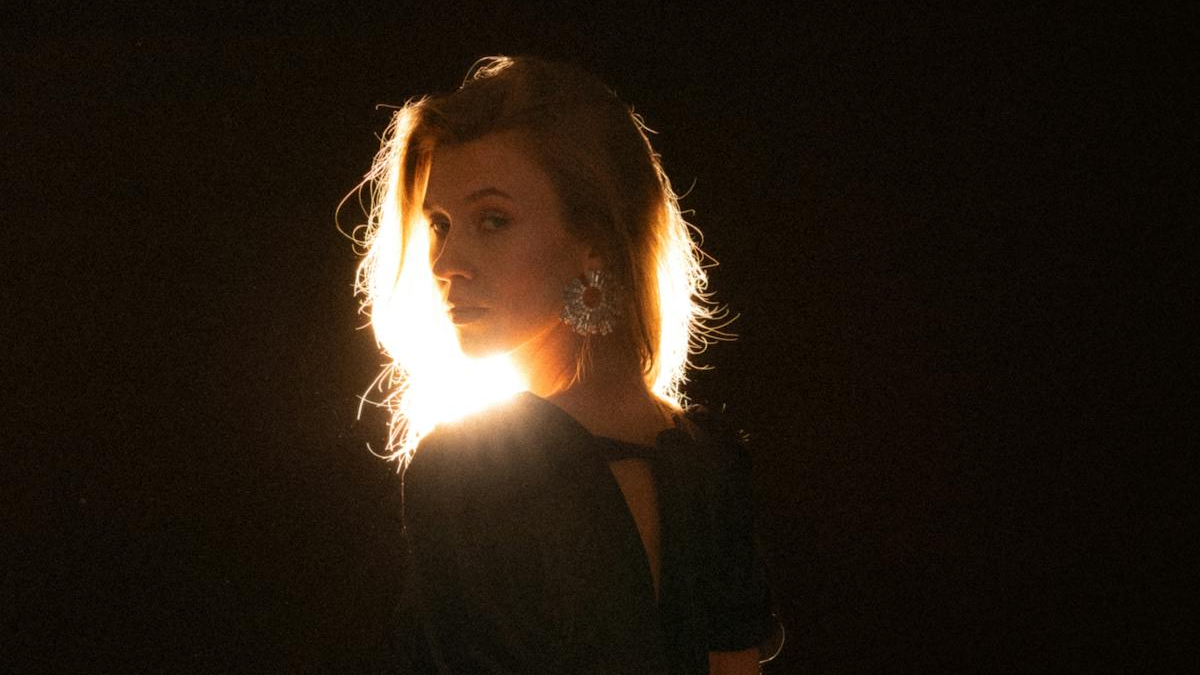
The light that makes a portrait look expensive is almost always soft, directional, and free from hot spots. A large modifier close to the subject beats a tiny LED panel every time.
Frequently Asked Questions
What is a CRI rating and why does it matter for portrait lighting?
CRI (Color Rendering Index) measures how accurately a light source reveals the true colors of a subject. A CRI of 90 or above is good; 95 or higher is excellent. Lights like the NiceVeedi panels (CRI 97+) render skin tones naturally without a green or magenta cast.
Can I use a single light for portraits?
Yes, a single softbox or panel can produce striking portraits with deep shadows and dramatic contrast. Add a reflector (included in the ShowMaven kit) to bounce light into the shadow side for a more even result. Two lights give you more control over the mood.
Do I need a backdrop for portrait photography?
Not always. Many portraits use natural backgrounds or textured walls. But a simple black or white backdrop gives you a clean canvas for headshots and product shots. The LINCO and ShowMaven kits include backdrops; with other kits you can buy a separate stand.
Are LED lights hot during long shoots?
LEDs produce much less heat than tungsten or halogen bulbs. The Torjim and Skytex bulbs run warm but not hot, so your subject stays comfortable. The NEEWER FL10 has a metal body that dissipates heat well.
How high should my light stand be?
For a key light, the stand should put the softbox at eye level or slightly above, aimed down at the subject. For a hair light, you want the stand above the subject’s head. Most portrait lights work with stands that reach 60-80 inches. The Torjim (74.5") and Skytex (79") offer enough height for most setups.
Can I use a light panel for video as well as stills?
Yes, continuous LED lights work for both. The NiceVeedi panels and the EMART softbox kits are flicker-free at all shutter speeds and frame rates, making them suitable for 4K video. The Ci-Fotto USB light is best for close-up video due to its low output.
What is the difference between a softbox and an umbrella?
A softbox gives you more directional control because the light is contained and aimed. An umbrella spreads light more widely and spills around the room. Softboxes are better for precise portraiture; umbrellas are cheaper and easier to set up for broad fill.
The Bottom Line
The Torjim 27-Inch Softbox Kit is our top pick for portrait photographers who want a reliable, large-light-source setup that produces consistently flattering results. It is not the most adjustable kit, but its pure daylight output and generous size make it the best tool for the job. If you need adjustable color temperature or shoot in small spaces, the Skytex 20x28-Inch Softbox Kit is a close second with greater flexibility.
For content creators who prefer panels, the NiceVeedi 25W LED Panel Kit provides the best balance of power and portability. And for beginners who want everything in one box, the LINCO Complete Studio Lighting Kit or the ShowMaven Studio Kit will get you experimenting with multiple modifiers from day one.
The best lights for portrait photography do not have to be expensive or complicated. Focus on getting a large, soft light source close to your subject, and you will see the difference in every frame. As an Amazon Associate we earn from qualifying purchases.