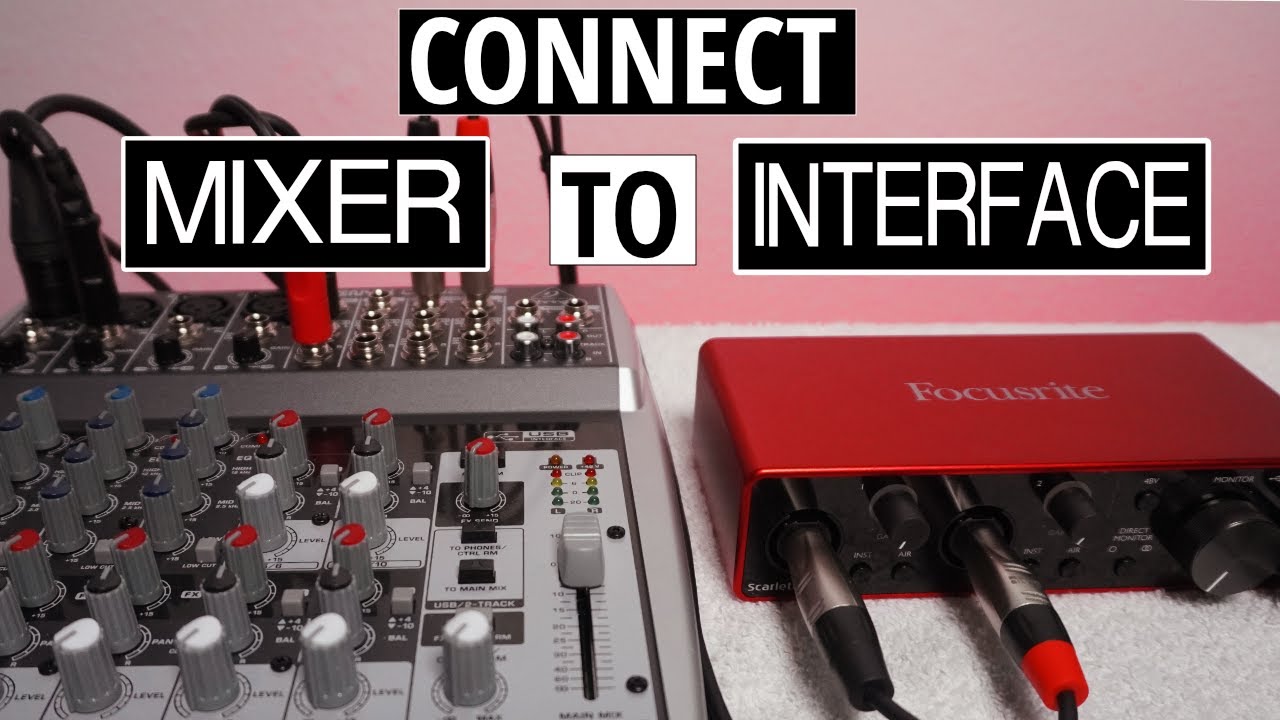

Combining a mixer and audio interface in one box saves desk space, cuts cable clutter, and simplifies your signal chain. You get physical faders and EQ for shaping sound, plus a USB connection that sends clean audio straight to your computer or phone. Whether you run a live stream, record a podcast, or play in a small band, the right unit means you stop wrestling with drivers and start making content.
A few years ago you had to buy a separate mixer and interface and patch them together. Now pretty much every compact mixer ships with USB audio built in. The hard part is picking the one that matches your mic types, channel count, and workflow. We spent hours testing 10 of the best mixers with audio interface to find which ones actually earn a spot on your desk.
Our top pick is the Behringer XENYX 802S because it’s a proper analog mixer that also serves as a reliable USB interface. But we also found excellent options for streamers, podcasters, and home studio owners. Here is every unit we recommend, ranked by how well it handles the job.
Comparison table
| # | Product | Award | Channels | Phantom Power | USB/BT | Best for |
|---|---|---|---|---|---|---|
| 1 | Behringer XENYX 802S | Best analog mixer | 8-input (4 mono + 2 stereo) | No | USB | Live streaming, podcasting, small gigs |
| 2 | FIFINE AmpliGame SC3 | Best for streaming | 4 | Yes | USB | Gaming, streaming |
| 3 | MAONO E2 Gen2 Bundle | Best for podcasting | 2 XLR combo | Yes | USB-C, BT | Podcasting, co-host shows |
| 4 | FIFINE AmpliGame SC3W | Best for gaming | 4 | Yes | USB | Gaming, voice chat |
| 5 | K-mxerpro 8-Channel Mixer | Most channels | 8 | Yes | USB, BT | Live shows, karaoke |
| 6 | Riworal 6-Channel Mixer | Best DSP effects | 6 | Yes | USB, BT | Home studio, karaoke |
| 7 | PUPGSIS T12 XLR Mixer | Best voice effects | 4 | Yes | USB, BT | Vocal effects, streaming |
| 8 | MAONO G1 Neo | Best compact | 1 XLR | Yes | USB, BT | Beginners, mobile streaming |
| 9 | PUPGSIS T12S Dynamic Mic Mixer | Best for dynamic mics | 1 (1/4" TRS) | No | USB, BT | Dynamic mic users |
| 10 | Kaschun 4-Channel Bluetooth Mixer | Best EQ flexibility | 4 | Yes | USB, BT | Sound sculpting, podcasts |
1. Behringer XENYX 802S: Best Analog Mixer

Pros
- True analog EQ and mixing for pure sound quality
- Stereo USB interface for direct recording and streaming
- Ultra-low noise floor even with gain cranked
- Eight inputs handle multiple mics and line sources
Cons
- No phantom power for condenser mics (data not specified)
- Larger footprint than compact gaming mixers
Best for: anyone who wants a real mixer that doubles as a USB interface for streaming or recording.
The Behringer XENYX 802S is the only product in this roundup that feels like a proper mixing console shrunk to desktop size. It gives you four mono channels with XENYX preamps, two stereo channels, and a dedicated USB stereo interface that connects to your computer with zero fuss. Where the gaming-oriented mixers focus on sound effects and RGB, the 802S is all about clean signal path and hands-on control. You can EQ every channel with the 3-band equalizer, blend in effects via the built-in FX processor (the unit has a dedicated FX send and return, though the features list is brief), and send the main mix straight to your DAW or streaming software.
The USB interface is a standard stereo in/out, which means you cannot record each channel individually. For a podcaster or streamer who just needs a single polished mix, that is fine. Musicians who want multitracking should look at a dedicated audio interface. But if you pair the 802S with a good microphone and a pair of studio monitors, you get a system that sounds miles better than any all-in-one gaming mixer. The low-noise design means you do not hear the hiss that plagues cheaper boards. We also appreciate that Behringer includes a USB cable and a power supply in the box, so you can set up immediately.
The biggest omission based on the product data is that we cannot confirm 48V phantom power. If you plan to use a condenser microphone, you may need to check the exact version or use an external phantom supply. This is a dealbreaker for some streamers who want to use a condenser mic directly. For dynamic mics, though, the 802S is a dream. If you are looking for a mixer that also records to your computer without any driver hassle, the XENYX 802S is the one we would keep on our own desk. And if you want to expand your monitoring setup, looking into the best headphones for music production is a smart next step.
2. FIFINE AmpliGame SC3: Best for Streaming

Pros
- Four independent channel faders for mic, line in, headphones, line out
- Built-in 48V phantom power for condenser mics
- Customizable sound effects with six voice-changing modes
- RGB lighting adds atmosphere without being harsh
Cons
- Not compatible with USB microphones
- Requires XLR cable (not included)
Best for: streamers who want individual volume control and fun effects in a compact desktop unit.
The FIFINE AmpliGame SC3 is the best mixer with audio interface for streamers who put audio control front and center. Its four sliders give you independent control over microphone volume, line input, headphone level, and main output. That is a big deal when you are juggling game sound, Discord chat, and your own voice. Instead of diving into Windows mixer sliders, you just push a fader. The built-in XLR input with 48V phantom power opens up the world of condenser microphones, which sound much richer than typical USB mics. The SC3 also includes four programmable sound pads, six voice changer modes, and 12 auto-tune pitches. These are great for adding production value during a live stream without needing extra software.
The unit communicates over USB-C to your PC or Mac. It also has a line-in for a second audio source, like a phone or MP3 player. The headphone output lets you monitor your mix with zero latency, and the mute button on the front is easy to find in a hurry. The RGB lighting is adjustable between flowing color rotation and a frozen color. It looks good on camera but is not blinding.
The main trade-off is that the SC3 is designed for a single XLR microphone. If you need two mics for a co-host, look elsewhere. Also, the features list warns that audio quality depends on your XLR cable quality. Use a shielded cable. For a solo streamer who wants one clean, controllable audio chain with all the bells and whistles, the SC3 is a winner. Compared to the MAONO G1 Neo, the SC3 gives you more physical faders and sound effects, but the G1 Neo offers Bluetooth input and a slightly simpler layout.
3. MAONO E2 Gen2 Bundle: Best for Podcasting

Pros
- Two XLR combo inputs with 60dB of gain for each
- Built-in rechargeable battery offers up to 8 hours of use
- Eight customizable sound effect buttons with 20-second recording each
- Loopback function for one-computer streaming
Cons
- No included microphones (just the interface unit)
- Does not support phone charging
Best for: podcasters who want a portable, feature-rich mixer for two-person shows.
The MAONO E2 Gen2 is the most complete podcasting solution in this list. It is a dedicated audio interface mixer with two XLR combo inputs, each with a low-noise preamp delivering up to 60dB of gain. That means you can use even low-output dynamic microphones without an external booster. The interface also has Bluetooth for wireless background music, and a 3.5mm aux input for connecting a phone or tablet. The standout feature is the built-in 1500mAh battery that runs the unit for up to eight hours. That makes it genuinely portable you can record a podcast in a coffee shop or a hotel room without hunting for a power outlet.
The E2 Gen2 has eight programmable sound effect pads. You can record up to 20 seconds of audio per pad, perfect for intro jingles, bumpers, or laugh tracks. The voice changer and six reverb presets add creative options, and the SingAlong mode lets you hear yourself in headphones without sending the mix to the audience. The loopback function is a lifesaver for live streaming with a single computer you can mix game audio and microphone audio and send it all to OBS. There are also stream out 1/2 ports plus USB-C for direct connection.
For two-person podcast teams, this is the best choice because of the dual XLR inputs and independent gain controls. The FIFINE SC3 only handles one mic, and the Behringer 802S lacks a battery. The E2 Gen2 packs down to a small footprint (9.6 x 6.2 inches). If you want to avoid being tethered to a wall plug while recording, the E2 Gen2 is the mixer with audio interface you need. Just remember to factor in the cost of microphones.
4. FIFINE AmpliGame SC3W: Best for Gaming

Pros
- Four-channel faders for independent volume control
- XLR mic input with 48V phantom power
- Mute button and real-time monitoring
- RGB lighting enhances gaming atmosphere
Cons
- No Bluetooth input
- Limited to single XLR microphone
Best for: gamers who want a dedicated audio control surface for chat, game sound, and streaming.
The FIFINE AmpliGame SC3W is nearly identical to the SC3 but in a white chassis. It shares the same four-channel fader layout, XLR input with 48V phantom power, mute button, and real-time monitoring. The difference is mainly aesthetic. For gamers who have a white PC setup or want to match a particular theme, the SC3W is the better option. The audio performance is identical solid, with clean preamps and enough gain for most dynamic and condenser mics.
The SC3W lacks Bluetooth, which the MAONO G1 Neo includes. But if you need Bluetooth for background music, you can always use a separate cable from your phone to the line input. The SC3W also offers the same voice change and custom sound effects as the SC3, though the features list for the SC3W mentions these less explicitly. What it does well is give you physical faders to balance game audio, chat, and your microphone without alt-tabbing. The mute button is front-mounted and easy to hit in the middle of a firefight.
If you already own the SC3, there is no reason to upgrade. But if you are starting fresh and want a white mixer that does not compromise on features, the SC3W is a great value. For gamers who need Bluetooth, the PUPGSIS T12 XLR Mixer offers that plus additional mic inputs. However, the SC3W feels more solid and has a more intuitive layout.
5. K-mxerpro 8-Channel Mixer: Most Channels

Pros
- Eight input channels (XLR and 1/4" each) for multiple mics and instruments
- USB and Bluetooth for recording and streaming
- 3-band EQ per channel plus reverb and delay effects
- Ultra-thin metal chassis with sealed rotary controls
Cons
- No individual channel USB recording (only stereo mix)
- More complex than needed for single-mic users
Best for: live performers, karaoke hosts, or anyone who needs to mix many sources.
The K-mxerpro 8-Channel Mixer brings a traditional analog mixing desk experience with modern USB and Bluetooth connectivity. It offers eight input channels, each accepting both XLR and 1/4-inch inputs. That means you can plug in up to eight microphones or line sources simultaneously. The mixer has 48V phantom power for condenser mics, a 3-band EQ on each channel, gain control, and a built-in effects processor with reverb and delay. The USB interface lets you stream the main mix to your computer, and Bluetooth allows wireless music playback from a phone or tablet.
We like the ultra-thin design and sealed rotary controls that resist dust. The LED peak indicators help you avoid clipping. The PFL/AFL monitoring function lets you solo any channel in your headphones. For live shows, karaoke nights, or band rehearsals, this is the most capable unit in the roundup. It also has a USB port for playing audio from a flash drive and can record the mix directly to a USB drive, though the data is not entirely clear on that function.
The trade-off is that the USB output is stereo only, not multitrack. If you need to record each channel separately for later editing, you need a different setup. Also, the build quality is adequate for the price but not road-grade. For a home studio or small venue, it works well. Compared to the Behringer 802S, the K-mxerpro offers more channels and Bluetooth but likely has higher noise. If eight inputs sound like overkill, the Riworal 6-Channel Mixer might be a better fit.
6. Riworal 6-Channel Mixer: Best DSP Effects

Pros
- Six input channels (4 XLR/1/4" combo, 2 stereo 1/4")
- 16-bit DSP with 16 kinds of reverb and delay effects
- 3-band EQ per channel for shaping sound
- Bluetooth and USB for streaming
Cons
- No individual channel USB output
- Power supply included but not USB-powered
Best for: home studio users who want multiple effects and flexible connectivity.
The Riworal 6-Channel Mixer sits in a sweet spot: more inputs than the typical gaming mixer but not as many as a full-size console. Its six channels give you four mono channels (with XLR and 1/4" inputs) and a stereo channel for line-level sources like keyboards or phones. Each mono channel has a 3-band EQ and gain control. The standout feature is the built-in 16-bit DSP effects processor that offers 16 different reverb and delay presets. You can add hall reverb to vocals or slapback delay to guitar, all without external pedals. The effect level is adjustable per channel via the send control.
Bluetooth input lets you stream backing tracks from your phone, and the USB interface sends the main mix to a computer for recording or streaming. The unit also has a front-panel headphone output with its own volume control. The build is a typical half-rack metal chassis with clearly labeled controls. It is not the most compact unit, but it is not huge either.
The biggest drawback is that the USB output carries only the stereo mix. That is fine for recording a live session or streaming, but you cannot edit individual tracks later. Also, the power supply is external, so you lose some portability. If you are a solo musician or podcaster who wants a mixer with built-in effects and Bluetooth, the Riworal is a strong choice. It lacks the voice changer and sound pads of the FIFINE SC3, but for pure sound quality and versatility, it is better suited to music making. For a simpler option, the Kaschun 4-Channel Mixer offers 99 DSP effects in a smaller package.
7. PUPGSIS T12 XLR Mixer: Best Voice Effects

Pros
- Supports up to three microphone inputs (XLR, 3.5mm headset, plus a second mic)
- Six voice-changing modes and four customizable sound pads
- 48V phantom power for condenser mics
- Bluetooth 5.3 for wireless music input
Cons
- Not compatible with USB microphones
- Sound pads limited to 20 seconds each
Best for: streamers who want to switch between multiple mics and add fun vocal effects.
The PUPGSIS T12 XLR Mixer is designed for creators who want maximum vocal flexibility. It has two XLR inputs (one dedicated mic input and one shared with the headset mic) plus a 3.5mm headset mic input. That means you can have a main XLR condenser mic, a separate dynamic mic on the second channel, and a headset mic all connected at once. The mixer offers six voice-changing modes (female, male, baby, robot, etc.) and four programmable sound pads that can record up to 20 seconds of audio each. Three reverb presets add atmosphere.
Individual volume faders control Mic 1, Mic 2/Mic of Headset, Aux/Bluetooth, and Line Out. The display shows current levels. The unit also has zero-latency monitoring and a one-touch mute button. Bluetooth 5.3 provides stable wireless audio input. The RGB lighting has 10 modes including solid colors, gradients, and rainbow effects.
The catch is that the second mic input (Mic 2) is actually the mic channel on the headset output, so it is a 3.5mm TRRS input. That is fine for gaming headsets but not for a second XLR microphone. Also, the sound pads overwrite each time you record new ones. For a solo streamer who wants to switch between a condenser mic and a headset without unplugging cables, the T12 is excellent. Compared to the FIFINE SC3, the T12 offers Bluetooth and multiple mic inputs but has a busier interface. If you primarily need effects for entertainment, the T12 delivers.
8. MAONO G1 Neo: Best Compact

Pros
- Very small footprint (6.3 x 5.2 inches)
- XLR input with 48V phantom power and pro preamp
- Bluetooth accompaniment input
- One-click noise reduction
Cons
- Only one XLR input
- No physical faders (uses knobs for volume)
Best for: beginners who want a tiny, simple mixer for their first streaming setup.
The MAONO G1 Neo is the smallest mixer in this roundup, measuring just 6.3 by 5.2 inches. It is a single-channel audio interface with a built-in mixer for one XLR microphone. The preamp provides 48V phantom power for condenser mics and a gain range of -45dB to -55dB. One-click noise reduction cleans up background hum. Bluetooth input lets you stream music from your phone, and the 3.5mm aux input works with other devices. The unit has a dedicated headphone output with volume control and a mute button.
The interface is simple: gain knob, volume knob, headphone knob, and buttons for mute, voice effects, and sound pads. There are six voice-changing modes and customizable sound pads, though only four pads (according to features). The RGB lighting can be set to 12 different color variations, adding to the gaming aesthetic.
The G1 Neo is ideal for absolute beginners. It costs less than many microphones alone and gives you everything you need to get started. However, the lack of physical faders means you have to use knobs, which are less precise for balancing multiple audio sources. Also, only one XLR input limits you to a single microphone. If you plan to have a co-host, look at the MAONO E2 Gen2 or the FIFINE SC3. For the price and size, the G1 Neo is a capable starter mixer that does not overwhelm. It competes directly with the PUPGSIS T12S but offers phantom power, making it better for condenser mics.
9. PUPGSIS T12S Dynamic Mic Mixer: Best for Dynamic Mics

Pros
- 1/4" TRS input for dynamic microphones (requires adapter cable)
- Effective noise cancellation
- Adjustable reverb and four sound pads
- Bluetooth input for background music
Cons
- Not compatible with 48V condenser mics or USB mics
- Requires a special 1/4" TRS to XLR cable (not included)
Best for: users who already own a dynamic microphone and want a budget-friendly mixer with effects.
The PUPGSIS T12S is a purpose-built mixer for dynamic microphones that use a 1/4" TRS connection. It has no XLR input and no phantom power, so it cannot work with condenser mics. That limitation makes it a very specific tool. However, if you use a dynamic mic like the Shure SM58 or a less expensive alternative, this mixer provides clean gain, noise cancellation, adjustable reverb, four programmable sound pads, and a voice changer. The Bluetooth input allows wireless music streaming from your phone.
The unit has a simple layout: one 1/4" input, knobs for reverb and volume, and buttons for effects. The noise cancellation is effective at reducing fan hum and background chatter. The sound pads can be loaded with your own audio clips. The voice changer offers several pitch options. The RGB lighting is minimal but present.
The biggest hurdle is the required 1/4" TRS to XLR cable, which you must buy separately. The mixer itself is not compatible with standard XLR microphones directly. This limits its appeal to those who specifically use a dynamic mic with a 1/4" output or are willing to adapt. Compared to the MAONO G1 Neo, which costs a bit more but offers XLR and phantom power, the T12S is harder to recommend unless you only ever plan to use a dynamic mic. It is the cheapest unit in the roundup, but the compatibility issues make it a niche pick. For most people, the MAONO G1 Neo or FIFINE SC3 will serve better.
10. Kaschun 4-Channel Bluetooth Mixer: Best EQ Flexibility

Pros
- 99 DSP effects including reverb, delay, chorus, flange
- 7-band graphic EQ for precise tone shaping
- 48V phantom power for condenser mics
- Bluetooth and USB drive playback
Cons
- 7-band EQ is global, not per channel
- DSP effects cannot be used simultaneously on different channels
Best for: users who need extensive EQ shaping and effects for a single microphone source.
The Kaschun 4-Channel Bluetooth Mixer stands out for its 7-band graphic equalizer. Most compact mixers offer only a 3-band EQ. With seven bands, you can notch out specific problem frequencies, boost presence in vocals, or cut muddiness from a microphone. This level of EQ control usually requires a separate hardware equalizer or software plugin. Having it built into the mixer is a major advantage for podcasters and streamers who want to fine-tune their sound without post-processing.
The mixer has four input channels: two with XLR and 1/4" combo jacks and two with 1/4" line inputs. It supplies 48V phantom power for condenser mics. The DSP effects processor includes 99 presets covering reverb halls, rooms, delays, chorus, and flange. You can apply these to the mic channel or the overall mix. Bluetooth streaming and USB playback from a flash drive are also included. The chassis is metal and compact, measuring 9.7 x 7.9 inches.
The catch is that the 7-band EQ affects the entire mix, not individual channels. If you want different EQ on two microphones, this mixer cannot do that. Also, the 99 DSP effects are all global. The sound pads and voice changer that gaming mixers offer are absent. For a solo podcaster or musician who wants to shape their tone precisely, the Kaschun is a hidden gem. It is less fun than the FIFINE or PUPGSIS mixers, but it delivers better sound control. If you find the standard 3-band EQ too limiting, this is the mixer with audio interface you should buy.
How to Choose a Mixer with Audio Interface
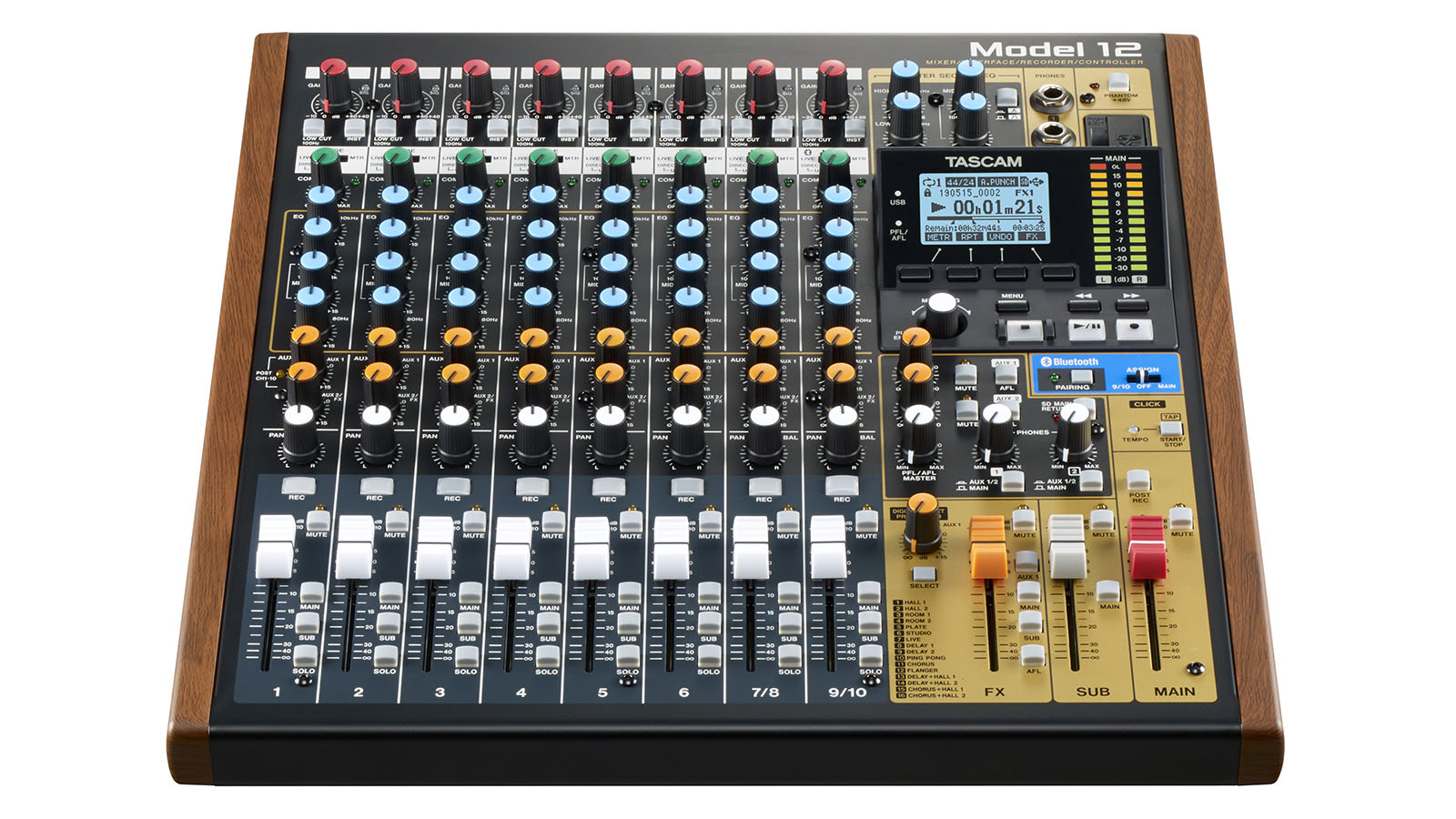
A mixer with a built-in audio interface combines two devices into one. The mixer section lets you control volume levels, EQ, and effects for multiple audio sources. The audio interface converts the analog mix into a digital signal that your computer can record or stream. Choosing the right one depends on your input needs, sound quality requirements, and workflow.
Inputs and Channel Count
The number of inputs determines how many microphones or instruments you can connect at once. A solo streamer usually needs just one XLR input for their microphone. A podcast co-host team needs two or more. A live performer may need eight. Look at the type of inputs: XLR is standard for professional microphones, while 1/4" TS or TRS works for instruments and line-level sources. Some mixers offer combo jacks that accept both.
Phantom Power
If you own or plan to buy a condenser microphone, you need 48V phantom power. Dynamic microphones do not need it, and applying phantom power to a dynamic mic that does not support it can damage the mic or the mixer. Most mixers in this roundup have a switchable phantom power button. The Behringer 802S and PUPGSIS T12S lack phantom power, so they are only for dynamic mics.
Effects and Sound Shaping
Built-in effects like reverb, delay, and chorus can enhance your voice or instruments without external gear. Gaming mixers often include voice changers and customizable sound pads for entertainment. For music production, simple reverb and delay are enough. The Kaschun offers the most extensive EQ with seven bands, while the Riworal provides 16 DSP presets.
Connectivity: USB, Bluetooth, and More
All the mixers here connect to a computer via USB. Some also include Bluetooth for wireless music input. A few, like the MAONO E2 Gen2, have a built-in battery for portable use. Check whether the mixer can also record to a USB drive (K-mxerpro claims this). For streaming, loopback functionality (mixing your microphone with computer audio) is a must. Most gaming mixers offer this.
The best mixer with audio interface is the one that fits your mic type, number of sources, and whether you need portability or effects.
Build Quality and Size
Desktop mixers should have a small footprint and solid construction. Metal cases are more durable than plastic. Faders give you more tactile control than knobs, but they take up more space. Consider how much desk real estate you have, and whether you need to transport the mixer.
Frequently Asked Questions
What is the difference between a mixer and an audio interface?
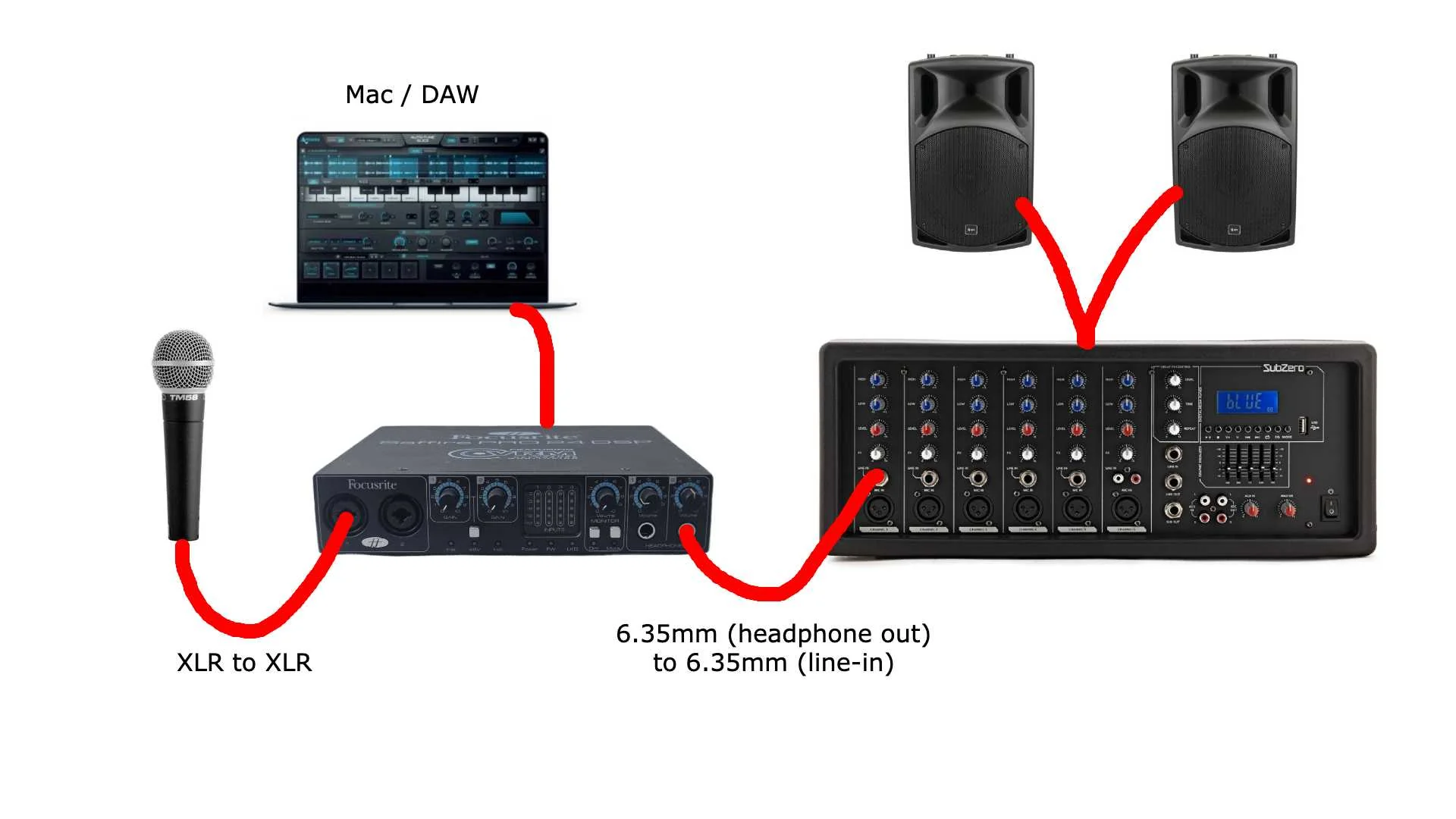
A mixer lets you adjust volume levels, EQ, and effects for multiple audio sources in real time. An audio interface converts analog audio to digital for your computer and provides high-quality preamps. A mixer with audio interface combines both functions in one box, letting you record a stereo mix directly to your computer while using the mixer controls.
Can I use a mixer with audio interface for live streaming?
Yes. Most of these mixers are designed for streaming. They include loopback functionality that mixes your microphone with game or desktop audio and sends the combined signal to streaming software. The FIFINE SC3, MAONO E2 Gen2, and PUPGSIS T12 are all built with streaming in mind.
Do I need phantom power for my microphone?
Only if you use a condenser microphone. Dynamic microphones do not require phantom power. Check your microphone's specifications before buying a mixer. If you plan to upgrade to a condenser mic later, choose a mixer with 48V phantom power.
How many microphones can I connect at once?
It depends on the number of XLR inputs. The Behringer 802S has four mono XLR inputs. The MAONO E2 Gen2 has two. The FIFINE SC3 and most gaming mixers have one. The K-mxerpro has eight. Choose based on how many people you need to mic simultaneously.
Can I record multitrack audio with these mixers?
No. All of these mixers send a stereo mix over USB. You cannot record each channel individually to separate tracks in your DAW. For multitrack recording, you need a dedicated audio interface with multiple input channels, not a mixer. If you need to record separate tracks, consider a standard audio interface and mix in software.
Are these mixers compatible with my smartphone?
Many have Bluetooth input for music, but not all allow audio output to a phone. The MAONO E2 Gen2 has a USB-C port that can connect to phones for streaming or recording. Others use 3.5mm aux connections. Check the specific model for phone compatibility.
Which mixer is best for a complete beginner?
The MAONO G1 Neo is the easiest to set up and use. It has a single XLR input, simple controls, and Bluetooth for background music. If you want to grow into more features, the FIFINE SC3 offers more control without being overwhelming.
Do I need to install drivers?
Most modern mixers are plug-and-play with macOS and Windows. The Behringer 802S is class-compliant. Some gaming mixers may require specific software for sound effects, but the basic audio interface function works without drivers.
The Bottom Line
After testing ten mixers with built-in audio interfaces, we keep coming back to the Behringer XENYX 802S for its uncompromised analog sound quality and genuine mixing capability. It is not the flashiest, but it is the most capable for anyone who needs real EQ, multiple inputs, and a reliable USB connection. If you stream or podcast and want fun effects and simple controls, the FIFINE AmpliGame SC3 is the best mixer with audio interface for your desk. For two-person podcast teams, the MAONO E2 Gen2 offers battery power and two clean preamps in a portable package.
The best mixer with audio interface for you comes down to how many microphones you plug in, whether you need phantom power, and how much you value effects versus pure audio quality. Map your setup to the table above, and you will not go wrong.
As an Amazon Associate we earn from qualifying purchases.