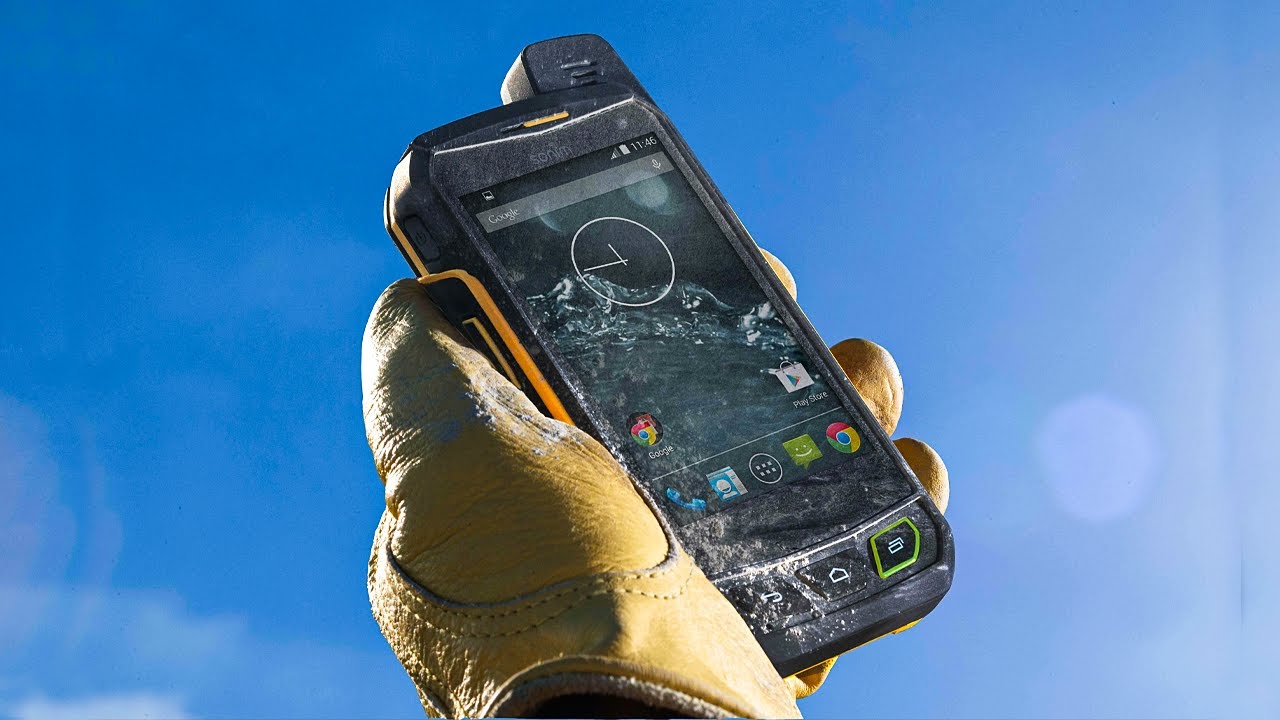

A cracked screen is inconvenient. A dead phone on a remote trail, a soaked handset on a worksite, or a device that cannot be used with gloves is a much bigger problem. The Best rugged phone choices solve those problems with sealed bodies, oversized batteries, bright displays, and practical extras such as night vision cameras and camping lights.
The trade-offs are just as important. Some models are too heavy for everyday carry, some have narrow carrier compatibility, and some promise more camera or memory performance than their hardware can realistically suggest. We compared the eight phones below by durability, connectivity, battery capacity, display quality, and the features that make a rugged phone useful beyond its tough exterior.
For most people, the Ulefone Armor X16 Pro 5G is the strongest all-rounder, while the other seven cover extreme battery life, built-in lighting, projector use, large screens, and a more compact design.
Comparison table
| # | Product | Award | Network | Battery | Display | Best for |
|---|---|---|---|---|---|---|
| 1 | Ulefone Armor X16 Pro 5G | Best overall | Dual 5G | 10, 360mAh, 33W | 6.56-inch, 120Hz, 910 nits | Everyday outdoor use |
| 2 | Blackview BV7300 | Best for lighting | Dual 4G | 15, 000mAh, 45W | 6.67-inch, 90Hz | Camping and emergency use |
| 3 | Ulefone Armor X16 Pro Sand Dune | Best durable display | Dual 5G | 10, 360mAh, 33W | 6.56-inch, 120Hz, Gorilla Glass | Outdoor workers |
| 4 | 8849 Tank X | Best with projector | Dual 5G | 17, 600mAh, 120W | Projector, up to 100 inches | Camps and presentations |
| 5 | FOSSIBOT F110Pro | Best loudspeaker | Dual SIM 5G | 10, 000mAh, 20W | 6.745-inch FHD | Noisy worksites |
| 6 | Blackview Rock 2 Pro | Best large display | 5G | 15, 000mAh, 33W | 6.78-inch, 2.4K, 120Hz | Maps and jobsite documents |
| 7 | NovikZireo Titan T1 Pro | Best big-screen phone | 5G | 12, 800mAh | 7-inch, 3840 x 2160 | Media and multitasking |
| 8 | Ulefone Armor X13 | Best compact option | Dual 4G | 6, 320mAh | 6.52-inch HD+ | Basic rugged phone use |
1. Ulefone Armor X16 Pro 5G: Best Overall

Pros
- Dual 5G support
- 120Hz display with 910 nits of brightness
- 10, 360mAh battery with reverse charging
- Night vision, macro, NFC, and IR blaster
- IP68 and IP69K protection
Cons
- Not compatible with AT&T or Cricket
- Thick and heavy compared with ordinary phones
- Camera features are more useful than camera refinement
Best for: someone who wants one tough phone for work, travel, and everyday use.
The Ulefone Armor X16 Pro 5G is the easiest phone here to recommend because its compromises are familiar and its useful features are unusually broad. It feels designed for someone who wants a durable work phone without giving up modern network support, a smooth screen, or the ability to take it beyond the jobsite. The phone runs Android 16 and uses the MediaTek Dimensity 6300, an octa-core 2.4GHz chip that should handle navigation, messaging, streaming, and ordinary multitasking without the sluggishness common to older rugged phones.
Its 6.56-inch FHD+ display has a 120Hz refresh rate and reaches a claimed 910 nits. That combination matters outdoors. The refresh rate makes scrolling maps and web pages feel less jumpy, while the brightness gives the screen a better chance of staying readable in direct daylight. Corning Gorilla Glass adds another layer of protection, and the IP68 and IP69K ratings cover dust, water immersion up to two meters for 30 minutes, and high-pressure water exposure. The claimed drop resistance reaches two meters.
Battery life is the other major reason to choose it. The 10, 360mAh cell is far larger than a conventional smartphone battery, and 33W charging reduces the wait when it finally needs power. Reverse charging can send power to another device, which is handy when a GPS unit, earbuds, or a second phone runs low. The 64MP main camera uses a Sony IMX682 sensor, while the 25MP night vision camera and 2MP macro camera give it tools for dark inspections and close-up details. An underwater mode is included, although it is best treated as a specialized feature rather than a substitute for a dedicated action camera.
This phone also packs NFC, fingerprint unlocking, an IR blaster, a custom key, glove mode, headset-free FM radio, and an outdoor toolbox. Dual SIM dual standby and dual 5G make it more flexible than the 4G-only Blackview BV7300. Before buying, check the carrier warning carefully because it is not compatible with AT&T or Cricket. Readers comparing it with ordinary Android models may also want to see how different Android phones handle everyday durability and features.
The weakness is physical bulk. A 10, 360mAh battery and sealed rugged construction will not disappear into a pocket like a slim phone, and the camera system is built for versatility rather than flagship-level image processing. Still, it is a better balanced daily device than the more specialized Tank X and easier to live with than the heavier Blackview Rock 2 Pro. Choose it if you want durability first but still expect a phone to behave like a modern 5G Android handset.
2. Blackview BV7300: Best for Lighting

Pros
- 15, 000mAh battery
- Dual 800LM camping light
- Night vision camera
- Glove mode and NFC
- 45W charging
Cons
- 4G only
- Not compatible with AT&T, Cricket, or Verizon
- Heavier than many rugged phones
Best for: campers, field workers, and anyone who needs a phone that can also illuminate a work area.
The Blackview BV7300 is built around a simple idea: a rugged phone should be useful when the light disappears. Its dual 800LM camping light is the standout feature, with lighting, SOS, and quick-flash modes, adjustable brightness, three light colors, and a timer. That makes it more practical around a tent, vehicle, or dark work area than a small phone flashlight.
The 15, 000mAh battery supports the same outdoor-first approach. Blackview claims up to 57 days of standby and 56.5 hours of continuous calls, though real-world endurance will vary with screen use, reception, and the camping light. The included 45W charging is quicker than the Ulefone Armor X16 Pro 5G's 33W system. The phone can therefore spend more time away from an outlet, but its battery also contributes to a listed weight of about 2.01 pounds.
The 6.67-inch IPS display uses a 90Hz dynamic refresh rate that can switch between 60Hz and 90Hz. Scrolling should look smoother than on a basic 60Hz panel, while the lower setting can reduce power use. Resolution is 720 by 1604, so it is a functional large screen rather than an especially crisp one. Glove mode is a useful inclusion in cold weather, and NFC, fingerprint unlocking, and four-system navigation add everyday convenience.
Its camera arrangement includes a 50MP main camera, a 32MP front camera, and a 20MP night vision camera. That night vision unit is the more meaningful feature for field use, wildlife observation, and dark areas. Android 14 with DokeOS 4.0 and the octa-core processor should be adequate for ordinary apps, while the advertised 18GB memory combines physical and virtual RAM. Storage starts at 256GB and can expand to 2TB with a card.
The biggest issue is connectivity. This is a dual 4G phone, and the listed carrier support excludes AT&T, Cricket, Verizon, Straight Talk, and U.S. Cellular. That makes the BV7300 less flexible than the 5G Ulefone models and the FOSSIBOT F110Pro. It is the right pick when the camping light and battery matter more than 5G, but buyers should confirm network compatibility before considering any other feature.
3. Ulefone Armor X16 Pro Sand Dune: Best Durable Display

Pros
- Corning Gorilla Glass
- 120Hz, 910-nit display
- Dual 5G and Android 16
- Night vision and underwater camera mode
- IP68 and IP69K protection
Cons
- Same AT&T and Cricket limitation as the other X16 Pro
- Large body
- No separate high-output camping light
Best for: users who want the Armor X16 Pro platform with a different finish.
The Ulefone Armor X16 Pro Sand Dune is functionally the twin of the Wasteland Shadow model above. It has the same MediaTek Dimensity 6300 platform, Android 16, 16GB advertised memory with virtual expansion, 256GB storage, and support for expansion up to 2TB. The distinction is the finish, so the choice between these two should come down to appearance and availability rather than performance.
The screen is one of the better-balanced panels in this group. At 6.56 inches, it remains manageable for one-handed use by rugged-phone standards, while the FHD+ 720 by 1612 resolution keeps text and maps reasonably clear. The 120Hz refresh rate helps navigation and scrolling, and the claimed 910-nit brightness is useful when working outside. Corning Gorilla Glass gives the front surface extra resistance to everyday wear.
Its 10, 360mAh battery supports 33W charging and reverse charging. That is enough capacity for long days of navigation, calls, and camera use, though the Blackview BV7300 and Rock 2 Pro carry even larger batteries. The 64MP camera, 25MP night vision camera, 2MP macro camera, and 16MP front camera give it more shooting flexibility than the simpler Armor X13. The underwater mode is another unusual extra.
IP68 and IP69K protection, dust resistance, and claimed two-meter drop resistance make this a serious work phone. It also includes NFC, fingerprint unlocking, an IR blaster, FM radio, glove mode, a custom key, and a three-card slot. Those extras are more useful than decorative rugged styling because they address specific field tasks.
There is little reason to select this model over the first-place X16 Pro except the finish. The two share the same stated limitations, including incompatibility with AT&T and Cricket. If you want the platform and prefer this design, it is a sensible choice. If appearance does not matter, choose whichever listing is easier to obtain and keep the same expectations.
4. 8849 Tank X: Best With Projector
Pros
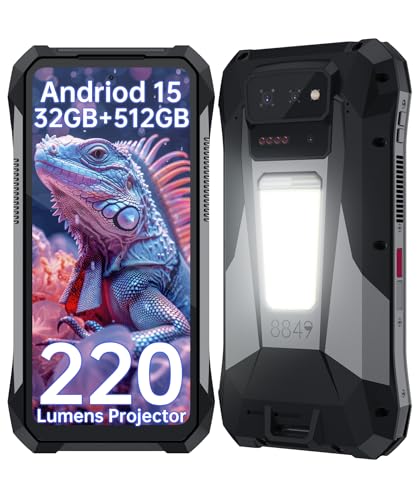
- Built-in 220-lumen DLP projector
- 17, 600mAh battery
- 120W charging
- 64MP night vision and 8MP telephoto cameras
- 5G and 512GB storage
Cons
- Very heavy
- Projector adds bulk and complexity
- Carrier support needs careful checking
Best for: construction teams, campers, and presenters who can use a projector without carrying a separate unit.
The 8849 Tank X is not a conventional rugged phone with a few outdoor extras. It is a portable toolbox built around a 220-lumen 1080p DLP projector. The projector can reach a claimed image size of up to 100 inches from 2.8 meters, with autofocus, automatic keystone correction, and automatic screen alignment. That could be genuinely useful for a quick presentation, a construction briefing, or an evening film at camp.
Its MediaTek Dimensity 8200 processor and Android 15 provide a more performance-oriented foundation than several phones here. The device advertises 32GB of memory, combining physical and virtual RAM, plus 512GB of internal storage and a card slot. Those figures give it plenty of room for video files, maps, photos, and presentations. A 17, 600mAh battery is the largest in this group, and 120W charging is unusually fast for a phone of this type.
The camera hardware is ambitious. There is a 50MP main camera, a 64MP night vision camera, an 8MP telephoto lens, and a 50MP front camera. The underwater mode supports photos but not video, so it should not be mistaken for a complete underwater recording solution. The phone also has a 1, 200-lumen camping light with SOS, strobe, and brightness modes, plus warning signal lights and a customizable side button.
The Tank X claims IP68 water and dust protection and shock resistance. Its listed carrier information says it works with T-Mobile and Verizon, but the broad frequency list does not remove the need to verify compatibility for a specific plan. The phone is also listed at about 1.65 pounds, before considering how much space its thick body takes in a pocket or bag.
This is the most specialized pick here. The Ulefone Armor X16 Pro is a more sensible everyday phone, and the Blackview Rock 2 Pro offers a larger high-refresh display without a projector. Choose the Tank X only if you will actually use the projector, fast charging, or huge battery. Otherwise, its size is an unnecessary burden.
5. FOSSIBOT F110Pro: Best Loudspeaker

Pros
- Claimed 128dB speaker
- MediaTek Dimensity 6300 5G platform
- IP68, IP69K, and MIL-STD-810H protection
- 10, 000mAh battery with OTG
- Two-year warranty listed
Cons
- Not compatible with AT&T, Cricket, Verizon, or Xfinity Mobile
- Only 128GB internal storage
- Large 6.745-inch body
Best for: noisy worksites and outdoor users who need alerts and calls to cut through background sound.
The FOSSIBOT F110Pro has one feature that immediately separates it from the rest: a claimed 128dB speaker. That is aimed at places where a normal phone alert disappears under machinery, traffic, wind, or a busy outdoor gathering. It also gives calls and navigation prompts a better chance of being heard without keeping the phone in hand.
The phone uses a MediaTek Dimensity 6300 5G chipset and Android 15. Its advertised 20GB memory combines 8GB physical RAM with 12GB virtual RAM, while internal storage is 128GB and expandable up to 2TB through a TF card. That is enough for ordinary apps and field files, but the lower built-in storage means users who record a lot of video should plan on adding a card.
A 6.745-inch FHD display provides plenty of room for maps, messages, and documents. The 50MP AI camera is positioned as an all-purpose camera rather than a night vision specialist. Battery capacity reaches 10, 000mAh, with 20W charging and OTG support for emergency power to smaller devices. It should last well through a working day, although the 8849 Tank X and two Blackview models offer more endurance on paper.
Protection is strong, with IP68, IP69K, and MIL-STD-810H listed. The phone also supports NFC, Wi-Fi 5, dual SIM 5G, and a two-year official warranty with 24-hour customer support. Carrier support is the catch: the listed exclusions include AT&T, Cricket, Verizon, and Xfinity Mobile. T-Mobile, Boost Mobile, Metro by T-Mobile, Mint Mobile, and several other networks are listed as compatible.
Compared with the Ulefone Armor X16 Pro, this phone gives up the night vision camera and brighter 120Hz screen but adds a much louder speaker and a longer stated warranty. It is a practical specialist pick, not the most polished all-purpose rugged handset. Select it when hearing the phone matters more than camera versatility.
6. Blackview Rock 2 Pro: Best Large Display

Pros
- 6.78-inch 2.4K display
- 120Hz refresh rate
- 15, 000mAh battery
- Dual 400LM camping lights
- 5G and Android 16
Cons
- Listed weight of 558 grams
- Screen brightness is listed at 450 nits
- Carrier exclusions include AT&T and Verizon
Best for: outdoor workers who read plans, maps, and documents on a large screen.
The Blackview Rock 2 Pro is the phone to choose when screen area matters more than pocket comfort. Its 6.78-inch display is close to small-tablet territory, and the 2.4K resolution should make maps, diagrams, and text look sharper than the 720 by 1604 panel on the BV7300. A 120Hz refresh rate keeps scrolling fluid when moving through long documents or route directions.
The phone combines that screen with Android 16 and a MediaTek UMS9620 5G chipset. Blackview also lists 32GB of memory, made up of 8GB physical RAM and 24GB virtual RAM, plus 256GB internal storage and support for a 2TB TF card. These numbers are useful for users who collect jobsite photos, offline maps, or camping video. They do not make the phone a substitute for a dedicated tablet, but they do reduce the need to constantly clear files.
A 15, 000mAh battery supports 33W charging and is rated by Blackview for up to 57 days of standby and 56.5 hours of calls. The dual 400LM camping lights include lighting, SOS, and quick-flash modes. IP68 and IP69K protection, dust resistance, and a claimed 1.5-meter drop rating give it the sealing expected from a rugged work phone.
The cameras are less ambitious than those on the Ulefone Armor X16 Pro or Tank X. Blackview lists 16MP and 13MP cameras, so this model is more about viewing information and staying powered than taking specialized night images. Glove mode, NFC, and navigation support are valuable additions for field use.
Its real weakness is mass. The listed 558-gram weight is substantial, and a phone this large will feel more like equipment than an ordinary handset. The screen is also listed at 450 nits, so the higher resolution does not guarantee the strongest outdoor visibility. Choose it over the BV7300 for sharper documents and 5G, but choose the BV7300 if its brighter camping light matters more.
7. NovikZireo Titan T1 Pro: Best Big-Screen Phone

Pros
- 7-inch 3840 by 2160 display
- Snapdragon 8 Gen 3 processor
- 12, 800mAh battery
- 108MP main and 68MP front cameras
- NFC and IR blaster
Cons
- Carrier details are not specified
- Very large format
- Durability claims are less specific than several rivals
Best for: users who want a rugged phone that doubles as a large media and work screen.
The NovikZireo Titan T1 Pro takes the oversized-phone idea further than the Blackview models. Its 7-inch display is the largest listed here, and the stated 3840 by 2160 resolution is unusually high. That combination should suit video, photo viewing, large documents, and anyone who finds standard phone screens cramped.
Performance is also a headline feature. The phone lists a Snapdragon 8 Gen 3 processor, 32GB of memory, and 512GB of internal storage. Those are strong claimed specifications for multitasking and demanding apps, although the listing provides less detail about the phone's rugged certification than the Ulefone Armor X13, FOSSIBOT F110Pro, and Blackview devices. A large 12, 800mAh battery and OTG reverse charging support long sessions and emergency power sharing.
The camera claims are similarly ambitious, with a 108MP main camera and 68MP selfie camera, plus night mode. More pixels do not guarantee better images, but the hardware gives this phone a clear paper advantage over the Blackview Rock 2 Pro's listed 16MP and 13MP cameras. NFC and an IR blaster add practical functions for payments, transit, and controlling household equipment.
The major concern is information rather than a single weak component. The listing says the phone is tough against rain, waves, sand, and dust, but it does not provide the specific IP or drop ratings shown by most competing models. Carrier compatibility is also not detailed in the supplied information. That makes the Titan T1 Pro harder to recommend for a worksite where verified protection and network support matter.
It is more compelling as a giant-screen Android device with rugged styling than as the safest choice for harsh conditions. The Ulefone Armor X16 Pro is easier to assess for water and drops, while the Blackview Rock 2 Pro has clearer outdoor positioning. Pick the Titan T1 Pro when screen size, processing claims, and camera resolution are the priority.
8. Ulefone Armor X13: Best Compact Option

Pros
- Smaller and lighter than most picks here
- IP68, IP69K, and MIL-STD-810H protection
- 50MP main and 24MP night vision cameras
- NFC and fingerprint sensor
- 6, 320mAh battery
Cons
- 4G only
- 64GB internal storage
- Older Helio G36 platform
Best for: buyers who want a tough phone without the extreme size and weight of the biggest models.
The Ulefone Armor X13 is the least extreme phone in this roundup, and that is exactly its appeal. At about 0.66 pounds and with a 6.52-inch display, it is easier to carry than the Blackview Rock 2 Pro, BV7300, and 8849 Tank X. It still has the thick protective body and sealed construction expected from a rugged model, but it does not turn every pocket into a storage problem.
Its 6.52-inch HD+ display is straightforward rather than cutting-edge. The MediaTek Helio G36 is an octa-core processor with a 2.2GHz main frequency, and the phone lists up to 12GB of memory through 6GB physical and 6GB virtual RAM. Internal storage is 64GB, with expansion listed up to 256GB. That setup is suitable for calls, messages, navigation, and basic apps, but it is not aimed at heavy gaming or large offline media libraries.
The camera system is more interesting. A 50MP main camera uses the Samsung S5KJN1 sensor and an f/1.8 aperture, while the 24MP NightElf 2.0 camera is intended for low-light scenes and wildlife observation. The 6, 320mAh battery supports reverse charging, so it can provide emergency power to a watch, earbuds, or another phone. Android 15, NFC, fingerprint unlocking, glove mode, FM radio, and a custom key make it a capable daily utility device.
Durability is well documented compared with the Titan T1 Pro. The Armor X13 lists IP68, IP69K, and MIL-STD-810H protection, with water resistance to 1.5 meters for 30 minutes, a claimed 1.5-meter drop rating, and resistance testing that includes a concrete-depth claim. Those figures do not make it indestructible, but they give buyers a clearer picture of what the phone is designed to withstand.
The compromises are its 4G connectivity, modest storage, and older processor. The Ulefone Armor X16 Pro is the better choice if you need 5G, a 120Hz display, or more performance, while the X13 is easier to carry and simpler to justify for basic use. It is the right Best rugged phone choice for someone who wants protection without a giant battery brick.
How to choose the best rugged phone
A good rugged phone is not defined by its rubberized corners alone. Match the protection, battery, network bands, screen, and special hardware to the conditions where the phone will actually be used.
Protection ratings
IP68 protects against dust and water immersion, while IP69K adds resistance to high-pressure, high-temperature water exposure. Drop claims vary, so look for a stated height rather than assuming every rugged phone has the same impact resistance. MIL-STD-810H is useful context, but it is still important to check which tests the product actually describes.
A rugged phone is only as dependable as its network support and its least useful compromise.
Battery capacity and charging
Battery capacity matters most when the phone will spend long periods away from outlets. The 6, 320mAh Armor X13 is more manageable, while the 15, 000mAh Blackview phones and 17, 600mAh Tank X prioritize endurance over portability. Fast charging also changes how practical a large battery is, with the Tank X's 120W system far ahead of the 20W FOSSIBOT F110Pro.
Network compatibility
Check the supported carrier bands before considering camera or battery features. The Ulefone Armor X16 Pro models do not work with AT&T or Cricket, the FOSSIBOT F110Pro excludes AT&T, Cricket, Verizon, and Xfinity Mobile, and the Blackview BV7300 and Rock 2 Pro list several major network exclusions. A phone that cannot connect where you work is not a useful rugged phone.
Screen size and brightness
Large displays help with maps, plans, navigation, and documents, but they add bulk. The NovikZireo Titan T1 Pro reaches 7 inches, while the Blackview Rock 2 Pro uses a 6.78-inch 2.4K panel. For outdoor readability, brightness and refresh rate matter too. The Ulefone Armor X16 Pro's stated 910 nits and 120Hz refresh rate are more useful in bright conditions than a large but dim panel.
Cameras and outdoor extras
Night vision cameras are useful for dark inspections, wildlife observation, and emergency work, but they are not the same as a high-quality low-light main camera. Built-in lights can be more valuable than camera resolution when working at night. The BV7300 and Rock 2 Pro emphasize camping lights, the FOSSIBOT emphasizes a loud speaker, and the Tank X adds both a projector and a high-output light.
Size and carry comfort
Rugged phones are generally thicker and heavier than standard phones, especially models with batteries above 10, 000mAh. The Rock 2 Pro's listed 558-gram weight is a serious consideration, while the Armor X13 is much easier to carry. Think about whether the phone will live in a pocket, tool pouch, backpack, or vehicle before choosing the largest battery.
Frequently asked questions
Are rugged phones waterproof?
Several phones here list IP68 and IP69K protection, including the Ulefone Armor X16 Pro, FOSSIBOT F110Pro, and Ulefone Armor X13. The exact immersion depth and time differ, and ports should be properly closed before exposure. Water resistance can weaken after drops, repairs, or long-term wear.
Do rugged phones work with every carrier?
No. Carrier compatibility varies substantially. The supplied listings specifically exclude networks such as AT&T, Cricket, Verizon, or Xfinity Mobile for some models, so confirm the bands and carrier warning for the exact phone before ordering.
Is a larger battery always better?
A larger battery usually supports longer use, but it adds weight and thickness. The 17, 600mAh battery in the Tank X and 15, 000mAh batteries in the Blackview phones are useful for remote work, while the 6, 320mAh Armor X13 is easier to carry. Charging speed also affects how convenient a large battery is.
Are night vision cameras useful on rugged phones?
They can be useful for dark inspections, wildlife observation, and low-light navigation. They should not be treated as a replacement for a thermal camera or a high-end smartphone camera. The Ulefone Armor X16 Pro and Armor X13 both give night vision a larger role than the basic camera systems on some rivals.
Can a rugged phone replace a power bank?
Some can provide emergency power through reverse charging or OTG. The feature is useful for earbuds, watches, and smaller devices, but using it will reduce the phone's own battery. It is best viewed as an emergency function rather than a regular charging routine.
Are rugged phones good for everyday use?
The better models can be. A 120Hz screen, NFC, fingerprint unlocking, 5G, and a modern Android version make the Ulefone Armor X16 Pro more comfortable as a daily phone than many older rugged designs. Very heavy models such as the Rock 2 Pro and Tank X are better suited to users who accept bulk in exchange for specialized hardware.
The bottom line
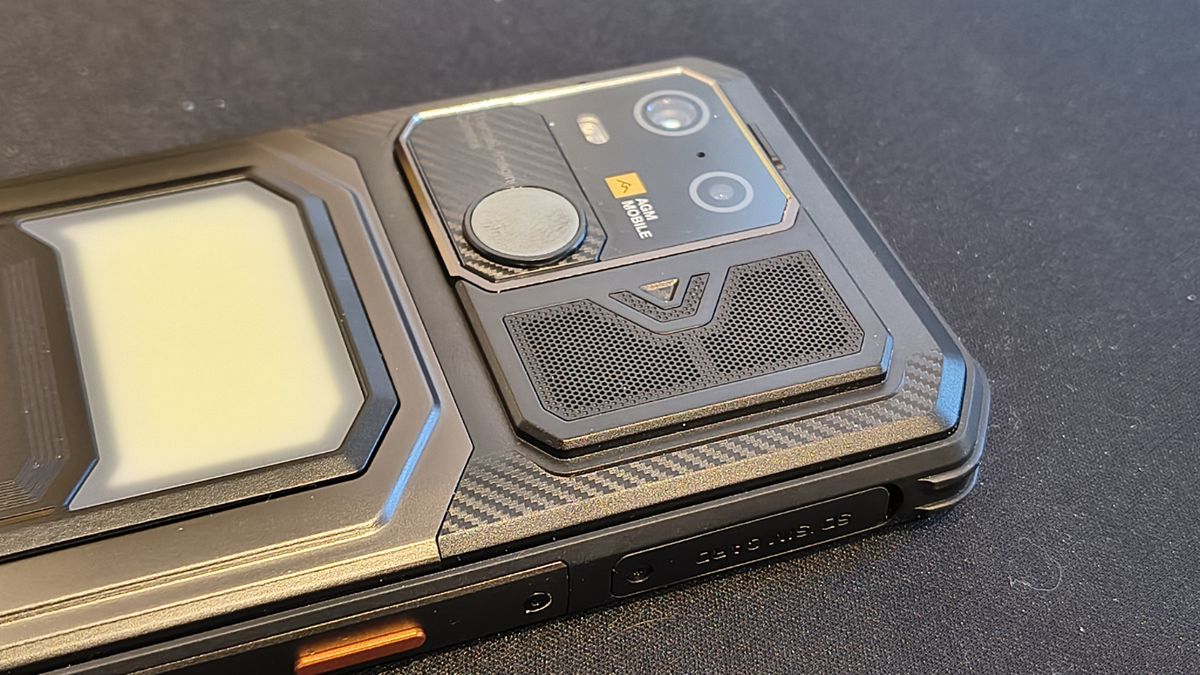
The Ulefone Armor X16 Pro 5G is the Best rugged phone for most buyers because it combines dual 5G, Android 16, a 120Hz bright display, a 10, 360mAh battery, night vision, and strong water and drop protection without the extreme specialization of the Tank X. Choose the Wasteland Shadow or Sand Dune version based on the finish you prefer.
The Blackview BV7300 is the better specialist option for camping and emergency work, thanks to its 15, 000mAh battery and dual 800LM light. If you need a projector, the 8849 Tank X is in a category of its own, while the Ulefone Armor X13 is the most manageable choice for basic calls, navigation, and durable everyday use.
If you are undecided, choose the Armor X16 Pro unless you have a specific reason to prioritize lighting, projection, maximum screen size, or the smallest body.
As an Amazon Associate we earn from qualifying purchases.