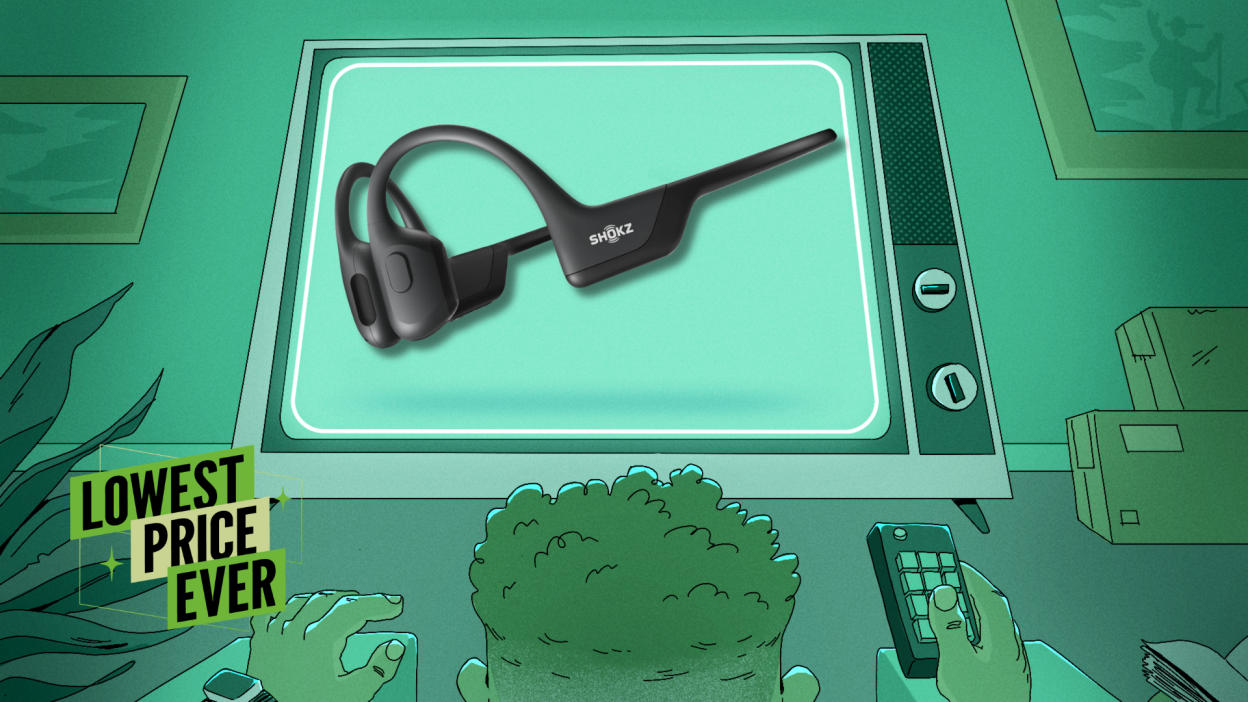

A good pair of open-ear headphones should let you hear a car, a coworker, or a bike bell without stopping your music. The problem is finding one that also stays put, sounds full enough outdoors, and does not leave your ears sore after an hour. Our Best Shokz bone conduction headphones picks focus on those practical differences.
The range is broader than it first appears. The OpenRun Pro 2 adds a second driver type and longer battery life, the standard OpenRun keeps the design simpler, and OpenComm2 is built around calls rather than training. The OpenMove models cover lighter workouts, while Mini versions adjust the fit for smaller heads.
SHOKZ OpenRun Pro 2 is the best pick for most people, with the OpenRun and OpenComm2 covering simpler fitness and work-focused needs.
Comparison table
| # | Product | Award | Audio design | Battery | Water resistance | Best for |
|---|---|---|---|---|---|---|
| 1 | SHOKZ OpenRun Pro 2 | Best overall | Bone and air conduction dual drivers | 12 hours | Not stated | Full-sounding workouts and everyday calls |
| 2 | SHOKZ OpenRun | Best for runners | 8th generation bone conduction | 8 hours | IP67 | Running and demanding workouts |
| 3 | SHOKZ OpenMove | Best for light workouts | Bone conduction | 6 hours | Sweat resistant | Commuting and casual exercise |
| 4 | SHOKZ OpenRun Pro 2 Orange | Best bright color | Bone and air conduction dual drivers | 12 hours | Not stated | Visible training gear |
| 5 | SHOKZ OpenRun Pro 2 Mini | Best compact fit | Bone and air conduction dual drivers | 12 hours | Not stated | Smaller heads |
| 6 | SHOKZ OpenComm2 | Best for calls | 7th generation bone conduction | 8 hours listening, 16 hours talk | IP55 | Open-office and remote work |
| 7 | SHOKZ AfterShokz OpenMove | Best alternate OpenMove | Bone conduction | 6 hours | Sweat resistant | Everyday open-ear listening |
| 8 | SHOKZ OpenRun Pro | Best previous-generation Pro | 9th generation bone conduction | 10 hours | Sweat resistant | Strong bass in an older design |
| 9 | SHOKZ OpenRun USB-C | Best USB-C OpenRun | 8th generation bone conduction | 8 hours | IP67 | Runners who want USB-C |
| 10 | SHOKZ OpenRun Mini | Best compact runner | 8th generation bone conduction | 8 hours | IP67 | Smaller heads and active use |
1. SHOKZ OpenRun Pro 2: Best Overall

Pros
- Dual-driver design gives music more body
- 12-hour battery supports long training days
- Secure memory-wire frame and ear hooks
- App-based EQ modes add useful control
- Wind-resistant microphones support clearer calls
Cons
- Water-resistance rating is not stated
- Larger standard fit may not suit smaller heads
- The extra audio hardware is more than some runners need
Best for: someone who wants the fullest sound and longest battery in this group.
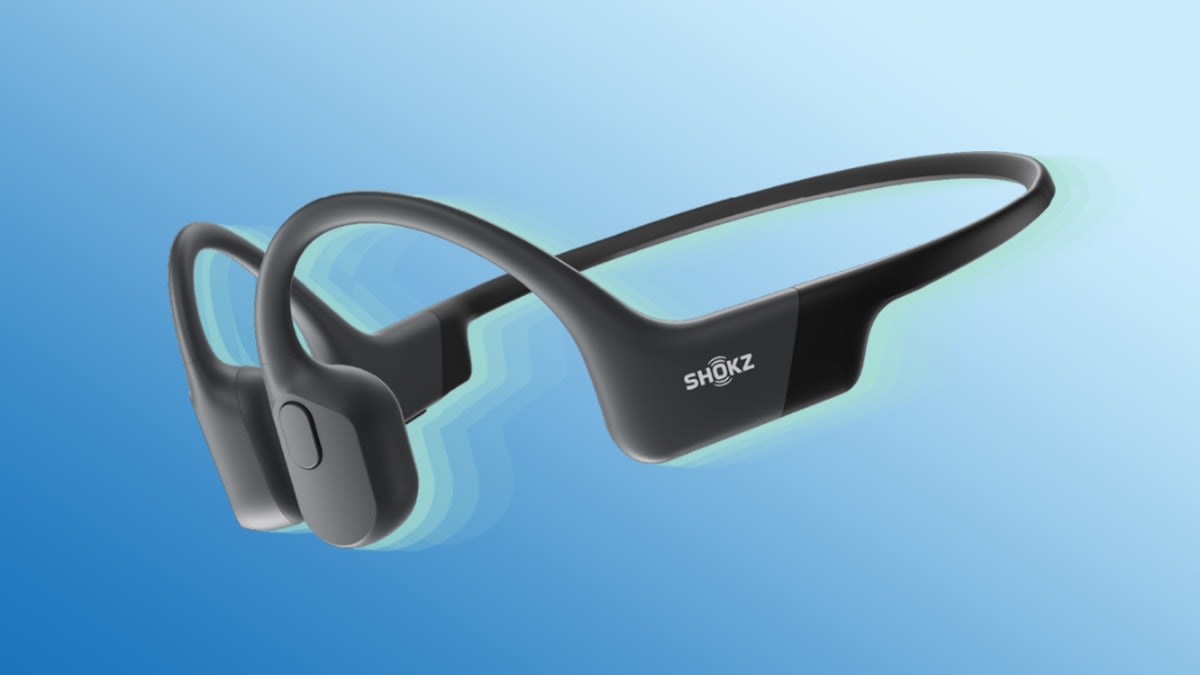
The first thing to know about SHOKZ OpenRun Pro 2 is that it does not sound as lean as many bone-conduction headsets. Its bone-conduction and air-conduction drivers share the job, so vocals and detail can retain the open-ear character while the second driver adds deeper bass. That makes a meaningful difference on a run, where thin audio tends to disappear under traffic and wind.
Battery life is another clear advantage. The claimed 12 hours gives this model more breathing room than the 8-hour OpenRun and the 6-hour OpenMove. You can use it for a workout, calls, and podcasts without treating every outing as a charging calculation. The standard model weighs about 0.067 pounds, and its unibody frame combines Ni-Ti alloy memory wire with ergonomic ear hooks to keep the headset stable during cycling or gym sessions.
The Shokz app provides dedicated EQ modes rather than leaving the sound fixed. Classic Mode keeps the pure bone-conduction presentation, while Volume Boost Mode is intended for noisier surroundings. Those controls make the OpenRun Pro 2 more adaptable than the older SHOKZ OpenRun Pro, whose main strengths are its 10-hour battery and TurboPitch sound rather than a dual-driver setup.
Calls are unusually well considered here. Dual wind-resistant microphones and AI noise reduction are designed to filter 96.5 percent of background noise, including wind up to 15 miles per hour. That is a specific advantage for outdoor callers, though no open-ear headset will isolate you from a loud street the way sealed headphones can. The product's water-resistance rating is not stated in the supplied details, so swimmers and people who need a clearly documented protection rating should choose an OpenRun instead.
The Black version is the sensible default for anyone who wants one headset for exercise, walks, podcasts, and occasional calls. It beats every other pick here on the combination of battery life and audio ambition, but smaller-head users should look at the Mini version before ordering.
2. SHOKZ OpenRun: Best for Runners

Pros
- IP67 protection suits sweaty training
- Eight-hour battery covers most training schedules
- Ten-minute quick charge adds up to 1.5 hours
- Light wraparound frame feels unobtrusive
- Open design preserves environmental awareness
Cons
- Sound has less bass authority than OpenRun Pro 2
- Magnetic charging is less convenient than USB-C
- Not suitable for swimming
Best for: runners who want a proven, sweat-resistant open-ear design.
SHOKZ OpenRun gets the central idea right without adding much complication. It rests outside the ears, sends audio through the cheekbone, and leaves the ear canal open. That makes it easy to hear traffic and conversation while music or a podcast plays, which is why it remains a particularly strong choice for road running.
The wraparound frame weighs about 0.057 pounds, lighter than the OpenRun Pro 2, and the design is intended to stay comfortable during extended activity. Its eighth-generation bone-conduction system provides clear spoken audio and enough energy for training playlists. It will not create the same low-end weight as the OpenRun Pro 2's dual-driver arrangement, but many runners will prefer the simpler presentation for spoken content.
The eight-hour battery is enough for a week of short runs or a long day of mixed listening. A 10-minute quick charge can provide up to 1.5 hours of battery life, useful when the headset is nearly empty before heading out. Charging uses the included magnetic induction system, so it is not as convenient if your other devices all use USB-C.
IP67 protection is the practical reason to choose this model over the OpenMove. It is built for sweat and water exposure, and a moisture-detection alert helps prevent charging when the contacts are wet. The warning is important because IP67 does not make this a swimming headset. For a clearer picture of the open-ear trade-off, how much sound you give up with sealed headphones matters more than a feature checklist if your workouts move between a quiet treadmill and busy streets.
Compared with the smaller SHOKZ OpenRun Mini, the standard OpenRun is the safer fit for average-sized heads. Compared with OpenRun Pro 2, it gives up battery life, app EQ modes, and bass extension, but it is a straightforward running tool with better documented water protection.
3. SHOKZ OpenMove: Best for Light Workouts

Pros
- Lightweight earbud-free design
- USB-C charging cable included
- Sweat-resistant frame suits everyday exercise
- Six-hour battery handles commutes and short sessions
- Works with Android, iOS, and Windows
Cons
- Shortest battery life among the main sport models
- Intended fit is less secure for intense movement
- Audio is less expansive than the Pro models
Best for: commuters, walkers, and people doing lighter workouts.
SHOKZ OpenMove is the uncomplicated member of this lineup. The wraparound titanium frame avoids the pressure and heat that can come from in-ear or over-ear designs, and the open fit keeps the user connected to the room. It is a comfortable format for a commute, a walk, or a short gym session where awareness matters more than maximum musical impact.
Its six-hour battery is enough for a workday commute or several brief workouts, but it leaves less margin than the OpenRun's eight hours and much less than OpenRun Pro 2's 12. The included USB-C cable is convenient, especially compared with the magnetic chargers used by several OpenRun variants. Universal compatibility with Android, iOS, Windows, and other Bluetooth devices makes it easy to move between a phone and computer.
The sound is described as balanced, with rich bass for a bone-conduction headset, but the hardware remains more modest than the dual-driver OpenRun Pro 2. Spoken audio is the natural fit here. Music remains enjoyable at sensible volume levels, though listeners who want a more forceful workout soundtrack should move up to OpenRun or OpenRun Pro.
SHOKZ positions the frame for low-impact activities, and that distinction is useful. A wraparound design helps keep it in place, yet it does not have the same clearly documented IP67 protection as OpenRun. The supplied details call it sweat resistant, which is enough for normal exercise but less reassuring for very wet training.
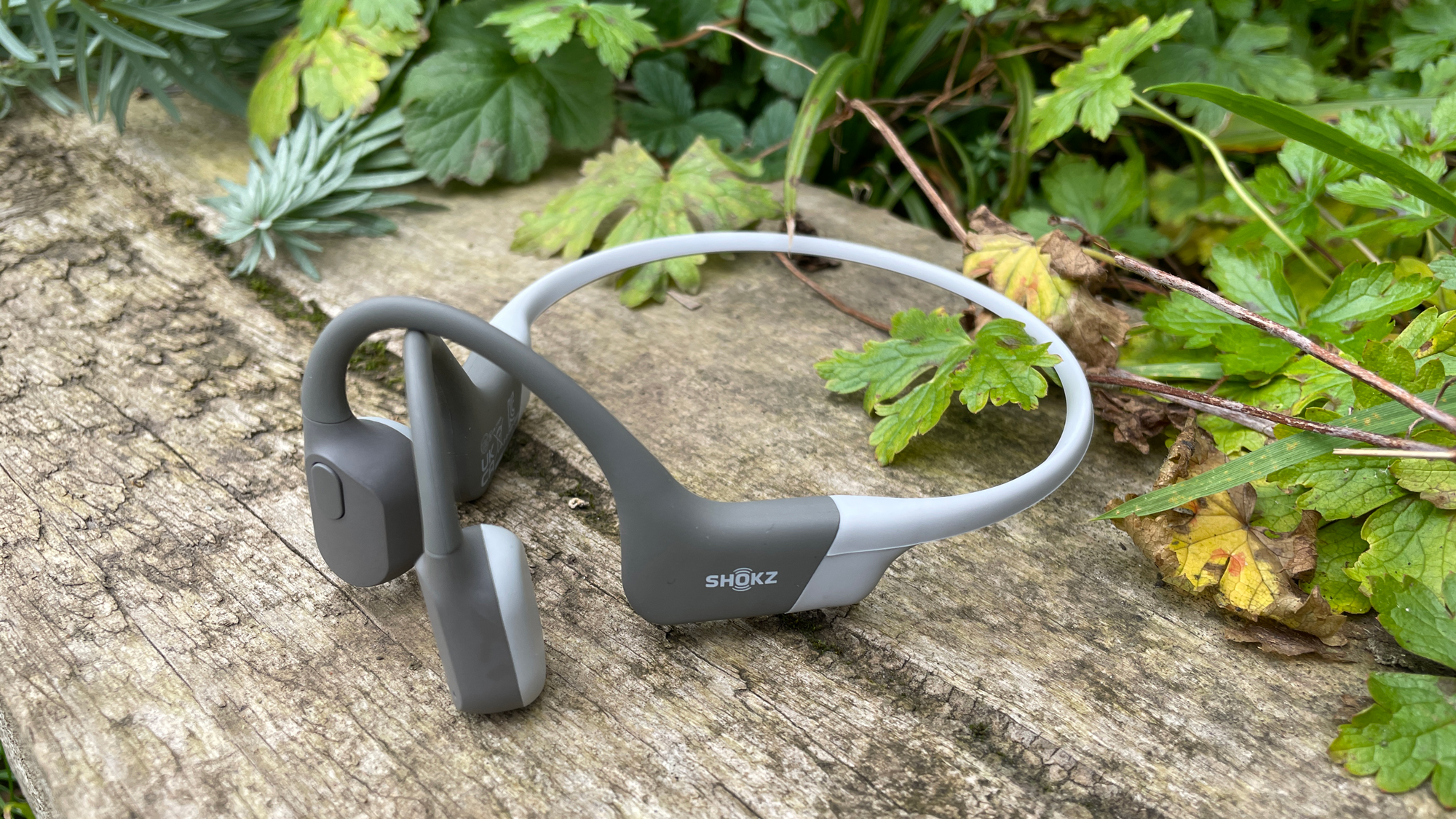
The Grey OpenMove is a good starting point for someone new to bone conduction who mostly listens to podcasts and calls. It is not the pick for long endurance sessions or hard rain, and SHOKZ AfterShokz OpenMove is effectively a closely related alternate listing with the same six-hour, sweat-resistant brief.
4. SHOKZ OpenRun Pro 2 Orange: Best Bright Color

Pros
- Same dual-driver audio design as the Black model
- 12-hour battery
- Wind-resistant microphones with AI noise reduction
- App EQ modes support different listening conditions
- Bright finish is easier to spot in a gear bag
Cons
- Standard fit may be too large for some users
- Water-resistance rating is not stated
- Audio advantages matter less for spoken content
Best for: runners who want the OpenRun Pro 2 design in a highly visible finish.
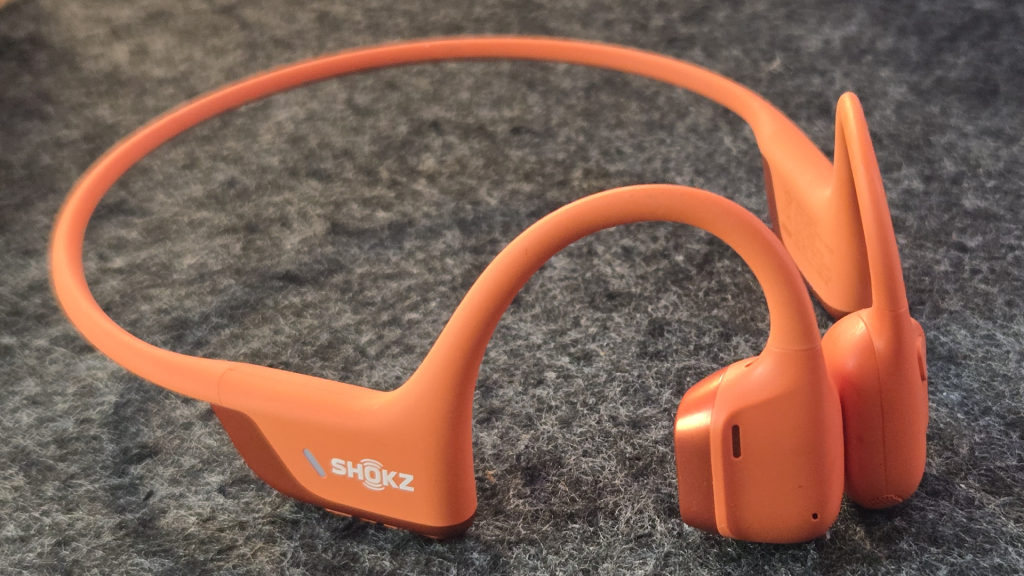
The SHOKZ OpenRun Pro 2 Orange is not a different-performing model from the Black OpenRun Pro 2. It has the same dual-driver approach, the same claimed 12-hour battery, and the same open-ear construction. The reason to choose it is visibility and personal preference, not a change in the underlying listening experience.
That shared hardware makes it one of the strongest audio picks here. Bone conduction keeps the ears open, while air conduction adds deeper bass than the single-system OpenRun and OpenMove. The effect is most useful with music. Podcasts and calls sound clear on the simpler models too, so the Pro 2's extra audio capability is aimed at listeners who want more than voice clarity.
The frame weighs about 0.067 pounds and uses memory wire with ergonomic ear hooks. It is designed to resist slipping during gym sessions and cycling, though the standard size is not automatically right for every head. The SHOKZ OpenRun Pro 2 Mini uses the same general platform in a smaller size, making it the better route for users who find standard wraparound frames loose.
The microphones are a genuine reason to choose this generation. The dual wind-resistant arrangement and AI noise reduction are designed to filter 96.5 percent of background noise, including wind at up to 15 miles per hour. That should help during outdoor calls, but the absence of a stated water-resistance rating remains a drawback for people who train in heavy rain.
Choose this version when the bright Orange finish helps you find the headset quickly or makes you more comfortable wearing it outdoors. It has the same strengths and weaknesses as the Black version, so the final decision is about fit and appearance rather than sound.
5. SHOKZ OpenRun Pro 2 Mini: Best Compact Fit

Pros
- Smaller frame for a more secure compact fit
- Dual drivers add bass and detail
- 12-hour battery
- EQ modes in the Shokz app
- Wind-resistant microphones support outdoor calls
Cons
- Mini sizing may feel cramped on larger heads
- Water-resistance rating is not stated
- No separate advantage for buyers who fit the standard model
Best for: smaller-headed listeners who want the Pro 2 sound and battery.
SHOKZ OpenRun Pro 2 Mini solves the most important problem with a smaller headset: movement. If a standard wraparound frame sits too loosely, the contact points can shift and the sound can become inconsistent. The Mini keeps the Pro 2 concept but uses a compact size intended to sit more securely on smaller heads.
It retains the dual-driver design, combining bone-conduction audio with air-conduction audio for stronger bass and a more three-dimensional presentation. Its claimed 12-hour battery is also unchanged, so selecting the smaller frame does not mean accepting the shorter runtime found on OpenMove. The listed weight is about 0.066 pounds, nearly the same as the standard Pro 2.
The Shokz app offers Classic Mode and Volume Boost Mode. Classic Mode is the more traditional bone-conduction sound, while Volume Boost Mode is intended for louder environments. Those controls are useful because open-ear headphones must balance awareness with enough volume to remain intelligible outside.
Call performance follows the standard Pro 2. Dual wind-resistant microphones and AI noise reduction are designed to filter 96.5 percent of background noise, including wind up to 15 miles per hour. The supplied product information does not state a water-resistance rating, which puts it behind the IP67 OpenRun models for wet-weather confidence.
The key decision is fit. Smaller-headed users should choose this over the standard SHOKZ OpenRun Pro 2 if they have had trouble with loose frames, while larger-headed users should skip it. For the right wearer, it is the most complete compact headset in the roundup.
6. SHOKZ OpenComm2: Best for Calls

Pros
- Noise-canceling microphone is built for conversations
- Up to 16 hours of talk time
- Eight hours of listening
- Multipoint pairing supports two devices
- Physical buttons handle mute and volume
Cons
- IP55 is less protective than OpenRun's IP67 rating
- Heavier than the sport-focused models
- Less focused on music and running
Best for: remote workers and open-office users who need clear calls.
SHOKZ OpenComm2 is the clearest specialist in this list. Its boom microphone, physical controls, and multipoint pairing make it a work headset first. The open-ear format still lets you hear a colleague or the surroundings, but the design is not trying to be a minimalist running accessory.
The headset weighs 35 grams, or about 0.077 pounds, making it heavier than the OpenRun models. That is a fair trade for the flexible frame, soft silicone finish, and call hardware. IP55 water resistance protects it against ordinary workplace mishaps and light moisture, though the IP67 OpenRun models are better suited to sweaty outdoor training.
Battery figures split sensibly by task. OpenComm2 offers up to 16 hours of talk time and eight hours of listening, so it is designed to survive a full series of meetings rather than a single workout. A five-minute quick charge can provide two hours of talk time, which is a useful emergency boost before a call.
The noise-canceling microphone uses DSP technology, while seventh-generation bone-conduction audio handles the speaker side. Multipoint pairing lets it connect with two devices simultaneously, and physical buttons control volume, playback, and mute without requiring a phone or app. Those controls give it a major advantage over the sport models for meetings.
It is the wrong pick if your priority is music on a long run. SHOKZ OpenRun Pro 2 has more ambitious audio hardware, a longer listening runtime, and a sportier fit. If your day alternates between a laptop and phone calls, though, OpenComm2 is the most purposeful headset here. Readers comparing other open designs may also want to consider how open and sealed headphones change everyday listening before choosing a work headset.
7. SHOKZ AfterShokz OpenMove: Best Alternate OpenMove

Pros
- Earbud-free fit keeps the ears open
- Six-hour battery for commuting and casual use
- USB-C cable included
- Sweat-resistant titanium frame
- Compatible with phones and computers
Cons
- Six hours is limiting for long listening days
- Not intended for swimming
- Low-impact fit is less specialized for hard training
Best for: buyers seeking the AfterShokz-branded OpenMove version for everyday use.
SHOKZ AfterShokz OpenMove is the alternate OpenMove listing in this group, and its core specification set matches the Grey SHOKZ OpenMove. The distinction is the listing and the blue finish, not a different listening platform. That makes it worth considering only if this particular presentation or availability suits you.
The wraparound titanium frame is intended to remain secure for light jogging, commuting, and other low-impact activity. Its open-ear design is comfortable for people who dislike ear tips, and it leaves the ears free to hear traffic or announcements. The roughly 0.064-pound weight keeps it light, though the larger sport models have a more developed fit for intense training.
Six hours of music, calls, and podcasts is the main limit. It is enough for a commute and a workout, but a full day of listening may require a recharge. USB-C charging is convenient, and the headset pairs with Android, iOS, Windows, and other Bluetooth devices without locking the user into one platform.
The audio is presented as balanced with rich bass for the format. That is suitable for speech and background music, but it cannot match the OpenRun Pro 2's dual-driver sound. The frame is sweat resistant rather than listed with the OpenRun's IP67 rating, and the product is not intended for swimming.
This model makes sense for people who want an uncomplicated open-ear headset for ordinary routines. If you are choosing between the two OpenMove entries, select based on the listing and finish. If you need longer battery life or stronger protection for hard outdoor workouts, move to SHOKZ OpenRun.
8. SHOKZ OpenRun Pro: Best Previous-Generation Pro

Pros
- 10-hour battery
- TurboPitch sound tuning emphasizes bass
- Lightweight titanium wraparound frame
- Sweat-resistant design for workouts
- Five-minute quick charge adds up to 1.5 hours
Cons
- Older audio platform than OpenRun Pro 2
- Magnetic charging is less universal
- Water protection is described broadly rather than with an IP rating
Best for: listeners who want a bass-focused Pro design without the newer dual-driver system.
The SHOKZ OpenRun Pro remains an appealing middle ground. It has more battery and a more bass-focused presentation than OpenMove, while keeping the light, earbud-free format that makes Shokz sport models easy to wear. It is an older design than OpenRun Pro 2, but not a stripped-down one.
Its ninth-generation bone-conduction system uses TurboPitch technology to target clear sound, powerful volume, and richer bass. The audio still has the limitations of an open-ear bone-conduction design, especially in very loud surroundings, but it is a better fit for music than the basic OpenMove. The 10-hour battery also gives it more headroom than the eight-hour OpenRun.
A lightweight titanium frame keeps the headset in place during training. The product information lists a weight of about 0.064 pounds, close to OpenMove and lighter than OpenComm2. It is described as sweat resistant and intended for intense workouts, but the supplied details do not provide an IP rating. That makes it less specific than OpenRun's IP67 protection.
The five-minute quick charge can provide up to 1.5 hours of battery life, a useful feature when a short preparation window stands between you and a workout. Charging uses magnetic induction. It is simple when the cable is nearby, though USB-C is more familiar to many users and is available with the USB-C OpenRun listing.
SHOKZ OpenRun Pro 2 is the better technical choice, with 12 hours of battery, dual drivers, EQ modes, and more specific microphone processing. The older Pro is still a good fit for someone who wants a bass-forward sport headset and does not need the newest audio design.
9. SHOKZ OpenRun USB-C: Best USB-C OpenRun

Pros
- USB-C charging
- IP67 protection
- Eight-hour battery
- Ten-minute quick charge provides up to 1.5 hours
- Light wraparound design
Cons
- Still uses a shorter battery than OpenRun Pro models
- Sound is less bass-rich than OpenRun Pro 2
- Not suitable for swimming
Best for: runners who want the OpenRun platform with USB-C charging.
SHOKZ OpenRun USB-C has the same central running profile as the standard OpenRun, but its USB-C charging designation is the useful differentiator. Anyone who already carries a USB-C cable for a phone, tablet, or other gear may prefer this arrangement to magnetic induction. The headset remains light and open, with no earbud tips to insert or clean.
The eighth-generation bone-conduction system sends audio through the cheekbone while keeping the ears available for environmental sound. It is a natural fit for road running and outdoor walks, where awareness matters. Music will not have the low-end presence of OpenRun Pro 2's bone and air conduction drivers, but voices and podcasts remain easy to follow.
The eight-hour battery suits regular training, and a 10-minute quick charge adds up to 1.5 hours of use. That is shorter than the 10-hour OpenRun Pro and 12-hour Pro 2, yet it is enough for most single workouts. The lighter frame weighs about 0.058 pounds in the supplied product details.
IP67 protection gives this version the same practical advantage as the standard OpenRun. It is built for sweat and water exposure, with a moisture-detection alert for safer charging, but it is not a swimming headset. The documented protection makes it more reassuring for wet training than OpenMove and OpenRun Pro.
Choose this model when USB-C is central to your setup. If charging type does not matter, the standard SHOKZ OpenRun offers a very similar running experience, while SHOKZ OpenRun Pro 2 adds longer battery life and more capable music reproduction. For people exercising indoors, the fit and features that matter during a workout can help clarify whether open-ear audio is the right format at all.
10. SHOKZ OpenRun Mini: Best Compact Runner

Pros
- Compact fit for smaller heads
- IP67 protection
- Eight-hour battery
- Quick charge adds up to 1.5 hours
- Lightweight open-ear frame
Cons
- Mini size can feel restrictive on larger heads
- Magnetic charging is less convenient for some setups
- Audio is not as full as OpenRun Pro 2
Best for: smaller-headed runners who want the standard OpenRun platform.
SHOKZ OpenRun Mini is the fit-first option. The smaller frame is designed for listeners who find a standard OpenRun loose or prone to shifting. That matters more than a small difference in specifications because bone-conduction transducers need to remain positioned consistently against the cheekbones.
The Mini retains eighth-generation bone-conduction audio and the open-ear approach. It weighs about 0.057 pounds, matching the light feel of the standard OpenRun. The result is a comfortable runner that leaves the ears open, though it is not designed to create the bass or broader presentation of the dual-driver OpenRun Pro 2.
Battery life is eight hours, with a 10-minute quick charge providing up to 1.5 hours. That is enough for daily runs and ordinary listening, but it trails the Pro models for long travel days. The supplied size information identifies it as Mini with magnetic charging, so buyers should confirm that this charging method suits their existing routine.
IP67 protection makes it ready for sweat and water exposure, with the same important limitation that it is not suitable for swimming. The moisture-detection alert helps avoid charging while wet. Those details give it an advantage over the sweat-resistant OpenMove when training is frequent or weather is unpredictable.
Pick the Mini if standard headsets tend to move during exercise. If your head fits the regular frame, SHOKZ OpenRun is the more natural choice, while SHOKZ OpenRun Pro 2 Mini is the upgrade for listeners who want 12 hours and dual-driver sound in a compact fit.
How to choose best shokz bone conduction headphones
The right open-ear headset depends on fit first, then battery, water protection, sound design, and call features.
Fit and frame size
Bone-conduction headphones need stable contact near the cheekbones. A frame that shifts can make audio seem uneven and become distracting during movement. Standard models suit many users, while Mini versions are specifically intended for smaller heads. Larger heads should avoid choosing a Mini model simply because it looks compact.
Audio design
Single-system bone conduction keeps the ears open and works especially well for speech, podcasts, and awareness-focused exercise. The OpenRun Pro 2 adds air-conduction drivers to its bone-conduction system, which gives music more bass and body. If you mainly listen to spoken content, OpenRun or OpenMove may be enough. If playlists are central to your workouts, the Pro 2 has the more ambitious approach.
A secure fit improves open-ear sound more than turning up the volume.
Battery and charging
The listed runtimes range from six hours on OpenMove to 12 hours on OpenRun Pro 2. Choose based on the longest session you expect, not just a typical short run. Quick-charge performance also matters when you often leave headphones until the last minute. USB-C is available on one OpenRun listing, while several others use magnetic charging.
Water protection
IP67 on OpenRun and OpenRun Mini gives a clearer level of protection for sweat and water exposure. It does not mean the headphones are suitable for swimming. OpenMove and OpenRun Pro are described as sweat resistant, while OpenComm2 has IP55 water resistance and is better aligned with workplace use than wet-weather training.
Calls and device switching
For occasional calls, the sport models provide basic clear-call support. OpenRun Pro 2 goes further with dual wind-resistant microphones and AI noise reduction. OpenComm2 is the specialist because it adds a noise-canceling microphone, physical mute controls, and multipoint pairing for two devices. Choose it when meetings are a central part of the day rather than an occasional interruption.
Frequently asked questions
Are bone conduction headphones safe for running?
Open-ear bone-conduction headphones leave the ear canals open, so users can hear traffic, people, and other surroundings while listening. That does not remove the need for sensible volume levels or attention near roads. Their main practical advantage is awareness, not immunity from outdoor hazards.
Which SHOKZ model has the longest battery life?
OpenRun Pro 2 and OpenRun Pro 2 Mini list up to 12 hours of listening. The older OpenRun Pro lists 10 hours, while OpenRun and OpenRun Mini list eight hours. OpenMove models list six hours.
Should I choose the Mini model?
Choose a Mini model if standard wraparound headphones feel loose or move during activity. The OpenRun Mini keeps the standard OpenRun audio and protection features, while OpenRun Pro 2 Mini keeps the newer dual-driver system and 12-hour battery. Larger-headed users should stick with the standard versions.
Can SHOKZ bone conduction headphones be used while swimming?
No. The OpenRun models are described as IP67 and explicitly not suitable for swimming. Water resistance helps with sweat and rain exposure, but it does not make these headphones designed for pool use.
Which model is best for phone calls?
OpenComm2 is the clearest choice for frequent calls. It has a noise-canceling microphone with DSP, physical mute and volume controls, multipoint pairing, and up to 16 hours of talk time. OpenRun Pro 2 is better if calls are secondary to outdoor exercise and music.
Do these headphones block outside noise?
No. The open-ear design is intended to preserve awareness rather than isolate the listener. That is useful for running and commuting, but loud surroundings can compete with music. OpenRun Pro 2's Volume Boost Mode can help in noisy environments, though it does not create active noise cancellation.
The bottom line
The Best Shokz bone conduction headphones for most listeners are SHOKZ OpenRun Pro 2, because its dual-driver audio, 12-hour battery, EQ modes, stable frame, and improved microphone processing cover the widest range of uses. Choose SHOKZ OpenRun instead if running durability and IP67 protection matter more than bass and extended battery life.
For smaller heads, SHOKZ OpenRun Pro 2 Mini brings the top model's audio and runtime to a more compact fit. For work calls, SHOKZ OpenComm2 is the specialist pick, with multipoint pairing and a dedicated noise-canceling microphone.
If you are undecided, choose the model that fits your head securely first, then choose battery life and audio features around that fit.
As an Amazon Associate we earn from qualifying purchases.