

A step counter should make walking easier to understand, not turn a daily stroll into a technology project. The right device can be a tiny clip-on counter that shows one large number, or a wrist-worn tracker that adds sleep, heart rate, notifications, and workout modes.
We compared 10 of the Best step tracker options across those two approaches. The NESKLA 3D Pedometer is our top pick for uncomplicated step counting, while Fitbit, USMECBL, and the other wrist trackers suit readers who want health and activity information on their wrist.
Comparison table
| # | Product | Award | Display | Tracking | Best for |
|---|---|---|---|---|---|
| 1 | NESKLA 3D Pedometer | Best overall | Large LCD | Steps | Simple daily walking |
| 2 | Fitbit Inspire 3 | Best connected tracker | Wrist display | Activity, sleep, heart rate | A polished health dashboard |
| 3 | Moremore 1.1-inch AMOLED Tracker | Best feature-rich display | 1.1-inch AMOLED | 25 sports modes | Full-color wrist tracking |
| 4 | Moremore Health Tracker | Best for daily metrics | 1.1-inch AMOLED | Health, sleep, activity | Broad everyday monitoring |
| 5 | 3DActive A420S Plum | Best large-display pedometer | Extra-large digital display | Steps | Seniors and beginners |
| 6 | USMECBL 1.47-inch Fitness Tracker | Best battery flexibility | 1.47-inch OLED | Health, sleep, sports | Long stretches between charges |
| 7 | Pautios No-App Pedometer Watch | Best no-phone watch | Large LCD color display | Steps, sleep, heart rate | Phone-free tracking |
| 8 | 3DActive A420S Black | Best clip-on alternative | Extra-large digital display | Steps | A simple wearable counter |
| 9 | ZKSSGY 1.1-inch AMOLED Tracker | Best watch-face variety | 1.1-inch AMOLED | Health, sleep, sports | Customizing the watch face |
| 10 | ENGERWALL Fitness Tracker | Best slim band | Wrist band display | Activity, sleep, health | A discreet fitness band |
1. NESKLA 3D Pedometer: Best Overall

Pros
- Counts steps without a phone or app
- Large LCD is easy to read
- Includes a clip and lanyard
- CR2032 battery can last up to one year
Cons
- Tracks steps only
- Reset requires holding the button for 3 to 5 seconds
Best for: walkers who want a readable step count without notifications or smartphone setup.
The NESKLA 3D Pedometer gets the central job right by refusing to do too much. It has one reset button, a large LCD display, and a simple counter that wakes when you start moving. There is no Bluetooth pairing, account creation, or companion app to interrupt the walk.
Its 3D tri-axis sensor is the important detail. The counter can be clipped to a belt or pants, placed in a pocket, attached to shoes, or worn on the included lanyard. That flexibility matters because a step counter that only works in one position quickly becomes frustrating. At 26.5 grams, it is light enough to forget while wearing it.
The dimensions are 1.93 by 0.9 by 1.57 inches, so the display has room for a clear number without making the device unwieldy. The included CR2032 battery can last up to one year, and the automatic sleep and wake behavior helps preserve it when you are sitting still.
Compared with the 3DActive A420S models, the NESKLA is slightly more compact in its stated dimensions and has the same broad appeal for straightforward walking. The Fitbit Inspire 3 is far more capable for sleep and activity analysis, but it also brings a phone connection and a much busier experience. The weakness here is obvious: there is no distance, calorie, heart-rate, or sleep information. Choose it only if steps are the metric you actually intend to follow.
2. Fitbit Inspire 3: Best Connected Tracker

Pros
- All-day activity and heart-rate tracking
- Automatic sleep tracking with sleep scoring
- More than 40 exercise modes
- Includes small and large bands
Cons
- Requires a compatible phone for its connected features
- More involved than a dedicated pedometer
Best for: people who want step tracking as part of a broader health and exercise system.
The Fitbit Inspire 3 is the natural choice for someone who will quickly outgrow a basic pedometer. Its activity tracking sits alongside 24/7 heart-rate monitoring, automatic exercise detection, reminders to move, and more than 40 exercise modes. Steps are still central, but they are not isolated from the rest of the day.
Sleep is where it separates itself from the clip-on counters. The Inspire 3 automatically tracks sleep, produces a daily Sleep Score, and includes a smart wake vibrating alarm. It also offers sleep mode, resting heart rate, SpO2 information, stress-management tools, mindfulness sessions, and irregular heart-rhythm notifications.
The compact body measures approximately 1.54 inches high, 0.71 inches long, and 0.43 inches wide, with a listed weight of 0.2375 pounds. Small and large bands are included, which makes the fit easier to share across wrist sizes. Compatibility covers Apple iOS 16.4 or higher and Android OS 11.0 or higher.
Fitbit is the more coherent health platform here, while the Moremore and ZKSSGY trackers put a larger AMOLED screen and many watch-style functions directly on the wrist. The trade-off is dependence on a phone and a more involved setup. If you want a broader picture of how daily movement and sleep tracking fit together, the Inspire 3 is the one to consider. Skip it if you only want to glance at steps and never use an app.
3. Moremore 1.1-inch AMOLED Tracker: Best Feature-Rich Display

Pros
- Bright 1.1-inch AMOLED touchscreen
- 25 sports modes
- Tracks heart rate, blood pressure, blood oxygen, and sleep
- Supports notifications and magnetic charging
Cons
- Requires Bluetooth connection for smart features
- Health measurements are presented as wellness information, not medical diagnosis
Best for: users who want a colorful wrist display and a wide collection of everyday tracking tools.
The Moremore 1.1-inch AMOLED Tracker feels closer to a small smartwatch than a basic step counter. Its 1.1-inch AMOLED color touchscreen gives the step total, notifications, and watch faces a more visual presentation than the LCD pedometers in this roundup.
The feature list is broad. It tracks steps, distance, calories, heart rate, blood pressure, blood oxygen, and sleep, then adds 25 sports modes including walking, running, dancing, and yoga. The tracker can also show incoming calls, texts, and app notifications, with extras such as a sedentary reminder, water reminder, alarm, stopwatch, remote camera control, and device finder.
The magnetic charging system takes one to two hours to fully charge, with up to seven days of regular use and up to 15 days of standby stated. It works with Android 5.0 or later and iOS 9.0 or later. Those compatibility requirements are broader than Fitbit's listed phone requirements, though the Moremore depends on its companion connection for many features.
Compared with the Moremore Health Tracker, this model has the same stated 1.1-inch AMOLED display and 25 sports modes, but its product identity is clearer for buyers who want the screen experience. The Fitbit Inspire 3 has a more established app ecosystem, while the NESKLA is much simpler. This is a sensible middle ground for someone who wants wrist-based information without moving to a full smartwatch.
4. Moremore Health Tracker: Best for Daily Metrics

Pros
- Tracks activity, sleep, and several health metrics
- 1.1-inch AMOLED touch display
- 25 sports modes
- Magnetic fast charging
Cons
- Requires an app connection for the full experience
- Product information does not identify a distinct model name
Best for: anyone who wants a broad set of daily measurements in a familiar fitness-band format.
The Moremore Health Tracker is a general-purpose activity band built around breadth. It automatically monitors heart rate, blood pressure, blood oxygen, and sleep, while the pedometer records steps, distance, and calories. That makes it a better fit than the NESKLA for someone who wants context around a walking routine.
Its 1.1-inch AMOLED touch color screen is large enough to make the device feel interactive rather than merely informational. The tracker supports custom watch faces, and the 25 sports modes cover activities such as walking, running, dancing, and yoga. Calls, text messages, and app alerts can appear on the wrist when Bluetooth is connected.
The stated charging time is one to two hours, followed by up to seven days of regular use or 15 days on standby. It supports Android 5.0 and later and iOS 9.0 and later. The broad compatibility is useful, but the device is still dependent on a phone for notifications, app analysis, and many of its settings.
This model and the Moremore 1.1-inch AMOLED Tracker share an unusually similar feature set, so the choice may come down to the specific listing and color rather than a major capability difference. The Fitbit Inspire 3 remains the stronger pick for people who care most about sleep insights and a polished tracking platform. The Moremore Health Tracker makes sense for readers who want many metrics visible from one wrist device and do not need the restraint of a dedicated step counter.
5. 3DActive A420S Plum: Best Large-Display Pedometer

Pros
- Extra-large digital step display
- 3D tri-axis sensor supports different wearing positions
- Clip and lanyard included
- Battery lasts up to 12 months
Cons
- Tracks steps only
- No app, distance, or health sensors
Best for: seniors, children, and walkers who want the number to be visible at a glance.
The 3DActive A420S Plum is deliberately narrow in purpose. It counts steps, shows them in large digits, and avoids the setup burden found in wrist trackers. The full-screen display is the main attraction, especially for anyone who finds small wearable screens difficult to read while walking.
Its tri-axis sensor is designed to count steps when the device is upright, upside down, flat on its side, or at another angle. You can clip it to a pocket or hip, wear it around the neck, or leave it in a pocket or bag. The product weighs 0.0525 pounds and measures about 2.36 by 1.57 by 0.39 inches, giving it a slim profile despite the generous display.
The included battery can last up to 12 months, and the automatic sleep and wake behavior keeps the counter from needlessly running while stationary. A button on the back starts the device, which is a less intimidating interaction than pairing a watch with an app.
The NESKLA is smaller and also offers a large LCD, while the A420S makes the readout its defining feature. The black A420S version below has the same stated dimensions and tracking features, so the practical difference between these two entries is the finish. The real limitation is that the A420S cannot tell you anything about sleep, heart rate, or distance. It is the right tool for a single goal, not a substitute for a health monitor.
6. USMECBL 1.47-inch Fitness Tracker: Best Battery Flexibility

Pros
- Large 1.47-inch OLED display
- Heart rate, blood oxygen, sleep, and blood pressure monitoring
- IP68 water resistance
- 25 sports modes and phone utilities
Cons
- Battery claims vary between continuous and regular use descriptions
- More features require smartphone pairing
Best for: users who want a larger wrist display and fewer charging interruptions.
The USMECBL 1.47-inch Fitness Tracker puts a lot of information on the wrist. Its OLED display is larger than the 1.1-inch screens used by the Moremore and ZKSSGY trackers, which should make steps, notifications, and activity information easier to scan without stopping.
It tracks steps, distance, and calories automatically, then adds 25 sports modes, a stopwatch, heart rate, blood oxygen, sleep stages, and blood pressure data. The tracker also supports call and text notifications, music control, weather information, phone finding, and a shake-to-take camera function. These extras make it more useful as a daily wrist companion than a dedicated pedometer.
The listing states up to seven days of continuous use, up to 10 to 14 days of regular use, and up to 30 days in standby. Those are different usage conditions, but they all point to a tracker designed to avoid daily charging. It is also rated IP68 and is described as suitable for rain, sweat, swimming, and showering.
The Fitbit Inspire 3 has stronger sleep and wellness framing, while the USMECBL gives you a larger screen and more watch-like controls. The Pautios watch is the better option for avoiding a phone entirely, since the USMECBL is intended to work with iOS and Android notifications. Choose this one if display size and flexible battery behavior matter more than a refined software experience.
7. Pautios No-App Pedometer Watch: Best No-Phone Watch

Pros
- Does not require an app or smartphone
- Large LCD color touchscreen
- Tracks steps, distance, calories, and activity time
- IP68 water resistance
Cons
- Fewer connected features than app-based trackers
- Blood oxygen readings are manual
Best for: seniors and other users who want a watch-style tracker without phone setup.
The Pautios No-App Pedometer Watch addresses the most common objection to fitness bands: needing a smartphone before the device becomes useful. Its product description specifically says no app or phone is required, so it can function as a standalone step and activity watch.
The large LCD color display and responsive touchscreen are aimed at straightforward operation. It records steps, calories, distance, and activity time, while also offering real-time heart-rate monitoring and manual blood oxygen checks. Sleep tracking is included, giving it more range than the NESKLA or either 3DActive counter.
A magnetic charging system takes about 1.5 hours to fully charge, with up to seven days of use on a charge. The IP68 rating is intended to cover swimming and everyday water exposure. That gives it a more watch-like wearing experience than a clip-on pedometer, without requiring the wearer to learn an app.
The trade-off is that the Pautios does not offer the connected notifications, extensive app analysis, or 25-plus sports modes of the Fitbit, Moremore, or USMECBL. Its appeal is the absence of those demands. Readers comparing wrist devices should also consider which tracking features matter during ordinary walks rather than assuming more sensors automatically make a better fit.
8. 3DActive A420S Black: Best Clip-On Alternative

Pros
- Large, easy-to-read digital display
- Works without an app or phone
- Clip and lanyard support several wearing positions
- Battery lasts up to 12 months
Cons
- Step counting is its only core function
- No sleep or heart-rate tracking
Best for: walkers who prefer a black clip-on counter with no wrist band.
The 3DActive A420S Black is the black counterpart to the plum model above, and its usefulness comes from the same uncluttered design. It is ready to count steps without an app, phone, or account, with a full-screen display that keeps the number visible.
The 3D tri-axis sensor supports placement on a pocket, hip, bag, or lanyard. That matters for people who do not like wearing a watch, and it also makes the counter easier to use with different clothing. Its stated dimensions are approximately 2.4 by 1.6 by 0.4 inches, and the listed weight is 0.0525 pounds.
The included battery is rated for up to 12 months, with automatic sleep when movement stops and automatic wake when movement begins again. This is a set-it-and-use-it design rather than a device that asks to be charged every few days.
The NESKLA is the more compact basic counter, while the A420S emphasizes its extra-large display. The plum and black A420S products do not offer a meaningful capability difference in the supplied information, so choose between them by appearance. Anyone wanting distance trends, sleep stages, or heart-rate data should move to the Pautios or Fitbit instead.
9. ZKSSGY 1.1-inch AMOLED Tracker: Best Watch-Face Variety

Pros
- 1.1-inch AMOLED touch color screen
- More than 20 sports modes
- Offers more than 70 cloud-based watch faces
- Tracks sleep, steps, heart rate, and blood oxygen
Cons
- Requires the Keep Health app for setup and connected features
- Battery life is not specified in the supplied information
Best for: users who care about customizing the look of a fitness tracker.
The ZKSSGY 1.1-inch AMOLED Tracker is the style-conscious option in this group. Its 1.1-inch AMOLED touchscreen is paired with more than 70 cloud-based watch faces, and the tracker can use custom photos as a dial. That gives it a more personal feel than the simple numerical displays on the NESKLA and 3DActive counters.
For activity, it automatically tracks steps, distance, and calories, and includes more than 20 sports modes. The supplied details mention walking, running, cycling, indoor running, and free training, with the last five exercise records stored on the device. Sleep tracking covers deep, light, and awake periods, while heart-rate and blood oxygen monitoring run alongside it.
The tracker can show social notifications and incoming call alerts from a paired phone. Setup requires charging the device first and connecting it through the Keep Health app, so it is not a phone-free product like the Pautios. The supplied information does not state a battery duration, which makes long-term charging expectations harder to judge.
The Moremore trackers offer a similar 1.1-inch AMOLED format and 25 sports modes, while ZKSSGY puts more emphasis on dial customization. Fitbit remains the more convincing choice for readers who want a structured health platform. Pick ZKSSGY if the watch face is part of the appeal, not merely a place to display the step total.
10. ENGERWALL Fitness Tracker: Best Slim Band

Pros
- Slim band design
- Tracks steps, distance, calories, and exercise time
- Includes sleep and health monitoring
- Supports 16 sports modes
Cons
- Uses a removable band with a built-in USB connector
- Blood pressure tracking requires the app
Best for: users who want a discreet band with basic activity and sleep data.
The ENGERWALL Fitness Tracker takes a quieter approach than the larger AMOLED watches. Its slim band design is intended to stay comfortable through the day and night, and it fits wrists from 4.7 to 8.2 inches. That broad fit range makes it easier to choose for different users.
It records steps, calories, distance, exercise time, heart rate, blood oxygen, blood pressure, and body temperature. Sleep analysis includes falling asleep, deep sleep, light sleep, and REM sleep. Sixteen sports modes cover the main exercise categories, and connected GPS can record a route through the app's positioning.
The IP68 rating is intended for hand washing and swimming, though the listing advises against prolonged soaking, hot baths, and saunas. Battery life is stated at five to seven days. Charging happens through a built-in USB connector after removing the wristband, and no charging cable is included.
Compared with the ZKSSGY and Moremore trackers, ENGERWALL has fewer sports modes and no stated AMOLED screen, but its slim profile may be more comfortable for sleep. The Fitbit Inspire 3 is the more complete choice for sleep and activity software. Choose ENGERWALL when a discreet band matters more than a large, colorful screen.
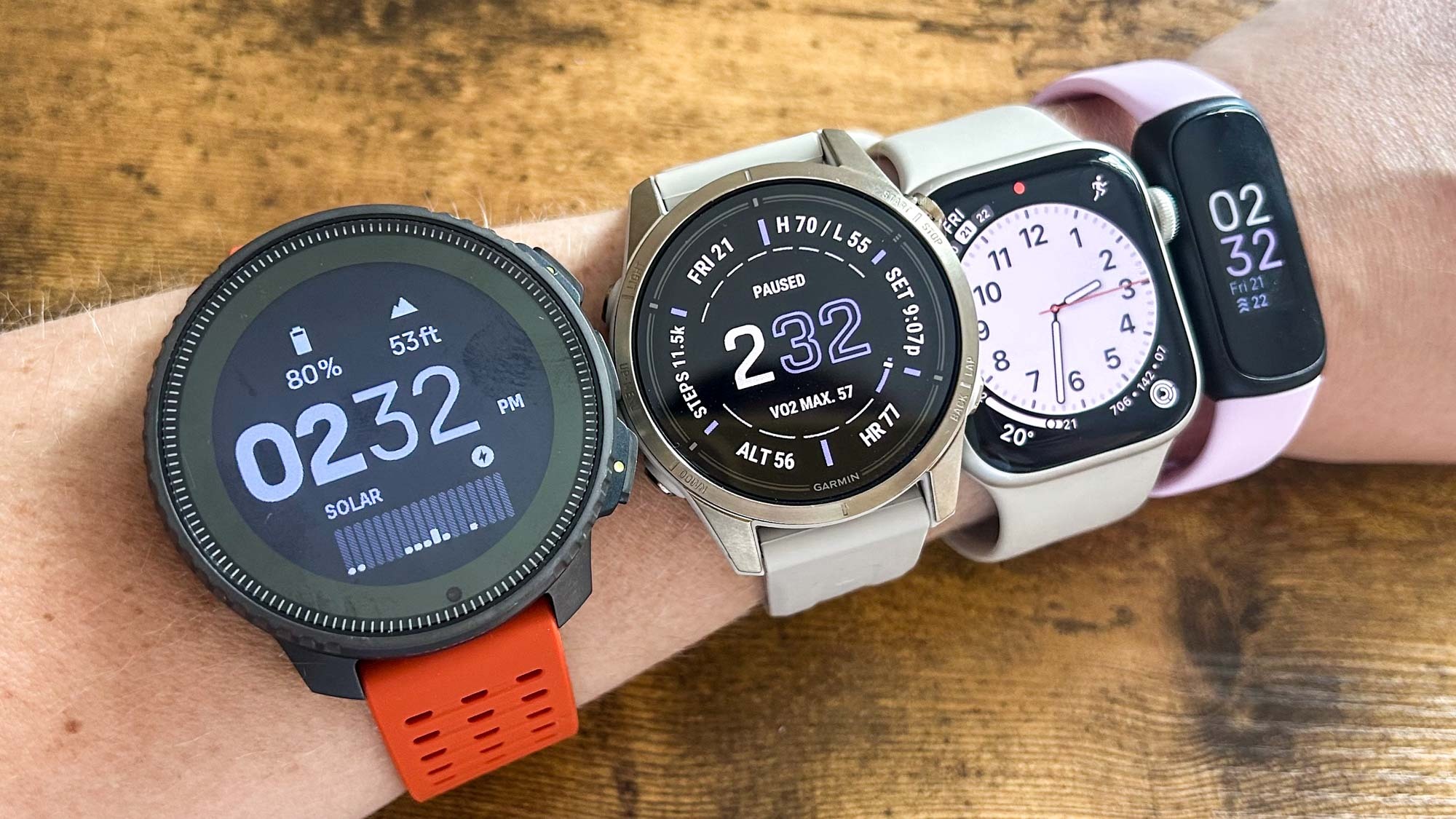
How to choose best step tracker
The right step tracker depends less on the longest feature list than on how you want to wear it and how much information you actually plan to use.
Step-counting method
Dedicated pedometers such as the NESKLA and 3DActive A420S use tri-axis sensing to count steps in different positions. That is useful when the device sits in a pocket, hangs from a lanyard, or clips to clothing instead of staying flat on a wrist. Wrist trackers add step counts to a larger activity system, but they require charging and more setup.
Display readability
A large LCD is often easier to read outdoors or at a glance than a small wrist panel. The 3DActive models and NESKLA prioritize a clear number, while the Moremore, USMECBL, and ZKSSGY use color touchscreens for menus, notifications, and watch faces. Choose the display that suits your eyesight and your willingness to interact with the device.
A step tracker is useful only when checking the number is easier than ignoring it.
Phone and app requirements
The NESKLA, 3DActive A420S, and Pautios can be used without a phone. Fitbit, Moremore, USMECBL, ZKSSGY, and ENGERWALL rely on a connected phone for notifications, setup, or deeper reports. Before choosing a wrist tracker, decide whether you want historical charts and alerts or simply a live step total.
Health and sleep sensors
Heart rate, blood oxygen, blood pressure, and sleep tracking can add context to daily movement. The Fitbit Inspire 3 has the most developed combination of activity, sleep, stress, and exercise features in this group. Several other products list blood pressure and blood oxygen monitoring, but those readings should be treated as wellness information rather than medical measurements.
Battery and charging
A CR2032 battery can keep a simple pedometer running for up to a year, while wrist trackers need regular charging. The Pautios and Moremore models state up to seven days, USMECBL gives different durations for different usage conditions, and ENGERWALL states five to seven days. The convenience of a wrist tracker is reduced if you regularly forget its charger.

Frequently asked questions
Do I need a phone to use a step tracker?
No. The NESKLA, both 3DActive A420S models, and Pautios No-App Pedometer Watch are designed to work without a smartphone. App-based trackers need a phone for setup, notifications, or detailed history.
Are clip-on pedometers accurate?
A tri-axis sensor can count steps in multiple orientations, which is useful for clip-on and pocket placement. The NESKLA and 3DActive A420S models both use this type of sensor. No step counter is perfect, so consistent placement and normal walking habits still matter.
Which step tracker is easiest for seniors?
The NESKLA and 3DActive A420S are the simplest choices because they show steps on a large display and avoid app setup. The Pautios watch is a better fit if the wearer wants a wrist device with heart-rate, sleep, and activity features.
Can these trackers monitor sleep?
Yes, the Fitbit Inspire 3, Moremore trackers, USMECBL, Pautios, ZKSSGY, and ENGERWALL list sleep tracking. The NESKLA and 3DActive A420S are step-only devices and do not provide sleep data.
Are blood pressure readings from fitness trackers medical readings?
They should not be treated as a replacement for a medical device or professional assessment. Several products in this roundup list blood pressure monitoring, but the feature is best viewed as general wellness information.
Which tracker has the largest display?
The USMECBL has a stated 1.47-inch OLED display. The Moremore and ZKSSGY trackers use 1.1-inch displays, while the NESKLA and 3DActive models use large LCD or digital readouts rather than specifying a screen diagonal.
Can I wear these trackers while swimming?
The USMECBL, Pautios, and ENGERWALL list IP68 water resistance, with usage guidance and limitations. The Moremore and ZKSSGY listings describe water-related fitness use, but buyers should follow the specific product instructions before swimming or prolonged immersion.
The bottom line
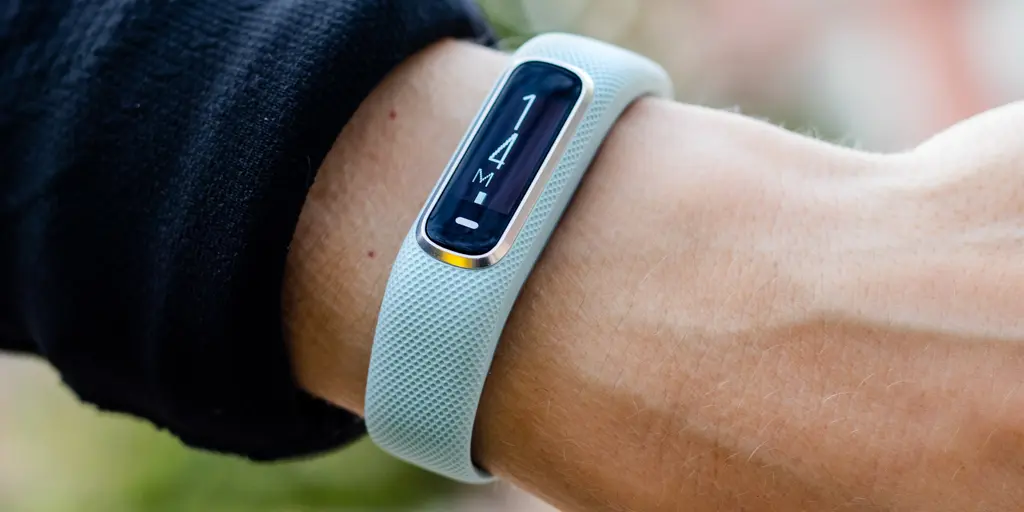
The NESKLA 3D Pedometer is the Best step tracker for anyone who wants a large, uncomplicated number and nothing else. Its tri-axis sensor, clip and lanyard options, and long-lasting replaceable battery make it easier to live with than a feature-heavy wrist band.
For connected health tracking, the Fitbit Inspire 3 is the stronger choice, especially for readers who care about sleep, heart rate, exercise modes, and a broader history of daily activity. The Pautios No-App Pedometer Watch is the better alternative for someone who wants a watch format without a phone.
If you are undecided, choose NESKLA for steps alone and Fitbit Inspire 3 for a complete activity and sleep picture.
As an Amazon Associate we earn from qualifying purchases.