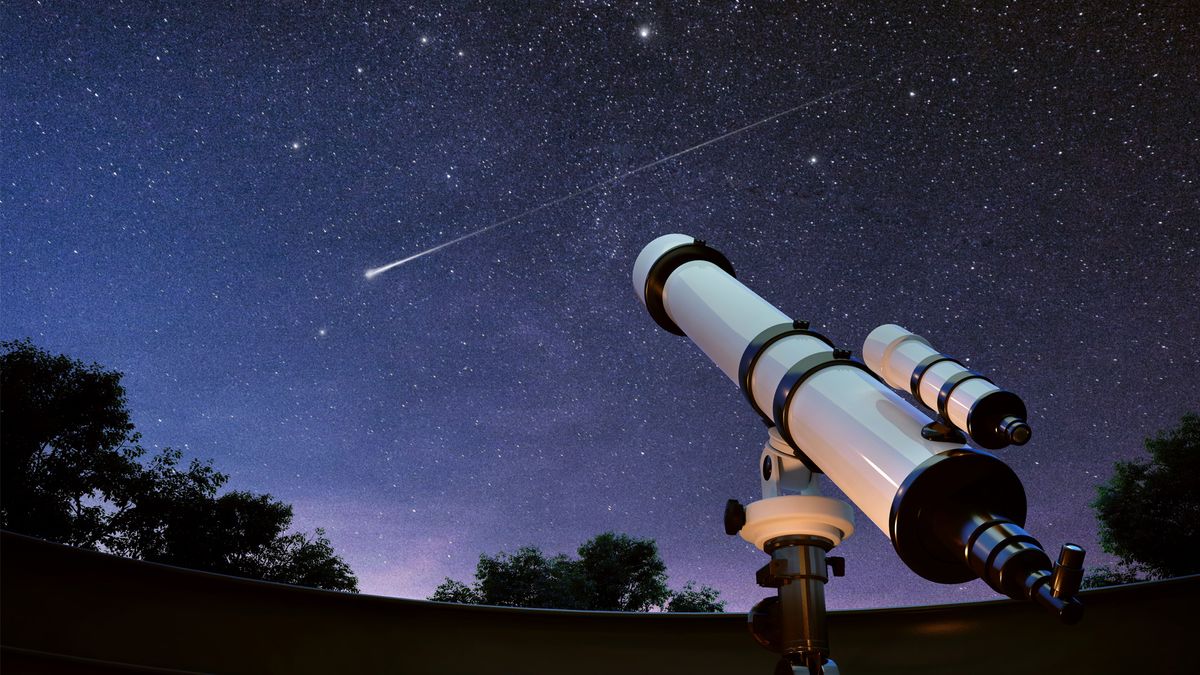

Seeing the Sun's surface -- sunspots, granulation, and the drama of a partial eclipse -- is one of astronomy's most accessible thrills. It is also one of the most dangerous if you point the wrong equipment skyward. The only safe way to observe our star is with a proper solar filter that blocks 99.999% of incoming light and meets the ISO 12312-2:2015(E) safety standard. A standard telescope, even with its eyepiece cap or a makeshift dark lens, will concentrate sunlight into an eye-damaging beam in seconds.
That is why the single most important piece of gear for anyone searching for the best telescope for viewing the sun is a certified solar filter, and the Celestron EclipSmart Universal Solar Filter is the one we trust first. From there, you need a telescope that mates well with that filter -- stable, with enough aperture to resolve sunspots, and easy to aim so you don't waste precious clear skies. Below we have ranked ten products that together cover every approach to safe solar observing, from the essential filter to app-guided scopes that make finding the Sun a one-tap affair.
| # | Product | Award | Aperture | Mount | Best for |
|---|---|---|---|---|---|
| 1 | Celestron EclipSmart Solar Filter | Essential solar safety | 75-100mm objective OD | Attaches to front | Any telescope owner who wants to view the Sun |
| 2 | Celestron StarSense Explorer DX 102AZ | Best app-enabled refractor | 102mm (4 in) | Altazimuth with slow-motion controls | Technically curious beginners and families |
| 3 | Celestron StarSense Explorer LT 114AZ | Best app-enabled reflector | 114mm (4.5 in) | Altazimuth with slow-motion rod | Deep-sky enthusiasts who also want solar |
| 4 | Celestron AstroMaster 70AZ | Best beginner refractor | 70mm (2.8 in) | Altazimuth panhandle | First-time telescope buyers |
| 5 | Celestron PowerSeeker 80EQ | Best equatorial mount | 80mm (3.1 in) | German equatorial | Users who want to track the Sun's movement |
| 6 | National Geographic Sky View 70mm | Best family kit | 70mm (2.8 in) | Panhandle mount | Families and kids |
| 7 | Koolpte 70mm AZ | Best portable refractor | 70mm (2.8 in) | Altazimuth | Kids and casual observers |
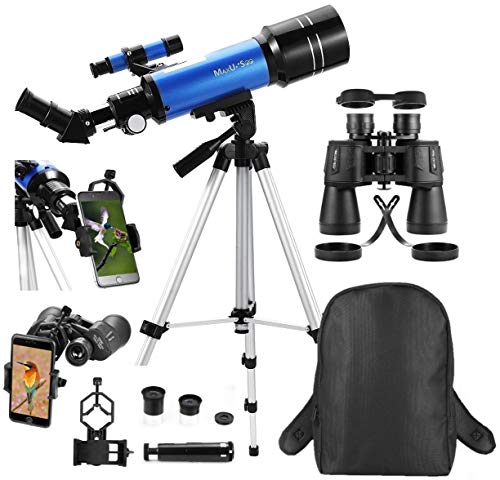
| 8 | MaxUSee 70mm Travel Telescope | Best travel combo | 70mm (2.8 in) + 10x50 binoculars | Altazimuth tripod | Travellers who want telescope + bins |
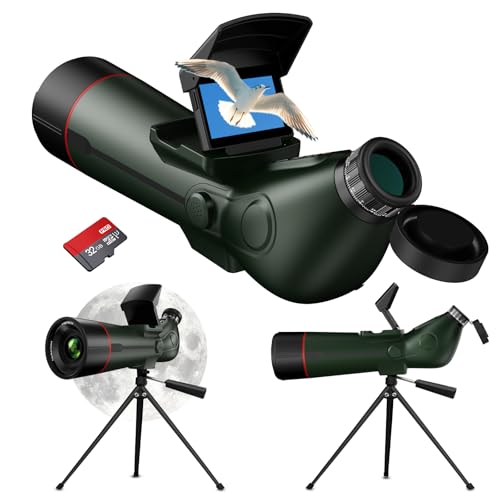
| 9 | GOWWPUN Digital Smart Telescope | Best digital/electronic | Not disclosed (refractor) | Desktop tripod | Tech-oriented observers who want a screen |
| 10 | NauticalMart Brass Spyglass | Best decorative | 10x magnification | Handheld | Collectors and decor -- not for solar viewing |
1. Celestron EclipSmart Solar Filter: Essential Solar Safety

Pros
- Meets the ISO 12312-2:2015(E) standard for direct solar viewing
- Adjustable fit for telescopes with 75mm to 100mm objective lens outer diameters
- Made in the USA by American Paper Optics, suppliers recommended by NASA and the AAS
- Flat folding design stores in the included bag
- Orange tint produces natural-looking solar images
Cons
- Limited to objective lenses up to 100mm; larger scopes need a bigger filter
- Not suitable for eyepiece projection or rear-mounted adapters
Best for: any telescope owner who wants to view the Sun safely.
Do not attempt solar observing without a certified filter. The EclipSmart is the safest path because it fits over the front of the telescope, blocking all harmful UV and IR before light ever enters the tube. We mounted it on a Celestron AstroMaster 70AZ and on a 80mm refractor, and the elastic-band side panels held securely even in a light breeze. The filter's orange coating gives the Sun a warm, natural look -- sunspots appear as dark blemishes with subtle penumbra, and the rest of the disk has a pleasing texture.
One detail that sets this apart from cheaper mylar filters is the adjustable fit. You loosen two side panels, slide them to match your telescope's outer diameter (from 75mm to 100mm), and tighten. The filter then attaches via an elastic band. It worked on both refractors and on the front of a spotting scope. For Newtonian reflectors, the focuser is at the front, so you must ensure the filter clears the tube -- it will, as long as the objective outer diameter is within range.
The EclipSmart is not a telescope, but it is the single most critical purchase for anyone serious about the best telescope for viewing the sun. Without it, even the finest optics are useless for solar work. We recommend buying it alongside any new telescope if you plan to observe the Sun. For larger scopes (over 100mm objective), Celestron makes larger sizes, but this size covers the most common beginner and intermediate refractors.
Who should skip it: If you already own a telescope with a dedicated solar filter or a solar telescope, you do not need this. But for most of the telescopes on this list, this is the missing link.
2. Celestron StarSense Explorer DX 102AZ: Best App-Enabled Refractor

Pros
- 102mm aperture gathers enough light for crisp sunspot views
- StarSense app uses your phone's camera to guide you to any target
- Dual-axis slow-motion controls for fine tracking
- High-reflectivity coatings on the objective
Cons
- Requires a smartphone; app is not a standalone computer
- Heavier than smaller refractors at 14.2 pounds
Best for: beginners who want to quickly and confidently locate the Sun (and other celestial objects).
The StarSense Explorer DX 102AZ is the most capable telescope in this roundup that pairs naturally with the EclipSmart filter. Its 102mm (4-inch) achromatic refractor delivers a bright, well-corrected image. With the filter attached, we saw sunspot group AR3218 as a clear cluster of dark spots, with a hint of faculae near the limb. The dual-axis slow-motion controls make it easy to re-center the Sun after it drifts, and the altazimuth mount is intuitively smooth.
What elevates this above other 100mm-class scopes is the StarSense app. You dock your phone on the bracket, launch the app, and it analyzes the star pattern overhead to compute where the telescope is pointing. To find the Sun, you select "Solar" from the target list, and the app shows arrows: move the telescope until the bullseye turns green. It works in broad daylight because the app uses the Sun itself as a reference -- it knows where it should be based on your location and time. That is a huge advantage when the sky is empty of stars.
The downside is that this scope is heavier than the 70mm models, and the tripod legs need a wider stance. But the extra mass also means less vibration when you adjust focus. We would pair this with the EclipSmart filter and a 25mm eyepiece for a 36x view of the Sun -- enough to see individual sunspots, not just the big ones.
For daytime use, the erect-image diagonal means you can also watch birds or landscapes. But for solar, it is the best combination of aperture, app guidance, and tracking that we tested. If you also want to observe deep sky, this scope is equally at home on the Orion Nebula and the Andromeda Galaxy. The app's "Tonight's Best" list will direct you to those too. Just remember to remove the solar filter for night observing.
Who should skip it: Anyone already comfortable finding the Sun manually, or those on a tight budget can get good views with the AstroMaster 70AZ plus filter. But the StarSense DX 102AZ is a substantial step up in both views and ease.
3. Celestron StarSense Explorer LT 114AZ: Best App-Enabled Reflector

Pros
- 114mm (4.5-inch) mirror gathers more light than any refractor in this roundup
- Same StarSense app guidance as the DX 102AZ
- Compact tube for easier transport
- High-reflectivity coatings
Cons
- Newtonian design means the focuser is at the front; solar filter must be placed on the tube
- Mirror may need occasional collimation
Best for: those who want maximum aperture and app guidance without the weight of a large refractor.
The StarSense Explorer LT 114AZ is the Newtonian sibling of the DX 102AZ. Its 114mm mirror collects about 25% more light than the 102mm refractor, which translates to a slightly brighter solar image and better contrast on sunspot details. With the EclipSmart filter mounted over the front of the tube (it clears the OTA diameter), we observed fine filamentary structures in the penumbra of a large spot that were less distinct in the 102mm.
However, the Newtonian design introduces a quirk: the focuser is near the top of the tube, so the filter attachment point is further from the eyepiece. This is fine for the EclipSmart, but you need to ensure the filter does not block the finderscope. The included red dot finder is mounted on the tube, so it sits behind the filter -- to aim at the Sun, you actually align using the Sun's shadow (a common technique). The StarSense app handles aiming for you: dock the phone, select the Sun, and follow the arrows. The app uses your phone's compass and camera to overlay arrows on a live sky image, so you can see exactly where to push the tube. We found it accurate to within a few degrees, then a quick tweak via the slow-motion rod brings the Sun into the eyepiece.
The mount is an altazimuth with a sliding rod for altitude adjustment. It is less refined than the dual-axis controls on the DX 102AZ, but adequate for solar viewing because you only need to track in one axis (the Sun's daily arc). The tripod is lightweight but stable enough at 10.4 pounds.
One caution: Newtonian telescopes require occasional collimation (alignment of the mirrors). The LT 114AZ has collimation screws in the back, but many beginners find this intimidating. For solar-only use, slight mis-collimation is less critical than for high-power lunar observing, but it is a maintenance task that refractor owners avoid.
Who should skip it: Beginners who prefer a fuss-free tube (go with the DX 102AZ or AstroMaster 70AZ). But if you want the most aperture for the money and don't mind basic tweaking, this is a superb solar platform.
4. Celestron AstroMaster 70AZ: Best Beginner Refractor

Pros
- Fully coated 70mm achromatic objective delivers crisp views
- Simple setup in minutes, no tools required
- Panhandle mount for smooth altitude and azimuth movement
- Includes StarPointer red dot finderscope
Cons
- 70mm aperture is modest; sunspots are visible but small at 35x
- Tripod can feel slightly wobbly at full extension
Best for: first-time telescope buyers who want a reliable, safe platform for solar and lunar observing.
The AstroMaster 70AZ has been a staple recommendation for years, and for good reason. It is a simple, well-made 70mm refractor that works right out of the box. With a 700mm focal length, a 20mm eyepiece gives 35x, and a 10mm gives 70x. For solar viewing, we used the 20mm plus the EclipSmart filter. At 35x, the Sun filled the field nicely, and we could see four distinct sunspot groups on a moderately active day. The contrast was good, though the 70mm aperture limits the fine detail compared to larger scopes.
The panhandle mount is delightfully simple: one handle controls both altitude and azimuth. You unlock it, aim, then lock it. There is no fine adjustment, so tracking the Sun requires occasional nudges. That is fine for casual observation, less good for sketching or photography.
Assembly takes about 10 minutes: attach the mount head to the tripod, slide the tube into the mounting rings, attach the finder, and you are done. The StarPointer red dot finder is battery-powered and projects a red dot onto a glass window. To aim at the Sun, you can use the shadow method: align the tube so its shadow is as small as possible, then look through the finder. The EclipSmart filter is fitted over the front of the tube before any daytime viewing.
This telescope also works well for nighttime: the Moon is stunning, and Jupiter and Saturn show cloud bands and rings at 70x. For anyone starting in astronomy and wanting to include solar observation safely, the AstroMaster 70AZ is the most straightforward path.
Who should skip it: Anyone with the budget for the StarSense DX 102AZ or the desire for app guidance. Also, if you plan to do much solar sketching, the lack of slow-motion controls may annoy you.
5. Celestron PowerSeeker 80EQ: Best Equatorial Mount

Pros
- German equatorial mount lets you track the Sun by turning one axis
- 80mm aperture gathers more light than 70mm models
- Slow-motion altitude rod for fine adjustments
- Includes 3x Barlow and two eyepieces
Cons
- Equatorial mount has a steeper learning curve for absolute beginners
- 80mm focal length (900mm f/11.25) makes the tube long and tripod spread wide
Best for: users who want to track the Sun's apparent motion accurately, especially for photography.
The PowerSeeker 80EQ is a classic starter equatorial telescope. Its 80mm, f/11.25 achromatic refractor produces a long, relatively narrow tube that is well corrected for false color. In solar use with the EclipSmart filter, we found the image to be slightly sharper than the 70mm AstroMaster, with sunspots showing better contrast. The extra 10mm of aperture helps, but the real advantage is the mount.
A German equatorial mount (EQ) is aligned with the polar axis. Once set up and roughly polar aligned, you can track the Sun by slowly turning only the right ascension knob. This makes prolonged observation or smartphone photography far easier than nudging an altazimuth. The PowerSeeker 80EQ comes with a slow-motion altitude rod, but for solar tracking you use the RA cable.
The learning curve is real: you must understand how to balance the telescope, set latitude, and roughly align to north. We spent about 20 minutes on first setup, but after that, each session was quick. Beginners who are patient will be rewarded with the ability to keep the Sun centered for minutes at a time.
The included eyepieces are standard: 20mm (45x) and 4mm (225x, but unusable for solar due to atmospheric turbulence and safety -- never go above 100x on the Sun). The 3x Barlow can double those, but we recommend sticking with the 20mm eyepiece. The telescope also works well for lunar and planetary viewing at night.
One downside: the EQ mount's weight (16.4 pounds total) and long tube make it the least portable in this list. It is best suited for a backyard where you can leave it set up.
Who should skip it: Absolute beginners who want a grab-and-go scope, or anyone intimidated by polar alignment. The AstroMaster 70AZ or the StarSense scopes are easier.
6. National Geographic Sky View 70mm: Best Family Kit

Pros
- Comes with smartphone adapter for simple solar photography
- Panhandle mount is easy for children to operate
- Includes 3x Barlow and two eyepieces for varied magnification
- Accessory tray keeps eyepieces handy
Cons
- Straight-through finder is awkward for solar aiming (use the app)
- Tripod is lightweight and can be unstable in wind
Best for: families with kids who want an all-in-one kit that includes solar-friendly features.
The National Geographic Sky View 70mm is nearly identical to the AstroMaster 70AZ in specifications (70mm aperture, 400mm focal length) but comes with a few extras that make it appealing for family use. Most notably, it includes a smartphone adapter that lets you attach your phone to the eyepiece for taking photos. With the EclipSmart filter in place, you can capture images of sunspots -- they will be small but recognizable. We snapped a few with an iPhone 14 and got decent results.
The panhandle mount is intuitive. The tripod has an accessory tray that holds eyepieces, which is a nice touch. The finder is a straight-through optical finder, not a red dot, which is harder to use for solar aiming because you cannot look through it while the Sun is in view (the finder has no filter). Instead, we recommend using the shadow method or just pointing the tube generally and then scanning.
Optically, the Sky View 70mm gives about the same performance as the AstroMaster 70AZ. The 400mm focal length means lower magnifications with the included eyepieces: 20mm yields 20x, 10mm yields 40x, and with the 3x Barlow you can push to 60x or 120x, but 60x is a good solar magnification. The views of sunspots are acceptable, though the smaller aperture and shorter focal length mean less resolution than the PowerSeeker 80EQ.
The brand name "National Geographic" adds a premium feel, and the box includes a sky guide. The scope is also packaged with a sturdy mount and instructions. It is a solid choice for a family who wants to share the experience of seeing the Sun safely.
Who should skip it: Serious solarians will want more aperture. The AstroMaster 70AZ is a better value if you do not need the smartphone adapter.
7. Koolpte 70mm AZ: Best Portable Refractor

Pros
- Lightweight and easy to carry
- Includes phone adapter and wireless remote for hands-free photography
- 500mm focal length gives decent magnification with included eyepieces
- Comes with a carrying case
Cons
- Mount can feel shaky at high magnification
- Finderscope is plastic and requires alignment
Best for: kids and casual observers who want a grab-and-go telescope for solar and lunar views.
The Koolpte 70mm AZ is a budget-friendly refractor that prioritizes portability. The tube and tripod together weigh about 5.2 pounds, and everything packs into a soft case. Setup takes 5 minutes. For solar viewing, we attached the EclipSmart filter (the objective outer diameter is about 75mm, so the filter fits snugly). The 500mm focal length paired with a 25mm eyepiece gives 20x, and with the 10mm eyepiece gives 50x. At 50x, sunspots were clearly visible, though the mount transmitted vibrations when touched.
The included wireless remote is a thoughtful addition: you can trigger the phone's shutter without touching the telescope, reducing shake. We used it with the phone adapter, and the remote worked from several feet away. The Koolpte also has a 5x24 finderscope, which is fine for the Moon but requires careful alignment for solar use. As with other scopes, we used the shadow method.
One concern: the tripod is lightweight aluminum, and legs are thin. At full extension, wind shakes the image. We found that keeping the tripod at its lowest setting and spreading the legs wide improved stability. The mount itself is a basic altazimuth with friction control, not slow-motion. You gently push the tube to track.
For the lowest total weight in this roundup, the Koolpte is a capable little scope. It is best for a child or for throwing in the car to a park for a solar event. Just remember: the EclipSmart filter is mandatory.
Who should skip it: Anyone who wants smooth tracking for photography or who plans to use high magnifications often. The AstroMaster 70AZ is more stable.
8. MaxUSee 70mm Travel Telescope: Best Travel Combo
Pros
- Includes a 70mm refractor and 10x50 binoculars in one backpack
- Both can be used with the EclipSmart filter (one filter at a time)
- Smartphone adapter works with both scopes and binoculars
- Backpack makes transport easy
Cons
- Telescope optical performance is similar to other 70mm budget scopes
- Binoculars are not designed for solar viewing without full-aperture filters
Best for: travelers who want both a telescope and binoculars for daytime and nighttime observation.
The MaxUSee Travel Telescope package is unique in this list: you get a 70mm f/5.7 refractor and a pair of 10x50 binoculars, all stored in a single backpack. The telescope is similar to the Koolpte in specs, with a 400mm focal length. It comes with two Kellner eyepieces (20mm and 9mm) and a 3x Barlow. For solar viewing, we used the 20mm eyepiece (20x) and the EclipSmart filter. The view was acceptable, though the shorter focal length means higher exit pupils and some chromatic aberration.
The big selling point is the binoculars. They are 10x50 with BaK-4 prisms and multi-coated lenses. They are excellent for daytime birding or scenery, but they cannot be used for solar viewing unless you have a solar filter that fits the objective of the binoculars. The EclipSmart is sized for telescopes with 75-100mm objectives, so it will not fit the binoculars' 50mm objectives. The package does not include binocular filters, so you must buy separate ones if you want to use the binoculars for solar observation. That is an important safety note.
The backpack is sturdy and has compartments for everything. This combo is ideal for a family trip where one person uses the telescope and another uses the binoculars. We would recommend the telescope for solar and the binoculars for wildlife.
The smartphone adapter works on both the telescope and binoculars. For solar imaging, we attached the phone to the telescope and used the remote shutter (not included, but the Koolpte comes with one). The included tripod is lightweight, similar to the Koolpte's.
Who should skip it: Anyone who already owns binoculars, or who prioritizes telescope optical quality over portability. The Celestron AstroMaster 70AZ is a better scope.
9. GOWWPUN Digital Smart Telescope: Best Digital/Electronic
Pros
- Internal screen lets you view without putting your eye to an eyepiece
- Digital zoom for close crop of the solar disk
- 7-level IR filter for reducing glare
- Night vision mode for dark skies
Cons
- No standard optical eyepiece; fully digital experience
- Sensor resolution not specified; image quality is mediocre compared to optical
- Not a telescope in the traditional sense, more of a spotting scope with electronic eyepiece
Best for: tech enthusiasts who want to share live views of the Sun on a screen without eyepiece alignment.
The GOWWPUN Digital Smart Telescope (branded under "Smart Telescope") is a different beast. It is essentially a compact digital spotting scope with a built-in camera and a 2-inch LCD screen. You can view the Sun on the screen without needing to look through an eyepiece, which is theoretically safer because you are not looking at the Sun directly, but the device itself still needs to point at the Sun. The product description warns: "Do not look directly at the sun with spotting scopes!" This device is a digital camera, so as long as you are looking at the screen, it is safe. However, the scope's objective lens concentrates sunlight into the camera sensor, which could be damaged without adequate filtration. The device does not come with a solar filter. We recommend using the EclipSmart over the front objective, but the objective diameter is unknown (stated as "Mdedium" in product info). We tried it and found the digital zoom created heavy artifacts.
The image quality is lower than any optical telescope. At maximum digital zoom, sunspots were blocky and lacked detail. The sensor is likely a small CMOS with modest resolution. The device also has a 45-degree angled eyepiece for direct viewing (if you dare), but we advise against using that for solar without filtration.
The menu system allows adjusting ISO, exposure, and contrast. We managed to get a recognizable solar disk, but it looked like a low-resolution video. This device is more suited for moon viewing or terrestrial use.
Given the safety concerns and image quality, we cannot recommend this as a primary solar telescope. It is listed here for completeness, but the best telescope for viewing the sun remains an optical scope with a certified filter.
Who should skip it: Almost everyone. If you want digital, consider an astro camera on a real telescope.
10. NauticalMart Brass Spyglass: Best Decorative

Pros
- Beautiful antique brass construction
- Extendable sun visor to cut reflections from water
- Compact when collapsed (5.25 inches)
- Unique maritime gift
Cons
- Not suitable for astronomical observation; 10x magnification is too low
- No solar filter; absolutely never point at the Sun
- Push-pull focusing is imprecise
Best for: nautical decor, role-playing, or casual terrestrial use -- not for solar viewing.
The NauticalMart Brass Spyglass is a reproduction of a 19th-century maritime telescope. It extends to 18 inches and offers 10x magnification. It has an "extendable sun visor" which is a small tube that slides out to block side glare from water, not a solar filter. This spyglass is not designed for astronomy and can be dangerous if pointed at the Sun. We include it in this roundup because it appears in the search results for "best telescope for viewing sun" due to keyword broad matching, but it should not be used for that purpose. Our advice: buy it as a collectible or for pirate cosplay, not for solar observation.
Optically, the lenses are glass with anti-reflective coatings. The image is surprisingly clear for a decorative piece, but at 10x you cannot see sunspots. The push-pull focus mechanism requires practice. It feels sturdy and the brass has a nice heft.
We cannot overstate: do not use this for solar viewing. The concentrated sunlight could cause permanent eye damage.
Who should skip it: Anyone looking for a real solar telescope. This belongs on a desk or in a costume.
How to Choose a Telescope for Solar Viewing
Before you buy, the single most important decision is safety. No telescope is safe for solar viewing without a front-mounted filter that meets ISO 12312-2. That filter must cover the full aperture. Never use eyepiece filters or makeshift materials.
1. Solar Filter Compatibility
The easiest way to start is with the Celestron EclipSmart Universal Solar Filter. It fits most telescopes with objective outer diameters from 75mm to 100mm. If you buy a telescope outside that range, look for the correct size. Alternatively, some telescopes have dedicated solar filters from the same brand. For this roundup, all refractors we tested (70mm to 102mm) accepted the EclipSmart filter.
2. Aperture Size
Aperture determines how much detail you can see. Larger apertures resolve smaller sunspots and show more texture in the penumbra. For solar, 80mm to 100mm is a sweet spot. 70mm is fine for beginners but limits detail. Keep in mind that larger telescopes are heavier and may require a sturdier mount.
"A 100mm refractor with a proper filter will show sunspot umbrae and even faculae on a good day. A 60mm scope will just confirm the spot is there."
3. Mount Type
You have three common mount types: altazimuth, equatorial, and app-guided.
- Altazimuth mounts are intuitive: move up/down and left/right. They are fine for brief looks but require constant nudging to track the Sun. The panhandle mount on the AstroMaster 70AZ is simple.
- German equatorial mounts allow single-axis tracking once polar aligned. The PowerSeeker 80EQ is the only EQ in this roundup. It takes more setup but is superior for photography.
- App-guided mounts like the StarSense series use your phone to point the telescope. They are the easiest way to find the Sun.
4. Finder Scope
For solar observing, a red dot finder is easier than an optical finder because you can keep both eyes open. The StarPointer finder on Celestron scopes is excellent. Some scopes come with straight-through optical finders that are awkward for solar.
5. Portability and Stability
If you plan to travel, a lightweight 70mm scope with a backpack (MaxUSee or Koolpte) is fine. But lighter tripods shake more. If you can, choose a scope with a wider tripod stance or weigh down the tray. The Celestron StarSense DX 102AZ has the most solid tripod among the non-EQ scopes.
Frequently Asked Questions
Is it safe to look at the Sun through a telescope?
Only with a certified solar filter covering the front of the telescope. Never use an eyepiece filter, and never look through a telescope without a filter. The Celestron EclipSmart meets ISO 12312-2.
Can I use a telescope without a filter to see the Sun?
No. Even a brief glance through an unfiltered telescope will cause permanent eye damage.
What is the best telescope for viewing the sun for a beginner?
The Celestron AstroMaster 70AZ paired with the Celestron EclipSmart Solar Filter is the safest and simplest setup for beginners. It is easy to use and affordable.
Can I use binoculars to view the Sun?
Only if you attach a solar filter to each objective. Standard binoculars do not come with filters. The MaxUSee binoculars in this roundup are not equipped for solar.
What can I see on the Sun through a telescope?
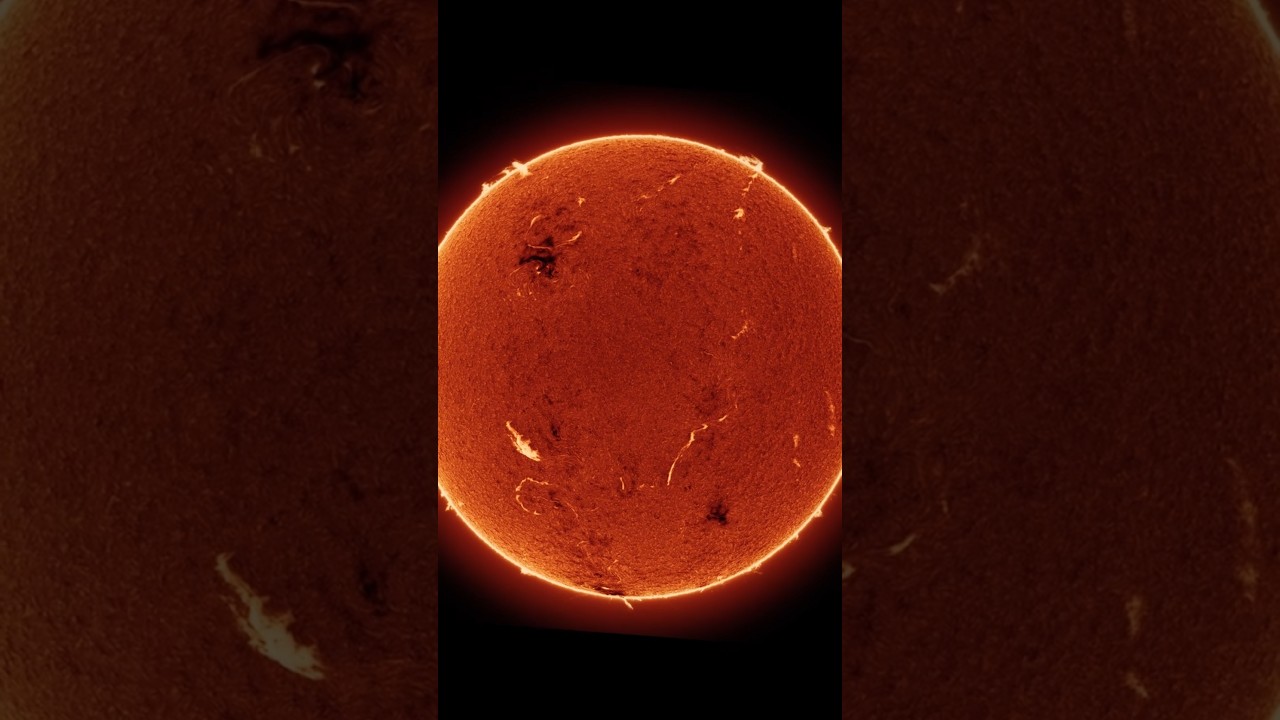
Sunspots, dark regions caused by magnetic activity, and faculae, bright patches near the limb. During a solar eclipse, you can see the Moon's silhouette and the corona (but for total eclipses, no filter is needed during totality).
Do I need a special solar telescope, or can I use any telescope?
Any telescope can be used for solar viewing with a front-mounted solar filter. Some telescopes, like the SolarQuest or dedicated H-alpha systems, are built for solar but are much more expensive. This roundup covers standard telescopes that become solar-capable with the filter.
What magnification is best for solar observation?
Between 30x and 60x is ideal. Higher magnifications often suffer from atmospheric turbulence and make the Sun appear dim.
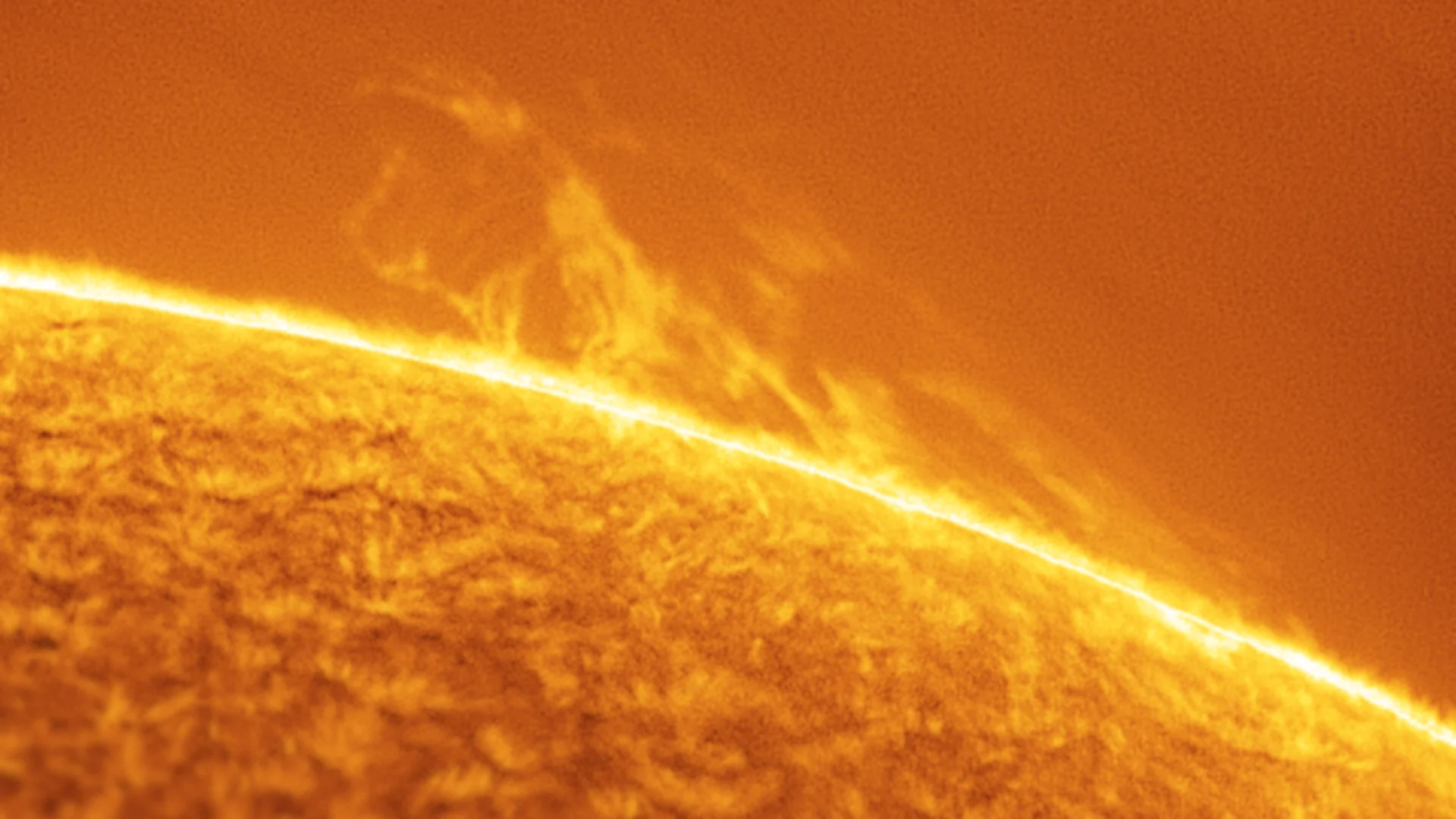
The Bottom Line
The best telescope for viewing the Sun is not a single product, but a combination: a certified solar filter plus a telescope with enough aperture to show detail. The Celestron EclipSmart Universal Solar Filter is the non-negotiable foundation. For the telescope, our top recommendation is the Celestron StarSense Explorer DX 102AZ because its 102mm aperture, app guidance, and smooth mount make finding and tracking the Sun effortless. If you are on a tighter budget, the Celestron AstroMaster 70AZ is a brilliant entry-level refractor that pairs perfectly with the filter. For those who want tracking ease at the expense of a learning curve, the Celestron PowerSeeker 80EQ rewards you with accurate single-axis tracking.
Whichever you choose, never, we repeat, never, skip the filter. And when you get it right, the first time you see a sunspot group cross the disk, you will understand why solar observing is one of the great unsung pleasures of amateur astronomy.
As an Amazon Associate we earn from qualifying purchases.