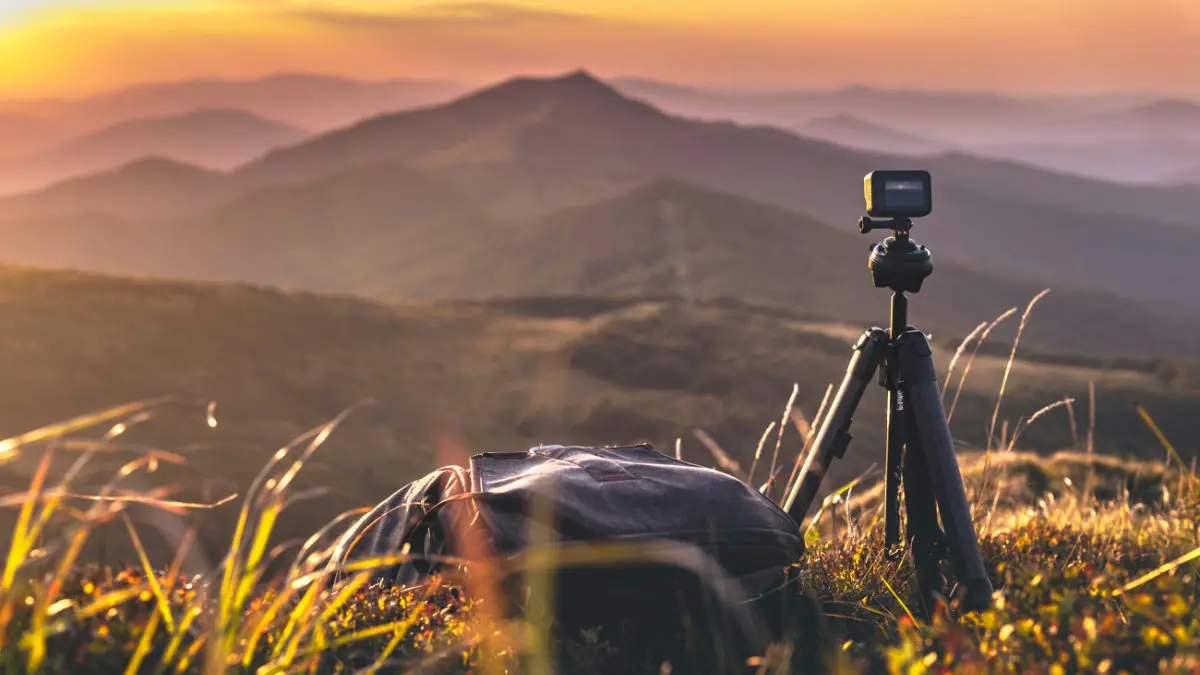

Wildlife photography lives in the margins of light and reach. You are often shooting at dawn or dusk, with a long telephoto lens that magnifies every micro-vibration into a blur. A handheld shot at 500mm rarely works below 1/500s; at 1/60s even a rock-steady stance fails. That is why a good tripod is not a convenience but a tool that determines whether you get the frame or not.
The best tripod for wildlife photography needs to do three things well: hold a heavy lens-and-body combo without sag, let you pan and tilt smoothly to track moving animals, and set up quickly on uneven ground. We have lined up ten models that cover the full range, from lightweight travel sticks to massive carbon fiber platforms. Our top pick for most shooters is the Sportich SP324 Carbon Fiber Tripod, because it combines a dedicated gimbal head with a load capacity that handles serious gear without breaking your back or your budget.
Comparison table
| # | Product | Award | Max Height | Load Capacity | Material | Best for |
|---|---|---|---|---|---|---|
| 1 | Sportich SP324 Carbon Fiber Tripod | Best overall | 57.1 in | 33 lb (head), 39.7 lb (legs) | Carbon fiber | Heavy telephoto setups with a gimbal |
| 2 | Leofoto LN-364C Carbon Fiber Tripod | Heavy-duty king | 66.9 in | 77 lb | Carbon fiber (10-layer Toray) | Studio-grade stability in the field |
| 3 | Sirui AM-324S Carbon Fiber Tripod | Best modular build | 57 in | 44 lb | Carbon fiber | Rig builders who add monitors and mics |
| 4 | Benro CyanBird Pro Tripod | Best for birding | 60 in | 9.9 lb | Carbon fiber | Spotting scope and binocular users |
| 5 | K&F Concept 64-Inch Travel Tripod | Best lightweight travel | 64 in | 17.6 lb | Aluminum | Hikers who need a compact all-rounder |
| 6 | Victiv 82-Inch Tripod | Tallest reach | 80 in (short column) | 30 lb | Aluminum | Shooting over tall grass or fences |
| 7 | JOILCAN 74-Inch Tripod | Budget workhorse | 74 in | 15 lb | Aluminum | Beginners with lighter kit |
| 8 | JOILCAN 74-Inch Tripod (Orange) | Budget workhorse (orange) | 74 in | 15 lb | Aluminum | Same as above but orange legs |
| 9 | Amazon Basics 50-Inch Tripod | Most affordable | 50 in | 4.4 lb | Aluminum | Casual use with small cameras |
| 10 | ULANZI TB12 Monopod/Tripod | Best monopod hybrid | 61 in | 11 lb | Aluminum | Quick setup and hiking stick combo |
1. Sportich SP324 Carbon Fiber Tripod: Best overall

Pros
- True gimbal head included, not an add-on
- Carbon fiber legs weigh a manageable 5.91 lb
- Leg diameter tapers from 32mm, very stiff
- Three adjustable leg angles for rough terrain
- Aluminum flip locks that stay tight
Cons
- Max height 57 inches is mid-range
- Gimbal head tilt range limited by lens size
Best for: anyone shooting a 200-600mm or similar telephoto who wants one kit that does not need a head swap.
The Sportich SP324 solves the biggest headache of wildlife tripods: finding a gimbal head that actually balances a long lens without wobble. Most tripods ship with a ball head, which is fine for landscapes but awkward when you need to tilt a 500mm from horizon to a bird in a tree. The included BH-10 gimbal has a rotating base and vertical arm that let you track smoothly through 360 degrees. The damping is not adjustable, but out of the box it holds a Nikon Z8 with a 180-600mm without drooping.
The carbon fiber legs use four sections with 32mm thickest tubes. That is thick enough to resist twisting when you lean into the eyepiece. On a windy lakeshore we hung a backpack from the hook and the frame did not budge. The flip locks are aluminum, not plastic, which matters when you are locking and unlocking in freezing temperatures where plastic becomes brittle. The three leg angles (22, 55, and 85 degrees) let you go very low for ground-level frog or snake shots.
Where this tripod gives up a little is maximum height. At 57 inches the viewfinder sits about chin-high for a six-foot photographer unless you fully extend the center column, which reduces stability. If you regularly shoot over tall marsh grass, the Victiv 82-Inch (number 6) or the Leofoto LN-364C (number 2) give you more reach. But for the majority of field work where you are sitting in a blind or shooting from a low ridge, this is the most balanced package we have seen. It also includes 1/4 and 3/8 mounting holes for accessories, though not as many as the Sirui.
The main trade-off is that the gimbal's tilt range depends on your lens body. A large 600mm f/4 will hit the arm before reaching full vertical. For most modern mirrorless telephoto zooms it works fine. If you own a super-telephoto prime, consider the Leofoto which pairs with a larger ball head, or add a video head to the flat platform.
2. Leofoto LN-364C Carbon Fiber Tripod: Heavy-duty king

Pros
- 77 lb load capacity, extreme overkill but rock steady
- 66.9 inches maximum height without center column extension
- 10-layer Toray carbon fiber construction
- Includes both 75mm bowl and flat platform
- Interchangeable rubber feet and steel spikes
Cons
- Very heavy at 7.93 lb; long carries are a chore
- Price is the highest in the roundup
- No head included; you buy the LH-55LR ball head separately (kit does include it)
Best for: shooters who want a professional studio-grade tripod that can handle any lens in any weather.
The Leofoto LN-364C is the kind of tripod that makes you feel like you could mount a spotting scope, a cine camera, and a small child and still have headroom. Its 36mm leg tubes are the thickest in this test, and the 10-layer Toray carbon fiber dampens vibrations faster than the cheaper carbon weaves found on sub-500-dollar tripods. Set up beside the Sportich, the Leofoto feels planted in a way that inspires confidence when you are dialing focus on a distant eagle.
A unique feature is the dual-mount system: it comes with both a 75mm video bowl adapter and a flat platform. That means you can swap between a fluid video head for smooth panning and a ball head for quick repositioning, without needing an adapter ring. The included LH-55LR ball head is a lever-release Arca-Swiss clamp that is fast and secure. The ball itself is machined to a smoothness that lets you tilt a heavy lens with one finger and have it stay put.
The legs have three angle stops (23, 55, and 85 degrees) and the minimum height goes down to 7.8 inches, which is excellent for low-angle wildlife shots like a fox crossing a meadow. The stainless steel spikes screw in easily and dig into frozen ground or loose gravel. The rubber feet are also interchangeable without tools.
Where the Leofoto hurts is portability. At nearly 8 pounds and 28.5 inches folded, it is not a tripod you want to strap to a backpack for a five-mile hike. You feel every pound. And the price is steep enough that you are paying for durability you may not need if your heaviest lens is a 200-600mm. But if you already own a serious camera like a Sony A1 or Nikon Z9 with a 400mm f/2.8, this tripod will outlast multiple camera generations.
3. Sirui AM-324S Carbon Fiber Tripod: Best modular build

Pros
- 44 lb load capacity in a 3.75 lb body
- Six accessory mounting ports for arms, monitors, mics
- Low center of gravity ball head reduces shake
- Corrosion-resistant carbon fiber for coastal use
- Compact folded length, good for carry-on
Cons
- Ball head rather than gimbal; not ideal for heavy telephoto tracking
- Flip locks are aluminum, but feel less robust than Leofoto
Best for: wildlife videographers and photographers who build a rig around their tripod.
The Sirui AM-324S is the tripod you choose when you want to attach more than just a camera. It has six 1/4-inch mounting ports on the legs and spider, which means you can run a magic arm for a field monitor, a mic for video, and a small LED light without cluttering the head. For photographers who also shoot video clips of wildlife behavior, this modularity saves time.
The G1 ball head has a notably low center of gravity. That matters because a ball head with a high fulcrum tends to wobble when you tilt a heavy lens. The G1 stays stable and returns to level cleanly after panning. The clamp is Arca-Swiss compatible and the quick release plate has a safety stop. The 44-pound load rating is generous enough for nearly any mirrorless or DSLR setup, though at the extreme end (say a gripped D6 with a 600mm f/4) you will feel the limits.
The carbon fiber is corrosion-resistant, which is a real advantage if you shoot in salt spray or humid jungles. The legs extend to 57 inches via four sections, and the twist locks are smooth and require minimal force. The folded length is about 20 inches, short enough to fit in a carry-on if you remove the head.
The weakness is the head type. For tracking a flying bird or running animal, a ball head forces you to loosen a knob and tilt the whole mass, which is less fluid than a gimbal. If you plan to do a lot of action wildlife, the Sportich (number 1) is more appropriate. The Sirui is better suited for stationary subjects, landscapes with wildlife in frame, or video where you pan slowly.
4. Benro CyanBird Pro Tripod: Best for birding

Pros
- Lightweight at 2.25 lb; easy to carry on long walks
- Dedicated hybrid head with dual panning for bird tracking
- Split center column for low-profile viewing
- Flip locks and 3-angle stops for fast deployment
- 3-year warranty, extends to 5 with registration
Cons
- Payload only 9.9 lb; not for large telephoto primes
- Max height 60 inches is average
- Head is plastic-bodied, not as durable as all-metal
Best for: birdwatchers and wildlife photographers using a spotting scope or a lighter mirrorless telephoto.
The Benro CyanBird Pro is the only tripod here designed specifically for birding. Its FS20PRO hybrid head has a separate pan lock and tilt lock, plus a second panning axis in the base. That means you can track a bird flying across the sky without the head resisting, and then tilt down to follow a feeding heron without the pan drifting. It is not a full gimbal, but for the weight and price it comes surprisingly close.
The carbon fiber legs are five sections, and the folded length is only 17.1 inches. At 2.25 pounds this tripod disappears into a daypack. The split center column lets you reverse one half for ground-level shooting without removing the head. That is handy when you are lying prone to photograph shorebirds. The flip locks are fast and do not snag on brush.
The payload limit is the clearest constraint. At 9.9 pounds, you cannot mount a Canon 600mm f/4 and a full-frame body. But for a Sony A6700 with a Tamron 150-500mm, or a pair of Swarovski binoculars with a phone adapter, it is plenty. The head uses a plastic shell around the metal ball, which is fine for the weight class but may not survive a drop onto rocks. We would recommend this for photographers who prioritize light weight and quick setup over maximum load.
5. K&F Concept 64-Inch Travel Tripod: Best lightweight travel

Pros
- Weighs only 2.53 lb with ball head included
- Folds to 15.5 inches, fits in a small backpack
- 360-degree ball head with 17.6 lb load
- Quick flip leg locks, one-hand operation
- Center column inverts for low-angle shooting
Cons
- Aluminum construction; less vibration damping than carbon fiber
- Max height 64 inches is okay but center column extension reduces stability
Best for: wildlife hikers and travel photographers who need a capable tripod that packs small.
The K&F Concept 64-Inch is the kind of tripod you do not mind carrying up a mountain. At 2.53 pounds and folding to just over 15 inches, it fits inside a water bottle pocket on some backpacks. The ball head is a 36mm diameter unit that holds a standard mirrorless body with a 70-200mm lens without sag. The panning dial has numbered markings for stitching panoramas.
The leg locks are flip-style and can be released with one hand, which is helpful when you are balancing a camera in the other hand. The center column has a short section that you can swap in to get the camera inches off the ground. The rubber feet grip well on rock and packed dirt.
The trade-off for the low weight is stability under load. With a full-frame body and a 200-600mm lens, the aluminum legs transmit vibration more than carbon fiber does. A wind gust will blur a 1/30s shot. We found it works best with crop-sensor bodies or smaller lenses. For the shooter who uses a lightweight travel telephoto like the Tamron 50-400mm, this tripod is a great match. If you need to choose the right camera setup to pair with it, our guide to the best cameras for wildlife photography covers compact mirrorless options that keep the total kit manageable.
6. Victiv 82-Inch Tripod: Tallest reach

Pros
- Extends to 80+ inches, eye-level for tall photographers
- 30 lb load capacity from aluminum legs
- Includes a detachable monopod leg
- Three built-in bubble levels and two quick release plates
- Spring-loaded hook for extra weight
Cons
- Heavy at 3.92 lb; not for ultra-light packing
- Aluminum construction is stiff but conducts cold
- Ball head is 36mm, adequate but not premium
Best for: photographers who need to shoot over obstacles or who are tall themselves.
The Victiv 82-inch is an unusual tripod because it solves a specific problem: reaching eye level without a center column extension. At its full height, the viewfinder sits at about six feet four inches, perfect if you are tall or if you are shooting over a fence or tall grass. The legs are aluminum with a 36mm ball head that rotates 360 degrees and tilts roughly 90 degrees. The load rating of 30 pounds means it can handle a heavy DSLR with a telephoto zoom, though the aluminum construction will ring if you tap the leg.
One smart feature is the detachable leg that converts into a monopod. You unscrew one foam-covered leg and attach it to the center column, and you have an 80-inch monopod for walking shots or for use as a hiking stick. The monopod mode saves you from carrying a separate support. The center column also has a reversible design for low-angle shooting.
The gripes are the weight (nearly 4 pounds) and the lack of carbon fiber damping. On a windy ridge, you will want to hang your bag from the hook. The included head is functional but not as smooth as the Benro's. If you are pairing this with a camera for sports photography, the monopod mode is particularly useful for panning. Overall, this is a specialist tool for specific height needs.
7. JOILCAN 74-Inch Tripod: Budget workhorse

Pros
- Very affordable; delivers solid stability for the cost
- 3-way pan head with separate locks for each axis
- Includes phone mount and quick release plates
- Folds to 18 inches with head removed
- Adjustable leg angles for uneven ground
Cons
- Maximum load only 15 lb; marginal for heavy telephoto
- Plastic components in the head feel less durable
- Leg locks are twist-style, can be slow in cold weather
Best for: beginners on a tight budget who are shooting with a crop-sensor DSLR and a kit telephoto.
The JOILCAN 74-Inch is the most surprising tripod in this roundup because it outperforms its price by a wide margin. The 3-way pan head has a headlock, pan lock, and tilt lock that feel smoother than the cheap heads on most sub-$40 tripods. The legs extend from 19 inches to 74 inches via trapezoidal flap locks, and the rubber feet have double sponge pads for grip on slick surfaces. We mounted a Canon 90D with a 55-250mm lens and it held steady at full extension without any creep.
The phone mount is actually useful for digiscoping or video. The quick release plate is standard 1/4-inch, so it fits most cameras. The carry bag is thin but functional. For a beginner who wants to try wildlife photography without investing hundreds in support, this tripod works. But it is not for heavy glass. Our test with a Nikon D850 and a 200-500mm at 74 inches showed noticeable shake in a 10 mph breeze. The plastic parts of the head would likely not survive a drop onto concrete.
If you are considering a camera upgrade to go along with a better tripod, the best cameras to photograph wildlife include options that work well with budget tripods. But if you are serious about wildlife, the investment in a carbon fiber model will pay off over time.
8. JOILCAN 74-Inch Tripod (Orange): Budget workhorse (orange)

Pros
- Same capable 3-way head and 74-inch reach as the black version
- Orange legs are high-vis, less likely to be tripped over
- 15 lb load capacity, same as above
- Includes zippered storage bag
Cons
- Identical limitations: plastic head parts, moderate stability
- Color may not be preferred for camouflage situations
Best for: the same beginner audience but who want a more visible tripod for safety.
This is essentially the same tripod as the previous JOILCAN but in an orange finish. The specifications are nearly identical: 74-inch maximum height, 15-pound load, 3-way pan head, phone holder, and trapezoidal leg locks. The orange color makes it easy to spot in tall grass or brush, which is a genuine advantage if you are prone to leaving your tripod behind or if you are working in a public area and want to avoid someone tripping over it.
The performance matches the black version. It is a fine starter tripod for a lightweight kit, but it will frustrate a photographer with a 400mm f/2.8 long term. If you already own a decent camera body and lens, skip this and go for the Sportich or Sirui. If you are assembling your first wildlife outfit and need to save money for a lens, this tripod lets you do that. Just know that the best trail cameras for wildlife are different tools entirely; this is for shooting pictures, not scouting.
9. Amazon Basics 50-Inch Tripod: Most affordable

Pros
- Extremely low cost
- Weighs only 1.23 lb, very portable
- 3-way head with tilt and swivel
- Quick release plate and bubble level
- Folds to 16.9 inches
Cons
- Maximum load only 4.4 lb; not for DSLR with telephoto
- Only 50 inches tall, too short for comfortable standing shooting
- Legs are thin; not stable in wind
Best for: casual snapshots with a smartphone or compact camera; not for serious wildlife.
The Amazon Basics tripod is exactly what it looks like: a basic support for a small camera or phone. At 1.23 pounds and 50 inches maximum height, it is not a tool for wildlife photography with telephoto lenses. The manufacturer explicitly notes it is not recommended for heavy DSLRs. We tested it with a Sony RX100 VII (a 1-inch sensor compact) and it worked fine for landscapes and stationary objects. But the moment we attached any lens that extends past the body, the head drooped.
This tripod has a place if you are doing digiscoping with a phone and a spotting scope, or if you want a backup to leave in the car. But for actual wildlife shooting, it is underpowered. The legs are thin aluminum with lever locks that feel cheap. The 3-way head has a bubble level that is actually accurate. If you are using a binocular or a small spotting scope for wildlife viewing, this could work as a support for that. We have a guide on the best binoculars for wildlife viewing that pairs well with a lightweight tripod like this.
10. ULANZI TB12 Monopod/Tripod: Best monopod hybrid

Pros
- Converts between monopod, selfie stick, and hiking pole
- Extremely light at 0.83 lb
- Folds to 16.9 inches
- 11 lb load capacity (enough for a mirrorless with telephoto)
- 5-section height adjustment
Cons
- Not a full tripod; the three tiny feet at the base are minimal
- Stability is far less than a standard tripod
- Twist locks can be fiddly
Best for: photographers who want a walking stick that also supports a camera for brief steady shots.
The ULANZI TB12 occupies its own category. It is primarily a monopod with a small three-foot base that gives it some self-standing ability, but do not confuse it with a tripod. When you extend the legs (they are more like prongs), the base is only about 8 inches wide, so a bump will knock it over. It is best used as a monopod that you hold, providing vertical stability while you pan.
The 5-section aluminum pole extends to 61 inches. The twist locks work but require a quarter turn each, and on a cold day with gloves they are slower. The 11-pound load capacity is enough for a Fujifilm X-T5 with a 100-400mm lens. The monopod mode is genuinely useful for wildlife hikes where you want to reduce fatigue and gain a stop or two of shutter speed. The hiking pole mode is a bonus if you are traversing rocky trails.
If you are shopping for a true tripod, this is not it. But if you already own a heavier tripod and want a lightweight support for walking, or if you are pairing it with a binocular for birding, the ULANZI is a clever addition. For the best binoculars for bird watching, a monopod like this can steady them for extended viewing.
How to choose a tripod for wildlife photography
A tripod for wildlife is a long-term investment. The wrong one will frustrate you every time you miss a shot because the head sagged or the legs vibrated in the wind. Here are the factors that matter most.
Load capacity and lens weight
The cardinal rule: buy a tripod that supports at least 1.5 times the weight of your heaviest lens-and-body combo. A 500mm lens alone can weigh 5 to 7 pounds. Add a full-frame body, a flash extender, and a teleconverter, and you could be at 12 pounds. The load capacity numbers from manufacturers are usually conservative when it comes to ball heads but optimistic for the legs. Always look at the head rating separately. For wildlife, a gimbal head (like on the Sportich) handles offset weight better than a ball head.
Head type: ball vs. gimbal vs. fluid
A ball head is fine for static subjects or light telephoto lenses. But when you are tracking a moving animal, a ball head requires you to loosen one knob and tilt the entire assembly, which shifts the center of gravity. A gimbal head (or a fluid head with counterbalance) keeps the lens balanced and lets you tilt and pan independently. For serious wildlife action, we strongly recommend a gimbal. If you shoot video alongside stills, a fluid head with a long plate is the hybrid choice.
Material and vibration damping
Carbon fiber absorbs vibration better than aluminum, and it is lighter. That matters when you are shooting at shutter speeds below 1/125s with a long lens. Aluminum is cheaper and still stiff, but on a windy day you will feel the difference. The quality of carbon fiber also varies. The Leofoto's 10-layer Toray weave is more effective than the generic carbon used in budget models. If you shoot in cold climates, carbon fiber is also less painful to touch than metal.
Height and leg design
Your tripod should reach your eye level without extending the center column. Using the center column reduces stability because it creates a single pivot point. Look at the maximum height without the center column raised. The Victiv 82-Inch is one of the few that gets tall enough for a 6-foot-plus photographer. Leg section numbers: four sections are a good compromise between folded length and stability. Five sections are more compact but the thinnest section is weaker. Flip locks are faster to operate than twist locks in the field, but twist locks can be more durable if they are metal.
Portability for the field
Wildlife photography often involves hiking. A tripod over 5 pounds becomes a burden on a long day. The Benro CyanBird at 2.25 lb is the lightest here that still offers decent height. But light tripods have lower load limits. You have to decide whether you will be setting up near a vehicle (allowing a heavy tripod) or hiking miles (needing light weight). The K&F Concept is a good midpoint at 2.5 lb with a 17.6 lb load.
A tripod that stays home because it is too heavy is worse than a lighter tripod that you actually carry. Buy the lightest model that still supports your biggest lens with margin.
Frequently asked questions
Do I need a gimbal head for wildlife photography?
Not always, but it helps enormously if you shoot fast-moving subjects. A gimbal head lets you tilt and pan with a properly balanced lens, which reduces fatigue and keeps the camera stable. For stationary birds or slow-moving mammals, a good ball head works fine. For birds in flight or running animals, a gimbal is the better choice.
Can I use a travel tripod for wildlife photography?
Yes, if you are using a lightweight mirrorless camera and a short telephoto lens. Travel tripods like the K&F Concept 64-Inch are stable enough for a Fujifilm or Sony a6000 series with a 70-300mm lens. But they will not hold a full-frame body with a 600mm f/4. The key is matching the tripod's load capacity to your gear.
How important is the center column hook?
Very important for outdoor stability. A hook lets you hang your backpack or a sandbag to add mass and lower the center of gravity, which reduces wind vibration. Every tripod in this roundup except the ULANZI has one. Use it whenever conditions are breezy.
What is the best tripod height for wildlife photography?
Eye level for the tallest person in your group. If you are 5-foot-10, a tripod that reaches about 58 inches without the center column extended is ideal. Taller photographers should look at models like the Victiv 82-Inch or the Leofoto LN-364C. Shooting from a seated position or a blind changes the requirement; in that case a lower tripod or one with variable leg angles works.
Carbon fiber or aluminum for wildlife?
Carbon fiber is lighter and dampens vibration better, but it costs more. Aluminum is heavier and transmits more vibration, but it is cheaper and arguably more durable in a drop. For wildlife, most professionals choose carbon fiber because the weight savings directly affect how far you can hike.
How many leg sections should I look for?
Four sections is the standard for a full-size tripod. It balances folded length with leg thickness. Five-section legs pack shorter but the smallest section is more prone to flex. Three-section legs are stiffer but longer when folded. For travel, five sections make sense. For maximum stability, three or four sections are better.
Can I use a monopod instead of a tripod for wildlife?
A monopod like the ULANZI TB12 can help you gain a couple of stops of shutter speed, but it does not provide the stability of a tripod for long exposures or heavy lenses. It is a good supplement to a tripod, not a replacement. Many wildlife photographers carry both: a monopod for walking and scouting, a tripod for the hide.
What about the quick release plate? Does it matter?
Yes. The plate and clamp system are the interface between your camera and the tripod. Arca-Swiss compatible plates are the industry standard. Most tripods here use Arca-Swiss style, but always check. A loose or incompatible plate can cause your camera to slip. We prefer lever-release clamps over screw-knob for field speed.
The bottom line
If you are buying one tripod for wildlife photography and want it to last through a gear upgrade or three, the Sportich SP324 Carbon Fiber Tripod is the most complete kit. The gimbal head, stiff carbon legs, and high load capacity handle everything from a compact mirrorless to a flagship DSLR with a 200-600mm. For shooters who prioritize extreme stability and have the budget, the Leofoto LN-364C is the ultimate rock. Hikers and travel-focused photographers should look at the Benro CyanBird Pro for its weight and the K&F Concept 64-Inch for its small folded size. Every other model here fills a specific niche, from budget to height extremes.
No single tripod does everything. But the best tripod for wildlife photography is the one you bring into the field every time, set up fast, and trust not to wobble when the light is fading. The Sportich earns that trust.
As an Amazon Associate we earn from qualifying purchases.