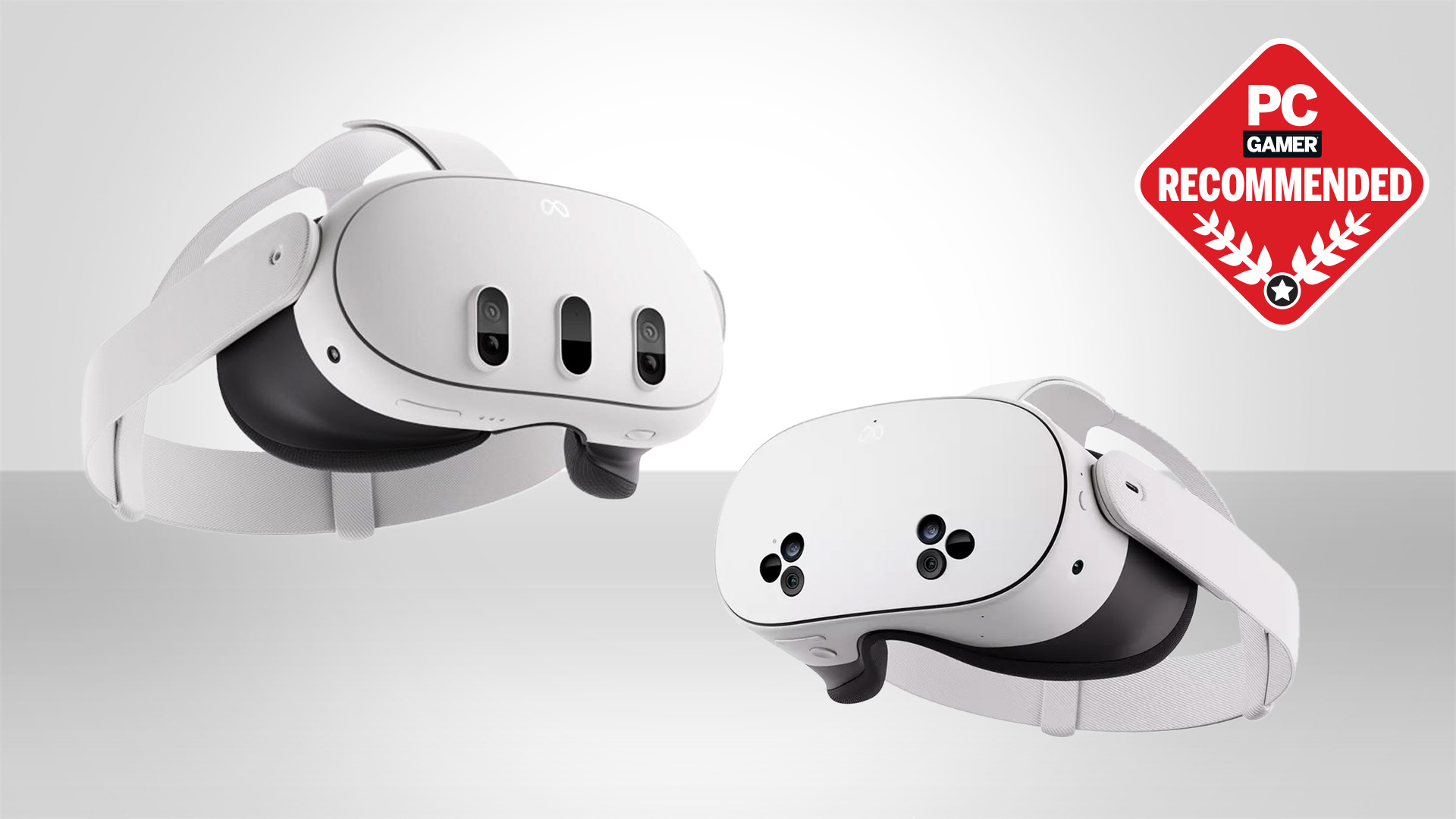

Shopping for a PC VR headset this year feels different. The gap between standalone convenience and PC-fidelity has narrowed, and the range of options spans everything from a 1.8-pound all-in-one to a sim-pod behemoth that costs more than the PC driving it. If you are looking for the best VR headset for PC, the decision comes down to what kind of experience you want: wireless freedom, sim-level resolution, mixed reality productivity, or a low-cost entry point that still delivers something immersive.
We put the current field through its paces to find the headset that makes the most sense for most people, and the one that will push your rig to its limit. Our top pick is the Meta Quest 3 512GB for its sharp standalone-and-PC versatility, but the right choice changes fast once you factor in eye tracking, wired-low-latency, or a phone-driven budget.
Comparison table
| # | Product | Award | Resolution per Eye | Tracking | Best For |
|---|---|---|---|---|---|
| 1 | Meta Quest 3 512GB | Best Overall | 2064x2208 (approx) | Inside-out | Wireless PCVR and standalone |
| 2 | Meta Quest 3S 128GB | Best Entry Point | 1832x1920 (approx) | Inside-out | Affordable PCVR + standalone |
| 3 | Pimax Crystal Super | Highest Resolution | 3840x3840 | Inside-out + optional outside-in | Sim racing and flight |
| 4 | Pimax Crystal Light | Sim Special | 2880x2880 | Inside-out | Sim racing and flight |
| 5 | HTC Vive Focus Vision Wired Bundle | Best Wired PCVR | 2448x2448 | Inside-out + DisplayPort | Low-latency PCVR |
| 6 | Meta Quest 3 512GB Renewed | Best Refurbished Option | 2064x2208 (approx) | Inside-out | Budget-conscious PCVR |
| 7 | Meta Quest Pro | Best Mixed Reality | 1800x1920 (approx) | Inside-out + eye tracking | Work + play |
| 8 | COCERKET VR Headset | Best Phone VR | Phone-dependent | None (phone-based) | 360° videos on a phone |
| 9 | BrobiDerleta VR Headset | Lightweight Phone VR | Phone-dependent | None (phone-based) | Casual mobile VR |
| 10 | Vornetil VR Headset | Basic Phone VR | Phone-dependent | None (phone-based) | Budget mobile VR |
1. Meta Quest 3 512GB: Best Overall
Pros
- Sharper optics than the Quest 2 with the Snapdragon XR2 Gen 2 chip
- Full-color passthrough MR feels genuinely useful
- 512GB of local storage for games and media
- Works wirelessly with PC via Air Link or cable via Link
Cons
- Battery life is still just over 2 hours
- Requires a Facebook/Meta account
Best for: the PC gamer who also wants a standalone headset for travel and quick sessions.
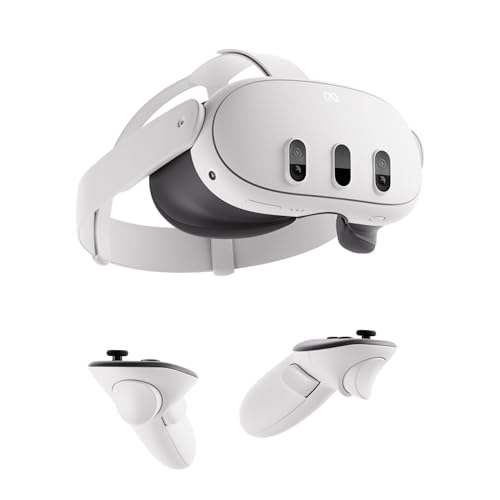
The Meta Quest 3 is the PC VR headset that does everything well enough to be the one people actually use. It delivers a nearly 30 percent leap in resolution over the Quest 2, and that 4K-plus Infinite Display makes text readable in virtual desktops and game worlds feel less like you are peering through a screen door. The Snapdragon XR2 Gen 2 processor gives it twice the graphical power of the previous generation, which matters even when you are tethered to a PC because the headset handles its own tracking and compositing.
Where the Quest 3 really wins is its dual RGB cameras for full-color passthrough. You can glance down at your keyboard, grab a drink, or walk to the door without taking the headset off. The passthrough is good enough to read your phone screen, which is something the Quest 2 could never manage. That makes the Quest 3 a mixed reality headset as much as a VR one, and it opens up apps that blend virtual objects into your real room.
Room-scale inside-out tracking is rock solid. The headset picks up your guardian boundaries quickly, and the Touch Plus controllers track well beyond your field of view. On the PC side, you have two good ways to connect: an inexpensive Link cable for high-bandwidth wired play, or the wireless Air Link feature that works surprisingly well over a decent Wi-Fi router. If you are looking for a headset that does not force you to choose between standalone and PC, this is the one. The big caveat is battery life: you get about two and a half hours of play before the internal pack gives up. If you want all-day sim sessions, you will need a battery strap or the HTC Vive Focus Vision below. For most other use cases, the Quest 3 is the best VR headset for PC right now.
2. Meta Quest 3S 128GB: Best Entry Point

Pros
- Same Snapdragon XR2 Gen 2 processor as the Quest 3
- Full-color passthrough and hand tracking
- Lower storage tier makes it accessible
Cons
- Lower resolution than the Quest 3 (1832x1920 per eye vs 2064x2208)
- Only 128GB, fills up fast with big games
Best for: the new PC VR user who wants a capable headset without the premium price.
The Meta Quest 3S is the budget-conscious path into the same ecosystem as the Quest 3. It keeps the same processor, the same dual RGB cameras for passthrough, and the same inside-out tracking system. What it sheds is resolution: the 3S uses the older Fresnel lenses and a slightly lower pixel count, so the image is not as crisp, especially at the edges of the lens. In practice, most games still look very good, and the difference is hard to spot during fast-paced action.
The 128GB of storage is the real limiting factor. Games like Asgard’s Wrath 2 and Half-Life: Alyx (via PC link) take up tens of gigabytes, and you will run out of room for standalone titles quickly. If you plan to play mostly over a PC connection, that limit matters less since the games run off your computer’s drive. Where the 3S shines is as a first headset for someone who is not sure how deep they will go into VR. It gives you the full Quest library, wireless PC streaming, and mixed reality features at a lower entry point. The trade-off in resolution is noticeable if you put the two headsets side by side, but on its own, the 3S is a very capable best VR headset for PC for the money-conscious buyer.
3. Pimax Crystal Super: Highest Resolution

Pros
- 3840x3840 per eye, the highest resolution available
- 140-degree field of view for true peripheral immersion
- Aspherical lenses eliminate the screen-door effect
- Built-in eye tracking for foveated rendering
Cons
- Requires a very powerful PC to drive it
- Heavy and bulky for room-scale play
Best for: sim racers and flight sim enthusiasts who want maximum visual fidelity.
The Pimax Crystal Super is the headset you buy when you have already built a rig that can tear through 4K games and you want VR to match. With 3840 by 3840 pixels per eye and a 140-degree field of view, it delivers a level of clarity and immersion that makes you forget you are wearing anything. The aspherical glass lenses provide edge-to-edge sharpness with zero of that Fresnel glare, and the local dimming on the QLED panel delivers blacks that approach OLED territory. You can read tiny numbers on a virtual aircraft instrument panel from across the cockpit.
This is a wired DisplayPort headset, not wireless, so you need to run a cable. That is fine for sim rigs where you are seated anyway. The Crystal Super supports up to 90Hz (with potential for higher), but hitting that refresh at native resolution will demand an RTX 4090 or equivalent. The built-in eye tracking enables foveated rendering that can boost performance, but it adds setup steps. If you are the kind of person who builds a PC specifically for VR sims, the Crystal Super is the endgame. For anyone else, the weight and complexity (and the PC required) make it overkill. If you are building a new PC to pair with a headset like this, take a look at our guide to the best gaming PC for Valorant for an idea of the GPU horsepower you will need.
4. Pimax Crystal Light: Sim Special

Pros
- 2880x2880 per eye with QLED and local dimming
- Glass aspherical lenses for clear edge-to-edge view
- 120Hz refresh rate for smooth motion
- Compatible with Valve Index and Vive controllers
Cons
- No eye tracking (no foveated rendering)
- About 815g, still heavy for stand-up play
Best for: sim users who want near-Crystal-Super clarity without the eye tracking price premium.
The Pimax Crystal Light sits one step below the Super in resolution but still outspecs most other PC VR headsets on the market. The 2880 by 2880 per eye panel, combined with a QLED display and local dimming, gives you vivid colors and deep blacks. The 120Hz refresh rate is higher than the Super’s, which makes it feel extremely fluid in racing titles like iRacing and Assetto Corsa Competizione. The glass aspherical lenses again eliminate the screen-door effect, so the image is remarkably clean.
The Crystal Light uses inside-out tracking out of the box, but it also works with SteamVR base stations if you already have them. That flexibility is nice for sim users who might already own Lighthouse hardware. The headset weighs about 815 grams, which is less than the Super but still heavier than the Quest 3. For seated sim use, that weight is manageable. For room-scale, the Vive Focus Vision or Quest 3 are more comfortable. If you are a sim enthusiast who wants clarity that rivals the Super but does not need eye tracking, the Crystal Light is a sweet spot. You will still need a strong PC, but the demands are slightly lower than the Super’s.
5. HTC Vive Focus Vision Wired Bundle: Best Wired PCVR

Pros
- DisplayPort mode for lossless, low-latency PC VR
- 5K resolution (2448x2448 per eye) with 120-degree FOV
- Hot-swappable battery for extended sessions
- Built-in eye and hand tracking
Cons
- Heavier than the Quest 3 (about 5.5lb package)
- No standalone app ecosystem like Quest
Best for: the PC gamer who wants the best possible wired fidelity without breaking the bank like Pimax.
The HTC Vive Focus Vision is the headset that bridges the gap between consumer and enterprise VR. It runs as a standalone headset, but the real draw for PC users is the DisplayPort mode: plug in a single cable and you get uncompressed, low-latency visuals directly from your graphics card. The headset also supports wireless PC VR streaming over Wi-Fi, but the Ethernet-recommended setup is a hassle. The DisplayPort mode is what makes this headset special.
The resolution is 2448 by 2448 per eye, below the Pimax headsets but above the Quest 3. The 120-degree field of view is generous and the 90Hz refresh rate is standard. The built-in eye tracking and hand tracking (including low-light hand tracking) are impressive for social VR apps like VRChat, where avatar expressions and gestures make a difference. The hot-swappable battery is a killer feature for long sessions: a reserve battery keeps the headset alive for the few seconds it takes to swap the main battery. This alone makes the Vive Focus Vision the best choice for anyone who plays VR for more than two hours at a stretch.
The biggest downside is the weight. The package is over five pounds, and the headset itself sits heavier on the face than the Quest 3. The auto-IPD adjustment is nice, but the fit is less refined than Meta’s offerings. For seated play or room-scale with frequent breaks, it is fine. For dedicated standing play, the Quest 3 is more comfortable. If you are choosing between this and the Pimax Crystal Light, the Vive Focus Vision offers better ergonomics and that hot-swappable battery, while the Crystal Light gives you sharper resolution.
6. Meta Quest 3 512GB Renewed: Best Refurbished Option

Pros
- Same performance and features as new Quest 3
- Certified refurbished with a warranty
- 512GB storage for large game library
Cons
- May show cosmetic wear
- Battery life might be slightly degraded
Best for: the shopper who wants the Quest 3 experience at a reduced cost.
The Meta Quest 3 512GB (Renewed Premium) is exactly the same headset as the new model, tested and certified by Amazon’s Renewed program. It delivers the same Snapdragon XR2 Gen 2 performance, the same full-color passthrough, the same 512GB of storage. If you are comfortable buying refurbished electronics, this is a smart way to get the best VR headset for PC at a lower cost. The risk is small because the Renewed Premium guarantee covers functionality and includes a warranty, though the battery life may be slightly below a brand-new unit.
Cosmetically, these units can have minor scratches or scuffs that do not affect performance. If you plan to use the headset almost exclusively for PC VR, where the onboard storage matters less, the refurbished route is even more appealing. The real trade-off is that you lose the fresh-out-of-box feel. If that does not matter to you, this is the same headset at a discount. Just be sure to check the return policy.
7. Meta Quest Pro: Best Mixed Reality

Pros
- Full-color mixed reality passthrough with depth sensor
- Self-tracking Touch Pro controllers
- Pancake lenses with local dimming and quantum dot technology
- 12GB RAM and 256GB storage
Cons
- Lower resolution than Quest 3 (1800x1920 per eye)
- Higher price for what is now an older chipset
Best for: the professional user who wants VR for productivity and social presence.
The Meta Quest Pro was Meta’s premium headset before the Quest 3, and it still holds its own in one key area: mixed reality and avatar expressiveness. The open-peripheral design lets you see your real keyboard and desk even while using virtual screens, and the depth sensor enables real environment scanning that makes virtual objects feel truly anchored. The pancake lenses, local dimming, and quantum dot technology combine for excellent contrast and clarity, even though the raw resolution is lower than the Quest 3’s.
The Touch Pro controllers are a highlight: they have their own onboard cameras, so they track themselves anywhere around you, even behind your back. That means you never have to worry about occlusion. The controllers also deliver nuanced haptics that make virtual interactions feel more physical. For PC VR, the Quest Pro works via Link cable or Air Link just like the Quest 3, so you can play SteamVR games. The 12GB of RAM helps with multitasking in virtual desktops.
The weakness is that the Quest Pro uses an older Snapdragon XR2 Gen 1 chip, which is less powerful than the Quest 3’s Gen 2. That matters for standalone graphics, but for PC VR, the headset is just a display and tracking device, so the chip difference is irrelevant. The real drawback is the lower resolution compared to the Quest 3: the image is slightly grainier, and reading text in virtual desktops is less comfortable. For users who primarily want a mixed reality headset for work and occasional gaming, the Quest Pro is still compelling, especially if you find it at a discount. But for pure gaming, the Quest 3 is the better buy.
8. COCERKET VR Headset: Best Phone VR

Pros
- Includes Bluetooth remote for easy control
- Aspheric lenses reduce distortion
- Adjustable focus and pupil distance
- Breathable foam for longer wear
Cons
- Not a PC VR headset; requires a phone for content
- No positional tracking; only head rotation
Best for: casual mobile VR viewing of 360-degree videos and photo spheres.
The COCERKET VR Headset is a phone-based viewer, not a PC VR headset. It holds a smartphone (4.7 to 7 inches) in front of your eyes and uses aspheric lenses to magnify the screen. The included Bluetooth remote lets you play and pause video and adjust volume without pulling out your phone. The headset offers adjustable focus and pupil distance, and the breathable foam padding makes it comfortable for extended 360-degree video watching. It also features a heat dissipation design to prevent the phone from overheating.
For a PC gamer looking for the best VR headset for PC, this device will not connect to your computer at all. It is strictly for mobile VR content: 360-degree YouTube videos, cinematic 3D movies, and the handful of VR apps that still support Google Cardboard-style viewers. The experience is far from the immersion of a proper PC VR headset: you only get three-degree-of-freedom head tracking (rotation, no translation), and the quality depends entirely on your phone’s display. If you want a taste of VR on a tight budget or for travel, the COCERKET works, but do not expect to play SteamVR games.
9. BrobiDerleta VR Headset: Lightweight Phone VR

Pros
- Weighs only 13 ounces, among the lightest phone VR viewers
- Blue light filtering lenses reduce eye strain
- Accepts glasses up to 5.9x2.3 inches
- T-shaped elastic headband fits many head sizes
Cons
- No built-in controller (relies on phone touchscreen or separate remote)
- Phones over 7 inches may not fit
Best for: family-friendly mobile VR that accommodates glasses wearers.
The BrobiDerleta VR Headset is another phone-based viewer, differentiated by its lightweight build and glasses-friendly design. At 13 ounces, it is easy to pack and comfortable for extended use. The lenses have anti-reflective and blue light blocking coatings that help reduce eye fatigue. The headset specifically mentions compatibility with glasses up to 5.9 by 2.3 inches, which makes it one of the more inclusive options. The 120-degree claimed field of view is generous for a phone viewer, though actual FOV depends on the phone’s screen size.
Like the COCERKET, this is not a PC VR headset. It provides only rotational tracking via the phone’s gyroscope. The built-in interactive button on the headset lets you select items in VR apps, but for more complex interaction, you will need a separate Bluetooth remote or use the touchscreen. The T-shaped headband is adjustable and comfortable. If you are looking for a no-fuss way to show 360-degree content to a group of people, or if you wear glasses and want to try mobile VR, the BrobiDerleta is a solid choice. But for PC VR, it simply cannot compete.
10. Vornetil VR Headset: Basic Phone VR

Pros
- Very lightweight at about 0.4 pounds
- Adjustable pupil distance for clear vision
- Supports myopia users (can wear glasses)
- Works with phones 4.7 to 7 inches
Cons
- No built-in controls or Bluetooth
- Basic construction, may feel flimsy
Best for: the absolute cheapest way to experience 360-degree video.
The Vornetil VR Headset is the most basic option here. It is a simple plastic shell that holds your phone, with two adjustable lenses and a T-shaped headband. There is no controller, no remote, no passthrough cameras. You slide your phone in and use a 360-degree video app to look around. The adjustable pupil distance and support for myopia users make it functional, but the experience is rudimentary.
At this price, you are getting a way to try 360-degree viewing without any commitment. The build quality is what you would expect from a sub-$20 item: it works but is not built to last. The field of view is wide enough to feel immersive with a large phone screen, but the lack of any head tracking beyond what the phone provides means jittery, imprecise movement. For a PC VR enthusiast, this is not a recommendation. It is only here to show the full range of options, and to make clear that the best VR headset for PC requires a dedicated headset with sensors and controllers.
How to choose a PC VR headset
Picking the right headset starts with understanding what your PC can drive and what kind of VR you will do most.
Resolution and panels
Higher resolution per eye means less screen-door effect and sharper text. For sims like Microsoft Flight Simulator, 2880x2880 or higher makes a real difference. For room-scale games with fast movement, the Quest 3’s 2064x2208 is crisp enough. Panel type matters: QLED with local dimming offers better contrast than standard LCD. OLED is rare now but gives perfect blacks. If you use a powerful PC, make sure the headset supports high refresh rates (90Hz or 120Hz) to avoid motion blur.
Tracking
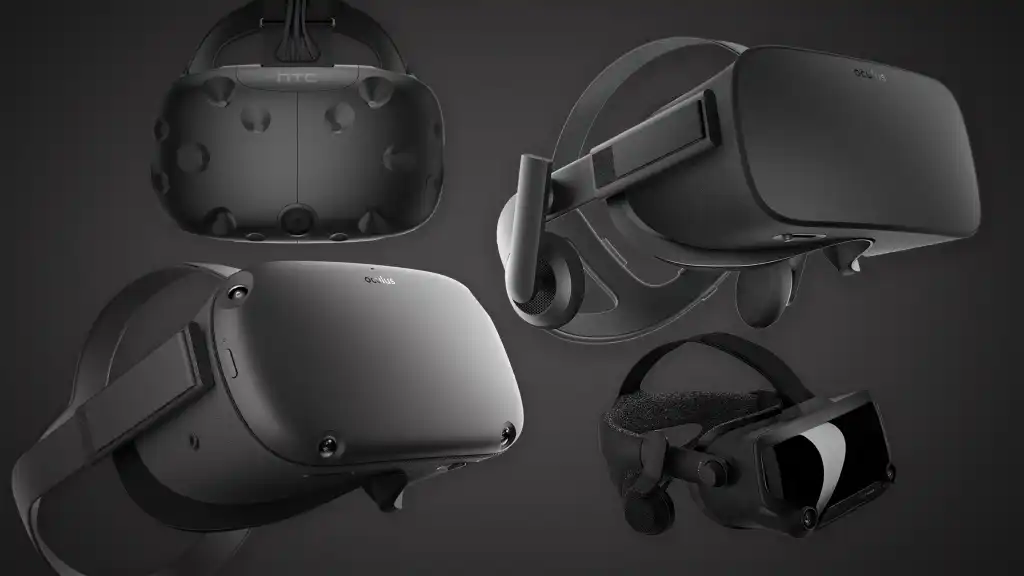
Inside-out tracking (cameras on the headset) is the modern standard because it requires no base stations. It works in most rooms but can struggle if the cameras lose sight of the controllers behind your back. For room-scale, inside-out is fine. For competitive play at the edge of your play space, outside-in tracking with base stations (like Valve Index or Vive Pro) is still the gold standard. A few headsets, like the Pimax Crystal Super, offer both options.
Wired vs wireless
Wireless via Wi-Fi (like Quest Air Link) is liberating but adds a few milliseconds of latency and can stutter if your router is not dedicated. Wired DisplayPort or USB offers uncompressed, low-latency video for a smoother, sharper picture. If you play seated sims, wired is no penalty. If you move around, wireless is worth the trade-off. The best VR headset for PC depends on which trade-off you prefer.
Comfort and weight
Headsets range from about 500g (Quest 3) to over 800g (Pimax Crystal Light). Heavy headsets press on your face and can cause fatigue in 30 minutes. Comfort is personal, but try to balance resolution with weight if you plan long sessions. If you are assembling a PC build that will drive a heavy headset, researching how to build a powerful gaming system can help you choose the right graphics card and cooling.
Mixed reality
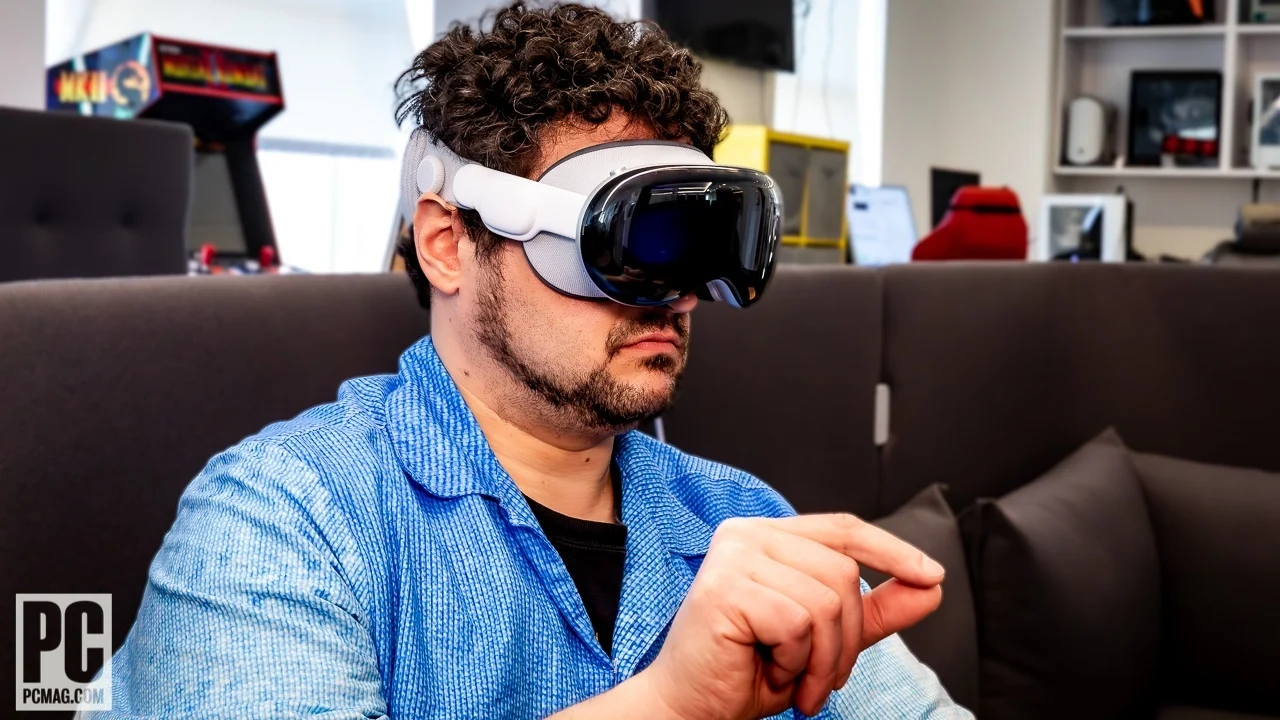
Full-color passthrough is becoming standard. It lets you see your room and interact with virtual objects overlaid on reality. This is great for productivity (multiple virtual monitors) and for safe VR play (not punching a wall). The Quest 3 and Quest Pro have the best passthrough today. If you want to use VR for work, prioritize a headset with good passthrough and open-peripheral design like the Quest Pro.
“The best PC VR headset is the one that fits the games you play and the PC you own. A sim-focused user will hate a short-battery wireless headset, and a room-scale gamer will hate a heavy wired headset.”
Frequently asked questions
Can I use any VR headset with my PC?
Not all VR headsets work with a PC. Standalone headsets like the Quest 3 and Quest Pro can connect wirelessly or via USB to play PC VR games. Phone-based viewers (Google Cardboard-type) cannot connect to a PC at all. Always check for “PC VR” compatibility, DisplayPort, or USB link support.
Do I need a powerful PC for PC VR?
Yes, especially for high-resolution headsets like the Pimax Crystal Super. A mid-range PC with an RTX 3060 or better will run most VR games on a Quest 3 at good settings. For 3840x3840 per eye, you need an RTX 4090-class card. Check the system requirements for the headset you choose.
What is the difference between 3DoF and 6DoF?
Three degrees of freedom (3DoF) means your headset tracks rotation only (look up/down, left/right, tilt). Six degrees of freedom (6DoF) adds positional tracking (move forward/back, side to side, up/down). All proper PC VR headsets offer 6DoF. Phone-based viewers are 3DoF only.
Can I play SteamVR games with a Meta Quest headset?
Yes. Use the Oculus Link cable or Air Link to connect your Quest to a PC, and you can play any SteamVR game. You need a compatible PC and a good USB cable or Wi-Fi router.
Are refurbished VR headsets safe to buy?
From reputable sellers like Amazon Renewed, yes. They are tested and come with a warranty. The main risk is cosmetic wear and possibly reduced battery life in standalone headsets.
What is the best VR headset for PC sim racing?
For sim racing, resolution and field of view are king. The Pimax Crystal Super provides the sharpest image and widest FOV. The Pimax Crystal Light is a strong second. The HTC Vive Focus Vision is also good with its comfortable fit and hot-swappable battery for long practice sessions.
Can I use phone-based VR headsets for PC VR games?
No. Phone VR viewers are just plastic holders with lenses. They have no sensors, no controllers, and no connection to a PC. They can only play 360-degree videos and simple smartphone VR apps through the phone’s gyroscope. For PC VR gaming, you need a proper PC VR headset.
The bottom line
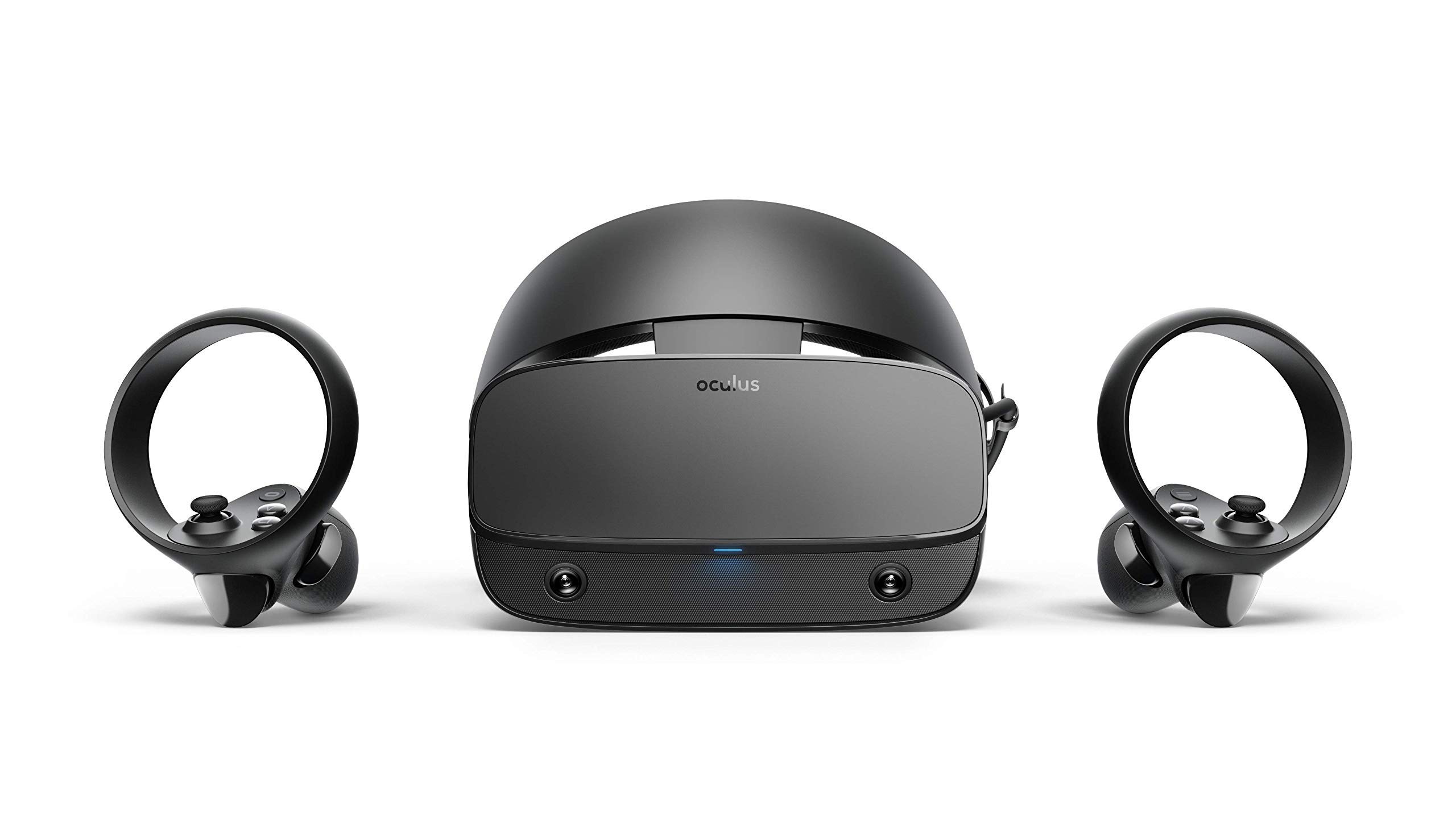
After testing the field, the Meta Quest 3 remains the best VR headset for PC for the widest range of people. It balances resolution, wireless freedom, mixed reality capability, and a huge library of games and apps. If you are willing to accept the shorter battery life and the requirement for a Meta account, it is the easiest headset to recommend. For sim pilots and racers who demand uncompromising clarity, the Pimax Crystal Super or Crystal Light are the specialized choices. The HTC Vive Focus Vision is the wired headset for those who want low-latency performance and can handle the extra weight.
If you are on a tight budget or just testing VR for the first time, the phone-based viewers listed here will give you a taste of 360 video, but they are not substitutes for a real PC VR system. The bottom line is that your purchase decision should be guided by your PC’s horsepower, your preferred genre of VR experience, and your tolerance for a cable at your feet. Whatever you choose, ensure your PC meets the headset’s requirements, if in doubt, check our guide on the best PC components for gaming to see what hardware will drive the best VR experience.
As an Amazon Associate we earn from qualifying purchases.