
Keeping track of sleep, heart rate and daily movement sounds simple until an uncomfortable watch, vague app or constant charging turns the habit into another chore. The Best watch for health monitoring should make useful trends easy to see without pretending that wrist readings replace proper medical equipment.
This list spans compact trackers, feature-rich fitness watches and full smartwatches. Garmin leads for broad health context and training tools, while Samsung is the more capable Android companion. Several MorePro, Bestinn and Zeacool models offer a long list of sensors and activity modes, but their apps and measurement limitations matter.
Our top pick is the Garmin vívoactive 5, with the MorePro 120+ Fitness Tracker, Samsung Galaxy Watch 8 and Fitbit Inspire 3 covering distinctly different needs.
Comparison table
| # | Product | Award | Health tracking | Activity | Display | Battery |
|---|---|---|---|---|---|---|
| 1 | Garmin vívoactive 5 | Best overall | Heart rate, HRV status, stress, sleep, Body Battery | 30+ indoor and GPS apps | 1.2-inch AMOLED | Up to 11 days |
| 2 | MorePro Health Tracker 120+ | Best feature range | Heart rate, blood pressure, blood oxygen, sleep | 120+ sport modes | 40.95 by 34.05 by 10.8 mm | Up to 7 days |
| 3 | Samsung Galaxy Watch 8 | Best Android smartwatch | Heart rate, sleep, blood pressure, Energy Score | Running Coach and health tracking | 40 mm | Improved battery |
| 4 | Fitbit Inspire 3 | Best slim tracker | Heart rate, SpO2, sleep, stress, irregular rhythm alerts | 40+ exercise modes | Slim tracker design | Not specified |
| 5 | MorePro Health Tracker 112 | Best dual-band pick | Heart rate, blood pressure, blood oxygen, sleep | 112 sport modes | 1.57-inch HD | Up to 7 days |
| 6 | Bestinn 1.58-inch Health Watch | Best large-display tracker | Heart rate, blood pressure, blood oxygen, sleep | 120+ sport modes | 1.58-inch | Not specified |
| 7 | Zeacool Health Tracker | Best battery life | Heart rate, blood oxygen, blood pressure, sleep, temperature | 25 sport modes | 1.1-inch AMOLED | Up to 10 to 14 days |
| 8 | aeac Call Smartwatch | Best for wrist calls | Heart rate, blood oxygen, stress, sleep | 110+ sport modes | 1.32-inch AMOLED | Up to 10 days |
| 9 | Bestinn Champagne Health Watch | Best customizable style | Heart rate, blood pressure, blood oxygen, sleep | 120+ sport modes | 1.58-inch | Not specified |
| 10 | Garmin vívoactive 5 Black | Best dark finish | Heart rate, HRV status, stress, sleep, Body Battery | 30+ indoor and GPS apps | 1.2-inch AMOLED | Up to 11 days |
1. Garmin vívoactive 5: Best Overall

Pros
- Health insights go beyond isolated readings
- Sleep coaching, nap detection and HRV status
- GPS sports apps and useful training guidance
- Up to 11 days in smartwatch mode
- Supports wheelchair activity tracking
Cons
- Health metrics are estimates, not diagnoses
- Fewer built-in sports modes than the inexpensive trackers claim
- Not the strongest choice for broad phone-independent calling features
Best for: people who want health trends connected to sleep, recovery and exercise.
The Garmin vívoactive 5 is the one we would keep for a clear reason: it makes health data easier to act on. Instead of presenting a long menu of measurements and leaving the reader to interpret them, Garmin connects sleep, naps, stress and workouts through Body Battery energy monitoring. That is a more useful everyday story than a single blood oxygen or blood pressure number viewed in isolation.
Its bright 1.2-inch AMOLED display keeps the watch compact while leaving enough room for workout information and health summaries. Wrist-based heart rate, stress tracking, menstrual cycle and pregnancy tracking are all included, along with a morning report and fitness age. Sleep tracking adds a sleep score, personalized coaching and HRV status. Garmin repeatedly describes these metrics as close estimates, so they are best treated as trend indicators rather than clinical readings.
The activity side is much stronger than a basic tracker. There are more than 30 built-in indoor and GPS sports apps, including walking, running, cycling, HIIT, swimming and golf. Workout benefit and recovery time help explain what exercise did and how long recovery may take. Automatic nap detection is a small but valuable touch, particularly for anyone trying to understand why an afternoon nap changes their energy later.
The vívoactive 5 also does something most of the MorePro and Bestinn watches do not: it offers a coherent training platform. You can use preloaded workouts, build sessions in Garmin Connect or try Garmin Coach plans. Music can be downloaded from Spotify, Amazon Music or Deezer for listening with wireless headphones. The weakness is that this is not a medical monitor, and readers wanting Samsung-style blood pressure calibration or a full call-focused smartwatch should look at the Galaxy Watch 8. For everyone else, it is the strongest all-round health companion here. Readers focused specifically on variability should also consider how HRV data fits into a broader recovery picture.
2. MorePro Health Tracker 120+: Best Feature Range

Pros
- 120+ sport modes
- Heart rate, blood pressure and blood oxygen checks
- Detailed sleep stages and cycle tracking
- Up to 7 days of normal use
- IP68 design and extensive watch-face choices
Cons
- Health readings are not for medical use
- Blood oxygen checks are on demand rather than described as continuous
- Does not work with PCs or tablets
Best for: anyone who wants a broad health feature list and many workout profiles.
The MorePro Health Tracker 120+ is a feature-heavy fitness tracker that tries to cover nearly every routine. It records all-day activity, offers heart rate and blood pressure monitoring, and adds on-demand blood oxygen checks. That combination will appeal to readers who want several wellness indicators on the wrist without moving up to a larger smartwatch platform.
Sleep tracking breaks nights into deep sleep, light sleep and wake-ups. The watch also includes menstrual cycle tracking with period, safe-day, ovulation and pregnancy modes in the app. Those features make it more versatile than the Zeacool Health Tracker, which includes menstrual reminders but is more narrowly focused on basic daily monitoring.
The activity menu includes more than 120 sport modes, while the built-in pedometer records steps, distance, calories burned, heart rate and training time. It also supports call, SMS and app notifications, weather, music control, camera control, alarms, a timer and Find My Phone. IP68 protection is suited to sweat, rain and hand-washing according to the product information, but the listing does not position it as a swimming watch.
Battery life is listed as up to 7 days of normal use or 15 days on standby, with a charge taking about 2 hours. Android 7.0 and above and iOS 13.0 and above are supported, but iPads, tablets and PCs are not. The 40.95 by 34.05 by 10.8 mm case is reasonably compact, and more than 200 watch faces give it a more personal feel. It cannot match Garmin's recovery guidance or Samsung's connected smartwatch features, but it is a strong pick for broad everyday tracking. For activity-specific comparisons, the differences between tracking casual walks and structured walking workouts are useful to consider.
3. Samsung Galaxy Watch 8: Best Android Smartwatch

Pros
- Blood pressure feature uses cuff calibration
- Advanced sleep coaching and bedtime guidance
- Running Coach provides real-time feedback
- Energy Score combines several daily signals
- Lightweight 40 mm design
Cons
- Best fit is with an Android phone
- Blood pressure setup requires a separate cuff
- Several health features depend on Samsung apps and phone compatibility
Best for: Android users who want a full smartwatch with serious health tools.
The Samsung Galaxy Watch 8 is the most complete smartwatch in this group, especially for someone already using a Samsung phone. Its 40 mm case is designed to sit more snugly on the wrist, and the lighter, thinner shape should be easier to wear through the night. That matters because sleep data becomes much less useful when the watch ends up on a bedside table.
Samsung's health approach combines advanced sleep coaching, bedtime guidance, heart rate tracking and Energy Score. Energy Score uses the previous day's sleep, activity and heart rate to provide a daily summary. Running Coach goes further than a simple workout timer by analyzing performance and providing real-time feedback, with programs for distances such as 5K and marathon training.
The blood pressure feature is more carefully presented than the broad claims on several inexpensive trackers. The watch must first be calibrated with a blood pressure cuff, sold separately, and readings are used through the Samsung Health Monitor app. That does not turn the watch into a medical device, but it gives the measurement a clearer setup than a wrist gadget that simply promises blood pressure monitoring with no calibration details.
The compromise is ecosystem dependence. The product information says Galaxy Watch works seamlessly with Samsung phones and also works with other Android phones, while the listing does not present it as an iPhone choice. It also has more smart-assistant and notification capability than Garmin, but Garmin offers a more established recovery and sports workflow. Choose the Galaxy Watch 8 if you want health monitoring woven into a full Android smartwatch. Skip it if you want a phone-agnostic tracker with a simpler app.
4. Fitbit Inspire 3: Best Slim Tracker

Pros
- Slim, unobtrusive tracker design
- Sleep Score and automatic sleep tracking
- Stress and Daily Readiness scores
- Irregular heart rhythm notifications
- Small and large bands included
Cons
- Not a full smartwatch
- The listing does not specify battery duration
- Requires relatively recent phone operating systems
Best for: people who want sleep and wellness tracking in a small wearable.
The Fitbit Inspire 3 makes a persuasive case for wearing less watch. Its slim tracker shape is less conspicuous than the round-screen devices here, and the included small and large bands make fit easier to sort out. For health monitoring, that unobtrusive design can be more important than a large screen because the tracker is easier to leave on overnight.
Fitbit focuses on interpretation rather than a sensor checklist. Daily Readiness, Active Zone Minutes and all-day activity tracking sit alongside 24/7 heart rate and more than 40 exercise modes. Stress Management, mindfulness sessions, relax breathing sessions and resting heart rate create a practical set of prompts for someone trying to notice patterns rather than chase every metric.
Sleep is the strongest reason to choose it. Automatic sleep tracking, a detailed Sleep Score, sleep mode and a smart wake vibrating alarm make it a particularly sensible night-time companion. It also includes SpO2, menstrual health tracking and irregular heart rhythm notifications. These features are intended to provide wellness information and alerts, not a diagnosis.
The Inspire 3 is less suitable for someone who wants calls, a large color display or serious GPS sports tools on the wrist. Garmin's vívoactive 5 gives a much richer training picture, while the MorePro Health Tracker 120+ offers more listed sports modes and blood pressure monitoring. Fitbit's advantage is restraint. If you are deciding between a compact tracker and a larger screen, how fit and comfort affect wearing a health tracker overnight should guide the decision as much as the sensor list.
5. MorePro Health Tracker 112: Best Dual-Band Pick

Pros
- Soft silicone and breathable nylon bands
- 112 sports modes
- Sleep stages and app-based trend review
- Bluetooth LE 5.2
- Up to 7 days of battery life
Cons
- Not compatible with iPads, tablets or PCs
- Health readings are not medical measurements
- Less sophisticated training feedback than Garmin
Best for: users who want a changeable band setup for work and workouts.
The MorePro Health Tracker 112 is the more practical of the two MorePro designs for people who switch between office wear and exercise. It includes a soft silicone band and a breathable nylon band, so the watch can feel less sweaty during long wear. Its 1.57-inch HD touchscreen is large enough for notifications and daily figures without taking up the entire wrist.
Health monitoring covers 24/7 heart rate, blood pressure and blood oxygen, with high heart rate alerts. Sleep tracking automatically records awake, light and deep stages, then places daily and weekly trends in the FitCloudPro app. That app-based review is important because the watch itself is mainly a quick glance tool, not a complete health dashboard.
The activity feature supports 112 sports modes, with steps, distance, speed, calories and workout duration recorded for the selected activity. Call and message notifications, weather, water and sedentary reminders, alarms, a remote camera control and Find Phone round out the everyday tools. IP68 protection gives it a reasonable level of resistance for sweat and splashes.
Battery life reaches up to 7 days per charge, and Bluetooth LE 5.2 connects to Android 7.0 or newer and iOS 13.0 or newer. The MorePro Health Tracker 120+ has a slightly broader sports count, but this model's two-band bundle and clearer 1.57-inch specification make it the better choice for varied daily wear. Garmin is a much better fit for structured training and recovery, while this MorePro is easier to justify for routine reminders and broad activity logging.
6. Bestinn 1.58-inch Health Watch: Best Large-Display Tracker

Pros
- Large 1.58-inch display
- 120+ exercise modes
- Always-on display clock
- Heart rate, blood oxygen and blood pressure monitoring
- Broad Android and iOS compatibility
Cons
- GPS routes depend on a connected phone
- The listing does not specify battery duration
- Health metrics are estimates for wellness use
Best for: anyone who prefers a large screen for quick health and workout checks.
The Bestinn 1.58-inch Health Watch is built around visibility. Its 1.58-inch high-resolution display, always-on clock, full touch controls and side button make it easier to check a workout or notification without squinting. The combination is useful for readers who find slim bands difficult to read, although a larger screen also makes this feel more like a conventional smartwatch.
Health features include 24/7 heart rate, blood pressure and blood oxygen monitoring, plus sleep stages for light and deep sleep and wake time. Data is stored in the companion app, where the watch's readings can be reviewed over time. As with the other lower-cost trackers here, those numbers should be treated as general wellness references rather than medical measurements.
More than 120 exercise modes cover a wide range of activities, and all-day tracking records steps, distance and calories burned. The watch can show call and message notifications and adds water and sedentary reminders, breathing exercises, weather, music control, a timer, stopwatch, alarm and phone finding. Outdoor route mapping uses the phone's GPS connection, so this is not an independent GPS training watch.
Compatibility is listed for Android 4.4 and iOS 8.4 or above, which is unusually broad among these picks. The Bestinn Champagne Health Watch appears to use the same core feature set, with a different finish, so the choice between them is primarily aesthetic. The aeac Call Smartwatch has a smaller 1.32-inch AMOLED panel but adds a clearer emphasis on wrist calls. Choose this Bestinn if the large display and 250-plus watch-face options matter more than advanced coaching.
7. Zeacool Health Tracker: Best Battery Life

Pros
- Up to 10 to 14 days of regular use
- 5 ATM water resistance
- Heart rate, blood oxygen, blood pressure and temperature tracking
- Sleep stages and nightly sleep score
- Magnetic fast charging
Cons
- Only 25 sport modes
- Small 1.1-inch display
- App-based tracking is less comprehensive than Garmin's
Best for: swimmers and busy users who want infrequent charging.
The Zeacool Health Tracker has one clear advantage over most of the inexpensive models here: endurance. Regular use is listed at up to 10 to 14 days, with standby time up to 30 days. That makes it a good candidate for someone who wants continuous wear but routinely forgets to charge a watch every few days.
Its health menu includes real-time heart rate, blood oxygen, blood pressure, sleep tracking and temperature monitoring. Sleep is divided into deep, light and awake stages, with a nightly sleep score shown in the Keep Health app. The app also records steps, distance and calorie consumption, giving the watch a straightforward way to follow daily movement.
Water resistance is rated at 5 ATM, and the product information says it can be worn while washing hands, bathing, swimming, diving or in the rain. That is a stronger water-resistance claim than the IP68 listings from MorePro and Bestinn. Still, anyone relying on a wearable for a particular aquatic activity should check the manufacturer's current instructions before taking it into demanding conditions.
The trade-off is a smaller 1.1-inch AMOLED display and a more limited selection of 25 sport modes. Garmin offers better training context, while Fitbit provides a more polished sleep and stress interpretation. Zeacool is the sensible choice for people who prioritize long battery life, basic health trends and water resistance over a deep exercise ecosystem. It also includes reminders for hydration, inactivity and menstrual cycles, plus weather, phone search and remote photography.
8. aeac Call Smartwatch: Best for Wrist Calls

Pros
- Built-in speaker and microphone for calls
- 1.32-inch AMOLED display
- 110+ sports modes
- Up to 10 days of use
- More than 200 watch faces
Cons
- Only 3 ATM water resistance
- Health feature details are less extensive than Garmin's
- The listing does not specify exact phone operating system versions
Best for: users who want health tracking plus hands-free calling.
The aeac Call Smartwatch is the obvious pick when taking calls from the wrist is part of the brief. Its high-definition speaker and microphones are designed for answering and making calls, while an AI assistant supports voice commands. That makes it more of a conventional smartwatch than the narrow Fitbit Inspire 3 or Zeacool tracker.
The health features cover blood oxygen, heart rate, stress and sleep analysis. The watch also tracks steps, activity routes and calorie burn around the clock. The product description does not provide the same depth of sleep, recovery or HRV detail as Garmin, but it does offer the core information many people want to glance at during a normal day.
Its 1.32-inch AMOLED screen is specified at 43 mm for the watch face, with more than 200 watch faces and support for personal photos. There are more than 110 sports modes, including activities such as yoga and swimming. Water resistance is listed at 3 ATM, so it has some protection for wet conditions, but it should not be treated as equivalent to the Zeacool's 5 ATM rating.
Battery life reaches up to 10 days after a quick 2-hour charge. That is competitive with the Zeacool, though active calling and a bright AMOLED display can affect actual endurance. Garmin is the better health and training tool, and Samsung is the stronger full Android smartwatch, but aeac earns its place for people who want calls, notifications and health summaries in one simple device.
9. Bestinn Champagne Health Watch: Best Customizable Style

Pros
- 1.58-inch high-resolution display
- More than 250 customizable watch faces
- 120+ exercise modes
- Phone-connected GPS route support
- Washable, replaceable strap
Cons
- GPS depends on a smartphone connection
- Battery duration is not specified
- Health monitoring is not a substitute for clinical equipment
Best for: users who want a tracker that can be styled around different outfits.
The Bestinn Champagne Health Watch is the style-focused twin to the other Bestinn entry. It has the same large 1.58-inch display, always-on clock and touch controls, but the champagne finish gives it a different visual character. More than 250 watch faces and customizable dials make it easy to move between a traditional analog look and a more overtly digital workout face.
Its health coverage includes 24/7 heart rate, blood pressure and blood oxygen monitoring. Sleep tracking records light and deep stages and wake time, while the app stores the results for later review. The watch also includes all-day steps, distance and calories, so the basics are covered without requiring a separate fitness band.
The sports list exceeds 120 modes, and phone-connected GPS can map an outdoor route in the app. It also brings in call and message notifications, hydration and sedentary reminders, breathing exercises, menstrual reminders, weather, music control, remote camera shooting, a stopwatch, timer, alarm and Find Phone. The washable, replaceable strap is a useful detail for people who exercise regularly.
The key limitation is the same as the Graphite Black Bestinn: there is no independent GPS or advanced recovery guidance in the supplied information. The Garmin vívoactive 5 is the better tool for runners and structured training, while the aeac has the edge for calls. Pick this model when a readable display and flexible appearance matter more than a deeper fitness platform.
10. Garmin vívoactive 5 Black: Best Dark Finish

Pros
- Same broad health platform as the top Garmin pick
- AMOLED display and up to 11 days of battery life
- Built-in GPS sports apps
- Sleep coaching and automatic nap detection
- Music downloads for phone-free listening
Cons
- Health readings are estimates
- Less focused on calls than Samsung or aeac
- The finish is the only listed difference from the Ivory version
Best for: buyers who want the vívoactive 5 platform in a dark case and band.
The Garmin vívoactive 5 Black is not a lesser version of the Ivory model. The supplied features are the same, including the 1.2-inch AMOLED display, up to 11 days of smartwatch-mode battery life and five days with the display always on. Its Slate finish is simply the more understated option for people who prefer a dark watch.
The health system covers wrist-based heart rate, Body Battery energy monitoring, stress tracking, sleep score, sleep coaching, HRV status, morning report, fitness age and nap detection. Menstrual cycle and pregnancy tracking are included as well. Garmin says the data is intended as a close estimation of tracked metrics, which is the right way to approach any consumer wrist sensor.
For exercise, there are more than 30 indoor and GPS sports apps, including walking, running, cycling, HIIT, swimming and golf. Training features explain workout benefit and recovery time, and wheelchair mode tracks pushes rather than steps. Preloaded cardio, yoga, strength, HIIT and Pilates workouts add useful structure without needing a separate service.
The Black and Ivory versions should be chosen by appearance, not capability. Both beat the inexpensive trackers for connected health context, and both fall behind Samsung if wrist calls and Android assistant features are central. If the top pick is unavailable or you simply prefer a dark finish, this is the straightforward alternative. People comparing smartwatch ecosystems can also weigh which workout features matter for regular fitness tracking before choosing.
How to choose best watch for health monitoring
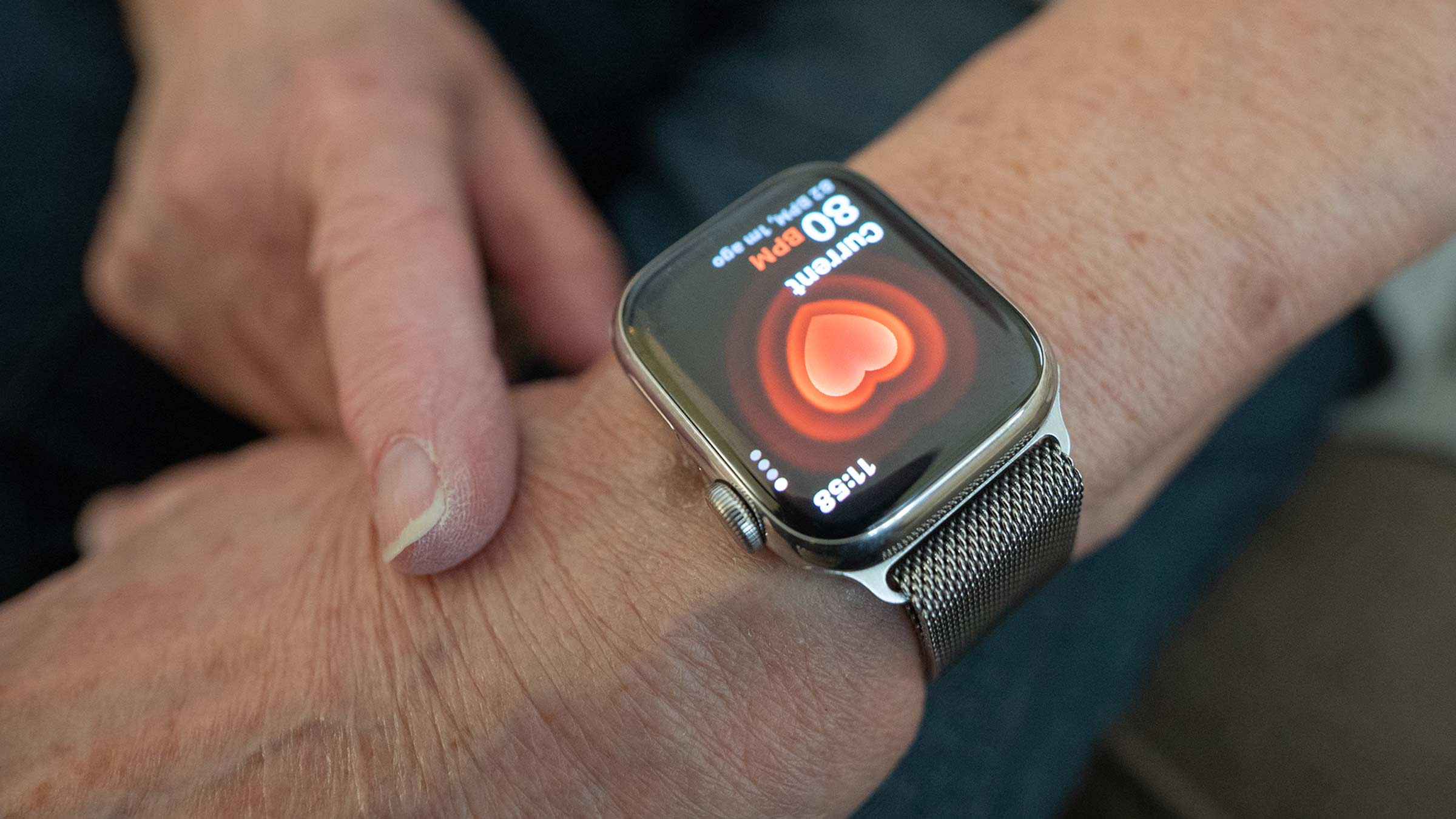
The right watch depends on whether you need simple trend tracking, deeper recovery guidance, water resistance, a small form factor or a full phone companion.
Health sensors and interpretation
Heart rate, blood oxygen, blood pressure, stress and temperature sound similar across product pages, but they are not equally presented. Look for clear information about whether a measurement is continuous or on demand, whether calibration is required and whether the manufacturer describes the data as an estimate. Samsung's blood pressure feature requires cuff calibration, while several budget trackers provide broad readings without explaining a comparable setup.
No consumer watch in this list should be used to diagnose a condition. Persistent concerns belong with a qualified clinician and appropriate medical equipment.
A long list of sensors is less useful than a watch that helps you understand a trend and what to do next.
Sleep and recovery tools
Sleep stages are only the starting point. Garmin adds sleep coaching, HRV status, naps and Body Battery, while Fitbit uses Sleep Score, stress tools and Daily Readiness to make the information easier to interpret. Basic trackers can still be useful if you mainly want bedtime, wake time and broad sleep-stage patterns.
Comfort affects accuracy in practice because a watch left off the wrist cannot record anything. Slim trackers such as Inspire 3 are easier to wear overnight, while larger displays are easier to read during the day.
Activity and GPS
Count the sports modes that match your actual routine, not the largest number in the listing. Garmin's more than 30 built-in indoor and GPS apps provide a deeper training experience than many trackers with more than 100 labeled modes. The Bestinn watches use a connected phone for GPS routes, while Garmin includes GPS sports apps on the watch.
For walking, running and cycling, look for workout duration, heart rate, route support and recovery context. For swimming or frequent water exposure, check the stated resistance rating rather than assuming every waterproof label means the same thing.
Battery and charging
Long battery life makes health monitoring more consistent. Garmin lists up to 11 days in smartwatch mode, MorePro lists up to 7 days for two models, aeac lists up to 10 days and Zeacool lists up to 10 to 14 days of regular use. Always-on displays, GPS, calls and frequent notifications can reduce those figures.
A tracker that charges quickly may be more convenient than one with a longer standby claim. Consider whether you can remove it for charging without losing the sleep or activity trends you care about.
Phone compatibility and smart features
Check phone support before choosing a watch. MorePro models list Android 7.0 and above and iOS 13.0 and above, while the Bestinn watches list Android 4.4 and iOS 8.4 or above. Fitbit Inspire 3 requires iOS 16.4 or higher or Android 11.0 or higher. Samsung works with Android phones, with the strongest integration expected on Samsung devices.
Calls, messages, music and camera controls also vary. Garmin supports downloaded music, aeac emphasizes hands-free calls and the budget trackers mainly provide notifications and simple remote controls.
Frequently asked questions
Can a smartwatch accurately measure blood pressure?
The products in this roundup present blood pressure as a wellness feature, not a replacement for a clinical monitor. Samsung Galaxy Watch 8 requires calibration with a separate blood pressure cuff before using its blood pressure feature. Treat readings from the other watches as trend information and discuss concerning results with a healthcare professional.
Which watch is best for sleep tracking?
Garmin vívoactive 5 is the strongest choice for sleep tracking when coaching, naps, HRV status and recovery context matter. Fitbit Inspire 3 is a better fit if you prefer a slim tracker with Sleep Score, a smart wake alarm and stress tools. The MorePro and Bestinn models cover basic sleep stages and wake periods.
Do these watches work with iPhones?
Several do, but compatibility varies. MorePro lists Android 7.0 and above and iOS 13.0 and above, while the Bestinn models list Android 4.4 and iOS 8.4 or above. Fitbit Inspire 3 supports Apple iOS 16.4 or higher. Samsung Galaxy Watch 8 is described as working with Android phones, so iPhone users should not assume support.
Is Garmin vívoactive 5 a medical device?
No. Garmin says its health data is intended as a close estimation of tracked metrics. The vívoactive 5 is best used for observing patterns in heart rate, sleep, stress, energy and exercise, not for diagnosis or treatment decisions.
Can these watches track workouts without a phone?
Garmin vívoactive 5 has built-in indoor and GPS sports apps, so it is the clearest choice for phone-independent workout tracking in this list. The Bestinn models can use a connected phone's GPS for route mapping. The other listings emphasize activity tracking but do not provide enough information to claim independent GPS operation.
Which tracker is easiest to wear overnight?
Fitbit Inspire 3 has the most compact tracker design, making it a natural choice for people who dislike bulky watches in bed. Garmin's 42 mm class vívoactive 5 is also designed for all-day wear, but it has a larger watch form. Fit and comfort matter because consistent overnight wear produces more useful sleep history.
The bottom line
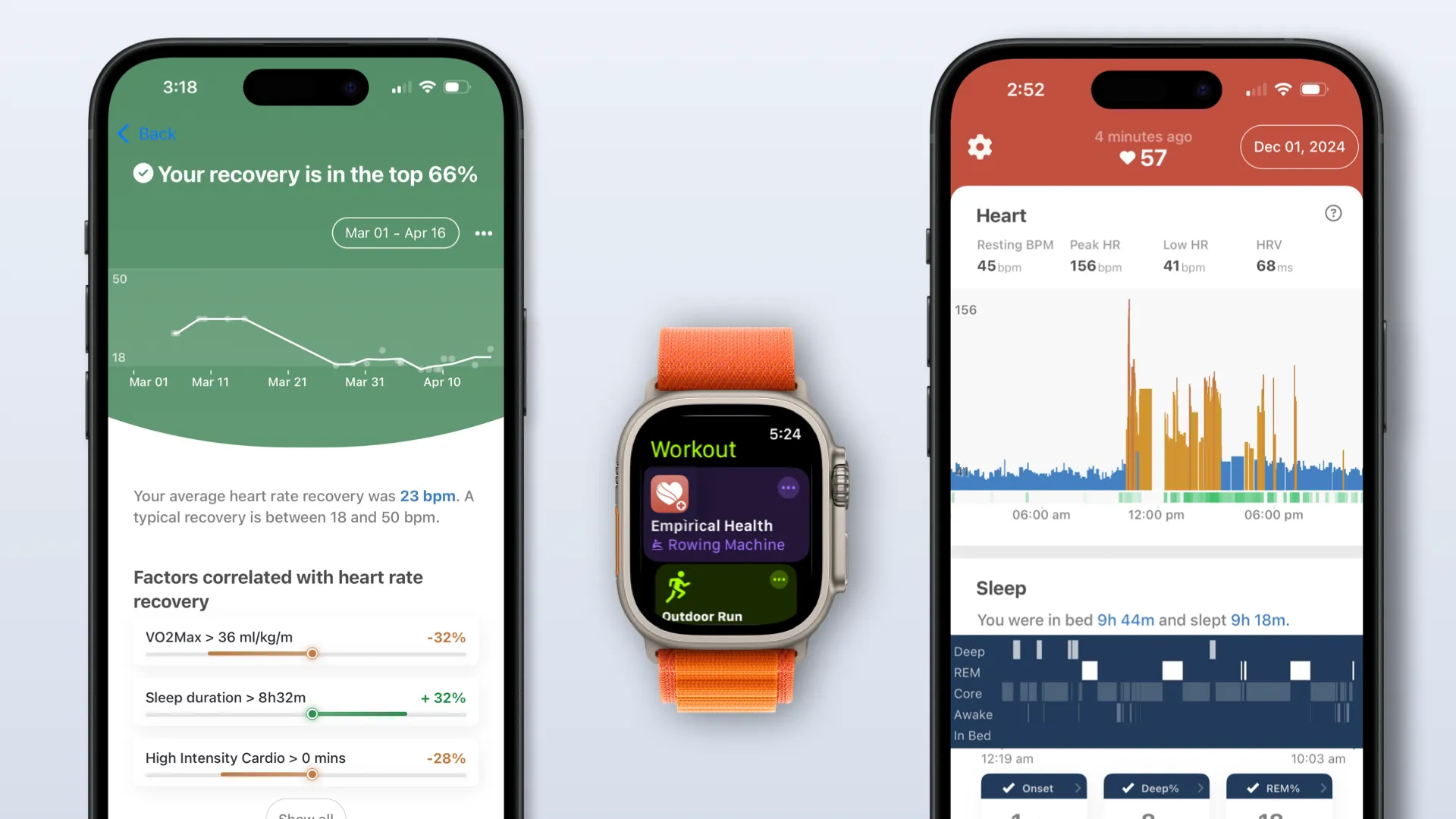
The Best watch for health monitoring here is the Garmin vívoactive 5. It combines heart rate, sleep, stress, HRV status, Body Battery, nap detection and training guidance in a system that explains more than a raw sensor list. Choose the Black version if you prefer its Slate finish, since the Ivory and Black models have the same listed feature set.
The Samsung Galaxy Watch 8 is the better alternative for Android users who want blood pressure tracking with cuff calibration, sleep coaching, running feedback and a full smartwatch experience. For a slimmer wearable, the Fitbit Inspire 3 is easier to wear overnight, while the MorePro Health Tracker 120+ is the most expansive budget-style tracker in the group.
If you are undecided, choose Garmin for meaningful health and recovery context, Samsung for Android smartwatch features, or Fitbit for a discreet sleep-first tracker.
As an Amazon Associate we earn from qualifying purchases.