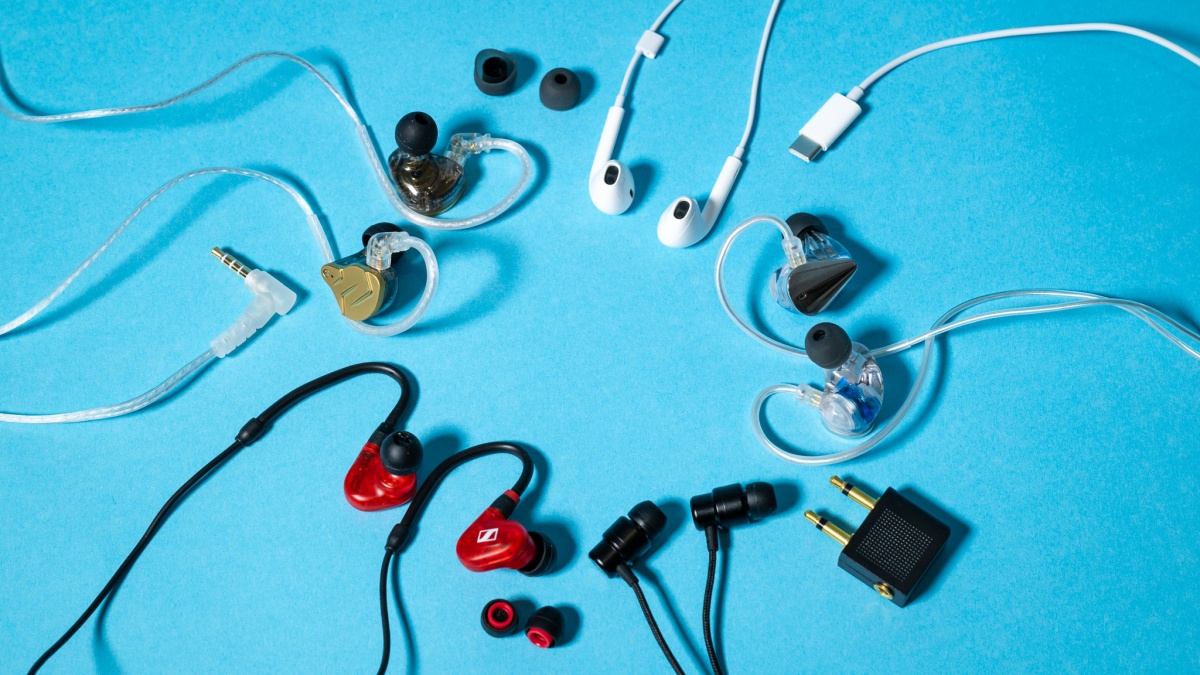

A dead battery is the fastest way to ruin a commute, class, or work call. Wired earphones avoid that problem, but the connector, fit, microphone, and amount of outside noise they block still determine whether a pair is pleasant or frustrating to use. The best wired earphones should be easy to connect, comfortable for long stretches, and suited to the phone or computer already on your desk.
We ranked these eight models by their practical strengths. Apple’s EarPods lead for their clean controls and broad everyday usability, while the Sony, Sephia, LUDOS, and JBL models offer different approaches to in-ear fit, bass, cable handling, and call support.
Our top pick is Apple EarPods USB-C, with options ranging from discreet open-style comfort to more secure noise-isolating in-ear designs.
Comparison table
| # | Product | Award | Connector / driver | Fit / controls | Best for |
|---|---|---|---|---|---|
| 1 | Apple EarPods USB-C | Best overall | USB-C, integrated microphone | Ear-shaped fit, three-button remote | USB-C phones, tablets, and laptops |
| 2 | Apple EarPods 3.5mm | Best for headphone jacks | 3.5mm, integrated microphone | Ear-shaped fit, three-button remote | Devices with a 3.5mm jack |
| 3 | Sony MDR-EX15AP | Best adjustable fit | 3.5mm, 9mm driver | Three tip sizes, microphone | Secure in-ear listening |
| 4 | Sephia SP3060 | Best noise isolation | 3.5mm, 10mm driver | Six tip options, no remote | Commuting and bass-forward music |
| 5 | LUDOS FEROX | Best for long calls | 3.5mm, integrated microphone | In-ear fit, noise isolation | School, work, and video calls |
| 6 | Apple EarPods Lightning | Best for Lightning devices | Lightning, integrated microphone | Ear-shaped fit, three-button remote | iPhone and iPad users |
| 7 | Sony MDR-EX15LP | Best simple Sony pair | 3.5mm, 9mm driver | Hybrid silicone tips | Music without call controls |
| 8 | JBL Tune 110E | Best flat cable | Wired in-ear, microphone | One-button remote | Bass-focused everyday listening |
1. Apple EarPods USB-C: Best Overall

Pros
- Comfortable ear-shaped design
- USB-C connection works across compatible devices
- Remote controls volume, music, video, and calls
- Integrated microphone supports calls and Siri
Cons
- Open earbud design provides limited outside-noise isolation
- Fit is less secure than a sealed in-ear model
- Requires a USB-C port
Best for: someone who wants simple wired listening and reliable controls across USB-C devices.
The first thing to know about Apple EarPods USB-C is that they do not sit deep in the ear canal. The smooth, ear-shaped housings rest at the entrance of the ear, which makes them less intrusive than the Sony MDR-EX15AP or Sephia SP3060. That is a major comfort advantage for listeners who dislike silicone tips, though the loose fit also means they are not the choice for running or noisy train rides.
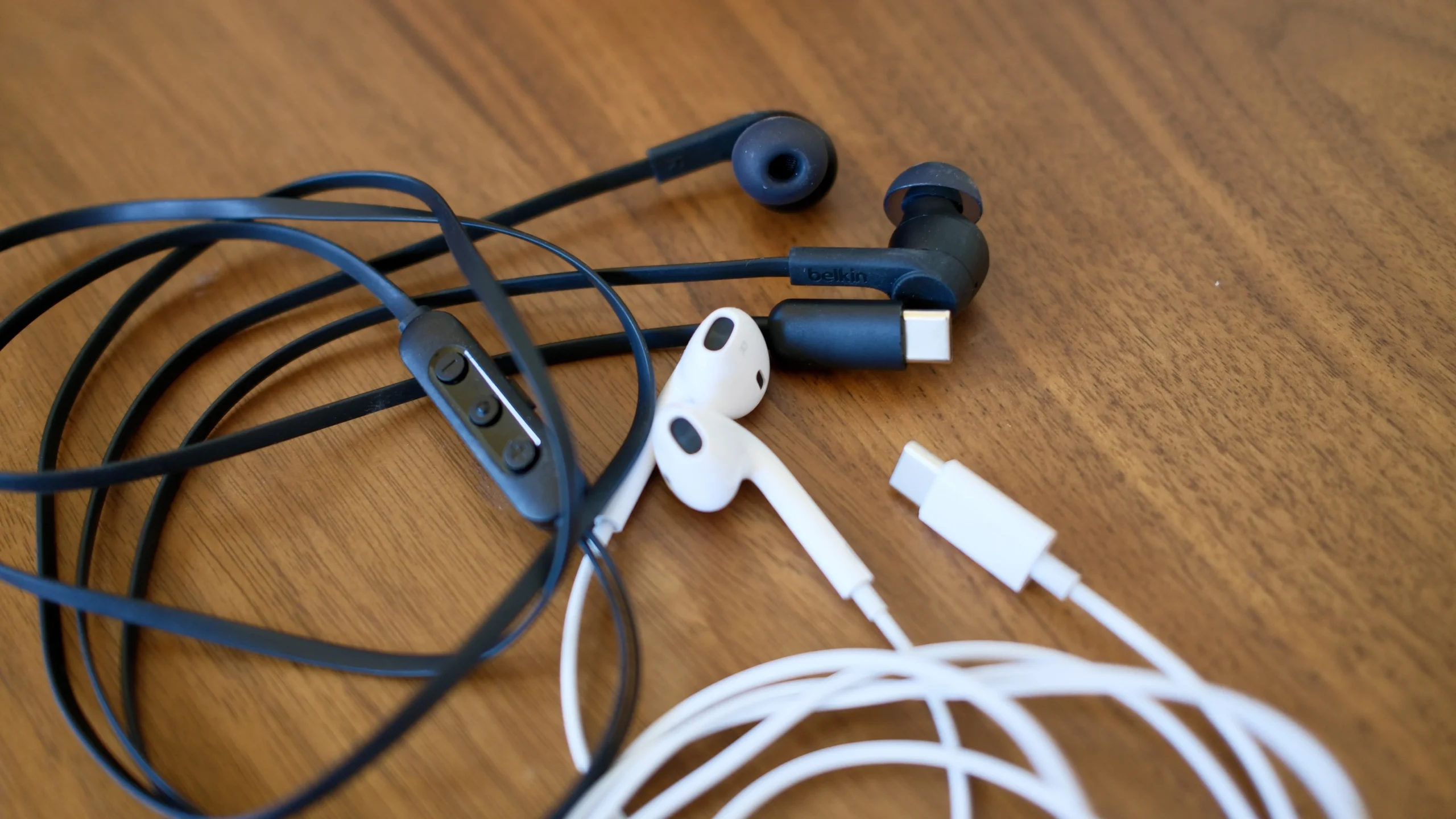
The USB-C plug is the key reason to choose this version. It works with devices that have a USB-C port, so it is a practical match for newer phones, tablets, and laptops that no longer include a traditional headphone jack. The cable provides a built-in remote with volume controls, playback control, and call answering or ending through a pinch of the cord. That is more useful than a single multifunction button when adjusting audio repeatedly during a commute or work session.
Apple also includes an integrated microphone designed for phone calls, FaceTime, and Siri. It keeps the EarPods useful as a headset rather than treating them as music-only earphones. The product has a listed weight of 0.07 pounds, and its compact housing is easy to carry in a pocket or laptop sleeve.
Sound is shaped by the open fit as much as by the speaker itself. Outside noise remains audible, and sound can leak more readily than it does with the sealed Sephia SP3060 or LUDOS FEROX. That can be helpful when you need awareness near traffic or around coworkers, but it is a weakness on aircraft or busy public transport. Listeners who want strong isolation should skip this pair.
Compared with the Apple EarPods 3.5mm, this model makes sense when the source has USB-C rather than a legacy analog jack. Compared with Apple EarPods Lightning, it is the more relevant choice for current USB-C hardware. Choose it for comfortable, uncomplicated listening with useful cord controls, not for a locked-in workout fit or heavy isolation.
2. Apple EarPods 3.5mm: Best for Headphone Jacks

Pros
- Familiar ear-shaped fit
- Three-button remote handles volume and playback
- Integrated microphone for calls and Siri
- Works with devices that have a 3.5mm jack
Cons
- Open fit does little to block surrounding sound
- Does not suit devices without a 3.5mm output
- Less secure than sealed silicone-tip designs
Best for: listeners using a laptop, tablet, phone, or other device with a standard 3.5mm headphone jack.
The Apple EarPods 3.5mm are the straightforward option for a device that still has an analog headphone jack. Their housings follow the same geometry-led approach as the USB-C model, sitting lightly rather than sealing the canal. That makes them comfortable for people who find traditional in-ear tips irritating, but it also means the fit varies more from one ear to the next.
The three-button remote is a strong everyday feature. It can adjust volume, control music and video playback, and answer or end a call without reaching for the source device. The integrated microphone handles calls and voice commands, making this pair a better desk companion than a basic music-only earbud. The 0.06625-pound listed weight also keeps the set unobtrusive when worn for a long session.
The 3.5mm connector gives this model broad compatibility with devices that retain the jack. It is especially convenient with laptops and older tablets because it needs no adapter and no setup. That simplicity is the whole appeal. If your phone uses USB-C, the Apple EarPods USB-C are the cleaner match. If it uses Lightning, Apple EarPods Lightning avoid the need for another connector.
The open design changes how the audio comes across. Bass is less insulated from the room than it is with the 9mm Sony MDR-EX15AP, and nearby conversation can compete with quieter music. On the other hand, the design lets you remain aware of your surroundings, which can be useful at a desk or while walking in a familiar area. Do not pick it for a loud commute if you want your music to stay isolated.
For anyone who wants a comfortable wired headset for a compatible jack, this is one of the easiest recommendations in the group. The Sony MDR-EX15AP offers a more adjustable seal, and the JBL Tune 110E has a more bass-oriented presentation, but neither duplicates the EarPods combination of open comfort and full remote controls.
People comparing connector choices may also want to consider the trade-offs of using wired audio with an iPhone, especially when the phone needs an adapter.
3. Sony MDR-EX15AP: Best Adjustable Fit

Pros
- Three silicone tip sizes included
- 9mm dome drivers with neodymium magnets
- More secure seal than open EarPods
- Cord slider helps reduce tangles
- Built-in microphone
Cons
- Fit must be tuned carefully for proper sound
- Sealed tips make outside awareness less immediate
- Remote controls are not detailed in the supplied product information
Best for: someone who wants a small sealed earbud and the ability to fine-tune the fit.
The Sony MDR-EX15AP takes the opposite approach to Apple’s open EarPods. Its silicone tips sit in the ear canal, creating a more secure seal and a clearer barrier against room noise. That makes it a better fit for walking, commuting, and general movement, provided you spend a moment choosing the right tip.
Sony includes small, medium, and large hybrid silicone earbuds. The supplied fit guidance matters here because the wrong size can affect both sound quality and call performance. A tip that is too small may loosen and lose bass, while one that is too large can become uncomfortable. The three-size selection is a real advantage over the one-size EarPods design.
Inside are 9mm dome-type driver units paired with high-energy neodymium magnets. The combination is intended to produce prominent bass while retaining treble and midrange detail. In practical terms, this is the more energetic music option than Apple EarPods 3.5mm when the seal is right. The Y-type cord includes a slider that can bring the two sides together and help reduce tangling in a pocket.
The microphone makes the AP version useful for calls as well as music. Its main limitation is the need to manage the fit carefully. The Sony MDR-EX15LP uses similar 9mm driver hardware but omits the microphone, so the AP is the more versatile choice when calls matter. The Sephia SP3060 offers a larger 10mm driver and more tip options, but it is heavier in emphasis and lacks the AP’s microphone.
This is not the pair for someone who wants to put the earphones on without thinking about insertion or tip choice. It is also not ideal if you need to hear every announcement around you. For listeners who want a compact, sealed earbud with adjustable fit, strong bass response, and a microphone, the MDR-EX15AP is the Sony to keep in mind.
4. Sephia SP3060: Best Noise Isolation

Pros
- Six silicone tip options
- 10mm neodymium driver
- Passive noise isolation for commuting
- 3.8-foot tangle-free Y cable
- Metal earbud construction
Cons
- No microphone or remote
- 3.5mm connection may need an adapter
- Sealed fit reduces awareness of surroundings
Best for: music listeners who prioritize a secure seal, passive isolation, and bass-led sound.
The Sephia SP3060 is the most purpose-built commuter pair here. Its in-ear design and silicone tips aim to keep surrounding noise out without electronics, so there is no battery, app, or charging routine to manage. The fit is more involved than with the Apple models, but a good seal makes a meaningful difference in how much detail survives on a bus or train.
Sephia supplies six earbud tips in small, medium, and large sizes. That gives the SP3060 more room to accommodate different ear canals than the three-size Sony MDR-EX15AP. Its listed passive noise isolation reaches up to 33dB, though the actual result will depend on the tip seal and the listener’s ears. The product is best understood as a conventional isolating earphone, not as an active noise-cancelling headset.
A 10mm neodymium earbud magnet is responsible for the sound, with a stated frequency range of 20Hz to 20, 000Hz. The larger driver and sealed housing favor bass-driven playback, while the metal earbud construction is intended to keep the sound clear and reduce leakage. The 3.8-foot Y-shaped cable gives enough reach for a laptop or phone in a pocket, and the cable is described as tangle-free.
There is one important omission: the SP3060 does not include a microphone or remote. That makes it a less flexible headset than the Sony MDR-EX15AP, LUDOS FEROX, and all three Apple EarPods models. It is also built around a 3.5mm headphone jack, and the supplied information says an adapter may be required for newer iPhone, Samsung Galaxy, and Sony Xperia devices. An adapter is not included.
The Sephia is the pick for focused music listening rather than calls. It beats the open Apple EarPods when outside noise is the problem, and its six tip options are unusually helpful. Skip it if you regularly take calls from the same cable or if you need to hear announcements around you. If your priority is a sealed, bass-forward earphone for travel, this is the most convincing choice in the group.
For a broader look at how sealed designs compare with less isolating models, the fit differences between wired in-ear styles are worth understanding before you choose.
5. LUDOS FEROX: Best for Long Calls

Pros
- Integrated microphone
- No battery or charging requirement
- Designed for extended wear
- Corded 3.5mm connection
- Five-year customer support
Cons
- Connector is limited to 3.5mm devices
- Does not fully block outside sound
- Product information gives few audio specifications
Best for: students, remote workers, and callers who need simple wired earphones for extended use.
The LUDOS FEROX is built around a practical promise: plug it in and keep using it without worrying about battery life. Its wired connection avoids the interruptions that come with charging, and the integrated microphone makes it suitable for video calls, distance learning, and ordinary phone conversations. The fit is described as comfortable for hours at a time, with wires intended to stay unobtrusive rather than pull at the ears.
Unlike the Sephia SP3060, the FEROX includes a microphone. That immediately makes it more useful for work and school, even though the supplied product information does not specify a driver size, frequency range, or detailed remote control layout. We will not treat it as a technical audio specialist. Its appeal is the straightforward headset function and the absence of a battery to monitor.
The FEROX uses a corded 3.5mm jack, so it suits computers, laptops, and phones that retain that output. Newer devices may require an adapter. The listed weight is 0.110231131 pounds, which is higher than the Apple EarPods models and the Sony MDR-EX15AP in the supplied specifications, although dimensions and cable construction can affect how that weight feels in use.
The earphones are described as noise isolating, but the product information also makes clear that they do not block all outside sound. That is a sensible compromise for school or office use, where total isolation can be inconvenient. The Sephia SP3060 is the better choice when you want the strongest stated passive isolation, while the FEROX is the better fit for a caller who needs awareness and a microphone.
LUDOS also specifies five-year customer support, which is unusual among these simple wired models. The weakness is the lack of detailed audio information and the dependence on a 3.5mm jack. Choose the FEROX when comfort, calls, and uninterrupted wired use matter more than fine-grained sound specifications.
6. Apple EarPods Lightning: Best for Lightning Devices

Pros
- Made for devices with a Lightning connector
- Ear-shaped housing avoids deep insertion
- Remote handles volume, playback, and calls
- Integrated microphone supports FaceTime and Siri
Cons
- Works only with compatible Lightning devices
- Open fit offers little isolation
- One-size housing may not suit every ear
Best for: iPhone, iPad, and iPod touch users with compatible Lightning ports.
The Apple EarPods Lightning remain the most direct option for a compatible Apple device. They use a Lightning connector and are specified to work with Lightning devices supporting iOS 10 or later, including iPhone, iPad, and iPod touch models. There is no 3.5mm adapter decision to make and no wireless pairing step.
Like the other EarPods, this model uses an ear-shaped housing rather than a silicone tip. That makes it light and easy to tolerate for listeners who dislike sealed earbuds. The trade-off is fit security. The Sony MDR-EX15AP and JBL Tune 110E hold more firmly once their tips are positioned, while the Lightning EarPods are more likely to shift during vigorous movement.
The built-in remote controls volume, music and video playback, and calls. Its integrated microphone is designed for phone conversations, FaceTime, and Siri, so the set works as a compact headset as well as a music accessory. The product dimensions list a width of 0.82283464483 inches and a height of 2.65748031225 inches, though those package-style measurements do not tell you as much about comfort as the open housing itself.
The open construction also leaves more of the room audible. That is helpful when you need to remain aware of people around you, but it is not a substitute for passive isolation. In a loud station, the Sephia SP3060 will keep more external sound away. In a quiet office or at home, the Apple design is easier to live with for listeners who do not want ear tips pressing into the canal.
Choose this pair when the Lightning connector is the deciding factor. Apple EarPods USB-C is the better forward-looking option for USB-C hardware, and Apple EarPods 3.5mm is more flexible around traditional audio equipment. For a compatible iPhone or iPad and a listener who values remote controls over isolation, the Lightning version is the right specialist pick.
7. Sony MDR-EX15LP: Best Simple Sony Pair

Pros
- 9mm dome-type driver units
- Neodymium magnets for powerful sound
- Hybrid silicone earbuds
- Y-type cord with slider
- Simple 3.5mm wired connection
Cons
- No microphone or remote
- Fit needs to be matched to the ear
- Less suitable for calls than the AP version
Best for: listeners who want Sony’s sealed in-ear design for music and do not need call controls.
The Sony MDR-EX15LP is the stripped-back companion to the MDR-EX15AP. It keeps the basic in-ear approach, hybrid silicone earbuds, 9mm dome drivers, and neodymium magnets, but leaves out the microphone. That makes its purpose clear: it is for listening, not for switching between music and calls.
The sealed fit helps the earphones stay in place and gives bass more presence than an open earbud. Sony warns that the tip size and wearing position affect sound quality and call performance, with the latter being less relevant here because this LP version does not provide a microphone. The advice still matters for music. A poor seal can make the sound thin and unstable, while a snug fit gives the driver a stronger foundation.
The 9mm driver units are the same stated size as those in the Sony MDR-EX15AP, and both use high-energy neodymium magnets. The difference is function rather than a clear change in the sound hardware. The AP version is the better all-purpose pick because it adds a microphone, but the LP is a sensible choice for a dedicated music player, laptop, or other 3.5mm source.
The Y-type cable includes a slider intended to prevent tangling. That is a small but useful detail when the earphones spend time in a pocket or bag. The 3.5mm plug is widely compatible with older audio equipment, though newer phones may need an adapter. Compared with JBL Tune 110E, the Sony offers more explicit fit guidance and driver information, while JBL emphasizes its flat cable and bass presentation.
The absence of call controls is the real limitation. Skip the MDR-EX15LP if you expect to answer calls through the cable or use it for regular meetings. For uncomplicated music listening with a sealed fit and a familiar Sony driver configuration, it is a cleaner choice than paying for headset features you will not use.
8. JBL Tune 110E: Best Flat Cable

Pros
- JBL Pure Bass sound
- One-button remote with microphone
- Flat cable resists tangles
- Lightweight listed design
- Wired listening needs no battery
Cons
- Only one remote button
- Driver size and tip options are not specified
- In-ear fit may not suit every listener
Best for: listeners who want a bass-focused wired pair with a cable that is easy to manage.
The JBL Tune 110E stands out for its cable and sound signature. JBL describes the earphones as producing Pure Bass, with a presentation aimed at deep, powerful low frequencies. That makes them a natural fit for pop, hip-hop, electronic music, and other tracks where the rhythm should arrive with emphasis.
The flat cable is the practical advantage. It is designed to resist the knots that often form in a thin round cord, which makes the Tune 110E easier to pull from a bag and start using. The listed weight is 0.0220462262 pounds, lighter than the LUDOS FEROX and Sephia SP3060 in the supplied data. JBL does not specify a driver size or frequency range here, so the bass description is a better guide to its character than a detailed technical profile.
A one-button remote and built-in microphone handle the essentials. You can control music playback and answer an incoming call from the cord, but the supplied information does not describe the multi-button volume controls found on the Apple EarPods. If frequent volume changes matter, Apple EarPods USB-C or Apple EarPods 3.5mm are more convenient.
The in-ear design should provide more stability and isolation than an open EarPods housing, but the product information does not list multiple tip sizes. That makes the JBL less adjustable than the Sony MDR-EX15AP and Sephia SP3060. The right fit can still be comfortable, but listeners with difficult-to-fit ears should favor a model with more explicit tip choices.
The Tune 110E is the pick for someone who wants uncomplicated bass and a cable that does not fight back. It is not as versatile for controls as the Apple models, nor as configurable for fit as the Sony and Sephia models. Choose it when a one-button headset and punchy low end are enough.
How to choose the best wired earphones
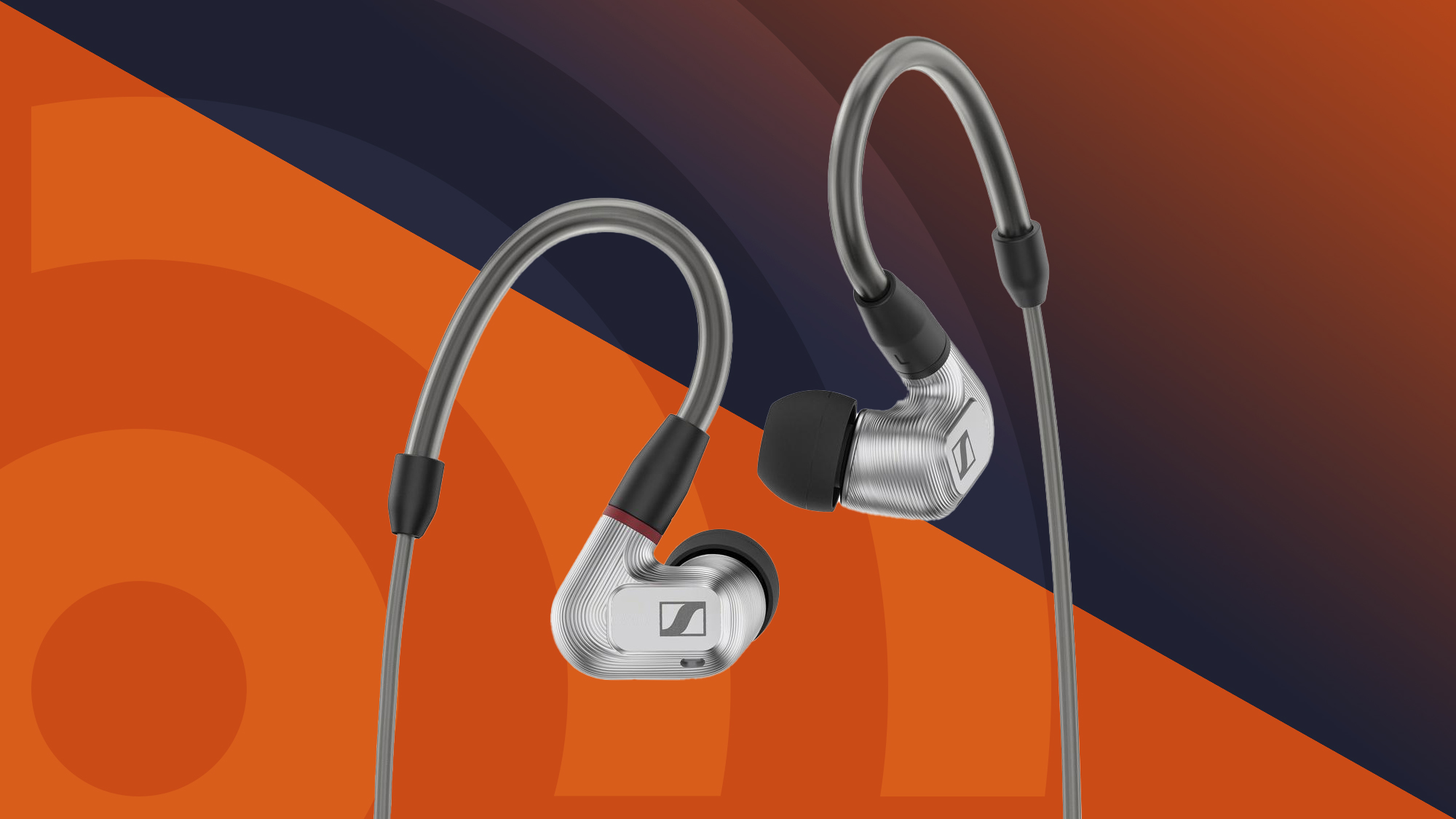
The right pair depends less on a long feature list than on the connection, fit, controls, and type of listening you actually do.
Connector compatibility
Start with the port on the device. USB-C suits the Apple EarPods USB-C and works with devices that have a USB-C port. Lightning suits compatible Apple hardware, while 3.5mm remains the most broadly useful analog connection for laptops, older phones, tablets, and audio equipment.
Adapters can add another point of failure and may affect how comfortably the cable hangs from a phone. Check the source device before choosing a model, especially if it is a newer phone without a headphone jack.
Open and sealed fit
Open-style earbuds such as the Apple EarPods sit at the entrance of the ear and allow more surrounding sound through. They can feel less intrusive and are useful when you need environmental awareness, but they are not ideal in loud places.
Sealed in-ear models use silicone tips to create a closer fit. Sony MDR-EX15AP includes three sizes, while Sephia SP3060 includes six tips in small, medium, and large sizes. More options improve the chance of finding a seal that stays put and preserves bass.
A good seal is not a luxury feature. It is what lets a small driver sound full without forcing the volume higher.
Drivers and sound character
Driver size is only one part of the sound, but it is still useful context. Sony’s MDR-EX15AP and MDR-EX15LP use 9mm dome-type driver units with neodymium magnets. Sephia SP3060 uses a 10mm neodymium driver and describes its sound as bass-driven, while JBL Tune 110E emphasizes Pure Bass without supplying a driver size in the product information.
Use those details as clues rather than guarantees. Bass-heavy models can make modern music feel more forceful, while open EarPods may sound more natural in a quiet room because they do not create the same sealed pressure.
Microphone and remote controls
A microphone turns earphones into a headset for calls, meetings, and voice assistants. Apple’s three-button remote covers volume, playback, and calls. Sony MDR-EX15AP, LUDOS FEROX, and JBL Tune 110E also include microphones, though JBL specifies a one-button remote.
Sephia SP3060 and Sony MDR-EX15LP are music-first models without a microphone or remote in the supplied information. Pick them only if calls and cable controls are not part of your routine.
Cable handling
A cable slider can keep a Y-shaped cord from spreading and tangling. Sony includes one on both MDR-EX15 models, while JBL uses a flat cable intended to resist knots. Apple’s cord-mounted remote adds convenience but also creates another section to manage when the earphones are stored.
For a bag or pocket, cable design matters more than it first appears. A pair that takes seconds to untangle will be used more often than one that sounds good but stays buried.
Frequently asked questions
Are wired earphones better than wireless earbuds?
Wired earphones do not need charging or Bluetooth pairing, so they are ready whenever the connector matches the device. Wireless earbuds offer more freedom of movement, but they add batteries and another connection step. The better format depends on whether uninterrupted use or cable-free movement matters more.
Which connector should I choose?
Choose USB-C for a device with a USB-C audio connection, Lightning for compatible Apple devices, and 3.5mm when your source has a traditional headphone jack. The Apple EarPods models are separated mainly by these connectors. An adapter may be required when the earphone plug and device port do not match.
Do all of these earphones include a microphone?
No. Apple EarPods USB-C, Apple EarPods 3.5mm, Sony MDR-EX15AP, LUDOS FEROX, Apple EarPods Lightning, and JBL Tune 110E include microphones according to their product details. Sephia SP3060 and Sony MDR-EX15LP are listed without a microphone or remote.
What is the best choice for commuting?
Sephia SP3060 is the strongest fit for passive isolation because it uses an in-ear seal, multiple tip sizes, and a design described as reducing outside noise. Sony MDR-EX15AP is another good option with three tip sizes. Open Apple EarPods let in more outside sound and are better when awareness matters.
Are Apple EarPods noise isolating?
Apple EarPods use an open ear-shaped housing rather than a sealed silicone-tip design. They do not offer the same passive isolation as the Sony, Sephia, LUDOS, or JBL in-ear models. Their advantage is comfort and awareness, not blocking a busy environment.
Which pair is best for calls?
Apple EarPods USB-C and Apple EarPods 3.5mm offer the most complete cord controls, with volume, playback, and call functions. LUDOS FEROX is also designed for extended calls and includes an integrated microphone. Make sure the connector matches the computer or phone you plan to use.
The bottom line
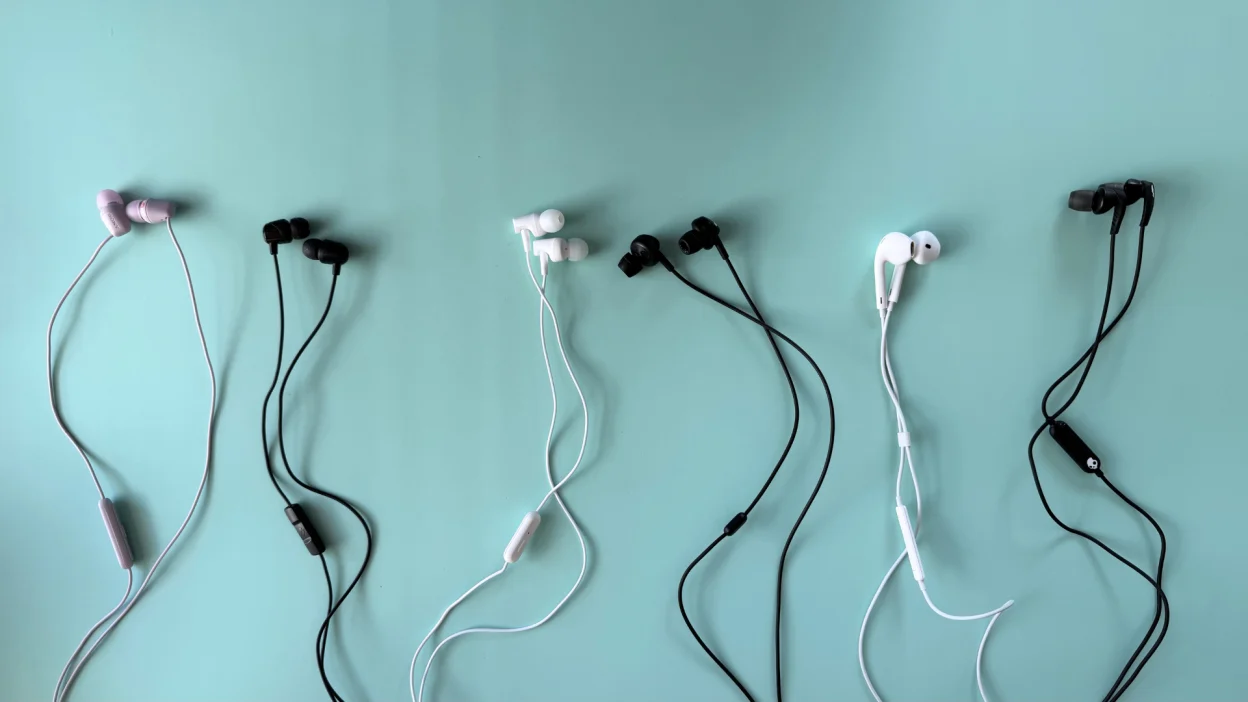
The Best wired earphones for most people in this group are Apple EarPods USB-C. They combine an easy open fit, an integrated microphone, and a full remote with the connector used by many current devices. If your hardware still uses a 3.5mm jack, Apple EarPods 3.5mm offer the same basic experience in the right format.
Choose Sony MDR-EX15AP when you need a sealed fit with three tip sizes, or Sephia SP3060 when passive isolation and bass-focused music matter more than calls. LUDOS FEROX is the practical long-call specialist, while JBL Tune 110E makes sense for bass and a flat cable.
If you are undecided, match the connector first, then choose open Apple comfort or sealed Sony and Sephia isolation.
As an Amazon Associate we earn from qualifying purchases.