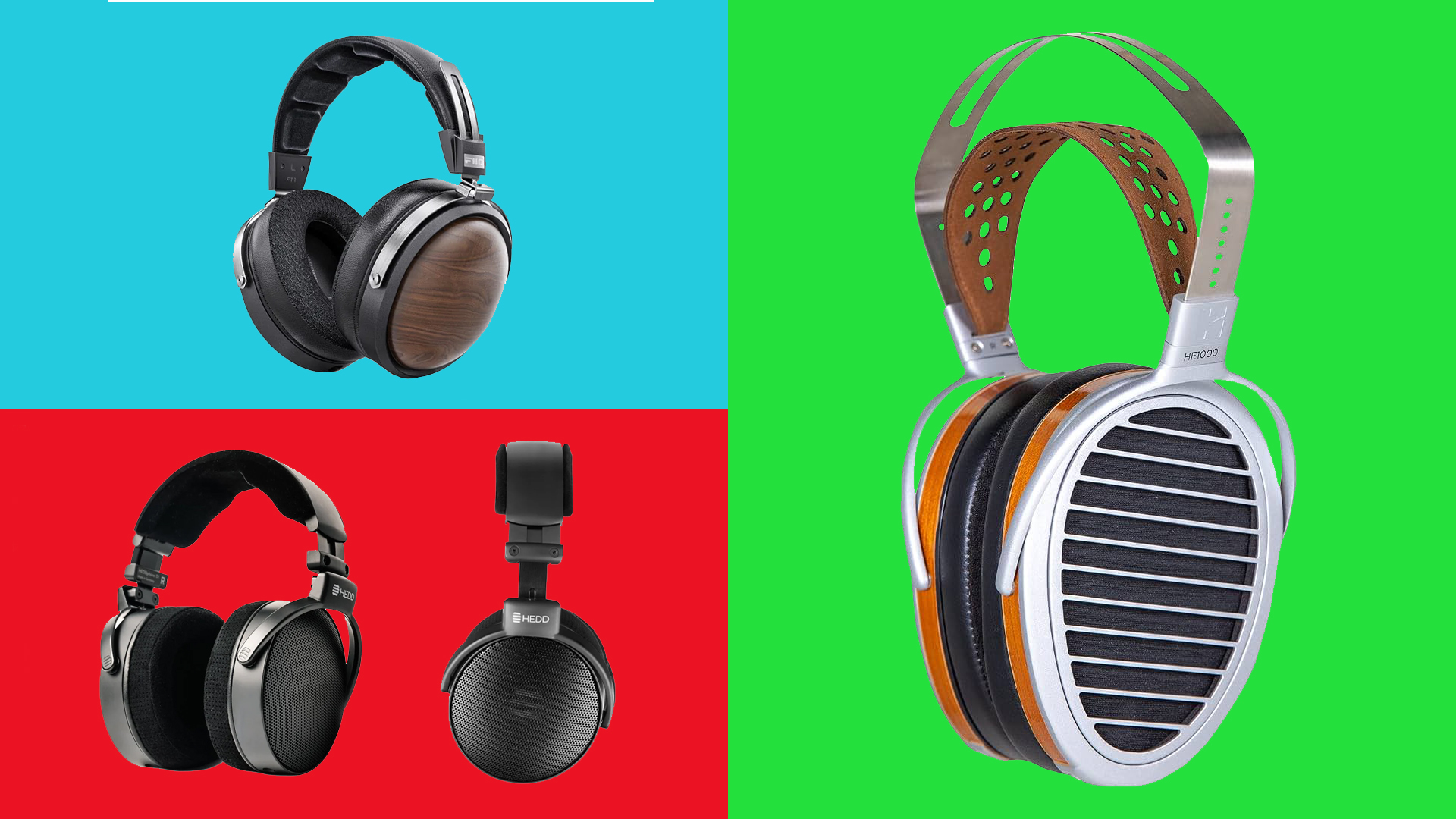

A loose headband, a cable that reaches across the room, or a headphone jack that does not fit your equipment can ruin an otherwise good listening session. The Best wired headphones for music need to do more than produce sound. They should stay comfortable, isolate enough noise, and connect cleanly to the devices you actually use.
This group ranges from compact Sony on-ear headphones to studio monitors with swiveling ear cups, long cables, and 6.35mm plugs. The Audio-Technica ATH-M50X is our top pick, while the other eight make stronger cases for portability, dual-mode listening, DJ monitoring, or simple everyday use.
Comparison table
| # | Product | Award | Drivers | Design | Cable | Best for |
|---|---|---|---|---|---|---|
| 1 | Audio-Technica ATH-M50X | Best overall | 45mm | Over-ear, 90-degree swivel | Detachable | Studio work and detailed music listening |
| 2 | Sony MDR7506 | Best for recording | 40mm | Closed-back, foldable | 9.8ft, fixed | Recording and monitoring |
| 3 | Audio-Technica ATH-M20x | Best studio monitor | 40mm | Circumaural | Single-side exit | Tracking and mixing |
| 4 | OneOdio Pro-10 | Best for DJ monitoring | 50mm | Over-ear, 90-degree swivel | 3.5mm and 6.35mm compatible | DJ work and flexible connections |
| 5 | OneOdio A71 | Best cable flexibility | 40mm | Over-ear, 90-degree swivel | 6.6ft to 9.8ft coiled | Keyboards, guitars, and mixers |
| 6 | OneOdio A70 | Best wired and wireless hybrid | 40mm | Over-ear, foldable | 3.5mm and 6.35mm cables | Home listening and wireless backup |
| 7 | Syndesmos Studio Headphones | Best lightweight studio option | 50mm | Over-ear, 90-degree swivel | Detachable coiled | Mixing and mobile recording |
| 8 | Philips Studio Headphones | Best for broad device compatibility | 40mm | Over-ear, 90-degree swivel | 2m, 3.5mm with adapter | Computers, instruments, and podcasts |
| 9 | Sony MDR-ZX110 | Best compact option | 1.38-inch dynamic | On-ear, swiveling | 3.94ft | Travel and casual listening |
1. Audio-Technica ATH-M50X: Best Overall

Pros
- Detailed presentation with accurate bass
- Large 45mm drivers
- 90-degree swiveling ear cups
- Detachable cable
- Stronger earpad and headband construction
Cons
- Larger and heavier than the ATH-M20x
- Closed-back design can feel warm during long sessions
- Less convenient for short portable listening
Best for: listeners who want one serious wired pair for music, monitoring, and studio work.
The Audio-Technica ATH-M50X is the pair we would keep when one set of headphones has to cover music listening, tracking, and mixing. It has the familiar shape of a studio monitor, but it does not feel limited to a desk. The ear cups surround the ears, the padding is designed for extended wear, and the headband and earpad materials have the more durable feel expected from professional equipment.
Its 45mm large-aperture drivers give the ATH-M50X more room to present bass, vocals, and upper detail separately. The feature set specifically calls out deep, accurate bass and clarity across an extended frequency range. That matters when a recording has a dense low end or layered guitars, because the bass does not simply turn into a broad thump. The closed circumaural design also helps reduce outside sound, making it easier to stay focused in a room with other activity.
The 90-degree swiveling ear cups are useful beyond DJ work. Turn one cup away when checking a live source, monitoring a microphone, or comparing the room sound with the headphone feed. The detachable cable is the practical advantage that separates the ATH-M50X from the Sony MDR7506 and ATH-M20x. A fixed cable can last for years, but a removable one is easier to replace and easier to pack. The OneOdio A70 is more versatile because it can also work wirelessly, but the ATH-M50X has the more focused studio design.
The weakness is its size. This is not the pair to toss into a small bag for a quick commute, and its closed pads can become warm during a long session. The ATH-M20x is a simpler alternative if you do not need swiveling cups or a detachable cable. Skip the ATH-M50X if you mainly want a light on-ear headset for a phone.
For anyone choosing the Best wired headphones for music with studio work in mind, the ATH-M50X is the most complete fit here. It combines a useful driver size, isolation, monitoring flexibility, and a replaceable connection without adding wireless complexity.
2. Sony MDR7506: Best for Recording

Pros
- Detailed 40mm-driver presentation
- Closed design reduces outside noise
- Folds for storage
- Includes a 1/4-inch adapter
- Long 9.8-foot cable
Cons
- Cable is fixed
- Long cord is awkward for portable listening
- Soft case offers limited protection
Best for: recording, vocal monitoring, and listeners who need a long reach from their audio equipment.
The Sony MDR7506 has the purposeful feel of equipment that belongs beside a mixing console. Its closed ear design keeps the headphone sound contained and reduces external noise, which is useful when recording vocals or monitoring a source in a busy room. The fit is more workmanlike than luxurious, but the foldable construction makes it easier to store than the larger studio models in this list.
Sony uses 40mm drivers with neodymium magnets, and the listed frequency response runs from 10Hz to 20kHz. Those figures describe the intended range, but the more useful detail is how the design is positioned: this is a closed professional monitor with a presentation built for hearing changes in a recording. It is a sensible tool for checking vocal takes, editing spoken audio, and following individual instruments without an open-back sound leaking into a microphone.
The 9.8-foot cord is generous. It gives a recording musician room to move and lets a producer sit back from a rack or keyboard without adding an extension. The tradeoff is clear when compared with the ATH-M50X. Sony gives you a longer reach and a foldable frame, but its cable is not detachable. The ATH-M20x has a neater single-side cable arrangement, while the Sony is more useful when the equipment is several feet away.
The fixed cable is the MDR7506's main limitation. It also makes this headset less appealing for walking around with a phone, where a nearly 10-foot lead can snag on furniture and clothing. The included soft case helps with storage, but it is not a rigid travel case. Listeners who want one pair for both studio and commute should look at the ATH-M50X or the hybrid OneOdio A70 instead.
The MDR7506 remains a direct, practical choice for recording. It is best when a long cable, closed isolation, and foldable storage matter more than wireless features or a compact everyday shape.
3. Audio-Technica ATH-M20x: Best Studio Monitor

Pros
- Circumaural isolation
- 40mm drivers with rare earth magnets
- Tuned for stronger low-frequency performance
- Single-side cable exit
- Designed for tracking and mixing
Cons
- Cable is not described as detachable
- No swiveling ear cup feature listed
- Less flexible than the ATH-M50X
Best for: home recording and studio tracking where straightforward monitoring matters.
The Audio-Technica ATH-M20x is the no-nonsense monitor in this group. It does not try to be a travel headset or a wireless all-rounder. Put it beside a computer, audio interface, or recording setup and its priorities make sense: an around-ear fit, passive isolation, and a cable that exits from one side rather than hanging from both ear cups.
Its 40mm drivers use rare earth magnets and copper-clad aluminum wire voice coils. Audio-Technica tunes the ATH-M20x for enhanced low-frequency performance, which gives kick drums, bass lines, and lower-register instruments a firm place in a mix. That does not automatically make it more accurate than every model here, but it explains why it is better suited to tracking and monitoring than a small portable on-ear pair such as the Sony MDR-ZX110.
The circumaural shape contours around the ears and helps block sound in a loud environment. This is important during tracking because a performer needs to hear the cue mix without turning it up simply to overcome room noise. The single-side cable exit also keeps the work area a little cleaner. Compared with the ATH-M50X, the ATH-M20x gives up the larger 45mm drivers, swiveling ear cups, and detachable cable. The payoff is a simpler design that stays focused on core studio duties.
The limitations are easy to identify. There is no listed detachable cable, and there is no listed ear-cup swivel for one-ear monitoring. DJs and performers who need to move between conventional and single-ear monitoring should choose the ATH-M50X or one of the OneOdio models instead. It is also not the most convenient option for carrying in a small bag.
The ATH-M20x suits a listener who wants a dedicated monitor for a desk or recording corner. It is a particularly clear fit for tracking, editing, and mixing when extra connection tricks are less important than isolation and a single clean cable path.
4. OneOdio Pro-10: Best for DJ Monitoring

Pros
- Large 50mm drivers
- 90-degree swiveling ear cups
- Supports 3.5mm and 6.35mm connections
- Padded ear cushions
- Audio-sharing port
Cons
- Wired use only
- Fixed cable arrangement is less convenient to replace
- Bass-forward description may not suit neutral monitoring
Best for: DJs and musicians who need flexible jack compatibility and single-ear monitoring.
The OneOdio Pro-10 makes its strongest case in a DJ booth or instrument setup. The 90-degree swiveling ear cups let you monitor with one ear while keeping the other available for the room. That is a more meaningful feature than it sounds on paper, especially when cueing a track, checking a keyboard, or following a live performance.
OneOdio fits the Pro-10 with 50mm speaker drivers and neodymium magnets. Its feature description emphasizes powerful bass, clear vocals, and crisp highs rather than a strictly flat studio signature. For music listening, that can make rhythm-heavy tracks feel immediate. For mixing, it is important to remember that a bass-emphasized monitor can make low frequencies seem more prominent than they will on other playback systems.
The connection design is unusually useful. The headphones work with devices that have either a 3.5mm or 6.35mm audio jack, covering phones, computers, audio interfaces, DJ mixers, amplifiers, keyboards, and guitars. The shared audio port also lets another pair connect for listening together without a splitter. That gives the Pro-10 more practical flexibility than the ATH-M20x, though the ATH-M50X is the more refined choice for detailed studio work.
The Pro-10 is not wireless, and the supplied connection setup is less convenient to replace than the ATH-M50X's detachable cable. Its large ear cups also make it a less natural travel companion than the Sony MDR-ZX110. Listeners who mainly want a neutral reference headset should consider the Sony MDR7506 or Audio-Technica models first.
Choose the Pro-10 when single-ear monitoring and broad jack compatibility are central to the job. It is a capable music headset for a DJ, guitarist, keyboard player, or home user who wants to share audio without extra hardware.
5. OneOdio A71: Best Cable Flexibility

Pros
- 40mm drivers
- Coiled cable reaches from 6.6 to 9.8 feet
- Includes 3.5mm and 6.35mm plugs
- 90-degree swiveling ear cups
- Audio-sharing port
Cons
- Heavier than the ATH-M20x
- Over-ear design is bulky for casual travel
- No wireless mode
Best for: musicians who switch between computers, mixers, keyboards, and guitars.
The OneOdio A71 is built around the awkward spaces of a home studio. A keyboard may sit several feet from a computer, an amplifier may use a larger jack, and a mixer may be positioned behind the listener. The included coiled cable can extend from 6.6 to 9.8 feet, giving the A71 enough reach for those setups without leaving a loose straight cable across the floor.
The 40mm drivers are described as providing clarity and depth for monitoring, mixing, and DJ use. This is a conventional size for a studio monitor, and the more useful part of the A71's design is how it pairs that driver with 3.5mm and 6.35mm plugs. You can connect to a laptop or phone with one end and move to an amplifier, keyboard, or mixer with the other. It removes the need to keep a separate adapter close by.
The 90-degree swiveling ear cups support single-ear monitoring, just like the Pro-10. The A71 also includes a shared audio port for connecting another pair. Those features make it more hands-on than the ATH-M20x, but the Audio-Technica ATH-M50X remains the stronger pick for listeners who place a higher priority on detachable cables and refined studio construction.
At 0.83 pounds, the A71 is heavier than the listed ATH-M20x and Sony MDR7506 weights. That does not make it unsuitable for long sessions, since the ear cushions and adjustable headband are designed for comfort, but it does make the A71 feel more like equipment for a fixed listening position. It is also wired only, so the OneOdio A70 is the obvious alternative if you want a wireless mode.
The A71 earns its place through connection flexibility rather than a unique sound claim. Pick it for a studio, practice room, or instrument corner where cable reach and jack size cause more trouble than the headphone itself.
6. OneOdio A70: Best Wired and Wireless Hybrid

Pros
- Wired and Bluetooth modes
- Up to 72 hours of wireless playtime
- Includes 3.5mm and 6.35mm cables
- Foldable, rotatable design
- Built-in microphone for calls
Cons
- Wireless features add complexity to a wired purchase
- 40mm drivers are smaller than the Pro-10 and ATH-M50X
- Microphone features are less relevant for studio monitoring
Best for: listeners who want wired music playback at home and wireless flexibility away from the desk.
The OneOdio A70 is the most adaptable headphone here. It can operate in wired mode when connected to an audio source, so it does not depend on a battery for that use, or it can switch to Bluetooth when a cable would get in the way. That makes it a natural bridge between a desk setup and everyday listening.
OneOdio uses 40mm neodymium drivers and describes the sound as powerful bass with dynamic stereo detail. The over-ear design uses memory cotton and skin-friendly protein leather in the cushions, while the rotatable and foldable construction makes the headset easier to store. The A70 is lighter than the A71 according to the listed product weights, although it is still a full-size over-ear headphone.
The connection bundle is unusually broad. One cable runs from 3.5mm to 6.35mm, and another runs from 3.5mm to 3.5mm, covering standard portable devices and larger studio equipment. The locked aux jack is intended to keep the plug secure. When used wirelessly, the listed playtime reaches up to 72 hours, and a built-in microphone with noise reduction supports hands-free calls. Those features make it more practical than the strictly wired Pro-10 for a listener who moves between devices.
The A70 is not the most focused studio monitor in the group. The ATH-M50X gives a more purpose-built combination of 45mm drivers, detachable cable, isolation, and swiveling cups. The A70 also asks you to manage wireless pairing and charging when you use its Bluetooth mode, even though wired mode avoids that issue. Skip it if you specifically want the simplest possible recording headset.
For a household with several listening situations, the A70 is difficult to ignore. It is the pick for someone who wants one over-ear pair that can connect to an amplifier, work with a laptop, and still travel without requiring a cable.
7. Syndesmos Studio Headphones: Best Lightweight Studio Option

Pros
- 50mm dynamic drivers
- Listed weight of 260g
- Detachable coiled cord
- 3.5mm and 6.35mm connectivity
- 90-degree swiveling ear cups
Cons
- Brand and model identification are less clear
- Coiled cable has a narrower listed length range
- Fewer construction details are provided than for the Audio-Technica models
Best for: a lightweight over-ear monitor with broad studio connections.
The Syndesmos Studio Headphones stand out because the listed weight is 260g, or 9.1 ounces. That places them below the listed OneOdio A71 weight and gives them a useful advantage for long recording or mixing sessions. The memory-foam ear cushions and protein-leather covering are intended to provide passive isolation without making the headset feel overly cumbersome.
Its 50mm dynamic drivers are described as producing punchy bass, balanced mids, and precise treble across a listed 20Hz to 20kHz range. Those terms point to a broad, energetic presentation suited to DJ work, music listening, and vocal self-monitoring. The larger drivers do not guarantee a better mix translation, but they can give a recording more physical scale than the compact Sony MDR-ZX110.
The A71 and Pro-10 offer similar single-ear monitoring ideas, but the Syndesmos adds a detachable 5.7 to 6-foot coiled cord. It has both 3.5mm and 6.35mm plugs, so it can connect to a computer, tablet, smartphone, mixer, or audio interface. The shared-output feature is also designed for daisy-chaining another pair, which can be useful when two people need to follow the same session.
The compromises come from the limited information and the shorter cable reach. The Sony MDR7506 extends to 9.8 feet, and the OneOdio A71 is listed with a coiled cable that can reach that distance. The Syndesmos is the lighter option, but it does not have the same documented folding design as the Sony, nor the larger body of long-term studio familiarity associated with the Audio-Technica models.
This is a sensible fit for a listener who values weight and a detachable cable without giving up studio-style plugs. It should be skipped by buyers who need a very long lead or who prefer a more established monitor design with more detailed construction information.
8. Philips Studio Headphones: Best for Broad Device Compatibility

Pros
- 40mm drivers
- Over-ear passive isolation
- 3.5mm jack with snap-on 6.3mm adapter
- 2m cable
- 90-degree rotating ear cups
Cons
- Cable is not listed as detachable
- Adapter must be kept with the headset
- Less studio-specific detail than the top Audio-Technica picks
Best for: home listeners and musicians who use both standard and quarter-inch audio connections.
The Philips Studio Headphones are a straightforward over-ear option for a computer, keyboard, guitar, or recording setup. Their most useful feature is not a special sound mode. It is the ability to move between ordinary 3.5mm devices and equipment with a 6.3mm input using the included snap-on adapter.
The 40mm drivers are described as producing crisp, clear sound, while the over-ear fit provides passive noise isolation. That combination makes sense for podcasts, basic monitoring, and music listening at a desk. Philips also lists soft ear-cup cushions, a padded adjustable headband, and a lightweight headband, all of which should help during extended sessions.
The 2m cable gives more working room than the Sony MDR-ZX110's 3.94-foot lead. The 90-degree rotating ear cups support one-ear DJ monitoring, putting the Philips closer to the OneOdio Pro-10 and A71 than its simple appearance suggests. Still, the ATH-M50X has a detachable cable and a more developed studio-monitor feature set, while the Philips is better understood as a flexible general-purpose headset.
The fixed cable is the main point to consider before buying. If the cord is damaged, replacement is not as simple as it is with the ATH-M50X or Syndesmos Studio Headphones. The 6.3mm adapter is also removable, so it is another small piece to keep track of. Buyers looking for Bluetooth should choose the OneOdio A70 instead.
The Philips is a good match for a home setup that mixes ordinary electronics and musical equipment. It is especially practical when one headset needs to cover music, podcasts, a keyboard, and a computer without requiring several different cables.
9. Sony MDR-ZX110: Best Compact Option

Pros
- Lightweight on-ear design
- Swiveling ear cups
- Compact for travel
- 3.5mm connection
- 3.94-foot cable
Cons
- On-ear fit isolates less than the over-ear models
- Smaller drivers than most picks here
- No quarter-inch adapter
- Fixed cable
Best for: simple portable music listening with a small, conventional wired headset.
The Sony MDR-ZX110 is the clear outlier in this roundup. It is an on-ear headphone rather than a studio monitor, and that makes it much easier to carry. The swiveling ear cups help it lie flatter in a bag, while the closed-back design keeps the sound directed toward the listener. It is the pair to consider when full-size studio headphones feel excessive.
Sony uses 1.38-inch neodymium dynamic drivers and lists a frequency range from 12Hz to 22kHz. The feature description calls out a punchy, rhythmic response, so the MDR-ZX110 is aimed more at enjoyable casual listening than at neutral mix decisions. Its 24-ohm impedance and 3.5mm L-shaped plug are suited to ordinary portable devices, and the 3.94-foot cable is much easier to manage than the MDR7506's 9.8-foot cord.
The cushioned earpads and closed construction provide some separation from outside sound, but an on-ear fit cannot surround the ear in the same way as the ATH-M20x, ATH-M50X, or Philips model. That distinction matters in a noisy room and during recording. The Sony is also less useful with keyboards, amplifiers, and mixers because there is no listed 6.35mm adapter.
The MDR-ZX110's weaknesses are tied directly to its compact design. It has a fixed cable, smaller drivers than the 40mm and 50mm models here, and less passive isolation than the over-ear picks. Anyone doing serious monitoring should move up to the Sony MDR7506 or ATH-M20x. Anyone who wants wireless convenience should look at the A70.
For travel, spare-device listening, or a small desk, the MDR-ZX110 remains the most convenient shape in this list. It is not the strongest studio choice, but it makes sense for listeners who want a basic wired headset that can disappear into a bag.
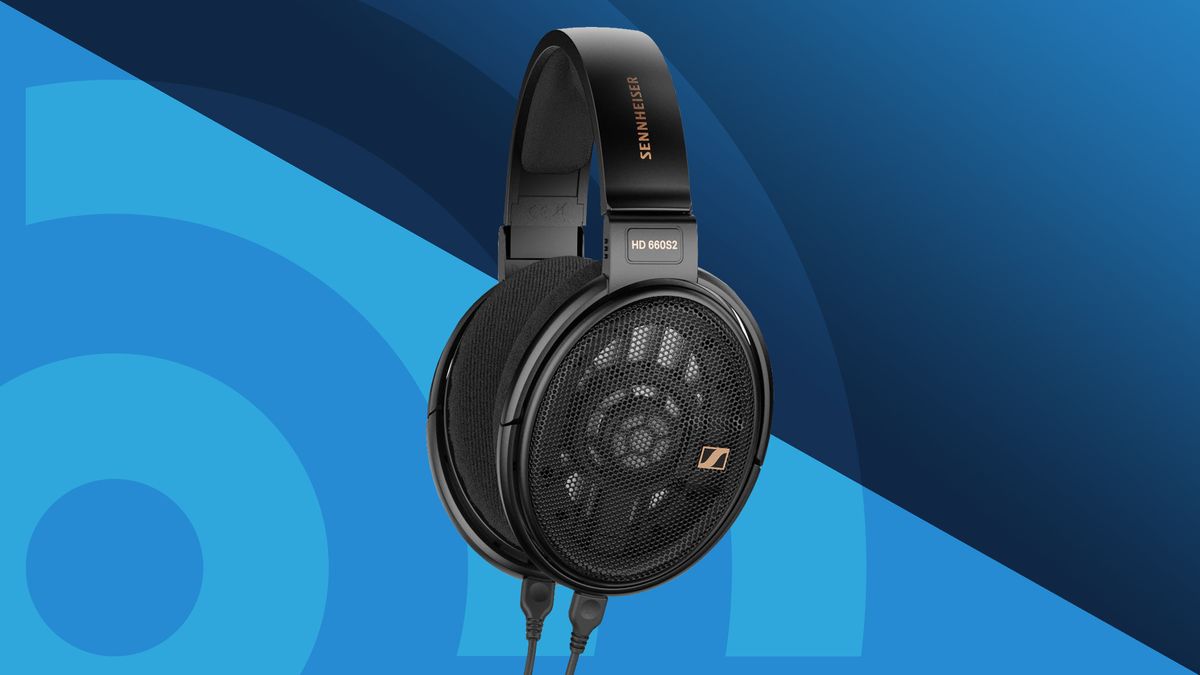
How to choose best wired headphones for music
The right wired headphones depend on where you listen, what equipment you connect, and how much isolation and monitoring control you need.
Driver size and tuning
Driver size gives a rough sense of the hardware's scale, not a guarantee of sound quality. The products here use drivers from 40mm to 50mm, except for the Sony MDR-ZX110's 1.38-inch dynamic drivers. Larger drivers can help create a fuller presentation, but tuning matters more than diameter alone.
For music listening, listen for a clear relationship between bass, vocals, and treble. A bass-forward pair can make rhythm-heavy tracks exciting, while a monitor with more disciplined low-frequency behavior makes it easier to hear changes in a mix. The product descriptions identify the Pro-10 and A70 as having powerful bass, while the ATH-M50X emphasizes accurate bass and clarity.
Over-ear and on-ear fit
Over-ear headphones surround the ears and generally provide more passive isolation than on-ear designs. They are usually the better choice for recording, desktop listening, and noisy rooms. The ATH-M20x, ATH-M50X, OneOdio models, Syndesmos headset, and Philips model all use an over-ear or circumaural approach.
The Sony MDR-ZX110 sits on the ears instead. That makes it easier to store and carry, but it also changes the seal and the way outside noise reaches you. Choose on-ear when portability is the priority. Choose over-ear when comfort during long sessions and isolation matter more.
A studio headset should make it easier to hear the music, not merely make the music louder.
Cable length and connector size
Cable design is one of the biggest practical differences among wired headphones. The Sony MDR7506 has a fixed 9.8-foot cord, the Philips model has a 2m cable, and the Sony MDR-ZX110 has a 3.94-foot lead. Longer cables help at a mixing desk or instrument station, but they can become awkward near a phone or laptop.
Connector size matters just as much. A 3.5mm plug suits most computers and portable devices, while a 6.35mm plug is common on amplifiers, keyboards, mixers, and audio interfaces. The Pro-10, A71, A70, Syndesmos, and Philips models are particularly flexible here. A detachable cable, as found on the ATH-M50X and Syndesmos headset, also makes replacement easier.
If your listening setup includes a phone without a headphone jack, the connection choices that work with modern phones deserve attention before you choose a headset.
Swiveling ear cups
A 90-degree swivel lets you place one ear cup aside for single-ear monitoring. DJs use this to compare a cue track with the room, while musicians can monitor a live instrument without fully blocking outside sound. The ATH-M50X, Pro-10, A71, Syndesmos, and Philips headphones list this feature.
It is less important for ordinary seated listening. If you mainly listen to albums at a desk, prioritize the seal, padding, and cable arrangement first. If you work with a mixer or perform, a swivel can change how quickly you move between the headphone feed and the room.
Wired and wireless modes
A strictly wired headphone has a simple signal path and does not need charging. That suits studio work, audio interfaces, and listeners who want predictable operation. The A70 is the exception here, offering wired use alongside Bluetooth and up to 72 hours of wireless playtime.
A hybrid model is useful when the same headset needs to move between a desk and a commute. A dedicated wired monitor is usually easier to understand and manage in a recording setup. If you are weighing convenience against a permanent cable connection, the trade-offs between cable-free and wired listening can help clarify which features you will actually use.
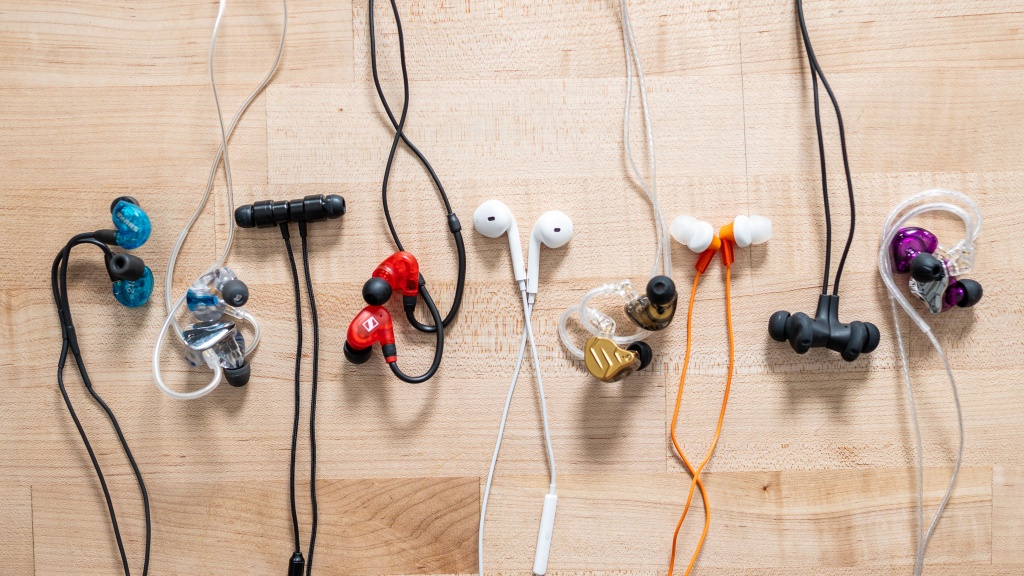
Frequently asked questions
Are wired headphones better for listening to music?
Wired headphones avoid battery management and Bluetooth pairing, and they can connect directly to studio equipment with the right plug. They are especially useful for recording, mixing, and desktop listening. Sound quality still depends on the driver's tuning, fit, and the source device.
What headphone size is best for music?
Over-ear headphones are usually the most suitable for long sessions because the cushions surround the ears and provide passive isolation. On-ear models such as the Sony MDR-ZX110 are easier to carry and can work well for casual listening. The better fit depends on how much portability and isolation you need.
Do I need 40mm or 50mm drivers?
You do not need a particular driver size to enjoy music. The headphones in this roundup use 40mm or 50mm drivers in most cases, but their tuning and physical fit have a larger effect on the result. A well-sealed 40mm monitor can be more useful for mixing than a poorly fitting model with larger drivers.
What does a 6.35mm headphone plug do?
A 6.35mm plug, also called a quarter-inch plug, is common on mixers, amplifiers, keyboards, guitars, and audio interfaces. It is larger than the 3.5mm plug used by many computers and portable devices. Several headphones here include either both connector sizes or an adapter.
Are closed-back headphones suitable for studio monitoring?
Closed-back headphones reduce sound leakage and help limit outside noise, which makes them useful for recording and tracking. They can also make the listener more aware of bass because the sealed ear cup changes the acoustic space around the ear. The Sony MDR7506 and Audio-Technica models are particularly suited to this type of monitoring.
Why would I want swiveling ear cups?
Swiveling ear cups make one-ear monitoring possible. This is useful for DJs and performers who need to hear both the headphone feed and the room or live instrument. For ordinary music listening, the feature is convenient but not essential.
Can I use studio headphones with a smartphone?
You can use a wired headset with a phone if the phone has a compatible headphone connection or if you have the appropriate adapter. A 3.5mm plug is the most common wired connection in this group. Models with a 6.35mm plug may need an adapter when used with portable equipment.
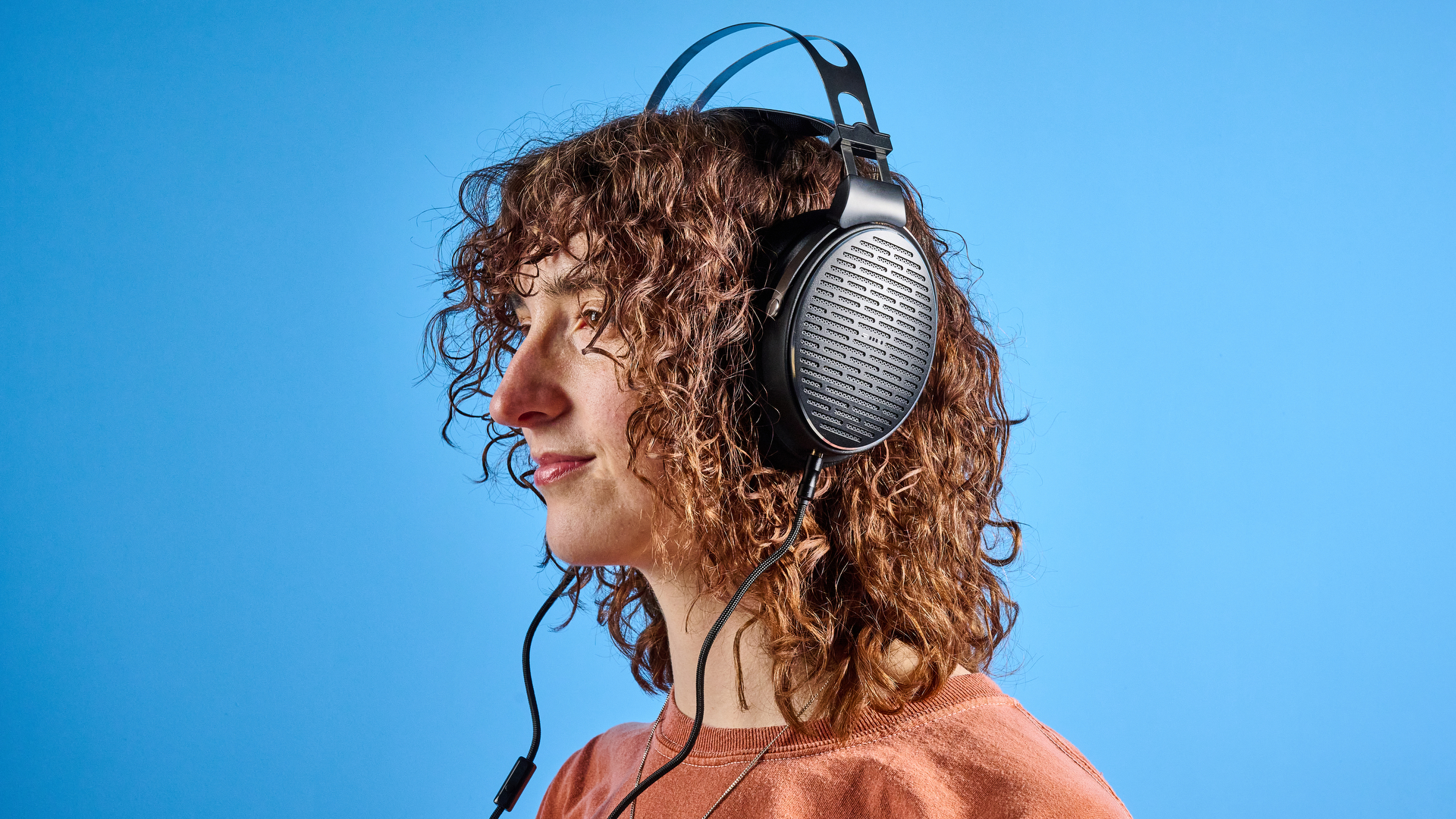
The bottom line
The Audio-Technica ATH-M50X is the strongest all-purpose pick among the Best wired headphones for music here. Its 45mm drivers, over-ear isolation, swiveling cups, and detachable cable give it the broadest mix of listening and studio capabilities. The Sony MDR7506 is the better specialized choice when recording calls for a long fixed cable and a foldable closed design.
Choose the Audio-Technica ATH-M20x for straightforward tracking, the OneOdio Pro-10 for DJ monitoring, or the OneOdio A70 when Bluetooth matters as much as wired playback. The Sony MDR-ZX110 is the easiest to carry, while the Philips model is a practical fit for mixed 3.5mm and 6.3mm equipment.
If you are undecided, choose the ATH-M50X for a desk and studio, or the MDR-ZX110 if portability matters more than monitoring control.
As an Amazon Associate we earn from qualifying purchases.