

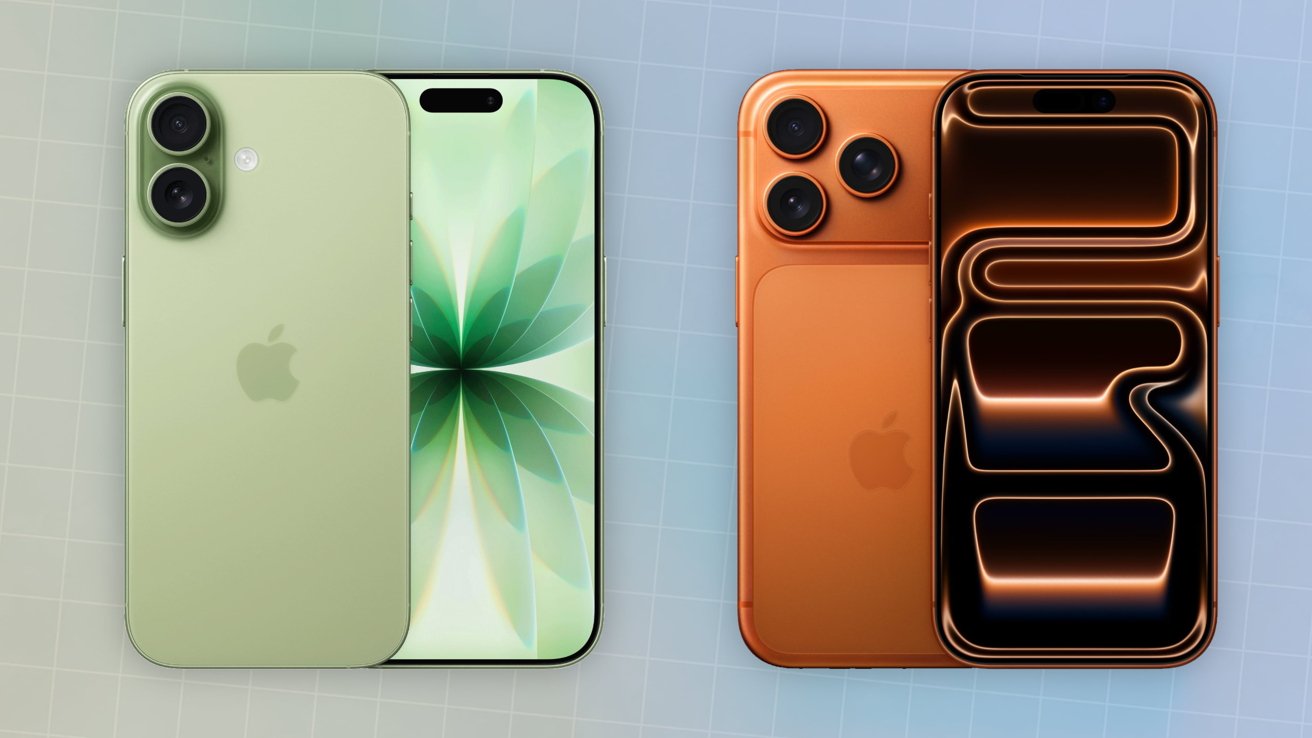
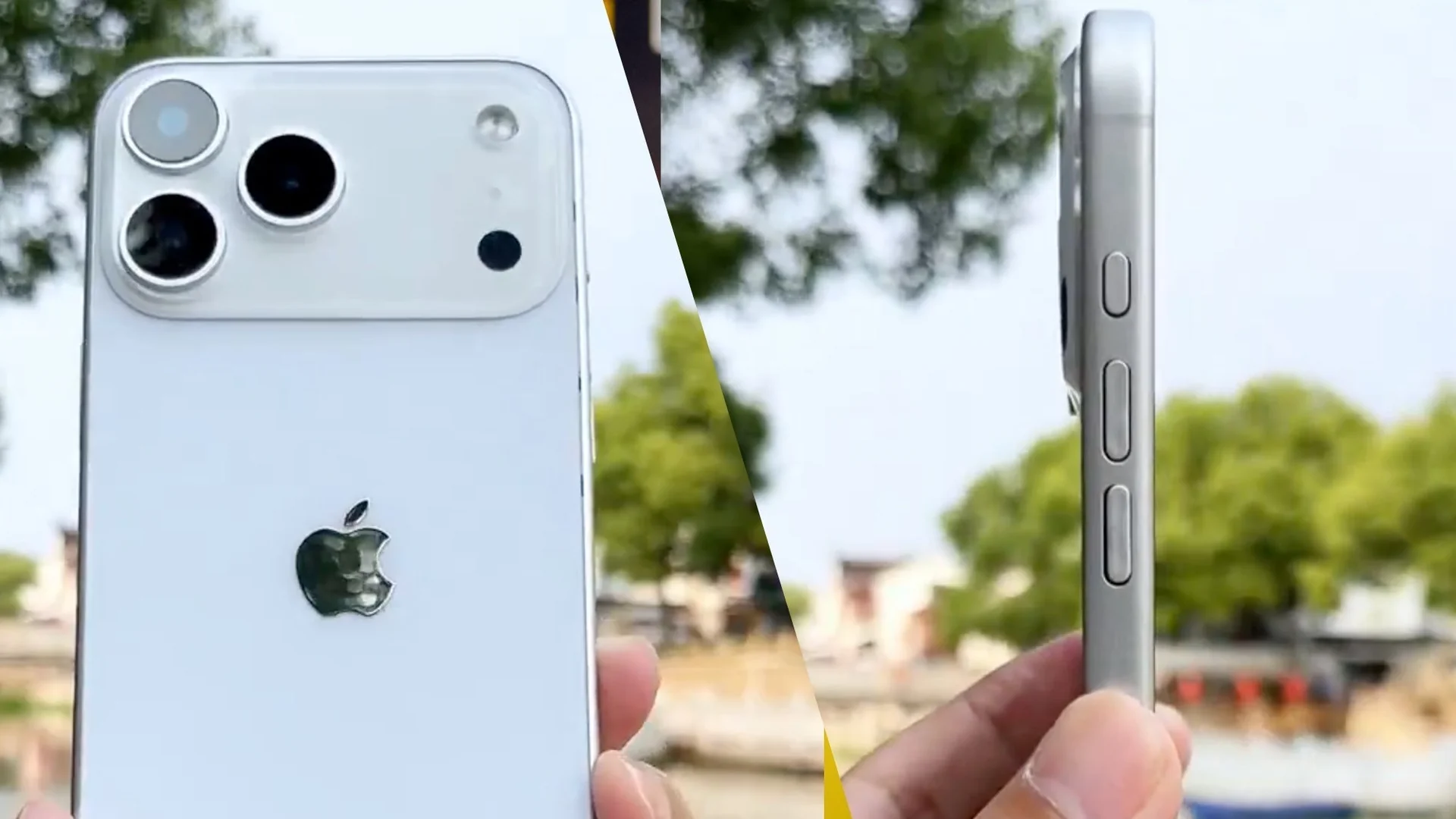
The iPhone 17 Pro uses a triple-lens rear camera system with a 48-megapixel main sensor, a 12-megapixel ultrawide, and a 12-megapixel telephoto lens offering 3x optical zoom. The front camera is 12 megapixels with autofocus. All three rear lenses support the latest generation of computational photography, including Smart HDR 5 and a new Night mode that works on every lens. If you are upgrading from an iPhone 13 Pro or earlier, the biggest jump is in the main sensor, which captures far more detail and allows for a 2x optical-quality zoom from the center crop.
The Main Camera: Where the Resolution Matters
The primary wide camera is a 48-megapixel sensor with an f/1.78 aperture and sensor-shift optical image stabilization. This is the same physical size as the sensor in the iPhone 16 Pro, but the image processing pipeline has been updated to reduce noise in low light. By default, the camera shoots 24-megapixel photos by merging four pixels into one, a technique called pixel binning. You can shoot full 48-megapixel ProRAW or HEIF images if you want maximum editing flexibility. The 2x optical-quality zoom (using the center of the sensor) is now available in Portrait mode, which was not possible on earlier models.
For most people, the main camera is the one you use 90% of the time. The extra resolution matters mostly if you crop heavily or print large. If you do not edit photos, the default 24-megapixel output is already sharper than what the iPhone 14 Pro produced.
The Ultrawide and Macro Photography
The ultrawide camera is a 12-megapixel sensor with a 120-degree field of view and an f/2.2 aperture. It now has autofocus, which enables the macro mode. The iPhone 17 Pro can focus as close as 2 centimeters from the lens, letting you photograph small objects like flowers or text in extreme detail. The ultrawide also benefits from the improved Night mode, so low-light ultrawide shots are brighter and less noisy than on the iPhone 15 Pro.
Note that the ultrawide is still a smaller sensor, so its dynamic range in bright sunlight is not as wide as the main camera. If you often shoot landscapes or group shots, you will notice the difference when you push the shadows in editing.
The Telephoto Lens: 3x Optical Zoom
The telephoto camera is a 12-megapixel sensor with an f/2.8 aperture and 3x optical zoom. This is the same focal length as the iPhone 15 Pro and iPhone 16 Pro. It uses optical image stabilization. The 3x zoom is ideal for portraits, sports, and events where you cannot get closer. The iPhone 17 Pro Max has a longer 5x telephoto lens, but the Pro model sticks with 3x because it is more versatile for everyday subjects.
Digital zoom goes up to 15x, but quality degrades beyond 6x or 7x. For the best results, stick to the optical range. The telephoto lens also works in Portrait mode, and the new Cinematic mode can shoot 4K 30fps with depth-of-field transitions on the telephoto lens.
Front Camera and Video Capabilities
The front-facing TrueDepth camera is 12 megapixels with an f/1.9 aperture and autofocus. It supports the same Smart HDR 5 and Night mode as the rear cameras. The autofocus is a significant upgrade over older iPhones, which had fixed focus. You can now take selfies with a shallow depth-of-field effect, and the camera will keep your face sharp even if you move.
Video recording is a strong point. The iPhone 17 Pro can shoot 4K 60fps on all rear lenses and the front camera, including HDR with Dolby Vision. It also supports Action mode, which stabilizes footage by cropping the sensor, and ProRes 4K 30fps for professional workflows. If you need 4K 60fps in ProRes, that requires an external storage device, just like on the iPhone 16 Pro.
LiDAR Scanner and Night Mode
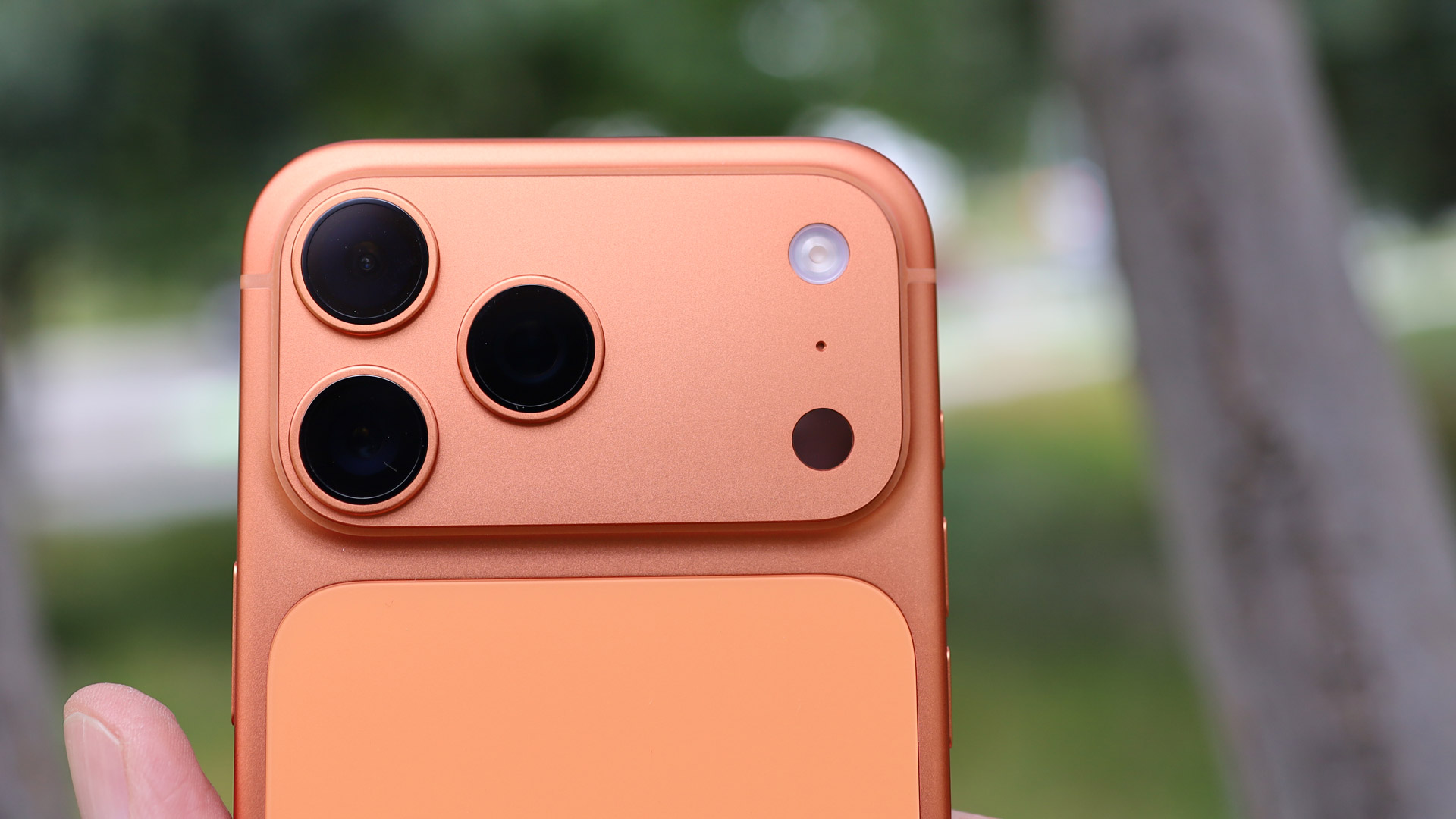
The rear camera module includes a LiDAR scanner. This is not a camera but a laser range finder that helps the autofocus system in low light and enables faster AR object placement. In practical terms, LiDAR makes Night mode portraits work faster and more reliably, and it improves the bokeh effect in Portrait mode. It also helps with measuring distances in the Measure app. If you never use Portrait mode indoors at night, LiDAR is not a feature you will notice.
Software Features That Change the Specs
The camera hardware is only half the story. The iPhone 17 Pro runs on the A19 Pro chip, which enables new computational photography features. Photographic Styles have been updated to allow more control over tone and color on a per-color basis. The new Smart HDR 5 reduces overexposure in highlights better than previous versions. Deep Fusion now works on the ultrawide lens as well, which was not the case on the iPhone 14 Pro.
The biggest software addition is the ability to adjust the focus point and depth of field after taking a photo in Portrait mode, even on subjects that are not people. This works because the phone captures depth information from all three lenses.
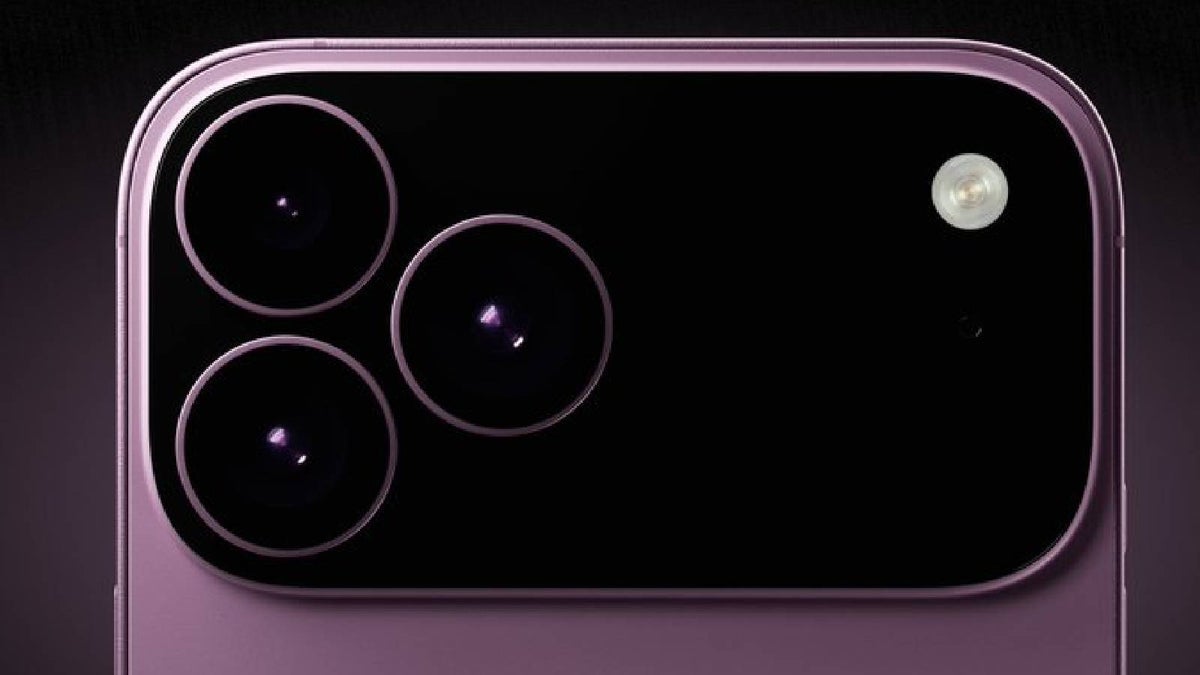
How to Check the Camera Specs on Your Own iPhone 17 Pro
If you already own the phone and want to see the exact sensor specs, you can open the Settings app, go to Camera, then Formats. There you will see the resolution options for ProRAW and HEIF Max. For lens information, third-party apps like ProCamera or Halide show the lens aperture and focal length for each camera. Apple does not list megapixel counts in the settings, so you have to rely on the marketing material or our guide to the iPhone 17 Pro Max specifications for the full table.
What Changes If You Upgrade from an Older Phone
The iPhone 17 Pro camera is a meaningful upgrade over the iPhone 13 Pro and earlier models. The main sensor is larger, the ultrawide has autofocus, and the telephoto stays at 3x. If you are coming from the iPhone 14 Pro, the differences are smaller: better low-light ultrawide, improved Smart HDR, and the new Photographic Styles. From the iPhone 15 Pro, the jump is mostly computational. If you are coming from the iPhone 16 Pro, the changes are minimal. The biggest reason to upgrade for camera quality is if you want the 48-megapixel ProRAW for editing, or if you need the autofocus on the ultrawide for macro.
To decide which phone fits your needs, think about how you use the zoom and how often you shoot in low light. The 3x telephoto is fine for most people, but if you need more reach, the Pro Max with 5x is worth considering. And if you are deciding between the Pro and the regular iPhone 17, the extra camera hardware and LiDAR are the main differentiators. For a broader comparison of all current models, our article on choosing the best iPhone covers the trade-offs.
FAQ
Does the iPhone 17 Pro have a periscope zoom lens?
No. The iPhone 17 Pro uses a standard folded telephoto lens for 3x optical zoom. The periscope-style 5x zoom is exclusive to the iPhone 17 Pro Max. The Pro model cannot achieve 5x optical zoom without digital cropping.
Can I shoot 48-megapixel photos on the iPhone 17 Pro?
Yes, but only in ProRAW or HEIF Max format. In the default camera mode, the phone outputs 24-megapixel photos. To enable 48-megapixel, go to Settings > Camera > Formats and turn on ProRAW & Resolution Control. Then in the camera app, tap the RAW button. Note that 48-megapixel files are about 75 MB each.
Is the iPhone 17 Pro camera better than the iPhone 16 Pro camera?
In most situations, the image quality is very similar. The iPhone 17 Pro has a slightly improved Smart HDR algorithm and better ultrawide low-light performance due to the autofocus. The hardware is nearly identical. If you already own the iPhone 16 Pro, the camera upgrade alone is not worth the cost.
Does the front camera have a wider angle?
The front camera is the same 12-megapixel sensor with a 23mm equivalent focal length. It is not wider than previous Pro models. If you want a wider selfie, you can use the rear ultrawide camera with the screen as a viewfinder, which is supported in the Camera app.
What is the optical zoom range on the iPhone 17 Pro?
The optical zoom range is 3x (telephoto) and 0.5x (ultrawide). The main camera offers 1x. There is no optical zoom between 1x and 3x. The 2x zoom is achieved by cropping the main sensor, which is optical quality but not a dedicated lens.