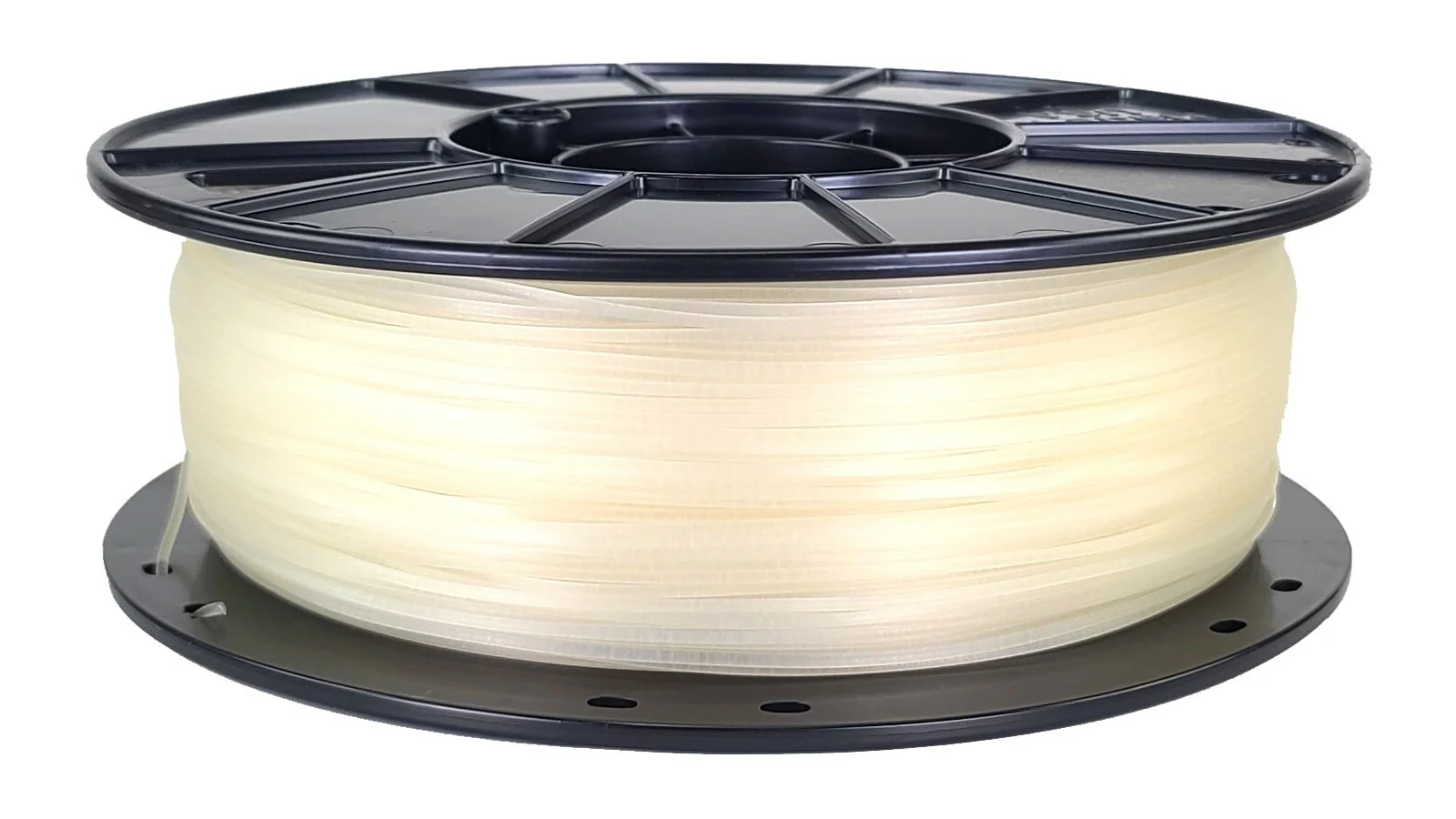

A spool that feeds unevenly can turn a promising print into a brittle, tangled mess before the first layer is finished. The right PLA filament should load cleanly, extrude consistently, and match the kind of object you actually print.
We compared standard PLA, tougher PLA+, compact color assortments, and silk blends to find the Best best pla filament options for ordinary FDM printers. SUNLU PLA+ 2.0 is our top pick for dependable everyday printing, while the rest cover multicolor projects, large supplies, and glossy display pieces.
Comparison table
| # | Product | Award | Diameter | Spool format | Best for |
|---|---|---|---|---|---|
| 1 | SUNLU PLA+ 2.0 | Best overall | 1.75mm, ±0.02mm | 1kg | Strong everyday prints |
| 2 | SUNLU PLA Black | Best standard PLA | 1.75mm, ±0.02mm | 1kg | General-purpose printing |
| 3 | Creality PLA Black and White | Best two-color bundle | 1.75mm, ±0.02mm | Two 1kg spools | Functional parts in two colors |
| 4 | SUNLU Mini PLA Bundle | Best color variety | 1.75mm, ±0.02mm | Eight 250g spools | Sampling many colors |
| 5 | Creality Rainbow PLA+ | Best rainbow spool | 1.75mm, ±0.02mm | 1kg spool | Color-shifting models |
| 6 | SUNLU PLA+ 2.0 | Best fast-printing PLA+ | 1.75mm, ±0.02mm | 1kg | Higher-speed printing |
| 7 | SUNLU PLA+ 2.0 4-Pack | Best bulk supply | 1.75mm, ±0.02mm | Four 1kg spools | Frequent black PLA+ printing |
| 8 | AMOLEN Silk PLA | Best dual-color silk | 1.75mm, ±0.02mm | Four 200g spools | Decorative models |
| 9 | ELEGOO PLA Black | Best cardboard-spool option | 1.75mm, ±0.02mm | 1kg spool | Simple black PLA printing |
| 10 | SUNLU Silk PLA+ Mini Bundle | Best glossy mini bundle | 1.75mm, ±0.02mm | Four 250g spools | Small glossy multicolor prints |
1. SUNLU PLA+ 2.0: Best Overall

Pros
- More resistant to brittleness and cracking than standard PLA+
- Supports the product's stated 100 to 300mm/s range
- Neatly wound for consistent feeding
- Vacuum packaged to help limit moisture exposure
- Reusable spool design
Cons
- Only black is included
- Its fast-printing claims still depend on the printer and slicer
- PLA remains less suited to high-heat applications
Best for: makers who want one versatile spool for everyday parts, models, and faster print profiles.
SUNLU PLA+ 2.0 is the easiest spool in this group to recommend as a starting point. It keeps the forgiving nature associated with PLA, but the manufacturer positions it as more resistant to brittleness and cracking than standard PLA+. That makes it a more sensible choice for brackets, housings, clips, and other prints that need to survive handling rather than sit untouched on a shelf.
The important numbers are practical ones. The filament is 1.75mm with a stated dimensional accuracy of ±0.02mm, a tolerance intended to keep extrusion steady across a long print. SUNLU recommends a nozzle temperature from 205 to 220°C, a bed temperature from 50 to 60°C, and print speeds from 100 to 300mm/s. The upper end is ambitious, but the broad range gives experienced users room to tune for either surface quality or speed.
Its 1kg spool has a 195mm diameter, a 57mm width, and a 63mm hub hole. Those dimensions are conventional enough for many external spool holders, though buyers using enclosed or automatic systems should still check clearance. The neatly wound filament and vacuum packaging are useful details because feeding problems can ruin otherwise sound settings.
Compared with SUNLU PLA Black, this is the more capable material for parts exposed to knocks and repeated handling. Creality Rainbow PLA+ is more visually interesting, but its changing colors make it less predictable for a specific color scheme. The weakness here is the limited finish choice and the fact that 300mm/s is not a guarantee of clean results on every machine. Choose this spool if you want a dependable black PLA+ baseline and are willing to tune your printer.
2. SUNLU PLA Black: Best Standard PLA

Pros
- Straightforward standard PLA formula
- Stated ±0.02mm dimensional accuracy
- Recommended settings suit many common FDM printers
- Neat winding helps reduce tangles
- Useful black finish for functional and decorative models
Cons
- Less crack resistant than PLA+ options
- Single-color spool
- The large spool needs a holder with suitable clearance
Best for: beginners and regular users who want uncomplicated black PLA for general printing.
SUNLU PLA Black is the plain, sensible option in this roundup. It does not try to add a silk effect, shifting color, or tougher PLA+ formulation. That simplicity is its strength when the job is printing organizers, prototypes, replacement pieces, or test shapes where predictable extrusion matters more than visual drama.
The 1.75mm filament carries a stated ±0.02mm dimensional accuracy. SUNLU recommends a nozzle temperature from 200 to 230°C, a bed temperature from 50 to 65°C, and a print speed from 50 to 100mm/s. Those settings are easy to understand and leave plenty of room for tuning across common FDM printers. The company also describes the material as resistant to clogs, bubbles, and tangles, with dependable layer adhesion.
This is a full 1kg spool with a listed diameter of 8 inches, width of 2.5 inches, and hub hole diameter of 2.2 inches. Those dimensions matter if your printer has a tight spool bay or a narrow axle. The stated compatibility is broad, but a physically large spool can still be awkward on compact machines.
ELEGOO PLA Black is the closest alternative, and it also uses a ±0.02mm tolerance with moisture-conscious packaging. SUNLU PLA+ 2.0 is the better step up when toughness or faster printing matters. The main weakness here is that standard PLA is not the best answer for parts that will flex, take impacts, or face elevated heat. Pick it when you want familiar PLA behavior and a clean black surface without extra material characteristics.
3. Creality PLA Black and White: Best Two-Color Bundle

Pros
- Includes black and white PLA
- Two 1kg spools suit larger print runs
- Designed for strength and toughness
- Stated ±0.02mm accuracy
- Claims compatibility with most FDM and FFF printers
Cons
- Only two colors are included
- Large supply takes more storage space
- No temperature range is provided in the product details
Best for: households, classrooms, and workshops that regularly print in black or white.
Creality PLA Black and White solves a common filament problem with a deliberately limited palette. Black and white cover a surprising number of practical prints, and having both on hand is more useful than collecting colors that rarely get used. The bundle is aimed at people who print regularly and want enough material for substantial projects.
The filament uses a 1.75mm diameter and a stated ±0.02mm tolerance. Creality highlights smooth, clog-free printing, strong bonding, and improved toughness for functional parts. It also claims compatibility with 99 percent of FDM and FFF printers with heated beds. That broad compatibility language is useful as a starting point, but the actual result still depends on the printer's extruder, nozzle condition, and slicer profile.
Each spool is listed at 1kg, giving the bundle two full-size rolls. The product dimensions are 8.26 inches long, 8.26 inches wide, and 5.51 inches high, with a listed total weight of 5.51 pounds. Those dimensions make the bundle less convenient for a small shelf, but the larger rolls are appropriate for long prints where changing filament halfway through would be annoying.
Compared with SUNLU PLA Black, Creality gives you a second neutral color and emphasizes toughness rather than standard PLA ease. SUNLU PLA+ 2.0 remains the more compelling single-material pick for speed and crack resistance. The real limitation is that there is no detailed recommended temperature range in the supplied information, so beginners may need more trial and error. It suits printers that spend their time making useful parts in black and white.
4. SUNLU Mini PLA Bundle: Best Color Variety

Pros
- Eight colors in compact 250g spools
- Useful for accents, test prints, and multicolor models
- Stated ±0.02mm tolerance
- Neatly wound and vacuum packed
- Includes black, white, gray, transparent, red, blue, orange, and green
Cons
- Small spools need an adapter for AMS use
- Changing spools takes more handling
- Less convenient for very large single-color prints
Best for: beginners and hobbyists who want to explore several colors without committing to full-size rolls.
The appeal of SUNLU Mini PLA Bundle is immediate when a project needs a little of many colors rather than a lot of one. Eight 250g spools cover black, white, gray, transparent, red, blue, orange, and green. That selection works well for small models, decorative accents, calibration pieces, and prototypes where a complete 1kg spool would sit mostly unused.
Each spool has a stated 1.75mm diameter with ±0.02mm tolerance. SUNLU recommends a nozzle temperature from 200 to 210°C, a bed temperature from 50 to 65°C, and print speeds from 50 to 100mm/s. The company also describes low shrinkage and good interlayer adhesion, two traits that help beginners get usable results without an elaborate material profile.
The compact spools measure 140mm in diameter and 36mm wide, with a 53mm hub hole. Each contains approximately 68 meters of filament according to the product details. The small format is easy to store and swap, but it is not automatically compatible with every automated material system. SUNLU says an adapter is needed for AMS use, so that extra step should be part of your setup plan.
SUNLU Silk PLA+ Mini Bundle offers more eye-catching finishes, while this set is easier to use for ordinary matte-looking models and color-coded parts. AMOLEN Silk PLA gives each spool a dual-color effect, but its smaller color selection is more specialized. The weakness is obvious: a large one-color print can consume a spool quickly. Choose this set when variety matters more than uninterrupted volume.
The broader question of how PLA types differ is covered in the practical differences between common 3D printing filaments, especially useful if you are deciding between standard PLA and tougher blends.
5. Creality Rainbow PLA+: Best Rainbow Spool

Pros
- Rainbow color changes create distinctive models
- PLA+ formulation emphasizes toughness
- Stated ±0.02mm tolerance
- Vacuum sealed with desiccant
- Designed for most 1.75mm FDM printers
Cons
- Color placement is not fully predictable
- One changing palette is less flexible than separate colors
- Rainbow effects can distract from fine surface details
Best for: decorative models, toys, and gifts where changing colors are part of the design.
Creality Rainbow PLA+ is built around visual impact. The filament moves through multiple colors as the print progresses, so a simple vase, figurine, or display piece can look far more elaborate without painting or changing spools. It is a good match for makers who want the material itself to provide the finish.
The spool contains 1kg of 1.75mm PLA+ with a stated minimum dimensional tolerance of ±0.02mm. Creality says the material has greater toughness than ordinary PLA and can be bent repeatedly with less risk of breaking. It also describes smooth flow, no clogging, and stable extrusion. Those are useful claims for long decorative prints, where an interruption can ruin the color transition as well as the object.
Creality says the filament is compatible with its Ender and CR lines, fully enclosed models, and 99 percent of FDM printers. The spool dimensions are 8.26 inches long and wide, with a listed height of 2.79 inches. Vacuum packaging with desiccant is another sensible touch because moisture can make a glossy or multicolor surface look rough and inconsistent.
Compared with AMOLEN Silk PLA, this spool gives you a larger continuous supply and a tougher PLA+ formulation, but it lacks the metallic shine. SUNLU PLA+ 2.0 is better when you need a consistent black part or want to tune for higher print speeds. The weakness is the lack of control over where the colors change. Pick Creality Rainbow PLA+ when the shifting palette is the point of the print, not when you need a precise single-color result.
6. SUNLU PLA+ 2.0: Best Fast-Printing PLA+
Pros
- Rated for print speeds from 100 to 300mm/s
- Better resistance to brittleness and cracking
- Consistent 1.75mm diameter
- Neat winding helps feeding
- Airtight vacuum packaging
Cons
- Requires printer and slicer tuning at higher speeds
- Black is the only listed color
- PLA+ is not intended for every high-temperature application
Best for: users with a capable FDM printer who want to shorten print times without moving to a more demanding material.
The single-spool version of SUNLU PLA+ 2.0 earns this position because it focuses on speed without abandoning the approachable nature of PLA. SUNLU says the material melts quickly and flows smoothly, with recommended speeds from 100 to 300mm/s. That range makes it especially interesting for newer high-speed printers, though it should not be read as a promise that every machine can reach the top setting.
Its 1.75mm diameter and ±0.02mm stated accuracy support the steady flow needed at faster extrusion rates. The recommended nozzle temperature is 205 to 220°C, and the bed temperature is 50 to 60°C. Those values give a useful starting point for dialing in first-layer adhesion and surface consistency, but speed, layer height, cooling, and acceleration still affect the final result.
SUNLU also says this version is less prone to brittleness and cracking than standard PLA+. That distinction matters when speed is being used to produce functional parts rather than disposable prototypes. The 195mm spool diameter, 57mm width, and 63mm hub hole are worth checking against your printer's holder, while the reusable spool and vacuum packaging make storage simpler.
The material is identical to the four-pack version of SUNLU PLA+ 2.0, so the choice between them is about supply rather than print behavior. Creality PLA Black and White gives you two colors, but it does not list a comparable speed range. The weakness is that high-speed printing exposes every weakness in a printer's motion system and cooling setup. Choose this spool if your machine is ready for it, not simply because the headline speed looks attractive.
7. SUNLU PLA+ 2.0 4-Pack: Best Bulk Supply

Pros
- Four 1kg spools of the same PLA+ material
- Suitable for frequent black filament printing
- Stated 100 to 300mm/s print range
- ±0.02mm dimensional accuracy
- Reusable spools and vacuum packaging
Cons
- Every spool is black
- Takes substantial storage space
- High-speed results depend heavily on the printer
Best for: active makers, schools, and workshops that repeatedly print black functional parts.
SUNLU PLA+ 2.0 4-Pack is the practical warehouse option for anyone who knows black filament will be used steadily. It contains four 1kg spools of the same PLA+ 2.0 material as the single-spool pick. That consistency is useful in a workshop because you do not need to rebuild a profile every time you open a new roll.
The filament is 1.75mm with a stated ±0.02mm tolerance. SUNLU recommends 205 to 220°C at the nozzle, 50 to 60°C at the bed, and speeds from 100 to 300mm/s. The material is described as more resistant to brittleness and cracking than standard PLA+, which suits brackets, enclosures, and other parts that need more resilience than a display model.
Each spool measures 195mm in diameter, 57mm wide, and has a 63mm hub hole. The four spools together have a listed weight of 8.82 pounds, so this is not a bundle to hide in a small drawer. Airtight packaging helps keep unused rolls protected, but opened filament still deserves sensible storage in a dry environment.
Compared with the single SUNLU PLA+ 2.0, this bundle offers the same stated characteristics with more uninterrupted supply. Creality PLA Black and White is more flexible if you need two colors, and SUNLU Mini PLA Bundle is better for experimentation. The limitation is the all-black format. It is a strong fit for a print farm or prolific maker, but unnecessary for someone who prints only occasionally or prefers changing colors.
8. AMOLEN Silk PLA: Best Dual-Color Silk

Pros
- Four dual-color silk combinations
- Shiny finish suits display models
- Compact 200g spools
- Stated ±0.02mm tolerance
- Designed for smooth feeding and low warping
Cons
- Smaller spools are less suitable for large prints
- Glossy surfaces can reveal layer lines
- Decorative finish is less useful for plain functional parts
Best for: ornaments, art pieces, gifts, and small models that benefit from a reflective color transition.
AMOLEN Silk PLA is the specialist pick for prints that need to look finished straight off the printer. The bundle includes four 200g spools in red and gold, red and green, red and blue, and blue and green combinations. Each blend shifts between two hues, giving curved surfaces and angled models a changing appearance as they catch the light.
The filament diameter is 1.75mm with a stated ±0.02mm tolerance. AMOLEN describes the material as smooth and reliable, with good shaping, strong toughness, and resistance to bubbles, jamming, warping, and nozzle clogging. Those claims make it sound approachable, though silk filament can still need more careful tuning than plain PLA if the goal is an even sheen.
The four spools total 800g, and the compact size makes them sensible for smaller models or a sequence of colorful accents. The limited spool size is also the main trade-off. A large prop or vase may consume most of one roll, and a color transition that looks excellent on a small curved figure may be less obvious on a broad, flat surface.
SUNLU Silk PLA+ Mini Bundle provides 250g spools and emphasizes improved PLA+ toughness, while AMOLEN gives you a stronger dual-color focus in smaller portions. Creality Rainbow PLA+ supplies more material on one spool but does not provide the same silk finish. The weakness is that glossy filament can make layer texture more visible, so this is not the first choice for hidden brackets or plain utility parts. Choose it when appearance is the reason you are printing.
For projects using Bambu Lab equipment, it helps to understand how automatic material systems affect spool size and feeding before buying compact rolls or adapters.
9. ELEGOO PLA Black: Best Cardboard-Spool Option

Pros
- Standard black PLA for broad everyday use
- Stated ±0.02mm dimensional accuracy
- Cardboard spool design
- Vacuum sealed after drying
- Claims smooth, bubble-free extrusion
Cons
- Standard PLA is less tough than PLA+ alternatives
- Cardboard spool compatibility depends on the holder
- Single-color format
Best for: users who want a conventional black PLA spool and prefer a cardboard spool format.
ELEGOO PLA Black keeps its proposition simple: ordinary black PLA on a cardboard spool, with the core dimensions and handling details most users need. It is a good candidate for organizers, prototypes, models, and other prints where ease of use matters more than specialty effects.
The 1.75mm filament has a stated ±0.02mm accuracy, which is intended to keep extrusion smooth and stable. ELEGOO describes the PLA as low-warping, low-shrinkage, and odorless during printing, with a glossy surface finish. It also says the spool is mechanically wound and manually checked to reduce tangles and line breaks.
This is a 1kg spool with a listed weight of 2.2 pounds. The larger inner diameter is described as helping feed the filament, while drying before packaging and vacuum sealing are intended to limit moisture-related bubbling. The cardboard construction may appeal to users trying to reduce plastic spool waste, but the holder still needs to support it securely and turn it without excessive friction.
Compared with SUNLU PLA Black, ELEGOO offers a similar stated tolerance and a cardboard spool, while SUNLU provides a more explicit recommended temperature and speed range. SUNLU PLA+ 2.0 is the stronger choice for parts that face impact or repeated flexing. The weakness is that the cardboard format is not automatically better for every printer, especially if the holder relies on smooth plastic spool edges. Choose ELEGOO when standard black PLA and the spool construction are your priorities.
Moisture can affect even well-sealed filament after opening, so the signs that filament needs drying are useful to know before blaming a spool for rough extrusion.
10. SUNLU Silk PLA+ Mini Bundle: Best Glossy Mini Bundle

Pros
- Four 250g mini spools
- Dual and tri-color shifting effects
- Glossy, satin-like surface
- PLA+ formulation emphasizes toughness
- Stated 1.75mm, ±0.02mm tolerance
Cons
- Color changes are not precise enough for controlled schemes
- Mini spools are limiting for large models
- Glossy filament can emphasize surface imperfections
Best for: colorful display prints and users who want several silk combinations without full-size rolls.
SUNLU Silk PLA+ Mini Bundle sits between a color sampler and a presentation-focused filament set. It includes four 250g spools in red and gold, blue and green, red and blue, and green and purple combinations. The dual and tri-color effects shift as the model rotates, making the result more interesting from different viewing angles.
The filament is 1.75mm with a stated ±0.02mm tolerance. SUNLU says the upgraded PLA+ material has more impact resistance and flexibility than standard PLA, while the silk finish creates a polished surface without sanding or additional finishing. That combination makes sense for intricate decorative parts that need some resilience during handling.
Each spool is neatly machine wound and vacuum sealed in a reusable storage bag with desiccant. The 250g format is easier to swap and store than a full-size roll, but it also limits the size of a single-color print. SUNLU mentions Bambu Lab printers in the product title, yet the supplied details do not provide a specific automatic material system dimension, so check the spool fit before loading one directly.
Compared with AMOLEN Silk PLA, these spools hold more material and include a broader mix of color combinations. SUNLU Mini PLA Bundle is the better fit for matte everyday projects, while Creality Rainbow PLA+ makes more sense when you want one continuous large spool. The weakness is the unpredictability of the color transitions and the way a glossy surface can expose layer lines. Choose this bundle for ornaments, figurines, and display pieces where visual variation matters most.
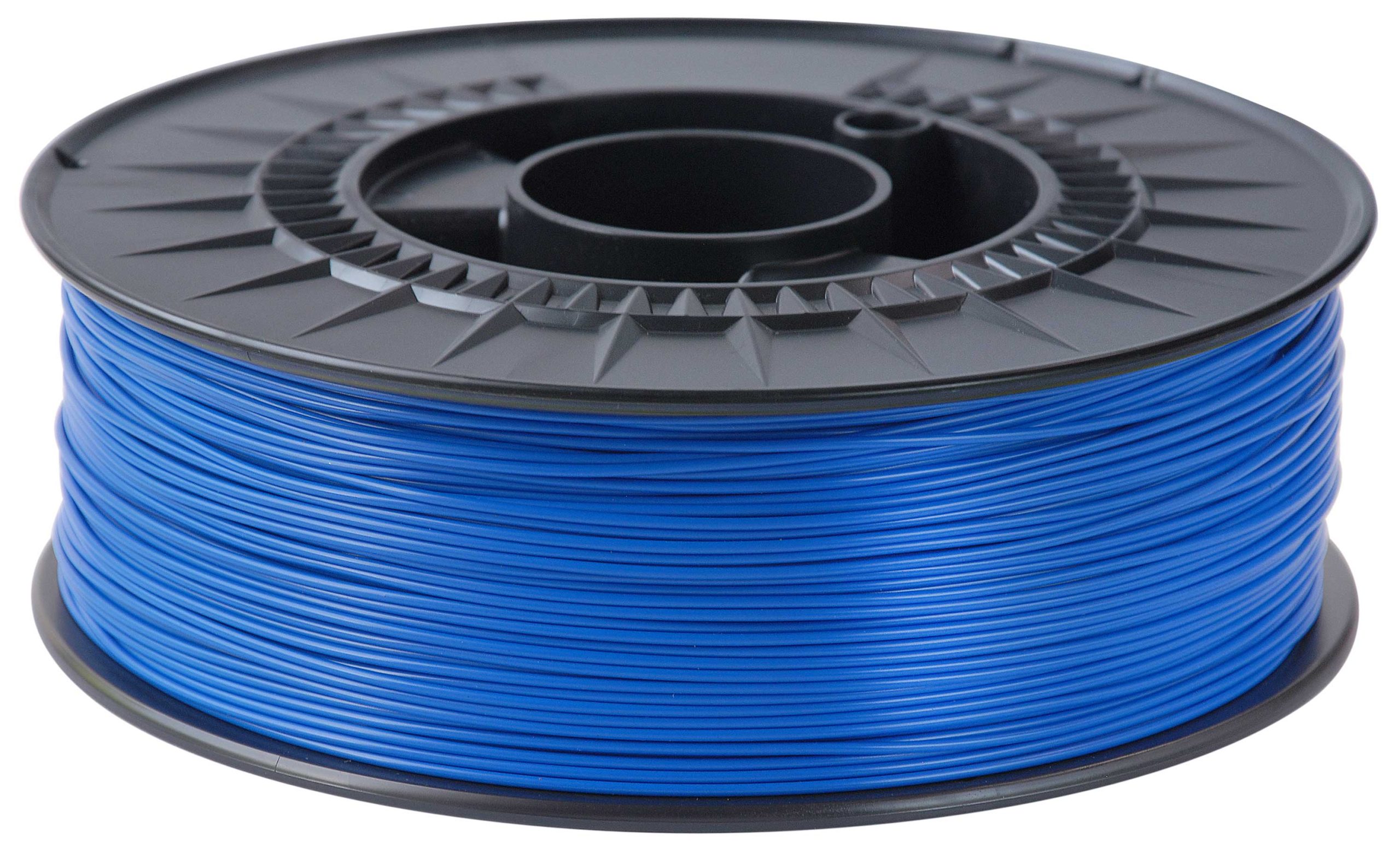
How to choose best pla filament
The Best best pla filament for you depends less on a flashy label than on diameter consistency, spool format, print behavior, and the finish your project needs.
Diameter consistency
Most products here use 1.75mm filament and state a ±0.02mm tolerance. A consistent diameter helps the extruder push a predictable amount of material, which affects first-layer coverage, wall thickness, and fine detail. Look for a stated tolerance and treat it as a starting point rather than a guarantee that no printer calibration will be needed.
Standard PLA and PLA+
Standard PLA is usually the easier material for models, prototypes, and decorative parts. PLA+ products in this group emphasize greater toughness, resistance to cracking, or improved flexibility, which can help with clips and functional parts. PLA+ does not make a print indestructible, and it still has limitations when exposed to high heat.
Choose standard PLA for easy general printing, and choose PLA+ when the finished part has to survive handling.
Temperature and speed range
A useful product listing gives a nozzle range, bed range, and sometimes a print-speed range. SUNLU PLA Black lists 200 to 230°C for the nozzle and 50 to 65°C for the bed, while SUNLU PLA+ 2.0 lists 205 to 220°C and 50 to 60°C. Those ranges help you establish a starting profile, but cooling, layer height, acceleration, and the printer's hot end still matter.
Spool size and holder fit
Full-size 1kg spools are convenient for long prints, while 200g or 250g mini spools make it easier to try several colors. Compact rolls may need an adapter for automated material systems, and large rolls may not fit inside a printer's enclosure. Check diameter, width, and hub-hole measurements against your holder before buying.
Finish and color behavior
Plain black and white are useful for functional parts and clear silhouettes. Rainbow, silk, and dual-color filaments are better when the surface itself is part of the design. Glossy material can highlight layer lines, while shifting colors make exact color placement difficult. Match the finish to the object instead of assuming a more dramatic filament will produce a better result.
Frequently asked questions
Is 1.75mm PLA filament compatible with most FDM printers?
The products in this roundup are designed for common 1.75mm FDM printers. Compatibility also depends on the printer's extruder path, spool holder, nozzle, and material profile. Check your printer documentation before loading a new filament type.
Is PLA or PLA+ better for functional parts?
PLA+ is usually the more suitable starting point when a part needs better resistance to cracking, bending, or ordinary impacts. Standard PLA remains useful for prototypes, organizers, models, and parts that do not face much stress. Neither material should be treated as a universal high-temperature engineering plastic.
Does PLA need a heated bed?
Many PLA profiles work with a heated bed, and the products here list bed-temperature recommendations where supplied. A heated bed can improve first-layer adhesion and reduce warping. The exact setting depends on the printer surface, room conditions, and slicer profile.
Are mini spools suitable for large prints?
They can be used for large prints if they contain enough filament, but 200g and 250g spools run out sooner than 1kg rolls. They are better suited to small models, accents, test prints, and projects that use several colors. An automatic material system may also require a compatible adapter for compact spools.
Can silk PLA be used for functional parts?
Silk PLA can make functional parts, but its main advantage is appearance rather than maximum mechanical performance. It is most useful for decorative brackets, props, ornaments, and models where the glossy finish matters. For demanding functional parts, a standard PLA+ formulation is usually the more direct choice.
How should opened PLA filament be stored?
Keep the spool protected from moisture and secure the loose filament end so it cannot unwind or form loops. Vacuum packaging with desiccant helps before opening, but it does not replace careful storage afterward. If extrusion becomes rough or inconsistent, drying may be worth considering before changing print settings.
Can PLA filament print at 300mm/s?
SUNLU PLA+ 2.0 lists a recommended speed range from 100 to 300mm/s. Reaching the upper end depends on the printer's hot end, cooling, motion system, acceleration, layer height, and slicer settings. Start lower, then increase speed while watching for weak layers, poor overhangs, and surface defects.
The bottom line
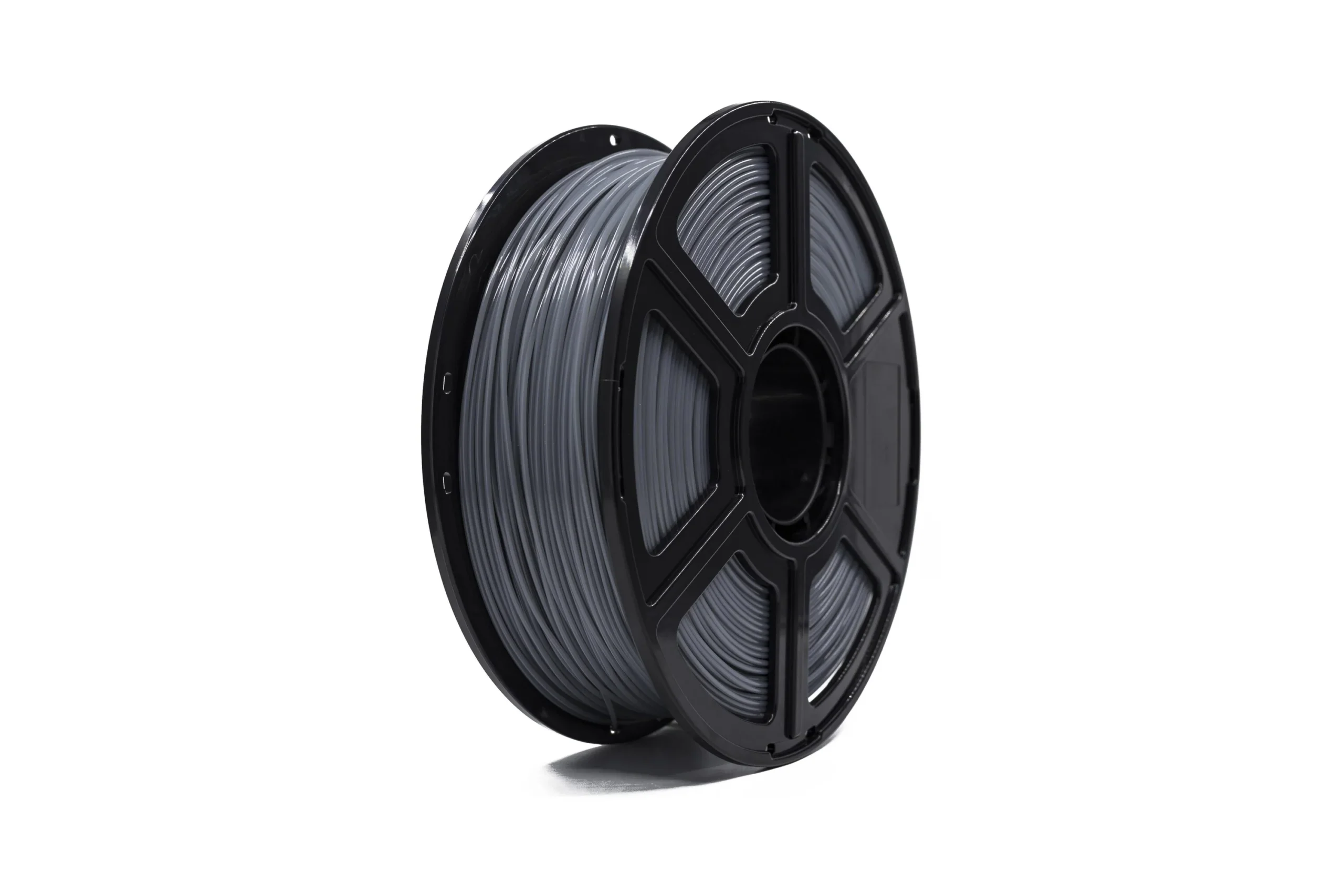
The Best best pla filament pick is SUNLU PLA+ 2.0 because it combines a consistent 1.75mm format, stated ±0.02mm accuracy, a useful temperature range, neat winding, and a stronger PLA+ formulation. It is the most versatile choice for users who print both ordinary models and parts that need to withstand more handling.
Choose SUNLU PLA Black for straightforward standard PLA, SUNLU Mini PLA Bundle for a broad color selection, or Creality Rainbow PLA+ when changing colors are central to the design. The silk bundles are better reserved for decorative work, while the four-pack of SUNLU PLA+ 2.0 makes sense for frequent black-filament users.
If you are undecided, start with SUNLU PLA+ 2.0 unless you specifically need many colors or a glossy finish.
As an Amazon Associate we earn from qualifying purchases.