

Falling asleep is not always the hard part. A blocked nose, a loose jaw, a restless tongue, or a mind that refuses to slow down can keep the whole bedroom awake. The right device depends on which of those problems is actually getting in the way.
The Best devices for sleep in this guide range from adjustable mouthpieces and internal nasal dilators to small handheld pulse tools. They are not interchangeable, and some are intended to address snoring while others are general relaxation products. Our top pick is the Rhinomed Mute Starter, with the Difiney Anti Snoring 1-4 mm close behind for people who want an adjustable jaw-based approach.
Quick comparison
| # | Product | Award | Main design | Best for |
|---|---|---|---|---|
| 1 | Rhinomed Mute Starter | Best overall | Adjustable nasal stents, 3 sizes | Nasal airflow and snoring |
| 2 | Difiney Anti Snoring 1-4 mm | Best adjustable mouthpiece | Lower-jaw advancement, 1 to 4 mm | People who need jaw repositioning |
| 3 | WinkithW Gen2 | Best handheld design | Dual modes, USB-C charging | Screen-free evening relaxation |
| 4 | Difiney Anti Snoring 4.0 | Best wider adjustment range | Lower-jaw advancement, 1 to 6 mm | Snorers who need more adjustment |
| 5 | IFGZQU Tongue Stabilizing Device | Best tongue-retaining design | BPA-free silicone tongue chamber | People avoiding jaw adjustment |
| 6 | Vastaint Handheld Sleep Aid | Best lightweight handheld | Three intensity levels, 30 g | Travel and quick calming sessions |
| 7 | VOOKLDOP Relaxation Device | Best intensity control | Two modes, 20 gears | Users who want fine pulse adjustment |
| 8 | SleepEase Pro Throat Device | Best long-runtime electric option | 3.7V battery, 0.7W power | Buyers seeking an electronic snoring aid |
1. Rhinomed Mute Starter: Best Overall

Pros
- Three sizes make the first fitting less guesswork
- Adjustable left and right nasal stents
- Mostly internal and discreet during sleep
- Reusable for up to ten nights when rinsed daily
Cons
- Only addresses nasal airflow, not every snoring cause
- Requires finding the right size and fit
- Needs regular rinsing between uses
Best for: sleepers whose snoring or congestion appears connected to restricted nasal airflow.
The Mute Starter is the least intrusive idea in this group. Instead of placing a guard between the teeth or asking the user to hold a tongue in position, it uses soft internal nasal dilators. Once fitted, the device is mostly out of sight and does not require a battery, charging routine, or controls in the dark.
The starter pack includes three sizes, which is important because nasal fit is personal and a dilator that is too small may not stay in place. Each Mute has adjustable left and right stents, so the fit is not limited to choosing a size and hoping for the best. Rhinomed says the design increased nasal airflow by 38% in clinical trials and reduced snoring in 75% of users. Those are product claims, not a promise that it will work for every sleeper, but they explain why this is the strongest first option for a nasal-breathing problem.
The device is reusable for up to ten nights when rinsed daily. That maintenance is simple, though it is still another nightly item to clean and remember. Its clear design is mostly internal, so it is less conspicuous than an external strip and less likely to interfere with a side sleeper's pillow.
Compared with the Difiney mouthpieces, the Mute does not reposition the jaw and cannot be adjusted to address jaw-related snoring. Compared with the WinkithW Gen2, it is not a relaxation tool at all. Its strength is focus: if the nose feels restricted, the Mute targets that pathway without adding electronics or a mouth guard.
Skip it if the main issue is known to be jaw position, tongue position, or suspected sleep apnea. For someone who wants a compact, reusable way to test whether improved nasal airflow changes the night, the Rhinomed Mute Starter is the sensible place to begin.
2. Difiney Anti Snoring 1-4 mm: Best Adjustable Mouthpiece
Pros
- Adjustable lower-jaw advancement from 1 to 4 mm
- FDA 510(k) clearance stated by the manufacturer
- Soft medical-grade material
- Storage case included
Cons
- Mouthpiece comfort depends heavily on gradual fitting
- More advancement can feel firmer
- Not the right approach for every source of snoring
Best for: adults who want a reusable mouthpiece with a measured adjustment range.
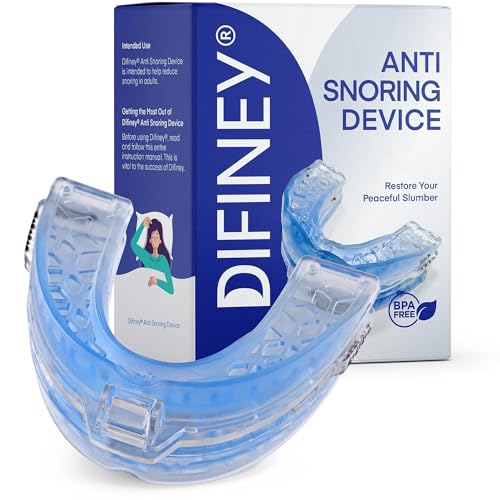
The Difiney Anti Snoring 1-4 mm takes a more direct approach than the Rhinomed Mute. It is designed to gently reposition the lower jaw during sleep, with the goal of helping keep the airway open. That makes it a more involved device, but also gives the user a way to tune the amount of advancement rather than accepting one fixed position.
Its adjustment range runs from 1 mm to 4 mm. Starting at 1 mm matters because a mouthpiece that feels too aggressive can be difficult to tolerate through a full night. Difiney says users can increase the setting gradually if more jaw advancement is needed, although the company also notes that higher settings may feel firmer. This is the kind of product that rewards patience rather than an immediate jump to the largest setting.
The soft medical-grade material and ergonomic mouth guard shape are intended for daily nighttime use. A storage case is included, which helps keep the mouthpiece contained while traveling and gives it a consistent place to dry or be stored. The listing also states that the device has FDA 510(k) clearance. That designation should not be confused with a diagnosis or treatment plan for a breathing disorder.
The 1-4 mm range makes this model easier to approach than Difiney's Advanced Anti Snoring 4.0, which extends to 6 mm. That wider range may suit some users, but it also creates more room for an uncomfortable setting. The Mute Starter is a better match for someone who wants to avoid a mouthpiece altogether, while the Difiney model is the stronger fit when jaw advancement is the feature that matters.
This is not a product to choose casually if you have jaw pain, dental concerns, or symptoms that suggest a more serious breathing problem. For a sleeper specifically looking for an adjustable, reusable anti-snoring mouthpiece, it is the clearest jaw-based option in the group.
3. WinkithW Gen2: Best Handheld Design

Pros
- Dual relaxation modes
- One-button operation
- USB-C rechargeable
- Lightweight silicone body with wrist strap
- Suitable for adults and children age 3 and older with supervision
Cons
- General wellness product, not a medical device
- Does not address snoring or nasal obstruction
- The listing does not provide a battery capacity or runtime figure
Best for: people who want a simple, screen-free handheld routine before bed.
The WinkithW Gen2 is for the person whose sleep problem starts before the head reaches the pillow. It is a small handheld wellness device that uses gentle pulses, so the routine is more like a quiet wind-down than an anti-snoring intervention. There is no mouthpiece to fit and no nasal insert to get used to.
The Gen2 has dual relaxation modes and a one-button control scheme. That simplicity is useful at night because it avoids an app, screen, or complicated setup. The body is made from smooth silicone and includes a secure wrist strap, while the design is described as lightweight and compact. USB-C charging makes it easier to share a charging setup with newer phones, tablets, and other small electronics.
WinkithW recommends 20 minutes of daily use and describes the device as suitable for adults and children age 3 and older with supervision. The product is explicitly a general wellness device rather than a medical device. That distinction is important: it may become a pleasant part of a bedtime routine, but it should not be treated as an answer to snoring, breathing pauses, or a diagnosed sleep condition.
The Mute Starter is a better choice for nasal airflow, and the Difiney Anti Snoring 1-4 mm is more appropriate when jaw position is the suspected issue. The WinkithW wins only when the goal is relaxation. Its dual modes give it more structure than a passive bedtime object, but the listing does not provide a battery capacity or a specific runtime, so charging frequency is harder to judge.
Choose it if you want a portable, screen-free way to settle down in the evening or during travel. Skip it if you are trying to solve loud snoring or restricted breathing, since those are outside the device's stated role.
4. Difiney Anti Snoring 4.0: Best Wider Adjustment Range

Pros
- Jaw adjustment from 1 to 6 mm
- FDA 510(k) clearance stated by the manufacturer
- Soft medical-grade mouth guard material
- Reusable for nightly use
- Compact storage case included
Cons
- The wider range can make fitting more demanding
- Higher advancement settings may feel firmer
- Does not target nasal airflow directly
Best for: users who want more lower-jaw adjustment than a 1-4 mm mouthpiece provides.
Difiney's Advanced Anti Snoring Device 4.0 is the more adjustable sibling in this roundup. Its central feature is a 1 to 6 mm lower-jaw advancement range, giving the user four additional millimeters beyond the smaller Difiney model. That does not automatically make it better. It makes it more adaptable for someone who has already identified jaw advancement as the direction they want to explore.
The adjustment should begin at 1 mm, according to the product information. Difiney says the setting can be increased gradually, with the warning that greater advancement may feel firmer. That advice is worth following. A mouthpiece has to remain wearable through the night, and the most aggressive setting is not necessarily the most useful one if it causes discomfort.
The mouth guard uses soft medical-grade material and is described as suitable for daily nighttime use. The included storage case is practical for travel and helps keep the device organized. The listing also states that the product has FDA 510(k) clearance and is designed to reposition the jaw to help open the airway.
The Difiney Anti Snoring 1-4 mm is the easier recommendation for someone starting from scratch because its range is narrower and therefore less demanding to tune. The Rhinomed Mute Starter is preferable when the problem seems to be nasal restriction rather than jaw position. The 4.0 earns its place for users who need the extra adjustment, not for everyone who simply wants more numbers.
People with dental or jaw issues should seek appropriate professional advice before using an adjustable mouthpiece. For a user who needs a broad jaw-position range and is prepared to make small changes over time, this is the most flexible mouthpiece here.
5. IFGZQU Tongue Stabilizing Device: Best Tongue-Retaining Design
Pros
- Holds the tongue forward without electronic parts
- Soft BPA-free silicone
- No boiling or strap adjustment required
- Reusable and easy to rinse
- Travel case included
Cons
- The tongue chamber may take time to tolerate
- Suction-based fitting will not suit everyone
- Does not provide the jaw adjustment of the Difiney mouthpieces
Best for: adults who want a tongue-position approach instead of jaw advancement.
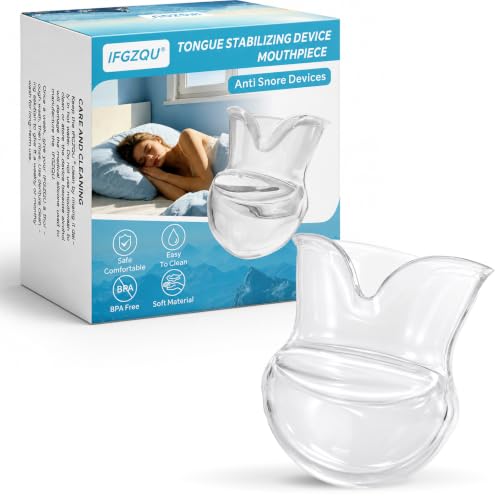
The IFGZQU uses a different physical strategy from both Difiney mouthpieces. It holds the tongue forward in a soft chamber, aiming to keep it from moving backward during sleep. There are no batteries, pulse settings, straps, or adjustment dials, which makes the basic idea easy to understand even if the sensation of wearing it takes some getting used to.
The device is made from BPA-free silicone and has a slim ergonomic profile. The instructions in the listing describe a quick setup: insert the device, position the tongue in the chamber, and apply light suction to hold it in place. There is no boiling process and no separate strap to adjust. That may appeal to someone who finds conventional mouth guards too involved.
Cleaning is similarly straightforward. The device can be rinsed after use and comes with a compact travel case. The reusable design is suited to a consistent nightly routine, though the practical question is comfort. A tongue-retaining mouthpiece feels fundamentally different from a nasal dilator, and not every sleeper will want a device occupying that much of the mouth.
The Difiney Anti Snoring 1-4 mm offers more deliberate adjustment through the lower jaw, while the Rhinomed Mute Starter leaves the mouth completely alone. IFGZQU is the middle path for someone who wants a non-electronic oral device but does not want to advance the jaw. Its simplicity is a strength, though it also means there is less to tune if the first fit is not right.
Avoid assuming that a tongue device is suitable for every kind of snoring or breathing problem. If the concept feels tolerable and tongue position seems relevant, the IFGZQU is a compact alternative to jaw-based mouthpieces.
6. Vastaint Handheld Sleep Aid: Best Lightweight Handheld

Pros
- Weighs 30 g
- Three adjustable intensity levels
- One-button control with soft indicator lights
- USB rechargeable
- No app or medication involved
Cons
- General relaxation tool, not a snoring device
- The feature listing conflicts on the number of levels
- Battery runtime is not specified
Best for: students and travelers who want a very light handheld calming tool.
The Vastaint is the easiest handheld product here to carry without thinking about it. The listing gives a weight of 30 g, and its small body is intended to slip into a pocket or bag. That makes it more suited to a brief relaxation routine during a commute, study break, or evening wind-down than to a device that stays on a bedside table.
Its operation is deliberately simple. A one-touch control starts the device, soft indicator lights show its status, and there is no app or complicated menu. The product description says it uses gentle micro-current pulses to support relaxation and offers adjustable intensity. One part of the listing says three levels, while another feature heading says five adjustable levels. Because the details conflict, buyers should treat the exact number of settings cautiously.
Vastaint describes the device as USB rechargeable and suitable for adults, with use by children under guardian supervision. It is presented as a non-medication wellness tool, not as a treatment for a sleep disorder. The product information gives small dimensions, but it does not provide a specific battery capacity or continuous runtime, so portability is clearer than charging endurance.
The WinkithW Gen2 has dual modes and a silicone body with a wrist strap, making it the more polished choice for a dedicated nightly ritual. The VOOKLDOP offers far finer intensity control, with 20 gears, but it is heavier and less pocket-friendly. Vastaint is the pick for minimalism, especially if a 30 g device is more appealing than a larger control range.
This is not the right category of device for snoring, congestion, or suspected sleep apnea. It makes sense for someone whose difficulty settling down is the main concern and who wants a small, screen-free object to use for a short evening routine.
7. VOOKLDOP Relaxation Device: Best Intensity Control

Pros
- Twenty adjustable pulse gears
- Separate bedtime and daytime modes
- USB-C charging
- Up to 10 hours of continuous daily use stated
- Includes an adjustable strap
Cons
- Heavier than the other small handheld options
- General relaxation product, not a medical device
- More controls may be unnecessary for a simple bedtime routine
Best for: users who want to fine-tune pulse intensity for different parts of the day.
The VOOKLDOP is the handheld device for someone who knows that one intensity does not always feel right. It offers 20 adjustable gears, split into two operating ideas: Bedtime Soft Mode uses gears 1 to 10, while Day Calming Mode uses gears 11 to 20. That separation makes the product more versatile than a single-purpose bedtime gadget, although it also gives the user more settings to manage.
The charging information is unusually specific. A full charge is stated to take 1.5 hours, and the listing claims up to 10 hours of continuous daily use. It uses USB-C, so it fits neatly into a modern charging setup. Those figures are manufacturer specifications rather than a guarantee of identical real-world endurance, but they make the device easier to plan around than the handheld products that do not list runtime.
The body has an ergonomic curved grip, an adjustable strap, and a listed weight of 0.4 lb. Its dimensions are given as 3.15 by 1.5 inches in the feature copy, while the product information lists a larger set of exterior measurements. Either way, this is a handheld device rather than a tiny pocket item. The strap should help during use, but the heavier body makes the Vastaint more attractive for travel.
The WinkithW Gen2 is simpler, with dual modes and one-button operation. The VOOKLDOP is the better fit when subtle changes in pulse intensity matter and the user wants one device for bedtime and daytime breaks. It does not compete with the Mute or Difiney devices because it is not designed to alter nasal airflow or jaw position.
VOOKLDOP clearly states that it is a daily relaxation item and not a medical device. That limits what it should be expected to do. Choose it for a customizable wind-down or daytime calming routine, especially if 20 gears are useful rather than distracting.
8. SleepEase Pro Throat Device: Best Long-Runtime Electric Option

Pros
- Approximate 10-hour working time stated
- Compact plastic construction
- 3.7V polymer lithium battery
- 0.7W power rating
Cons
- Sparse information about fit and operation
- No adjustment range or control details listed
- The product's throat-focused design may not suit every sleeper
Best for: buyers specifically looking for an electronic throat-focused snoring aid with a stated operating time.
SleepEase Pro is the most difficult product in this roundup to evaluate confidently because its available product information is brief. It is described as an intelligent electric throat device and a snore-reduction massager, with a plastic construction and a compact structure. The listing does not explain the fitting process in the same detail as the mouthpieces or nasal dilator.
The technical details do provide a few useful numbers. It uses a 3.7V polymer lithium battery, has a power rating of 0.7W, and lists approximate working hours of 10 hours. That runtime is the main reason to consider it. Someone who wants an electronic device that can operate across multiple nights between charging sessions has more information to work with here than with the other handheld products.
What is missing matters just as much. The listing does not specify intensity levels, pulse modes, dimensions, charging time, or how the device is positioned on the throat. It also does not provide the fit guidance found with the Difiney mouthpieces or the three-size system found with the Rhinomed Mute. Those omissions make it harder to predict comfort and suitability before purchase.
The Difiney models are more transparent about how they attempt to influence the airway, while the Mute is easier to understand for nasal airflow. SleepEase Pro is the more specialized electronic alternative, but its sparse instructions leave it behind the better-documented picks. The product title mentions sleep apnea relief, yet the supplied features do not establish that it diagnoses or treats sleep apnea, so it should not be relied on for that purpose.
Choose this only if the throat-focused electronic design and stated 10-hour working time match what you are looking for. If you want a clearer fit process, the Difiney or Rhinomed options are easier to assess.
How to choose best devices for sleep
The right device starts with the source of the problem, not the most elaborate feature list. These are the factors that separate a useful sleep aid from an uncomfortable object left in a drawer.
Airflow target
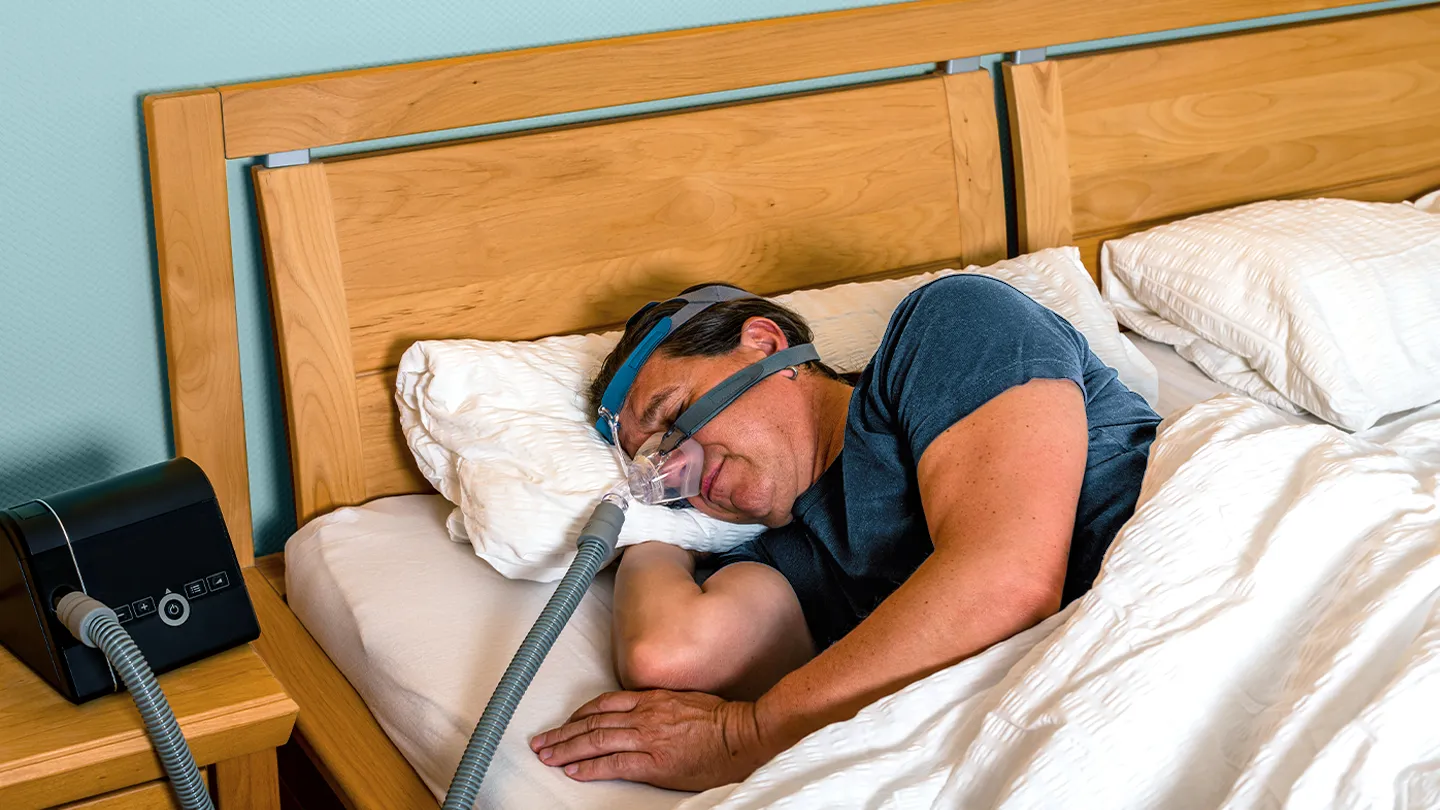
Nasal dilators work at the nose, while mouthpieces and tongue-retaining devices work farther back in the airway. The Rhinomed Mute is the most focused option for restricted nasal airflow because its adjustable stents sit inside the nostrils. A jaw or tongue device is a different approach and should not be treated as a substitute for nasal support.
If congestion or narrow-feeling nasal passages are the main complaint, start with a nasal design. If the issue appears connected to mouth position or jaw posture, an oral device may be more relevant. People experiencing breathing pauses, gasping, or persistent daytime sleepiness should seek medical evaluation rather than trying to solve those symptoms with a consumer gadget.
Adjustment range
An adjustable device can be easier to personalize, but more settings do not guarantee more comfort. Difiney's first model advances the lower jaw from 1 to 4 mm, while the Advanced 4.0 extends from 1 to 6 mm. Start at the lowest setting and change gradually, as the product information recommends.
The IFGZQU takes a different route and uses suction to hold the tongue forward, with no boiling or adjustment process. That is simpler, but it leaves less room to fine-tune the position. A good fit should stay in place without creating distracting pressure or soreness.
Material and overnight comfort
A sleep device has to be tolerable for hours, not merely comfortable for a minute in the hand. The Difiney mouthpieces use soft medical-grade material, IFGZQU uses BPA-free silicone, and Rhinomed describes the Mute stents as ultra-soft. Those details speak to intended comfort, but individual fit still decides whether the device works in practice.
Look for a design that matches how you sleep. Internal nasal devices may be less noticeable to side sleepers than a bulky external object, while oral devices can be unsuitable for people who dislike having something in their mouth. A device that causes irritation defeats its purpose even if its underlying design is sensible.
Charging and controls
Electronic relaxation tools vary substantially in how much control they provide. WinkithW Gen2 uses a one-button control and dual modes. Vastaint is also built around one-button operation, but the listing gives conflicting information about whether it has three or five levels. VOOKLDOP offers 20 gears, two modes, a 1.5-hour full-charge claim, and up to 10 hours of stated use.
Simple controls are usually easier to use in a dark bedroom. Fine adjustment is useful when pulse intensity is personal, but it can make the bedtime routine feel more like operating a gadget. For other screen-free options, consider ways to create a calmer bedroom without adding another screen.
Cleaning and storage
Reusable oral and nasal products need a cleaning habit. Rhinomed says the Mute can be used for up to ten nights when rinsed daily. IFGZQU is designed to rinse clean and includes a travel case, while both Difiney products include storage cases.
A case is helpful for hygiene and travel, but it does not replace cleaning. Check that the device can be rinsed as directed and stored in a way that lets it dry. Electronic products should be kept separate from water unless their instructions specifically allow contact.
The best sleep device is the one that targets your actual obstruction and remains comfortable long enough to use every night.
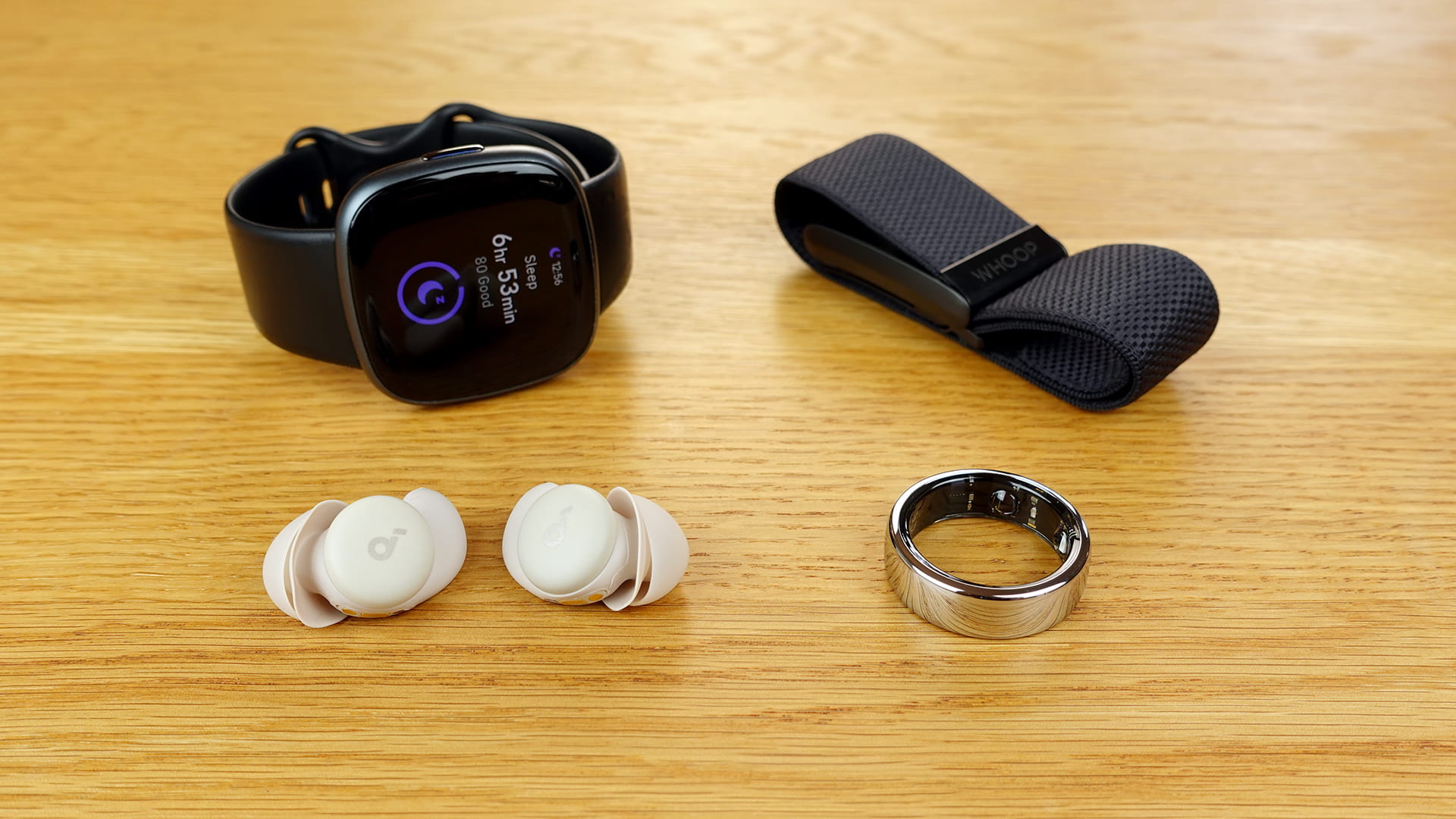
If sleep disruption comes from noise rather than breathing or anxiety, how to choose a sound machine for a bedroom is a more relevant direction. People who want to understand their sleep patterns should look at the sensors that can track sleep through the night rather than expecting a snoring aid to measure sleep quality.

Frequently asked questions
Can these devices treat sleep apnea?
The supplied product information does not establish that any of these products treats sleep apnea. Sleep apnea can involve repeated breathing interruptions and needs proper medical assessment. Do not use a consumer snoring or relaxation device as a replacement for professional diagnosis or prescribed treatment.
Which device is best for nasal congestion at night?
The Rhinomed Mute Starter is the most directly targeted option because it uses internal nasal stents and includes three sizes. It is designed to increase nasal airflow and can be rinsed for reuse. It will not address every cause of congestion or snoring.
Are the handheld devices anti-snoring products?
No. WinkithW Gen2, Vastaint, and VOOKLDOP are described as relaxation or calming devices. They do not reposition the jaw, hold the tongue forward, or widen the nasal passages.
How should I start with an adjustable mouthpiece?
Difiney recommends beginning at 1 mm and increasing the lower-jaw advancement gradually. A higher setting may feel firmer, so the largest available adjustment is not necessarily the right starting point. Stop using any mouthpiece that causes significant discomfort and seek appropriate advice if you have dental or jaw concerns.
Do nasal dilators need to be replaced every night?
The Rhinomed Mute is reusable for up to ten nights when rinsed daily, according to the product information. That is a stated use guideline, not a reason to skip cleaning. Keep the dilator clean and replace it according to the manufacturer's instructions.
Which handheld device has the most intensity settings?
VOOKLDOP lists 20 adjustable gears, divided between bedtime and daytime modes. Vastaint's listing is inconsistent, describing both three and five levels in different feature text. WinkithW Gen2 lists two relaxation modes rather than a detailed number of intensity levels.
The bottom line
The Best devices for sleep are the ones that match the specific reason sleep is being disrupted. Rhinomed Mute Starter is the strongest general recommendation for a nasal airflow problem because it offers three sizes, adjustable stents, and a discreet internal design. Difiney Anti Snoring 1-4 mm is the better choice when a reusable, adjustable jaw-based mouthpiece is the more logical fit.
For relaxation rather than snoring, WinkithW Gen2 is the cleanest handheld design, while VOOKLDOP is the more configurable option. If you are undecided, identify whether the problem is nasal airflow, jaw position, tongue position, or difficulty winding down before choosing a device.
As an Amazon Associate we earn from qualifying purchases.