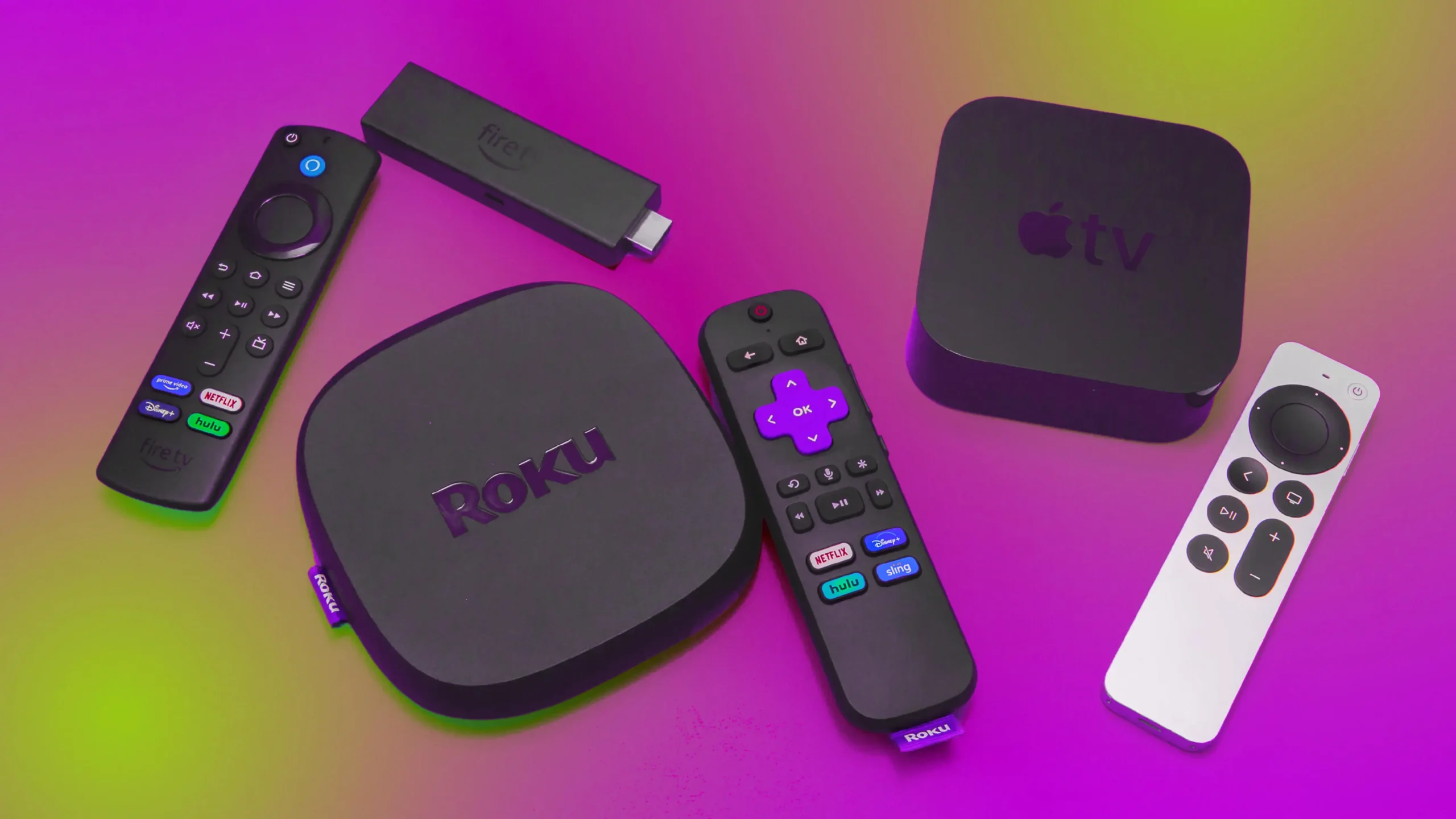

A slow smart TV interface can turn a five-minute viewing decision into a long session of scrolling, app hunting, and remote juggling. A dedicated player usually makes the experience cleaner, faster, and easier to move between televisions.
The Best streaming devices for tv range from compact HD sticks that hide behind the panel to full-size 4K players with better connectivity, private listening, and room for more apps. We ranked these ten by the capabilities that matter most, including picture formats, navigation, remote design, and setup.
Roku Ultra is our top pick, while the list also includes straightforward HD options, capable Fire TV models, compact Roku sticks, and the Google TV Streamer 4K.
Comparison table
| # | Product | Award | Resolution and HDR | Connectivity or storage | Best for |
|---|---|---|---|---|---|
| 1 | Roku Ultra | Best overall | 4K, HDR10+, Dolby Vision | Wi-Fi 6, Ethernet, Bluetooth | Home theaters and fast navigation |
| 2 | Roku Streaming Stick 4K | Best 4K stick | 4K, HDR10+, Dolby Vision | Long-range Wi-Fi | Compact 4K setups |
| 3 | Amazon Fire TV Stick 4K Max | Best for power users | 4K, HDR10+, Dolby Vision, Dolby Atmos | Wi-Fi 6E, 16GB storage | Apps, games, and large libraries |
| 4 | Google TV Streamer 4K | Best Google TV option | 4K HDR, Dolby Vision | 32GB storage | Google households and shared recommendations |
| 5 | Amazon Fire TV Stick 4K Plus | Best Fire TV balance | 4K, Dolby Vision, HDR10+, Dolby Atmos | Wi-Fi 6 | Smooth 4K streaming |
| 6 | Roku Streaming Stick Plus | Best simple 4K Roku | 4K, HDR10+ | TV-powered HDMI stick | Easy 4K streaming |
| 7 | Amazon Fire TV Stick 4K Select | Best accessible Fire TV | 4K, HDR10+ | HDMI stick | Alexa searches and casual 4K viewing |
| 8 | Amazon Fire TV Stick HD 2024 | Best portable HD stick | Full HD | Wi-Fi 6, USB-C direct power | Travel and older televisions |
| 9 | Amazon Fire TV Stick HD | Best basic Fire TV | Full HD | HDMI stick, Bluetooth | First-time streaming |
| 10 | Roku Streaming Stick HD | Best simple HD Roku | HD | TV-powered HDMI stick | Uncomplicated HD viewing |
1. Roku Ultra: Best Overall

Pros
- Fast interface and quick app launches
- 4K, Dolby Vision, HDR10+, and Dolby Atmos
- Rechargeable backlit voice remote
- Ethernet and Wi-Fi 6
- Bluetooth headphone mode
Cons
- Larger than a hidden HDMI stick
- Needs a separate spot near the TV
- More features than a basic HD setup needs
Best for: viewers who want the quickest Roku experience and flexible home theater connectivity.
The Roku Ultra is the player we'd choose when the television is the center of the room rather than a spare screen in the kitchen. Its interface is familiar without feeling cluttered, and the advertised 30 percent speed advantage over other Roku players matters most when opening apps, moving through menus, and returning to something already in progress. The box sits outside the TV instead of hiding behind it, but that gives it room for connections a stick cannot offer.
Picture support is broad. Roku Ultra handles 4K, HDR10+, and Dolby Vision, so it can make use of a modern television's higher dynamic range rather than limiting you to standard 4K. Dolby Atmos support adds the right soundtrack format for compatible equipment. If you are also planning a separate sound system, the differences between built-in TV audio and a dedicated setup are covered in this guide to choosing speakers that make dialogue easier to hear.
Connectivity is the real reason to step up to this model. Wi-Fi 6 handles wireless streaming, while Ethernet offers a wired route when the router is close or the room has difficult wireless coverage. The rechargeable Roku Voice Remote Pro includes backlit buttons, hands-free voice control, and a lost remote finder. Bluetooth Headphone Mode is a thoughtful extra for late-night viewing, and months of use between charges is more convenient than constantly replacing batteries.
The weakness is physical. The Ultra is not the discreet little device you plug behind a panel and forget. It also makes less sense for an HD television that only needs a few apps. The Roku Streaming Stick 4K is easier to hide, while the Amazon Fire TV Stick 4K Max is the more ambitious choice for apps, games, and extra storage. Choose Roku Ultra if speed, wired networking, private listening, and a polished remote matter more than a minimal footprint.
2. Roku Streaming Stick 4K: Best 4K Stick

Pros
- 4K with Dolby Vision and HDR10+
- Compact design leaves neighboring HDMI ports clear
- Long-range Wi-Fi receiver
- TV power keeps the installation tidy
- Simple voice remote
Cons
- No Ethernet connection
- Remote lacks the Ultra's rechargeable design
- Less storage and flexibility than a full player
Best for: anyone who wants strong 4K picture support in a stick that disappears behind the television.
The Roku Streaming Stick 4K gets the central streaming-device decision right: it stays out of sight and does not make the back of the television harder to use. Its 3.7-inch length and 0.8-inch width give it a small profile, and the design is intended not to block neighboring HDMI ports. That is useful on a wall-mounted TV where access is already awkward.
It is a proper 4K option, not merely an HD stick with an ambitious name. Dolby Vision and HDR10+ support can show brighter highlights and richer color when the television and content support those formats. The practical result depends on the screen, but owners of a compatible 4K TV are not forced into a narrower picture pipeline. Long-range Wi-Fi is also intended to help in rooms farther from the router.
The Roku home screen remains one of the easier interfaces for households that use several streaming services. Voice search can find and launch entertainment, while the same remote can power the TV and adjust volume. Roku also places free live TV, news, sports, movies, and shows in one area, which is useful when you do not want every viewing session to begin inside a paid app.
Compared with the Roku Streaming Stick Plus, this model has the clearer case for buyers who specifically want Dolby Vision and HDR10+. Compared with Roku Ultra, it gives up Ethernet, Bluetooth headphone mode, the backlit rechargeable remote, and the extra speed of the larger player. The lack of wired networking is the main limitation. Pick it for a compact 4K installation, especially when a clean back panel matters more than the Ultra's extras.
3. Amazon Fire TV Stick 4K Max: Best for Power Users

Pros
- Fast processor for app launches and navigation
- 16GB storage for apps, games, and downloads
- Wi-Fi 6E support
- Dolby Vision, HDR10+, and Dolby Atmos
- Ambient Experience and gaming support
Cons
- Fire TV interface puts recommendations prominently forward
- Extra features are unnecessary for basic viewing
- Cloud gaming needs subscriptions and a compatible controller
Best for: households that want the most capable Fire TV stick for apps, games, smart-home controls, and 4K media.
The Amazon Fire TV Stick 4K Max is the Fire TV model for people who notice sluggish menus and run out of room for apps. Its powerful processor is designed for fast app starts and fluid navigation, while 16GB of storage gives it twice the capacity of the Fire TV Stick 4K Plus and the other Fire TV sticks in this group. That extra space has a practical role if the device is also used for games and downloads.
The display credentials are equally serious. It supports 4K Ultra HD, Dolby Vision, HDR10+, and Dolby Atmos, allowing a compatible television and audio system to use their full range of formats. Wi-Fi 6E is the standout network feature. It will not repair a poor internet connection, but it can be useful with a compatible router and a busy home network where newer wireless bands help separate streaming traffic from other devices.
The Alexa experience is deeper than a simple microphone button. The remote has voice control, a recents button, and dedicated channel buttons for live TV. Alexa+ can search naturally across apps, manage compatible smart-home devices, and surface content without requiring a precise title. Fire TV Ambient Experience can also display more than 2, 000 pieces of art and photography when the screen is not being used for shows. Xbox cloud gaming and Amazon Luna expand the device beyond traditional streaming, though those services have their own requirements.
The trade-off is the interface. Fire TV offers a large amount of content and recommendation material, but viewers who want a quieter, more app-centered home screen may prefer Roku Ultra. The Amazon Fire TV Stick 4K Plus has the main picture formats and Wi-Fi 6 without the Max's storage and performance emphasis. Choose the Max when the TV is used as a broader entertainment hub, not merely as a way to open Netflix at night.
4. Google TV Streamer 4K: Best Google TV Option

Pros
- 32GB storage
- Personalized profiles and recommendations
- 4K HDR with Dolby Vision
- More than 800 free channels through supported services
- Smart-home control
Cons
- HDMI 2.1 cable is required and sold separately
- Larger tabletop design than a streaming stick
- Less useful for households outside the Google ecosystem
Best for: Google users who want shared recommendations, watchlists, and smart-home control in one interface.
The Google TV Streamer 4K feels different from the Roku and Fire TV sticks because it is designed to sit near the television. Its 6.4-inch length and 3-inch width need a little shelf or console space, but the larger body houses 32GB of storage. That is the highest stated storage capacity in this group, and it gives the device more room for apps and a larger household media setup.
Google TV's strength is organization across services. The home screen brings movies and shows from different subscriptions together, and profiles can tailor recommendations to each person in the home. A title found on a television, phone, or Google search can be added to a watchlist for later. That connected approach is convenient for households already using Google services, though it can feel more recommendation-heavy than Roku's straightforward app grid.
It supports up to 4K HDR with Dolby Vision. Compatible speakers can use Dolby Atmos for more immersive three-dimensional sound. The streamer also provides access to more than 800 free channels through services such as Pluto TV and Tubi, although channel availability and content can change. Smart-home control adds another reason to keep the device in the living room, particularly if the household already uses compatible Google-connected equipment.
The important setup catch is the cable. An HDMI 2.1 cable is required and sold separately, so this is not the most self-contained choice in the group. The Roku Ultra is a stronger pick for Ethernet, Bluetooth headphone listening, and a Roku-first interface, while the Amazon Fire TV Stick 4K Max is better suited to expandable Fire TV features and gaming. Choose Google TV Streamer 4K when shared recommendations and Google integration matter more than a hidden stick.
5. Amazon Fire TV Stick 4K Plus: Best Fire TV Balance

Pros
- 4K with Dolby Vision and HDR10+
- Dolby Atmos audio support
- Wi-Fi 6 for busy networks
- Alexa search and smart-home controls
- Dedicated app and channel buttons
Cons
- Less storage than the 4K Max
- No stated Wi-Fi 6E support
- Fire TV recommendations can take up screen space
Best for: viewers who want a capable 4K Fire TV stick without stepping up to the Max's storage and gaming focus.
The Amazon Fire TV Stick 4K Plus occupies the sensible middle of Amazon's current 4K range. It is optimized for 4K televisions, and the newer Fire TV interface organizes content into dedicated categories, pinned apps, and personalized recommendations. The result is quick access to a wide selection, though the screen is busier than Roku's simpler home page.
Picture support covers 4K Ultra HD, Dolby Vision, and HDR10+. Dolby Atmos is included for compatible audio equipment, so this stick can form the center of a reasonably advanced television setup without needing a separate media box. Wi-Fi 6 helps maintain smooth 4K streaming when other phones, computers, and smart-home devices are sharing the router.
Alexa search is the stick's most useful everyday feature. Press the remote button and ask to find or launch shows across apps, check the weather, dim compatible lights, or control other supported devices. The remote also includes preset app buttons and controls for TV power and volume. Fire TV Channels, Prime Video, Tubi, and Pluto TV provide routes to free, ad-supported programming alongside subscription services.
The Amazon Fire TV Stick 4K Max is faster and has 16GB of storage, while the Amazon Fire TV Stick 4K Select offers the newer Fire TV experience with a more basic 4K feature set. The Plus is the one to choose when Wi-Fi 6, Dolby Vision, and Dolby Atmos are important but the Max's extra storage is not. Skip it if the television is HD only, since the simpler Fire TV HD models fit that job better.
6. Roku Streaming Stick Plus: Best Simple 4K Roku

Pros
- 4K picture with HDR10+
- Small TV-powered design
- Clear Roku interface
- Voice remote controls TV power and volume
- Useful free live TV selection
Cons
- No Dolby Vision listed
- No wired Ethernet
- Fewer premium features than Roku Ultra
Best for: Roku fans who want simple 4K and HDR10+ streaming in a discreet stick.
The Roku Streaming Stick Plus is built around low-friction ownership. It plugs into the back of the TV, can draw power from the TV, and keeps extra cords out of sight. At 3.7 inches long and 0.8 inches wide, it is easy to move between rooms or pack for a trip. The remote handles power and volume as well as Roku navigation, so the basic experience does not require a second handset.
It streams in 4K and supports HDR10+, which makes it a meaningful upgrade for a compatible 4K screen. The data does not list Dolby Vision support, and that is the dividing line between this model and the Roku Streaming Stick 4K. If Dolby Vision is a must-have, step up to the regular 4K Stick. If HDR10+ and a straightforward interface are enough, the Plus keeps the experience uncomplicated.
Roku's home screen emphasizes apps, personalized picks, and quick access to sports and entertainment. Its free live TV area also gives occasional viewers something to watch without opening a subscription service. The account can manage subscriptions across supported services, which is convenient for anyone who prefers one place to handle those choices. For antenna users, a simple way to add free broadcast channels can complement the stick, though this device itself is internet-based.
The missing pieces are premium connectivity and audio features. There is no Ethernet option, and Roku Ultra adds Wi-Fi 6, Bluetooth Headphone Mode, a rechargeable remote, and a faster interface. The Amazon Fire TV Stick 4K Plus is a stronger alternative for Alexa households and Dolby Atmos systems. Choose Roku Streaming Stick Plus for a clean 4K setup where simplicity matters more than every advanced format.
7. Amazon Fire TV Stick 4K Select: Best Accessible Fire TV

Pros
- 4K streaming with HDR10+
- Modern Fire TV interface
- Alexa+ natural-language search
- Compact HDMI design
- Smart-home controls and cloud gaming support
Cons
- Dolby Vision is not listed
- Fewer connectivity details than higher Fire TV models
- HD owners do not need its 4K capability
Best for: viewers who want the newer Fire TV experience and Alexa search on a 4K television.
The Amazon Fire TV Stick 4K Select is the entry point for Amazon's newer 4K Fire TV experience. Setup is simply a matter of plugging it in and connecting to Wi-Fi, and the small stick remains hidden behind the television. Its job is to make a 4K screen more useful without requiring a full-size streaming box.
It supports 4K Ultra HD and HDR10+. Those formats give compatible televisions access to sharper detail and a broader range of brightness and color than HD streaming. Dolby Vision is not listed for this model, so the Amazon Fire TV Stick 4K Plus is the better fit for a television built around that format. The Select still covers the major apps, including Prime Video, Netflix, YouTube, Disney+, Apple TV+, HBO Max, Hulu, Peacock, and Paramount+.
Alexa+ is the main reason to choose it over a basic Roku stick. Natural voice requests can search across apps, launch shows, display Amazon Photos, manage compatible smart-home devices, and answer general questions. The device also supports Xbox cloud gaming with a Game Pass subscription and compatible controller, though its strongest role remains streaming.
The feature gap becomes clearer beside the Plus and Max. The Plus adds Wi-Fi 6, Dolby Vision, HDR10+, Dolby Atmos, and a more advanced 4K focus, while the Max adds 16GB of storage, Wi-Fi 6E support, and a faster processor. The Select is the more restrained choice for a 4K television owner who wants Alexa and the refreshed Fire TV layout without needing every premium feature.
8. Amazon Fire TV Stick HD 2024: Best Portable HD Stick

Pros
- Full HD streaming
- Wi-Fi 6 support
- Direct TV power through USB-C
- Compact portable design
- Bluetooth headphone listening
Cons
- Limited to Full HD
- Longer body than the Roku sticks
- Direct power depends on a suitable TV connection
Best for: travelers and HD television owners who want a current Fire TV interface in a portable stick.
The Amazon Fire TV Stick HD 2024 is the more travel-friendly HD Fire TV option in this list. It connects directly to an HDMI port, and its included USB-C cable supports Direct Power from the TV, eliminating the need for a wall adapter when the television can provide the required power. That makes it easier to move between rooms or take on a trip.
Full HD is the correct target for an HD television. The stick is not trying to create a 4K pipeline, and its streamlined navigation goes straight to movies, shows, and live TV. Wi-Fi 6 gives it newer wireless capability than many basic streaming sticks, which can help in a busy home network, though the quality of the internet connection still determines how smoothly video plays.
Alexa+ searches across apps and can handle smart-home requests, while the remote includes power and volume buttons plus preset app controls. Bluetooth listening is a useful addition for late viewing or shared rooms. Fire TV also offers Prime Video, Netflix, YouTube, Disney+, Apple TV, HBO Max, Hulu, Peacock, Paramount+, and thousands of other apps, with subscription requirements varying by service.
The Amazon Fire TV Stick HD is the simpler alternative for a first-time streamer, while the Roku Streaming Stick HD is a better fit for readers who prefer Roku's quieter interface. This newer HD model is the one to choose when Wi-Fi 6, direct TV power, Alexa+, and Bluetooth listening all matter. It is not the right choice for a 4K television that you want to use to its full ability.
9. Amazon Fire TV Stick HD: Best Basic Fire TV

Pros
- Full HD streaming
- Simple Alexa voice search
- Smart-home controls
- Compact HDMI stick
- Access to free and subscription apps
Cons
- No 4K support
- Does not list Wi-Fi 6
- Fewer newer Fire TV features than the 2024 model
Best for: first-time streamers with an HD television who want familiar Alexa controls.
The Amazon Fire TV Stick HD keeps the focus on the essentials. It streams in Full HD, plugs into an HDMI port, and gives an older or secondary television access to the major entertainment apps. The small form factor also makes it easy to take to another TV, although the newer Amazon Fire TV Stick HD 2024 is the more portable and technically updated version.
Alexa voice search is straightforward. Press the button to search for shows across apps or launch something already installed. The remote also supports TV control, and Alexa can check the weather, dim compatible lights, view supported camera feeds, and stream music. Those smart-home features give the stick more to do than simply open video apps.
Free, ad-supported entertainment is built into the Fire TV ecosystem through services such as Prime Video, Tubi, and Pluto TV. Paid services including Netflix, Disney+, Peacock, and others are also available, with subscriptions handled separately. Live TV is possible through services such as Sling TV and YouTube TV, so the stick can serve as a central interface even when viewing habits extend beyond on-demand shows.
Its limitations are easy to understand. It is Full HD only, does not list Wi-Fi 6, and lacks the newer model's direct-power and Bluetooth-listening details. The Roku Streaming Stick HD is a better pick for a less crowded home screen, while the Amazon Fire TV Stick 4K Select makes more sense for a 4K television. Choose this model when the TV is HD and Alexa is already part of the household routine.
10. Roku Streaming Stick HD: Best Simple HD Roku

Pros
- Simple HD streaming
- Very small, TV-powered design
- Easy-to-navigate Roku home screen
- Voice remote controls power and volume
- Free live TV and sports features
Cons
- Not designed for 4K televisions
- No wired networking
- Fewer advanced features than Roku Ultra
Best for: anyone who wants an uncomplicated Roku upgrade for an HD television.
The Roku Streaming Stick HD is the least complicated product here, and that is its appeal. It is 3.7 inches long, 0.8 inches wide, and designed to sit behind the TV without blocking neighboring HDMI ports. It can draw power from the television, so the installation avoids an extra wall outlet and keeps the cable clutter under control.
Its HD output matches older and smaller screens. The Roku home screen is easy to understand, with apps, personalized picks, sports access, and free live TV presented without requiring much menu exploration. Voice search can find shows and launch entertainment, while the remote also controls TV power and volume. For a household that wants to replace an aging smart TV interface, this is a clean way to do it.
Roku's free content offering is useful for casual viewers. Free live TV, news, sports, movies, and shows are easy to reach, and the Sports Zone can help locate games, reminders, scores, and highlights. Roku also lets users manage supported subscriptions through one account. Those extras make the stick more capable than a simple app launcher without overwhelming the basic interface.
It is not the right device for a 4K screen, and there is no Ethernet, advanced HDR support, or private-listening feature listed. The Roku Streaming Stick Plus adds 4K and HDR10+, while the Amazon Fire TV Stick HD is a better match for Alexa households. Choose Roku Streaming Stick HD when the television is HD, the viewer values simplicity, and a small hidden device is the priority.

How to choose best streaming devices for tv
The right streaming device should match the television's resolution, the home's wireless network, and the way people actually search for entertainment.
Resolution and HDR formats
Start with the television. An HD screen does not need a 4K player, while a 4K TV can benefit from a device that supports 4K HDR. Dolby Vision and HDR10+ are separate HDR formats, so check which one the television and preferred content support. The Roku Streaming Stick 4K, Roku Ultra, and Fire TV 4K Plus and Max cover the broadest set of formats in this group.
Interface and search
Roku keeps the home screen relatively direct, with apps and content recommendations in a familiar arrangement. Fire TV leans more heavily into Alexa, categories, and recommendations, which can be useful if voice search and smart-home controls are already part of the household. Google TV is strongest when multiple people want profiles, shared watchlists, and recommendations pulled together from several services.
A fast player cannot fix a confusing home screen, so choose the interface you will want to use every evening.
Wireless and wired networking
Wi-Fi capability matters when the router is far from the TV or many devices share the network. Wi-Fi 6 appears on Roku Ultra, Fire TV Stick 4K Plus, and the newer Fire TV Stick HD, while the Fire TV Stick 4K Max supports Wi-Fi 6E. Roku Ultra is the only model here with a stated Ethernet connection, making it the most flexible choice for a wired home theater.
Remote controls
A good remote reduces friction more than another menu feature. Look for TV power and volume controls, voice search, dedicated app buttons, and a layout that is easy to use in the dark. Roku Ultra adds backlighting, hands-free voice control, a lost remote finder, and rechargeable power. Fire TV remotes emphasize Alexa and quick access to apps and live channels.
Storage and extra features
Most viewers can stream without thinking about storage, but apps, games, and downloads make capacity more important. Fire TV Stick 4K Max lists 16GB, while Google TV Streamer 4K lists 32GB. Private Bluetooth listening, smart-home controls, cloud gaming, and ambient displays are useful extras, but they should not outweigh the basics if the device is only being used for shows.
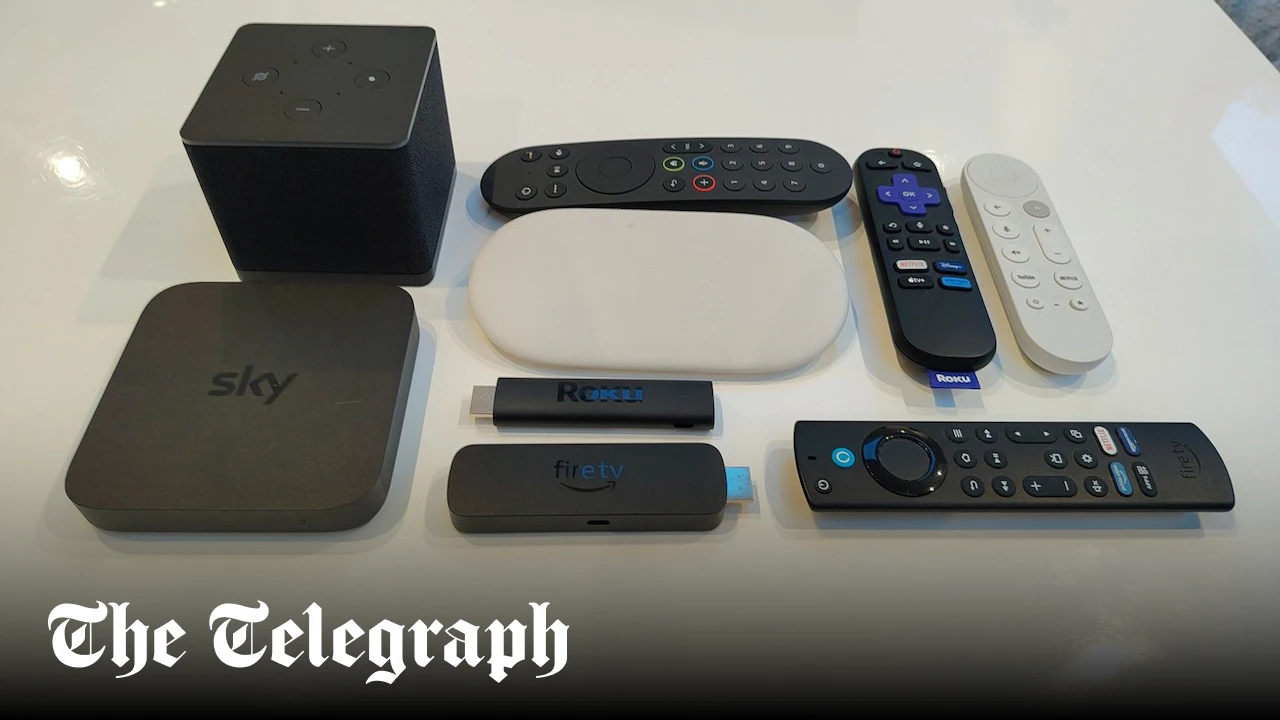
Frequently asked questions
Do streaming devices work with any TV?
They work with televisions that have a compatible HDMI input and the necessary power arrangement. HD models suit HD screens, while 4K models can also connect to 4K televisions. Some setups may need an appropriate HDMI cable or a nearby power source.
Is a 4K streaming device useful on an HD TV?
It will still stream content, but the television cannot display 4K detail. An HD model is usually the more appropriate match unless you expect to replace the screen soon or want a particular platform's interface and features.
Which device has the simplest interface?
Roku models generally have the most direct interface in this group. The Roku Streaming Stick HD is the simplest option, while Roku Ultra adds faster performance and more home theater features without changing the basic Roku approach.
Which streaming device is best for Alexa?
The Amazon Fire TV Stick 4K Max provides the deepest set of Alexa-related features here, including natural-language search, smart-home control, and a remote with a recents button and dedicated channel controls. The Fire TV Stick 4K Plus and 4K Select also provide voice search and smart-home control.
Can these devices show live TV?
Yes. Roku models include access to free live TV and other live programming, while Fire TV models offer free, ad-supported channels and support services such as Sling TV and YouTube TV. Google TV Streamer 4K provides access to more than 800 free channels through supported services.
Do any of these devices support private listening?
Roku Ultra supports Bluetooth Headphone Mode. The newer Amazon Fire TV Stick HD also lists Bluetooth listening, while the other products do not provide the same feature in the supplied details.
Do streaming devices replace cable or satellite service?
They provide access to streaming apps and some free or live channels, but they do not automatically include every channel from a cable or satellite package. Live television may require a separate service subscription, and free channel lineups vary by platform.
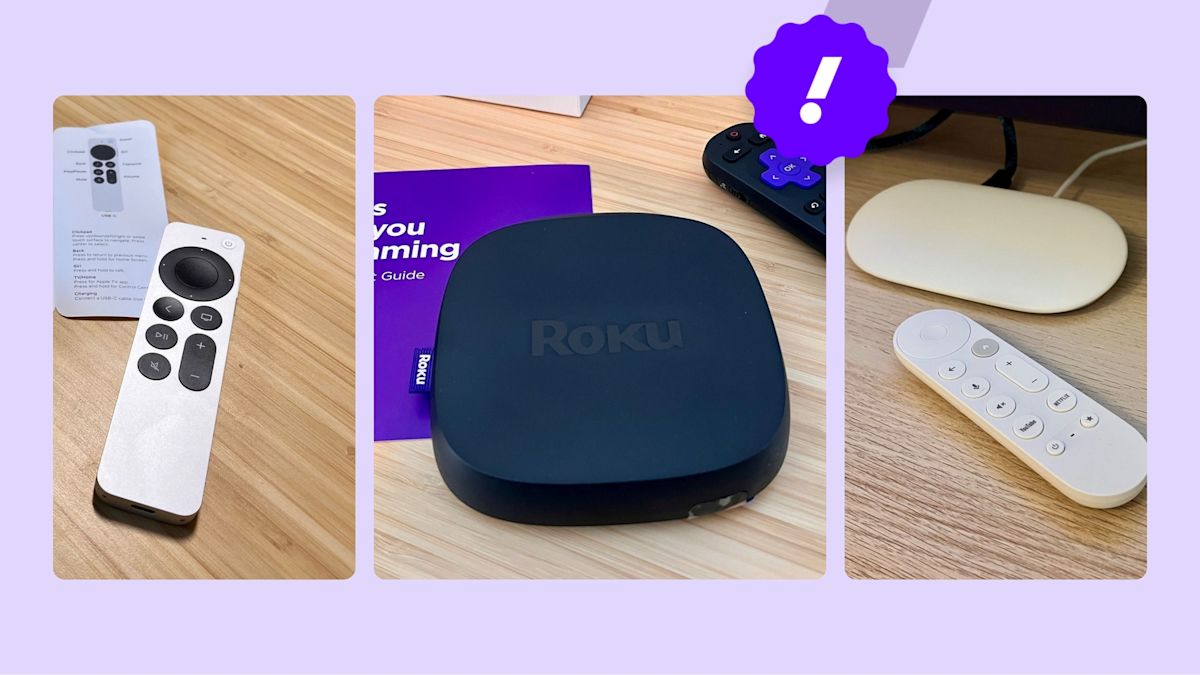
The bottom line
The Roku Ultra is the best streaming device for TV in this group for viewers who want a fast, polished interface, broad HDR support, Ethernet, private listening, and a premium remote. The Roku Streaming Stick 4K is the better compact alternative when the player needs to hide behind the television.
For an Alexa-centered household, the Amazon Fire TV Stick 4K Max is the stronger choice because its fast processor, Wi-Fi 6E, 16GB storage, and gaming features give it more room to grow. HD television owners should keep things simpler with the Roku Streaming Stick HD or Amazon Fire TV Stick HD, depending on whether a clean Roku interface or Alexa controls matter more.
If you are still undecided, match the device to your television's resolution first, then choose the interface you will enjoy navigating every day.
As an Amazon Associate we earn from qualifying purchases.