

A Bambu Lab printer can make excellent parts, but the wrong spool can turn a simple print into a tangle, a rough surface, or a calibration session. The useful question is not just which PLA fits the printer. It is which filament gives you the finish, handling, spool format, and automatic setup you actually need.
Our picks for the Best best filament for bambu lab include Bambu Lab's standard PLA, several matte colors, a glossy silk option, and MarsWork's pre-dried alternative. The strongest all-rounder is the standard white spool, while the black version is a close match for dark functional parts.
Bambu Lab PLA Basic White is the best pick for dependable everyday printing, with matte, silk, and pre-dried alternatives covering more specific jobs.
Comparison table
| # | Product | Award | Diameter | Finish or spool format | Best for |
|---|---|---|---|---|---|
| 1 | Bambu Lab PLA Basic White | Best overall | 1.75 mm, ±0.03 mm | Standard PLA, reusable spool | Everyday prints and AMS users |
| 2 | Bambu Lab PLA Basic Black | Best dark basic PLA | 1.75 mm | Standard PLA, spool included | Dark models and functional parts |
| 3 | MarsWork PLA Basic Red | Best pre-dried alternative | 1.75 mm | Pre-dried PLA, quick-swap spool | Ready-to-print color changes |
| 4 | Bambu Lab Matte PLA Scarlet | Best matte red | 1.75 mm | Matte PLA, RFID spool | Low-glare decorative prints |
| 5 | Bambu Lab PLA Silk+ Gold | Best silk finish | 1.75 mm, ±0.03 mm | Glossy silk PLA, spool included | Display pieces and ornaments |
| 6 | Bambu Lab Matte PLA Sunflower | Best bright matte color | 1.75 mm, ±0.03 mm | Matte PLA, spool included | Bright models and props |
| 7 | Bambu Lab Matte PLA Charcoal | Best refined matte finish | 1.75 mm, ±0.02 mm | Matte PLA, RFID spool | Discreet, low-glare parts |
| 8 | Bambu Lab Matte PLA Desert Tan | Best refill option | 1.75 mm, ±0.03 mm | Matte PLA refill | Users with a compatible spool |
| 9 | MarsWork PLA Basic White | Best quick-swap white | 1.75 mm | Pre-dried PLA, reusable spool | Organized multi-color printing |
1. Bambu Lab PLA Basic White: Best Overall

Pros
- Standard PLA suited to everyday models
- RFID support can automate material settings
- 1.75 mm diameter with ±0.03 mm accuracy
- Reusable spool included
- AMS compatible
Cons
- Standard finish lacks the visual texture of the matte options
- White shows dirt and layer marks readily
- No pre-drying claim in the listing
Best for: Bambu Lab owners who want one dependable spool for general printing.
White is the most useful color to keep on hand because it works for prototypes, labels, display models, and parts you may paint later. This spool has the straightforward character we want from everyday PLA. It is not trying to create a special surface effect, so the focus stays on predictable extrusion and a clean, neutral result.
The filament is 1.75 mm with a stated accuracy of ±0.03 mm. That consistency matters because a stable feed gives the printer a better chance of maintaining the intended flow through long walls and small details. The listing also describes it as resistant to clogs, bubbles, and tangles, while calling out toughness, strength, and high print speed. Those are useful traits for a general-purpose spool, though the data does not provide a specific temperature range.
The built-in RFID is the feature that most clearly separates this spool from MarsWork PLA Basic White. With a compatible AMS setup, Bambu Studio can identify the filament and apply suitable settings rather than making you enter the material manually. The included reusable spool also makes it a cleaner fit for someone building a small color library. It has the same 1kg format as the other full spools here, with a listed weight of 2.2046 pounds.
Bambu Lab PLA Basic Black is the better choice when the finished part needs to be dark, and Bambu Lab Matte PLA Charcoal hides glare more effectively. Neither is as flexible as white for finishing or repainting. The weakness here is visual rather than mechanical: standard white can make layer lines more apparent than a matte surface, and the listing does not claim that it arrives pre-dried. Skip it if you specifically want a subdued texture or a ready-to-print moisture specification.
For a first replacement spool, classroom printer, or daily AMS rotation, this is the safest fit. It gives the Bambu workflow the most complete set of conveniences without forcing you into a specialty finish.
2. Bambu Lab PLA Basic Black: Best Dark Basic PLA

Pros
- Standard black PLA for functional and decorative parts
- 1kg spool format
- Reusable spool included
- Suitable color for hiding dark hardware and brackets
Cons
- The listing provides little performance detail
- Black can make fine surface defects harder to inspect
- RFID and AMS features are not stated in the available features
Best for: users who want Bambu Lab's basic PLA in a dark neutral color.
Bambu Lab PLA Basic Black is the uncomplicated pick for dark parts. A black spool makes sense for brackets, mounts, enclosures, replacement knobs, and models where a neutral appearance matters more than surface effect. It is also less visually demanding than a bright color when the object is meant to blend into a workspace.
The supplied information confirms 1.75 mm filament, a 1kg quantity, and a spool included in the package. Its listed dimensions are about 8.58 inches long, 8.03 inches wide, and 2.72 inches high, with a listed weight of 2.2046 pounds. Those measurements put it in the same general spool class as the white basic PLA, so it should be easy to plan around in a normal filament drawer.
This product has a thinner information set than Bambu Lab PLA Basic White. The available feature simply identifies the filament and color, so we cannot responsibly attach the white spool's stated ±0.03 mm accuracy, RFID behavior, or clog and tangle claims to this black listing. That distinction matters. The black spool is easy to understand, but buyers who depend on automated identification should check the listing carefully before ordering.
Compared with Bambu Lab Matte PLA Charcoal, this is the more conventional surface choice. Black standard PLA can look stronger and more familiar on utilitarian parts, while charcoal matte is better when glare and fingerprints are concerns. Bambu Lab PLA Basic White remains the more versatile first spool because white can be repainted and makes some details easier to see. The main reason to skip this one is simple: if you need documented workflow features, the product data here does not say enough.
Choose it when the color is the priority and you want a full Bambu Lab spool without a matte or silk effect. It is a sensible companion to a lighter everyday filament rather than the only color in a new printer setup.
3. MarsWork PLA Basic Red: Best Pre-Dried Alternative

Pros
- Triple-dried and sealed with desiccant
- Listed moisture level below 0.3 percent
- Tuned for the Bambu Lab PLA Basic preset
- Quick-swap reusable spool
- 1.75 mm PLA in a vivid red color
Cons
- Does not offer the RFID convenience described for Bambu Lab spools
- The quick-swap system adds a spool-specific handling step
- Red is less neutral than black or white
Best for: beginners and multi-color users who want a red spool prepared for immediate printing.
MarsWork PLA Basic Red stands out because it addresses the nuisance that often matters more than color: moisture. The listing says the filament is triple-dried, sealed with desiccant, and arrives below 0.3 percent moisture. That gives it a clearer ready-to-print story than most products in this group, especially for a user who does not want to dry a new spool before starting a project.
It is 1.75 mm PLA with a 1kg quantity and a 2.2-pound listed weight. The red version comes with a quick-swap reusable spool. MarsWork describes the mechanism as press, lift, and swap, with a strap for keeping a partly used roll organized. That could be useful in a drawer full of colors because the spool remains part of a repeatable storage routine instead of becoming an awkward loose coil.
The other important claim is that it is pre-tuned for the Bambu Lab PLA Basic preset. That should make the transition easier for a beginner who wants to select a familiar material profile rather than start with extensive adjustments. MarsWork also describes consistent batches and reliable everyday printing. Those are manufacturer claims, not a guarantee that every printer or model will behave identically, but they point to a product designed to reduce setup friction.
Bambu Lab PLA Basic White has the stronger integration story because its listing specifically mentions RFID and automatic configuration through Bambu Studio. MarsWork PLA Basic Red answers a different problem with its moisture preparation and quick-swap spool. If you use an AMS and want the printer to identify the material automatically, the Bambu spool is the safer choice. If your priority is opening the package and starting with a red print, MarsWork is more compelling.
The weakness is that red is a committed aesthetic, and the listing does not provide the same RFID feature. Skip it if automatic material recognition is central to your workflow. For everyone else, this is the most clearly prepared option for a beginner who wants a bright everyday color without a long setup ritual.
4. Bambu Lab Matte PLA Scarlet: Best Matte Red

Pros
- Non-glossy matte appearance
- RFID spool for compatible AMS workflows
- Scarlet red color adds strong visual impact
- 1kg spool included
- Bambu Lab format
Cons
- Matte surface is less suitable when a glossy finish is wanted
- The available listing gives no diameter tolerance
- No moisture specification is provided
Best for: decorative red prints that should look softer and less reflective than standard PLA.
Bambu Lab Matte PLA Scarlet is the choice for changing the mood of a print without changing the basic material family. Scarlet red already draws attention, and the matte treatment keeps that color from looking overly shiny under a desk lamp or display lighting. It is a good match for figurines, signs, containers, and design objects where the surface should look deliberate rather than glossy.
The product is a 1.75 mm, 1kg spool with the spool included. Its listed dimensions are roughly 8.27 inches long, 8.66 inches wide, and 2.95 inches high. The available product information does not provide a diameter tolerance or a temperature range, so there is no sound basis for comparing its dimensional precision with the more fully documented matte colors below.
The main convenience is RFID. Bambu Lab identifies the spool as an RFID product, which can let a compatible AMS system read the material settings and simplify loading. That is the kind of small workflow improvement that matters when you move between colors often. It also makes this more integrated with a Bambu Lab setup than a generic red PLA, though the listing does not state that it is pre-dried.
Bambu Lab PLA Basic Red would be the more natural comparison if it were in this group, but the listed alternative is MarsWork PLA Basic Red. MarsWork gives the clearer moisture preparation claim, while this spool offers the stronger Bambu workflow connection. Bambu Lab PLA Silk+ Gold goes in the opposite visual direction, using a glossy surface for highlights instead of suppressing reflections.
Do not choose this spool if you need a neutral color for technical prototypes or if you specifically want a polished, reflective surface. Its real appeal is the combination of saturated red, low-glare appearance, and RFID convenience. It belongs in the collection of a Bambu owner who prints display pieces more often than plain utility parts.
5. Bambu Lab PLA Silk+ Gold: Best Silk Finish

Pros
- Glossy silk-like gold appearance
- 1.75 mm diameter with ±0.03 mm tolerance
- Low-warp and easy-printing claims
- Compatible with Bambu Lab and most FDM printers
- AMS and AMS Lite compatibility stated
Cons
- Glossy gold is specialized rather than neutral
- Reflective surfaces can emphasize print artifacts
- The listing does not provide a specific temperature range
Best for: decorative models that benefit from a bright metallic-looking surface.
Bambu Lab PLA Silk+ Gold is not the spool to reach for when you simply need a bracket or test cube. It exists for the moment when appearance is the point. The gold color and silk-like texture give models a reflective finish that can make ornaments, cosplay details, lettering, and display pieces look more finished straight off the printer.
The filament is 1.75 mm with a stated ±0.03 mm tolerance. The listing connects that control to reliable, jam-free feeding and detailed prints. It also claims low warping, minimal stringing, smooth extrusion, and strong layer adhesion. Those are useful qualities for a specialty PLA, because a striking finish is not much help if the print is difficult to start or the layers separate.
This spool is listed as compatible with Bambu Lab and most FDM printers, along with AMS and AMS Lite systems. It comes as a 1kg spool and is vacuum-sealed with desiccant. The supplied product information lists a weight of 2.94 pounds and dimensions of about 8.27 by 8.23 by 2.64 inches. The unusual weight figure is part of the listing, so users with a tightly fitted holder should pay attention to the physical format rather than assuming every spool is identical.
Bambu Lab Matte PLA Scarlet is the better choice when you want red with less glare, and Bambu Lab PLA Basic White is better for parts that may later be painted. Silk+ Gold wins on visual drama, but that same reflectivity can make layer transitions and uneven surfaces easier to notice. The listing describes it as low odor and made from PLA derived from renewable resources, but it does not give a specific print temperature profile.
Skip it for load-bearing parts where a neutral, conventional finish matters more than presentation. Choose it for the projects people will look at from across the room. For that job, the gold surface is the reason to buy this spool, not a minor variation on ordinary PLA.
6. Bambu Lab Matte PLA Sunflower: Best Bright Matte Color

Pros
- Bright sunflower yellow color
- Matte finish reduces shine
- 1.75 mm diameter with ±0.03 mm tolerance
- Vacuum-sealed with desiccant
- Compatible with Bambu Lab and most FDM printers
Cons
- Bright yellow is not ideal for every functional part
- RFID is not stated in the available features
- No exact print temperature range is supplied
Best for: colorful models that need strong visibility without a glossy surface.
Sunflower yellow makes a print visible immediately, but the matte finish keeps it from looking like a toy coating. Bambu Lab Matte PLA Sunflower is a strong fit for signs, props, decorative panels, and models where color separation matters. The surface should also be easier to photograph than a highly reflective silk finish.
The product uses a 1.75 mm diameter with a stated ±0.03 mm tolerance. The listing ties that precision to smooth, even extrusion and detail retention. It also claims minimal warping and stringing, strong layer adhesion, and easy printing. Those claims put it closer to a general-purpose matte PLA than a fragile display-only material.
The spool is a full 1kg format and is supplied vacuum-sealed with desiccant. Bambu Lab says it works with its printers and most FDM printers. The product information lists a weight of 2.2046 pounds and dimensions of about 8.66 inches long, 8.66 inches wide, and 2.76 inches high. The available features do not mention RFID, so buyers should not assume the automatic identification behavior described for some other Bambu Lab spools.
Compared with Bambu Lab PLA Silk+ Gold, this yellow is calmer and less reflective. Compared with Bambu Lab Matte PLA Charcoal, it is much more visible but less discreet. Bambu Lab PLA Basic White remains a better foundation color for painting or neutral prototypes, while Sunflower is the better deliberate choice when the color needs to carry the design.
The weakness is flexibility of use. Yellow can make seams, support marks, and dirt stand out, and it is not the color most people want for hidden hardware. Choose it when the print needs energy and visibility. It is a particularly good addition to an AMS color set for labels, accents, and cheerful display models.
7. Bambu Lab Matte PLA Charcoal: Best Refined Matte Finish

Pros
- Low-glare charcoal surface
- 1.75 mm diameter with ±0.02 mm accuracy
- RFID and AMS compatible
- Reusable spool included
- Claims no clogs, bubbles, or tangles
Cons
- Charcoal can be less visually striking than brighter colors
- The listing does not provide a specific temperature range
- No pre-drying measurement is given
Best for: understated models and parts where a soft, non-reflective surface matters.
Bambu Lab Matte PLA Charcoal is the spool for prints that should look composed rather than flashy. The non-reflective surface minimizes glare and gives objects a softer visual texture. That is useful for desk accessories, organizers, enclosures, and models that will sit under bright room lighting.
Its listed diameter is 1.75 mm with ±0.02 mm precision, the tightest stated tolerance in this group. The listing says the material has excellent layer adhesion and is designed to print without blockages, bubbles, or knots. Those details matter more here than the color name because matte surfaces are often chosen for clean, even-looking walls.
Charcoal also has a strong Bambu workflow. The spool includes RFID, and the product is described as AMS compatible, allowing the system to read the built-in settings. It comes on a reusable spool, with a listed 1kg quantity and a weight of 2.2046 pounds. The available product information does not state that it has been pre-dried or give a specific moisture figure, so storage still deserves attention after opening.
Bambu Lab PLA Basic Black is the better match for a deep, conventional black appearance, but Charcoal is more forgiving when reflections are a problem. Bambu Lab Matte PLA Desert Tan offers a warmer, lighter alternative and is available as a refill. MarsWork PLA Basic White is the more explicitly prepared option because it states triple drying and a moisture level below 0.3 percent.
The limitation is personality. Charcoal is easy to live with, but it will not provide the color impact of Sunflower or the shine of Silk+ Gold. Pick it when the finish should recede and the surface should look intentional. It is one of the strongest options here for a tidy, modern result from a compatible AMS setup.
8. Bambu Lab Matte PLA Desert Tan: Best Refill Option

Pros
- Matte desert tan finish
- Refill format reduces the need for another spool
- 1.75 mm diameter with ±0.03 mm tolerance
- RFID and AMS compatibility stated
- Vacuum-sealed with desiccant
Cons
- Requires a compatible spool setup
- Tan is less versatile than white for repainting
- Refill handling is less convenient for a first-time buyer
Best for: established Bambu Lab users who already have a spool they can reuse.
The important detail about Bambu Lab Matte PLA Desert Tan is not just the color. It is the refill format. A refill makes sense when your workspace already has a spool system and you do not want every new color to arrive with another rigid spool. It is a more deliberate purchase than the full-spool products above, but it can keep a multi-color setup less cluttered.
The filament is 1.75 mm with a stated ±0.03 mm tolerance. Bambu Lab describes it as easy to print, with minimal warping or stringing, smooth extrusion, strong layer adhesion, and good detail. The matte finish gives desert tan a muted appearance that suits terrain models, architectural pieces, miniatures, and warm-toned organizers.
The listing says the refill is vacuum-sealed with desiccant and works with Bambu Lab printers and most FDM printers. It also identifies AMS and AMS Lite compatibility and built-in RFID for automatic material and color recognition. The product information lists a weight of 2.49 pounds and dimensions of about 7.36 by 7.32 by 2.68 inches. Those physical details are specific to the refill listing and should not be treated as interchangeable with the larger full-spool dimensions elsewhere in the group.
Bambu Lab Matte PLA Charcoal is the stronger choice for dark, modern objects, while Desert Tan brings warmth without the shine of Bambu Lab PLA Silk+ Gold. The key comparison is MarsWork PLA Basic Red or White, both of which arrive on a quick-swap reusable spool and carry a clear pre-drying claim. Desert Tan has the better integrated refill and RFID story, but it is less forgiving if you do not already have the right spool arrangement.
Skip it if you are buying your first roll and do not have a compatible spool ready. For an established Bambu Lab owner, this is the tidy way to add a distinctive matte neutral without accumulating another full spool.
9. MarsWork PLA Basic White: Best Quick-Swap White

Pros
- Triple-dried and sealed with desiccant
- Listed moisture level below 0.3 percent
- Tuned for the Bambu Lab PLA Basic preset
- Quick-swap reusable spool
- Neutral white color
Cons
- No RFID claim in the available features
- The quick-swap design may not suit every spool routine
- White can reveal surface marks and handling dirt
Best for: users who want white PLA with explicit moisture preparation and a reusable spool.
MarsWork PLA Basic White is the practical counterpart to the red version. White is the more flexible color for mockups, labels, paintable parts, and general household prints, while the material preparation remains the headline feature. The listing says it is triple-dried, sealed with desiccant, and below 0.3 percent moisture when it arrives.
Like the red spool, it is 1.75 mm PLA with a 1kg quantity and a listed 2.2-pound weight. Its quick-swap reusable spool is designed to let you press, lift, and change rolls quickly, then secure a partly used roll for storage. That is a useful idea for people who switch colors often, particularly when they want to keep the printer area organized without transferring loose filament to a separate container.
MarsWork says the white filament is pre-tuned for the Bambu Lab PLA Basic preset and intended to provide high-success prints out of the box. It also describes consistent quality and smooth everyday printing. Those statements do not replace printer-specific calibration, but they make this one of the easier alternatives to evaluate. The listing does not give a diameter tolerance, temperature range, or RFID feature.
Bambu Lab PLA Basic White remains the better choice for users who want the most explicit AMS and RFID integration. MarsWork PLA Basic White is more attractive when the spool's dry, ready-to-print condition is the deciding factor. It also makes a useful contrast with Bambu Lab Matte PLA Desert Tan, which is an RFID refill for users already committed to a spool system rather than a full quick-swap roll.
The weakness is workflow compatibility. If you want the printer to identify the material automatically, choose the Bambu Lab basic spool instead. If you are comfortable selecting the preset yourself and want white PLA that arrives with a clearly stated moisture specification, MarsWork is a sensible final pick.
How to choose best filament for bambu lab
Start with the kind of object you print most often, then match the filament's surface, handling features, and spool format to that job. A basic PLA spool is the safest foundation, while matte and silk materials are better chosen for a clear visual reason.
Diameter consistency
Bambu Lab printers use 1.75 mm filament in this selection, but the stated tolerance still matters. Bambu Lab PLA Basic White, Bambu Lab PLA Silk+ Gold, Bambu Lab Matte PLA Sunflower, Bambu Lab Matte PLA Charcoal, and Bambu Lab Matte PLA Desert Tan list tolerances ranging from ±0.02 mm to ±0.03 mm. A tighter stated tolerance suggests more consistent feeding and flow, although it does not guarantee perfect results on every printer.
MarsWork's listings do not provide a tolerance figure. That omission does not prove poor quality, but it means you have less published information for comparing dimensional consistency. For demanding detail work, favor the products with a clear tolerance statement.
Surface finish
Standard PLA is the flexible starting point for prototypes and parts. Matte PLA reduces reflections and gives models a softer, more subdued appearance. Silk PLA goes in the other direction, adding a glossy, metallic-looking effect that suits display pieces but can make layer changes more visible.
Pick the finish before the color. A beautiful shade cannot rescue a surface that fights the way you want the model to look.
Bambu Lab PLA Basic White and Black are the straightforward options. Charcoal, Scarlet, Sunflower, and Desert Tan are matte choices, while Silk+ Gold is the specialist option for shine. For a broader look at material choices beyond this Bambu-focused group, the differences between common filaments for printed parts can help clarify which surface and material traits matter.
RFID and AMS compatibility
RFID can reduce setup steps when the spool is used with a compatible Bambu Lab AMS system. Bambu Lab PLA Basic White, Bambu Lab Matte PLA Scarlet, Bambu Lab Matte PLA Charcoal, and Bambu Lab Matte PLA Desert Tan specifically mention RFID or automatic recognition in their supplied information. The Desert Tan product is also an AMS and AMS Lite compatible refill.
MarsWork PLA Basic Red and White are instead described as tuned for the Bambu Lab PLA Basic preset. That can still be easy to use, but it requires selecting the material profile rather than relying on the RFID feature described by certain Bambu Lab products. If how to manage multiple materials in a printer setup is a major concern, compare the spool and recognition systems before choosing colors.
Moisture preparation
Moisture can affect the consistency of PLA printing, so the packaging claims are worth separating from general printability claims. MarsWork PLA Basic Red and White state that the filament is triple-dried, sealed with desiccant, and below 0.3 percent moisture when it arrives. That is the clearest preparation information in this group.
Several Bambu Lab products mention vacuum sealing and desiccant, including Silk+ Gold, Sunflower, and Desert Tan, but the supplied information does not provide a moisture percentage for them. Store every opened spool carefully, and do not assume a sealed package eliminates the need for dry storage after opening.
Spool format
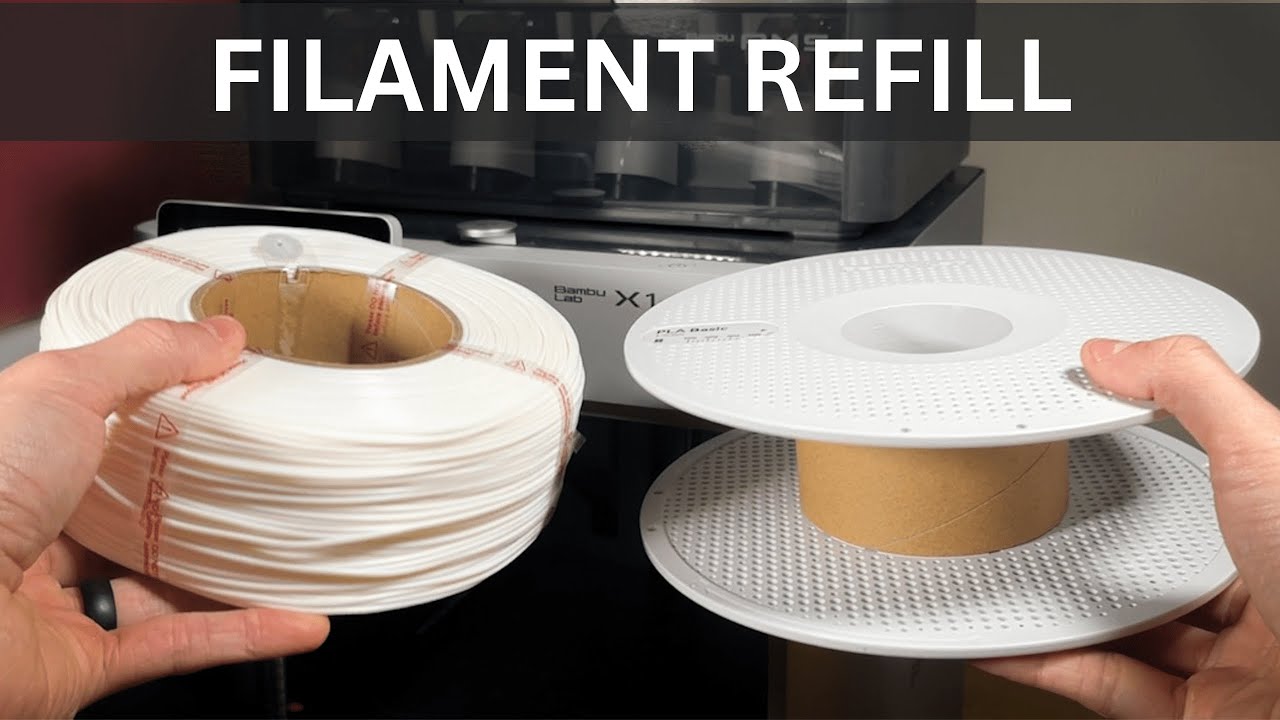
A full spool is the easiest choice for a first purchase because it is ready to mount. The Bambu Lab basic, matte, and silk listings generally specify a spool included, while MarsWork uses a quick-swap reusable spool. Bambu Lab Matte PLA Desert Tan is explicitly a refill, so it is best suited to someone who already has a compatible spool arrangement.
Check the physical dimensions when a holder or AMS compartment is tight. The listed dimensions vary across these products, and Silk+ Gold has a listed weight of 2.94 pounds compared with 2.2046 pounds for several standard Bambu Lab spools. The format on the product page matters more than assuming every 1kg roll occupies the same space.

Frequently asked questions
Can I use these filaments in a Bambu Lab printer?
The products are PLA filaments intended for Bambu Lab printers or compatible FDM printers. MarsWork's two products are specifically described as compatible with Bambu Lab printers and tuned for the Bambu Lab PLA Basic preset. Always confirm the printer and material profile before starting a long print.
Is RFID necessary for Bambu Lab filament?
No. RFID is a convenience, not a requirement for printing. Compatible Bambu Lab spools can let the AMS and Bambu Studio identify material information automatically, while MarsWork's products are intended to work through the Bambu Lab PLA Basic preset.
Which filament is easiest for a beginner?
Bambu Lab PLA Basic White is the most straightforward general-purpose choice because it combines standard PLA with a reusable spool and stated AMS and RFID support. MarsWork PLA Basic White is also beginner-friendly if you prefer a filament that is explicitly pre-dried and tuned for the Bambu Lab PLA Basic preset.
Should I choose matte or silk PLA?
Choose matte PLA when you want a low-glare surface that looks subdued and hides some reflections. Choose silk PLA when the print is decorative and you want a glossy, metallic-looking appearance. Bambu Lab PLA Silk+ Gold is the specialty option here, while the charcoal, scarlet, sunflower, and desert tan products use matte finishes.
What does the ±0.03 mm tolerance mean?
It describes the stated variation around the filament's 1.75 mm diameter. A smaller variation can help maintain steady feeding and extrusion, but it is only one part of print quality. No tolerance figure is provided for the MarsWork products in the supplied data.
Is the Desert Tan product a complete spool?
No. Bambu Lab Matte PLA Desert Tan is listed as a refill. It is intended for a compatible reusable spool setup, so it is not the best first roll for someone who has no spool ready.
Do I need to dry PLA before printing?
Not necessarily. MarsWork Red and White state that they are triple-dried and arrive below 0.3 percent moisture, while some Bambu Lab products are vacuum-sealed with desiccant. Once opened, store filament in a dry environment and pay attention to print behavior rather than assuming every spool remains dry indefinitely.

The bottom line
The Best best filament for bambu lab is Bambu Lab PLA Basic White for most owners. It combines a neutral everyday color, a reusable spool, a stated 1.75 mm diameter with ±0.03 mm accuracy, and RFID and AMS support. Bambu Lab Matte PLA Charcoal is the stronger alternative when you want a low-glare finish, while Bambu Lab PLA Silk+ Gold is the clear pick for decorative models that need shine.
Choose MarsWork PLA Basic White or MarsWork PLA Basic Red when pre-drying and the quick-swap spool matter more than automatic RFID recognition. If you already have a compatible spool, Bambu Lab Matte PLA Desert Tan is the neatest refill option.
If you are undecided, start with Bambu Lab PLA Basic White, then add a matte or silk spool once you know which surface your projects need.
As an Amazon Associate we earn from qualifying purchases.