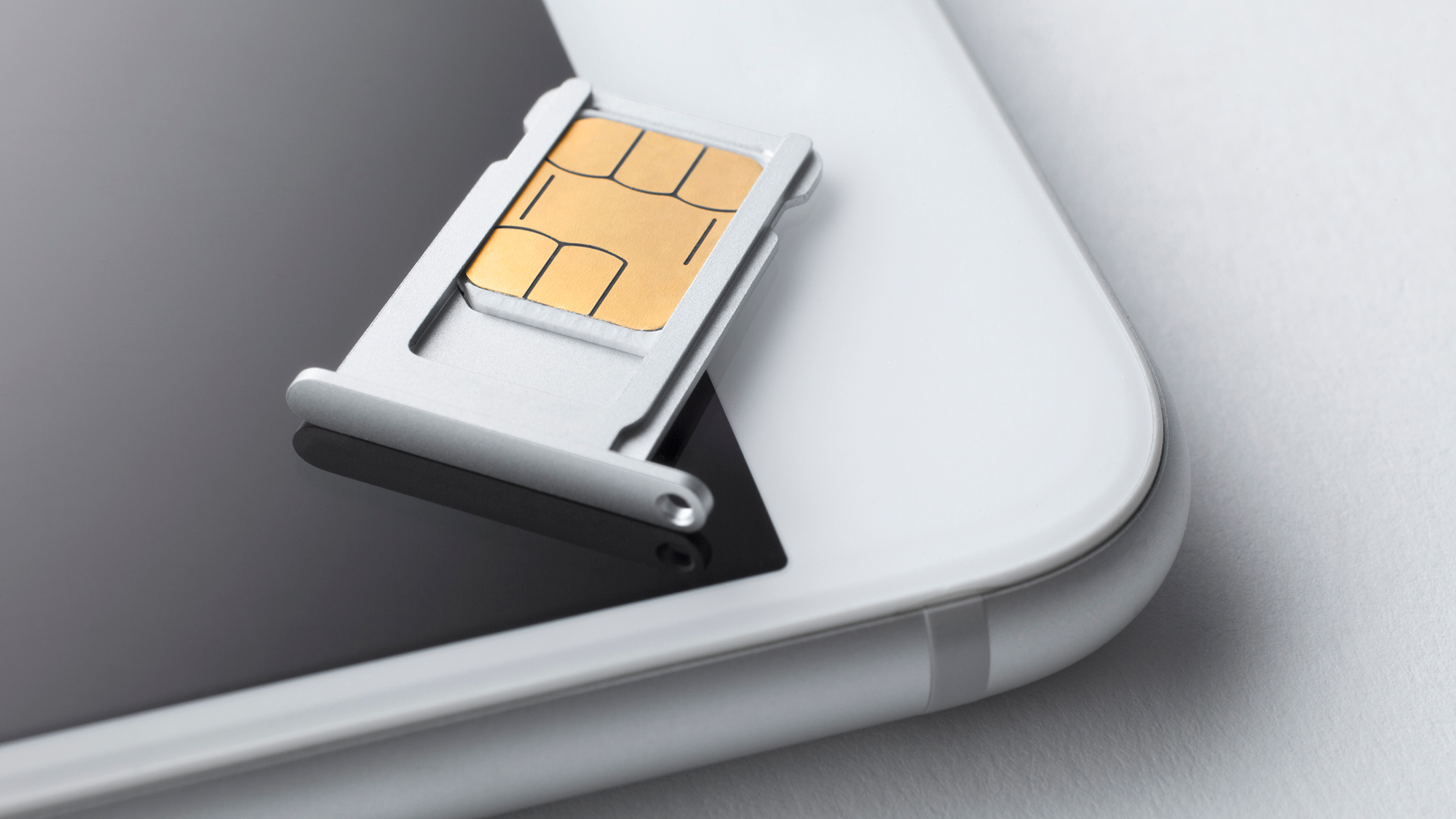

An unlocked phone is a device sold without software that ties it to a single carrier, so you can use it with any compatible network by swapping in a SIM card. That is the whole idea. The phone does not care which company you pay for service. You can move from T-Mobile to AT&T to a prepaid carrier like Mint Mobile in the time it takes to switch a card.
Carrier-locked phones, by contrast, are programmed to reject SIMs from other networks until the carrier chooses to unlock them, usually after a contract is paid off or a certain number of months pass. An unlocked phone skips that restriction entirely. You own the device, and the carrier you choose is just the provider of talk, text, and data.
The distinction matters most when you travel, when you want to switch carriers to get a better deal, or when you buy a phone secondhand and need to know whether it will work on your network. It also matters if you prefer to pay full price upfront and avoid long-term contracts.
How Carrier Locking Works
When a phone is locked, the carrier places a software restriction in the device's firmware that checks the SIM card at boot. If the SIM does not match the carrier's own network identifiers, the phone refuses to connect. This is not a hardware limitation. The radio hardware inside a locked phone is identical to that of an unlocked version of the same model. The difference is a single line of code.
Carriers lock phones to recoup the subsidy they provide when you buy a phone on a payment plan or at a discount with a two-year contract. If you walk out of a store with a $1, 000 phone for $400 down, the carrier wants to ensure you stay on their network long enough to pay back the remaining $600. The lock is their insurance.
In the United States, the four major carriers (Verizon, AT&T, T-Mobile, and the now-merged Sprint) have different policies about when they unlock a phone. Verizon has been required by FCC rules to sell its postpaid phones unlocked since a 2014 settlement, though there are exceptions for some prepaid models. AT&T and T-Mobile will unlock a phone once it is paid off and has been active on their network for a minimum period, usually 40 to 60 days. Prepaid phones often have longer lock periods, sometimes six months to a year.
The Two Kinds of Unlocked Phones
Not all unlocked phones are the same. The distinction matters when you are shopping.
Factory-unlocked phones are sold directly by the manufacturer (Apple, Samsung, Google) or by retailers like Best Buy and Amazon, with no carrier branding and no lock. They come with the manufacturer's stock software, receive updates directly from the maker, and work on any compatible network. This is the ideal scenario for most buyers.
Carrier-unlocked phones are phones that were originally locked to a carrier and later unlocked, either because the owner paid off the balance or because the carrier's policy allowed it after a waiting period. These phones may still have carrier branding, bloatware, or software quirks (like a Verizon boot screen or AT&T visual voicemail settings). They are functionally unlocked, but they may not receive software updates as quickly as factory-unlocked models, because the carrier still controls the update rollout.
There is also a third category: prepaid carrier phones that can be unlocked. A phone bought from Cricket, Metro, or Boost is usually locked to that prepaid brand for a set period (often six months of active service). After that, the carrier will unlock it. These phones are often cheaper upfront, but they may have less compatible band support or slower updates.
Compatibility: It Is Not Just the SIM
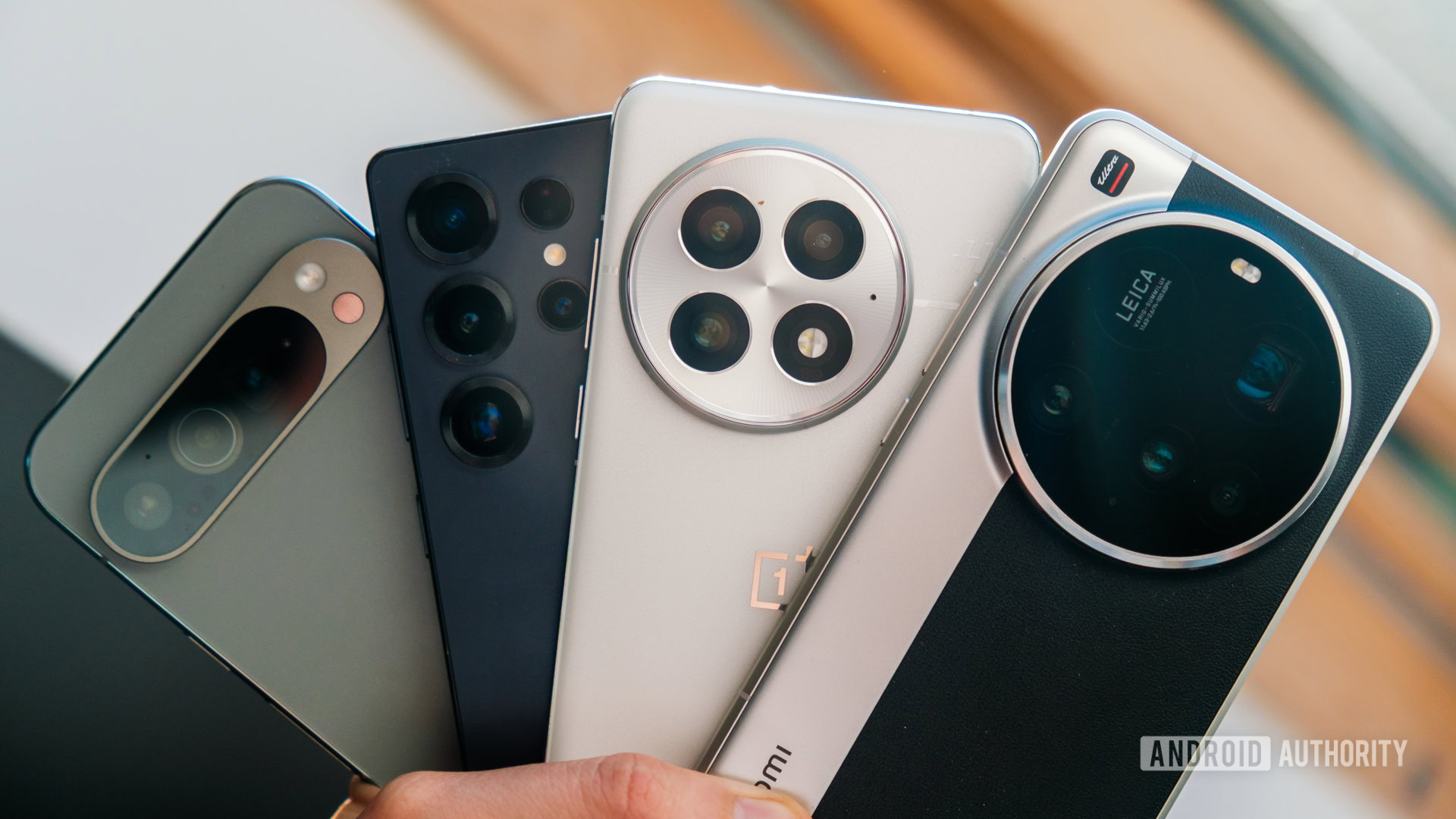
An unlocked phone will not automatically work on every carrier. You also need the right radio bands. Carriers in the US use different frequency bands for 4G LTE and 5G. A phone designed for AT&T may lack some of the low-band frequencies that T-Mobile uses for rural coverage, or vice versa.
The easiest way to check is to look up the phone's model number and compare it to the carrier's supported devices list. Apple makes this simple: all iPhone models since the iPhone XS have the same hardware globally, with a single model that supports all US carriers. Samsung and Google are nearly as consistent with their flagship phones, but budget and midrange models often have regional variants.
If you buy a phone that was sold in another country, even if it is unlocked, it may not support all the bands your US carrier needs. That is a common problem with phones imported from China or Europe. The phone will work on some networks but may have weak signal or no 4G in certain areas.
For a deeper dive into how this applies specifically to Apple's lineup, it is worth reading what distinguishes an unlocked iPhone from a carrier-locked one. The principles are the same, but iPhone unlocking has some quirks around eSIM and international models.
When Buying Unlocked Makes Sense
The clearest case for an unlocked phone is international travel. If you fly to Europe or Asia, you can buy a local prepaid SIM for a few dollars and get data at local rates instead of paying $10 per day for roaming. That alone can save a hundred dollars on a two-week trip.
The second case is carrier flexibility. If you are tired of your current provider's prices or coverage, an unlocked phone lets you switch to a prepaid carrier like Visible, Mint, or Google Fi without buying a new device. That freedom is valuable if you live in an area where one carrier has better coverage than another, or if you want to take advantage of a short-term promotional rate.
The third case is buying used or refurbished. Unlocked phones hold their value better on the secondary market because they appeal to a wider pool of buyers. If you buy an unlocked phone and later sell it, you will likely get more money back than you would from a carrier-locked model.
The fourth case is avoiding carrier bloatware. Factory-unlocked phones come with only the manufacturer's apps. No carrier-branded voicemail apps, no unnecessary game demos, no persistent notifications asking you to upgrade your plan. For some people that is a small benefit. For others it is the main reason to buy unlocked.
When a Carrier-Locked Phone Might Be Fine
Carrier-locked phones are not all bad. If you are happy with your current carrier and have no plans to switch, a locked phone from that carrier may be cheaper upfront because of subsidies or installment plans. The lock is invisible to you as long as you stay. You also get carrier-specific features like Wi-Fi calling and visual voicemail that sometimes work better on locked phones because the carrier has tested them more thoroughly.
The risk is that your needs change. If you lose your job and want to switch to a cheaper prepaid plan, a locked phone becomes an obstacle. If you move to an area where your carrier has poor coverage, you are stuck until the phone is unlocked. And if you want to sell the phone early, a locked phone is worth less to a buyer who uses a different carrier.
For many people, the flexibility of an unlocked phone outweighs the upfront savings of a locked one. But if you are certain you will stay with the same carrier for the next two or three years, a locked phone from that carrier can be a reasonable choice.
How to Tell If a Phone Is Unlocked
If you are buying a phone from a private seller or a refurbisher, you need to verify that it is really unlocked. There are a few ways to do this.
For an iPhone, go to Settings > General > About and look for "Carrier Lock." It will say "No SIM restrictions" if the phone is unlocked. If it says something else, the phone is locked.
For Android phones, the method varies by manufacturer. On a Samsung phone, dial *#7465625# and look for "Network lock." On a Google Pixel, go to Settings > Network & internet > SIMs and check for an option to "Unlock network." If you cannot find the setting, insert a SIM from a different carrier and see if the phone connects. If it does not, the phone is locked.
You can also check the IMEI number online through services like the CTIA's Stolen Phone Checker or carrier-specific unlock status pages. Be cautious with third-party IMEI checkers that ask for payment. The carrier's own tool is free and reliable.
The Honest Limitation Marketing Leaves Out
Unlocked phones are not always the best choice for everyone, and the marketing around them tends to oversell the simplicity. Here is the trade-off that often goes unmentioned.
First, unlocked phones from smaller brands may have poor carrier support. If you buy an unlocked phone from a company that does not have a relationship with US carriers, you may not get Wi-Fi calling, video calling over the carrier network, or even visual voicemail. These features depend on carrier-side configuration that the carrier only provides for phones it has certified. An unlocked phone that is not on the carrier's whitelist will work for basic calls and data, but the extras may not function.
Second, unlocked phones do not get carrier promotions. If AT&T offers a "buy one get one free" deal on a locked phone, you cannot take advantage of that with an unlocked phone you already own. Carrier deals are designed to lock you in, and unlocked phone buyers are not the target audience.
Third, unlocked phones sometimes cost more upfront. You pay the full retail price, which can be several hundred dollars more than the subsidized price of a locked phone. Over two years, the total cost may be similar if you factor in the savings from a cheaper prepaid plan, but the upfront sticker shock is real.
What About Prepaid and Burner Phones?
Many prepaid phones sold at drugstores and big-box retailers are locked to the prepaid brand. A phone from Tracfone, Straight Talk, or Boost is not unlocked out of the box. However, these phones can often be unlocked after a period of active service, typically six months to a year. After that, they become usable on other carriers, though they may have limited band support.
If you need a phone specifically for short-term use or privacy, an unlocked prepaid phone is a good option. The concept of a burner phone is closely related, and how a burner phone differs from a standard unlocked phone can help clarify the choice.
Unlocked Phones and Seniors
Seniors often benefit from unlocked phones because they are more likely to switch to a low-cost prepaid plan or to use a phone that a family member passes down. An unlocked phone also makes it easier to move to a carrier with better coverage in a retirement area. If you are buying a phone for an older relative, an unlocked model gives them the freedom to choose the plan that fits their usage, whether that is a minimal talk-and-text plan or a data-heavy one.
Choosing a phone that is easy to use is also important, and the best options for seniors often come unlocked, though not always. The same advice about checking carrier compatibility applies.
FAQ
Can I use an unlocked phone with any carrier?
Not quite. You can use it with any carrier whose network technology and frequency bands the phone supports. In the US, most unlocked phones work on AT&T, T-Mobile, and their MVNOs, but Verizon's CDMA legacy and newer 5G bands require specific compatibility. Check the phone's specs against the carrier's supported bands before buying.
Will an unlocked phone get software updates faster?
Usually yes, if it is a factory-unlocked model from a manufacturer like Google or Apple. Carrier-unlocked phones may still be subject to the original carrier's update schedule, which can be slower. Factory-unlocked phones receive updates directly from the maker.
Is it legal to unlock a phone?
Yes, in the United States. The Unlocking Consumer Choice and Wireless Competition Act of 2014 made it legal for consumers to unlock their phones, and carriers are required to unlock phones upon request once the device is paid off and any contractual obligations are met. Unlocking a phone yourself through third-party services is legal, but it may void the warranty.
Does an unlocked phone work with eSIM?
Yes, most modern unlocked phones support eSIM. An eSIM is a digital SIM that you can activate remotely. Unlocked phones with eSIM are especially useful for travel, because you can add a local data plan without needing a physical SIM card.
Can I buy an unlocked phone on Amazon?
Yes, Amazon sells many factory-unlocked phones from major brands like Samsung, Apple, Google, and Motorola. Be careful to buy from the manufacturer's official store or a reputable seller to avoid counterfeit or region-locked devices. Read the product description carefully for "unlocked" and "US version" to ensure compatibility.