
An unlocked iPhone is one that is not tied to any single cellular carrier. You can insert a SIM card from any compatible provider and use it immediately, without asking permission or paying off a contract. That is the whole idea: freedom to switch carriers, use local SIMs when traveling, and sell the phone without restrictions.
Most iPhones sold by Apple directly (from its website or retail stores) are unlocked. Phones sold through carriers like Verizon, AT&T, or T-Mobile are often locked to that network until the device is paid off or a certain period passes. Unlocked models skip that waiting game.
How Carrier Locking Works
When you buy an iPhone on a payment plan from a carrier, the carrier locks the phone to its network. This is a software restriction that prevents the phone from accepting a SIM from another carrier. The lock stays in place until you meet the carrier's conditions, usually paying off the full retail price or completing a set number of months of service.
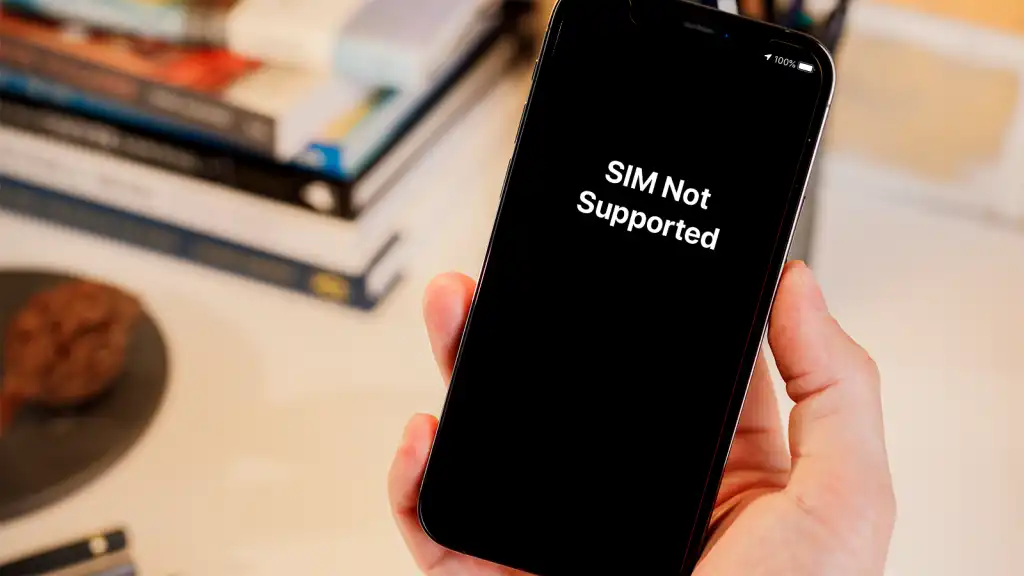
A locked iPhone will still work perfectly on that carrier's network. It can make calls, use data, and receive updates. It just cannot roam onto another provider's network. If you try to insert a different SIM, the phone will display an error message.
Carriers use locking to protect their subsidies. They sell you the phone at a discount (or on installments) and want to ensure you stay with them long enough to recoup that cost. Once you fulfill the terms, you can request an unlock. The carrier pushes a software update that removes the restriction, and the phone becomes unlocked.
What Makes an iPhone Unlocked
An unlocked iPhone has no such restriction from the start. It comes with the same hardware and software as a locked model, but the SIM lock flag is set to off. You can swap carriers as often as you like, provided the phone supports the necessary frequencies.
There are two types of unlocked iPhones:
- Factory unlocked: Sold directly by Apple or authorized resellers. These are unlocked from the factory and never had a carrier lock. They are the most flexible option.
- Carrier unlocked: A phone that was originally locked but later unlocked by the carrier after meeting the terms. Functionally identical to a factory unlocked phone, but the process to get it unlocked can take days or weeks.
Both behave the same once unlocked. The difference is only in how you acquire them.
Why Buy an Unlocked iPhone?
The main reason is flexibility. With an unlocked iPhone, you are not stuck with one carrier. If you move to an area where another provider has better coverage, or if a better plan appears, you can switch without buying a new phone. You can also take advantage of prepaid plans that often cost less than postpaid contracts.
Travelers benefit especially. Instead of paying international roaming fees, you can buy a local prepaid SIM at your destination and pop it in. The phone works as if you bought it there. Some newer iPhones support eSIM, which makes this even easier: you can download a local carrier's profile without handling a physical card.
Resale value is higher. An unlocked iPhone appeals to more buyers, since it works on any network. A locked phone is only useful to someone on that carrier. That limits the pool of potential buyers and typically lowers the price you can ask.
You also avoid the hassle of requesting an unlock later. If you ever need to switch carriers quickly, a locked phone can be a roadblock. Unlocked means you control the timeline.
What You Give Up
Buying an unlocked iPhone usually means paying full retail price upfront. Carriers often subsidize locked phones or offer them on zero-interest installment plans. With an unlocked phone, you pay the full cost at once, or you finance through Apple's own program (which still requires a credit check and monthly payments, but without a carrier lock).
Some carrier-specific features may not work on an unlocked iPhone. For example, Wi-Fi calling and visual voicemail can be carrier-dependent, though most modern iPhones support these features across multiple carriers. The phone will still handle calls and texts fine, but advanced services like 5G standalone or carrier-branded apps might behave differently.
Not all unlocked iPhones support all carriers equally. The iPhone models sold in the US use different cellular bands than those sold in other regions. A US unlocked iPhone will work on most US carriers, but an unlocked iPhone bought overseas might lack support for certain LTE or 5G bands used in the US. Always check the model number against the carrier's compatibility list before buying.
How to Check if an iPhone Is Unlocked
If you have an iPhone in hand, you can check its lock status in a few seconds.
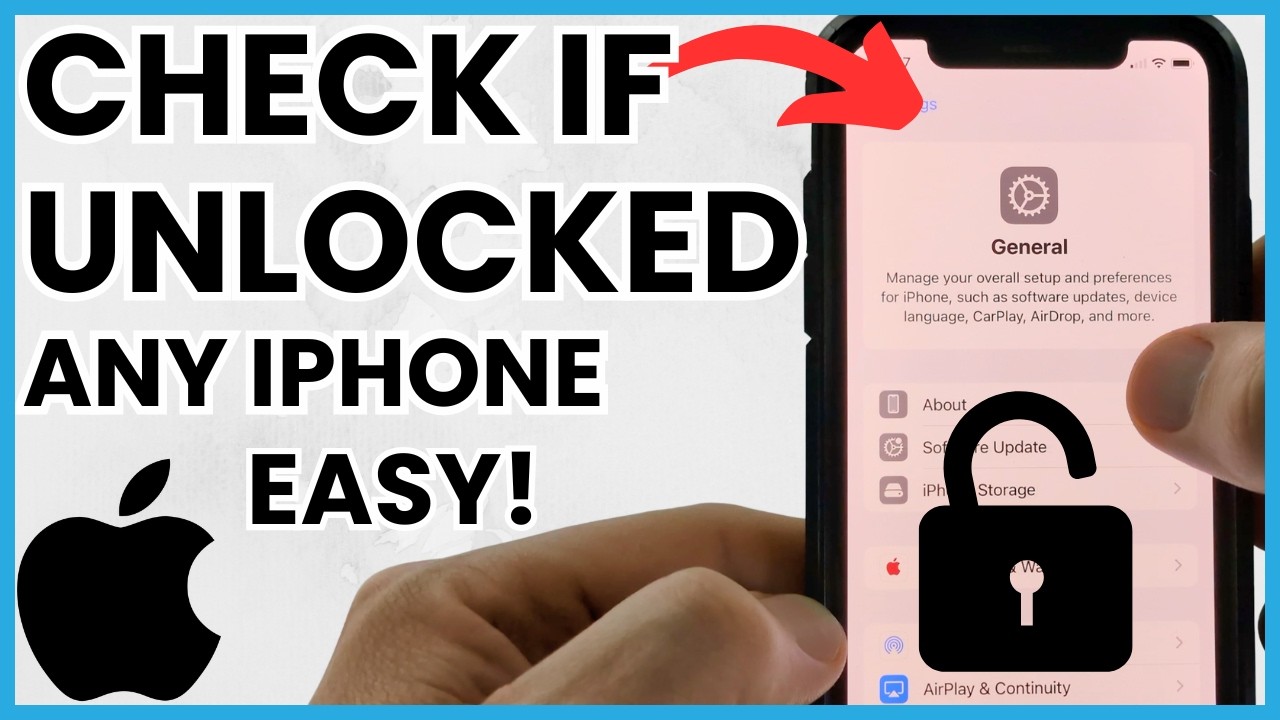
- Go to Settings > General > About.
- Look for Carrier Lock (or SIM Lock). If it says "No SIM restrictions, " the phone is unlocked.
- If it says "SIM locked, " the phone is tied to a carrier.
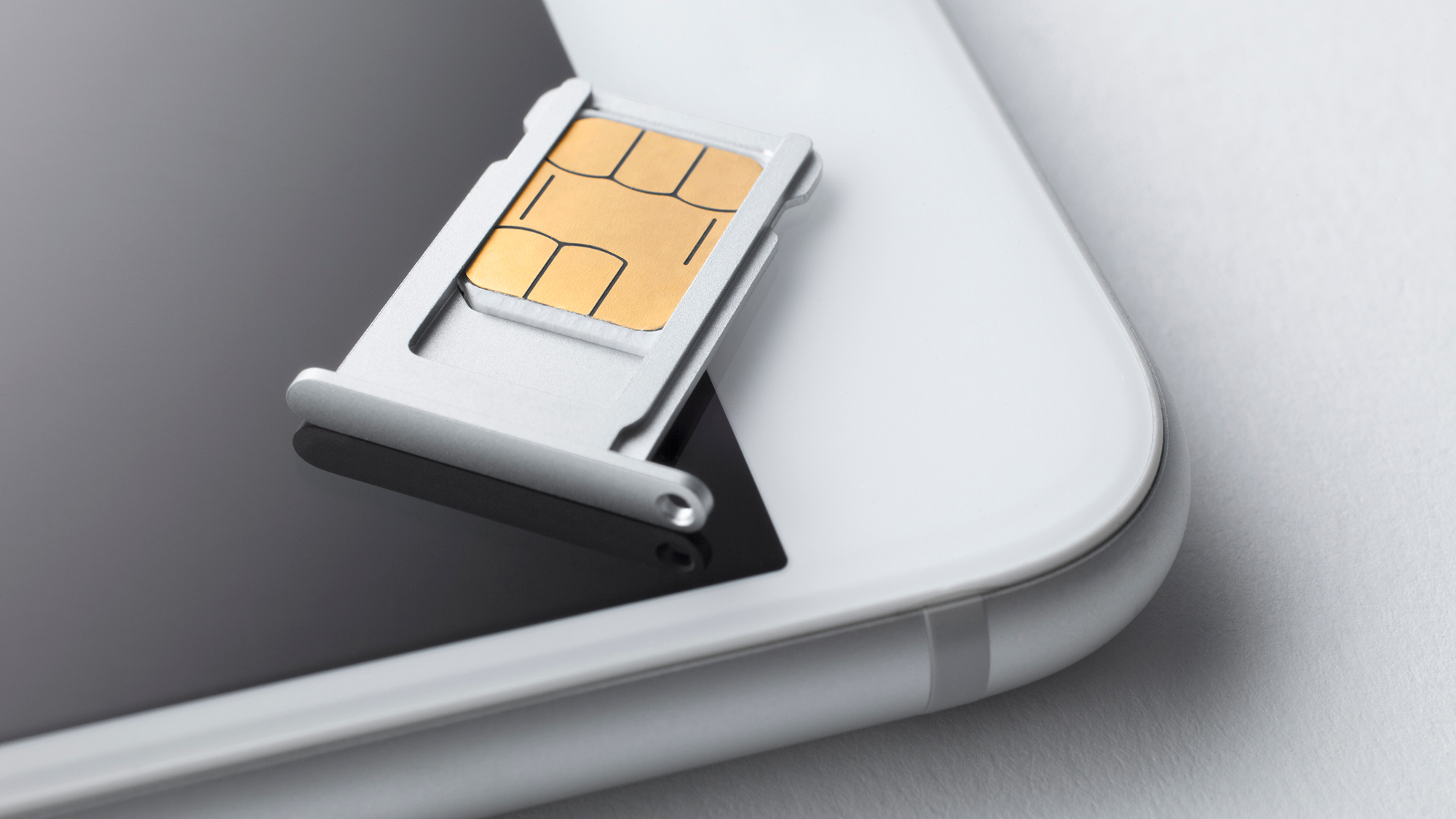
You can also try inserting a SIM from a different carrier. If the phone activates and shows signal, it is unlocked. If it asks for an unlock code or displays "Invalid SIM, " it is locked.
Unlocked iPhone vs. Prepaid iPhone
Prepaid iPhones sold by carriers like Cricket or Metro are often locked to that prepaid network for a period of time. They are not the same as unlocked. A prepaid phone may be cheaper upfront but still has a lock that prevents you from switching. Only after a certain number of months (often 6 to 12) can you request an unlock. The phone itself is identical hardware, but the lock is real.
If you buy a prepaid iPhone with the intention of using it on another carrier immediately, you may be disappointed. Always check the lock policy before buying.

When an Unlocked iPhone Makes Sense
For most people who can afford the upfront cost, an unlocked iPhone is the better long-term choice. You keep the flexibility to switch carriers, travel with ease, and sell the phone later. The only reason to buy a locked phone is if you need the installment plan or a promotional discount that requires a contract.
If you are a heavy international traveler, the case for unlocked is even stronger. The ability to use local SIMs saves significant money on roaming. For that purpose, an unlocked iPhone is essentially a travel phone. Some people keep a secondary unlocked phone just for trips, which is the kind of phone you might use as a travel device, similar to what a burner phone is used for.
If you use your iPhone for professional audio work, the unlocked nature also matters because you can pair it with external gear like audio interfaces. That setup works best when you have full control over the device, which an unlocked phone provides. For more on that, see how to connect professional audio gear to an iPhone.
And if you ever need to share data with a laptop or desktop, an unlocked iPhone can tether to any computer without carrier restrictions. That flexibility is covered in our guide to phones that connect to a computer.
The Bottom Line
An unlocked iPhone is simply a phone without a carrier lock. It costs more upfront but gives you freedom to choose any carrier, travel without roaming fees, and sell it for a better price. For most buyers, that trade-off is worth it. The only exception is when a carrier's installment plan or promotional discount makes a locked phone the only affordable option. In that case, plan to request the unlock as soon as you are eligible.
Frequently Asked Questions
Does an unlocked iPhone work with any carrier?
It works with any carrier that uses the same cellular technology (GSM or CDMA, depending on the model). Most modern iPhones support both, so they work on all major US carriers. However, some regional carriers or international networks may not have full compatibility. Always check the specific model's band support.
Can I buy an unlocked iPhone directly from Apple?
Yes. Apple sells unlocked iPhones on its website and in its retail stores. You can choose the "SIM-free" option, which means no carrier tie-in. The phone arrives unlocked and ready for any compatible SIM.
How do I unlock an iPhone that is currently locked?
You must contact the carrier that locked it. They will typically unlock it if you have paid off the device in full and met their terms. The process can take a few days. Once unlocked, the phone will show "No SIM restrictions" in Settings.
Is an unlocked iPhone more expensive?
The upfront price is the same as the full retail price of a locked phone. Carriers often hide the full cost by spreading it over installments. An unlocked phone requires paying that full amount at once, unless you use Apple's financing, which still has monthly payments but no carrier lock.
Will an unlocked iPhone get software updates?
Yes. All iPhones, locked or unlocked, receive the same iOS updates directly from Apple at the same time. Carrier locks do not affect software updates.