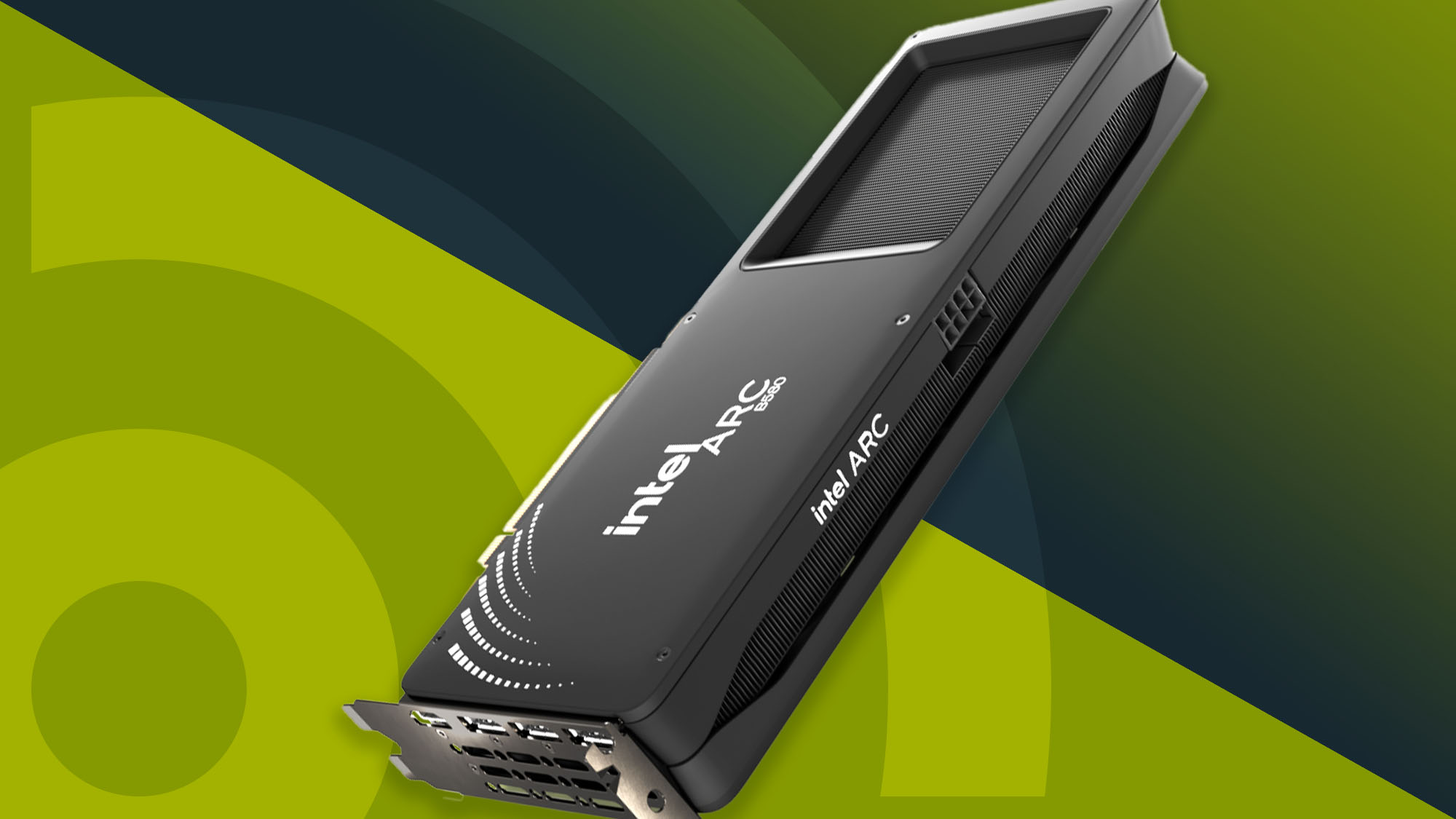

A graphics card can transform an aging desktop, but the wrong upgrade can leave you with a card that is too long for the case, too weak for modern games, or short on memory from day one. The sensible shortlist needs to separate basic display hardware from cards built for current gaming.
Our Best best budget gpu picks range from the tiny MSI GT 1030 4GD4 to powerful 16GB Radeon cards. The ASUS RTX 5060 Dual is the best starting point for most buyers, while the Radeon options make more sense for shoppers who need extra memory and stronger high-resolution capability.
Comparison table
| # | Product | Award | Memory | Interface | Cooling or size | Best for |
|---|---|---|---|---|---|---|
| 1 | ASUS RTX 5060 Dual | Best overall | 8GB GDDR7 | PCIe 5.0 | 2.5-slot, dual fan | Modern 1080p and 1440p gaming |
| 2 | XFX RX 9060 XT Swift | Best 16GB option | 16GB GDDR6 | Not stated | Triple fan | High-refresh gaming with extra VRAM |
| 3 | ASUS RX 9060 XT Dual | Best quiet Radeon | 16GB GDDR6 | PCIe 5.0 | 2.5-slot, dual fan | Quiet, compact Radeon builds |
| 4 | Gigabyte RX 9060 XT ICE | Best feature-rich Radeon | 16GB GDDR6 | PCIe 5.0 | 2-slot, Hawk fans | White builds and flexible tuning |
| 5 | ASUS RTX 3050 Dual | Best compact Nvidia card | 6GB GDDR6 | PCIe 4.0 | 2-slot, dual fan | Smaller cases and 1080p play |
| 6 | MSI RTX 3050 Ventus | Best straightforward RTX 3050 | 6GB GDDR6 | Not stated | Dual fan | Conventional gaming desktops |
| 7 | Gigabyte RTX 3050 Windforce | Best light RTX 3050 | 6GB GDDR6 | Not stated | Dual fan | Easy upgrades |
| 8 | Gigabyte RX 9070 XT | Best performance pick | 16GB GDDR6 | PCIe 5.0 | WINDFORCE, Hawk fan | Demanding 1440p and 4K play |
| 9 | MOUGOL RX 580 | Best legacy upgrade | 8GB GDDR5 | PCIe 3.0 x16 | Dual fan | Older desktops and light gaming |
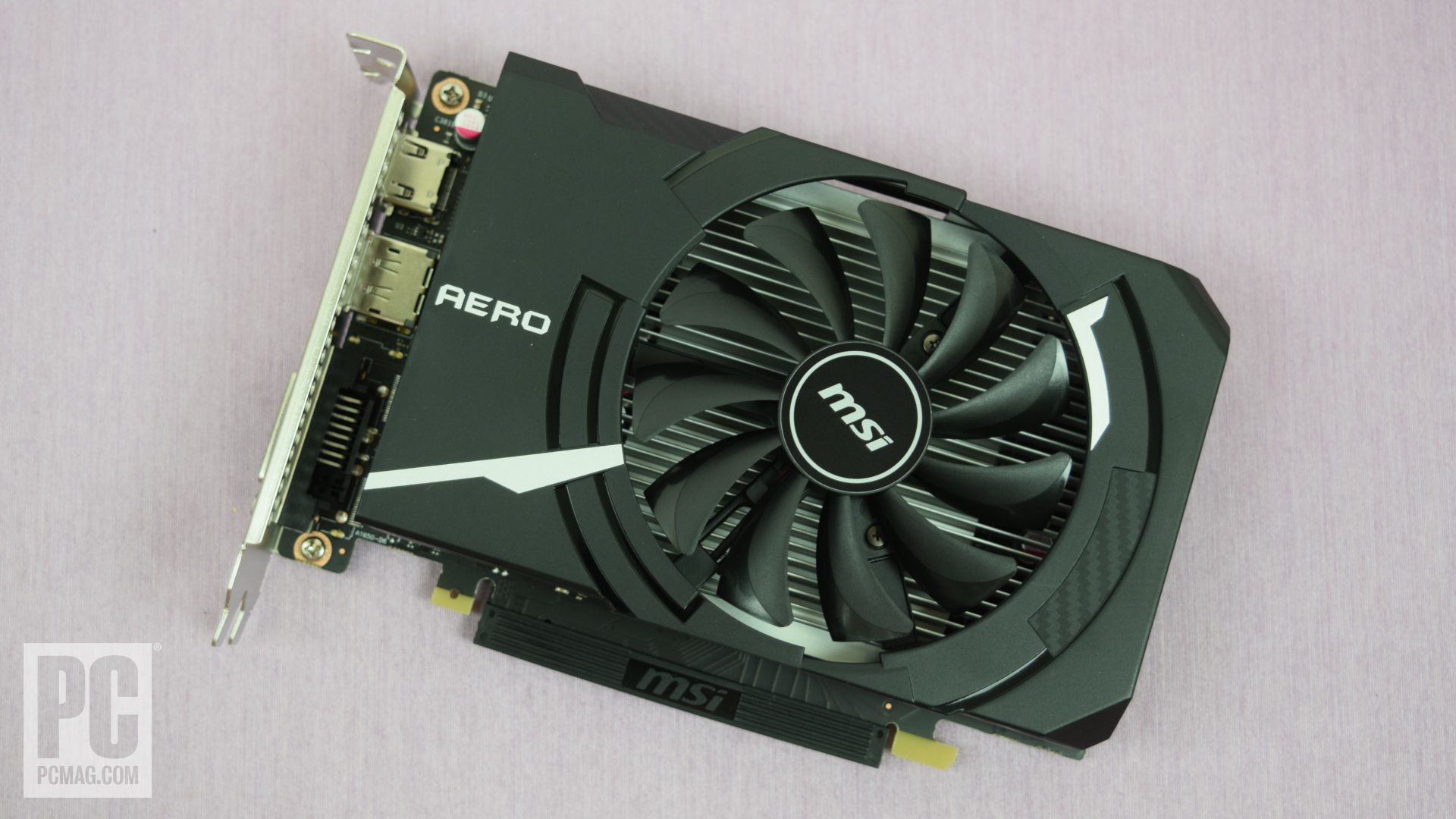
| 10 | MSI GT 1030 4GD4 | Best basic display card | 4GB DDR4 | Not stated | Single fan | Office PCs and simple displays |
1. ASUS RTX 5060 Dual: Best Overall

Pros
- Blackwell architecture with DLSS 4
- 8GB of newer GDDR7 memory
- Compact 9-inch length
- 0dB fan design
- 3-year warranty
Cons
- 2.5-slot thickness needs careful case planning
- Less memory than the 16GB Radeon alternatives
Best for: a current gaming PC that needs strong features without moving to a large, heavy card.
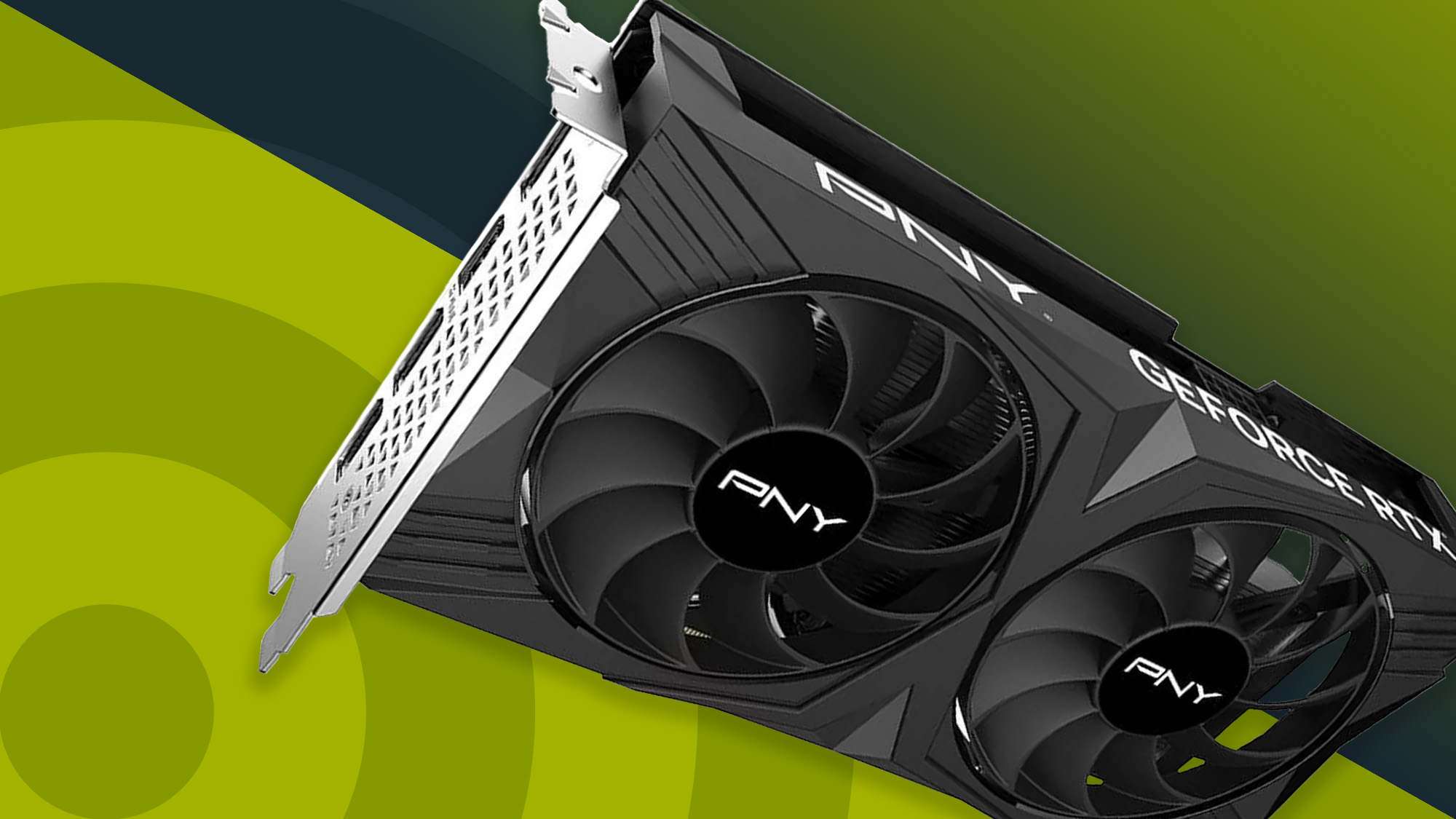
The ASUS RTX 5060 Dual is the card we'd put in the broadest range of new gaming builds. It feels current rather than merely adequate, with NVIDIA's Blackwell architecture, DLSS 4, and 8GB of GDDR7. That combination gives it a more convincing foundation for modern games than the older RTX 3050 cards below it.
The clock speeds are also clearly specified: 2, 565 MHz in OC mode and 2, 535 MHz in the default mode. That is a useful distinction for builders who want a little extra performance without manually tuning the card. Its listed 623 AI TOPS figure points to the processing headroom behind its newer AI features, although that number alone is not a substitute for game testing.
Physically, this card is manageable at 9 inches long, 4.8 inches wide, and 2 inches high. The 2.5-slot design still occupies more space than the ASUS RTX 3050 Dual, but it remains a practical fit for many mid-size cases. The Axial-tech fans use a smaller hub and longer blades to push air downward, while 0dB technology allows the fans to stop during light workloads.
Its main limitation is the 8GB memory capacity. The 16GB XFX RX 9060 XT Swift and ASUS RX 9060 XT Dual give demanding games more room, particularly at higher resolutions or with large texture settings. The ASUS RTX 5060 Dual remains the more balanced Nvidia pick for a new system, but skip it if your priority is maximum VRAM longevity rather than current feature support.
2. XFX RX 9060 XT Swift: Best 16GB Option

Pros
- 16GB of GDDR6 memory
- Triple-fan cooling
- Boost clock up to 3, 320 MHz
- RDNA 4 architecture
- HDMI and two DisplayPort outputs
Cons
- Long 11.4-inch card
- Triple-fan cooler needs substantial case room
- Power requirements are not stated
Best for: a gaming build that needs a large memory buffer and sustained cooling for demanding sessions.
The XFX RX 9060 XT Swift takes a different approach from the ASUS RTX 5060 Dual. It gives up some physical simplicity in exchange for 16GB of GDDR6 and a triple-fan cooling system. That extra memory is the detail to focus on if you keep texture settings high, use a high-resolution display, or want more breathing room from a new gaming card.
XFX lists a boost clock up to 3, 320 MHz, which gives this model a high ceiling on paper. The card uses AMD's RX 9060 XT chipset and the RDNA 4 platform. There are HDMI and two DisplayPort connections, enough for a multi-display desktop without relying on adapters.
The trade-off is obvious when you look at the dimensions. It measures about 11.4 inches long and 4.9 inches wide, so it belongs in a case with generous graphics-card clearance. The triple-fan cooler should have an easier time spreading heat than a compact dual-fan design, but it also makes the card a poor match for small prebuilt systems.
Compared with the ASUS RX 9060 XT Dual, the XFX is the more aggressive cooling design. The ASUS is easier to accommodate, while the XFX makes a stronger case for long gaming sessions in a roomy chassis. Readers assembling a complete system should also check the processor and case together, since matching a graphics card with the rest of a gaming desktop avoids creating a lopsided build. Choose this one when 16GB and cooling capacity matter more than compact dimensions.
3. ASUS RX 9060 XT Dual: Best Quiet Radeon

Pros
- 16GB GDDR6 memory
- PCIe 5.0 support
- 0dB technology for quiet light use
- Quiet and Performance BIOS profiles
- Dual ball fan bearings
Cons
- 2.5-slot design
- No boost clock is listed
- Smaller cooler than the triple-fan XFX model
Best for: a Radeon-based desktop where quiet idle behavior and a moderate card length matter.
The ASUS RX 9060 XT Dual is the sensible counterpoint to the larger XFX card. It still carries 16GB of GDDR6 and uses PCIe 5.0, but its 8-inch length is much easier to work into a crowded desktop. For a builder who wants current Radeon memory capacity without a huge triple-fan board, this is one of the most attractive options here.
ASUS gives this card HDMI 2.1b and DisplayPort 2.1a outputs, which suits modern high-refresh displays. The 2.5-slot design leaves more room for cooling than a thin two-slot board, though it can still crowd the neighboring expansion slot. Check the motherboard layout before buying if you use a capture card, sound card, or other add-in board.
The cooling controls are unusually useful for a card in this class. 0dB technology lets the fans stop during light gaming and desktop work, while the Dual BIOS switch provides Quiet and Performance profiles. Dual ball fan bearings are listed as lasting up to twice as long as sleeve-bearing designs, which speaks to the hardware's intended durability rather than raw frame rate.
The XFX RX 9060 XT Swift has the stronger cooling arrangement, and the Gigabyte RX 9060 XT ICE adds a two-slot profile plus a reinforced structure. The ASUS wins on compactness within this trio, but it is not truly small because of its 2.5-slot thickness. It suits buyers who care about quiet everyday behavior and want the graphics memory needed for demanding games without stepping up to an oversized cooler.
4. Gigabyte RX 9060 XT ICE: Best Feature-Rich Radeon

Pros
- 16GB GDDR6 with a 128-bit interface
- Two-slot design
- PCIe 5.0 and modern display outputs
- Performance and Silent Dual BIOS
- Reinforced metal backplate
Cons
- 11.1-inch length
- White design may not suit every build
- RGB software adds another control utility
Best for: a spacious white PC build that benefits from a two-slot card and flexible cooling profiles.
The Gigabyte RX 9060 XT ICE is not simply a pale version of the other Radeon cards. Its two-slot design is useful when expansion space matters, and its 16GB GDDR6 memory runs across a 128-bit interface. The card is 11.1 inches long, so it needs a roomy case front to back, but its thickness is easier to manage than the ASUS model's 2.5-slot build.
Gigabyte includes HDMI 2.1b and DisplayPort 2.1a connectivity, along with PCIe 5.0 support. Those ports make sense for a display setup that may move to a high-refresh panel later. The 16.7 million customizable RGB colors are controlled through Gigabyte Control Center, giving builders a way to coordinate lighting, though buyers who prefer a clean software setup may leave the lighting off.
The WINDFORCE cooler uses Hawk fans with alternate spinning, composite copper heat pipes, a copper plate, and server-grade thermal conductive gel. That is a more elaborate cooling package than the basic RTX 3050 models in this roundup. Gigabyte also adds a reinforced metal backplate with a bent edge and a Performance or Silent BIOS switch.
The ASUS RX 9060 XT Dual is shorter and has a more compact footprint, while the XFX RX 9060 XT Swift is the more overtly heavy-duty triple-fan design. This Gigabyte model sits between those priorities, pairing 16GB with a two-slot profile and a strong feature set. Its weakness is length, not capability, so skip it for a compact case and choose it for a spacious white build that can use its visual design.
5. ASUS RTX 3050 Dual: Best Compact Nvidia Card

Pros
- Compact 7.9-inch length
- Two-slot design
- Axial-tech dual-fan cooling
- HDMI 2.1 and DisplayPort 1.4a
- 3-year warranty
Cons
- 6GB memory limits demanding settings
- Older Ampere architecture
- Less capable than the RTX 5060
Best for: a smaller desktop that needs Nvidia features and a card with straightforward physical compatibility.
The ASUS RTX 3050 Dual is the easiest RTX card here to recommend for a space-constrained upgrade. It measures 7.9 inches long, 4.7 inches wide, and 1.5 inches high, and the two-slot design leaves more room around the card than the newer ASUS RTX 5060 Dual. That matters in compact cases where a larger cooler can block a drive cage or expansion slot.
Its 6GB of GDDR6 is enough for a sensible 1080p target, but it is not generous. The card uses NVIDIA Ampere streaming multiprocessors, second-generation RT cores, and third-generation Tensor cores. Those features bring ray tracing and DLSS support to a modest system, though the newer RTX 5060 has a much stronger platform and more modern memory.
The Axial-tech fan design uses a smaller hub, longer blades, and a barrier ring to increase downward air pressure. ASUS also highlights the balance between cooling efficiency and compatibility in this two-slot design. HDMI 2.1 and DisplayPort 1.4a outputs cover the needs of a conventional gaming monitor setup.
The MSI RTX 3050 Ventus is another 6GB RTX 3050, but its listed 7.4-inch length is shorter, while the Gigabyte RTX 3050 Windforce uses two fans and weighs less. The ASUS stands out for its clearly described two-slot construction and steel bracket. It is a good fit for a compact 1080p PC, but buyers planning to keep the card through increasingly demanding games should move to the RTX 5060 or a 16GB Radeon.
6. MSI RTX 3050 Ventus: Best Straightforward RTX 3050

Pros
- 6GB GDDR6 memory
- 14 Gbps memory speed
- Compact 7.4-inch length
- Dual-fan Ventus design
- Two HDMI 2.1a outputs
Cons
- 96-bit memory interface
- Boost clock is listed at 1, 492 MHz
- Older RTX 3050 platform
Best for: a conventional desktop upgrade where a short dual-fan card and familiar Nvidia features are the priority.
The MSI RTX 3050 Ventus is a plainspoken card with useful information right in its specification: 6GB of GDDR6, a 14 Gbps memory speed, a 96-bit interface, and a listed boost clock of 1, 492 MHz. It does not try to be a high-end part. Its appeal is that it gives an older desktop a recognizable RTX feature set in a relatively short package.
At 7.4 inches long and 4.3 inches wide, it is a little shorter than the ASUS RTX 3050 Dual. MSI pairs the GPU with a dual-fan cooler, which is a better fit for sustained gaming than the single-fan approach used by the GT 1030. The listed outputs include one DisplayPort 1.4a and two HDMI 2.1a connections, a handy arrangement for a system that drives multiple HDMI displays.
The 96-bit interface and 6GB capacity define the limits here. This is a card for sensible 1080p settings, not a foundation for pushing ultra textures at a higher resolution. Its Ampere architecture still brings the relevant RT and Tensor core features, but the RTX 5060 Dual is a substantial step forward in generation and memory technology.
The ASUS RTX 3050 Dual is the better choice when a full two-slot specification and a steel bracket matter, while the Gigabyte RTX 3050 Windforce is lighter. MSI wins on its short footprint and dual HDMI outputs. It is a practical pick for a straightforward upgrade, provided the buyer accepts that its memory ceiling will arrive sooner than the 16GB Radeon cards.
7. Gigabyte RTX 3050 Windforce: Best Light RTX 3050

Pros
- Dual WINDFORCE fans
- 6GB GDDR6 memory
- 0.88-pound listed weight
- Ampere RT and Tensor cores
- 7.5-inch length
Cons
- 96-bit memory interface
- No specific clock speed is listed
- RTX 3050 performance is modest for newer games
Best for: an uncomplicated 1080p upgrade that needs a light, short dual-fan card.
The Gigabyte RTX 3050 Windforce is the least physically imposing of the conventional dual-fan RTX cards here. It measures 7.5 inches long, 4.4 inches wide, and has a listed weight of 0.88 pounds. That combination makes it an appealing choice for a desktop where support brackets, case depth, or a crowded interior are concerns.
Its core specification is familiar: 6GB of GDDR6 connected through a 96-bit memory interface. Gigabyte does not list a specific boost clock in the supplied details, so there is no reason to treat it as a speed-focused alternative to the MSI model. The important capability is the RTX 3050 platform itself, with Ampere streaming multiprocessors, second-generation RT cores, and third-generation Tensor cores.
The two WINDFORCE fans are a meaningful step above a basic single-fan card. They should spread cooling work across the heatsink rather than concentrating it in one small blower, which is useful during longer gaming sessions. Still, the 6GB memory ceiling makes this a better 1080p card than a forward-looking high-resolution choice.
The MSI RTX 3050 Ventus is shorter and advertises a 14 Gbps memory speed, while the ASUS RTX 3050 Dual offers a clearly stated two-slot design and a steel bracket. Gigabyte's advantage is its light weight and simple dual-fan layout. It belongs on the shortlist for an older or lighter desktop, but it is not the card to buy if you are planning around demanding new releases for years.
8. Gigabyte RX 9070 XT: Best Performance Pick

Pros
- 16GB GDDR6 memory
- PCIe 5.0 support
- WINDFORCE cooling system
- Hawk fan and thermal gel
- RGB lighting
Cons
- Large 11.34-inch card
- Nearly 4 pounds listed weight
- More card than a basic 1080p build needs
Best for: demanding 1440p gaming, high settings, and buyers who want the strongest card in this group.
The Gigabyte RX 9070 XT is the outlier in a roundup otherwise dominated by entry and midrange boards. It is the card to choose when “budget” describes the rest of the build but the GPU still needs to handle demanding 1440p gaming. The RX 9070 XT chipset and 16GB of GDDR6 give it a much higher ceiling than any of the RTX 3050 models.
PCIe 5.0 support keeps the platform current, while the WINDFORCE cooling system is built for a serious thermal load. Gigabyte lists a Hawk fan and server-grade thermal conductive gel, along with RGB lighting. Those details do not guarantee a particular frame rate, but they show that this is designed as a substantial gaming component rather than a small office upgrade.
The size is the part buyers must not overlook. It measures 11.34 inches long, 5.2 inches wide, and 2.2 inches high, with a listed weight of nearly 4 pounds. That calls for a case with enough front-to-back clearance and a motherboard layout that can support a heavy card without blocking other hardware.
The XFX RX 9060 XT Swift is smaller in capability and physical demand, while the 16GB Gigabyte and ASUS RX 9060 XT options are more sensible for a balanced midrange build. The RX 9070 XT is the pick for someone who wants the most performance here, not someone replacing a basic office card. If you are building from scratch, choosing the right graphics card for your whole PC helps keep its power, processor, and case requirements aligned.
9. MOUGOL RX 580: Best Legacy Upgrade

Pros
- 8GB GDDR5 memory
- HDMI, DisplayPort, and DVI
- Dual-fan cooling
- Supports DirectX 12, Vulkan, and OpenGL 4.6
- Triple-display support
Cons
- Older RX 580 architecture
- Requires a 6-pin power connector
- A 500W minimum PSU is specified
Best for: an older desktop that needs a basic gaming and multi-monitor upgrade rather than modern high-end features.
The MOUGOL RX 580 is aimed at a different kind of buyer from the newer Radeon cards. It is a legacy upgrade for an older desktop, with 8GB of GDDR5, a PCIe 3.0 x16 interface, and a useful collection of HDMI, DisplayPort, and DVI outputs. That combination can extend the life of a system that still has a capable processor but lacks a suitable graphics output.
The card has 2, 048 stream processors and a 1, 206 MHz core clock according to the supplied details. MOUGOL lists support for DirectX 12, Vulkan, and OpenGL 4.6, plus hardware acceleration for applications such as Premiere Pro and Blender. These features make it more versatile than a display-only card, though its older architecture means it should not be confused with the RX 9060 XT models.
Its dual-fan cooler uses heat pipes and intelligent fan control. MOUGOL says the fans stay quiet during light office work and increase airflow under gaming loads. The card measures 9.45 by 5.31 by 1.77 inches in the feature listing, and the same data specifies a 6-pin power connector plus a 500W minimum power supply for stable operation.
That power requirement is the key ownership detail. The MSI GT 1030 is easier to place in a low-demand office machine, while the RTX 3050 cards offer a newer feature set for current games. The RX 580 makes sense only when compatibility with an older system and its DVI output matter more than modern efficiency. Check the power supply before choosing it, and avoid it for a new performance-oriented build.
10. MSI GT 1030 4GD4: Best Basic Display Card

Pros
- Very compact 5.91-inch length
- 0.6-pound listed weight
- DisplayPort 1.4a and HDMI 2.0b
- 4GB DDR4 memory
- Single-fan design
Cons
- 64-bit memory interface
- Much older GT 1030 chipset
- Not suitable for demanding modern gaming
Best for: an office PC that needs a dedicated graphics output and only light gaming capability.
The MSI GT 1030 4GD4 is a basic display and light-gaming card, not a peer to the RTX 5060 or the 16GB Radeon models. Its strongest argument is physical simplicity. At 5.91 inches long, 2.72 inches high, and 0.75 inches wide, it can fit in spaces that would reject nearly every other card in this roundup.
It uses 4GB of DDR4 memory across a 64-bit interface and has a listed boost clock of 1, 430 MHz. The outputs are one DisplayPort 1.4a and one HDMI 2.0b. That is enough for a basic modern monitor setup, and the card's 0.6-pound listed weight will not put much stress on a small motherboard or case bracket.
The single-fan cooler matches its modest purpose. It is not intended to dissipate the kind of sustained load generated by a modern high-performance gaming GPU. The GT 1030 chipset can serve office work, media playback, and light games, but it lacks the memory bandwidth and processing capability needed for demanding current titles.
The MOUGOL RX 580 is the more capable gaming upgrade and adds DVI plus triple-display support, but it needs a 6-pin connector and a 500W minimum power supply. The MSI GT 1030 is the easier fit for a low-power office machine. Skip it if gaming is the main reason for the upgrade, and consider a 3050 or newer Radeon instead. For a broader system plan, checking how much graphics power a basic desktop really needs can prevent buying a card that is too limited for the intended use.
How to choose the Best best budget gpu
The right graphics card depends on the games, case, display, and power supply you already have, not just the name printed on the box.
Memory capacity
Video memory holds textures, frame data, and other assets while a game runs. The 4GB in the MSI GT 1030 is suitable for basic display work, while 6GB cards such as the RTX 3050 models are more appropriate for sensible 1080p settings. The 8GB ASUS RTX 5060 and MOUGOL RX 580 provide more room, but the 16GB Radeon cards are the strongest choices for high-resolution textures and longer-term flexibility.
GPU generation
A newer chipset can improve more than raw speed. The RTX 5060 uses Blackwell and DLSS 4, the RTX 3050 cards use Ampere, and the Radeon cards cover newer RX 9060 XT and RX 9070 XT platforms alongside the older RX 580. Newer architecture generally brings more current software features and better support for demanding workloads.
Card dimensions
Measure the open space from the rear expansion slots to the front fans or drive cage. The MSI GT 1030 is only 5.91 inches long, while the Gigabyte RX 9070 XT stretches to 11.34 inches. Thickness matters too: a 2.5-slot card can block a neighboring slot even when its length fits.
A card that fits the case but blocks the only useful expansion slot is not a compact upgrade.
Cooling design
Dual-fan and triple-fan coolers spread heat across a larger area than a single fan. The ASUS cards add 0dB behavior for quiet light use, while Gigabyte's RX 9060 XT ICE includes Performance and Silent BIOS modes. More fans can help under sustained load, but a larger cooler also demands more internal space.
Display outputs
Check the ports against the monitors you already own. The RTX 5060 offers HDMI 2.1b and DisplayPort 2.1b, while the RX 9060 XT cards include modern HDMI and DisplayPort standards. Older systems may benefit from the MOUGOL RX 580's HDMI, DisplayPort, and DVI combination, while the MSI GT 1030 offers one of each HDMI and DisplayPort.
Power and system fit
A graphics card upgrade is also a power-supply decision. The MOUGOL RX 580 specifically calls for a 6-pin connector and a 500W minimum power supply. The supplied data does not state power requirements for every card, so check the manufacturer's current requirements and your case clearance before ordering.
Frequently asked questions
Is the ASUS RTX 5060 Dual suitable for 1080p gaming?
Yes. Its Blackwell architecture, 8GB of GDDR7, and DLSS 4 support make it the most balanced modern Nvidia option in this group. Its 2.5-slot design still requires a case with enough width.
Is 16GB of graphics memory better than 8GB?
It gives demanding games more room for textures and future software, especially at higher resolutions. The ASUS RTX 5060 has newer GDDR7 and newer architecture, so memory capacity alone does not determine performance. Choose 16GB when texture capacity matters more than Nvidia-specific features.
Which card is best for a small PC case?
The MSI GT 1030 4GD4 is the shortest listed card at 5.91 inches. The MSI RTX 3050 Ventus and ASUS RTX 3050 Dual are stronger gaming options while remaining relatively short, but you still need to check slot thickness and power connections.
Can the MOUGOL RX 580 run modern games?
It can handle light and older games, and its 8GB memory is useful for its generation. Its older platform, 1, 206 MHz core clock, and PCIe 3.0 interface make it less suitable for demanding new games than the RTX 3050 or RX 9060 XT cards.
Do all of these cards support multiple monitors?
The listed outputs support multiple displays on many models, but the exact number depends on the ports and the card's software support. The MOUGOL RX 580 explicitly lists triple-display connectivity, while the MSI GT 1030 has one DisplayPort and one HDMI output.
Does a triple-fan card always run cooler?
A triple-fan design can spread cooling across a larger heatsink and may sustain heavy loads effectively. It also takes more room, and the case's airflow has a major effect. The XFX RX 9060 XT Swift is long because of its triple-fan design, while the ASUS RX 9060 XT Dual uses a smaller dual-fan layout.
Should I choose Nvidia or AMD?
Nvidia is the better fit when features such as DLSS 4 and the RTX platform are central to your build. AMD's 16GB RX 9060 XT cards offer more memory capacity, while the RX 9070 XT is the strongest performance pick here. Match the platform to your games, display, and preferred software features.
The bottom line
The Best best budget gpu for most new gaming builds is the ASUS RTX 5060 Dual. It combines a current Blackwell platform, 8GB of GDDR7, DLSS 4, manageable dimensions, and quiet light-use behavior. The ASUS RX 9060 XT Dual is the better alternative when 16GB of memory matters more than Nvidia's feature set.
For demanding 1440p play, the Gigabyte RX 9070 XT has the most headroom, while the MSI GT 1030 4GD4 remains useful only as a tiny display upgrade. The 3050 cards fill the middle, and the MOUGOL RX 580 is best reserved for older systems with the right power supply.
If you are undecided, choose the ASUS RTX 5060 Dual for a new balanced gaming PC, or choose a 16GB Radeon when memory capacity is your first concern.
As an Amazon Associate we earn from qualifying purchases.