

A practice amp has to do more than make a guitar loud. It needs to produce a usable clean tone at bedroom volume, make distortion easy to control, and avoid turning every playing session into a hunt for the right setting. The Best Guitar Amps also add useful extras such as headphone outputs, backing-track inputs, built-in effects, or battery power without making the controls confusing.
We compared ten compact combo amps, including several Fender models, two tiny rechargeable practice amps, and two bass-specific Rumble models. The Fender Mustang LT25 is our top pick for most electric guitar players, while the list also includes simpler amps for beginners, portable options for travel, and bass amps that should not be mistaken for standard guitar combos.
Comparison table
| # | Product | Award | Power | Speaker or standout features | Best for |
|---|---|---|---|---|---|
| 1 | Fender Mustang LT25 | Best overall | 25 watts | 8-inch speaker, 30 presets, color display | Players who want variety |
| 2 | Fender Champion II 25 | Best effects | 25 watts | 8-inch speaker, built-in effects, USB | Practice and small rehearsals |
| 3 | Fender Frontman 20G | Best simple 20-watt amp | 20 watts | 8-inch speaker, aux input, headphone output | Straightforward home practice |
| 4 | Fender Frontman 10G | Best compact Fender | 10 watts | 6-inch speaker, overdrive switch, closed-back design | Beginners and small rooms |
| 5 | Flatsons FBA-10 | Best rechargeable mini amp | 10 watts | Bluetooth, clean and drive modes, up to 6 hours | Portable practice |
| 6 | CXLWZ 20W Guitar Amp | Best basic portable combo | 20 watts | Gain, bass, treble, aux, headphone output | New players who want simple controls |
| 7 | LEKATO JA-05G | Best tiny effects amp | 5 watts | Four effects, Bluetooth, rechargeable | Travel and casual playing |
| 8 | JOYO JA-05G | Best plug-in mini amp | 5 watts | Four effects, Bluetooth, USB-C charging | Guitarists who value extreme portability |
| 9 | Fender Rumble 25 V3 | Best bass practice amp | 25 watts | 8-inch speaker, three-band EQ, overdrive | Bass players needing more headroom |
| 10 | Fender Rumble 15 V3 | Best compact bass amp | 15 watts | 8-inch speaker, sealed enclosure | Bass practice at home |
1. Fender Mustang LT25: Best Overall

Pros
- 30 preloaded presets cover a wide range of styles
- 25-watt output and 8-inch speaker give it useful room-filling ability
- 1.8-inch color display makes navigation approachable
- Two-year limited warranty
Cons
- More menu-driven than a traditional knob-only amp
- Heavier and larger than the Frontman 10G
- Preset variety can distract beginners from learning basic tone controls
Best for: electric guitarists who want one compact amp to explore many sounds.
The Fender Mustang LT25 is the amp we would keep for a guitarist who has not yet settled on a style. It gives you a conventional Fender combo shape, but its real appeal is the range of sounds available without adding pedals. The 1.8-inch color display keeps the interface more understandable than a screenless effects-heavy amp, and the 30 preloaded presets give a beginner somewhere to start.
Its 25 watts and 8-inch Fender Special Design speaker put it well above the tiny rechargeable models for room use. That does not make it a stage amp, and the dataset does not establish a venue or performance rating, but it does give the Mustang LT25 more breathing room for rehearsing at home. The extra power also means you are less likely to run out of usable volume as your playing develops.
The important distinction is how it approaches tone. The Frontman 20G gives you clean and drive channels with physical controls, while the Mustang LT25 emphasizes presets and selection through its display. The former is faster if you already know exactly what you want. The Mustang is more useful if you want to move from clean sounds to heavier tones and experiment before buying separate effects.
That flexibility comes with a weakness. A player who wants to turn three knobs and play may find the Mustang LT25 less immediate than the Fender Frontman 10G or Frontman 20G. Its listed dimensions are 12.75 by 14.5 by 8.25 inches, and its listed weight is 15.23 pounds, so it is not the easiest amp here to move around. Still, for someone building a first setup, the features that make beginner practice less frustrating point toward the Mustang's broad sound selection and friendly display.
Choose this amp if you want room to explore. Skip it if you prefer a purely analog control layout or need something small enough to carry in one hand.
2. Fender Champion II 25: Best Effects

Pros
- Built-in reverb, delay, chorus, tremolo, and other effects
- Tap button helps set delay times and tremolo speeds
- USB and auxiliary connectivity
- 25 watts through an 8-inch speaker
- Headphone output for quiet playing
Cons
- Single-channel design offers less channel separation
- Effects may be more than a beginner needs
- Larger than the mini practice amps
Best for: players who want onboard effects and modern connectivity in a familiar combo.
The Fender Champion II 25 takes a more direct route than the Mustang LT25. It is still an exploratory amp, but the focus is on playing with effects rather than browsing a collection of presets. Reverb, delay or echo, chorus, tremolo, vibratone, and other effects are built in, and the tap button makes timing-based effects easier to match to a song.
The 25-watt output is paired with an 8-inch Fender Special Design speaker. That is the same broad speaker and power combination as the Mustang LT25, but the controls and feature set create a different experience. The Champion II 25 has a single channel, so it is less about switching between distinct amp voices and more about shaping one core sound with effects layered on top.
Connectivity is a particular strength. The 1/8-inch auxiliary input lets you feed in an external device for play-along practice, the headphone output supports silent sessions, and the rear-panel USB port gives this model a connection that the simpler Frontman amps do not list. Those features make it appealing to a player who is building a home setup around backing tracks or computer use. If recording is on your mind, it is also sensible to consider the guitar effects that can shape a signal before it reaches an amp.
The downside is the single-channel layout. The Mustang LT25 gives a beginner more obvious variety through its 30 preloaded presets, while the Champion II 25 makes more sense for someone who wants to learn how effects change a tone. It is also a fairly substantial box at 16.4 inches deep, 14.1 inches wide, and 10.1 inches high, with a listed weight of 14.9 pounds.
The Champion II 25 is the better choice for a player who wants to tap in rhythmic effects and use USB, aux, and headphones regularly. Choose the Mustang instead if preset variety matters more than hands-on effects control.
3. Fender Frontman 20G: Best Simple 20-Watt Amp

Pros
- Clear, simple control layout
- Separate clean and drive operation
- Three-band EQ on the clean channel
- Auxiliary input and headphone jack
- 20-watt output with an 8-inch speaker
Cons
- No built-in effects beyond its drive channel
- Larger and heavier than the Frontman 10G
- Less tonal variety than the Mustang LT25
Best for: beginners who want a conventional amp with enough power for home practice.
The Fender Frontman 20G is the most straightforward full-size electric guitar amp in this group. It does not ask you to learn a preset system or cycle through effects. Plug in, choose clean or drive, adjust the controls, and play. That simplicity is its defining feature, not a missing feature.
On the clean channel, you get a volume control and three EQ knobs for shaping the sound. The separate switchable drive channel has its own volume, which makes the basic clean-to-distorted contrast easy to understand. Players learning how gain affects tone can hear the relationship without a large effects menu getting in the way.
The 20-watt output and 8-inch speaker place it between the Frontman 10G and the 25-watt Fender models. Its 1/8-inch auxiliary input is useful for playing along with music, while the headphone jack makes it more practical in shared spaces. The amp is listed at 10 by 16 by 16 inches in its feature description, and the product information lists a weight of 15.4 pounds, so this is a home amp rather than a particularly nimble travel companion.
Compared with the CXLWZ 20W Guitar Amp, the Frontman 20G has a clearer brand lineage and a more obviously separated clean and drive arrangement. The CXLWZ counters with gain, bass, treble, and volume controls plus a bundled shielded cable. Compared with the Fender Frontman 10G, this model gives you the larger 8-inch speaker and more power, but it takes up more space.
There is no built-in chorus, delay, or reverb listed here, so players seeking a range of processed sounds should move up to the Mustang LT25 or Champion II 25. For someone who wants an easy first amplifier and expects to add pedals later, the Frontman 20G is a calm, sensible starting point.
4. Fender Frontman 10G: Best Compact Fender

Pros
- Compact Fender combo with simple controls
- Gain, overdrive, volume, treble, and bass controls
- Closed-back design emphasizes bass response
- 6-inch Fender Special Design speaker
- Two-year limited warranty
Cons
- Less power and speaker size than the Frontman 20G
- No auxiliary input or headphone jack listed
- Limited tonal range compared with the Mustang LT25
Best for: new electric guitar players who need a small, uncomplicated home amp.
The Fender Frontman 10G is the little amp that makes sense when the goal is simply to start playing. It has the familiar Fender look and a compact control set, but it does not bury the guitar signal under menus or a long list of effects. Gain, overdrive selection, volume, treble, and bass are all the essentials a new player needs to begin learning how an amp responds.
Its 10 watts feed a 6-inch Fender Special Design speaker. That is a modest arrangement, but it suits a bedroom or small practice area better than an amp designed around higher output. The closed-back construction is intended to produce a heavier bass response, which helps give the small cabinet a fuller character than its dimensions might suggest.
The Frontman 10G is listed at 7.5 by 11.5 by 13.7 inches in its feature description, while the product information lists a weight of 8.38 pounds. That makes it substantially easier to move than the 15-pound Fender models. It is still a mains-powered combo, though, and unlike the Flatsons, LEKATO, and JOYO amps, it does not list a rechargeable battery or Bluetooth audio.
The trade-off is connectivity. There is no auxiliary input or headphone output listed in the supplied details, so it is not the best fit for quiet practice or playing along with a phone. The Fender Frontman 20G adds those useful connections and a larger speaker, while the Frontman 10G wins when a smaller footprint matters more. Players considering a complete first setup may also want to think about how the right electric guitar affects the rest of the practice rig.
The Frontman 10G should be skipped by anyone who needs headphones, backing tracks, or several distinct effects. For a beginner who wants recognizable Fender construction and basic overdrive in a small room, it remains one of the easiest amps here to understand.
5. Flatsons FBA-10: Best Rechargeable Mini Amp

Pros
- USB-C rechargeable battery supports up to 6 hours
- Bluetooth 5.3 audio
- Clean and drive modes
- Gain, tone, and auxiliary volume controls
- Headphone and auxiliary jacks
Cons
- Drive mode can produce noticeable hiss
- The supplied details recommend charging fully before first use
- Less speaker presence than the larger Fender combos
Best for: guitarists who want a genuinely portable practice amp with backing audio.
The Flatsons FBA-10 is the most complete of the small battery-powered amps here. Its appeal is not just that it is rechargeable. It combines battery operation with Bluetooth 5.3, an auxiliary input, a headphone jack, and controls that go beyond a single volume knob. That makes it a practical little practice station rather than merely a louder version of a guitar pickup.
The amp uses a 10-watt output and offers clean and drive modes, with gain and tone controls for shaping the guitar sound. The listed frequency response is 100Hz to 20kHz at plus or minus 3dB. That figure describes the range it is designed to reproduce, but it should not be confused with the larger, room-filling presentation of the 8-inch Fender combos. This remains a compact speaker system intended for personal practice.
Portability is a major advantage. The product information lists dimensions of 152 by 75 by 99 millimeters and a weight of 580 grams, or about 1.28 pounds. Its USB-C rechargeable battery is rated for up to 6 hours of playtime. Bluetooth lets you stream audio from a phone, tablet, or laptop, while the 3.5mm headphone jack supports private sessions. The separate auxiliary volume control is a thoughtful touch when you need to balance a backing track against the guitar.
The honest limitation is the drive circuit. The supplied information says a slight background hiss is normal on the drive channel and may become more noticeable at low battery levels or while charging. That is not a dealbreaker, but it means players who expect a perfectly quiet distorted tone should look to a larger mains-powered amp. The LEKATO JA-05G and JOYO JA-05G are even smaller, but the Flatsons offers more output and a more flexible connection set.
Choose the FBA-10 for travel, outdoor warm-ups, or a practice corner where a power cable is inconvenient. It is a poor substitute for a larger combo when you need deep low-end authority, but it is the portable model we would choose for the broadest day-to-day use.
6. CXLWZ 20W Guitar Amp: Best Basic Portable Combo

Pros
- 20-watt output for home practice
- Gain, bass, treble, and volume controls
- Auxiliary and headphone outputs
- Lightweight 6.2-pound design
- Bundled shielded instrument cable
Cons
- No rechargeable battery or Bluetooth listed
- No built-in effects listed
- Product dimensions are less compact than the mini amps
Best for: beginners who want basic tone controls and useful practice connections.
The CXLWZ 20W Guitar Amp aims at the player who wants a conventional control panel without committing to a large cabinet. It has gain, bass, treble, and volume knobs, so the path from a clean tone to a more driven sound is familiar. There is no effects library to learn, and no Bluetooth pairing process to interrupt the first session.
Its 20-watt output gives it a useful place between the tiny 5-watt practice amps and the more feature-rich Fender combos. The supplied details do not identify the speaker size, so this is not a model to choose based on a particular driver specification. What is clear is the control set: gain for distortion intensity, bass and treble for broad tonal adjustment, and volume for overall level.
The CXLWZ also has an auxiliary input for a phone or MP3 player and a headphone output for silent practice. Those are important additions for a new player who wants to follow along with music. Its listed weight is 6.2 pounds, with dimensions of 13.78 inches high, 12.01 inches long, and 4.72 inches wide. That is much easier to carry than the full-size Fender combos, though it is not as tiny as the Flatsons, LEKATO, or JOYO.
The included 6.35mm interface noise-cancelling shielded cable is useful if you are assembling a first setup, but the cable does not change the amp's core capabilities. Compared with the Frontman 20G, the CXLWZ is lighter and lists a bundled cable, while the Fender offers a more established simple combo format and a clearly specified 8-inch speaker. Compared with the Flatsons FBA-10, the CXLWZ is less flexible away from a wall outlet because Bluetooth and battery operation are not listed.
This is a sensible choice for a player who values physical controls and headphone practice over wireless features. Skip it if you want built-in reverb, multiple effects, or a battery-powered setup.
7. LEKATO JA-05G: Best Tiny Effects Amp

Pros
- Clean, distortion, overdrive, and reverb effects
- Bluetooth audio for backing tracks
- Rechargeable battery supports about 6 hours
- Extremely light and compact
- Plug-and-play 6.35mm connection
Cons
- 5-watt speaker is intended for practice, not large spaces
- Bluetooth does not support Bluetooth headphones or speakers
- Charging requires a suitable 5V, 2A charger
Best for: players who want effects and backing tracks in a miniature rechargeable amp.
The LEKATO JA-05G is built around convenience. It plugs directly into an electric guitar through its 6.35mm connection, weighs only about 0.49 pounds according to the product information, and is small enough to disappear into a travel bag. For quick warm-ups or a few minutes of practice away from a full setup, that format is hard to beat.
Despite its size, it includes four useful effects: clean, distortion, overdrive, and reverb. The 5-watt speaker is designed for practice, and the product description specifically presents the amp as a compact option for travel and on-the-go playing. It will not have the cabinet presence of the Frontman 20G or Mustang LT25, but those amps are solving a different problem.
Bluetooth audio allows music from a phone or another Bluetooth device to play through the amp, which is handy for practicing along with backing tracks. The limitation is important: this Bluetooth function does not connect to Bluetooth headphones or Bluetooth speakers. The amp is also rechargeable, with about 6 hours of use after a full charge, and the supplied instructions recommend a 5V 2A charger rather than a higher-voltage charger.
The LEKATO and JOYO JA-05G are close competitors. Both have four effects, Bluetooth audio, a rechargeable design, and a 5-watt format. LEKATO lists a larger body at 4.7 inches high, 4.7 inches wide, and 2 inches long, with a weight of about 0.49 pounds. The JOYO is listed as lighter and adds a plug extender for more guitar jack layouts, but it has no headphone jack listed. The LEKATO's plug-and-play design is a strong fit for a standard guitar output.
This is the right pick for a guitarist who wants a tiny effects box that also makes sound. It should not be your only amp if you need a fuller speaker response or private practice through headphones.
8. JOYO JA-05G: Best Plug-In Mini Amp

Pros
- Direct plug-in design avoids an instrument cable
- Clean, overdrive, distortion, and reverb
- Bluetooth backing-track playback
- USB-C rechargeable battery
- Plug extender supports more guitar jack layouts
Cons
- No headphone jack listed
- Battery life is up to about 5 hours
- Bluetooth is for audio playback only
Best for: guitarists who want the smallest possible setup for quick practice.
The JOYO JA-05G is a remarkably focused product. It is not trying to replace a full combo amp. It is a plug-in practice device for an electric guitar, with enough effects and wireless audio to make short sessions more enjoyable. There is no separate instrument cable to pack, and the product includes an extender for guitars with recessed, angled, or otherwise awkward output-jack layouts.
Its 5-watt format includes clean, overdrive, distortion, and reverb. The effect button switches among clean, overdrive, and distortion, while a longer press turns reverb on or off. That is a simple arrangement, although it is less immediate than dedicated knobs for every effect. Bluetooth plays songs or backing tracks from a phone through the amp, but it does not transmit the guitar signal to Bluetooth headphones.
The internal 3.7V, 1500mAh battery supports up to about 5 hours per charge, depending on volume, effects, and Bluetooth use. USB-C charging is convenient, but the supplied details specify using a 5V charger only. The product information lists a weight of about 0.31 pounds and dimensions of roughly 4.13 inches high, 2.36 inches long, and 1.65 inches wide. This is the most pocketable design in the group.
The trade-offs become obvious beside the LEKATO JA-05G. The two amps share the same basic idea and four-effect lineup, but the JOYO is lighter and includes a plug extender. The LEKATO lists about 6 hours of battery use and has a direct plug-and-play arrangement, while neither model offers the larger speaker presence of the Flatsons FBA-10. The JOYO also lacks a headphone jack, so it is not ideal for silent practice despite its small size.
Pick the JOYO when storage and setup speed matter most. If you need headphones, longer listed battery life, or a fuller portable sound, move to the LEKATO or Flatsons instead.
9. Fender Rumble 25 V3: Best Bass Practice Amp

Pros
- 25 watts through an 8-inch bass speaker
- Three-band EQ
- Switchable contour controls and overdrive
- Auxiliary input and headphone output
- Two-year limited warranty
Cons
- Designed for bass, not a first choice for standard electric guitar
- Heavier and larger than the guitar practice amps
- Mains-powered rather than rechargeable
Best for: bassists who need a fuller practice combo with tone-shaping controls.
The Fender Rumble 25 V3 is included because a guitar amp roundup often attracts bass players too, but this distinction matters: it is a bass amplifier. Its 25 watts drive an 8-inch Fender Special Design speaker, and the control set is built around the demands of bass tone rather than the guitar-focused voicings found in the Mustang or Frontman models.
A three-band EQ gives you separate bass, middle, and treble adjustment. The switchable contour controls can change the shape of the sound, while the overdrive circuit adds a deliberately driven option. Those controls make the Rumble 25 V3 more adaptable than the simpler Rumble 15 V3, especially for a bassist who wants to move between a clean foundational tone and something more aggressive.
The top-mounted control panel uses soft-touch radio-style knobs, and the amp includes a 1/8-inch auxiliary input plus a 1/4-inch headphone output. That combination suits home practice with backing tracks and quiet sessions. The supplied dimensions are 19.7 inches high, 19.1 inches deep, and 15.1 inches wide, with a listed weight of 23.85 pounds, so this is one of the least portable options here.
Compared with the Fender Rumble 15 V3, the Rumble 25 V3 adds 10 watts and the listed overdrive and contour functions. The Rumble 15 V3 counters with a compact sealed enclosure and removable grille. Neither should be chosen over the Mustang LT25 for a standard six-string player who wants guitar-specific presets and effects. Bassists, however, should look at the Rumbles first rather than trying to force a small guitar amp to handle low frequencies.
The Rumble 25 V3 is the right purchase for a bassist who wants useful EQ, headphone practice, and more control than a minimal combo provides. Standard electric guitar players should choose one of the guitar models above.
10. Fender Rumble 15 V3: Best Compact Bass Amp

Pros
- 15-watt output and 8-inch speaker
- Compact sealed enclosure
- Removable grille
- Top-mounted soft-touch controls
- Two-year limited warranty
Cons
- Less power than the Rumble 25 V3
- Fewer listed tone-shaping features
- Not intended as a standard electric guitar combo
Best for: bassists who want a simple home practice amplifier in a sealed cabinet.
The Fender Rumble 15 V3 is the uncomplicated bass option in this roundup. It uses 15 watts and an 8-inch Fender Special Design speaker, a combination aimed at home practice rather than broad performance duties. The control panel is mounted on top, which keeps the main adjustments easy to reach when the amp is placed on the floor.
Its sealed enclosure is described as compact and lightweight for the Rumble range, and the grille is removable. The product information lists dimensions of 17.8 by 17.8 by 12.3 inches and a weight of 18.6 pounds. That is still much larger than the rechargeable guitar amps, but it is a reasonable shape for a bass combo that needs to handle lower frequencies.
The Rumble 15 V3 does not list the Rumble 25 V3's three-band EQ, contour controls, or overdrive circuit in the supplied features. That makes the choice between them straightforward. The 15 V3 is about a basic bass platform, while the 25 V3 offers more ways to shape and color the sound. The larger model is also rated at 25 watts and includes an auxiliary input and headphone output.
There is a practical limitation for modern practice setups: the supplied details for the Rumble 15 V3 do not list an auxiliary input or headphone jack. Players who need backing tracks or silent practice should consider the Rumble 25 V3, or verify the exact connection layout before ordering. For regular guitar, the Frontman 20G is a more natural match because its clean and drive channels are designed around guitar.
Choose the Rumble 15 V3 when you want a compact, traditional bass combo and do not need the extra controls of the Rumble 25 V3. It is the simple bass choice, not the flexible all-purpose amp.

How to choose best guitar amps
The right amplifier depends on how you practice, how much control you want, and whether you play standard electric guitar or bass.
Power and speaker size
Wattage describes the amplifier's output capability, but it does not tell the whole story about loudness or tone. In this group, the 5-watt LEKATO and JOYO models are intended for personal practice, while the 20-watt and 25-watt Fender combos use 8-inch speakers for a larger room presence. The Frontman 10G's 10 watts and 6-inch speaker make more sense in a small room than a larger cabinet would.
A bigger speaker and more output can give notes greater authority, but they also increase the cabinet's size and weight. Do not choose a 25-watt model solely because the number is higher if you mainly need a compact, quiet practice tool.
Controls and tone shaping
Basic controls are often better for a first amp than a large preset library. Gain, volume, bass, and treble teach you how the guitar signal changes as you adjust the amp. The Frontman 10G and Frontman 20G take this approach, while the CXLWZ adds the same broad control idea in a lighter design.
Preset and effects-based amps offer more variety. The Mustang LT25 includes 30 preloaded presets, and the Champion II 25 includes effects such as reverb, delay, chorus, tremolo, and vibratone. Choose those models when experimentation matters more than a stripped-down interface.
A small amp with controls you understand will get played more often than a feature-packed amp you avoid adjusting.
Headphones and practice inputs
A headphone output is essential if you practice near other people. The Frontman 20G, Champion II 25, Flatsons FBA-10, CXLWZ, and Rumble 25 V3 list headphone connections. The JOYO JA-05G does not list one, even though it is physically tiny, so compactness should not be confused with silent practice capability.
Auxiliary inputs let you play music from a phone or another external device. Bluetooth serves the same purpose on the Flatsons, LEKATO, and JOYO, but their Bluetooth features are for audio playback. They do not function as Bluetooth headphone connections.
Rechargeable operation
Battery power changes where you can practice. The Flatsons FBA-10 lists up to 6 hours of playtime, the LEKATO lists about 6 hours, and the JOYO lists up to about 5 hours depending on usage. These figures depend on volume, effects, and wireless playback, so treat them as operating estimates rather than a guarantee for every session.
Rechargeable models are smaller and easier to carry, but their 5-watt or 10-watt formats cannot replace the speaker presence of a larger mains-powered combo. They are strongest as secondary amps, travel companions, or quick practice tools.
Guitar versus bass compatibility
A bass amp and a guitar amp are not interchangeable choices in this list. The Fender Rumble 15 V3 and Rumble 25 V3 are bass combos with 8-inch speakers and controls intended for bass frequencies. The Mustang LT25, Frontman models, Champion II 25, and smaller mini amps are positioned as electric guitar amplifiers.
If you play both instruments, check the intended design before buying. Bass players should start with the Rumble models, while six-string guitarists will get more relevant tone options from the guitar-focused Fender models.

Frequently asked questions
What is the best guitar amp for a beginner?
The Fender Mustang LT25 is the strongest beginner-friendly option for players who want to explore different sounds because it has a 1.8-inch color display and 30 preloaded presets. The Fender Frontman 20G is easier to understand if you prefer physical controls and a simple clean and drive layout.
Is a 5-watt guitar amp loud enough for practice?
A 5-watt amp can be suitable for bedroom practice, warm-ups, and casual playing. The LEKATO JA-05G and JOYO JA-05G are built around portability rather than filling a large room. For more speaker presence, consider a model with an 8-inch speaker, such as the Frontman 20G or Mustang LT25.
Which amps have built-in effects?
The Fender Champion II 25 lists reverb, delay or echo, chorus, tremolo, vibratone, and other effects. The Mustang LT25 provides 30 preloaded presets, while the LEKATO JA-05G and JOYO JA-05G list clean, distortion, overdrive, and reverb.
Can these amps be used with headphones?
Several models list headphone outputs, including the Fender Frontman 20G, Fender Champion II 25, Flatsons FBA-10, CXLWZ 20W Guitar Amp, and Fender Rumble 25 V3. The JOYO JA-05G specifically does not list a headphone jack, so confirm the connection layout if quiet practice is a priority.
Do the mini amps work without an instrument cable?
The LEKATO JA-05G and JOYO JA-05G use plug-in designs that connect directly to the guitar's output jack. The JOYO also includes a plug extender to accommodate more guitar jack layouts. The Flatsons FBA-10 is a conventional small amp and uses its listed inputs rather than plugging directly into the guitar.
Are the Fender Rumble amps suitable for electric guitar?
The Fender Rumble 15 V3 and Rumble 25 V3 are bass guitar amplifiers. They may produce sound with an electric guitar, but their listed design and controls target bass, so a guitar-focused amp such as the Frontman 20G, Mustang LT25, or Champion II 25 is the more suitable choice for most six-string players.
The bottom line
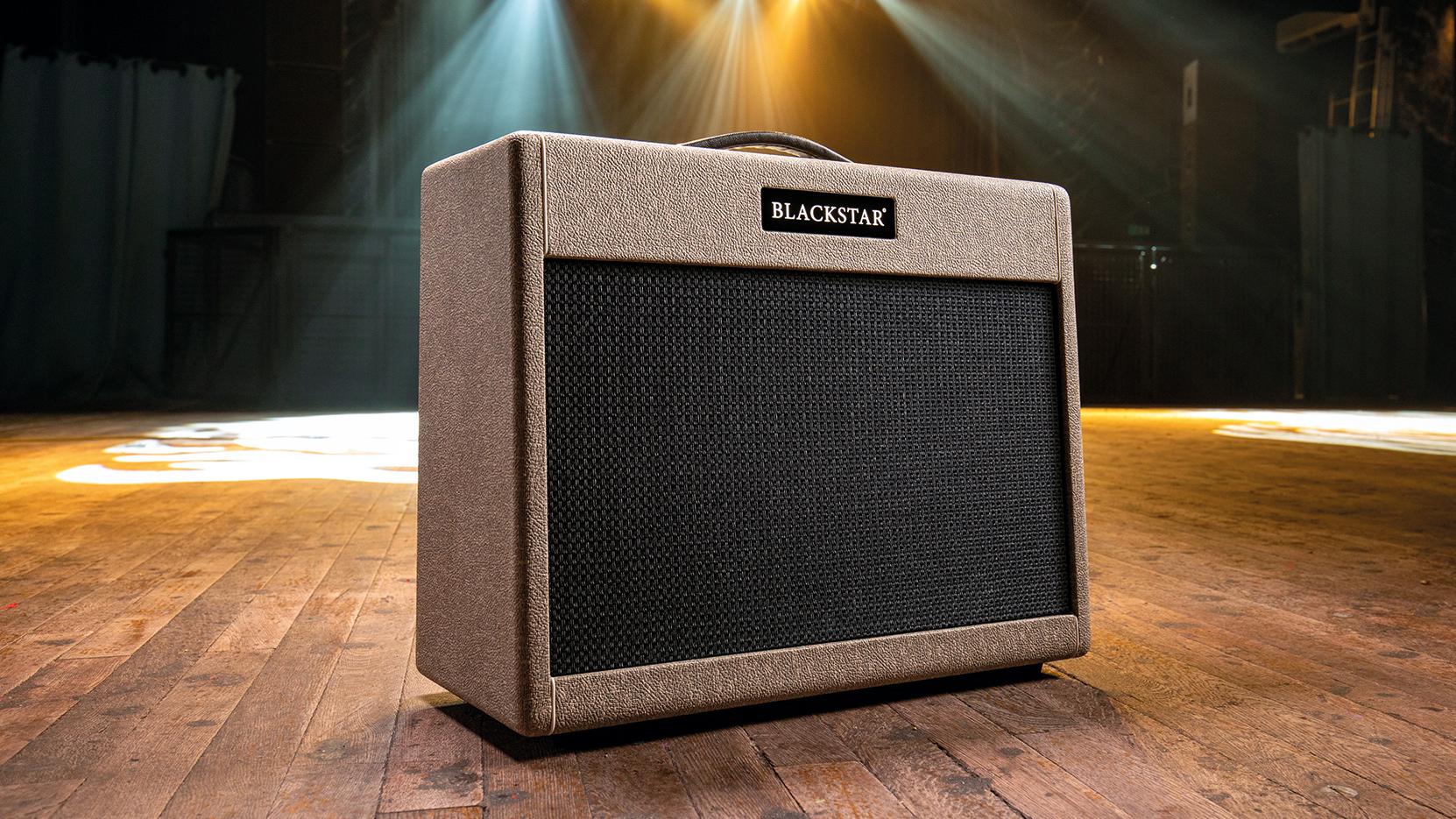
The Fender Mustang LT25 is the Best Guitar Amps pick for most electric guitarists because it combines 25 watts, an 8-inch speaker, a useful color display, and 30 presets in one manageable combo. The Fender Champion II 25 is the better alternative for players who care more about hands-on effects, tap-controlled delay and tremolo, USB, and auxiliary connectivity.
For a simpler setup, choose the Fender Frontman 20G. For travel, the Flatsons FBA-10 gives you the most complete rechargeable package, while the LEKATO and JOYO models make sense when the smallest possible amp matters more than speaker fullness.
If you are still undecided, choose the Mustang LT25 for versatility, the Frontman 20G for simplicity, or the Rumble 25 V3 if you play bass.
As an Amazon Associate we earn from qualifying purchases.