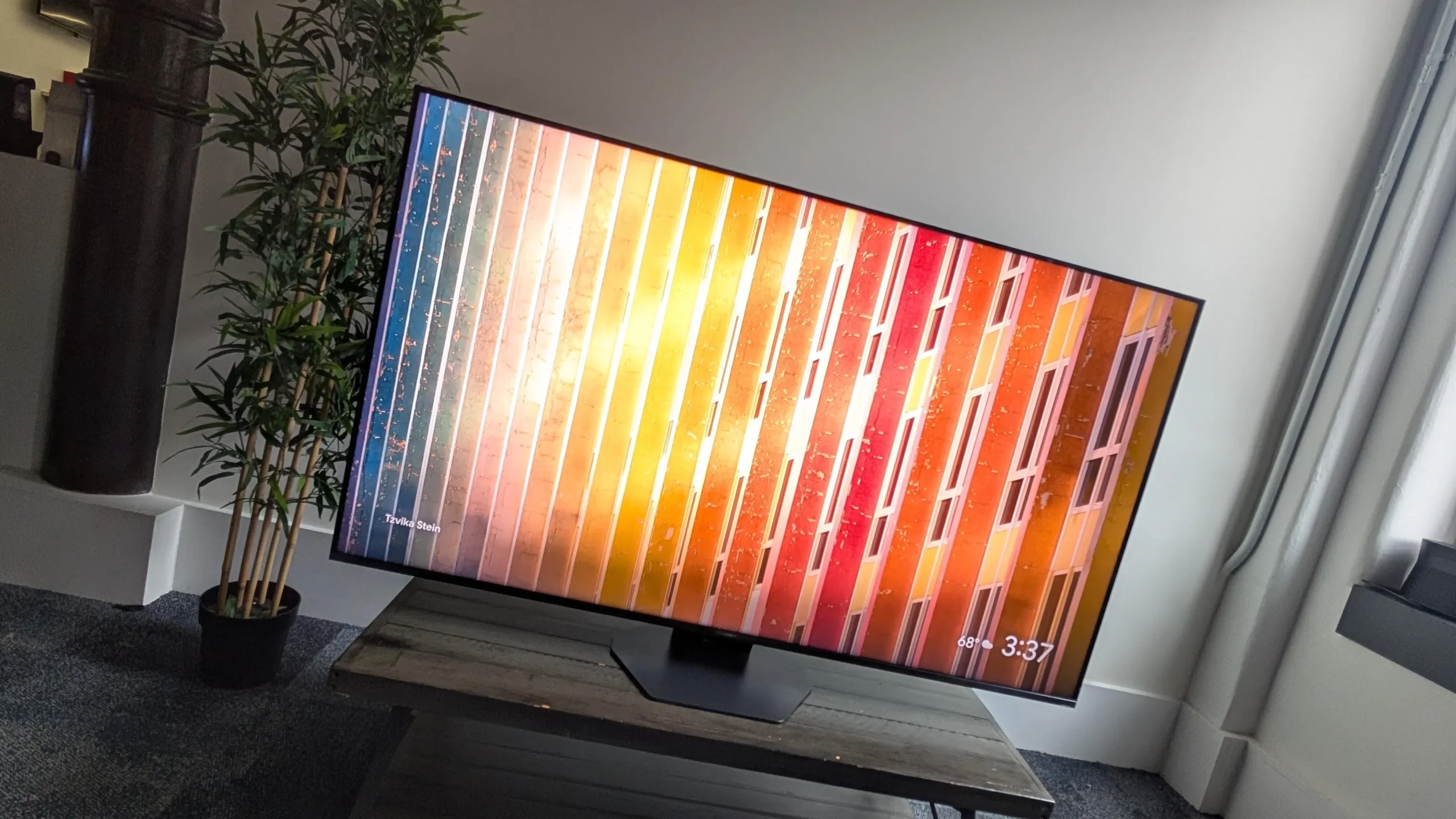

A 55-inch screen is large enough to make movie night feel meaningful, but it still fits comfortably on most media consoles. The difficult part is separating a genuinely useful upgrade, such as Mini LED backlighting or a faster panel, from a long list of television jargon. The Best 55-inch TVs should also make everyday streaming simple, because a brilliant picture is little help if finding something to watch is frustrating.
We compared ten current models across Roku, Samsung, TCL, Insignia, and Hisense. The range runs from straightforward QLED sets to Mini LED televisions built for bright rooms and fast gaming. Our top pick is Hisense U7, while the Roku Plus Series is the easier recommendation for viewers who care most about a clean, friendly smart-TV experience.
Comparison table
| # | Product | Award | Screen technology | Motion and gaming | Smart platform | Best for |
|---|---|---|---|---|---|---|
| 1 | Hisense U7 | Best overall | Hi-QLED Mini LED | Native 165Hz, VRR up to 330Hz | Google TV | Bright-room viewing and serious gaming |
| 2 | Roku Plus Series | Best for simple streaming | QLED Mini LED | AI picture processing | Roku TV | Viewers who want an uncomplicated interface |
| 3 | Samsung M70H Mini LED | Best for sports | Mini LED | DLG 120Hz | Samsung smart TV | Sports fans and lively HDR images |
| 4 | TCL T7 | Best for console gaming | QLED | 120Hz panel, advertised 144Hz gaming | Google TV | Gamers with several HDMI devices |
| 5 | Hisense E6 | Best for adaptive viewing | Hi-QLED | Motion Rate 120, Game Mode Plus | Fire TV | Mixed lighting and general streaming |
| 6 | TCL Q65 | Best HDR format support | QLED | Motion Rate 240 | Google TV | Dolby Vision movie fans |
| 7 | Roku Select Series | Best straightforward QLED | QLED | Roku Smart Picture | Roku TV | Easy setup and casual viewing |
| 8 | Insignia QF Series | Best Fire TV basics | QLED, direct LED | Standard smart-TV motion features | Fire TV | Alexa-centered households |
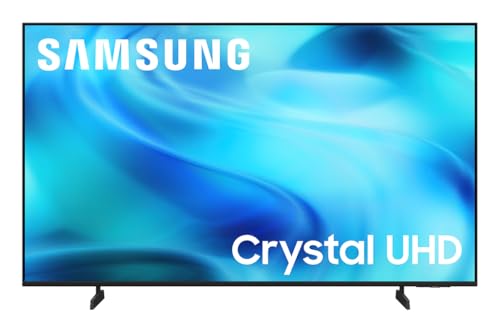
| 9 | Samsung U8000H | Best Samsung entry model | Crystal UHD | Up to 4K 60Hz | Samsung smart TV | Samsung TV Plus users |
| 10 | Samsung U8000F | Best design-focused model | Crystal UHD | Up to 60Hz | Samsung smart TV | Slim, understated living-room setups |
1. Hisense U7: Best Overall

Pros
- Mini LED backlighting with up to 3, 000 local dimming zones
- Native 165Hz refresh rate
- VRR gaming support up to 330Hz
- Anti-reflection treatment
- Built-in 2.1.2-channel sound tuned by Devialet
Cons
- Heaviest television in this roundup
- Its many picture and gaming features may be excessive for casual viewers
- Google TV is less visually minimal than Roku TV
Best for: someone who wants a bright, fast, feature-rich television for movies, sports, and gaming.
The Hisense U7 is the set we would choose when picture performance matters more than keeping the feature list short. Its Hi-QLED Mini LED Pro system uses thousands of Mini LED backlights, with up to 3, 000 local dimming zones and claimed peak brightness of up to 3, 000 nits. Those capabilities target the two weaknesses common to ordinary LED televisions: gray-looking dark scenes and highlights that lose their impact in a bright room.
The panel is unusually well equipped for gaming. A native 165Hz refresh rate is useful for compatible high-frame-rate content, while Game Booster 330 supports variable refresh rates up to 330Hz. The enhanced game bar can display FPS, VRR, and HDR information without requiring a separate menu hunt. That makes the U7 a more serious gaming display than the Samsung U8000H or Samsung U8000F, both of which are built around motion performance up to 60Hz.
Its room-handling features are just as important for everyday viewing. The anti-reflection and glare-free treatment is designed to reduce distractions from windows and overhead lights, and the Hi-View AI Engine Pro adjusts color, contrast, and detail from scene to scene. Pantone validation is also listed, along with Dolby Vision IQ, HDR10+, IMAX Enhanced, and Dolby Atmos support. The built-in 2.1.2-channel surround system, tuned by Devialet, gives it a more ambitious audio setup than the basic speakers on many 55-inch sets.
The drawback is physical and practical. At 37.5 pounds, the U7 is substantially heavier than the Roku Select Series and Samsung U800H, so wall mounting or lifting it onto furniture takes more care. Its broad feature set also makes less sense for someone who mainly watches sitcoms and news. For that viewer, the Roku Plus Series is easier to navigate. For a gamer or movie fan dealing with daylight and wanting a TV that can grow with their equipment, the Hisense U7 is the most complete pick here.
2. Roku Plus Series: Best for Simple Streaming

Pros
- Simple Roku home screen
- QLED and Mini LED picture system
- Dolby Vision support
- Built-in subwoofer and Dolby Atmos
- Lost remote finder and headphone mode
Cons
- No listed high-refresh gaming specification
- Weaker fit for enthusiasts seeking advanced gaming controls
- The set is deeper and heavier than the Roku Select Series
Best for: viewers who want strong picture technology without a complicated smart-TV interface.
The Roku Plus Series gets the most important living-room decision right: it does not make you work to start watching something. Roku's uncluttered home screen, personalized picks, voice search, and quick access to frequently used entertainment are more approachable than the busier menus found on some rival platforms. Setup is designed to take minutes, and the enhanced voice remote includes a lost remote finder.
This is not merely a basic streaming screen. The panel combines QLED color with Mini LED backlighting and Dolby Vision, so it has a more capable picture foundation than the Roku Select Series. Roku Smart Picture Max uses AI processing to clean up incoming signals and adjust color and sharpness for different scenes. That should be helpful when a household jumps between newer 4K streams, live television, and older material that needs more careful upscaling.
Sound is another reason to choose this model over the Select Series. The Plus Series includes Dolby Atmos technology and a built-in subwoofer, giving dialogue and effects more physical weight than a thin television speaker system generally can. Bluetooth Headphone Mode lets one person listen privately, and the remote can turn off the display while keeping audio playing. Those are small but thoughtful features for late-night watching.
The trade-off is that Roku does not present this model as a high-refresh gaming specialist. The Hisense U7 and TCL T7 are far better suited to someone who owns a current console or gaming PC and wants advanced motion support. The Plus Series is the calmer choice for a family room, especially when different people need to find shows quickly. It is also the set we would point to when smart-TV usability matters as much as the image itself.
3. Samsung M70H Mini LED: Best for Sports

Pros
- Mini LED processing for brighter highlights and deeper blacks
- DLG 120Hz motion support
- Dedicated Soccer Mode
- Samsung Gaming Hub
- One billion color claim through Pure Color Spectrum
Cons
- Samsung smart-TV interface is less minimal than Roku TV
- The feature set is more focused on sports and gaming than basic viewing
- No Dolby Vision support is listed
Best for: sports fans who want smoother motion and a more vivid stadium-like presentation.
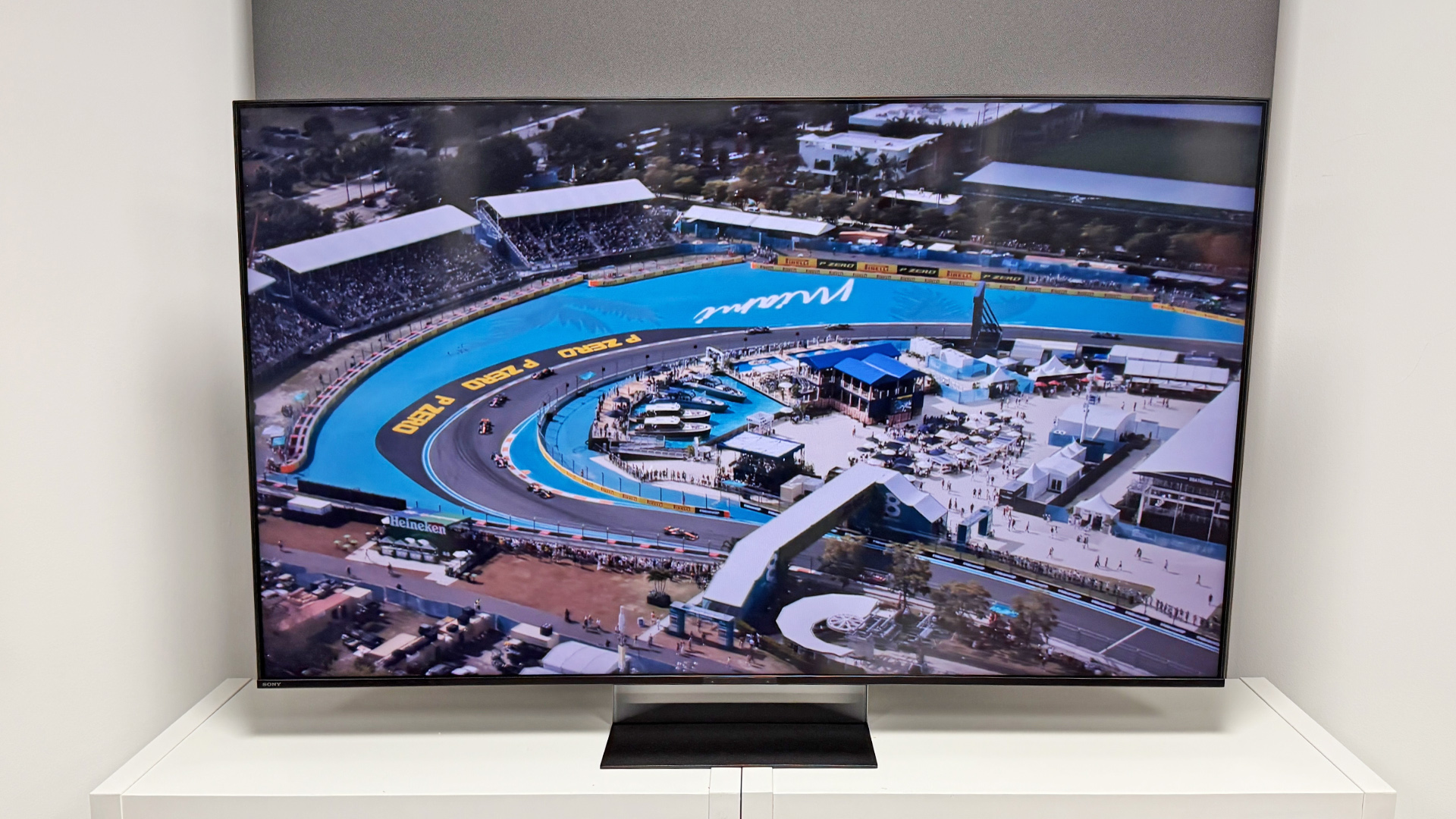
The Samsung M70H Mini LED is the specialist in this group. Its Mini LED HDR system and Supreme Mini LED Dimming aim to keep bright highlights lively while preserving depth in darker parts of the picture. That is a useful combination for sports, where a bright field, white uniforms, and dark crowd sections appear together in the same frame.
Samsung adds Motion Xcelerator plus DLG 120Hz support for fast action. The set also has a dedicated Soccer Mode that is described as providing clearer motion and more vibrant greens. It is an unusually specific feature, but it matches the way many people watch sports. The television is trying to make the pitch, court, and rapid movement the center of attention rather than simply applying a generic vivid picture preset.
Color is a major part of the presentation. Pure Color Spectrum is described as producing one billion true-to-life colors, and Color Booster is intended to intensify color without making every scene look flat. Samsung TV Plus supplies more than 2, 700 free streaming options, including more than 750 subscription-free channels, while Gaming Hub collects console, cloud, and gaming apps in one place.
The M70H is not the obvious choice for a film purist who needs every HDR format. Dolby Vision is not listed in the supplied features, unlike the TCL Q65, Hisense E6, and Roku Plus Series. It also does not have the U7's native 165Hz panel or advanced VRR range. Still, sports viewers get a persuasive mix of Mini LED contrast, smooth motion, a dedicated mode, and a useful entertainment hub. If sports are the priority, it is more targeted than Samsung's U8000 models.
4. TCL T7: Best for Console Gaming

Pros
- 120Hz panel refresh rate
- Advertised 144Hz gaming support
- Four HDMI inputs, including eARC
- QLED color and broad HDR format support
- Google TV with Chromecast and AirPlay 2
Cons
- Not a Mini LED television
- Gaming claims include multiple motion figures that may confuse buyers
- Heavier than several standard LED models
Best for: console and PC gamers who need fast motion and several connected devices.
The TCL T7 makes a strong case for gamers who need more than a standard 60Hz television. Its listed 120Hz panel refresh rate is the meaningful starting point, and the product is marketed with 144Hz gaming support. Fast games and sports should look smoother than they do on the Samsung U8000H, Samsung U8000F, or Roku Select Series.
The TCL AIPQ Pro Processor handles color, contrast, and clarity, while QLED technology covers nearly the entire DCI-P3 color space according to the supplied features. The television also supports Dolby Vision, HDR10+, HDR10, and HLG through HDR Pro+. That broad format support makes it a flexible screen for streaming services, consoles, and UHD disc players rather than a television that favors one source.
Connectivity is a practical strength. Four high-speed HDMI inputs, with one supporting eARC, leave more room for a console, soundbar, streaming box, and set-top box. Auto Game Mode can enable game mode automatically through ALLM, and the Motion Rate 480 specification with MEMC frame insertion is intended to improve motion clarity. Buyers should distinguish that processing figure from the panel's 120Hz refresh rate, since they describe different parts of the experience.
The T7 gives up the U7's Mini LED backlight and anti-reflection treatment, so the Hisense remains the better pick for contrast in a bright room and for the most ambitious gaming specifications. The TCL is easier to recommend to a console owner who values four HDMI inputs and Google TV. Its built-in Chromecast, AirPlay 2, and voice control also make it a capable shared family-room television, not just a gaming screen.
5. Hisense E6: Best for Adaptive Viewing

Pros
- Hi-QLED color
- Dolby Vision and Dolby Atmos
- AI light sensor
- Fire TV with Alexa voice control
- Wi-Fi 6
Cons
- Less advanced gaming support than the Hisense U7
- No Mini LED backlight is listed
- The built-in sound system is less ambitious than the U7's
Best for: households that watch in changing light and want Fire TV with hands-free Alexa control.
The Hisense E6 is built around convenience that stays useful after the initial setup. Its AI Light Sensor responds to ambient light and adjusts screen brightness, which can help a television remain comfortable as a room changes from daytime to evening. That is a more tangible everyday feature than another marketing label for color processing.
The Hi-QLED panel supports a broad HDR group, including Dolby Vision, HDR10+ Adaptive, HDR10, and HLG. AI 4K Upscaler uses machine-learning models to sharpen lower-resolution content toward 4K quality. That combination suits a mixed library of streaming services, live broadcasts, and older movies. Filmmaker Mode is also included for viewers who prefer a presentation closer to the original aspect ratio, frame rate, color, and audio choices.
Motion Rate 120 and AI Smooth Motion with MEMC target sports and action scenes. Game Mode Plus gives the set a gaming mode, though it is not positioned as a high-refresh competitor to the Hisense U7 or TCL T7. Wi-Fi 6 is a useful network feature for homes with many connected devices, and Fire TV brings live channels and streaming apps to the home screen. Alexa can launch and control content, as well as handle tasks such as timers and sports scores.
The E6's limitation is clear when placed beside the U7. It lacks the U7's Mini LED system, native 165Hz refresh rate, glare treatment, and much more powerful gaming feature set. The E6 is the better fit for a viewer who wants adaptive brightness, Fire TV, and broad HDR support without chasing enthusiast specifications. If the room changes light throughout the day, its sensor gives it a convincing reason to exist in this lineup.
6. TCL Q65: Best HDR Format Support

Pros
- QLED Pro color technology
- Dolby Vision, HDR10+, HDR10, and HLG
- Dolby Atmos and DTS Virtual:X
- Auto Game Mode
- Google TV with voice control
Cons
- No Mini LED backlight
- Less gaming-focused than the TCL T7
- Three HDMI inputs are not specified in the supplied features
Best for: movie and streaming viewers who want broad HDR compatibility and a capable smart platform.
The TCL Q65 is a sensible movie-night television because it supports nearly every major HDR format a viewer is likely to encounter. HDR Pro+ includes Dolby Vision, HDR10+, HDR10, and HLG, while the QLED Pro layer is designed to produce rich color across nearly the entire DCI-P3 color space. That broad compatibility reduces the chance that a streaming service's preferred format becomes a reason to change televisions.
TCL's AIPQ Processor with Deep Learning AI adjusts color, contrast, and clarity for 4K HDR content. The Q65 also has a High Brightness+ LED backlight, so it is not limited to dim-room viewing. Motion Rate 240 with MEMC frame insertion is intended to improve clarity during action scenes, though it does not place the Q65 in the same gaming class as the 120Hz TCL T7 or the 165Hz Hisense U7.
Audio receives more attention than it does on many entry-level sets. Dolby Atmos processing is supported, and DTS Virtual:X aims to create a more immersive presentation from the television speakers. Enhanced Dialogue Mode is a useful inclusion for people who find movie voices hard to follow. Google TV brings together apps, shows, live channels, and recommendations, with voice control and support for Alexa.
The Q65 is not the most advanced TCL here. The T7 has a 120Hz panel, advertised 144Hz gaming support, four HDMI inputs, and a newer AIPQ Pro Processor. The Q65 answers with a simpler proposition: get strong HDR format support, QLED color, and dialogue-oriented audio without making gaming the central purpose. It is a good choice for a movie-first household that wants flexibility across streaming sources.
For viewers still deciding how large the screen should be, the viewing distance that works for a screen this size can help settle whether 55 inches fits the room better than a smaller set.
7. Roku Select Series: Best Straightforward QLED

Pros
- Simple Roku home screen
- QLED color with HDR10
- Fast Wi-Fi and quick app access
- Voice remote with lost remote finder
- Apple AirPlay and assistant support
Cons
- No Mini LED backlight
- No listed high-refresh gaming feature
- Audio features are simpler than the Roku Plus Series
Best for: casual viewers who want an easy setup and familiar Roku streaming experience.
The Roku Select Series is the least intimidating television in the group. Its uncluttered home screen, quick search, app shortcuts, and straightforward remote make it easy to hand over to a family member who does not want to learn a new menu system. Setup is designed to take only minutes, and Roku's voice features can search across apps.
The picture uses a QLED screen with HDR10, while Roku Smart Picture cleans up incoming signals and chooses an appropriate picture mode. Sharp 4K resolution gives the panel the detail expected from a modern 55-inch television. The set also includes fast Wi-Fi and automatic updates, two quiet advantages that matter when the television is used every day.
Roku adds more than streaming shortcuts. The remote can find itself when misplaced, and Bluetooth Headphone Mode lets someone listen without waking other people. Apple AirPlay is supported, along with Roku Voice, Siri, Alexa, and Google Assistant. Clear speech and louder sound are also emphasized in the feature set, though the Plus Series goes further with Dolby Atmos and a built-in subwoofer.
The Select Series is intentionally less ambitious than the Roku Plus Series. It does not list Mini LED, Dolby Vision, or the Plus model's enhanced audio hardware, and there is no high-refresh gaming specification. The benefit is focus. Someone who wants a reliable QLED Roku TV for shows, news, and casual movies will find it easier to live with than a more complex enthusiast model. Gamers and home-cinema viewers should move up to the TCL Q65, TCL T7, or Hisense U7.
8. Insignia QF Series: Best Fire TV Basics

Pros
- QLED color and direct LED backlight
- Dolby Vision and Dolby Atmos
- Fire TV with Alexa voice remote
- Three HDMI inputs, including eARC
- Metal bezel-less design
Cons
- No listed high-refresh gaming specification
- Direct LED backlighting is less advanced than Mini LED
- Fire TV can feel busier than Roku TV
Best for: Alexa users who want a simple 4K QLED Fire TV with useful connections.
The Insignia QF Series covers the core requirements without trying to be a specialist television. It has 4K resolution, QLED color, and a direct LED backlight for uniform brightness. The result is a straightforward foundation for shows, movies, and live television, with a metal bezel-less design that keeps attention on the screen.
HDR support is more impressive than the basic positioning suggests. Dolby Vision is included for compatible movies and shows, and Dolby Atmos processing is available for supported audio. Fire TV places apps, live shows, and channels together, while the Alexa voice remote lets users search for programs or control the television without typing.
Three high-speed HDMI inputs provide room for a game console, streaming device, and audio equipment. One supports eARC, which is the connection to use with a compatible soundbar or AV receiver when sending higher-quality audio back from the TV. That is less connectivity than the TCL T7's four HDMI inputs, but enough for many living rooms.
The QF Series is not the right pick for someone chasing high-frame-rate games. The supplied features do not list a 120Hz or 144Hz panel, and the direct LED system is less sophisticated than the Mini LED backlights on the Roku Plus Series, Samsung M70H, and Hisense U7. Its strengths are more practical: Alexa integration, Dolby Vision, useful HDMI connectivity, and a familiar Fire TV environment.
9. Samsung U8000H: Best Samsung Entry Model
Pros
- Crystal Processor with 4K upscaling
- Color Booster
- Samsung TV Plus free content
- Motion Xcelerator for games and sports
- Compact 22.5-pound listed weight
Cons
- Motion performance is limited to up to 4K 60Hz
- No QLED or Mini LED technology is listed
- Less HDR format detail than the TCL and Hisense models
Best for: Samsung fans who want a simple Crystal UHD set with strong upscaling.
The Samsung U8000H is aimed at viewers who value polished everyday processing over a long list of enthusiast features. Its Crystal Processor enhances colors, sharpens details, and handles 4K upscaling. That matters when the source is an older broadcast, a compressed stream, or a collection of shows that was not mastered in native 4K.
Samsung's Color Booster intensifies reds, blues, and other shades, while Motion Xcelerator estimates and adjusts frame transitions. The feature set specifies up to 4K 60Hz performance for games and sports. That is perfectly adequate for ordinary television and many console players, but it falls behind the TCL T7 and Hisense U7 for high-refresh gaming.
Samsung TV Plus is a notable part of the experience. The U8000H provides more than 2, 700 free streaming options, including more than 750 subscription-free channels, with new content added regularly. That gives the set a large amount to show immediately after setup. It is a different kind of convenience from Roku's simpler interface, but useful for viewers who like channel surfing.
The main reason to skip the U8000H is picture ambition. It is not presented as a QLED or Mini LED model, and the supplied features do not list the wider HDR support found on TCL Q65 or Hisense E6. The Samsung U8000F is a close alternative with a more design-led body and Knox security, but the U8000H is the cleaner choice if upscaling and free Samsung content are the priorities.
10. Samsung U8000F: Best Design-Focused Model

Pros
- Slim metal-sheet design
- Crystal UHD upscaling
- Samsung Knox security
- More than 2, 700 free channels and streaming options
- Alexa compatibility
Cons
- Motion performance is limited to up to 60Hz
- No QLED or Mini LED backlight is listed
- Less suitable for high-refresh gaming
Best for: viewers who want a clean Samsung design and a familiar smart-TV platform.
The Samsung U8000F makes its strongest case from the front and the software rather than from gaming hardware. Samsung describes a body crafted from a single metal sheet with a slim bezel, giving it a restrained look that should blend into a living room. Its 55-inch width is listed as 48.2 inches, with a 25.6-pound listed weight.
The picture processing is designed to make ordinary content look cleaner. Samsung's processor handles 3D color mapping and 4K upscaling, bringing lower-resolution material closer to the screen's native clarity. Motion Xcelerator estimates movement between frames and supports performance up to 60Hz, which is suitable for everyday shows and sports but not a match for the U7 or TCL T7.
The U8000F also puts more emphasis on security than most sets in this group. Samsung Knox Security is described as protecting against harmful apps and phishing sites, while also helping protect PINs, passwords, and connected IoT devices. Samsung TV Plus supplies more than 2, 700 free channels and streaming options, and Alexa compatibility provides hands-free control.
The U8000F is difficult to justify for a viewer who wants the strongest picture in this roundup. The Samsung M70H adds Mini LED backlighting and DLG 120Hz, while the Hisense U7 adds much more powerful contrast and gaming support. Choose the U8000F for its slim metal-sheet styling, Samsung software, free content, and security features. It is a sensible living-room TV for someone who knows exactly which of those traits matters most.
How to choose the best 55" tv
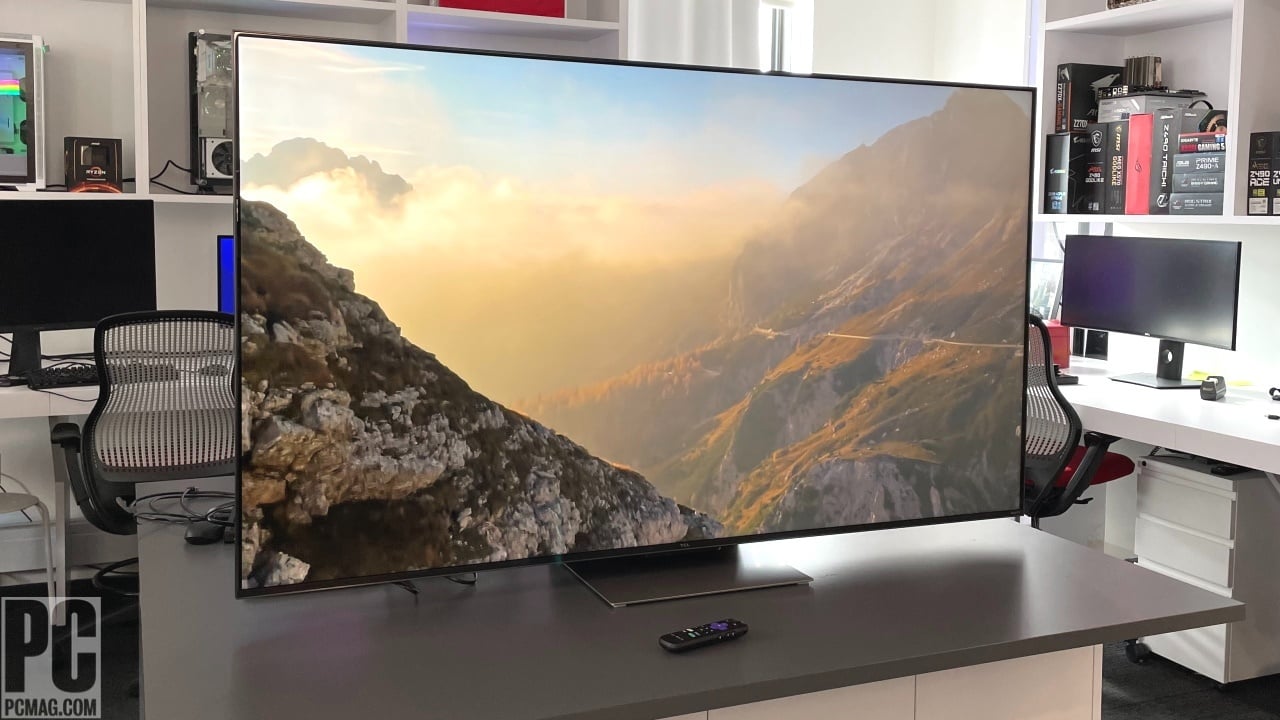
The right 55-inch television depends on the room, the content, and how demanding you are about motion. These are the specifications that separate the models in this roundup.
Backlight and contrast
QLED adds a quantum-dot color layer, but it does not automatically mean a television has strong black levels. A standard direct LED set such as the Insignia QF Series can provide even brightness, while Mini LED models such as the Hisense U7, Samsung M70H, and Roku Plus Series use smaller backlights for more precise control.
Local dimming matters most in dark movie scenes and HDR highlights. The U7 goes furthest on paper with up to 3, 000 local dimming zones and claimed peak brightness of up to 3, 000 nits. If you watch mostly daytime television, color and interface quality may matter more than this distinction.
HDR formats
HDR is not one single format. Dolby Vision, HDR10+, HDR10, and HLG handle content in different ways, so broad support gives you more flexibility. The TCL Q65, TCL T7, and Hisense E6 list especially wide HDR support, while the Roku Select Series lists HDR10.
A brighter screen helps only when its backlight can keep bright highlights separate from dark scenes.
Refresh rate and gaming
A 60Hz television is adequate for most shows and films, but faster panels make quick camera movement and games look smoother. The Samsung M70H lists DLG 120Hz, the TCL T7 lists a 120Hz panel with advertised 144Hz gaming, and the Hisense U7 lists a native 165Hz refresh rate with VRR support up to 330Hz.
Look for ALLM, VRR, and enough HDMI inputs if you game regularly. The TCL T7 has four HDMI inputs, while the Insignia QF Series has three, including one with eARC. A television's Motion Rate number is not the same thing as its native panel refresh rate, so read both descriptions carefully.
Smart-TV platform
Roku TV is the most immediately approachable platform in this group. Its home screen, voice search, app shortcuts, and lost remote finder make the Roku Select Series and Roku Plus Series especially easy for shared households.
Google TV is a strong fit for people who use Chromecast, Google Assistant, or a broad mix of apps. Fire TV is a natural choice for Alexa users, while Samsung's platform adds Samsung TV Plus and, on the U8000F, Knox security. The best interface is the one that matches the devices and services already in your home.
Room lighting and viewing habits
A bright room exposes reflections, weak black levels, and insufficient screen brightness. The Hisense U7 includes anti-reflection treatment, while the Hisense E6 has an AI Light Sensor that adjusts brightness to ambient light. Mini LED models are generally the more compelling choice for strong HDR in a room with daylight.
For a darker room, Dolby Vision support and careful contrast control may matter more than glare resistance. If your priority is a simple streaming experience, the features that make a smart TV easier to live with are worth weighing alongside the panel technology.
Sound and connections
Thin televisions often need help with sound, especially in larger rooms. The Roku Plus Series includes Dolby Atmos and a built-in subwoofer, while the Hisense U7 has a 2.1.2-channel system tuned by Devialet. Other models support Dolby Atmos processing or eARC for connection to a compatible soundbar.
Count HDMI inputs before buying. Four inputs on the TCL T7 are useful for a console-heavy setup. Three on the Insignia QF Series may be sufficient for a simpler room, particularly because one supports eARC.
Frequently asked questions
Is a 55-inch TV large enough for a living room?
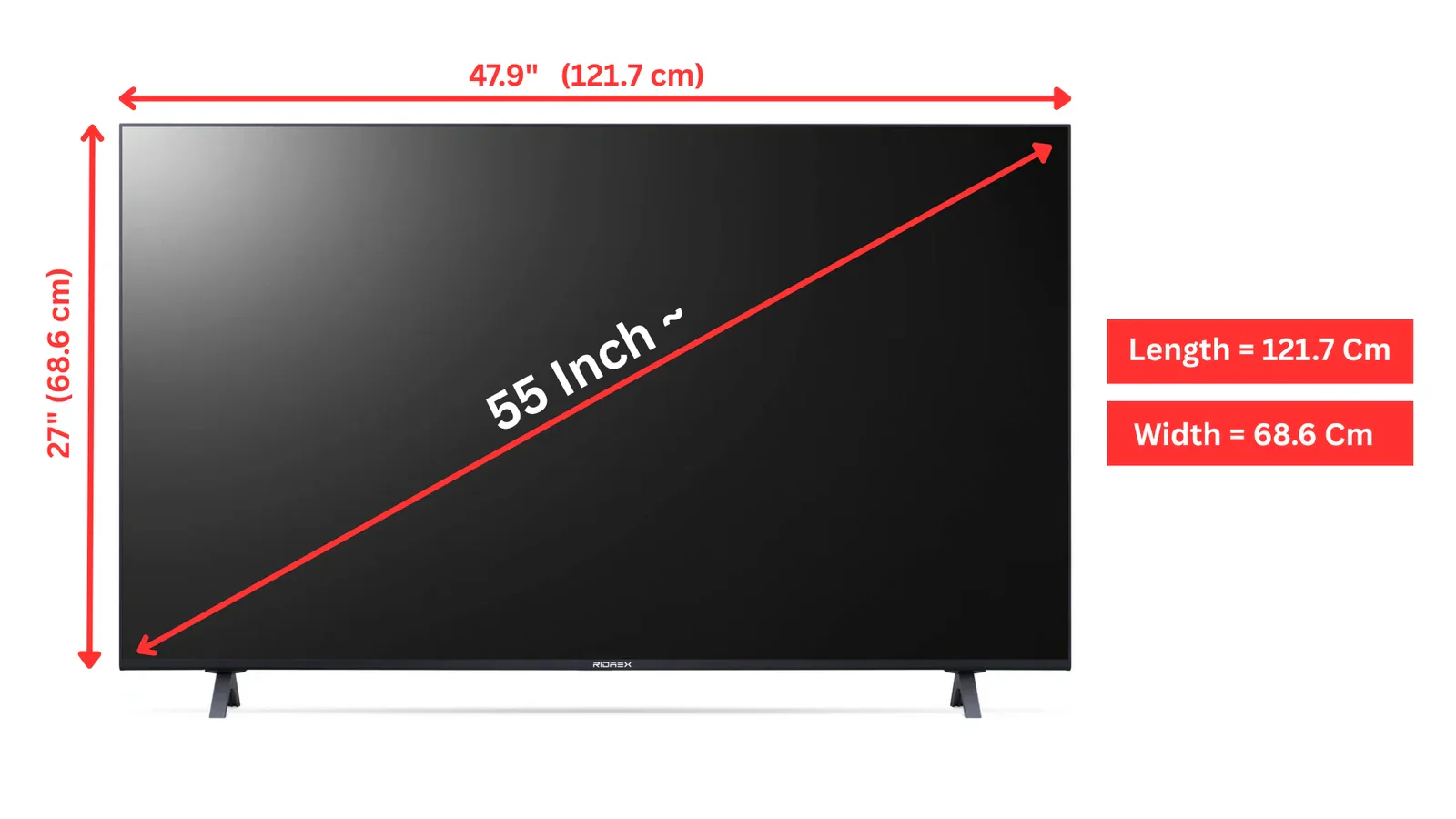
For many living rooms, 55 inches provides a substantial picture without dominating the furniture. The ideal choice depends on viewing distance, seating layout, and how much of your field of view you want the screen to occupy. Measure the available wall or console space before choosing a model.
Which 55-inch TV is best for gaming?
The Hisense U7 is the most advanced gaming option in this group, with a native 165Hz refresh rate and VRR support up to 330Hz. The TCL T7 is another strong choice, with a 120Hz panel, advertised 144Hz gaming, Auto Game Mode, and four HDMI inputs.
Is Mini LED better than QLED?
They describe different parts of a television. QLED refers mainly to the color layer, while Mini LED refers to the backlight system and its ability to control bright and dark areas. A television can use both, as seen with the Hisense U7 and Roku Plus Series.
Which model is easiest to use for streaming?
The Roku Select Series and Roku Plus Series have the clearest, simplest streaming interfaces in this roundup. Both include voice search and personalized access to entertainment. The Plus Series adds a more advanced picture system and stronger built-in audio.
Do these televisions support Dolby Vision?
Dolby Vision is listed for the TCL Q65, TCL T7, Insignia QF Series, Hisense E6, and Roku Plus Series. The supplied features for the Samsung models and Roku Select Series do not list Dolby Vision. HDR support can vary by app and content source.
Does a 55-inch TV need a soundbar?
Not always. The Roku Plus Series and Hisense U7 have more ambitious built-in audio systems, while several other models support Dolby Atmos processing or eARC for an external system. A soundbar becomes more useful when the room is large or when dialogue and cinematic effects need more separation.
How many HDMI inputs should a TV have?
Three inputs can cover a console, streaming box, and soundbar or receiver in a simple setup. Four is more convenient if you use multiple consoles, a disc player, a receiver, or a separate streaming device. The TCL T7 has four listed HDMI inputs, and the Insignia QF Series has three, including eARC.
The bottom line
The Best 55-inch TVs are not all trying to do the same job. The Hisense U7 is the strongest all-purpose pick because its Mini LED backlight, anti-reflection treatment, native 165Hz refresh rate, and advanced VRR support cover movies, sports, bright rooms, and gaming. The Roku Plus Series is the better fit for viewers who value a clean interface, easy voice search, Dolby Vision, and built-in audio features.
Choose the TCL T7 if console gaming and HDMI flexibility are central, or the Samsung M70H Mini LED if sports are the main event. For simpler viewing, the Roku Select Series, Hisense E6, and Samsung U8000 models keep the experience more approachable, with different strengths in adaptive brightness, free content, design, and platform familiarity.
If you are undecided, choose the Hisense U7 for picture and gaming performance, or the Roku Plus Series for the easiest everyday ownership.
As an Amazon Associate we earn from qualifying purchases.