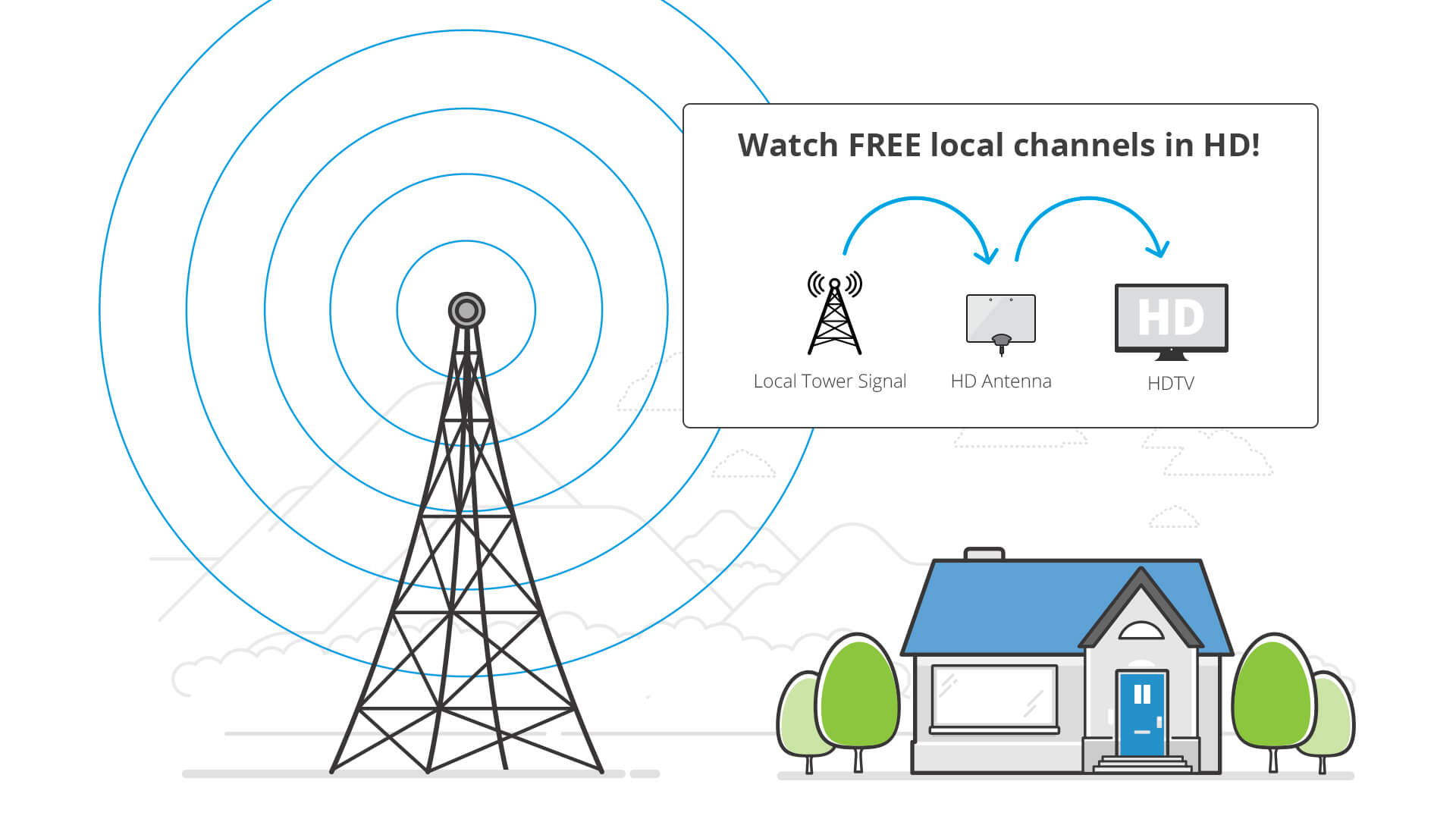

A weak indoor antenna can turn local news into a mosaic of frozen frames, especially when it is tucked behind a television or pointed away from the nearest broadcast towers. The Best best antenna for local channels depends less on the biggest number in an Amazon title and more on placement, cable length, signal filtering, and whether you need an indoor or outdoor design.
We ranked nine options across those practical differences. Channel Master FLATenna is the most dependable all-around indoor pick, while PBD is the serious outdoor choice. The rest range from compact magnetic models to amplified antennas with unusually long cables and flexible mounting.
Our top pick is Channel Master FLATenna, with the list covering simple indoor setups, longer-cable installations, and motorized outdoor reception.
Comparison table
| # | Product | Award | Design | Cable | Best for |
|---|---|---|---|---|---|
| 1 | Channel Master FLATenna | Best overall | Indoor flat panel | 12 feet | Reliable indoor reception |
| 2 | HIDB Indoor Antenna | Best compact design | Indoor omnidirectional | Not specified | Small spaces and simple setups |
| 3 | PBD Outdoor Antenna | Best outdoor option | Motorized outdoor | 40 feet | Homes far from broadcast towers |
| 4 | Oyned Magnetic Antenna | Best for flexible placement | Indoor or outdoor | 16.5 feet | Magnetic mounting and interference control |
| 5 | JM NEXLOV 18FT Antenna | Best long-cable indoor pick | Indoor or outdoor | 18 feet | Reaching a better window position |
| 6 | intelbras Indoor Antenna | Best for easy setup | Indoor amplified | Not specified | First-time antenna buyers |
| 7 | Donstock 5000+ Antenna | Best indoor and outdoor flexibility | Weatherproof indoor or outdoor | 38 feet | Flexible household or RV placement |
| 8 | Qboy Totoro Antenna | Best feature-rich indoor design | Amplified indoor or outdoor | 40 feet | Long cable runs and broad compatibility |
| 9 | VinixCruzr 2800+ Antenna | Best portable option | Indoor or outdoor | 16 feet | Apartments, RVs, and temporary setups |
1. Channel Master FLATenna: Best Overall

Pros
- Realistic 35-mile reception range
- Thin reversible design
- Supports ATSC 3.0 and 4K broadcasts
- Includes a shielded 12-foot RG6 cable
- Wall, window, and tabletop mounting options
Cons
- Indoor placement still depends heavily on the room
- No motorized direction adjustment
- Less suitable for very distant towers
Best for: households that want a straightforward indoor antenna from an established antenna maker.
The Channel Master FLATenna is the antenna we would start with for most indoor installations. Its flat, lightweight panel does not demand a shelf or a large patch of wall, and its reversible black and white finish gives you a little control over how visible it is. The design feels deliberately practical rather than overloaded with claims.
Its published reception range is 35 miles, a figure that Channel Master presents with room for real-world obstructions and interference. That is more useful than the exaggerated distance figures attached to several other antennas here. A 35-mile design can make sense in an urban or suburban home when the antenna is placed near a window and the broadcast path is reasonably clear. It cannot overcome a poor location inside a heavily obstructed building.
The included 12-foot professional-grade RG6 coaxial cable is one of the quiet strengths of this package. Extra cable lets you move the panel away from the TV and toward a window, which can matter more than a claimed amplifier range. The cable also has enhanced shielding, helping preserve signal reliability over the run. FLATenna supports HD and digital signals, 4K broadcasts, and ATSC 3.0 NextGen TV, so its tuner compatibility will not be the limiting factor for newer broadcasts.
Compared with HIDB Indoor Antenna, FLATenna takes up more wall area but offers a more conventional flat-panel layout, clearer mounting choices, and a specified 35-mile range. PBD Outdoor Antenna is the stronger answer for a remote home or a roof installation, but it asks for much more hardware and setup. FLATenna wins by being the least complicated choice when indoor reception is plausible.
The weakness is simple: this is still an indoor antenna. If the signal is blocked by hills, dense construction, or a long distance from towers, its slim profile will not perform miracles. People in those conditions should skip it and consider the PBD outdoor model. For everyone else, FLATenna is the most balanced Best best antenna for local channels because its claims, cable, mounting options, and compatibility line up with the way indoor antennas actually work.
2. HIDB Indoor Antenna: Best Compact Design

Pros
- Compact footprint
- Omnidirectional reception
- Magnetic base supports tabletop placement
- Moisture-resistant dual PC material
- Easy to reposition
Cons
- No cable length is specified
- Placement remains critical
- Indoor design is not aimed at distant towers
Best for: a small room where a discreet tabletop antenna is more practical than a flat wall panel.
HIDB’s strongest trait is its size. The antenna measures about 5 inches high and roughly 2.44 inches across and deep, so it can sit beside a television without claiming much space. Its magnetic base makes tabletop placement easy, and the compact body is simple to move when a channel scan comes up short.
The omnidirectional design is useful when you do not want to keep turning the antenna toward different towers. That does not mean every direction is equally strong in every room. Walls, metal furniture, appliances, and distance still shape reception. HIDB specifically advises trying both vertical and horizontal placement, then scanning again after moving it.
The construction has a practical detail that most basic indoor antennas do not explain clearly. HIDB says the body uses flame-retardant dual PC soft material rather than ordinary PVC, with moisture resistance and indoor lightning protection. Those details are reassuring for an antenna placed near a window, though they do not make this a substitute for a properly grounded outdoor installation.
Against intelbras Indoor Antenna, HIDB is physically smaller and has a magnetic base, while intelbras puts more emphasis on its smart IC chip and a selectable short-range setting. Channel Master FLATenna is the more convincing pick when you have room for a wall panel and want a specified 35-mile range. HIDB makes more sense when the antenna has to disappear on a small stand or cabinet.
Its limitations are the lack of a specified cable length and the absence of a clear distance figure. That makes it harder to plan a placement across a room. Someone in a weak-signal area should look at a longer-cable model instead. For a nearby broadcast area and a small living space, HIDB is an uncomplicated compact choice.
3. PBD Outdoor Antenna: Best Outdoor Option

Pros
- Motorized 360-degree rotation
- Remote control for direction changes
- UHF and VHF reception
- 40-foot RG6 cable included
- Dual TV outputs
- Outdoor weatherproof design
Cons
- Large installation
- More complicated than indoor antennas
- Outdoor mounting may require careful planning
Best for: homes that need an outdoor antenna and may receive towers from more than one direction.
The PBD Outdoor Antenna is in a different class from the flat indoor panels. It is a large outdoor unit measuring 17.5 inches long, 13 inches wide, and 4.5 inches high, with a motorized base and remote control. That bulk is not a drawback if the antenna is going on a roof, mast, or other elevated position. It is a clear sign that this model is meant to gain signal through placement rather than hide behind a television.
PBD lists a reception range of up to 150 miles and includes a high-gain, low-noise amplifier. Distance claims should still be treated as location-dependent, but outdoor elevation and a clearer line of sight can make a genuine difference. The antenna receives both UHF and VHF signals, covering the two main broadcast bands rather than narrowing its usefulness to one type of local station.
The motorized 360-degree rotation is the feature that separates PBD from every other model here. Using the remote, you can change direction without climbing back to the antenna. That matters in areas where towers are spread across different bearings, or where one position favors one group of channels and another position favors a different group. The included 40-foot RG6 cable gives more freedom to route the signal into the house.
PBD also has two TV outputs, allowing two televisions to connect without a separate splitter. It supports 4K and 1080p broadcasts, older TVs, and ATSC 3.0 NextGen TV. The installation kit includes mounting hardware and a pole, so the package is more complete than the indoor choices. Donstock 5000+ Antenna also offers indoor or outdoor use and a long cable, but it lacks PBD’s motorized directional adjustment and dual-output design.
The trade-off is the installation itself. This is not the antenna to buy if you want to tape something to a wall in five minutes. Outdoor weatherproofing helps with year-round use, but the mounting location, cable routing, and power arrangement deserve attention. Skip PBD if you live close to towers and need a discreet indoor solution. For difficult reception, multiple tower directions, or a house where several TVs need service, it is the most capable Best best antenna for local channels in this group.
4. Oyned Magnetic Antenna: Best for Flexible Placement

Pros
- Strong magnetic base
- Eight-stage signal filter system
- Covers VHF and UHF bands
- Surge and lightning protection
- 16.5-foot flame-retardant cable
- Indoor or outdoor installation
Cons
- Product positioning is less discreet than a flat panel
- Amplification cannot replace good placement
- Outdoor mounting details are limited
Best for: users who need to move an antenna between surfaces or want extra protection features.
Oyned is built around placement flexibility. Its strong magnetic base lets you attach the antenna to a suitable metal surface, while the compact design remains portable enough to move from one room to another. That can be more useful than a large reception claim when a few inches of repositioning determines whether a channel is stable.
The internal signal approach is more elaborate than HIDB’s straightforward omnidirectional design. Oyned says its amplifier chip covers both VHF and UHF bands and uses an eight-stage filter system to reduce electromagnetic interference. Cellular and other nearby radio signals can complicate reception, so filtering may help in a noisy environment. It is not a guarantee of more channels, but it addresses a real source of interference.
The included 16.5-foot cable gives enough reach to try a window, exterior wall, or higher shelf rather than leaving the antenna beside the TV. Oyned also specifies a UV-resistant shell, rust-proof aluminum bracket, and flame-retardant cable. Its built-in surge protection and isolated structure are useful safety-oriented features, though any outdoor installation still needs sensible handling during storms.
Compared with JM NEXLOV 18FT Antenna, Oyned has a slightly shorter cable but adds a magnetic base, VHF and UHF coverage, and stated surge protection. JM NEXLOV is the simpler option if your priority is just reaching an ideal placement point. VinixCruzr 2800+ Antenna is more travel-friendly on paper, with adhesive backing and a 16-foot cable, but Oyned offers a more substantial mounting concept.
Oyned’s weakness is that the amplifier can tempt buyers to focus on electronics instead of antenna position. An amplified antenna placed behind a television can still struggle. People who want a clean, paper-thin wall-mounted panel should choose FLATenna. Oyned is better for the reader who expects to experiment with placement and wants protection and filtering features built into the unit.
5. JM NEXLOV 18FT Antenna: Best Long-Cable Indoor Pick

Pros
- 18-foot coaxial cable
- Indoor and outdoor compatibility
- Amplifier with smart IC chip
- Claims reduced cellular and RF interference
- Supports common HD and 4K formats
Cons
- No specific reception distance is listed
- More cable than some rooms need
- Outdoor installation guidance is limited
Best for: placing an indoor antenna near a window when the TV is well away from it.
JM NEXLOV is a sensible answer to a common antenna problem: the best signal location is rarely right next to the television. Its 18-foot coaxial cable gives you room to move the antenna toward a window, higher on a wall, or around furniture without immediately needing another cable.
The antenna uses a high-gain amplifier booster and smart IC chip. The listing says the circuitry strengthens weak signals and reduces cellular and RF interference. It also lists compatibility with 720p, 1080i, 1080p, 2K, and 4K HDR signals. Those format references describe what the antenna can feed to a compatible TV, not a promise that every location will receive every format.
JM NEXLOV can be used indoors or outdoors, which adds flexibility for a renter who wants to begin inside and a homeowner who may later test an exterior position. The setup is familiar: connect to the television, position the antenna, and run a channel scan. The instructions emphasize rescanning after moving it, a step that is easy to skip and often causes confusion.
The 18-foot cable is longer than FLATenna’s 12-foot lead and slightly longer than Oyned’s 16.5-foot cable. Donstock 5000+ Antenna goes further with 38 feet, but its weatherproof construction and indoor or outdoor positioning make it a larger commitment. JM NEXLOV hits a useful middle ground for a living room, bedroom, or apartment where the antenna needs to cross part of the room.
The missing piece is a stated reception distance. That makes this a harder choice for someone trying to solve a known weak-signal problem from far away. It also means the amplifier should not be mistaken for a replacement for elevation or a clear path. For a household that mainly needs extra reach from the TV to the window, JM NEXLOV is one of the more practical designs here. Readers unsure how terrain and tower direction affect the decision should first consider how your location changes antenna reception.
6. intelbras Indoor Antenna: Best for Easy Setup

Pros
- Clear three-step installation process
- Smart IC chip filters cellular and FM signals
- Short-range setting for nearby towers
- Interchangeable blue and orange accessories
- Indoor tabletop or wall placement
Cons
- Cable length is not specified
- The short-range setting needs manual attention
- No specific reception distance is provided
Best for: a first antenna installation where simple instructions matter more than advanced mounting hardware.
intelbras keeps the setup familiar and explains it better than many of the generic indoor models. Connect the antenna to the TV’s ANT IN port, put it near a window or on a wall, then use the television’s channel search. That process is not technically difficult, but clear guidance helps prevent the most common mistake, which is assuming the first scan is the final result.
Its smart IC chip is designed to filter cellular and FM signals while supporting 4K, UHD, and 1080 HDTV broadcasts. The antenna also includes signal regulators and a long-range reception mode. A particularly useful instruction tells you to switch to short range when the home is within 35 miles of the broadcast tower. That gives nearby users a way to avoid over-amplifying a strong signal.
The housing is listed as medium, with blue as the supplied color and interchangeable orange or blue accessories. That is a small cosmetic detail, yet it makes the antenna less fixed in appearance than the black-only options. The design is still intended for normal indoor placement, such as a TV stand, wall, or window area.
Compared with HIDB Indoor Antenna, intelbras has more explicit amplifier guidance but less physical information about its footprint and no specified cable length. JM NEXLOV 18FT Antenna is the better fit when the antenna needs to sit far from the television. FLATenna remains the stronger polished flat-panel pick, especially for buyers who want a stated 35-mile range and a supplied 12-foot RG6 cable.
The main weakness is that the long-range language is not paired with a clear distance specification. Buyers in rural or obstructed locations should not choose it based on that wording alone. It is a better match for a nearby or moderate signal area where the short-range control can be used thoughtfully. For someone setting up an antenna for the first time, intelbras is among the easier products to understand.
7. Donstock 5000+ Antenna: Best Indoor and Outdoor Flexibility

Pros
- 38-foot coaxial cable
- Indoor and outdoor installation
- Weatherproof housing
- Short and long range amplifier settings
- Suitable for homes, vehicles, and RVs
Cons
- Exaggerated distance labeling is not a useful planning measure
- Long cable runs require careful routing
- No motorized directional control
Best for: a home, RV, or other setup where the antenna may need to be mounted a long way from the TV.
Donstock’s defining feature is the 38-foot coaxial cable. That is a lot of reach for an indoor antenna and enough to change the installation plan entirely. You can try a distant window, route the cable around a room, or place the antenna higher without keeping the TV and antenna side by side.
The amplifier has switchable short and long range settings, with the instructions specifying short range within 38 miles and long range beyond that. The listing also describes a smart IC chip and a cable with a solid center conductor, dielectric insulation, three aluminum shielding layers, and an outer layer designed for durability. Those construction details are relevant when a long cable route could otherwise introduce signal loss or interference.
Donstock is designed for indoor or outdoor use and has a waterproof treatment covering the shell seams and internal circuit board. Its ventilation design is intended to limit condensation from temperature changes. The antenna can be placed on a wall, window, desktop, cabinet, or exterior setting, and the listing also mentions cars, caravans, and motor homes.
That flexibility separates it from Channel Master FLATenna, which is more purpose-built for indoor use, and from PBD Outdoor Antenna, which has a more serious directional outdoor installation. Donstock is the compromise between those approaches. It has more placement freedom than FLATenna and less hardware complexity than PBD, but it does not offer PBD’s 360-degree motorized rotation.
The 5000-plus-mile label should not guide a buying decision. Broadcast reception is governed by tower distance, terrain, building materials, antenna position, and interference, not a literal multi-thousand-mile terrestrial range. The real reason to choose Donstock is the 38-foot lead and weatherproof housing. If you need a flexible installation for an RV or a room where the TV is far from the strongest signal position, this is the better fit. For help deciding when an amplifier is useful, see the signal problems an antenna amplifier can and cannot solve.
8. Qboy Totoro Antenna: Best Feature-Rich Indoor Design

Pros
- 40-foot coaxial cable
- ATSC 3.0 support
- Multi-layer interference filtering
- Indoor and outdoor use
- Weatherproof casing
- Lifetime warranty listed
Cons
- Large set of claims requires realistic expectations
- The 40-foot cable can be cumbersome
- Outdoor use needs careful mounting
Best for: users who want a long cable, broad TV compatibility, and a weather-resistant antenna body.
Qboy is the most feature-packed small antenna in this group. Its distinctive Totoro-shaped housing is intended to look less like a piece of electronics, while the package supports indoor and outdoor mounting. The included tape, screws, and cable ties give you several ways to position it without immediately buying separate accessories.
The practical standout is the 40-foot coaxial cable. It exceeds the leads supplied with Donstock, JM NEXLOV, Oyned, and FLATenna, giving you the greatest freedom to move the antenna away from the TV. That can be useful in a large room, an attic, an RV, or a home where the window is on the opposite side of the room. It can also create a messy cable run, so plan the route before mounting.
Qboy says its upgraded smart chip and multi-layer filter system block interference from 5G networks, cellular signals, and FM radio. It also supports ATSC 3.0, along with 1080p, 4K, and 8K HDR broadcast claims. The antenna is described as compatible with smart TVs, older TVs, RV TVs, and digital converter boxes. These are broad compatibility features, but the actual channels available still depend on local broadcasts and reception conditions.
Against Donstock 5000+ Antenna, Qboy offers two more feet of cable and explicit ATSC 3.0 support, while Donstock gives more detail about waterproof construction and short versus long range operation. PBD Outdoor Antenna is a better choice when direction control or two-TV connection matters. Qboy is the more convenient package for someone who wants to try several mounting positions without buying extra cable.
The weakness is the sheer amount of marketing language around its range and picture quality. No indoor antenna can guarantee hundreds of channels in every home, and 8K support does not create an 8K broadcast where none exists. Qboy makes sense when the cable length and mounting accessories are the priority. Skip it if you want the cleanest, most restrained indoor design. For a flexible installation with a lot of included hardware, it is a capable option.
9. VinixCruzr 2800+ Antenna: Best Portable Option

Pros
- Indoor and outdoor use
- Adhesive backing
- 16-foot coaxial cable
- Omnidirectional reception
- Compact portable design
- Filters cellular and FM interference
Cons
- The 2800-plus-mile claim is not realistic planning data
- No detailed weatherproofing specification is provided
- No directional adjustment
Best for: renters, RV owners, and anyone who needs to move an antenna between locations.
VinixCruzr is designed for a portable routine. The antenna can go on a wall or window with adhesive backing, sit in a room, or move outdoors to a garage, backyard, or RV setup. Its 16-foot coaxial cable gives useful placement flexibility without the bulk of Qboy’s 40-foot lead.
The product describes 360-degree omnidirectional reception and a smart amplifier chip that filters cellular and FM interference. It supports 1080p, 1080i, and 4K reception, and the setup is straightforward: connect the 16-foot cable, place the antenna, and scan for channels. The lack of directional adjustment makes it easy to use, though it also means you cannot fine-tune the antenna toward a particular tower.
VinixCruzr’s indoor and outdoor versatility is the main distinction from HIDB Indoor Antenna, which is a smaller indoor tabletop model. It is also easier to relocate than PBD Outdoor Antenna, but PBD is substantially better equipped for a permanent outdoor installation. Oyned Magnetic Antenna offers a stronger mounting concept and more detailed protection features, while VinixCruzr is simpler to carry and attach.
The 2800-plus-mile claim should be read as marketing rather than a measurement that can predict results. The listing does not provide a more useful reception distance or detailed weatherproof rating. That makes it a weaker choice for a known fringe-signal location. It is more credible as a portable antenna for a nearby or moderately accessible broadcast area.
Choose VinixCruzr when you want a compact antenna that can follow you from an apartment to an RV or from one room to another. If you need a permanent outdoor solution, PBD is the clear step up. If you want an understated indoor panel, FLATenna is easier to recommend.
How to choose best antenna for local channels
The right antenna starts with your broadcast location and the room or exterior position available to you. These are the factors that matter most when comparing the Best best antenna for local channels.
Indoor or outdoor design
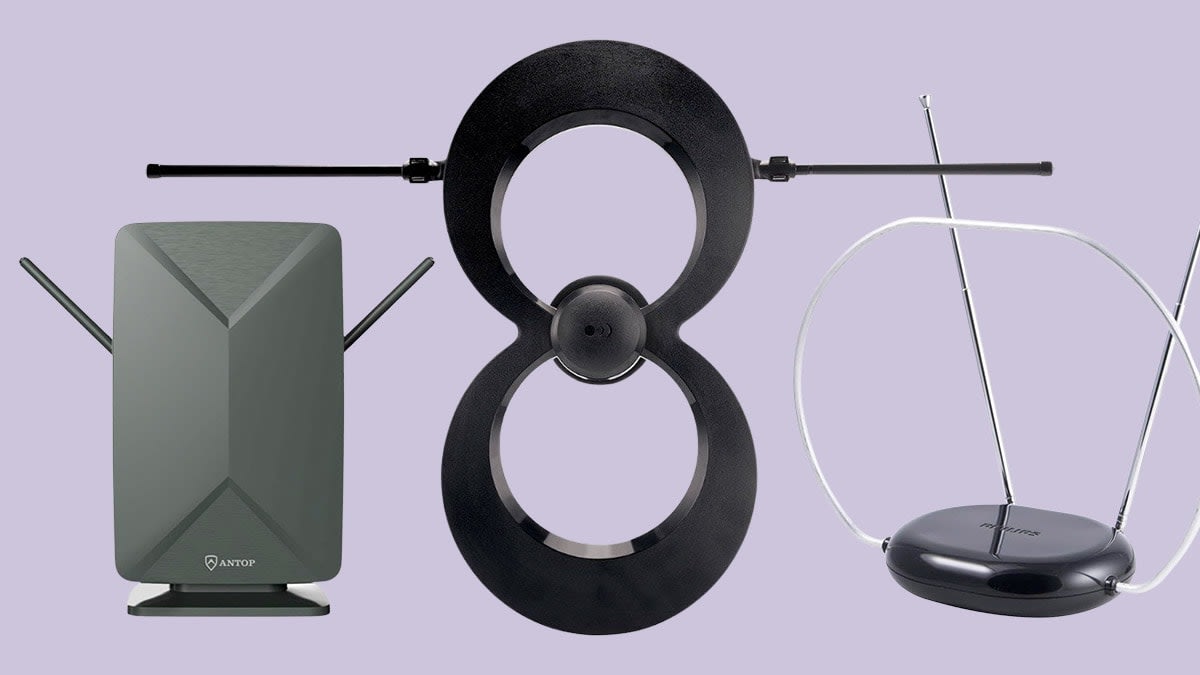
Indoor antennas are easy to install and work well when local towers are reasonably close and the signal has a clear path through the home. Flat panels such as Channel Master FLATenna suit walls and windows, while compact models such as HIDB fit on a table or cabinet.
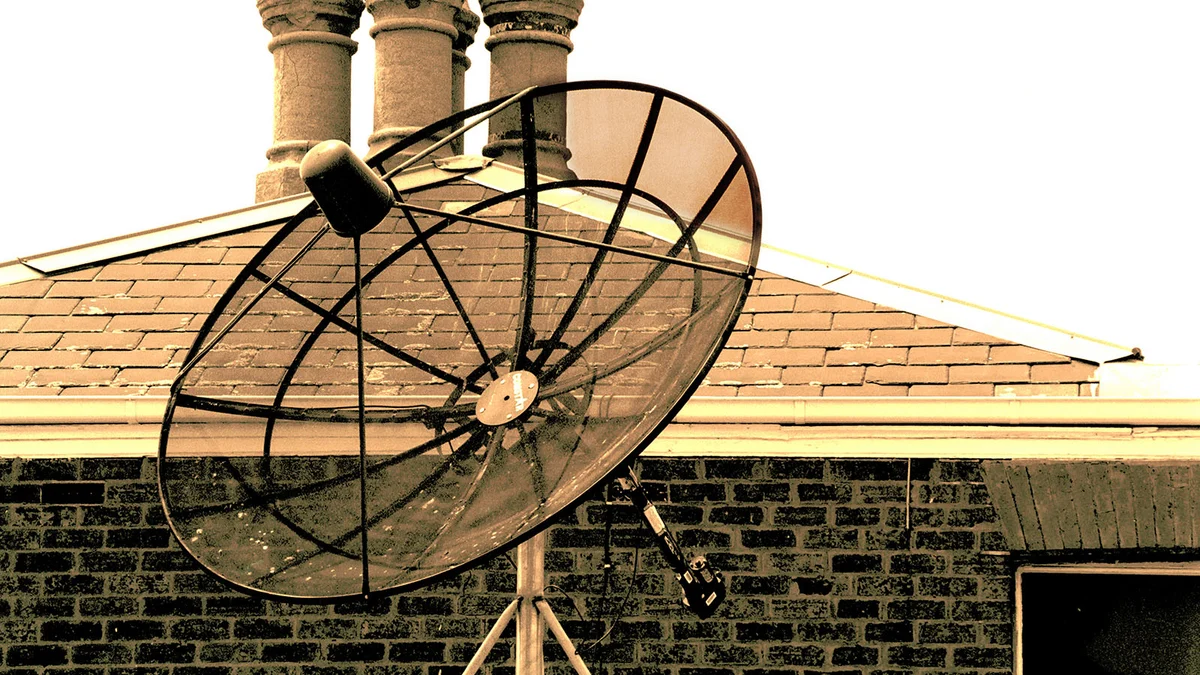
Outdoor antennas usually have a better chance in difficult locations because elevation reduces some building and furniture obstruction. PBD is the only product here with a dedicated outdoor structure, motorized rotation, and a mounting pole. Donstock, Qboy, VinixCruzr, and JM NEXLOV are described as suitable for both indoor and outdoor use, but their outdoor installation details are less comprehensive.
Reception direction
An omnidirectional antenna receives signals across a broad area without requiring constant manual aiming. That is convenient when you do not know where towers are or when multiple towers sit in different directions.
A directional or rotating design can be more effective when you know the broadcast towers are concentrated in one direction. PBD’s motorized 360-degree rotation lets you adjust from inside the house. The indoor panels are easier to place, but they do not offer that same fine control.
A longer range claim cannot compensate for an antenna sitting behind the TV in a poor signal location.
Cable length
Cable length determines how far the antenna can move from the television. FLATenna includes 12 feet, Oyned includes 16.5 feet, VinixCruzr includes 16 feet, JM NEXLOV includes 18 feet, Donstock includes 38 feet, and Qboy includes 40 feet.
Longer is not automatically better. Extra cable can make routing untidy, and every long run needs sensible placement and connections. Pick the length that lets you reach a window, high wall, attic, or exterior position without leaving a large coil behind the TV.
Signal filtering and amplification
Amplification can help compensate for signal loss in a cable run or strengthen a weak signal before it reaches the television. It cannot create broadcasts that are blocked by terrain or a building. An amplifier can also be unhelpful when the incoming signal is already strong.
intelbras includes a short-range setting for homes within 35 miles of a tower. Donstock specifies short range within 38 miles and long range beyond that. Oyned advertises an eight-stage filter, while Qboy describes a multi-layer filter system. Treat these features as tools for managing interference, not substitutes for good antenna placement.
Broadcast compatibility
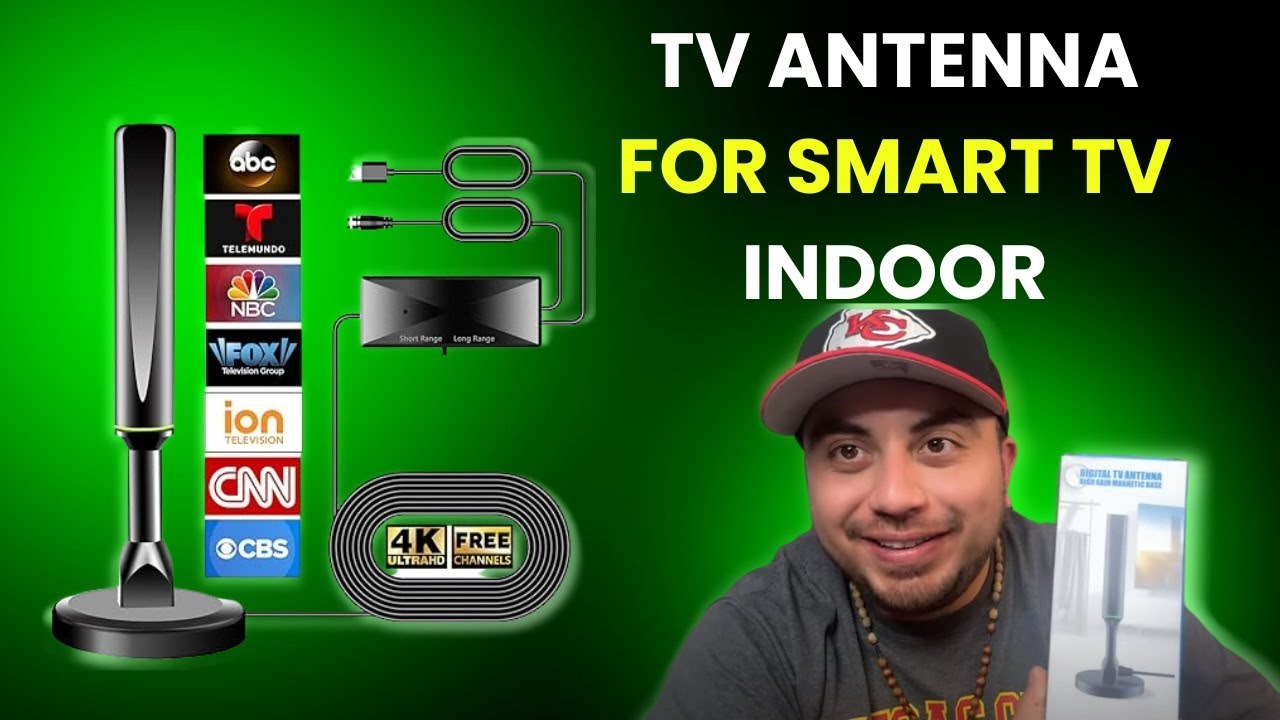
The antenna must connect to the television through its coaxial input, and the TV must have a suitable tuner. The products in this list are described as compatible with smart TVs, while several also mention older televisions or digital converter boxes.
ATSC 3.0 support is specifically listed for Channel Master FLATenna, Qboy, and PBD. That can matter if compatible NextGen TV broadcasts are available in your area. Claims such as 4K, 8K, or HDR describe supported broadcast formats and equipment compatibility. They do not guarantee that your local stations transmit at those formats.
Frequently asked questions
Will an indoor antenna receive every local channel?
No. Reception depends on the distance to broadcast towers, terrain, building materials, interference, and antenna placement. Run a channel scan after every meaningful position change, especially when moving the antenna near a window or higher on a wall.
Is an outdoor antenna better than an indoor antenna?
An outdoor antenna often has an advantage because it can sit higher and avoid more obstructions. It also takes more effort to mount and route the cable. PBD is the strongest outdoor-focused option here, while FLATenna is the simpler choice when an indoor position already receives the channels you need.
Does a smart TV need a special antenna?
A smart TV does not need a special antenna simply because it has streaming features. The antenna connects to the TV’s coaxial antenna input, then the TV scans for over-the-air channels. Older televisions may need a digital converter box if they do not have a suitable digital tuner.
How important is antenna placement?
Placement is often more important than the antenna’s advertised range. Start near a window or exterior wall, keep the antenna away from large metal objects and other electronics, and try both vertical and horizontal positions when the manufacturer recommends it.
Do I need an amplifier?
Not always. An amplifier may help with a weak signal or a long cable run, but it cannot fix severe obstruction or a poor tower direction. If your home is close to towers, use a short-range setting when available and compare results with the amplifier disabled or reduced.
What does ATSC 3.0 support mean?
ATSC 3.0 is a newer over-the-air broadcast standard, also called NextGen TV. An antenna that supports it can receive compatible broadcasts when paired with a compatible television or tuner. Channel availability and features vary by location.
Can one antenna feed two TVs?
PBD specifically includes dual TV outputs for connecting two televisions without an additional splitter. Most other models in this roundup are presented as single-connection antennas. Splitting a signal can reduce strength, so a multi-TV setup may need suitable signal management.
The bottom line
The Best best antenna for local channels for most indoor users is Channel Master FLATenna. Its 35-mile range, 12-foot shielded RG6 cable, reversible flat design, mounting flexibility, and ATSC 3.0 support make it the most balanced option. HIDB Indoor Antenna is the better small-space alternative, while Oyned Magnetic Antenna is appealing when flexible placement and protection features matter.
For difficult reception or several televisions, PBD Outdoor Antenna is the clear upgrade. Its outdoor design, 360-degree motorized rotation, 40-foot cable, UHF and VHF support, and dual outputs justify the extra installation work. Donstock and Qboy are useful when a very long cable is the deciding factor.
If you are undecided, choose FLATenna for a normal indoor setup and PBD when the antenna needs to work outside or far from the towers.
As an Amazon Associate we earn from qualifying purchases.