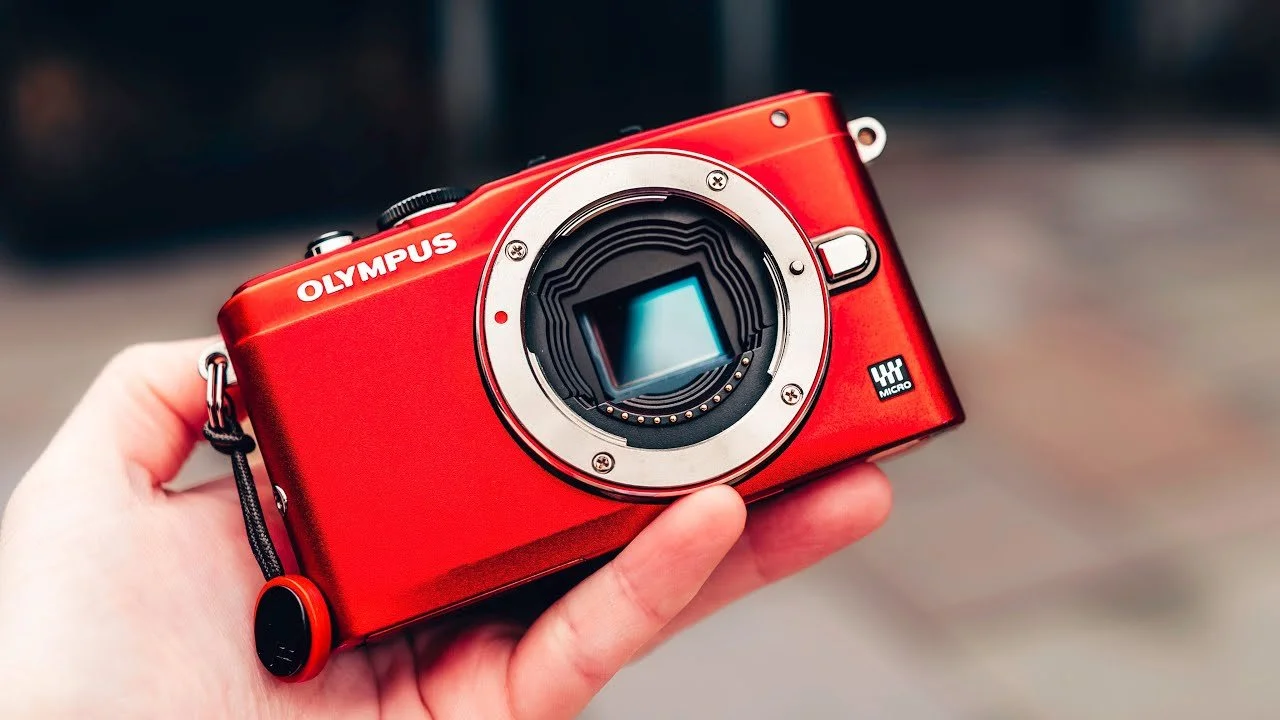

A phone is convenient until you need real optical zoom, a physical shutter button, or a camera that a child can use without borrowing your personal device. The challenge with the Best budget camera is separating genuinely useful shooting tools from inflated resolution claims and vague creator marketing.
This list covers simple point-and-shoot models, beginner DSLRs, an entry-level mirrorless camera, and several creator-focused compact cameras. The Canon EOS R100 is our top pick for image quality and room to grow, while the KODAK PIXPRO FZ55 Black is the easiest compact camera to recommend for everyday snapshots.
Comparison table
| # | Product | Award | Sensor | Zoom | Screen and battery | Best for |
|---|---|---|---|---|---|---|
| 1 | Canon EOS R100 | Best overall | 24.1MP APS-C CMOS | Interchangeable lens, 18 to 45mm kit lens | Wi-Fi and Bluetooth | Beginners who want room to grow |
| 2 | KODAK PIXPRO FZ55 Black | Best compact | 16MP CMOS | 5x optical, 28mm wide angle | 2.7-inch LCD, rechargeable battery | Everyday pocketable shooting |
| 3 | Canon EOS Rebel T7 | Best DSLR starter | 24.1MP APS-C CMOS | Interchangeable lens, 18 to 55mm kit lens | Optical viewfinder, Wi-Fi and NFC | Learning traditional photography |
| 4 | KODAK PIXPRO FZ45 Black | Best AA-powered compact | 16MP CMOS | 4x optical, 27mm wide angle | 2.7-inch LCD, two AA batteries | Travel and backup use |
| 5 | Duluvulu 4K Camera | Best flip-screen starter | 48MP stills, listed CMOS | 16x digital | 3-inch 180-degree flip screen, two batteries | Casual vlogging |
| 6 | AUREAPIX 8K Camera | Best creator features | 96MP stills, listed CMOS | 20x digital | 3.5-inch 180-degree flip screen, two batteries | Hands-on video experimentation |
| 7 | Canon EOS Rebel T7 Renewed | Best renewed DSLR | 24.1MP CMOS | Interchangeable lens, 18 to 55mm kit lens | 3-inch LCD, Wi-Fi and NFC | Canon DSLR entry |
| 8 | Tecglem 8K Camera | Best bundled creator kit | 88MP stills, listed CMOS | 16x digital | 3.2-inch touch screen, two batteries | New creators wanting extras |
| 9 | KODAK PIXPRO FZ55 Blue | Best colorful compact | 16MP CMOS | 5x optical, 28mm wide angle | 2.7-inch LCD, rechargeable battery | Simple everyday photos |
| 10 | KODAK PIXPRO FZ45 White | Best simple gift camera | 16MP CMOS | 4x optical, 27mm wide angle | 2.7-inch LCD, two AA batteries | Straightforward family use |
1. Canon EOS R100: Best Overall

Pros
- 24.1MP APS-C sensor
- Interchangeable lens system
- 4K video recording
- Face and eye detection autofocus
- Wi-Fi and Bluetooth connectivity
Cons
- Kit lens has a relatively narrow f/4 to f/6.3 aperture range
- The listing does not include a flip screen
- More camera than casual snapshot users need
Best for: beginners who want a serious camera body they can keep learning with.
The Canon EOS R100 is the pick we would give to someone who wants to learn photography rather than simply replace a phone. Its 24.1MP APS-C CMOS sensor is substantially more useful than the oversized megapixel claims on several compact creator cameras here. The larger sensor gives the interchangeable lens system a stronger foundation for detail, subject separation, and shooting in less forgiving light.
The included RF-S 18-45mm f/4.5-6.3 IS STM lens covers the everyday range most beginners need. At the wide end it suits rooms, groups, and travel scenes. At the longer end it gives portraits and ordinary distant subjects a tighter frame. The f/4 to f/6.3 range is not especially bright, so this is not the camera to choose for dark interiors without considering another lens, but the mount lets the owner add one later.
Autofocus is a major reason to choose the R100 over the Canon EOS Rebel T7. The R100 offers Dual Pixel CMOS AF with human face and eye detection, plus animal and vehicle detection. It can also shoot up to 6.5 frames per second with One-Shot AF. Those features make moving subjects less frustrating than a basic DSLR autofocus layout, especially for family photos and casual action.
Video is another clear advantage. The R100 records 4K at up to 24 frames per second, Full HD at up to 60 frames per second, and HD at up to 120 frames per second. Wi-Fi and Bluetooth make the camera easier to connect to a phone, though the data does not specify the exact transfer workflow or whether a particular cable is included. The camera body is compact for an interchangeable lens model, but it still asks the owner to learn lens changes, batteries, menus, and exposure settings.
Skip this one if you only want a tiny camera that can be handed around at a party. The KODAK PIXPRO FZ55 Black is simpler and lighter for that job. Choose the R100 if you want the strongest imaging base in this group and a clear path beyond the included lens.
2. KODAK PIXPRO FZ55 Black: Best Compact

Pros
- 5x optical zoom
- 28mm wide-angle lens
- Rechargeable lithium-ion battery
- 16MP CMOS sensor
- Full HD video
Cons
- Small 2.7-inch LCD
- No interchangeable lens system
- Not the right choice for advanced autofocus control
Best for: travelers, families, and anyone who wants a small camera with genuine optical zoom.
The KODAK PIXPRO FZ55 Black gets the fundamentals right. It is small enough to carry without changing how you travel, but it does not rely entirely on digital enlargement. Its 5x optical zoom starts with a 28mm wide-angle lens, so it can handle a group indoors and then tighten the frame for a sign, landmark, or person across a modest distance.
Its 16MP CMOS sensor is aimed at ordinary daylight photography, family moments, and travel images. That resolution is plenty for sharing and standard prints, while the simpler design keeps the camera approachable. The FZ55 also records Full HD video, which is suitable for clips and basic vlogging but not the 4K footage offered by the Canon EOS R100 or the creator-oriented cameras below it.
The 2.7-inch LCD is functional rather than luxurious. It gives you a clear framing surface without making the body large, but it will not provide the flexible angles of the Duluvulu 4K Camera or the AUREAPIX 8K Camera. The rechargeable lithium-ion battery is more convenient than the AA setup in the KODAK PIXPRO FZ45 Black, particularly when the camera is used regularly and charged between outings.
The main reason to buy this model is the optical zoom, not a long feature list. Digital zoom can make a subject appear larger on screen, but it does not provide the same useful framing advantage as moving through a real optical range. The FZ55 is also a lighter carry than either Canon DSLR, and its 0.23125-pound listed weight makes that difference easy to understand.
It is not a camera for someone who wants lens upgrades, deep control over focus, or a bright viewfinder experience. The R100 produces a more capable image and gives a creator more room to develop. For a straightforward compact that is easy to pick up and use, though, the FZ55 Black is the cleaner recommendation. Readers comparing similar pocketable options can also consider how much optical zoom matters in a small everyday camera.
3. Canon EOS Rebel T7: Best DSLR Starter

Pros
- 24.1MP APS-C CMOS sensor
- Optical viewfinder
- 9-point autofocus system
- Built-in Wi-Fi and NFC
- Compatible with Canon EF and EF-S lenses
Cons
- Older 9-point autofocus layout
- Full HD video rather than 4K
- Larger and heavier than the compact picks
Best for: new photographers who want to learn with a traditional DSLR and optical viewfinder.
The Canon EOS Rebel T7 is the classic teaching camera in this group. It has a substantial DSLR grip, an optical viewfinder, a physical control layout, and a standard 18-55mm kit lens. That combination feels more deliberate than a pocket compact. You look through the lens, set up the frame, and learn the connection between focal length, aperture, shutter speed, and the final image.
Its 24.1MP APS-C CMOS sensor gives the T7 a strong still-photo foundation. The listed ISO range runs from 100 to 6400, expandable to 12800, which provides flexibility when daylight fades. ISO expansion does not make a camera a low-light specialist, but the range gives a beginner room to understand how sensitivity affects noise and shutter speed.
The optical viewfinder covers approximately 95 percent of the scene. That means the captured frame can include a little more around the edges than the viewfinder shows, a small quirk that takes getting used to. The 9-point autofocus system with AI Servo AF is straightforward, but it is less flexible than the R100’s face, eye, animal, and vehicle detection. The T7 is better suited to posed subjects and deliberate composition than fast-moving action.
Built-in Wi-Fi and NFC make sharing easier than with older entry-level DSLRs, and the camera can be used as a webcam with Canon’s EOS Utility Webcam Beta Software on compatible Mac and Windows computers. Video tops out at Full HD, so the R100 is the better Canon if video creation is a major part of the plan. The T7’s 1.04-pound listed weight and traditional body also make it less casual to carry than the KODAK models.
This is the camera to skip if you want the lightest possible travel companion or modern subject tracking. It remains a good learning platform for someone who specifically prefers an optical viewfinder and a conventional DSLR feel. Compared with the renewed Canon EOS Rebel T7, this new kit is the simpler recommendation when condition and purchase confidence matter more than getting the same basic camera body in another listing.
4. KODAK PIXPRO FZ45 Black: Best AA-Powered Compact

Pros
- Uses two AA alkaline batteries
- 4x optical zoom
- 27mm wide-angle lens
- 16MP CMOS sensor
- Full HD video
Cons
- 2.7-inch LCD is modest in size
- Less zoom reach than the FZ55
- AA batteries add bulk and waste compared with a rechargeable cell
Best for: occasional users who want a simple camera that can be powered with widely available batteries.
The KODAK PIXPRO FZ45 Black is deliberately uncomplicated. There is no interchangeable lens system to learn and no creator-focused menu built around social video. You turn it on, frame the subject on the 2.7-inch LCD, and use the 4x optical zoom to adjust the composition. That simplicity is its strongest feature for children, occasional users, and family members who do not want a technical camera lesson.
The 16MP CMOS sensor is suited to everyday photos, while the 27mm wide-angle lens gives it a slightly broader starting view than the FZ55’s 28mm lens. That extra width is useful inside a room or when photographing a group at close range. The FZ45 records Full HD video, so it handles short travel clips and family footage without claiming to be a high-resolution creator system.
The two-AA battery design separates it from the rechargeable FZ55 models. It is convenient when the camera is going into a drawer for months and then needed unexpectedly, since replacement batteries are easy to find. The trade-off is that AA cells are less elegant to carry and replace than a rechargeable lithium-ion battery. The camera supports Class 10 SD, SDHC, or SDXC cards up to 512GB, although the card is not described as included.
The FZ45 is also compact, with listed dimensions of 3.66 inches long, 2.37 inches wide, and 1.13 inches high. Its listed weight is 0.25625 pounds. That makes it easy to pack, though the FZ55 is lighter and gives you a 5x optical zoom. The Canon EOS Rebel T7 is far more capable for still photography, but it is a different kind of camera and is much less convenient for casual carry.
Skip this model if you regularly photograph distant subjects or prefer charging one battery rather than carrying AAs. Pick it over the FZ55 when simple storage, easy battery replacement, and a slightly wider lens matter most. It is a practical little camera for users who want fewer decisions, not fewer memories.
5. Duluvulu 4K Camera: Best Flip-Screen Starter

Pros
- 4K video recording
- Autofocus
- 3-inch 180-degree flip screen
- 16x digital zoom
- Two rechargeable batteries
Cons
- Zoom is digital rather than optical
- The listed still-image resolution is not comparable to sensor size
- No interchangeable lens system
Best for: first-time vloggers who need a front-facing screen and uncomplicated video features.
The Duluvulu 4K Camera is built around the selfie and vlog experience. Its 3-inch IPS screen flips 180 degrees, letting the person in front of the camera check framing without guessing. That is a meaningful advantage over the fixed-screen Kodak models when the camera is pointed toward its user.
The listing describes autofocus, 4K video, 48MP still images, and 16x digital zoom. The high still-image figure should be treated as a feature claim rather than a direct comparison with the Canon cameras’ stated APS-C sensor resolutions. Digital zoom enlarges the image rather than extending the optical reach, so it is most useful when convenience matters more than fine detail.
There is a useful selection of beginner-friendly extras. The camera includes exposure compensation from -3.0 to +3.0, time-lapse, slow motion, a fill light, anti-shake, continuous shooting, smile and face detection, a self-timer, and filters. It can also act as a webcam and connect to a computer over USB for downloads. Those modes make it more engaging than the FZ45 for someone experimenting with short-form video.
Two rechargeable batteries are included, which is helpful for recording away from a power outlet. The camera is also described as compact and travel-oriented. Its weakness is image credibility compared with the Canon EOS R100. The R100 has a known 24.1MP APS-C CMOS sensor, interchangeable lenses, and more advanced autofocus. The Duluvulu wins on the flip screen and simple creator functions, not on a documented imaging platform.
Skip it if you need genuine optical zoom or intend to build a photography system. Choose it for a teen, beginner creator, or casual vlogger who will actually use the front-facing screen. For a broader look at the trade-offs between convenience and control, the features that matter in a first camera for new photographers are a useful place to start.
6. AUREAPIX 8K Camera: Best Creator Features

Pros
- 8K video listed
- 96MP still-image claim
- 3.5-inch 180-degree flip screen
- Wi-Fi transfer
- Two batteries and anti-shake features
Cons
- 20x zoom is digital
- The supplied data does not identify the sensor size
- Listed dimensions are unusually large for a compact camera
Best for: beginners who want a wide menu of creator modes and wireless transfer tools.
The AUREAPIX 8K Camera is the feature-heavy alternative to the restrained Kodak compacts. Its main appeal is not traditional photography control. It is the collection of tools aimed at someone making videos, trying filters, or moving images from camera to phone without a more involved workflow.
The listing describes 8K video, 96MP stills, autofocus, a 20x digital zoom, and an integrated flash. It also includes a 3.5-inch 180-degree flip LCD, which is the largest stated screen in this group. A larger screen is easier to use for self-framing and menu navigation, though it also makes the camera less obviously pocketable. The listed dimensions are 6.9 inches high, 4.53 inches long, and 6.9 inches wide, so buyers should check the physical design carefully before assuming it is genuinely small.
Wireless transfer uses the Viipulse app for iOS and Android, according to the product information. The camera can also operate as a webcam, with a built-in microphone intended for live streaming, online teaching, and video calls. HDR imaging, slow motion, continuous shooting, self-timer, anti-shake, and 60 filters add creative variety. Two batteries are included, which supports longer sessions without stopping to recharge.
The important limitation is that the supplied data does not identify the sensor size or provide a conventional lens specification. Its 20x zoom is digital, so the number should not be read like the 4x or 5x optical zoom on the Kodak cameras. The Canon EOS R100 is a safer choice for someone who cares about documented still-image performance and interchangeable lenses. The AUREAPIX is more tempting for a creator who values a large flip screen, wireless transfer, and lots of modes.
Skip it if you are buying primarily for dependable optical zoom or a camera system you can expand. Choose it if you want to explore vlogging tools without committing to DSLR controls. Buyers who prefer a smaller body should first consider the practical differences between compact camera shapes and pocket carry.
7. Canon EOS Rebel T7 Renewed: Best Renewed DSLR

Pros
- 24.1MP CMOS sensor
- 18-55mm lens
- Optical DSLR design
- Wi-Fi and NFC
- 3-inch LCD
Cons
- Renewed condition requires closer attention to the listing
- 9-point autofocus is dated
- Full HD video rather than 4K
Best for: learners who want the T7 platform and are comfortable considering a renewed camera.
The Canon EOS Rebel T7 Renewed is essentially the same kind of learning tool as the new Canon EOS Rebel T7. It uses a 24.1MP CMOS sensor, an 18-55mm lens, and a familiar DSLR body with a 3-inch LCD. That makes it a sensible option for someone who wants Canon’s traditional handling and lens compatibility but is specifically looking at a renewed listing.
Its ISO range runs from 100 to 6400, expandable to 12800. For daytime scenes and ordinary indoor photography, that gives a beginner useful control over sensitivity. The 9-point autofocus system with AI Servo AF is simple to understand, but it does not cover subjects as intelligently as the Canon EOS R100’s face and eye detection. This is a deliberate camera for learning composition, not a fast modern tracking machine.
Wi-Fi and NFC provide built-in sharing options. The T7 also supports Scene Intelligent Auto mode, which reduces the technical work when the owner wants to take a photo without choosing every setting. That combination of automatic and manual controls is one reason the T7 remains approachable. Full HD video is available, but creators who want 4K should move to the R100 or one of the compact creator models.
The renewed status is the central caveat. The product data does not provide a specific condition history, included accessories beyond the lens, or a detailed inspection record. That does not make it a poor camera, but it does mean the buyer should pay close attention to the listing terms and what is included. Its listed weight is 2.5 pounds, heavier than the new T7 listing and far heavier than the Kodak compacts, so this is not a casual pocket camera.
Choose the new Canon EOS Rebel T7 if you want the more straightforward version of this DSLR choice. Choose the renewed model when the listing’s condition details are acceptable and the traditional optical-viewfinder experience is the priority. Skip both T7 entries if modern autofocus and 4K video are more important than DSLR handling.
8. Tecglem 8K Camera: Best Bundled Creator Kit

Pros
- 8K video and 88MP still-image claim
- Front and rear dual lenses
- 3.2-inch touch screen
- Wi-Fi transfer
- Two batteries and a 32GB SD card
Cons
- 16x zoom is digital
- The listing does not specify sensor size
- Dual-lens design is less flexible than interchangeable lenses
Best for: new creators who want a touch interface, front and rear lenses, and included recording accessories.
The Tecglem 8K Camera takes the all-in-one creator approach. It includes front and rear lenses, a touch screen, wireless transfer, two batteries, and a 32GB SD card. That makes the first setup less complicated for someone who wants to record immediately rather than assemble a camera, card, and spare battery separately.
The listed specifications include 8K video, 88MP stills, autofocus, and 16x digital zoom. Its 3.2-inch IPS touch screen lets the user tap to frame, focus, and shoot. The front and rear lens arrangement is useful for selfies and vlogging, but it does not offer the optical flexibility of the Canon EOS R100’s RF-S lens mount. The digital zoom can help with framing at a distance, but it should not be confused with the optical zoom in the KODAK PIXPRO FZ55 Black.
A rotary mode dial gives quick access to time-lapse, filters, portrait, scene, slow motion, landscape, auto, and program modes. The listing also mentions a built-in flash, continuous shooting, and 6-axis stabilization. Those features create a playful, accessible camera experience and give a beginner plenty to try. Wi-Fi transfer through the iSmart DV2 app adds a direct route to sharing images and clips.
There is a clear documentation gap compared with Canon and Kodak. The supplied information does not state the sensor size, and the very high still-image figure does not explain the image quality a buyer can expect in difficult light. The Canon EOS Rebel T7 has a more established photographic foundation, while the Tecglem offers more creator-oriented convenience and bundled accessories.
Skip this model if you want a known lens ecosystem or a camera selected primarily for still-photo fundamentals. It makes more sense for a first-time creator who wants touch controls, two shooting directions, and an included card. The accessories are useful, but the buyer should keep the digital zoom and unspecified sensor in perspective.
9. KODAK PIXPRO FZ55 Blue: Best Colorful Compact

Pros
- 5x optical zoom
- 28mm wide-angle lens
- Rechargeable lithium-ion battery
- 16MP CMOS sensor
- Full HD video
Cons
- 2.7-inch LCD is not large
- No interchangeable lens system
- Blue finish is the main distinction from the black version
Best for: users who want the FZ55 design in a blue finish for family or travel use.
The KODAK PIXPRO FZ55 Blue is the same straightforward camera concept as the black FZ55, with the finish providing the meaningful distinction in this list. It is a small point-and-shoot with a 16MP CMOS sensor, a 5x optical zoom, and a 28mm wide-angle lens. Those are the specifications that matter more than its appearance, and they make it suitable for ordinary travel and family photography.
The 5x optical range is the useful part. It gives the camera more framing flexibility than the 4x KODAK PIXPRO FZ45 models, while the 28mm starting point remains broad enough for groups and indoor scenes. Full HD video is available for simple clips. This is a camera for capturing moments without managing lenses, not a replacement for the Canon EOS R100 when background blur or advanced autofocus is the goal.
The rechargeable lithium-ion battery is a good fit for regular use. Charge it before an outing and the camera is ready without carrying AA batteries. It supports Class 10 SD, SDHC, or SDXC cards up to 512GB, though the supplied information does not say that a card is included. The 2.7-inch LCD keeps the body compact, but it gives less room for reviewing photos than the 3.5-inch screen on the AUREAPIX.
The FZ55 Blue is lighter than the FZ45 models, with a listed weight of 0.23125 pounds. That difference is small on paper but useful when the camera spends a day in a pocket or small bag. It lacks the front-facing screen and extra video modes of the Duluvulu 4K Camera, yet its optical zoom is more meaningful for still photography than that model’s 16x digital zoom.
Pick the black FZ55 if finish does not matter and you want the same core camera in the more conventional color. Pick this blue version when visibility, personal preference, or gift appeal matters. Skip it if you need 4K video, advanced subject tracking, or a lens system.
10. KODAK PIXPRO FZ45 White: Best Simple Gift Camera

Pros
- 4x optical zoom
- 27mm wide-angle lens
- Two AA battery operation
- 16MP CMOS sensor
- Full HD video
Cons
- Less zoom reach than the FZ55
- Uses AA batteries rather than a rechargeable cell
- 2.7-inch LCD is compact
Best for: family members and occasional photographers who want a simple white compact camera.
The KODAK PIXPRO FZ45 White is the color variation of the FZ45 Black, and the two cameras have the same core specification. It uses a 16MP CMOS sensor, 4x optical zoom, a 27mm wide-angle lens, and a 2.7-inch LCD. The white finish makes it visually distinct, but the more important choice is whether the FZ45’s AA-powered simplicity suits the intended user.
A 27mm equivalent wide-angle view is useful for indoor photos and groups. The 4x optical zoom provides some flexibility without making the camera complicated, though the KODAK PIXPRO FZ55 models extend farther with 5x optical zoom. Full HD video handles family clips and travel memories, but the Canon EOS R100 is the obvious step up for someone who wants 4K and interchangeable lenses.
The camera works with Class 10 SD, SDHC, or SDXC cards up to 512GB. The supplied information does not state that a memory card is included, so the buyer should check the package before an event or trip. Two AA alkaline batteries are specified, which makes the camera easy to revive after sitting unused, but less streamlined than the rechargeable battery in the FZ55.
Its dimensions are 3.66 inches long, 2.37 inches wide, and 1.13 inches high, with a listed weight of 0.25625 pounds. That is still compact enough for a small bag. The lack of a flip screen, Wi-Fi, and modern autofocus keeps the operation simple, but it also limits this model’s appeal for creators. Someone filming themselves should move to the Duluvulu 4K Camera or AUREAPIX 8K Camera.
Choose the White FZ45 when the intended user wants a basic camera with a physical zoom and replaceable batteries. Choose the Black FZ45 if the finish is irrelevant, or the FZ55 if a rechargeable battery and extra optical reach matter more. It is a sensible final pick for uncomplicated family photography, not a camera for ambitious video work.
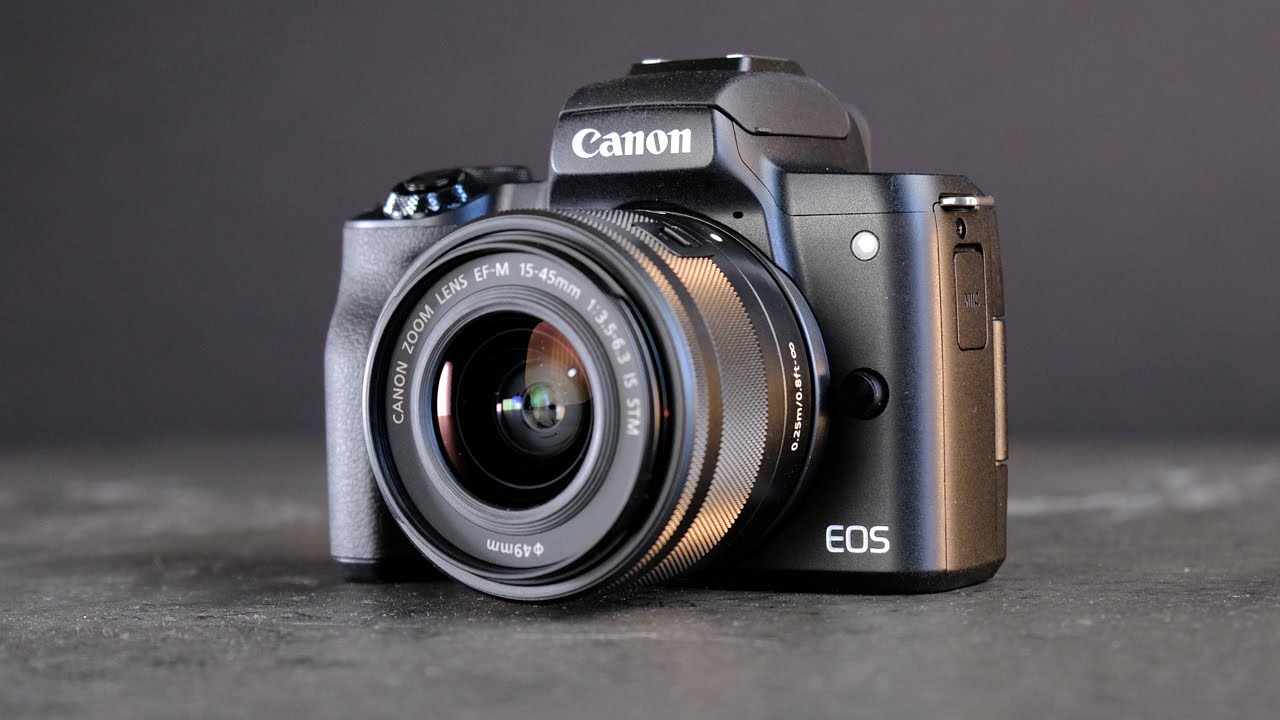
How to choose best budget camera
The right camera depends less on the largest number in a product title and more on the sensor, lens, controls, battery design, and type of shooting you actually plan to do.
Sensor size and image resolution
Sensor size has more practical influence on image quality than a large megapixel claim by itself. The Canon EOS R100 and both Canon EOS Rebel T7 entries specify APS-C or CMOS sensor formats with 24.1MP resolution, giving shoppers a clearer basis for comparison. The compact creator cameras list 48MP, 88MP, or 96MP still images, but the supplied information does not identify their sensor sizes.
For ordinary daylight snapshots, a 16MP compact camera can be entirely adequate. For more control over low-light images, background blur, cropping, and lens choice, an APS-C interchangeable lens camera is the stronger direction.
Optical and digital zoom
Optical zoom changes the lens’s actual view of the subject. The KODAK PIXPRO FZ55 models use 5x optical zoom, while the FZ45 models use 4x optical zoom. Those figures are useful when photographing a landmark or subject that cannot be approached.
Digital zoom enlarges part of the captured image. The Duluvulu, AUREAPIX, and Tecglem cameras list digital zoom figures, but those numbers should not be compared directly with Kodak’s optical zoom. Use digital zoom for convenience, not as evidence of a more capable lens.
A 5x optical zoom is a real framing tool. A 20x digital zoom is mainly a crop made in the camera.
Autofocus system
Autofocus determines how reliably the camera finds and holds the subject. The Canon EOS R100 has Dual Pixel CMOS AF with human face and eye detection, along with animal and vehicle detection. The Canon EOS Rebel T7 models use a 9-point autofocus system with AI Servo AF, which is more basic but still workable for posed subjects and deliberate shooting.
The compact creator cameras list autofocus, face detection, or upgraded autofocus features, but they provide less detail about how those systems behave. For moving people, pets, and vehicles, a documented subject-detection system is easier to trust than a large resolution claim.
Screen and viewfinder design
A fixed LCD is enough for conventional snapshots, and the 2.7-inch screens on the Kodak cameras help keep those models compact. A 180-degree flip screen, as found on the Duluvulu and AUREAPIX cameras, is much more useful when the person recording is also the subject.
The Canon EOS Rebel T7 offers an optical viewfinder, which helps in bright sunlight and gives photography learners a traditional shooting experience. The Canon EOS R100 is more modern in autofocus and video capability, but the product data here does not specify a flip screen. Decide whether you compose from behind the camera or in front of it before choosing.
Battery and storage
Battery design affects how easy a camera is to use away from home. The KODAK PIXPRO FZ45 models use two AA alkaline batteries, while the FZ55 models use a rechargeable lithium-ion battery. The Duluvulu, AUREAPIX, and Tecglem models list two batteries, and the Tecglem also lists a 32GB SD card.
The Kodak FZ45 supports SD, SDHC, or SDXC cards up to 512GB, as do the FZ55 models. The creator cameras use different storage descriptions, including a TF card reference on the Tecglem listing. Check the card format and included accessories before a trip, event, or recording session.
Frequently asked questions
Is a compact camera better than a phone?
A compact camera can be preferable when you want optical zoom, a dedicated device, or a physical shutter button. The KODAK PIXPRO FZ55 offers 5x optical zoom, while many phone cameras rely on a mix of fixed lenses and digital processing. A phone remains more convenient for instant sharing and carrying one device.
Which camera is easiest for a beginner?
The KODAK PIXPRO FZ45 models are the simplest choices because they use a fixed lens, a basic LCD, and straightforward controls. The Canon EOS R100 is also beginner-friendly, but its interchangeable lens system gives it more settings and more room to learn. The best fit depends on whether simplicity or long-term development matters more.
Which model has the best autofocus?
The Canon EOS R100 has the most clearly specified advanced autofocus system in this group. Its Dual Pixel CMOS AF includes human face and eye detection, plus animal and vehicle detection. The Canon EOS Rebel T7 models use a simpler 9-point AF system with AI Servo AF.
Do any of these cameras use optical zoom?
Yes. The KODAK PIXPRO FZ45 Black and White use 4x optical zoom, while the KODAK PIXPRO FZ55 Black and Blue use 5x optical zoom. The Duluvulu, AUREAPIX, and Tecglem listings describe digital zoom, which is a different form of enlargement.
Which camera is best for vlogging?
The Duluvulu 4K Camera is the most direct starter choice because it combines 4K video, autofocus, a 3-inch 180-degree flip screen, webcam functionality, and two batteries. The AUREAPIX and Tecglem models add wireless transfer and more creator modes. The Canon EOS R100 is the better foundation for a creator who also wants interchangeable lenses and a larger APS-C sensor.
Can these cameras be used as webcams?
The Duluvulu listing says it can work as a webcam, and the AUREAPIX listing also describes webcam functionality. Canon provides EOS Utility Webcam Beta Software compatibility for the EOS Rebel T7, while the supplied R100 data does not state webcam support. Check operating-system compatibility and connection requirements before relying on any model for live calls.
Should I choose the Canon EOS R100 or a Kodak compact?
Choose the Canon EOS R100 if image quality, autofocus, 4K video, and interchangeable lenses matter. Choose a Kodak compact if you want a smaller fixed-lens camera with simple controls and optical zoom. The FZ55 is the strongest Kodak fit for regular carry, while the FZ45 is better suited to users who specifically prefer AA batteries.

The bottom line
The Best best budget camera choice here is the Canon EOS R100 for anyone who wants a camera that can grow with their skills. Its 24.1MP APS-C sensor, 4K video, modern autofocus, and interchangeable RF-S lens system make it much more capable than the compact creator cameras, even though it takes more effort to learn.
For simple everyday shooting, the KODAK PIXPRO FZ55 Black is the pick to keep in a small bag. Its 5x optical zoom, rechargeable battery, 16MP sensor, and Full HD video cover the basics without the weight or complexity of a DSLR. The Canon EOS Rebel T7 remains the better teaching tool for someone who specifically wants an optical viewfinder and traditional controls.
If you are undecided, choose the Canon EOS R100 for growth, or the KODAK PIXPRO FZ55 for the simplest useful compact camera.
As an Amazon Associate we earn from qualifying purchases.