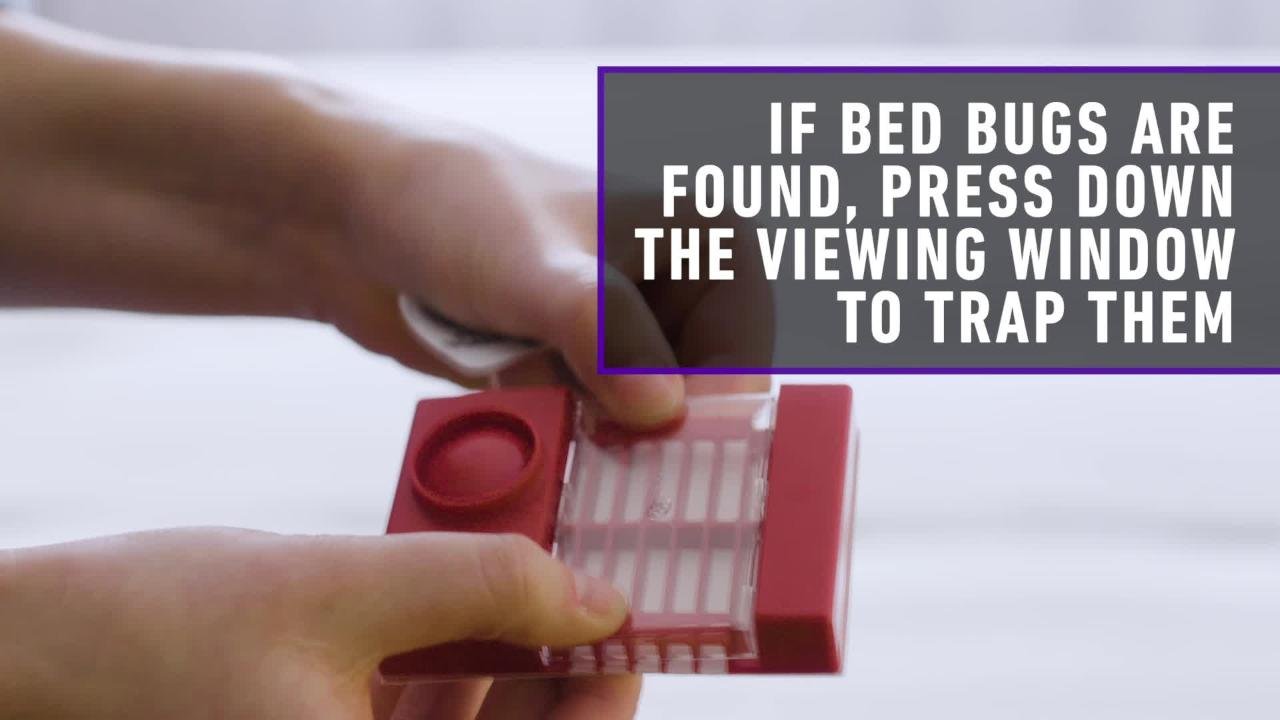

A single trap rarely solves every pest problem. Fruit flies circle the kitchen while spiders, roaches, and crickets follow wall edges, hide beneath appliances, or settle in dark storage spaces. The right trap starts with the type of insect you need to catch.
Our Best best bug traps for home picks include silent plug-in light traps for flying pests and pesticide-free glue boards for crawling insects. Catchmaster Max-Catch is the strongest all-purpose choice, while STEM, Safer, and TIENBE are better suited to fruit flies, gnats, moths, and mosquitoes.
| # | Product | Award | Type | Coverage or bundle | Best for |
|---|---|---|---|---|---|
| 1 | Catchmaster Max-Catch 36-Pack | Best overall | Glue board | 36 traps | Whole-home crawling pest control |
| 2 | STEM Indoor Insect Trap | Best flying pest trap | Plug-in light and glue cartridge | 1 device, 3 cartridges | Kitchens and living rooms |
| 3 | Safer Home Flying Trap | Best discreet single trap | Plug-in UV LED and glue card | 1 trap, 2 cards | One problem room |
| 4 | Safer Home Flying Trap 2-Pack | Best for multiple rooms | Plug-in UV LED and glue card | 2 traps, 2 cards | Kitchens and bedrooms |
| 5 | TERRO Spider and Insect Trap | Best concealed glue trap | Foldable glue board | 10 traps | Spiders and roaches |
| 6 | LULUCATCH Cricket Traps | Best pre-baited board | Large scented glue board | 6 traps | Crickets and larger crawlers |
| 7 | Trapper Max Glue Boards | Best scented rodent board | Foldable glue board | 12 boards | Mice and mixed pests |
| 8 | Catchmaster Spider and Insect Traps | Best for broad placement | Flat or foldable glue board | 45 traps | Garages, sheds, and storage |
| 9 | Catchmaster Crawling Pest Traps | Best compact board | Adhesive glue trap | 12 traps | Edges, cabinets, and appliances |
| 10 | TIENBE Flying Insect Trap | Best night-light design | Plug-in UV light and glue card | 1 device, 6 cards | Bedrooms and nighttime use |
1. Catchmaster Max-Catch 36-Pack: Best Overall

Pros
- Covers insects, rodents, and other crawling pests
- 36 ready-to-use glue boards
- Pesticide-free and designed for indoor placement
- Can remain effective for up to one year in normal conditions
Cons
- Open glue surfaces are less discreet than enclosed traps
- Glue boards require careful placement around children and pets
- It does not target flying insects with light
Best for: households that want one broad glue-board system for walls, pathways, and hidden corners.
Catchmaster Max-Catch is the trap we would reach for when the pest is not yet fully identified. Its job is simple: place a board along a known route, leave the paper on initially so pests can acclimate, then let the adhesive do the work. That makes it more flexible than the plug-in traps here, which are designed mainly for flying insects.
The 36-pack is useful because effective glue-board placement usually means using several locations at once. Put boards against walls and along suspected pathways rather than in the middle of a room. Each board measures 8.5 by 5.25 inches, giving it a meaningful capture area without requiring bait or a powered device. The product is also described as suitable for ants, mice, rats, roaches, spiders, crickets, and other pests.
Catchmaster says the traps can last up to one year indoors under normal conditions. That is a statement about the adhesive remaining available, not a promise that one board will solve an active infestation for that long. Dust, moisture, traffic, and a full trap will all change the replacement schedule. Still, the pesticide-free design makes it practical for areas where sprays or rodenticide are undesirable.
Compared with the smaller Catchmaster Crawling Pest Traps, Max-Catch gives you a larger 36-board supply and a larger listed footprint. TERRO is more versatile when you want to fold a board into a concealed tunnel, while STEM and Safer are better for gnats and fruit flies. Max-Catch's weakness is visibility. An exposed glue board is not the right choice in an accessible play area, and it cannot draw airborne pests from across a room.
For a mixed pest problem involving roaches, spiders, crickets, ants, or rodents, this is the most adaptable starting point. Place it thoughtfully, inspect it regularly, and treat it as a monitoring and capture tool rather than a substitute for sealing entry points or addressing a larger infestation.
2. STEM Indoor Insect Trap: Best Flying Pest Trap

Pros
- Targets fruit flies, gnats, moths, mosquitoes, and house flies
- Includes three sticky cartridges
- Insecticide-free and designed for quiet operation
- Rotates 90 degrees for flexible outlet placement
Cons
- One device covers only one outlet location
- Not designed for roaches, spiders, or mice
- Cartridge replacement is part of ongoing use
Best for: kitchens and living spaces where flying insects are the main nuisance.
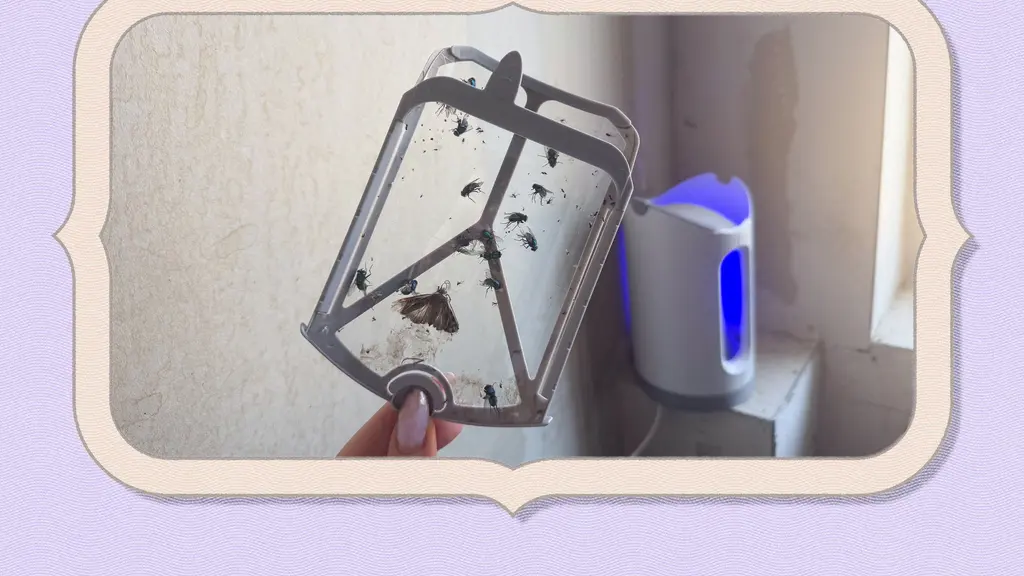
STEM takes the opposite approach to Catchmaster Max-Catch. Instead of putting adhesive along a floor or wall, it uses a soft blue light to draw flying insects toward a sticky cartridge. That keeps the capture surface contained inside a plug-in unit and avoids the noise associated with traditional electric zappers.
The package includes one device and three cartridges. The setup is uncomplicated: insert a cartridge, plug the unit into a wall outlet, and position it near the activity. STEM lists fruit flies, gnats, mosquitoes, moths, and house flies among its targets, so it is a better match for a kitchen counter or living room than a basement corner occupied by spiders.
Its 90-degree rotation matters more than it sounds. Outlets are often behind furniture or installed sideways, and a fixed plug-in can block the second socket or sit awkwardly. The rotating design gives you more control over how the trap rests against the wall. The unit is listed at 3.13 inches high, 8.38 inches long, and 6.75 inches wide, so it needs more surrounding space than a tiny night-light-style plug-in.
The product is insecticide-free and described as suitable around people and pets when used as directed. That does not mean the adhesive surface should be accessible to a curious child or animal. Safer's single trap hides captured insects more completely and has a smaller listed footprint, while TIENBE adds a night-light function and more replacement cards. STEM is the cleaner pick when quiet operation and a soft light matter more than extra modes.
Skip this one if your issue is crawling pests. It will not replace the broad surface coverage of a glue board. For gnats and fruit flies in the room where they appear, though, the enclosed cartridge system is straightforward and less visually unpleasant than open sticky traps.
3. Safer Home Flying Trap: Best Discreet Single Trap

Pros
- Compact plug-in design
- UV LED attracts fruit flies, gnats, and moths
- Captured insects remain hidden
- Rotating plug fits different outlet orientations
Cons
- Includes only two glue cards
- One device is intended for one room at a time
- Flying pest focus limits its use against crawling insects
Best for: a kitchen, bedroom, or plant area that needs one discreet flying-insect trap.
Safer Home is the most polished single-room option in this group. Its main advantage is not a complicated feature set. It is the way the trap disappears into an outlet while keeping caught insects out of sight. That makes it easier to leave in a kitchen or bedroom than a flat glue board.
The trap uses UV LED light to attract fruit flies, gnats, moths, and other flying insects. Safer identifies kitchens, bedrooms, and areas with houseplants as suitable locations, which tracks with where small flying pests commonly become noticeable. The unit measures 5.8 inches high, 2.25 inches long, and 3.2 inches wide, with a listed weight of 0.16 pounds.
Setup takes a single step beyond plugging it in. Insert one of the included StickyTech glue cards, then place the trap near insect activity. The rotating plug helps it fit standard outlets without forcing the unit into one orientation. Its chemical-free design is intended for use around children and pets when used as directed, though the trap should still be placed where the adhesive card cannot be reached.
STEM is the stronger alternative if you want three cartridges in the box and a 90-degree rotation feature. TIENBE offers six glue cards plus a night-light mode. Safer's advantage is its compact, concealed design, and its weakness is the limited initial card supply. It also has no meaningful role against roaches, spiders, ants, crickets, or mice.
Choose this model when one room is the problem and appearance matters. It is especially sensible for someone who wants to address flying insects without leaving a visible sticky surface beside the baseboard.
4. Safer Home Flying Trap 2-Pack: Best for Multiple Rooms

Pros
- Two plug-in devices for separate rooms
- UV LED attraction for common flying pests
- Listed coverage of up to 400 square feet per device
- Rotating outlet design and hidden glue cards
Cons
- Only two glue cards are included
- Coverage depends on placement and room conditions
- Not suitable for crawling pests
Best for: spreading flying-insect control between two rooms.
The Safer 2-Pack solves a practical problem that a single trap cannot: insects rarely stay in the room where you first notice them. One device can sit near the kitchen or dining area while the other handles a bedroom, living room, or houseplant corner. The two-unit layout is more useful than moving one trap around every day.
Each unit uses UV LED light and a StickyTech glue card to attract and capture fruit flies, gnats, moths, and other flying insects. Safer lists up to 400 square feet of coverage per device, or 800 square feet in total. Those figures are best treated as placement guidance rather than a guarantee, since walls, competing light, airflow, and the source of the insects affect results.
The units rotate to fit outlet orientations and operate continuously without the snap or buzz of a zapper. Their design keeps captured insects hidden, a small but important advantage in bedrooms and visible living spaces. The listed dimensions for each device are 5.31 inches high, 5.63 inches long, and 5.31 inches wide, so check that the chosen outlets have enough clearance.
The trade-off is the included refill supply. There are two devices but only two glue cards, so each unit starts with one card. STEM gives you one device with three cartridges, which suits a single high-activity area better. Safer's single-pack is less useful when two rooms need attention at once, while the 2-Pack is the obvious choice for distributed coverage.
This is the Safer model to buy when flying pests are appearing in more than one room. It will not help with spiders or roaches along the floor, but for a home-wide fruit-fly or gnat problem, two discreet placements are easier to live with than one trap that never reaches the second room.
5. TERRO Spider and Insect Trap: Best Concealed Glue Trap

Pros
- Can be used flat or folded into a box
- Conceals the glue surface when folded
- Targets spiders, ants, roaches, and crickets
- Includes 10 traps for broad placement
Cons
- Folded form provides less exposed capture area
- Open boards still require careful placement
- No light-based attraction for flying pests
Best for: crawling pests in corners, basements, attics, and behind furniture.
TERRO is the most flexible traditional glue trap here because it can change shape. Use it flat when maximum adhesive area matters, or fold it into a concealed box when you want the glue and trapped insects less visible. That makes it easier to place behind a door, beneath furniture, or along a baseboard in a room where an open board would look out of place.
The package contains 10 sticky traps. TERRO specifically positions them for spiders, ants, cockroaches, crickets, and other crawling insects, with placement suggestions that include corners, baseboards, basements, and attics. The listed dimensions are 10 inches high, 4.25 inches wide, and 1 inch long, though the usable arrangement changes when the board is folded.
The foldable construction is more than a cosmetic feature. A tunnel can guide insects toward the adhesive while shielding some of the glue from dust and accidental contact. When folded, the trap is also less exposed to children and pets, but concealed does not mean inaccessible. Put it in a genuinely hidden location and check it regularly.
Catchmaster Spider and Insect Traps offer a much larger 45-trap supply and can also be used flat or folded, making them better for a garage or shed that needs many placements. TERRO is easier to recommend for a focused indoor problem because its box-style option is simple and the 10-pack is manageable. It cannot compete with Safer or STEM for flying pests.
Pick TERRO when the pest travels along the floor or wall and you want the capture surface hidden. It is a particularly sensible option for dark, high-traffic areas where a flat glue board would collect dust or attract unwanted attention.
6. LULUCATCH Cricket Traps: Best Pre-Baited Board
Pros
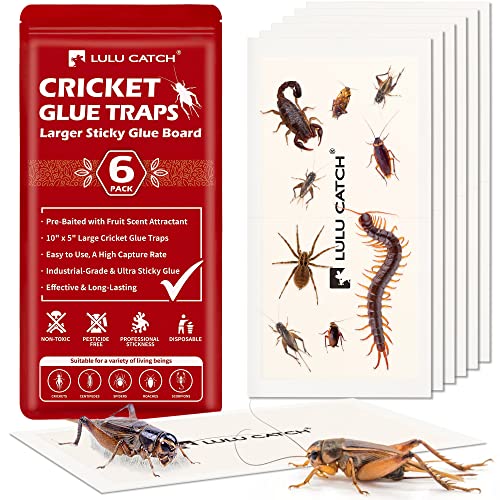
- Large 5 by 10 inch boards
- Pre-baited molasses and fruity scent
- Perforated so each board can be halved
- Targets crickets, roaches, spiders, and other crawlers
- Adhesive is described as lasting up to one year
Cons
- Open glue surface is not discreet
- Six boards provide less total placement than Catchmaster packs
- Scented adhesive may not suit every location
Best for: crickets and larger crawling insects in basements, garages, and utility areas.
LULUCATCH stands apart by adding a stated attractant to a large glue board. The boards measure 5 by 10 inches, and each is perforated so you can use half a sheet when a full board will not fit. That is useful beneath an appliance or inside a cabinet, where a long exposed surface may be awkward.
The pre-baited molasses and fruity scent is aimed at crickets but is also described as attracting cockroaches, spiders, scorpions, beetles, and house centipedes. This makes it more specialized than an unscented Catchmaster board, though scent alone should not be treated as a guarantee. Placement still matters more than marketing language. The suggested locations include attics, basements, garages, cabinets, fireplaces, and spaces behind furniture.
LULUCATCH describes the glue as non-toxic and insecticide-free, with adhesion that can last up to one year even in cold or humid conditions. The important practical detail is inspection. Replace a board when it is full, dusty, or no longer positioned across an active route. The product's own guidance also suggests moving a board if it catches very little in one place.
Catchmaster Max-Catch offers far more boards and broader rodent coverage. TERRO is better when folding and concealment matter. LULUCATCH wins when you want a large, pre-baited surface for crickets or other substantial crawling pests. Its weakness is the same feature that gives it reach: a 5 by 10 inch open board is hard to hide and easy to encounter if placed carelessly.
Choose it for a known cricket route rather than a vague, whole-house problem. Used in a basement corner, garage edge, or behind an appliance, the large perforated board gives you placement flexibility without requiring a separate bait.
7. Trapper Max Glue Boards: Best Scented Rodent Board

Pros
- 12 peanut-butter-scented glue boards
- Designed for mice and a range of insects
- Can be used flat or folded
- Non-toxic glue-board approach
Cons
- Larger pest focus is not ideal for flying insects
- Very large listed package dimensions may complicate storage
- Scent can be unsuitable near food or sensitive occupants
Best for: homes that need glue boards for mice alongside insects.
Trapper Max is the most rodent-oriented option after Catchmaster Max-Catch. Its 12 boards are peanut-butter scented, and the product is described for mice, bugs, insects, bed bugs, spiders, and cockroaches. That mix makes it a reasonable choice when the problem could be larger than a few kitchen gnats.
The glue-covered surface measures 4.5 by 6.5 inches, while the whole trap measures 5.25 by 7.75 inches. Those dimensions give you a useful capture area without requiring a powered unit. The boards can lie flat or be folded, so you can choose between more open adhesive and a more enclosed placement.
Scented boards are not automatically better than unscented ones. The peanut-butter scent may be useful for the intended rodent application, but it is less appealing in a kitchen or any location where food odors are already competing with the trap. It also makes careful placement more important around children and pets, despite the product being described as non-toxic.
Catchmaster Max-Catch is more compelling when you want a larger supply and broader indoor coverage. LULUCATCH uses a molasses and fruity scent and has larger boards, making it more targeted to crickets and larger crawlers. Trapper Max occupies the middle ground for someone who wants one board type to address mice and insects without adding bait separately.
Skip it if the only issue is fruit flies, gnats, or moths. Safer, STEM, and TIENBE are designed for that airborne activity and keep the adhesive inside a powered enclosure. Trapper Max makes sense in utility spaces where rodent pathways and crawling insects overlap.
8. Catchmaster Spider and Insect Traps: Best for Broad Placement

Pros
- 45 traps for extensive placement
- Can be used flat or folded
- No bait required
- Targets spiders, roaches, crickets, ants, and silverfish
- Suitable for monitoring activity
Cons
- Large quantity may be excessive for one room
- Glue boards are not suitable for flying insects
- Open use exposes the adhesive
Best for: garages, sheds, basements, and homes with many crawling-pest locations.
Catchmaster's 45-trap pack is made for a different scale of problem from a single plug-in unit. It gives you enough boards to cover corners, cabinets, entry points, garages, sheds, and storage areas at the same time. That makes it a strong choice for monitoring where pests are traveling, not just catching the one insect you saw.
The boards arrive ready to use without bait. Catchmaster recommends leaving the paper on initially so pests can acclimate, then placing the traps along corners and entry points. They can lie flat or fold into a tunnel, with the folded shape helping protect the adhesive from dust in basements, garages, and storage spaces.
The product is intended for spiders, roaches, cockroaches, crickets, ants, silverfish, centipedes, and other crawling pests. That list makes it more appropriate for perimeter control than STEM or Safer. It also means the boards work best when you think like the pest: follow walls, edges, dark gaps, and routes near food or moisture rather than placing a trap in open floor space.
The main question is quantity. Catchmaster Crawling Pest Traps are easier to manage for a smaller home problem, with 12 traps arranged in three packs of four. Max-Catch is the more versatile pick if mice and rats are also part of the concern. This 45-trap version is the one to choose when you need many monitoring points and do not want to keep moving the same few boards.
Its weakness is not performance but practicality. Forty-five open or folded boards take storage space and require more frequent inspection across the home. If pests are limited to one cabinet or one baseboard, a smaller pack is less cumbersome. For a garage, shed, or multi-room crawling-pest issue, the broad placement is the whole point.
9. Catchmaster Crawling Pest Traps: Best Compact Board

Pros
- 12 traps in three packs of four
- Ready to use without bait
- Pesticide-free and no-mess
- Useful for spiders, roaches, crickets, ants, and other crawlers
- Designed to last up to one year in normal conditions
Cons
- Smaller supply than the 36-pack and 45-trap options
- No concealment feature is specified
- Not intended for flying insects
Best for: compact placement along cabinets, walls, appliances, and pest pathways.
Catchmaster Crawling Pest Traps are the straightforward middle-sized option in the brand's lineup. The set includes 12 traps divided into three packs of four, which is convenient when you want to place boards in several areas without opening one large bundle all at once.
Like Max-Catch, these boards need no bait. The recommended approach is to leave the protective paper on first, then place the traps against walls and along suspected pathways. Catchmaster lists spiders, cockroaches, crickets, ants, and other insects among the targets. That makes these boards useful for finding where a problem is active as well as capturing pests.
The product is pesticide-free and described as suitable for residential, commercial, and industrial buildings, including areas where rodenticides or snap traps are undesirable or prohibited. The boards can last up to one year in normal conditions, but that depends heavily on dust, humidity, traffic, and how quickly the glue becomes occupied. A trap is only useful while the adhesive remains clean and exposed.
The larger Catchmaster Spider and Insect pack is better for a garage or shed with many possible entry points. Max-Catch is the better broad-spectrum choice if rodents belong in the plan. This 12-count set makes more sense when the problem is concentrated and you want a modest number of boards for cabinets, baseboards, and spaces under or behind appliances.
There is no powered attraction and no stated foldable enclosure, so placement is the important part. Keep boards out of accessible areas and inspect them instead of leaving them forgotten. For a small crawling-pest issue that needs a few discreet locations, this is a clean, uncomplicated pick.
10. TIENBE Flying Insect Trap: Best Night-Light Design

Pros
- Includes six replacement glue cards
- Uses 365nm and 395nm UV wavelengths
- Doubles as a gentle night light
- Smart and continuous night modes
- Silent, odor-free glue-board capture
Cons
- One device covers one location
- Flying pest focus limits whole-home use
- Night-light function may not suit every bedroom
Best for: bedrooms and other rooms where quiet nighttime operation matters.
TIENBE is the most feature-heavy plug-in trap in this roundup. It combines a UV light, replaceable glue cards, and a night-light function in one small device. The result is aimed at people who want flying-insect control without the crackle of a zapper or the odor of a spray.
The trap uses two stated UV wavelengths, 365nm and 395nm, and the product lists mosquitoes, fruit flies, gnats, and moths among its targets. It includes one device and six adhesive sheets, so there is a longer replacement supply in the package than with the Safer traps. The device measures 4.6 inches high, 2.4 inches long, and 1.2 inches wide, with a listed weight of about 0.24 pounds.
Its smart mode detects ambient light levels, while night mode provides continuous illumination. That gives you a choice between a light that responds to the room and one that stays on. The product describes the trap as silent and odor-free because it captures insects on glue cards rather than zapping them, which is better suited to a bedroom than an audible electric killer.
STEM is the simpler alternative if you prefer a soft blue light and a rotating 90-degree body. Safer's hidden capture design is more discreet, and the Safer 2-Pack is more useful when two rooms need coverage. TIENBE's clear advantage is the six-card supply and the night-light controls, but it remains a one-location solution and will not address crawling insects along walls or floors.
Choose it when nighttime use is central to the decision. It is a sensible bedroom or living-room trap for small flying pests, especially when you want a quiet device that can serve as a low-level light after dark.
How to choose best bug traps for home
The right trap depends first on whether the pest flies or crawls, then on where it moves and how much of the home needs coverage.
Pest type
Flying insects respond to light and are best handled by plug-in traps with UV LEDs and replaceable glue cards. Fruit flies, gnats, moths, mosquitoes, and house flies fit that category in this roundup. Spiders, roaches, crickets, ants, silverfish, and mice need adhesive boards placed along routes and edges.
A broad product description does not make one trap universal. A glue board may catch a stray flying insect, but it will not draw airborne pests the way STEM, Safer, or TIENBE can. Start with the insect's movement pattern, not the number of included pieces.
Placement and shape
Glue boards work best against walls, beneath furniture, inside cabinets, near appliances, and along suspected pathways. Flat boards expose more adhesive, while foldable designs can form a tunnel that is less visible and somewhat better protected from dust.
Plug-in traps need a clear outlet and nearby insect activity. Safer's rotating design, STEM's 90-degree rotation, and TIENBE's compact body make outlet placement easier, but none can cover every room from one socket.
Coverage and quantity
One flying-insect device addresses one room or one activity zone. The Safer 2-Pack is useful when pests appear in separate rooms, while the single Safer, STEM, and TIENBE units suit a focused problem. The listed Safer coverage is up to 400 square feet per device, though real results depend on light, airflow, and pest location.
Glue boards work differently. More boards let you test several routes at once, which can reveal where pests are entering. Catchmaster Max-Catch offers 36 boards, Catchmaster Spider and Insect Traps offer 45, and smaller sets such as TERRO and Catchmaster Crawling Pest Traps are easier to manage in a limited area.
Capture surface and maintenance
A glue board is only useful while its adhesive remains clean and available. Dust, moisture, and a full trap reduce its usefulness, so inspect boards regularly and replace them when occupied or contaminated. Plug-in models require changing glue cards rather than cleaning a zapper grid.
Pesticide-free does not mean every trap can be left within reach. Open boards should go in inaccessible areas, and enclosed plug-in units still need to be positioned according to their directions.
The most effective trap is usually the one placed directly on the pest's route, not the one with the longest target list.
Household safety
Look for insecticide-free construction when you want to avoid sprays, but read the placement guidance carefully. TERRO's folded form conceals its glue surface, while Safer keeps captured insects hidden inside the plug-in body. Open boards from Catchmaster, LULUCATCH, and Trapper Max need more deliberate positioning around children and pets.
For a larger or persistent infestation, traps are useful for monitoring and capture, but they do not correct leaks, food access, cracks, or other conditions that sustain pests. Questions about how to monitor other household hazards in the same spaces can also matter when setting up devices in kitchens, basements, or utility rooms.
Frequently asked questions
Are glue traps or plug-in traps better for a home?
Neither design is universally better. Plug-in traps are more appropriate for fruit flies, gnats, moths, mosquitoes, and other flying insects, while glue boards are made for crawling pests and some rodents. Choose based on how the pest moves through the room.
Where should I place a glue trap?
Place it against walls, along baseboards, beneath appliances, inside cabinets, or near a suspected entry point. Crawling insects tend to follow edges rather than cross open floor space. Keep exposed adhesive away from children and pets.
Do these traps use insecticide?
The products in this roundup are described as insecticide-free or pesticide-free, depending on the model. Their capture methods use adhesive boards or cartridges rather than a spray. Use every product as directed and do not treat non-toxic glue as harmless if it is accessible.
Can a flying-insect trap catch roaches or spiders?
The plug-in models are designed mainly for flying pests and are not a practical choice for roaches or spiders. Use a glue board placed along a crawling route for those insects. TERRO is especially useful when you want a board that can be folded into a concealed form.
How often should glue boards be replaced?
Replace a board when it is full, dusty, wet, or no longer sticky enough to capture pests. Some products describe adhesive life of up to one year under normal indoor conditions, but real replacement timing depends on the location and activity level.
Are plug-in traps noisy?
STEM and TIENBE are described as quiet or silent because they use glue cards instead of an electric grid. Safer also operates discreetly. They may still emit light, so consider the brightness and placement in a bedroom.
Do bug traps solve an infestation?
Traps can capture pests and show where activity is concentrated, but they do not remove every cause of an infestation. Seal entry points, clean food residue, reduce moisture, and address cracks or leaks where appropriate. For wider household monitoring, the places a home security setup should cover first can help you think through other vulnerable areas while you handle the pest issue.
The bottom line
The Best best bug traps for home depend on the pest, but Catchmaster Max-Catch 36-Pack is the strongest all-purpose choice for crawling insects and mixed household activity. It needs no bait, covers many locations, and works for everything from roaches and spiders to mice. For flying insects, STEM Indoor Insect Trap is the better dedicated pick because its soft light and replaceable cartridges keep the capture process contained.
Choose Safer Home Flying Trap 2-Pack when separate rooms need attention, TERRO Spider and Insect Trap when concealment matters, and TIENBE Flying Insect Trap when a quiet night-light mode is useful. The best way to settle on one is to identify whether the pest flies or crawls, then place the trap directly on its usual route.
If you are undecided, start with Catchmaster Max-Catch for crawling pests or STEM for fruit flies and gnats.
As an Amazon Associate we earn from qualifying purchases.