

A center speaker has one job that is easy to underestimate: keep every line of dialogue anchored to the screen while music, effects, and room noise compete around it. A weak match can make voices sound thin, muffled, or detached from the action.
The Best center channel speaker for most living rooms is the Klipsch R-52C, thanks to its high sensitivity, horn-loaded tweeter, and strong dialogue presence. The ten picks below range from compact cabinets for narrow TV furniture to substantial models designed for larger rooms and higher-output systems.
Comparison
| # | Product | Award | Drivers | Dimensions | Best for |
|---|---|---|---|---|---|
| 1 | Klipsch R-52C | Best overall | Dual 5.25-inch woofers, 1-inch tweeter | 18.75 inches wide, 7.3 inches high | Clear, energetic dialogue |
| 2 | Polk Monitor XT35 | Best slim design | Four 3-inch woofers, 1-inch tweeter | 24 inches wide, 4 inches high | Low TV consoles |
| 3 | Klipsch R-30C | Best modern Klipsch | Four 3.5-inch woofers, 1-inch tweeter | 25.98 inches wide, 4.96 inches high | Wide dialogue coverage |
| 4 | Polk Signature Elite ES35 | Best slim upgrade | Six 3-inch woofers, 1-inch tweeter | 24 inches wide, 4 inches high | Slim systems with fuller bass |
| 5 | Klipsch R-50C | Best compact Klipsch | Dual 5.25-inch woofers, 1-inch tweeter | 16 inches wide, 5 inches high | Smaller rooms |
| 6 | Polk Monitor XT30 | Best compact Polk | Dual 5.25-inch woofers, 1-inch tweeter | 20 inches wide, 6 inches high | AV shelves and consoles |
| 7 | Polk Audio T50 | Best first-system pick | Dual 5.25-inch woofers, 1-inch tweeter | 19 inches wide, 6.5 inches high | Basic Polk T-Series systems |
| 8 | Klipsch R-25C | Best high-output classic | Two-way design | 18.75 inches wide, 7.25 inches high | Energetic home theater sound |
| 9 | Klipsch RP-504C II | Best premium choice | Cerametallic woofers, titanium tweeter | 32.06 inches wide, 6.87 inches high | Large rooms and premium systems |
| 10 | Polk Blackstone TL1 | Best ultra-compact | Dual 2.5-inch mids, 0.5-inch tweeter | 15 inches wide, 4 inches high | Tight TV furniture |
1. Klipsch R-52C: Best Overall

Pros
- High-sensitivity design works easily with many receivers
- Horn-loaded tweeter gives dialogue an immediate, forward character
- Dual 5.25-inch woofers add body to voices and effects
- Cabinet remains manageable for most TV stands
Cons
- Larger than the slim Polk alternatives
- Horn presentation can sound bright in reflective rooms
- Older design lacks the newer styling of Klipsch's R-30C and R-50C
Best for: someone who wants clear, lively dialogue without a very large cabinet.
The Klipsch R-52C is the speaker we would start with when a movie system needs more intelligible voices but does not have room for a huge premium center. Its sound is direct and energetic rather than soft or sleepy. Dialogue tends to step forward in a mix, which is exactly what many people want from a center channel when actors are whispering or an action soundtrack is busy.
The hardware explains that character. Klipsch uses dual 5.25-inch spun-copper IMG woofers and a 1-inch aluminum tweeter mounted to a 90 by 90 Tractrix horn. The published frequency range is 89Hz to 21kHz at plus or minus 3dB, while 95dB sensitivity at 2.83V/1m means the speaker can produce strong output without demanding unusually powerful amplification. Its stated power handling is 400 watts, though that figure should not be treated as a recommendation to push an ordinary receiver to its limits.
At 18.75 inches wide and 7.3 inches high, the R-52C is notably more substantial than the Polk Blackstone TL1 and the slim Polk Monitor XT35. That extra cabinet volume gives voices more chest and makes effects sound less miniature. The Polk Monitor XT30 is a closer size comparison, but the Klipsch has the more pronounced horn-led presentation. It is also easier to blend with a Klipsch Reference system than with Polk speakers, where matching the front stage matters.
The weakness is tonal attitude. In a room with bare walls, glass, or a strongly reflective TV console, the horn can come across as forward or bright. Careful receiver calibration and sensible placement help, but listeners who prefer a relaxed, understated sound may favor the Polk Signature Elite ES35. The R-52C also needs a clear shelf because its 7.62-inch depth is not especially shallow.
Choose it when dialogue clarity and lively home theater impact matter more than hiding the speaker below the screen. For many conventional living rooms, it is the most convincing balance of size, output, and intelligibility in this group.
2. Polk Monitor XT35: Best Slim Design

Pros
- Four 3-inch woofers fit a very shallow cabinet
- Four-inch height helps it sit below many TVs
- Supports 4-ohm and 8-ohm systems
- Can be shelf-mounted or wall-mounted
Cons
- Long 24-inch cabinet needs adequate furniture width
- Slim construction cannot project the same weight as larger centers
- Placement below the TV may still require careful IR-sensor clearance
Best for: a modern TV setup where cabinet height is the main constraint.
The Polk Monitor XT35 solves the problem that sends many center speakers back to the box: the TV stand has plenty of width but almost no vertical clearance. At just 4 inches high, this is one of the easiest models here to place under a low television. Its long, flat profile looks deliberate rather than like a conventional speaker squeezed into the wrong space.
Polk fits four 3-inch dynamically balanced woofers around a 1-inch Terylene tweeter. That arrangement gives the XT35 a broad front panel and enough radiating area to keep voices from sounding as small as its individual drivers suggest. Polk also lists compatibility with 4-ohm and 8-ohm systems, a useful detail for owners whose AV receiver or surrounding speakers require more flexibility. The recommended amplifier range is 25 watts to 200 watts per channel.
The XT35 is a natural alternative to the Polk Signature Elite ES35. Both are 24 inches wide and 4 inches high, but the ES35 uses six 3-inch woofers and adds Polk's Power Port technology for stronger frontal bass. The XT35 is the easier fit for a restrained setup, and it can be wall-mounted below the TV without blocking the IR sensor according to its feature listing. The Klipsch R-30C is wider and slightly taller, with a more overtly forward horn presentation.
Its limitation is physical scale. Four small woofers can produce focused dialogue and a convincing midrange, but the XT35 does not have the same effortless fullness as the Klipsch R-52C or the much larger Klipsch RP-504C II. A large room, a wide listening area, or a system built for powerful action films may expose that difference. Buyers should also measure the full 24-inch width, not just the available space under the screen.
For a low-profile living room, the XT35 is the Best center channel speaker when placement determines the purchase. It is a particularly sensible match for Polk Monitor XT components and for listeners who want a clean, wall-friendly front stage.
3. Klipsch R-30C: Best Modern Klipsch

Pros
- Broad 90 by 90 Tractrix horn controls high-frequency dispersion
- Four 3.5-inch woofers provide a wide dialogue array
- LTS aluminum tweeter is designed to minimize distortion
- Clean magnetic grille and hidden fasteners
Cons
- Nearly 26 inches wide
- Smaller woofers do not have the heft of the R-50C's drivers
- Forward Klipsch balance is not for every room
Best for: a contemporary Klipsch Reference system that needs wide dialogue coverage.
The Klipsch R-30C feels like a deliberate update to the familiar Klipsch center-speaker formula. It has the brand's unmistakable horn-loaded energy, but the cabinet is long and low enough to look at home beside a modern flat-panel television. The presentation is crisp and articulate, with dialogue that remains easy to follow when the front soundstage gets crowded.
Its 1-inch aluminum LTS tweeter uses a Kapton suspension, and the 90 by 90 Tractrix horn is designed to control directivity over a broader range of frequencies. Four 3.5-inch spun-copper TCP woofers handle the lower part of the vocal range. Klipsch says the tapered array crossovers improve dispersion and midrange definition, a useful design goal for a center channel because listeners rarely sit perfectly centered.
Compared with the Klipsch R-50C, the R-30C uses smaller woofers but spreads them across a much wider 25.98-inch cabinet. That can make the dialogue image feel broad across a sofa, while the R-50C's dual 5.25-inch woofers favor a more compact enclosure. The Polk Monitor XT35 is similarly slim in height, but the R-30C is almost 2 inches wider and has a more sharply projected treble character.
The main concern is fit. Its width needs to be measured against the console, and the 4.96-inch height is not quite as forgiving as the Polk XT35 or ES35. The horn can also sound assertive in a bright room, particularly if the receiver's room correction does not tame the upper range to your taste. This is not the speaker for someone seeking a deliberately mellow vocal balance.
Pick the R-30C when your front left and right speakers are from Klipsch's newer Reference line and you want the center to keep pace visually and sonically. It is a polished, clear option for listeners who value intelligibility across more than one seat.
4. Polk Signature Elite ES35: Best Slim Upgrade

Pros
- Six 3-inch woofers produce a full slim-cabinet sound
- Power Port design supports stronger frontal bass
- 4-ohm and 8-ohm compatibility
- Wall-mountable without blocking the TV's IR sensor
Cons
- Long cabinet requires a wide shelf
- More difficult to hide than a compact center
- Its slim form still cannot replace a large center in a big room
Best for: a low-profile Polk system that needs more scale than the XT35.
The Polk Signature Elite ES35 is the slim speaker for people who do not want slim sound. Its 4-inch height makes it easy to place below a television, but the long cabinet and six-woofer array give it a more substantial presence than most low-profile centers. Voices have room to sound rounded, and the speaker is better suited to filling a broad seating position than a tiny TV speaker tucked into a shelf.
The driver layout pairs six 3-inch woofers with a 1-inch Terylene tweeter in Polk's Dynamically Balanced Acoustic Array. Polk also uses cascading crossovers and Power Port technology, which is intended to move air efficiently and reinforce the lower part of the presentation from the front of the cabinet. The speaker works with 4-ohm and 8-ohm systems and is listed as compatible with Dolby Atmos and DTS:X receivers.
The ES35 is the more ambitious sibling to the Polk Monitor XT35. Both are 24 inches wide and 4 inches high, but the ES35 has two more woofers and a more elaborate bass design. That makes it a better fit when the center is expected to carry weight in music and effects, not just make speech audible. The Klipsch R-52C remains more immediate and punchy, while the ES35 sounds like the calmer choice for longer film sessions.
A slim enclosure still imposes limits. The ES35 cannot create the same sense of effortless scale as the 32.06-inch-wide Klipsch RP-504C II, and its 24-inch length may be awkward on a narrow console. The wall-mount option helps, but mounting hardware and the wall itself need to support a 14.1-pound speaker.
The ES35 is a strong match for listeners building around Polk's Signature Elite family. It also makes sense for anyone who wants a neat under-TV installation without giving up the vocal body that smaller compact centers often lack. When comparing it with speakers designed for a complete home theater front stage, pay attention to tonal matching as much as cabinet size.
5. Klipsch R-50C: Best Compact Klipsch

Pros
- Dual 5.25-inch woofers in a 16-inch-wide cabinet
- 90 by 90 Tractrix horn supports focused dialogue
- LTS aluminum tweeter emphasizes detail
- Newer styling with magnetic grille and hidden fasteners
Cons
- Less wide coverage than the R-30C
- Horn sound may be bright in reflective rooms
- Limited cabinet width compared with larger centers
Best for: a smaller Klipsch front stage that still needs real vocal weight.
The Klipsch R-50C is the compact answer to a common home theater compromise. Many narrow consoles can accommodate a center that is roughly 16 inches wide, but they cannot take a 24-inch bar. Klipsch keeps the cabinet short without reducing the woofers to miniature dimensions, so dialogue retains more body than the dimensions might suggest.
A 1-inch LTS aluminum tweeter sits in a 90 by 90 Tractrix horn, while dual 5.25-inch spun-copper TCP woofers handle the midrange and bass. The tapered array crossover is designed to improve dispersion and dialogue definition. Those are useful choices for a center channel, where speech clarity depends on both the tweeter's detail and the woofers' ability to give voices a natural lower register.
The R-50C is narrower and shorter than the Klipsch R-52C, measuring 16 inches wide and 5 inches high, and it weighs 7 pounds. The R-52C has a larger cabinet and a more established, muscular presentation, while the R-30C spreads its four smaller woofers across a much wider front panel. Choose the R-50C for furniture limitations, the R-52C for more cabinet authority, and the R-30C for a wider listening area.
Its compact size is also its limitation. A wide sofa may reveal less even coverage than the R-30C, and a large room may leave it sounding too concentrated. Like the other Klipsch models here, it can be too forward for a hard, lively room. Placement close to the front edge of a shelf and careful receiver calibration are important.
The R-50C is the Best center channel speaker for a small Klipsch-compatible setup that cannot make space for a long cabinet. It offers a more serious driver arrangement than ultra-compact models while remaining unusually easy to place.
6. Polk Monitor XT30: Best Compact Polk

Pros
- Dual 5.25-inch woofers add midrange weight
- Fits many AV consoles and bookshelves
- Supports 4-ohm and 8-ohm systems
- Timbre-matched to Polk Monitor XT components
Cons
- Six-inch height needs more clearance than slim alternatives
- Wider and deeper than the Blackstone TL1
- Not as broad or low-profile as the XT35
Best for: a compact Polk Monitor XT system with ordinary shelf space.
The Polk Monitor XT30 is a conventional center speaker in a category increasingly filled with flat bars. That is a benefit if your console has room for a 20-inch-wide cabinet and you want voices to sound grounded rather than merely intelligible. It is compact enough for many shelves, but its dual larger woofers give it a more confident midrange than the Polk Blackstone TL1.
Polk pairs two 5.25-inch dynamically balanced woofers with a 1-inch tweeter. The feature set includes 4-ohm and 8-ohm compatibility and support for Dolby Atmos and DTS:X systems through a suitable AV receiver. The speaker is also designed to blend with other Monitor XT components, which matters when pans move from the center to the left and right channels.
At 20 inches wide, 6 inches high, and 8 inches deep, the XT30 needs more vertical and front-to-back space than the Polk Monitor XT35. The XT35 is the better physical fit below a very low TV, while the XT30 is easier to accommodate on a bookshelf or inside a deeper AV console. The Klipsch R-50C is shorter and narrower, but it brings a more vivid horn character that not every Polk system owner will want.
The six-inch height can be a problem if the TV stand places the screen close to the shelf. The XT30 also does not have the long, six-woofer layout of the ES35, so it is less suited to a wide, low installation. Its strengths are simpler: conventional placement, solid driver size, and an easy path into a Polk Monitor XT system.
Buy the XT30 when you have enough shelf clearance and want a balanced center that does not dominate the room. It is a practical choice for a first surround system or a Polk-based upgrade where consistent voicing matters more than an ultra-slim silhouette. If the rest of the system uses separate bookshelf speakers, consider how matching speaker voices across the front of a room affects the result.
7. Polk Audio T50: Best First-System Pick

Pros
- Dual 5.25-inch woofers produce a full vocal range
- One-inch silk dome tweeter is designed for smooth dialogue
- Rear port supports punchier bass
- Timbre-matched to Polk T-Series speakers
Cons
- Older, taller cabinet design
- Six-and-a-half-inch height may block the lower edge of a TV
- Product listing provides fewer detailed specifications than newer models
Best for: someone assembling a Polk T-Series surround system from the ground up.
The Polk Audio T50 is a straightforward center for a straightforward system. It does not try to be a flat, hidden speaker or a premium furniture piece. Instead, it uses a familiar cabinet shape and a conventional driver arrangement to give dialogue a fuller foundation than a television can provide.
The feature listing describes dual 5.25-inch woofers and a 1-inch silk dome tweeter, with Polk's Dynamic Balance design and a tuned rear port. That combination is intended to keep vocals crisp while adding punch to bass notes and effects. The listing also states 100 watts for the single speaker, though amplifier matching should still follow the receiver's guidance rather than relying on that number alone.
At 19 inches wide, 6.5 inches high, and 8.5 inches deep, the T50 is close in width to the Klipsch R-52C but taller and deeper. The Polk Monitor XT30 is slightly wider and shorter, making it easier to fit below a low screen, while the T50 makes more sense when the surrounding speakers are from Polk's T-Series. Matching matters more than chasing a particular brand's signature in isolation.
This is an older design, and the product information offers less detailed driver and compatibility information than the newer XT30 or XT35. Its height also deserves attention. A speaker that sits directly in front of the screen can interfere with viewing or remote-sensor access, depending on the furniture. It is not the first choice for a minimalist setup.
The T50 remains a sensible starting point for a conventional Polk theater. It suits buyers who want a clear, full center and plan to build around the T-Series rather than mix several unrelated speaker families. Those wanting a smaller footprint should move to the XT30 or R-50C.
8. Klipsch R-25C: Best High-Output Classic

Pros
- Large cabinet supports energetic home theater sound
- Two-way Klipsch Reference design
- 400-watt peak power specification
- Brushed black polymer veneer cabinet
Cons
- Older model with limited published feature detail
- Seven-and-a-quarter-inch height needs generous clearance
- Less compact than newer Klipsch options
Best for: a conventional Klipsch Reference system that favors impact over minimal size.
The Klipsch R-25C is an old-school center speaker in the best and worst senses. It has the substantial, boxy presence that helps voices and effects sound forceful, but it asks for more shelf space than the newer slim designs. Put it in the right console and it can make a front stage feel immediate and lively.
The product listing identifies it as a two-way Reference speaker with a 400-watt peak power specification and a brushed black polymer veneer cabinet. The available feature information does not provide the detailed tweeter, woofer, sensitivity, or frequency figures listed for the R-52C, so buyers should not assume the two models are identical internally. What is clear is the physical scale: 18.75 inches wide, 7.25 inches high, 7.25 inches deep, and 14.8 pounds.
The R-25C sits between the R-52C and Polk Audio T50 in footprint. The R-52C gives us more useful published information and a more clearly defined horn and woofer design, while the R-25C brings a similarly imposing cabinet to a Klipsch Reference setup. The R-50C is far easier to place, but it will not have the same visual or physical bulk.
Its biggest issue is fit and age. Seven-and-a-quarter inches of height can raise the TV too high or hide the lower portion of the screen, and the listing does not provide enough technical detail to make a precise receiver-matching judgment. Listeners who want a refined, modern appearance should consider the R-30C instead.
Choose this model when its cabinet fits and your priority is a bold home theater presentation. It is less compelling for a new minimalist installation, but it remains relevant for owners matching older Klipsch Reference speakers or replacing a center in an existing system.
9. Klipsch RP-504C II: Best Premium Choice

Pros
- Large 90 by 90 hybrid Tractrix horn
- Titanium LTS tweeter with vented housing
- Four-way woofer array and Tractrix ports
- Braced, divided cabinet reduces vibration
- Magnetic grille and furniture-grade finish
Cons
- Extremely wide and heavy
- Requires serious console or stand support
- Too large for many ordinary TV units
Best for: a large room and a high-output Reference Premiere system.
The Klipsch RP-504C II is the unmistakable specialist in this group. It is not a center speaker to squeeze onto a narrow media unit. At more than 32 inches wide and 36 pounds, it needs furniture with the depth, width, and structural strength to support it. When that requirement is met, the cabinet has the scale to anchor a large front soundstage.
Klipsch uses a larger 90 by 90 silicone composite hybrid Tractrix horn with a vented titanium LTS diaphragm tweeter. Four Cerametallic woofers and Tractrix ports handle the lower registers, while the divided, braced cabinet is intended to minimize unwanted vibration. Those choices are aimed at clean dialogue, fast bass, and a controlled presentation when the receiver is driving a demanding home theater.
The RP-504C II is in another physical class from the Polk ES35 and Polk XT35. Those speakers solve low-clearance problems, while this Klipsch assumes that the center can occupy the visual and acoustic center of the room. Even the Klipsch R-30C, at 25.98 inches wide, is considerably easier to accommodate. The larger cabinet should be chosen because the room and system can use its scale, not simply because bigger numbers look impressive.
The weakness is obvious before it is connected. The 32.06-inch width can exceed the usable area of many TV consoles, and the 6.87-inch height may require a raised display or a dedicated stand. A speaker this heavy also makes wall mounting or precarious shelf placement a poor idea unless the support is explicitly suitable. Its strong, detailed Klipsch voicing may also feel too assertive in a bright room.
For a large Klipsch Reference Premiere system, this is the most serious center here. It is the pick for viewers who want dialogue to remain solid and intelligible across a wide seating area, and who have the furniture to let the speaker work without compromise. Readers building a broader system can compare it with larger speakers intended for serious listening rooms before choosing the center.
10. Polk Blackstone TL1: Best Ultra-Compact

Pros
- Only 4 inches high
- Short 15-inch width fits tight furniture
- Curved enclosure suits flat-panel TV setups
- Lightweight at 3.35 pounds
Cons
- Small 2.5-inch drivers cannot match larger centers for weight
- Limited low-frequency authority
- Older design with fewer modern compatibility details
Best for: a small TV setup where cabinet space matters more than room-filling scale.
The Polk Blackstone TL1 exists for a very specific room problem: there is barely any space below the TV, and a conventional center will not fit. Its 15-inch width and 4-inch height make it the easiest speaker here to place on a small console. The curved enclosure and high-gloss finish also look more like a compact TV accessory than a traditional wooden box.
Polk lists a half-inch silk dome tweeter and dual 2.5-inch Dynamic Balance midrange and woofers. The feature set also mentions Time Lens technology intended to align the drivers for improved soundstaging and imaging. Those small drivers are appropriate for dialogue-focused use, but they cannot move as much air as the dual 5.25-inch woofers in the Klipsch R-50C or Polk Monitor XT30.
The dimensions explain the tradeoff. The TL1 is 15 inches wide, 4 inches high, 3.5 inches deep, and 3.35 pounds. It is much easier to position than the Polk T50, Klipsch R-25C, or Klipsch RP-504C II. The R-50C is the better compact choice when the shelf can take a wider and taller cabinet, because its larger woofers should give voices more body.
The TL1's age is another limitation. The product information does not identify modern Dolby Atmos or DTS:X compatibility, amplifier guidance, or the detailed response figures supplied for several newer speakers. That does not stop it from functioning as a conventional center, but it makes it a less flexible foundation for a system that may grow later. Large rooms should skip it because the small drivers are likely to sound constrained.
Use the TL1 when physical clearance is non-negotiable and the room is modest. It is a neat solution for a bedroom, apartment, or compact TV console, but buyers with enough space should step up to a larger center for more natural vocal weight.
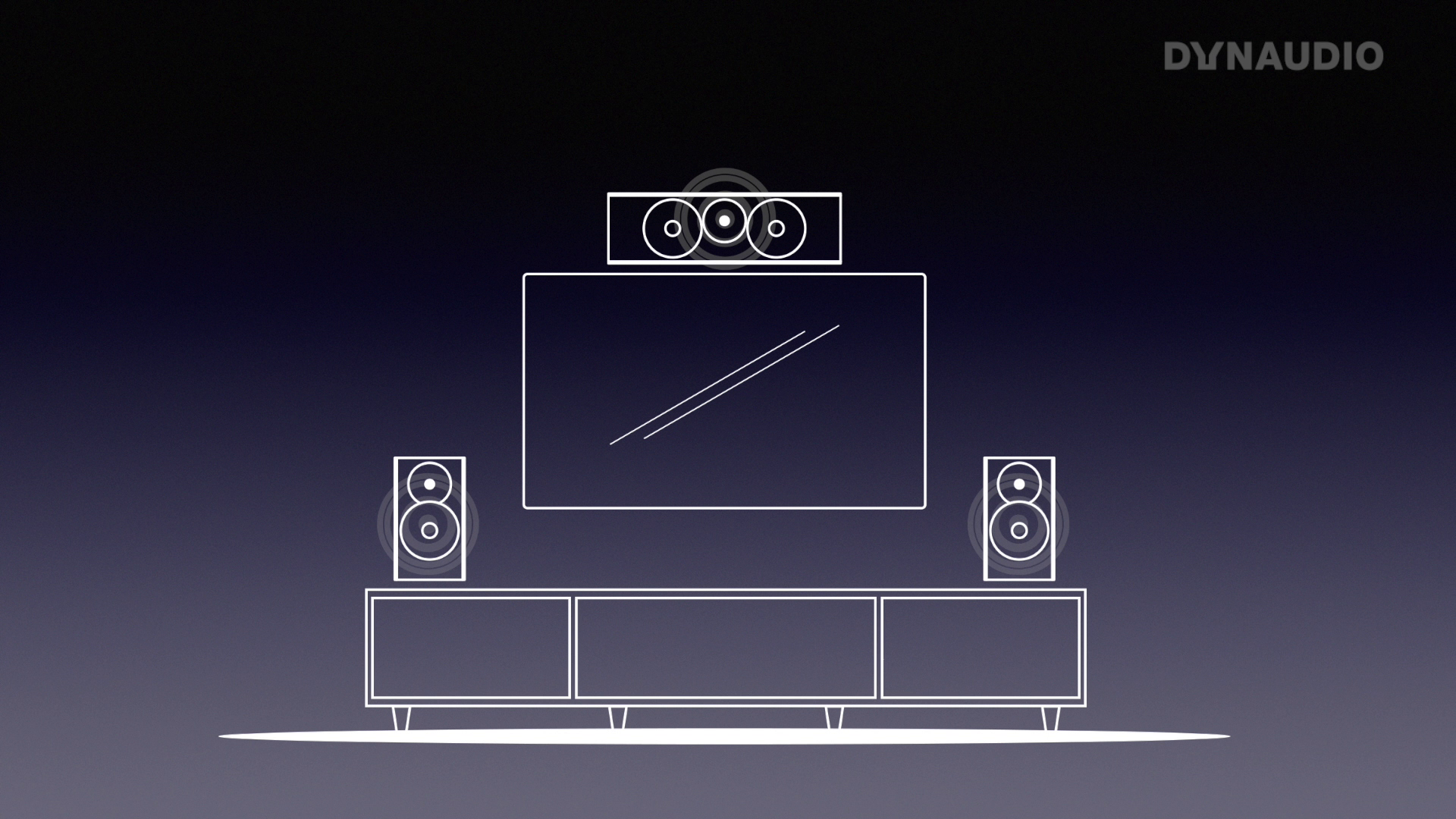
How to choose best center channel speaker
The right center channel depends on the room, the TV furniture, and how closely the speaker needs to match the rest of the front stage.
Cabinet dimensions
Measure the usable width, height, and depth of the shelf before comparing driver layouts. A center that is too tall can obscure the screen or block an IR sensor, while a deep rear port may need breathing room behind the cabinet. Slim models such as the Polk Monitor XT35 and Polk Signature Elite ES35 are useful when height is restricted, but their 24-inch width still needs to fit.
Driver size and layout
Larger woofers generally give voices more lower-midrange body and help effects sound less compressed. Multiple smaller woofers can work well in a slim cabinet, especially when they are spread across a wide front panel. The Polk Blackstone TL1 is the clearest example of the limitation: its dual 2.5-inch drivers make placement easy, but they cannot create the same scale as dual 5.25-inch woofers.
Tweeter and dispersion
The tweeter handles the upper detail that makes consonants intelligible. Horn-loaded designs such as the Klipsch R-52C, R-30C, and RP-504C II can sound vivid and project dialogue strongly, while a wider driver array can help several seats hear a consistent presentation. A highly reflective room may favor a smoother balance over an especially forward one.
System matching
A center should blend with the left and right speakers so a voice moving across the front does not change character. Polk's XT30 and XT35 are designed to work with the Monitor XT family, while the T50 is timbre-matched to Polk's T-Series. Klipsch Reference and Reference Premiere centers are the logical matches for their respective speaker families.
The best center is not the biggest one. It is the largest model your room can place at ear level without compromising the screen or the front-stage match.
Amplifier compatibility
Check the receiver's supported impedance and power guidance before connecting a center. The Polk Monitor XT35 and ES35 list 4-ohm and 8-ohm compatibility, while the R-52C lists 95dB sensitivity and 400 watts of power handling. A high power figure alone does not guarantee better dialogue, and it should not override the receiver manufacturer's limits.
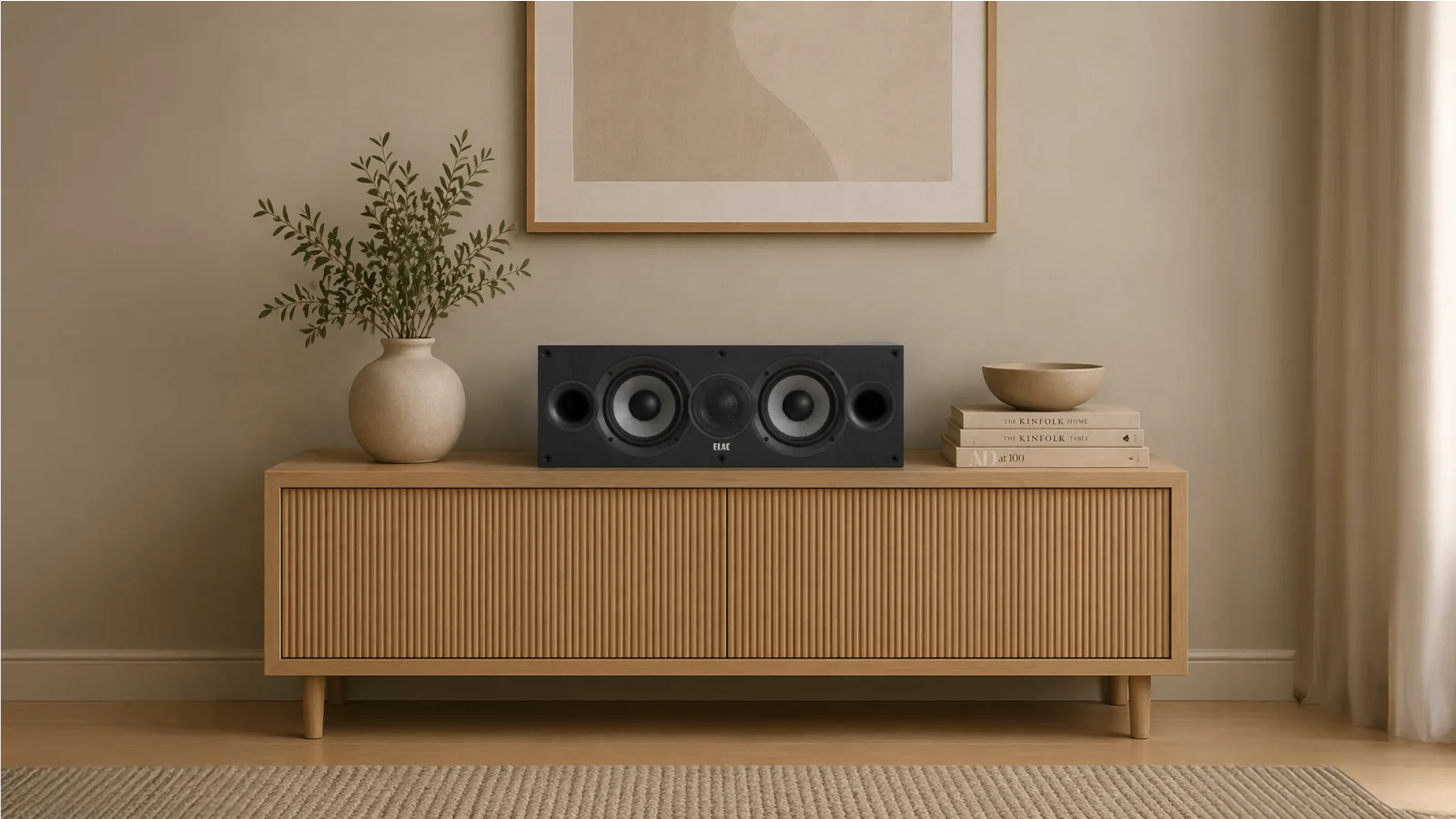
Frequently asked questions
What does a center channel speaker do?
The center channel carries much of the dialogue in films and television, along with vocals and important front-stage effects. It anchors those sounds to the screen so they do not seem to come from the left or right speaker.
Should the center speaker match the front left and right speakers?
Yes. Matching the center to the front speakers helps voices retain a consistent tone as sound moves across the screen. Staying within one speaker family, such as Polk Monitor XT or Klipsch Reference, is usually the simplest approach.
Can a center channel speaker sit inside a TV cabinet?
It can, provided the opening is large enough and the front of the speaker is not blocked. Leave room for the cabinet depth, check whether the design uses a rear port, and make sure the speaker does not obstruct the TV's sensor or screen.
Are slim center channel speakers effective?
Slim models can be very effective for dialogue when their drivers and crossover are well designed. They usually give up some low-frequency weight and maximum output compared with larger cabinets, so room size and listening volume matter.
Do Dolby Atmos and DTS:X require a special center speaker?
No. Atmos and DTS:X are handled by the AV receiver and the complete speaker layout. A center speaker still needs to be compatible with the receiver's impedance and power requirements, but it does not need a special Atmos-only design.
Is a horn-loaded center speaker too bright?
Not necessarily. Horns can make dialogue sound direct and detailed, but the result depends on the room, placement, receiver calibration, and listener preference. Klipsch models may suit listeners who want an energetic presentation, while Polk models often offer a less emphatic alternative.
Does a larger center speaker always sound better?
No. A larger cabinet can provide more output and vocal weight, but only when it fits properly and matches the other front speakers. A badly placed or poorly matched large center can sound less convincing than a smaller model set up correctly.
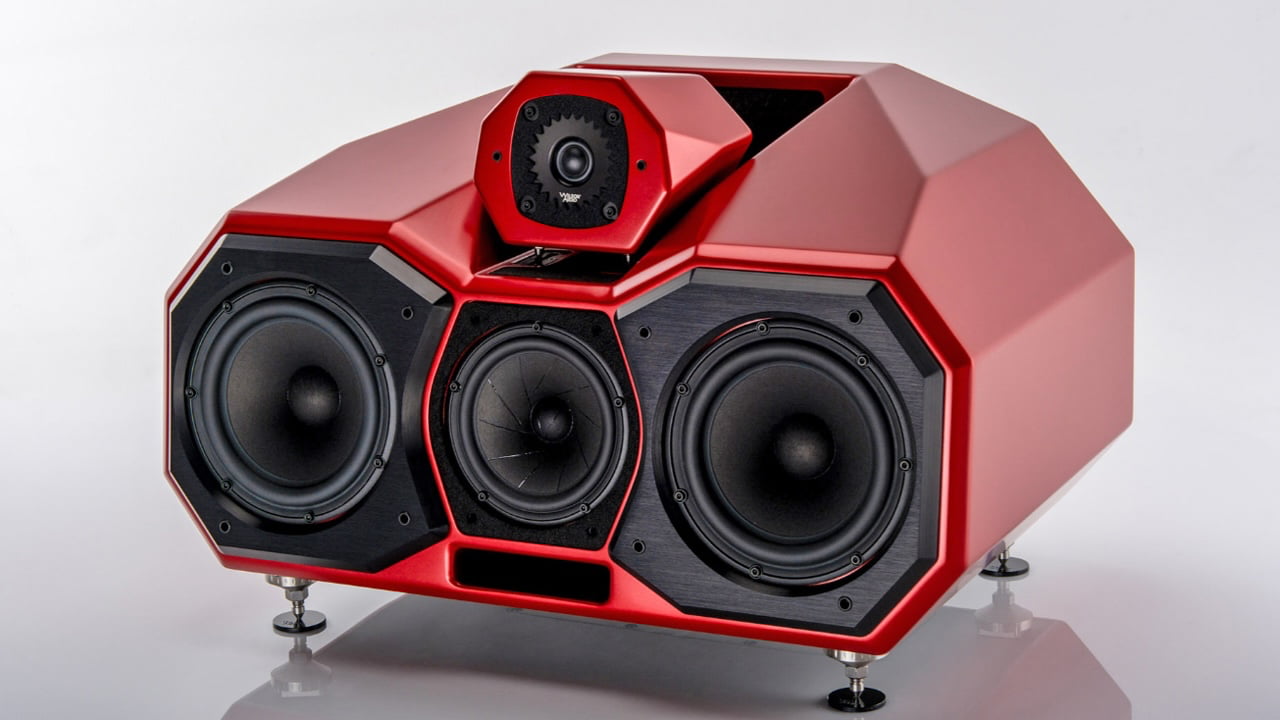
The bottom line
The Klipsch R-52C is the Best center channel speaker for most conventional living rooms. Its dual 5.25-inch woofers, 1-inch horn-loaded tweeter, high sensitivity, and manageable cabinet create the clearest all-around case in this group. Choose the Polk Monitor XT35 instead when the TV console is low and a four-inch-tall cabinet is the deciding requirement.
For a large Klipsch Reference Premiere system, the Klipsch RP-504C II is the more ambitious choice, provided the 32.06-inch-wide, 36-pound cabinet has proper support. The Polk Signature Elite ES35 is the better slim alternative when fuller output and wall-mounting flexibility matter.
If you are undecided, measure the shelf first, then choose the center that matches your left and right speakers rather than the one with the most imposing specification.
As an Amazon Associate we earn from qualifying purchases.