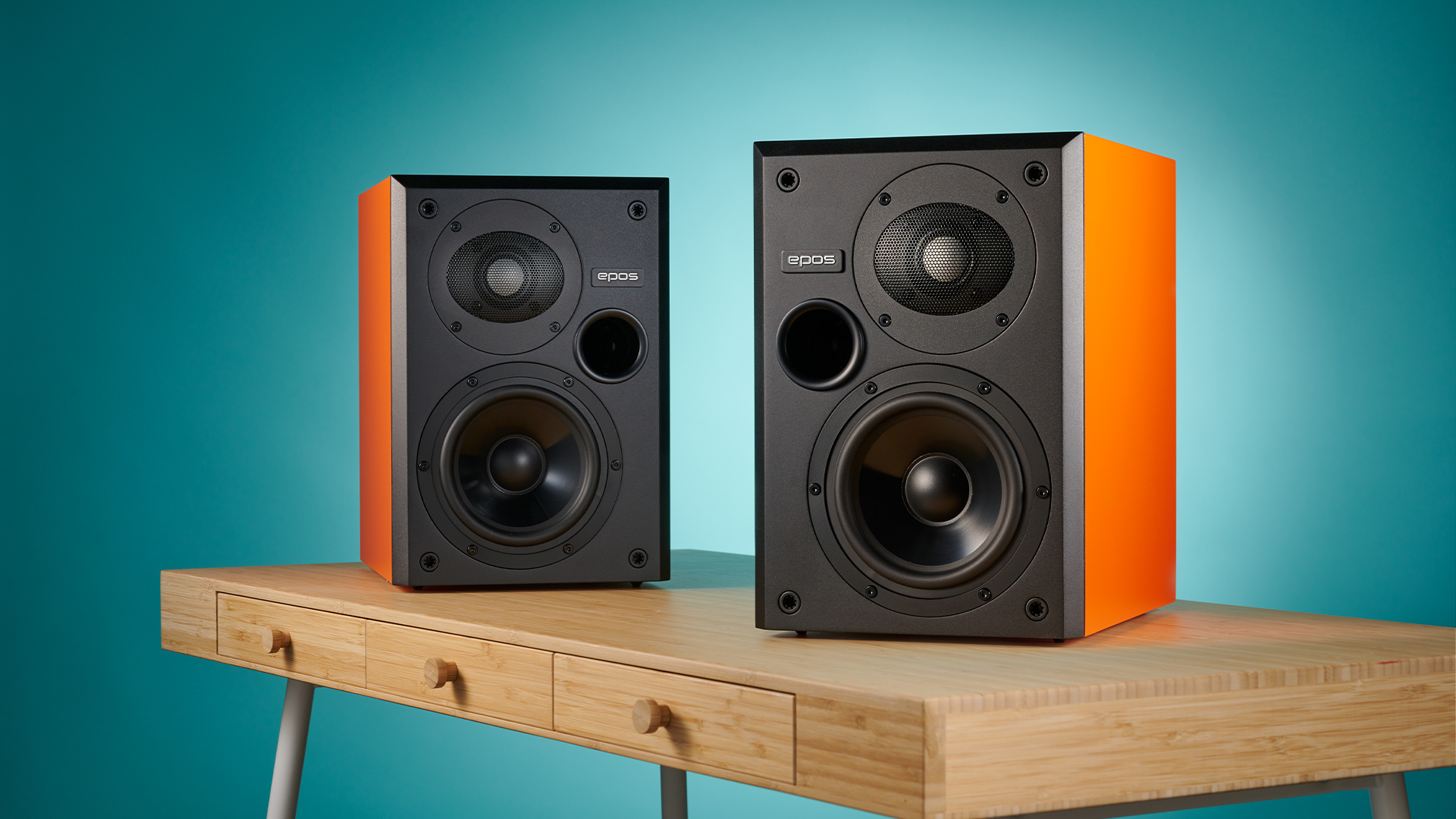

A bookshelf speaker can transform a flat TV, laptop, or turntable setup, but the wrong pair can leave you juggling an amplifier, missing inputs, or more box than your room can handle. The first decision is not simply sound quality. It is whether you want powered speakers with amplification built in or passive speakers that need a separate receiver.
Our Best bookshelf speakers picks cover both approaches, from compact Edifier systems for desks to large Klipsch and Polk models designed for serious stereo or home theater listening. The Klipsch R-40PM is the best single-box solution, while the Edifier R1280T is the easiest all-around desktop and small-room recommendation.
Comparison table
| # | Product | Award | Type | Drivers or power | Inputs or connection | Best for |
|---|---|---|---|---|---|---|
| 1 | Edifier R1280T | Best overall | Powered pair | 42 watts RMS, 13mm tweeter, 4-inch full-range unit | Dual AUX, RCA, remote | Desks and small rooms |
| 2 | Audio-Technica AT-SP3X | Best wireless compact pair | Powered pair | Full-range audio | Bluetooth, dual RCA | Flexible desktop listening |
| 3 | Polk Audio T15 | Best passive starter pair | Passive pair | 0.75-inch tweeter, 5.25-inch driver | Speaker wire to receiver | First home theater |
| 4 | Klipsch R-51M | Best lively passive sound | Passive pair | 1-inch aluminum tweeter, dual 5.25-inch woofers | Receiver connection | Detailed music and movies |
| 5 | Klipsch R-40PM | Best powered hi-fi system | Powered pair | 1-inch LTS tweeter, dual 4-inch woofers | Bluetooth, phono, digital, analog | Turntables and TV |
| 6 | ULTIMEA BS-3 | Best TV connectivity | Powered pair | 70 watts RMS, 5.25-inch woofer, 3-way design | HDMI ARC, RCA, optical, USB, Bluetooth | TV-centered systems |
| 7 | Klipsch RP-600M | Best large passive speaker | Passive pair | 1-inch titanium tweeter, 6.5-inch woofer | Dual binding posts | Full-size stereo |
| 8 | Sony SS-CS5M2 | Best wide-dispersion design | Passive pair | 3-way, 5.12-inch woofer | Receiver connection | Open stereo sound |
| 9 | Polk Audio ES20 | Best home theater upgrade | Passive pair | 1-inch tweeter, 6.5-inch woofer | 4 and 8 ohm compatible | Surround systems |
| 10 | Edifier R980T | Best compact computer pair | Powered pair | 24 watts RMS, 4-inch units | Dual AUX, RCA, 3.5mm | Basic computer audio |
1. Edifier R1280T: Best Overall

Pros
- 42 watts RMS from a simple powered design
- Dual AUX inputs allow two wired sources
- Remote control and side-mounted tone controls
- Compact wood-effect MDF enclosure
Cons
- No Bluetooth connection
- Bass and treble controls are on the active speaker
- Not suitable for someone who already owns a receiver
Best for: desks, bedrooms, and small living rooms that need a complete stereo system.
The Edifier R1280T is the pair we would recommend to most people who want good stereo sound without turning the setup into a project. It has the useful shape and appearance of a traditional bookshelf speaker, but the built-in amplification removes the need for a receiver. Connect a computer, TV, phone, or other source and the system is ready to play.
Its 42 watts RMS gives the R1280T enough headroom for a desk, bedroom, or modest living room. The 13mm silk dome tweeter handles detail in voices and instruments, while the 4-inch full-range unit provides the body that small computer speakers often lack. This is not a large-room cinema system, but its balance makes music, dialogue, and casual TV listening sound more coherent than a single soundbar or basic laptop setup.
The two AUX inputs are a particularly practical touch. One accepts a 3.5mm source and the other can use dual RCA, so two wired devices can remain connected at the same time. There is no need to reach behind the speaker every time you switch from a computer to a small streamer. The remote handles volume, while bass and treble knobs on the side of the active speaker provide quick adjustment when a recording or room needs a little correction.
Compared with the smaller Edifier R980T, the R1280T gives you more power and more useful control. The Audio-Technica AT-SP3X adds Bluetooth, but the Edifier has the easier wired multi-source setup. Its main limitation is the lack of wireless playback and a dedicated TV connection, so buyers seeking HDMI ARC should look at the ULTIMEA BS-3 or Klipsch R-40PM instead.
The wood-effect MDF cabinets also help the R1280T look like home audio rather than computer equipment. At roughly 5.8 inches high and 9.5 inches wide, it remains easy to place beside a monitor or on a shallow shelf. Choose it if you want a straightforward powered pair with sensible controls and enough scale for everyday listening.
2. Audio-Technica AT-SP3X: Best Wireless Compact Pair

Pros
- Bluetooth and dual RCA connections
- Multipoint pairing for two Bluetooth devices
- Volume dial and illuminated power indicator
- Includes speaker cable and international plug adapters
Cons
- Fewer inputs than the ULTIMEA BS-3
- No HDMI ARC or optical input
- Large listed dimensions for a compact speaker system
Best for: listeners who want wireless playback without giving up a traditional stereo pair.
The Audio-Technica AT-SP3X takes a clean, uncomplicated approach to powered stereo. Its defining feature is flexibility between Bluetooth and wired listening. That makes it a natural fit for someone who alternates between a phone, laptop, and a fixed audio source, rather than a listener who wants a full home theater control center.
Audio-Technica describes the system as tuned for full-range audio, and the speaker layout is intended to keep the sound broad and usable in compact rooms. There is no separate amplifier to place or match, and the volume dial is directly on the speaker. That physical control is handy when the speakers sit beside a monitor or record player and you do not want to search for a remote.
Bluetooth multipoint pairing is the standout convenience. Two Bluetooth devices can stay connected, which reduces the friction of switching between a phone and a computer. Dual RCA jacks cover traditional wired sources, although the connection selection is less extensive than on the ULTIMEA BS-3. For a TV, the Klipsch R-40PM has a more versatile collection of digital, analog, phono, and wireless options.
The included 6.6-foot speaker cable gives the pair useful separation on a desk or shelf. The AC adapter includes three international plug adapters, another sign that this system is designed for simple installation rather than a custom audio rack. Its listed dimensions are 11 inches high, 14 inches long, and 8 inches wide, so check the shelf carefully before ordering. The data also lists a weight of about 3.3 pounds, but the dimensions suggest buyers should prioritize the physical measurements when planning placement.
The weakness is not sound functionality but connectivity depth. There is no HDMI ARC, optical input, subwoofer output, or phono input listed. If you want the least complicated Bluetooth stereo pair and can live with RCA as the wired option, the AT-SP3X is a polished choice. If your system needs to grow around a TV or turntable, choose a more connected model.
3. Polk Audio T15: Best Passive Starter Pair

Pros
- 5.25-inch Dynamic Balance driver
- 0.75-inch tweeter for dialogue and treble detail
- Wall-mountable design
- Works as front, left-right, or rear surround speakers
Cons
- Requires an AV receiver or amplifier
- No direct Bluetooth or wired source input
- Older design has fewer modern conveniences
Best for: buyers starting a receiver-based stereo or surround system.
The Polk Audio T15 is the sensible starting point for a passive home theater system. Unlike the Edifier and Audio-Technica models, it contains no built-in amplifier, so it needs speaker wire and a receiver. That extra component is a requirement, not a flaw, for listeners who want to add a center channel, subwoofer, or surround speakers later.
A 5.25-inch Dynamic Balance driver gives the T15 a more substantial foundation than many tiny desktop speakers. Polk pairs it with a 0.75-inch tweeter, a combination intended to keep voices clear while giving music enough midrange presence. The listed 100-watt home theater designation should not be treated as a substitute for amplifier matching, but it does position the T15 for normal receiver-based use rather than near-field computer listening.
Placement is one of its strengths. Polk says the speakers can serve as front left and right channels or rear speakers, and the design is wall-mountable. That makes the T15 more adaptable than a powered pair if you are building a room around a receiver. It can also form part of a larger Polk setup with matching center and tower speakers, which is useful for listeners who want a coherent surround system rather than two isolated speakers.
The Sony SS-CS5M2 offers a three-way design and a broader stated frequency range, while the Klipsch R-51M has more pronounced horn-loaded hardware. The T15 is the calmer, simpler option between them. Its cabinet measures about 10.7 inches high, 7.3 inches long, and 6.5 inches wide, so it can fit on a shelf or stand without demanding the space of the larger Polk Audio ES20.
Skip the T15 if you want a system that works directly with a phone or TV out of the box. It is also not the pick for someone who has no interest in receiver setup. For a first passive pair, though, its driver size, mounting flexibility, and surround-system compatibility make it a dependable foundation.
4. Klipsch R-51M: Best Lively Passive Sound

Pros
- 90 by 90 degree Tractrix horns
- 1-inch aluminum LTS tweeters
- Dual 5.25-inch spun-copper IMG woofers
- Rear-firing bass-reflex port
Cons
- Needs an amplifier or receiver
- Rear port needs clearance from the wall
- Horn-loaded presentation may not suit every listener
Best for: listeners who want an energetic passive speaker for movies and music.
The Klipsch R-51M has a more assertive personality than the Polk Audio T15. Its 90 by 90 degree Tractrix horns give the tweeters controlled directivity, which helps project dialogue and instrumental detail into the room. The result is a speaker that feels immediate rather than relaxed, a useful trait for movie soundtracks and recordings that need some extra presence.
Klipsch uses 1-inch aluminum LTS tweeters alongside dual 5.25-inch spun-copper IMG woofers. That is a serious driver arrangement for a bookshelf model, although the R-51M still needs a receiver or amplifier because it is passive. The rear-firing bass-reflex port supports the low end, so it should not be pressed tightly against a wall. A little breathing room behind the cabinet gives the port a better chance to work as intended.
The speaker measures about 13.3 by 7 by 8.5 inches in the listed product features, while the product information lists a height of about 15.3 inches. That discrepancy is a reason to measure the intended shelf rather than rely on a single dimension. It is also heavier and more substantial than the Edifier powered models, reinforcing that this is a conventional component for a receiver-based system.
The Klipsch RP-600M goes further with a 6.5-inch woofer and a titanium LTS vented tweeter, but it also occupies more of a large-room, full-size stereo role. The R-51M is easier to accommodate and has a sharper, more forward presentation. It does not offer the built-in source connections of the Klipsch R-40PM, so anyone who wants Bluetooth or turntable support without extra electronics should choose the powered Klipsch instead.
Some listeners will find the horn presentation lively and clear; others may prefer the softer balance of a conventional tweeter. The R-51M is best when you want impact, intelligible dialogue, and strong sensitivity from a passive cabinet. Skip it if your room is very reflective or if you prefer a restrained sound.
5. Klipsch R-40PM: Best Powered Hi-Fi System

Pros
- Built-in amplification removes the need for an AVR
- Bluetooth, phono, digital, and analog connections
- 1-inch LTS tweeter and 4-inch woofers
- Designed for TV, music, and turntable use
Cons
- Heavier than the smaller powered options
- Larger woofer systems can be easier to place in a room
- Not the right pick for someone who wants passive upgrade flexibility
Best for: listeners who want one polished stereo system for TV, streaming, and vinyl.
The Klipsch R-40PM is the most complete powered system here. It takes the lively Klipsch approach and packages it with amplification and an unusually broad set of source options. For a living room where one pair must handle TV audio, streaming, and a turntable, this is the model that asks the fewest compromises.
Its 1-inch LTS tweeter uses a 90 by 90 degree Tractrix horn, while the 4-inch spun-copper thermoformed crystalline polymer woofers handle the main body of the sound. The smaller woofers keep the cabinets relatively manageable, but the horn-loaded tweeter helps the speakers project detail and dialogue. Klipsch says the updated horn controls directivity over a larger bandwidth, which should help maintain a more focused stereo stage when the speakers are placed properly.
Connection options are where the R-40PM separates itself from the passive Klipsch models. Bluetooth handles casual wireless streaming, phono input supports a turntable with a ground screw terminal, and digital and analog inputs cover modern and older sources. The built-in amplifier means there is no AVR to buy or place. That simplicity is especially useful for someone replacing a TV soundbar or assembling a first vinyl system.
The ULTIMEA BS-3 offers even more connection types, including HDMI ARC, USB, and a subwoofer output. It is the better match if TV control and future bass expansion matter most. The R-40PM counters with a more established speaker design and a more focused hi-fi presentation. The Edifier R1280T is smaller and easier for a desk, but it cannot match the Klipsch's phono and digital flexibility.
At around 11.8 inches high and 10.1 inches long, the R-40PM needs a proper shelf or stand, and its listed weight is about 18.3 pounds. That heft is worth planning for. The real weakness is that powered speakers are less flexible than passive ones if you later want to change amplifiers or build a larger multichannel system. Choose the R-40PM when the goal is a complete two-channel system that can serve several sources immediately.
6. ULTIMEA BS-3: Best TV Connectivity

Pros
- HDMI ARC for compatible TVs
- 70 watts RMS and a 5.25-inch woofer
- Three-way design with dedicated midrange driver
- USB, optical, RCA, Bluetooth, and subwoofer output
- App-based EQ and dialogue modes
Cons
- Turntable needs a built-in or external phono preamp
- Large and heavy for a bookshelf system
- Extra app features may be unnecessary for simple stereo use
Best for: TV owners who want broad connectivity and the option to add a powered subwoofer.
The ULTIMEA BS-3 is built around the modern TV rather than the traditional receiver. HDMI ARC lets a compatible TV send audio to the speakers and can make everyday control more convenient. That one connection is often more useful in a living room than a long list of specialist inputs, especially when the speakers are replacing weak television audio.
This is a three-way powered design with a 5.25-inch woofer, a dedicated midrange driver, and a tweeter. The arrangement gives vocals their own part of the enclosure instead of asking one driver to handle every range. ULTIMEA lists 70 watts RMS, a figure that gives the BS-3 more headroom than the Edifier R980T and a larger physical presence than the Audio-Technica AT-SP3X.
The input selection is unusually broad. Alongside HDMI ARC, the BS-3 includes RCA, optical, USB, Bluetooth 6.0, and a SUB OUT for an external powered subwoofer. The turntable input is suitable for a record player with a built-in preamp, while a turntable without one needs an external phono preamp. The subwoofer is not included, but the output gives the system a clear upgrade path for listeners who want deeper low frequencies later.
The app adds EQ adjustment and listening modes for music, movies, games, clear dialogue, and bass. Auracast support is also listed, positioning the system for newer wireless audio possibilities. Those features make the BS-3 more adaptable than the Polk Audio T15, which needs a receiver, and more TV-friendly than the Klipsch R-40PM, which lacks HDMI ARC. The Klipsch remains the stronger choice for a compact turntable-first setup.
The cost of this flexibility is physical bulk. The BS-3 is listed at roughly 9.17 inches high, 13.15 inches wide, and 7.4 inches long, with a weight close to 19 pounds. That is not a tiny desktop system. Choose it for a TV stand or substantial shelf where its input range and room-filling output can be useful. Skip it if your primary need is small-scale computer listening.
For readers comparing speaker types for a turntable setup, the connection details that make vinyl systems work properly are worth settling before choosing a powered pair.
7. Klipsch RP-600M: Best Large Passive Speaker

Pros
- Large 6.5-inch Cerametallic woofer
- 1-inch titanium LTS vented tweeter
- Hybrid Tractrix horn
- Dual binding posts for bi-wire or bi-amp setups
- Removable magnetic grille
Cons
- Needs a capable amplifier or receiver
- Large cabinet is difficult to hide on a shallow shelf
- Rear port requires careful placement
Best for: listeners building a substantial two-channel stereo system.
The Klipsch RP-600M is a bookshelf speaker in name but a full-size stereo component in practice. Its 6.5-inch spun-copper Cerametallic woofer gives it more authority than the 4-inch and 5.25-inch models here. Put it on sturdy stands with space around the cabinet and it is equipped to produce a larger, more convincing stereo image than the compact powered pairs.
A 1-inch titanium LTS vented tweeter sits behind a hybrid Tractrix horn. The horn controls the tweeter's output and helps the speaker maintain its efficient, direct presentation. The larger woofer provides stronger low-end weight, but it does not turn the RP-600M into a subwoofer. Listeners seeking the deepest bass for movies may still want a dedicated subwoofer, particularly in a large room.
The rear-firing Tractrix port is designed to extend the low end, so placement matters. Do not push these cabinets hard against the wall or pack them into a narrow cubby. The product information lists a 157-inch height and 118-inch width, which are clearly inconsistent with the practical dimensions suggested by the feature set and product title. Buyers should verify the physical measurements before committing to a shelf, stand, or cabinet.
Dual binding posts support bi-wire and bi-amp configurations. Most listeners will use a conventional speaker cable connection, but the extra terminals make the RP-600M more attractive to enthusiasts who already have a carefully planned system. The Klipsch R-51M is easier to fit and still offers horn-loaded energy, while the RP-600M is the better choice when scale and low-frequency authority matter more than compactness.
There is no built-in amplification, Bluetooth, or direct TV input. That makes the RP-600M a poor choice for someone who wants a quick all-in-one setup. It is the right pick for a listener with a receiver or integrated amplifier who wants a forceful, room-filling passive pair and has the space to place it properly.
8. Sony SS-CS5M2: Best Wide-Dispersion Design

Pros
- Three-way, three-driver layout
- 5.12-inch woofer
- Wide-dispersion super tweeter
- Bass-reflex enclosure
- Stated 53 to 50, 000 Hz frequency response
Cons
- Requires a receiver or amplifier
- No wireless or direct digital inputs
- Listed product dimensions contain an unusual weight entry
Best for: listeners who want an expansive passive stereo presentation.
The Sony SS-CS5M2 takes a different route from the horn-loaded Klipsch models. Its three-way, three-driver layout separates the woofer, tweeter, and super tweeter, with the aim of creating a broad and detailed presentation. That makes it appealing for music listeners who want instruments to occupy more space rather than appear concentrated in a narrow listening position.
The 5.12-inch woofer handles low frequencies, while Sony adds a high-precision tweeter and a wide-dispersion super tweeter. The stated 53 to 50, 000 Hz frequency response is unusually broad on paper, but the practical benefit is the speaker's design emphasis on openness and high-frequency spread. The bass-reflex enclosure is intended to support low-frequency output while limiting distortion.
This is a passive pair, so it needs an amplifier or AV receiver. It will not connect directly to a laptop or TV without another device in the chain. The Edifier R1280T is much easier for those sources because its amplification and inputs are built in. The Sony is better suited to a listener who already has a receiver and wants to experiment with a three-way stereo speaker rather than assemble an all-in-one system.
Sony lists the speakers as compact and suitable for small spaces, but the product information gives dimensions of about 13.2 inches high, 8.7 inches long, and 7 inches wide. The listed weight is about 1 pound, an unusually low entry for a speaker of this size, so buyers should treat the physical measurements as the more useful planning information. The design still needs stable support and breathing room around the cabinet.
The Polk Audio ES20 offers a larger 6.5-inch woofer and specific home theater placement flexibility, while the Sony focuses more clearly on a wide stereo stage. Its weakness is the same limitation found on the Polk Audio T15 and Klipsch RP-600M: without an amplifier, it is not ready to play. Choose the SS-CS5M2 when your system already has the electronics and your priority is spacious, three-way passive sound.
9. Polk Audio ES20: Best Home Theater Upgrade

Pros
- 6.5-inch woofer and 1-inch Terylene tweeter
- Power Port technology for bass output
- 4 and 8 ohm compatibility
- Can serve as side, rear, or elevation surround speakers
- Wall and stand placement options
Cons
- Requires an AV receiver or amplifier
- Large cabinet needs a strong shelf or stand
- No direct Bluetooth or TV input
Best for: expanding a Polk-based home theater with substantial surround speakers.
The Polk Audio ES20 is designed for the listener who thinks beyond a two-speaker system. Its 6.5-inch woofer and 1-inch Terylene tweeter give it the scale to work as a serious stereo pair, but the more important feature is its role flexibility. Polk lists the ES20 for side, rear, or elevation surround use, so it can adapt as a home theater grows.
Power Port technology is intended to produce stronger bass while reducing turbulence from the port. Polk states that it provides 3 dB louder bass than conventional ported home audio speakers. That claim does not eliminate the need for a subwoofer in a cinema system, but it suggests the ES20 is designed to give effects and music more weight before the subwoofer takes over.
The ES20 is compatible with both 4 and 8 ohm amplifiers, which broadens the range of receivers it can work with. It is still passive, however, and needs speaker wire from an amplifier or AV receiver. A listener starting with a simple TV setup should choose the powered ULTIMEA BS-3 instead. A listener already assembling a receiver-based room will get more from the ES20's placement options and timbre matching within the Signature Elite series.
Its cabinet is substantial at approximately 13.8 inches high, 14.8 inches long, and 8.5 inches wide, with a listed weight of 17 pounds. It should sit on a sturdy stand or shelf, and the rear port means the wall behind it should not be treated as an afterthought. The Polk Audio T15 is easier to place, but the ES20 offers a larger driver and a more ambitious home theater role.
The main weakness is system dependence. There is no Bluetooth, optical input, HDMI ARC, or internal amplifier. This is not a casual desktop purchase. Choose it when you want a robust Polk speaker that can serve in several positions and integrate with a larger surround system, especially if you already own compatible amplification.
10. Edifier R980T: Best Compact Computer Pair

Pros
- 24 watts RMS from a powered pair
- Front-firing bass-reflex port
- Dual AUX inputs
- RCA, 3.5mm cables, and speaker wire included
- 110V to 240V power supply
Cons
- Less power than the Edifier R1280T
- No Bluetooth or remote control
- Best suited to near-field listening
Best for: computers, small desks, and simple wired stereo setups.
The Edifier R980T is the uncomplicated option for a computer desk. It is an active 2.0 system, so the amplifier is already inside one speaker, and the included cables make the connection process straightforward. There is no receiver to configure and no wireless app to manage. For a laptop, desktop, or small room, that simplicity is the whole appeal.
Its 24 watts RMS is enough for near-field listening, where the speakers sit close to the listener. The 4-inch units give music and video more separation than typical built-in computer speakers, while the front bass-reflex port allows the cabinets to sit closer to a wall than a rear-ported design. That does not make the R980T a large-room speaker, but it does make desk placement less fussy.
Dual AUX inputs allow two wired sources to remain connected. Edifier includes RCA and 3.5mm cables, as well as speaker wire between the two cabinets. The universal 110V to 240V power supply also makes the system easy to use in different electrical environments. The 100% wooden enclosures are intended to reduce acoustic resonance and give the pair a more conventional appearance.
The Edifier R1280T is the clear step up within this roundup, with 42 watts RMS, a 13mm silk dome tweeter, a remote, and side-mounted bass and treble controls. The Audio-Technica AT-SP3X is better for wireless listeners because it adds Bluetooth and multipoint pairing. The R980T wins when the source is a computer and the system needs to stay small, wired, and easy to operate.
The cabinets are listed at about 5.5 inches high, 15.5 inches long, and 8.9 inches wide, with a weight of roughly 7.8 pounds. Measure the desk because the listed length may represent the paired system or packaging convention rather than a single cabinet. Skip this model for a large open-plan room or a TV that needs HDMI ARC. For a basic computer setup, it is a sensible final pick.
How to choose best bookshelf speakers
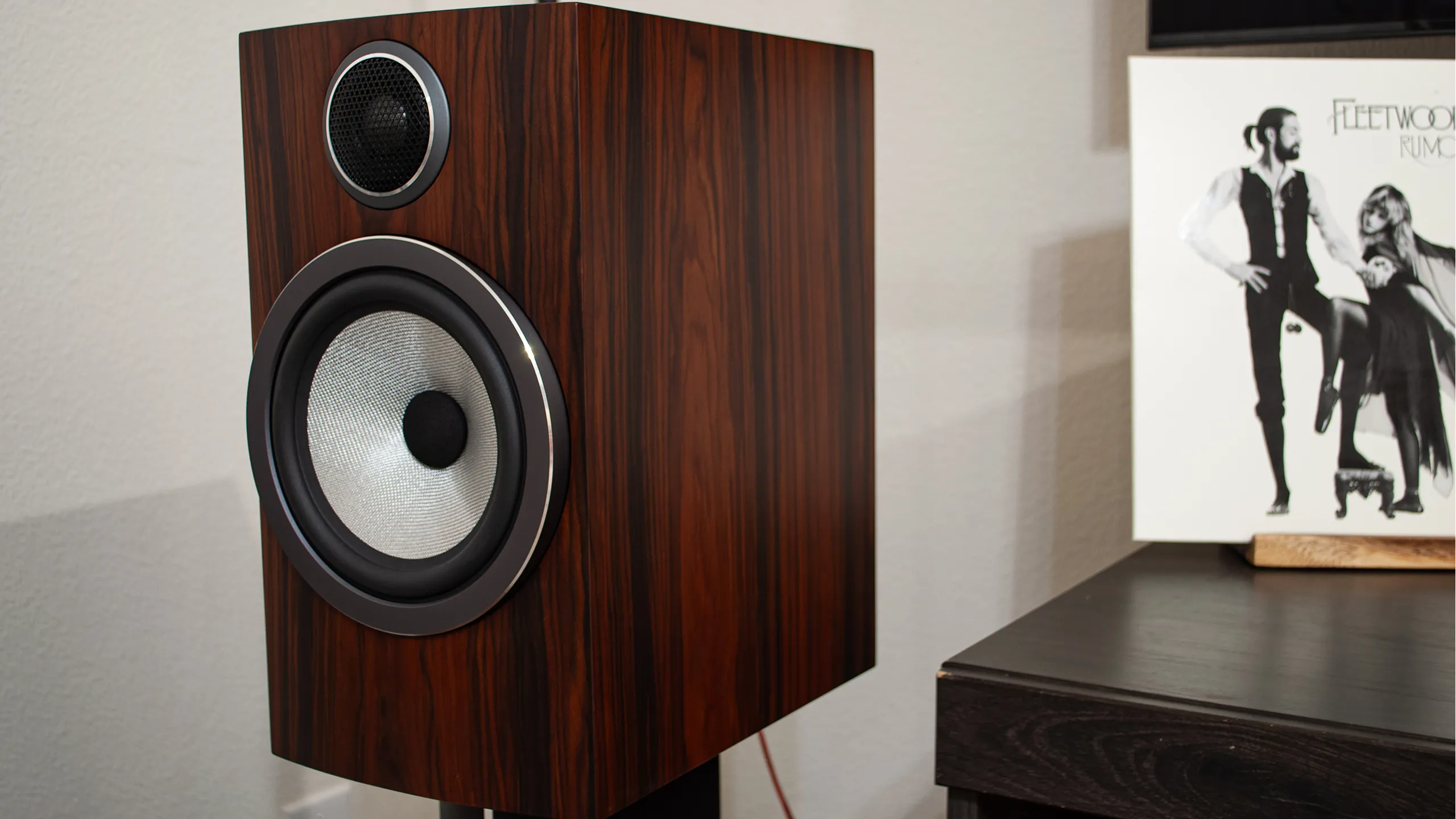
Start with the room and the equipment already on hand. A powered pair is ready for direct connections, while a passive pair can become part of a more expandable receiver-based system.
Powered or passive design
Powered speakers include amplification inside the system. That makes models such as the Edifier R1280T, Klipsch R-40PM, and ULTIMEA BS-3 easy to connect to a TV, computer, phone, or turntable, provided the source uses a compatible output.
Passive speakers need an amplifier or AV receiver, but they offer more freedom to change electronics and build a surround system. Polk Audio T15 and ES20 speakers, along with the Klipsch and Sony models here, belong in that category. Do not buy passive speakers expecting them to work directly from a laptop or turntable.
Driver size and layout
A larger woofer generally has more air-moving ability, which can give music and movie effects greater weight. The 4-inch woofers in the Klipsch R-40PM suit compact rooms, while the 6.5-inch drivers in the Klipsch RP-600M and Polk Audio ES20 are better suited to larger spaces and stronger amplification.
Driver count also matters. The ULTIMEA BS-3 and Sony SS-CS5M2 use three-way layouts with dedicated drivers for different frequency ranges. A two-way or full-range design can still sound balanced, but a three-way speaker may offer more separation when the cabinet and crossover are well matched.
Inputs and source compatibility
Check every source before choosing. HDMI ARC is useful for TV control, Bluetooth helps with phones, phono input matters for turntables, and optical or USB connections can simplify digital systems. The ULTIMEA BS-3 covers the widest set of modern connections, while the Klipsch R-40PM is especially well suited to a turntable and TV combination.
A record player without a built-in preamp cannot usually connect directly to a standard line-level input. That is why the BS-3 listing specifically notes the need for an external phono preamp in that situation. For computer use, a 3.5mm or RCA input may be all you need. Readers building a desk system can also consider how much connection flexibility a computer setup really needs.
Room size and placement
Small speakers can work well near a desk or in a bedroom, but a large room benefits from greater driver area and amplifier headroom. Keep rear-ported models away from the wall when possible, especially the Klipsch R-51M, RP-600M, and Polk ES20. Front-ported designs such as the Edifier R980T are easier to place close to a wall.
Speaker height matters too. Tweeters should be close to ear level when you are seated. A stable stand is preferable to a resonant shelf for large passive speakers, and the cabinet dimensions should be checked before ordering. The largest models here are not genuinely small just because they carry the bookshelf label.
The right bookshelf speaker is the one that matches your amplifier, source connections, and room before it tries to impress you with driver size.
Upgrade path
Think about what the system may become. Passive speakers can move from stereo to surround use when paired with a compatible receiver and center channel. Powered speakers are simpler, but their built-in amplification limits how much of the electronics you can replace later.
A subwoofer output is useful if you want deeper bass without replacing the speakers. The ULTIMEA BS-3 includes one, while the passive models can typically work with a subwoofer through the receiver. For music-focused listening, the traits that separate a spacious stereo system from a merely loud one are often more important than maximum output.
Frequently asked questions
Are bookshelf speakers powered or passive?
They can be either. Powered speakers such as the Edifier R1280T include amplification, while passive models such as the Polk Audio T15 require an AV receiver or amplifier. Check the connection requirements before choosing.
Can bookshelf speakers connect directly to a TV?
Powered models with suitable inputs can connect directly. The ULTIMEA BS-3 supports HDMI ARC, while the Klipsch R-40PM supports digital and analog connections. Passive speakers need a receiver or amplifier between the TV and the speakers.
Do bookshelf speakers need a subwoofer?
No, but a subwoofer can add deeper low-frequency effects for movies and electronic music. The ULTIMEA BS-3 includes a SUB OUT for an external powered subwoofer. Larger passive speakers such as the Klipsch RP-600M and Polk Audio ES20 can produce more bass than compact models, but they still do not replace a dedicated subwoofer in a large theater system.
Can a turntable connect directly to powered speakers?
Only if the turntable has a built-in phono preamp or the speakers include a phono input. The Klipsch R-40PM includes phono support, while the ULTIMEA BS-3 accepts a record player with a built-in preamp. A turntable without a preamp needs an external phono preamp before connecting to a standard RCA input.
Are passive speakers better for a home theater?
Passive speakers are often more practical for a home theater because an AV receiver can power several channels and coordinate the system. The Polk Audio T15 and ES20 are designed for roles such as front, rear, side, or elevation channels. Powered speakers are easier for a two-channel TV setup but are less suited to a conventional multichannel receiver system.
How far apart should bookshelf speakers be?
There is no single spacing rule for every room. Place the speakers far enough apart to create a stable stereo image, keep them aimed toward the listening position when needed, and avoid pushing rear-ported cabinets directly against the wall. The best spacing depends on the room, cabinet size, and listening distance.
Can bookshelf speakers be used with a computer?
Yes. Powered models with 3.5mm, RCA, USB, or Bluetooth connections are the simplest match. The Edifier R980T is aimed at compact computer setups, while the Edifier R1280T adds more power and tone control for a wider listening area.
The bottom line
The Best bookshelf speakers choice for most people is the Edifier R1280T. Its built-in amplification, dual AUX inputs, remote, tone controls, and compact wood-effect cabinets make it easy to recommend for a desk, bedroom, or small living room. Choose the Klipsch R-40PM when the system must also handle a TV, turntable, Bluetooth streaming, and digital sources.
For a receiver-based system, the Polk Audio ES20 and Klipsch RP-600M are the stronger long-term picks. The ES20 makes more sense in a growing home theater, while the RP-600M is the more forceful choice for large-room stereo listening.
If you are undecided, choose the Edifier R1280T for simplicity, the Klipsch R-40PM for source flexibility, or a passive Polk or Klipsch pair only when you already have the amplifier to drive it.
As an Amazon Associate we earn from qualifying purchases.