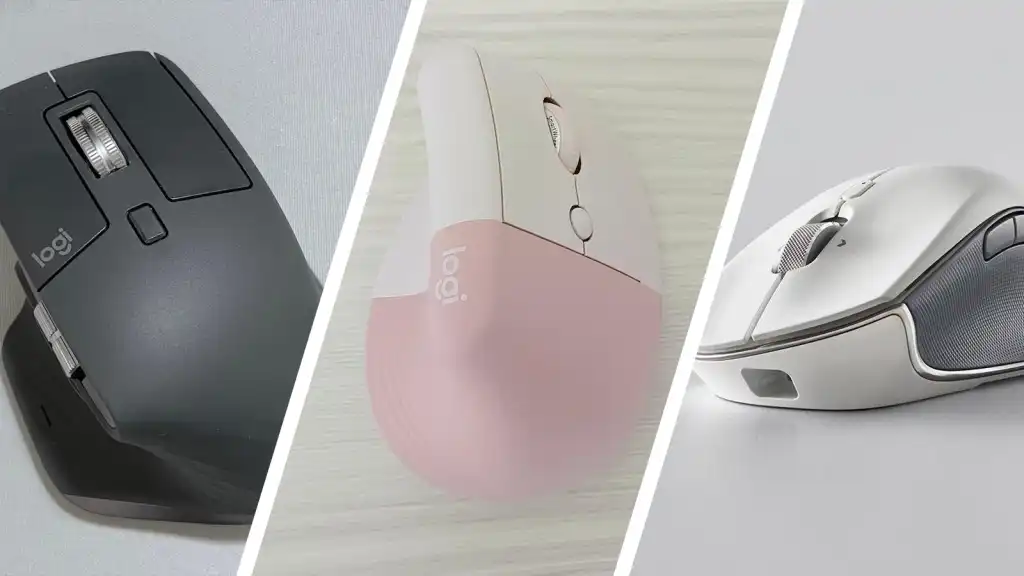

A trackpad is fine for a short email, but it becomes tiresome when you are selecting text, arranging windows, or moving through a large spreadsheet. The right mouse should disappear into the task, with predictable tracking, comfortable buttons, and a connection that does not interrupt work.
The Best computer mouse for windows depends on more than whether it is wired. Compact wireless models suit laptops and crowded desks, while full-size shapes and extra buttons make long work sessions easier. We compared ten straightforward Windows-compatible options, including quiet office mice and adjustable gaming designs.
Our top pick is the Logitech M185 Compact, with the Logitech M510 Full Size close behind for larger hands and longer sessions. The rest of the list covers reliable wired basics, quiet clicking, travel-friendly wireless models, and extra-button control.
| # | Product | Award | Connection | Key control feature | Best for |
|---|---|---|---|---|---|
| 1 | Logitech M185 Compact | Best overall | 2.4 GHz wireless | Ambidextrous, up to 1 year battery | Most Windows laptops and desks |
| 2 | Logitech B100 | Best wired office mouse | USB or PS/2 wired | 800 dpi, side-to-side scrolling | Simple office work |
| 3 | Amazon Basics 3-Button | Best plug-and-play pick | USB-A wired | 1000 dpi, 4.9-foot cable | Everyday desktop use |
| 4 | Logitech M510 Full Size | Best for long work sessions | 2.4 GHz wireless | Back and forward buttons, 2-year battery | Larger hands and heavy use |
| 5 | VssoPlor Slim | Best slim wireless mouse | 2.4 GHz wireless | Quiet clicks, up to 10 m range | Travel and shared spaces |
| 6 | BENGOO Gaming Mouse | Best for adjustable control | Wired USB | 1200 to 3600 DPI, six buttons | Casual gaming and shortcuts |
| 7 | Censprin Silent Click | Best quiet wired mouse | USB wired | Silent clicks, three buttons | Libraries and quiet offices |
| 8 | Lenovo 100 | Best durable basic mouse | USB-A wired | 1000 DPI, 1.7 m cable | Shared workstations |
| 9 | TECKNET 2600 DPI | Best adjustable wireless mouse | 2.4 GHz wireless | 800 to 2600 DPI, five levels | Flexible cursor control |
| 10 | WisFox 6-Button | Best for extra shortcuts | 2.4 GHz wireless | Three DPI levels, six buttons | Work and light gaming |
1. Logitech M185 Compact: Best Overall

Pros
- Compact ambidextrous shape
- Wireless connection reaches up to 10 m
- Up to 1 year of battery life
- Nano receiver and included AA battery
- Works with Windows and Mac without software
Cons
- Small shape is not ideal for large hands
- Only the standard mouse controls are included
- Uses a USB receiver rather than Bluetooth
Best for: anyone who wants a dependable compact wireless mouse for a Windows laptop or desktop.
The Logitech M185 Compact gets the basics right without making the desk feel busier. Its contoured shell is easy to hold in either hand, and the small body slips naturally beside a laptop in a travel bag. It is the mouse we would choose for a typical Windows user who wants to replace a trackpad and never think about the replacement again.
Its 2.4 GHz wireless connection works through a tiny nano receiver, with a stated range of up to 33 feet, or 10 m. That is more than enough for a desk, and the plug-and-play setup avoids a software step. The included AA battery and smart sleep mode support up to 1 year of battery life, though actual battery life depends on use and computing conditions. A line-by-line scroll wheel gives the familiar feel needed for documents, web pages, and file lists.
The compact dimensions matter more than they might appear on a product page. At 3.89 inches wide and 1.54 inches long, the M185 takes up little room, but that also means a large hand may have to curl around it. Its 0.3-pound weight is light enough for portable use without feeling like a disposable travel accessory. The ambidextrous design makes it a practical shared mouse for left and right-handed users.
Compared with the wired Logitech B100, the M185 gives up the certainty of a cable in exchange for a cleaner desk and easier laptop use. The M510 Full Size is more supportive for a broad palm and adds programmable controls, but it is physically larger. The M185 is the calmer choice for ordinary Windows navigation, especially if you move between a home desk and a laptop.
The weakness is its limited control layout. There are no side buttons, and users who prefer a broad palm rest may find the compact body cramped. Skip it if you want gaming shortcuts or spend all day using a large desktop mouse. For everyone else, this is the most balanced pick in the group and the easiest recommendation.
2. Logitech B100: Best Wired Office Mouse

Pros
- Ambidextrous shape
- 800 dpi tracking
- Side-to-side scrolling and zoom
- Works through USB or PS/2
- No battery or wireless receiver
Cons
- Cable limits desk movement
- No side shortcut buttons
- Older, basic design
Best for: office users who want a simple wired mouse with useful document controls.
The Logitech B100 is the kind of mouse that makes sense at a fixed Windows workstation. Plug it in, place it beside the keyboard, and it is ready without pairing, charging, or keeping track of a receiver. The ambidextrous shell also works well at shared desks where the next person may use the opposite hand.
Its 800 dpi sensitivity is modest by current gaming standards, but it suits document editing, web browsing, and ordinary desktop navigation. The important extra is not a high tracking number. It is the ability to scroll side to side and zoom, which can be useful in wide spreadsheets and presentations. Those controls give the B100 a little more office flexibility than a plain three-control mouse.
The B100 measures 4.44 inches long and 2.44 inches wide, giving it a longer footprint than the compact M185. It weighs 0.24 pounds, so it moves easily without being overly small. The product supports USB or PS/2 connectivity, which is unusual among the newer mice here and can help with older desktop setups. Windows users get a direct wired connection with no wireless interference to consider.
The Amazon Basics 3-Button is a close alternative, with 1000 dpi tracking and a 4.9-foot cable. The B100 wins when side-to-side scrolling and zoom matter, while the Amazon Basics mouse has a more conventional three-button layout. The Lenovo 100 is another sensible wired option, with a 1.7 m cable and a stated 3 million click button life.
The real limitation is the cable. It keeps the mouse ready at all times, but it can catch on a monitor stand or restrict a desk where the computer sits far away. The B100 also lacks the side buttons found on the M510, WisFox, and BENGOO. Choose it for a steady office station, not for a portable Windows laptop or a shortcut-heavy workflow.
3. Amazon Basics 3-Button: Best Plug-and-Play Pick

Pros
- Responsive 1000 dpi optical tracking
- Simple three-button layout
- 4.9-foot USB cable
- Plug-and-play setup
- Compatible with Windows and Mac
Cons
- USB-A connection needs an adapter on USB-C-only devices
- Cable is less convenient for laptops
- No side buttons or adjustable sensitivity
Best for: a desktop user who wants a straightforward wired mouse with a useful cable length.
The Amazon Basics 3-Button is deliberately uncomplicated. It has a left button, a right button, and a scroll wheel, with no extra controls to press accidentally. That makes it a good fit for a family computer, reception desk, or spare Windows workstation where predictable operation matters more than customization.
The 1000 dpi optical sensor gives the cursor a little more movement per inch than the Logitech B100's 800 dpi setting. For selecting text and moving between windows, that difference is subtle, but the tracking feels appropriately responsive for a basic wired mouse. The 4.9-foot cable is long enough for many desktop layouts and gives more placement freedom than a short lead.
At 4.3 inches long, 2.4 inches wide, and 1.35 inches high, the shape sits between the smaller M185 and the larger office-oriented options. It weighs about 0.18 pounds, which keeps movement light. The USB-A cable is a direct connection, so there is no battery compartment, receiver, or wireless wake-up delay.
The Lenovo 100 offers a similar three-button approach, but its red optical sensor, 1000 DPI resolution, and 1.7 m cable make it a slightly more structured alternative. The B100 has the advantage if side-to-side scrolling and zoom are useful to you. This Amazon Basics model is the cleaner choice when the goal is simply to click, scroll, and select.
There is no adjustment for sensitivity and no thumb button for browser navigation. The USB-A plug can also require an adapter on a computer with only USB-C ports. Those are meaningful constraints for modern laptops, but they do not undermine the mouse at a compatible desk. Choose it when a basic wired connection is exactly what you want.
4. Logitech M510 Full Size: Best for Long Work Sessions

Pros
- Broad contoured palm support
- Soft rubber grips
- Back and forward buttons
- Side-to-side scrolling and zoom
- Up to 2 years of battery life
Cons
- Large design is less portable
- Extra controls need Logitech software for some functions
- Less suitable for small hands
Best for: right-handed-leaning desktop users who want a supportive full-size wireless mouse.
The Logitech M510 Full Size feels like a proper desk mouse rather than a travel accessory. Its broad palm area, curved sides, and soft rubber grips give the hand somewhere to settle during a long stretch of browsing, writing, or spreadsheet work. It is the one to choose when the small body of the M185 makes your fingers feel crowded.
The feature set is more useful than a simple button count suggests. Standard left and right buttons are joined by back and forward controls, while side-to-side scrolling and zoom help with wide documents, maps, photo collections, and spreadsheets. Logitech says the extra controls can be programmed for tasks such as switching applications or going full screen, but that customization requires Logitech SetPoint on Windows or Logitech Control Center on Mac OS X.
The M510 connects over 2.4 GHz wireless through a small Logitech Unifying receiver. Its stated wireless range is not provided in the product information, so the important practical point is the receiver's compact design and its ability to remain connected to a laptop. A two-year battery claim, an on/off switch, smart sleep mode, and an indicator light reduce the need for routine battery attention.
Its 5.16-inch length and 2.83-inch width make it substantially larger than the M185 and the slim wireless models. The 0.28-pound weight is still manageable, but the shape is built for palm support rather than pocket portability. The M185 is more comfortable to carry, while the TECKNET 2600 DPI gives more sensitivity choices in a smaller wireless body.
The M510's main weakness is fit. A small hand may struggle to reach the side controls, and left-handed users will not get the same benefit from the thumb-oriented layout despite the product's ambidextrous description. It also needs software for deeper button customization. Pick it for a mostly stationary desk and a relaxed palm grip, especially if browser navigation and document controls save you repeated trips to the keyboard.
5. VssoPlor Slim: Best Slim Wireless Mouse

Pros
- Slim, lightweight design
- Quiet clicking
- 2.4 GHz wireless connection
- Up to 10 m working distance
- Receiver stores inside the mouse
Cons
- Flat shape offers less palm support
- No stated battery-life duration
- USB receiver is required
Best for: laptop users who need a light wireless mouse for travel, work, or shared rooms.
The VssoPlor Slim is built around portability. Its 4.7 by 2.6-inch footprint is easy to pack beside a laptop, and its 0.15-pound weight will not add much to a travel bag. The low-profile shape also takes up less vertical space than a conventional palm-rest mouse, which can help on a narrow desk or a crowded school table.
This model uses 2.4 GHz wireless and claims a working distance of up to 10 m. The receiver stores inside the mouse when it is not plugged into the computer, a small detail that reduces the chance of losing it between trips. The product supports Windows 7, 8, 10, XP, Vista, and Mac OS X 10.4 or later, though the list does not establish support for every newer operating system.
Click noise is the VssoPlor's most distinctive office feature. Its quiet-click design is aimed at shared rooms, libraries, and late-night work where a normal mouse can sound surprisingly loud. The automatic sleep mode activates after 5 minutes of inactivity, and a click wakes the mouse again. Battery duration is not specified, so buyers should not assume the long battery intervals claimed by the Logitech M185 or M510.
Compared with the M185, the VssoPlor is flatter and lighter, making it easier to carry but less supportive for a full palm. The TECKNET 2600 DPI has a contoured body, rubber side grips, five sensitivity levels, and a stated 24-month battery life, so it is the stronger choice for a main desk. The VssoPlor is more appealing when silence and a slim profile take priority.
The weakness is the low-profile shape. It may feel too flat for people who grip a mouse with their whole hand, and there are no extra side buttons for navigation. Choose it for a Windows laptop, a shared office, or a compact workspace where quiet clicks and easy storage matter more than deep ergonomic support.
6. BENGOO Gaming Mouse: Best for Adjustable Control

Pros
- Four selectable DPI settings
- Six-button layout
- RGB backlighting
- Plug-and-play wired setup
- Ergonomic palm shape
Cons
- Wired cable limits movement
- Gaming styling may not suit an office
- Button layout is more than basic Windows work requires
Best for: Windows users who want sensitivity changes and extra buttons for games or shortcuts.
The BENGOO Gaming Mouse is the most feature-heavy design in this group. It adds lighting and shortcut controls without requiring a driver for basic use, so it can serve as a Windows desktop mouse before a game is even launched. The ergonomic shape is sized to fit beneath the palm, and the skin-friendly material is intended to keep the grip comfortable during longer sessions.
Its DPI switch cycles through 1200, 1600, 2400, and 3600. That range makes the mouse adaptable: a lower setting can give steadier pointer movement for careful selections, while a higher setting moves across a large screen with less hand travel. The product does not provide a polling rate or sensor model, so this is adjustable everyday control rather than a specification-backed competitive gaming device.
Six controls include the standard left and right buttons, forward, DPI, and scroll wheel functions. The forward button can speed up browser navigation, and it can also provide a shortcut in games that support mouse controls. RGB lighting adds visual flair, with multiple colors intended to match a gaming setup. The wired design keeps the mouse ready and avoids battery management, but it also puts a cable between the mouse and the computer.
The WisFox 6-Button offers a similar shortcut-heavy approach without a cable, and it adds three DPI levels from 800 to 1600. The BENGOO reaches a higher 3600 DPI setting and has more gaming-oriented lighting. For quiet office work, the Censprin Silent Click is a better fit, while the BENGOO makes more sense when quick controls and visual style are part of the brief.
The weakness is that its gaming shape and lighting can feel excessive on a quiet professional desk. The cable also needs enough room to move freely, and the product's compatibility details list Windows XP through Windows 8 rather than newer Windows versions. Choose it for a Windows PC used for casual gaming, shortcuts, or adjustable pointer speed, not for the most discreet office setup.
7. Censprin Silent Click: Best Quiet Wired Mouse

Pros
- Near-silent clicking
- Quiet, non-slip scroll wheel
- Ergonomic palm-supporting shape
- Plug-and-play USB connection
- Designed for Windows 10 and earlier listed versions
Cons
- Wired design restricts placement
- No DPI adjustment
- Compatibility information does not list newer Windows versions
Best for: people who need a quiet, comfortable wired mouse for an office, library, or shared home.
The Censprin Silent Click solves a specific annoyance: the constant snap of mouse buttons in a quiet room. Its near-silent click design is intended for offices, libraries, cafés, shared bedrooms, and late-night work. The scroll wheel also uses a non-slip rubber design with a stepped surface, so scrolling should feel controlled rather than slippery.
The shape is wider at the rear, with finger rests along the sides to reduce pressure on the fingers. That gives the Censprin a more supportive posture than a flat travel mouse, though the product does not provide detailed height information beyond a listed dimension of 0.01 inches that appears inconsistent with the rest of its measurements. The useful confirmed dimensions are 4.7 inches long and 3.07 inches wide, which indicate a broad footprint.
Setup is uncomplicated. Plug the USB cable into the computer and start using the mouse without a driver. It is listed as compatible with Windows 10, Windows 8, Windows 7, Windows Vista, and Windows XP, along with Macs and iPads. The Windows compatibility list is useful for older machines, but it does not specifically confirm newer Windows releases.
The Censprin is quieter than the Logitech B100, Amazon Basics 3-Button, and Lenovo 100 because those models do not advertise silent switches. It also feels more office-focused than the BENGOO, whose RGB lighting and six-button layout are aimed at gaming. If you are deciding between this and a wireless model, the practical trade-offs between wired and wireless pointing are mainly cable freedom, battery management, and receiver convenience.
The main drawback is the cable, especially on a small desk where the computer is not close to the mouse. There is also no adjustable DPI or side button, so it is not a flexible gaming tool. Choose it when quiet operation and a broad hand-resting shape matter more than wireless freedom or customization.
8. Lenovo 100: Best Durable Basic Mouse

Pros
- Full-size ambidextrous design
- 1000 DPI red optical sensor
- 1.7 m USB-A cable
- Rated for a 3 million click button life
- Plug-and-play operation
Cons
- No wireless option
- Only three controls
- USB-A cable may need an adapter on newer laptops
Best for: a shared Windows computer that needs a durable, uncomplicated wired mouse.
The Lenovo 100 is a clean alternative to the many small wireless mice in this list. Its full-size, ambidextrous shape gives left and right-handed users the same basic grip, and its slim profile avoids the bulky feel of a heavily sculpted ergonomic mouse. It belongs on a workstation where the mouse can stay connected and ready.
The red optical sensor is rated at 1000 DPI, a sensible middle ground for Windows navigation. It should provide enough pointer movement for a normal monitor without demanding constant wrist repositioning. There is no DPI switch, but that is not a serious omission for users who prefer to set the Windows pointer speed once and leave it alone.
The USB-A cable measures 1.7 m, giving a little more reach than the 4.9-foot cable listed for the Amazon Basics 3-Button. The mouse is also engineered for a 3 million click button life, which is a useful durability claim for school labs, reception desks, and shared office computers. At 4.13 inches long, 2.17 inches wide, and 0.16 pounds, it is full-size enough for routine work without being heavy.
The Amazon Basics model has the slightly higher listed 1000 dpi tracking as well, but its three-button layout is similarly simple. The Logitech B100 adds side-to-side scrolling and zoom, while the Lenovo 100 offers a more explicit durability specification. The Censprin is better for quiet spaces, but the Lenovo is the more conventional choice when a normal click sound is acceptable.
Its weakness is the lack of extra controls. There are no browser buttons, side-to-side scrolling claims, or sensitivity settings, and the fixed USB-A cable is less convenient with a modern laptop. Choose the Lenovo 100 for a dependable fixed station, particularly where an ambidextrous design and a stated click-life rating are more useful than wireless portability.
9. TECKNET 2600 DPI: Best Adjustable Wireless Mouse

Pros
- Five DPI levels from 800 to 2600
- Contoured shape with rubber side grips
- Up to 24 months of battery life
- Wireless range up to 49 feet
- Compact travel-friendly body
Cons
- AAA batteries are not included
- Compatible with USB-A devices only
- No side shortcut buttons
Best for: users who want a comfortable wireless mouse with several pointer-speed settings.
The TECKNET 2600 DPI is the most flexible general-purpose wireless mouse here. It has a contoured shell and rubber side grips, so it feels more secure than a flat travel mouse while remaining compact enough for a laptop bag. The shape favors a comfortable working grip without becoming as large as the Logitech M510 Full Size.
Its five DPI settings run from 800 to 2600: 800, 1200, 1600, 2000, and 2600. That lets you tune movement for a small laptop display, a larger monitor, or a multi-window desktop without changing the Windows pointer setting each time. The sensor is described as tracking on most surfaces, but the product does not claim glass tracking or provide a more specific sensor type.
The mouse uses a USB mini-receiver and supports a connection distance of up to 49 feet. It is compatible with Windows, Mac, Chrome OS, and Linux, though the product specifically states that it works with USB-A port devices. A power-saving mode and on/off switch support up to 24 months of battery life. AAA batteries are not included, and the receiver stores at the back of the mouse.
The M185 is simpler and smaller, with a one-year battery claim and an included AA battery. The M510 has the strongest palm support and adds browser controls, but the TECKNET offers more direct sensitivity adjustment. The WisFox 6-Button adds two side buttons and a symmetric design, while the TECKNET feels more restrained and office-friendly.
The main weakness is the USB-A requirement. A Windows laptop with only USB-C ports needs an adapter, and the lack of side buttons limits shortcut use. Choose the TECKNET when pointer speed matters and you want a contoured wireless body, particularly if your desk includes more than one screen size or you switch between work and travel.
10. WisFox 6-Button: Best for Extra Shortcuts

Pros
- Six-button layout
- Three DPI settings from 800 to 1600
- Symmetric design for either hand
- Up to 33 feet of wireless range
- Receiver stores in the battery compartment
Cons
- No higher sensitivity setting than 1600 DPI
- Extra buttons may be unnecessary for basic work
- Wireless receiver needs USB-A
Best for: Windows users who want browser shortcuts and adjustable sensitivity in an ambidextrous wireless mouse.
The WisFox 6-Button is aimed at people who use the mouse for more than pointing and clicking. Two side buttons sit alongside the standard controls, giving browser back and forward commands a natural home. The design is symmetric, so left-handed users can use the same general layout, although the side-button position may still feel different depending on the hand and grip.
A DPI button cycles through 800, 1200, and 1600. That is enough range for ordinary Windows work, with 800 giving slower, more deliberate movement and 1600 covering more screen with less travel. The TECKNET 2600 DPI offers two additional steps and a higher ceiling, but WisFox keeps the adjustment simpler. The extra buttons can also suit light gaming, though the product does not present itself as a high-end gaming mouse.
The wireless connection uses 2.4 GHz technology and reaches up to 33 feet. The receiver sits inside the battery compartment when stored, which is useful for travel. The mouse enters an automatic power-saving mode after 1 minute of idling and a deeper sleep mode after 8 minutes, waking with a double click. The product does not state the battery type or a battery-life duration.
At 4.09 inches long, 2.4 inches wide, and 1.57 inches high, the WisFox has a familiar medium-sized profile. It weighs 0.15 pounds, keeping movement light, and a sweat-resistant coating is intended to make the grip more comfortable. The M510 is more supportive for a broad palm, while the VssoPlor is flatter and easier to pack.
The weakness is that its extra controls are not useful to everyone. A person who mainly edits documents may prefer the simplicity of the Lenovo 100 or Amazon Basics 3-Button, and users who want very fast cursor movement should choose the TECKNET. Pick WisFox when side buttons, an ambidextrous shape, and wireless convenience all matter in the same mouse.
How to choose the best computer mouse for windows
A good Windows mouse should match your hand, desk, and control habits before you worry about extra features. These are the specifications and design choices that separate the ten models above.
Wired and wireless connections
A wired mouse draws power through USB and is ready as soon as it is connected. It avoids batteries and wireless receiver management, which makes the Logitech B100, Amazon Basics 3-Button, Censprin Silent Click, and Lenovo 100 sensible choices for fixed desks.
Wireless mice use a small 2.4 GHz receiver. They keep the desk cleaner and are easier to move between a laptop and a monitor, but the computer needs an available USB-A port and the mouse needs a battery. Check the stated range if you work away from the computer, and check whether the receiver stores inside the mouse.
Choose wired for a permanent workstation, and wireless when the mouse has to move with the computer.
Hand size and shape
Compact mice are easier to carry but can force a large hand into a cramped grip. The M185 and VssoPlor suit small to medium hands and tight spaces, while the M510 provides a broad palm area and soft rubber grips for longer sessions.
Ambidextrous shells work for left and right-handed users, but a symmetric shape does not guarantee that every thumb button will feel equally natural. If your hand rests on the mouse for hours, prioritize palm support and finger clearance over a slim silhouette.
Tracking sensitivity
DPI describes how far the pointer moves for a given physical movement. A lower setting can make careful text selection easier, while a higher setting can reduce hand travel across a large display. The B100 uses 800 dpi, the Amazon Basics and Lenovo models use 1000 dpi, and the TECKNET allows five settings from 800 to 2600.
Adjustable DPI is useful if you change screens or tasks often. It is less important if Windows pointer speed already feels right and you do not play games. Do not treat a higher DPI number as proof of better tracking, since sensor quality and surface behavior also matter.
Buttons and scrolling
Three controls are enough for ordinary navigation. Side buttons help with browser back and forward commands, and the M510 adds side-to-side scrolling and zoom for wide documents. The BENGOO and WisFox offer six-button layouts for gaming and shortcuts.
Extra controls only help when they are easy to reach and do not cause accidental clicks. A simple office mouse may be more comfortable if your work consists mostly of documents, email, and web pages.
Noise and desk environment
Click sound matters in a library, shared bedroom, or quiet office. The Censprin specifically uses near-silent clicking, and the VssoPlor advertises quiet clicks. The other models do not make the same quiet-operation claim.
A wired mouse can still be the better quiet-room choice if you do not want to manage batteries. A wireless model is more flexible when desk movement and cable noise are the bigger concerns. For a broader look at compact setups, the mouse size choices that work in tight spaces can help before you settle on a shape.
Frequently asked questions
Do these mice work with Windows computers?
All ten products are presented as compatible with Windows devices, though the listed operating-system details vary. The M185, B100, Amazon Basics 3-Button, Lenovo 100, and TECKNET are straightforward general-purpose choices. Check the connection type before ordering, especially if your computer has USB-C ports only.
Is a wired or wireless mouse better for Windows?
Neither connection is universally better. Wired models avoid batteries and receiver management, while wireless models reduce cable clutter and travel more easily. Choose based on whether the mouse will stay at one workstation or move between computers.
Which mouse is best for left-handed Windows users?
The Logitech M185, Logitech B100, Logitech M510, Lenovo 100, and WisFox list ambidextrous or symmetric designs. The M510 has more thumb-oriented controls, so left-handed users should pay closer attention to how those buttons sit. A simple three-button ambidextrous mouse is the safest choice for a shared desk.
Do wireless mice need drivers on Windows?
The wireless models in this roundup are designed for plug-and-play use through their USB receivers. The M510 can use Logitech software for deeper button customization, but basic pointing and clicking do not require that extra setup. Always confirm that the computer has a compatible USB port.
What DPI should a Windows mouse have?
There is no single correct DPI setting. Around 800 to 1000 dpi suits careful office work, while adjustable settings up to 1600, 2600, or 3600 can reduce hand movement on larger screens or support gaming preferences. The ability to change DPI matters more than choosing the largest number.
Are silent mouse clicks useful?
Silent clicks are useful when other people can hear your mouse, such as in a library, bedroom, or shared office. The Censprin is the clearest choice for that use, and the VssoPlor also advertises quiet clicking. Silent operation does not automatically mean better tracking or comfort.
Can these mice work with a laptop?
Yes, provided the laptop has the required connection. Wireless models use USB receivers, while wired models use USB-A cables. A USB-C-only laptop may need an adapter, particularly with the TECKNET, Amazon Basics 3-Button, Lenovo 100, and other USB-A models.
The bottom line
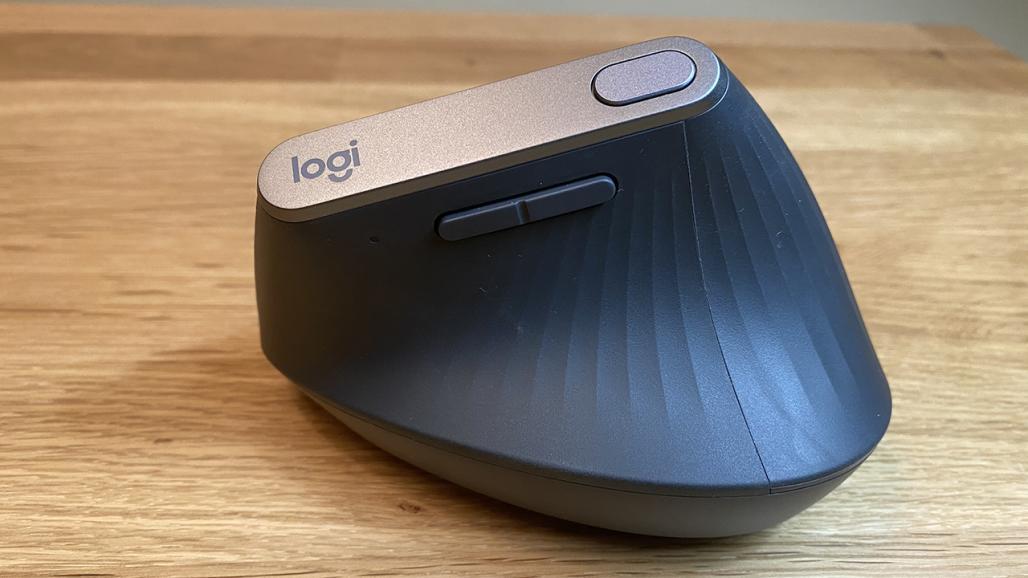
The Best computer mouse for windows in this group is the Logitech M185 Compact. It combines a comfortable ambidextrous shape, a reliable 2.4 GHz connection, a nano receiver, and a one-year battery claim without demanding software or a complicated setup. Its only meaningful limitation is the compact body, which is not ideal for large hands.
For a full-size desk mouse, choose the Logitech M510 Full Size. Its broad palm support, rubber grips, browser buttons, and long battery claim make it better for extended work, though the larger shape and software-dependent customization are not right for everyone. The TECKNET 2600 DPI is the strongest alternative when adjustable pointer sensitivity matters more than extra buttons.
If you are undecided, choose the M185 for general Windows use, or the M510 if your hand wants a larger palm rest.