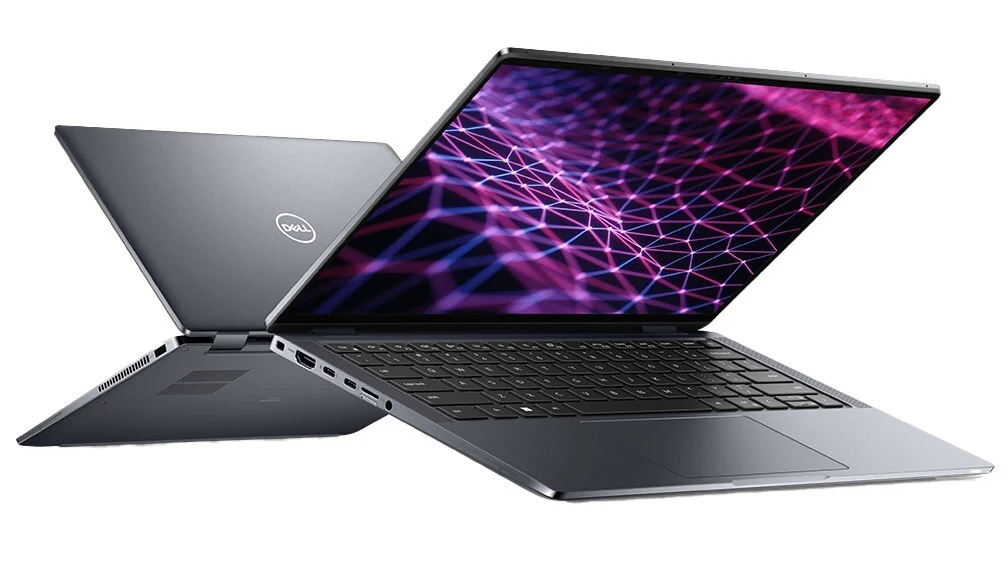

A laptop that looks suitable for office work can still make daily life harder with a cramped screen, limited memory, or an awkward webcam. Dell's current range spans slim 15-inch home machines, larger 16-inch displays, premium AI-focused models, and renewed Latitude business laptops.
Our Best best dell laptop picks separate those trade-offs clearly. The Dell 15.6-inch Core Ultra 5 is the top pick, while the rest cover larger screens, touch input, stronger processors, compact business hardware, and straightforward everyday use.
| # | Product | Award | Screen | Processor | Memory and storage | Best for |
|---|---|---|---|---|---|---|
| 1 | Dell 15.6-inch Core Ultra 5 | Best overall | 15-inch FHD, up to 300 nits | Intel Core Ultra 5 225U | 16GB, 512GB SSD | Everyday work and multitasking |
| 2 | Dell 16 Core 7 FHD+ | Best large-screen laptop | 16-inch FHD+, 16:10 | Intel Core 7 150U | 16GB, 1TB | Office work and video calls |
| 3 | Dell 15.6-inch Core 3 | Best for basic tasks | 15.6-inch FHD | Intel Core 3 100U | 8GB, 512GB | Schoolwork and web use |
| 4 | Dell 16 Core 7 Touch | Best touchscreen | 16-inch 2K, 16:10 touchscreen | Intel Core 7 150U | 16GB DDR5, 1TB SSD | Touch-friendly productivity |
| 5 | Dell 16 Plus Ultra 9 | Best premium performance | 16-inch QHD+, 16:10 | Intel Core Ultra 9 288V | 32GB | Creative work and demanding multitasking |
| 6 | Dell Latitude 5420 Core i7 | Best compact business laptop | 14-inch, 1920 by 1080 | Intel Core i7-1185G7 | 16GB DDR4, 256GB NVMe SSD | Business travel and office work |
| 7 | Dell Inspiron Ryzen 7 Touch | Best AMD touchscreen | 15.6-inch FHD touchscreen | AMD Ryzen 7 7730U | 16GB, 512GB SSD | Flexible home and office use |
| 8 | Dell Latitude 5420 Core i5 | Best compact work laptop | 14-inch FHD | Intel Core i5-1145G7 | 16GB DDR4, 256GB SSD | Basic business computing |
1. Dell 15.6-inch Core Ultra 5: Best Overall

Pros
- 16GB memory handles ordinary multitasking comfortably
- Core Ultra processor includes NPU-powered AI features
- Bright 15-inch display reaches up to 300 nits
- Lifted hinges improve the typing angle
- ComfortView helps reduce blue-light emissions
Cons
- FHD resolution is less detailed than the 2K and QHD+ alternatives
- The larger 15-inch chassis is not the most compact option
- Camera details are not specified
Best for: someone who wants a balanced Dell laptop for work, study, and everyday multitasking.
The Dell 15.6-inch Core Ultra 5 gets the fundamentals right without making a big production of them. It has the sensible screen size most people want, enough memory for a browser full of tabs and several office apps, and a processor platform that brings newer AI hardware to a conventional Windows laptop. It is the machine we'd point to first for a household that needs one computer to cover work, school, streaming, and general organization.
Its 15-inch display is listed as FHD and can reach up to 300 nits. That brightness figure matters more than the screen size alone. It should make documents and web pages easier to see in a bright room than a dimmer panel, while the three-sided narrow bezel keeps the front from feeling unnecessarily bulky. Dell's ComfortView feature is designed to reduce blue-light emissions, which is a useful consideration for long reading sessions, though it does not turn the screen into a high-end color-work monitor.
The Intel Core Ultra 5 225U is paired with 16GB of RAM and a 512GB SSD. That combination is well suited to everyday multitasking, and the processor's NPU-powered AI features give compatible Windows tools dedicated hardware to work with. A Copilot key provides a quick route to the assistant. Those extras will not matter to every buyer, but they are more relevant here than vague claims about future-proofing because they are tied to the actual processor platform.
The chassis weighs 3.67 pounds and measures 14.11 inches wide, 9.27 inches deep, and 0.74 inches high. It is portable enough for regular trips between rooms or an office, although the Dell Latitude 5420 Core i7 is notably smaller. The lifted hinge should make typing more comfortable and helps leave room for airflow beneath the machine.
The weakness is the ordinary FHD resolution. Dell 16 Core 7 Touch gives you a sharper 2K panel and touch input, while Dell 16 Plus Ultra 9 is the stronger choice for heavy creative workloads and large multitasking sessions. The Dell 15.6-inch Core Ultra 5 remains the better fit for most people because it avoids paying in portability and complexity for capabilities they may never use. Skip it only if a high-resolution screen or demanding processor performance is your priority.
2. Dell 16 Core 7 FHD+: Best Large-Screen Laptop

Pros
- 16:10 screen gives documents more vertical room
- 1TB storage leaves space for substantial files
- Up to FHD camera suits frequent video calls
- ComfortView Plus preserves color while reducing blue light
- Adaptive thermals adjust operation on stable surfaces
Cons
- At 4.37 pounds, it is one of the heavier new models here
- FHD+ is less sharp than the 2K touchscreen version
- No touch capability is listed
Best for: office users who want a roomy screen for documents, spreadsheets, and video meetings.
The Dell 16 Core 7 FHD+ is built around the simple pleasure of having more room on screen. Its 16-inch panel uses a 16:10 aspect ratio, so it provides extra vertical space compared with a conventional widescreen layout. That helps when reading long documents, working through spreadsheets, or keeping a video call visible beside a document.
The display is FHD+, which is a sensible match for the size. It is not as crisp as the 2K panel on Dell 16 Core 7 Touch, but it should place less demand on the integrated graphics and keeps Windows elements readable without excessive scaling. ComfortView Plus is intended to reduce harmful blue-light emissions while preserving true-to-life color, a more useful implementation than a display mode that simply turns everything noticeably yellow.
An Intel Core 7 150U processor, 16GB of memory, and a 1TB drive give this laptop a comfortable office profile. The larger drive is especially helpful for people who keep local project folders, photos, downloaded media, or several years of documents. The up-to-FHD camera includes wide dynamic range and temporal noise reduction, features aimed at keeping faces clearer across changing room lighting.
Dell lists adaptive thermals that can sense when the laptop is on a stable surface and adjust power and thermal behavior. That is not a substitute for a desktop, but it shows the design is aimed at sustained everyday use rather than occasional browsing. The 14.05-inch width and 9.82-inch depth are predictable for a 16-inch laptop, and the 4.37-pound weight makes it better suited to a desk than a commuter bag.
Compared with the Dell 15.6-inch Core Ultra 5, this model offers a larger workspace and double the listed storage, but it is substantially heavier. The Dell 16 Core 7 Touch adds a more detailed screen and touch interaction without changing the basic processor family. Choose this one if screen area and storage matter more than sharpness or portability. People who carry a laptop daily should look at a Latitude instead.
3. Dell 15.6-inch Core 3: Best for Basic Tasks

Pros
- 15.6-inch FHD screen is comfortable for everyday work
- Separate numeric keypad helps with calculations
- 512GB storage supports a useful local file library
- Lifted hinges support a more comfortable typing angle
- One-year onsite service is included
Cons
- 8GB of RAM leaves less room for heavy multitasking
- Core 3 processor is not aimed at demanding workloads
- Camera specifications are not provided
Best for: students and home users handling documents, browsing, email, and light office applications.
The Dell 15.6-inch Core 3 is the uncomplicated option in this group. It is designed for the jobs that make up much of ordinary laptop use: web research, email, documents, video playback, and simple spreadsheets. Its roomy keyboard includes a separate numeric keypad and a calculator hotkey, two small details that make it more practical for forms and figures than a compact laptop.
The 15.6-inch FHD display gives documents and web pages a familiar amount of space. Dell's ComfortView software is intended to reduce blue-light emissions for extended viewing, and the lifted hinges create a more ergonomic typing angle. Those features do not change the processor's capabilities, but they improve the parts of ownership that show up every day.
This model has an Intel Core 3 100U processor, 8GB of RAM, and 512GB of storage. The SSD capacity is generous for a straightforward home or school computer, but the 8GB memory ceiling is the more important limitation. It should be fine for normal use, yet a large number of browser tabs alongside several demanding applications will leave less headroom than on the 16GB models.
The listed dimensions are 14.11 inches wide, 9.27 inches deep, and 0.75 inches high, with a weight of 4.19 pounds. That makes it a full-size home laptop rather than a particularly nimble travel machine. Dell also lists one-year onsite service, which can be reassuring for someone who does not want to diagnose every hardware issue alone.
The Dell 15.6-inch Core Ultra 5 is the more comfortable long-term choice for multitasking, and the Dell Latitude 5420 Core i5 has a smaller business-oriented chassis. The Core 3 model makes sense when the workload is genuinely light and the numeric keypad is useful. Skip it for photo editing, large spreadsheets, virtual machines, or anyone who routinely keeps many heavy applications open.
4. Dell 16 Core 7 Touch: Best Touchscreen

Pros
- 2K resolution makes text and fine interface details sharper
- 16:10 touchscreen is useful for direct interaction
- 16GB DDR5 memory and 1TB SSD suit productive workloads
- Up to FHD camera supports clearer video calls
- ComfortView Plus is designed for long viewing sessions
Cons
- Touchscreen adds a feature not everyone needs
- The 4.18-pound body is heavy for frequent travel
- Intel graphics are not intended for serious gaming
Best for: users who want a large, sharp touchscreen for office work, browsing, and presentations.
The Dell 16 Core 7 Touch is the pick for people who know they want to reach out and tap the screen. A touchscreen is useful for scrolling through long pages, navigating presentations, annotating compatible content, and using a laptop in a more immediate way. It is not automatically better than a standard panel, but here it arrives alongside a screen that is genuinely more detailed.
The 16-inch display has a 16:10 layout and 2K resolution. The taller aspect ratio gives productivity apps more vertical breathing room, while the extra resolution makes text and interface elements look cleaner than they do on the FHD+ panel in Dell 16 Core 7 FHD+. Dell's ComfortView Plus aims to reduce blue-light emissions without sacrificing natural color, a good fit for a screen intended to be used for long periods.
An Intel Core 7 150U processor works with 16GB of DDR5 RAM and a 1TB SSD. That is a well-rounded specification for office multitasking, local file storage, and general creative work that does not depend on dedicated graphics. The up-to-FHD webcam includes wide dynamic range and temporal noise reduction, so the hardware is prepared for regular video meetings rather than treating the camera as an afterthought.
The laptop measures 14.04 inches wide, 9.82 inches deep, and 0.68 inches high. At 4.18 pounds, it is only modestly lighter than Dell 16 Core 7 FHD+, despite being thinner. Adaptive thermals are designed to sense when the machine is on a stable surface and adjust power and cooling behavior. That is useful at a desk, but neither model is the right answer for someone who values a very light travel setup.
The real question is whether touch and 2K detail matter more than carrying weight. The Dell 16 Core 7 FHD+ gives you the same processor family and a larger listed drive, while the Dell 16 Plus Ultra 9 moves up to a more powerful Core Ultra platform and 32GB of memory. Choose Dell 16 Core 7 Touch for hands-on navigation and a sharper screen. Skip it if you mostly use an external mouse and keyboard, because its key advantages will spend much of their time unused.
5. Dell 16 Plus Ultra 9: Best Premium Performance

Pros
- Core Ultra 9 288V targets demanding multitasking and AI work
- 32GB of memory provides substantial application headroom
- QHD+ 16:10 screen suits editing and side-by-side work
- FHD+ webcam supports clearer calls and Windows Hello
- Aluminum construction and military-grade testing are listed
Cons
- Premium hardware is unnecessary for simple office tasks
- The 4.12-pound body is not especially light
- The feature set is more than many casual users need
Best for: creators, professionals, and heavy multitaskers who want Dell's most capable new platform in this selection.
The Dell 16 Plus Ultra 9 is the specialist pick, and its advantage is clear before you open an application: it has the most capable processor and the most memory in this roundup. This is the laptop for someone who works with large spreadsheets, multiple windows, demanding productivity tools, or creative applications and does not want the system to feel constrained as projects grow.
Its 16-inch QHD+ display uses a 16:10 aspect ratio, which is a productive combination for editing timelines, data sheets, and side-by-side windows. The higher resolution gives you more working detail than the FHD+ Dell 16 Core 7 FHD+ and the FHD panel on the top pick. A higher-resolution screen can also make a large display feel less coarse, though it may require more careful Windows scaling for users who prefer large text.
Intel's Core Ultra 9 288V is built around newer client compute hardware, including support for current AI experiences and a focus on power efficiency. It is paired with 32GB of RAM, so switching among large applications should be far less restrictive than on the 8GB Dell 15.6-inch Core 3. The FHD+ webcam is designed for clear calls and faster face recognition with Windows Hello, adding a practical security feature to the premium hardware.
Dell lists an aluminum chassis and military-grade testing for the Plus range. The laptop measures 14.05 inches wide, 9.87 inches deep, and 0.67 inches high, with a listed weight of 4.12 pounds. It is thin for a 16-inch computer but not light enough to disappear into a bag. One-year onsite service and Dell Migrate for six months are also listed, though the machine's main reason to exist is its processing headroom.
The Dell 15.6-inch Core Ultra 5 is the more sensible choice for general work, and Dell 16 Core 7 Touch offers touch interaction at a lower level of performance. This model earns its place when the workload can use 32GB of memory and a stronger Core Ultra processor. Casual users should skip it. The hardware will be underused for email, streaming, and occasional documents, while professionals who keep large projects open will appreciate the extra room.
6. Dell Latitude 5420 Core i7: Best Compact Business Laptop

Pros
- Compact 14-inch 1920 by 1080 display
- 16GB DDR4 RAM supports office multitasking
- Thunderbolt 4 USB Type-C ports expand connectivity
- HDMI, Ethernet, microSD, and USB ports are included
- Windows 11 Pro is suited to business environments
Cons
- Renewed condition requires more care when assessing condition
- 256GB SSD is the smallest listed drive in this group
- The listed weight is inconsistent across the supplied product details
Best for: travelers and office users who need business ports and Windows 11 Pro in a smaller form.
The Dell Latitude 5420 Core i7 feels like a different kind of laptop from the newer consumer Dell models above it. It is a compact business machine with a practical port selection, Windows 11 Pro, and a 14-inch display. Instead of emphasizing a large screen or AI shortcut, it focuses on fitting into established office setups and travel routines.
The display is listed as 14 inches with a 1920 by 1080 resolution. That gives documents and standard office software a familiar sharpness without pushing the screen into a large chassis. The product information lists dimensions of 12.7 by 8.4 by 0.8 inches, although the supplied weight fields conflict, with the feature list stating 3.1 pounds and the product information listing 5 pounds. That discrepancy is worth checking before purchase if carrying weight is central to your decision.
Under the hood is an 11th Generation Intel Core i7-1185G7 quad-core processor running at 2.80GHz, with 16GB of DDR4 RAM and a 256GB NVMe SSD. This is older hardware than the Core Ultra systems in Dell 15.6-inch Core Ultra 5 and Dell 16 Plus Ultra 9, but it remains sensibly configured for office applications, communication, and standard business software. Windows 11 Pro is a better fit than Home for buyers whose workflow depends on Pro features.
Connectivity is where this Latitude earns its spot. The listing includes two USB 3.0 ports, two USB Type-C Thunderbolt 4 ports, HDMI, a microSD card reader, an Ethernet port, integrated Wi-Fi, Bluetooth, and a combined headphone and microphone jack. That mix is more useful for docking, wired office networks, projectors, and accessories than the supplied feature lists for the newer consumer models.
The renewed condition is the main caveat, not a minor footnote. Buyers should be comfortable checking the seller's condition details and return terms, since the supplied data does not specify battery health or cosmetic grade. Compared with Dell Latitude 5420 Core i5, this version has the stronger listed processor, while the Core i5 model has a more clearly stated three-pound weight. Choose this one for ports and i7 performance in a compact business chassis. Skip it if you want the newest platform or a guaranteed new unit.
For a broader look at machines designed around office software, the features that matter in a business-focused laptop are useful to compare before deciding between a consumer Dell and a Latitude.
7. Dell Inspiron Ryzen 7 Touch: Best AMD Touchscreen

Pros
- Eight-core Ryzen 7 processor supports substantial multitasking
- 15.6-inch FHD touchscreen offers direct navigation
- 16GB RAM and 512GB SSD suit work and home use
- Listed weight of 3.65 pounds is manageable for its size
- USB Type-C, USB Type-A, HDMI, and audio ports are included
Cons
- Supplied connectivity details list Wi-Fi 5 rather than Wi-Fi 6
- Bluetooth 4.2 is an older wireless standard
- Office access is through the web rather than a full desktop suite
Best for: users who want a touch display and strong AMD multitasking for general work.
The Dell Inspiron Ryzen 7 Touch is the flexible alternative to Dell's Intel-heavy lineup. It combines a conventional 15.6-inch size with touch input and an AMD processor that has enough core count for busy everyday computing. That makes it appealing for someone who moves between browser work, office documents, video calls, and media without wanting a compact keyboard.
Its Full HD display has a 1920 by 1080 resolution, an anti-glare LED backlight, and narrow bezels. Touch input gives it a different feel from Dell 15.6-inch Core Ultra 5, even though both are aimed at everyday work. The screen is not listed with a brightness figure, so buyers who work beside large windows should not assume it will match the up-to-300-nit panel on the top pick.
The AMD Ryzen 7 7730U is listed with eight cores and 16 threads and can reach up to 4.5GHz. It comes with 16GB of RAM and a 512GB SSD in this configuration. Those figures make the machine well suited to multitasking, and the storage gives room for a practical local library of documents and media. The product listing also advertises Wi-Fi 6 in its title, but its feature text specifies Wi-Fi 5 and Bluetooth 4.2. That inconsistency means wireless expectations should be confirmed before ordering.
The chassis measures 14.11 inches wide, 9.27 inches deep, and 0.75 inches high, with a listed weight of 3.65 pounds. Connectivity includes USB 3.0 Type-C, USB 3.0 Type-A, HDMI, and a headphone and microphone combo jack. Microsoft 365 access is provided through the web, with sign-in at Office.com, so it should not be confused with a locally installed desktop Office license.
Dell 15.6-inch Core Ultra 5 has a newer Intel platform and clearer information about display brightness, while this Inspiron counters with eight Ryzen cores and touch input. The Dell 16 Core 7 Touch provides a larger and sharper touchscreen, but it is heavier. Choose this Inspiron when touch, AMD multitasking, and a moderate carrying weight fit your routine. Skip it if wireless generation, premium display detail, or a business-focused Windows edition matters more.
8. Dell Latitude 5420 Core i5: Best Compact Work Laptop

Pros
- Compact 14-inch FHD business design
- 16GB DDR4 RAM is suitable for everyday multitasking
- Core i5-1145G7 quad-core processor handles office workloads
- HDMI and camera are listed
- Windows 11 Pro is included
Cons
- Renewed condition may vary from unit to unit
- 256GB SSD offers less storage than the newer picks
- The feature list provides fewer connectivity details than the Core i7 Latitude listing
Best for: buyers who need a compact Windows 11 Pro laptop for documents, email, and office applications.
The Dell Latitude 5420 Core i5 is the straightforward business laptop in this group. Its 14-inch FHD format is easier to place on a small desk or carry between meetings than the 16-inch models, and its Windows 11 Pro installation gives it a more office-oriented identity than the standard Dell Home laptops.
The listed Intel quad-core i5-1145G7 runs at 2.00GHz. It is not a current-generation processor, but it is a reasonable match for documents, email, web applications, presentations, and routine administrative work. The 16GB of DDR4 RAM is the more important day-to-day specification, since it gives normal multitasking considerably more room than the 8GB Dell 15.6-inch Core 3.
Storage is a 256GB SSD, the smallest listed capacity in this roundup. Solid-state storage should keep startup and application loading responsive, but the limited capacity will fill sooner if you keep large photo libraries, downloaded videos, or bulky work files locally. The supplied feature list calls out a camera and HDMI, while the title confirms the FHD business format.
The product information lists dimensions of 12.76 inches long, 8.35 inches wide, and 0.76 inches high, with a weight of 3 pounds. That is a useful shape for commuting, though refurbished or renewed machines need a closer look at condition and return coverage. The listing does not provide the broad port inventory found for Dell Latitude 5420 Core i7, so buyers with specific docking or wired-network needs should confirm those details.
The Dell Latitude 5420 Core i7 is the stronger Latitude when its listed Thunderbolt 4, Ethernet, and microSD connections matter, while Dell Inspiron Ryzen 7 Touch offers a larger touchscreen and newer-feeling consumer design. This Core i5 Latitude makes sense for a compact office computer with Pro software. Skip it if 256GB is too restrictive or if you want a new laptop with a current processor platform.
How to choose best dell laptop
Choosing among these machines comes down to matching the screen, processor, memory, and software edition to the way you actually work.
Screen size and aspect ratio
A 14-inch screen keeps a laptop compact, which is useful for commuting and small desks. A 15.6-inch panel gives documents and split windows more room without becoming as large as a 16-inch machine. The 16:10 displays on the Dell 16 models add vertical space, so you scroll less through documents and spreadsheets.
Resolution matters when text clarity and detailed creative work are priorities. FHD is adequate for everyday productivity, while 2K and QHD+ panels show more detail. Touch input is a separate decision. It helps with scrolling, presentations, and direct navigation, but it does not replace the need for a good keyboard and trackpad.
Processor platform
The Intel Core 3 100U is intended for lighter tasks, while the Core 7 150U models provide more room for busy office use. Intel Core Ultra 5 225U and Core Ultra 9 288V add newer AI-focused hardware, including an NPU on the Core Ultra 5 listing. AMD's Ryzen 7 7730U stands out for its listed eight cores and 16 threads.
Do not choose a processor by its name alone. Match it to the workload. Web browsing and documents do not need the Core Ultra 9, but large projects, extensive multitasking, and compatible AI tools can make the extra hardware useful.
Memory and storage
Memory affects how comfortably a laptop handles several active applications. The 8GB Dell 15.6-inch Core 3 is suitable for lighter work, while 16GB is the more flexible baseline across this group. The Dell 16 Plus Ultra 9 goes to 32GB for buyers who regularly work with demanding software or many large files.
Storage determines how much can stay on the laptop. The 256GB Latitude drives are adequate for documents and cloud-centered work, but the 512GB and 1TB options leave more room for local files and applications. An SSD is preferable for everyday responsiveness, and every product here lists solid-state storage where storage details are provided.
Business features and condition
Windows 11 Pro is a meaningful differentiator for office users who need a business-oriented edition of Windows. The Latitude models also include practical features such as HDMI and, in the Core i7 listing, Thunderbolt 4, Ethernet, and a microSD reader. Consumer Dell models focus more on large displays, comfort features, touch input, and newer processors.
Renewed Latitudes can be attractive for buyers who prefer compact business hardware, but condition and battery expectations deserve careful checking. Newer consumer models are a cleaner choice when you want a current platform and do not need the Latitude's port selection.
A sharper screen is easy to notice, but enough memory and the right port selection determine whether a laptop stays useful after the first week.
Portability and webcam
Weight varies substantially across this selection. The Latitude Core i5 is listed at 3 pounds, the Inspiron Ryzen 7 at 3.65 pounds, and the 16-inch consumer models are above 4 pounds. Those differences become noticeable when the laptop travels every day.
Webcam details are strongest on the newer 16-inch models. Dell 16 Core 7 FHD+ and Dell 16 Core 7 Touch list up-to-FHD cameras with wide dynamic range and temporal noise reduction. Dell 16 Plus Ultra 9 goes further with an FHD+ webcam and Windows Hello face recognition. If video calls are central to your work, these details matter more than a generic camera label.
For readers comparing brands around the same workload, how Windows laptops differ in daily use can help put Dell's Home, Pro, and hardware choices in context.
Frequently asked questions
Which Dell laptop is best for everyday work?
The Dell 15.6-inch Core Ultra 5 is the strongest all-rounder here. It combines a 15-inch FHD display, 16GB of RAM, a 512GB SSD, and an Intel Core Ultra 5 225U processor with AI-focused hardware. Its main limitation is that the screen is not as sharp as the 2K and QHD+ alternatives.
Which Dell laptop has the largest display?
The 16-inch models have the largest displays in this selection. Dell 16 Core 7 FHD+ uses a 16:10 FHD+ screen, Dell 16 Core 7 Touch has a 16:10 2K touchscreen, and Dell 16 Plus Ultra 9 has a 16:10 QHD+ display.
Is 8GB of RAM enough for a Dell laptop?
Eight gigabytes can handle web browsing, email, documents, and light schoolwork. The Dell 15.6-inch Core 3 has 8GB, but 16GB provides more headroom for many tabs, spreadsheets, and simultaneous applications. Choose 16GB if you expect the laptop to remain your main computer for several years.
Which model is best for travel?
The Dell Latitude 5420 Core i5 is listed at 3 pounds and has a compact 14-inch body. The Dell Latitude 5420 Core i7 is also compact and includes a wider selection of business ports, though the supplied data gives conflicting weight figures for that model. Confirm the exact condition and specifications before purchasing a renewed laptop for frequent travel.
Do any of these Dell laptops have a touchscreen?
Yes. Dell 16 Core 7 Touch has a 16-inch 2K touchscreen, and Dell Inspiron Ryzen 7 Touch has a 15.6-inch FHD touchscreen. The other listed products are not identified as touch models in their supplied details.
Which Dell laptop has the most storage?
Dell 16 Core 7 FHD+ and Dell 16 Core 7 Touch each list a 1TB drive. The Dell 15.6-inch Core Ultra 5, Dell 15.6-inch Core 3, and Dell Inspiron Ryzen 7 Touch each list 512GB, while both Latitude models list 256GB.
Are the renewed Latitude laptops worth considering?
They are worth considering when a compact business chassis, Windows 11 Pro, and practical office connectivity matter more than having the newest processor. The Core i7 version lists Thunderbolt 4, Ethernet, HDMI, and a microSD reader. Check condition, battery information, and return coverage carefully because renewed units can differ from new consumer models.
The bottom line
The Dell 15.6-inch Core Ultra 5 is the Best best dell laptop for most people because it balances a useful screen, 16GB of memory, 512GB of storage, manageable weight, and a newer Intel platform. Choose Dell 16 Core 7 Touch instead when a sharper display and touch input are central to your workflow.
For demanding work, the Dell 16 Plus Ultra 9 is the clear specialist choice, with 32GB of memory and the strongest processor in this group. Travelers and office users who prioritize compact business hardware should choose one of the renewed Latitude models, especially the Core i7 version when its broad port selection is useful.
If you are undecided, start with the Dell 15.6-inch Core Ultra 5 unless you specifically need a touchscreen, a 16-inch workspace, or Windows 11 Pro.
As an Amazon Associate we earn from qualifying purchases.