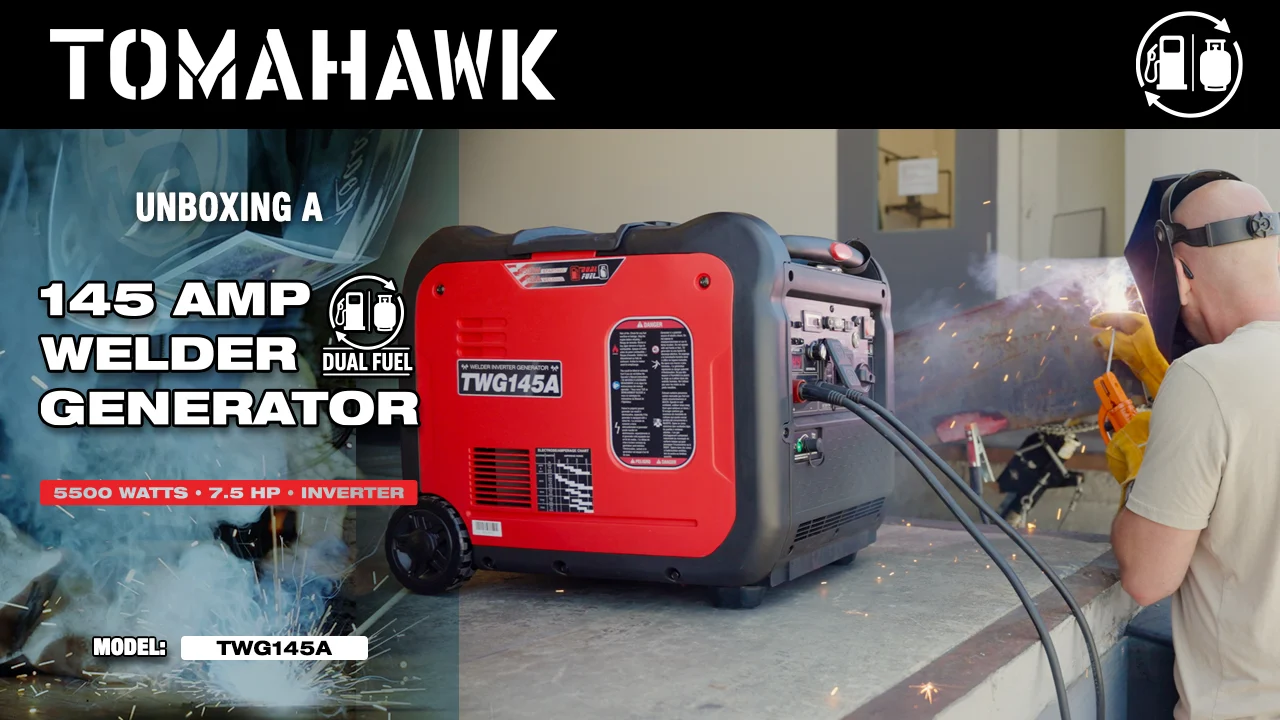

A generator that can run on gasoline or propane gives you a useful choice when an outage stretches on, but the wrong size can leave you switching appliances on and off. The large models here can support a transfer switch and substantial household loads, while the compact inverter models suit RVs, electronics, and smaller backup needs.
Our picks for the Best dual fuel generator range from full-home machines with 13, 000 peak watts to a 49-pound inverter generator that can travel in an SUV. The key differences are not just output. Fuel controls, outlet layouts, electrical design, safety shutoffs, and the ability to move the machine all matter.
The Westinghouse 12500 Watt Generator is our top pick for dependable home backup, with the DuroStar DS13000MX close behind for buyers who want a rugged 50-amp setup. The rest of the list covers quieter inverter power, RV use, and more manageable sizes.
Comparison table
| # | Product | Award | Running output | Fuel and standout feature | Best for |
|---|---|---|---|---|---|
| 1 | Westinghouse WGen9500DF | Best overall | 9, 500 watts gas, 8, 500 watts propane | Remote start, 50A outlet | Whole-home backup |
| 2 | DuroStar DS13000MX | Best rugged build | 13, 000-watt class | 50A outlet, CO Alert | Heavy-duty backup |
| 3 | DuroMax XP13000EH | Best heavy-duty versatility | 13, 000-watt class | Copper windings, 50A outlet | Home, RV, and jobsite use |
| 4 | Westinghouse 12500 Watt CO Generator | Best safety-focused large generator | 9, 500 watts gas, 8, 500 watts propane | CO shutdown, remote start | Home backup with added monitoring |
| 5 | Westinghouse iGen12000DFc | Best inverter for home backup | 9, 000 watts gas, 8, 100 watts propane | ≤3% THD, parallel capable | Sensitive electronics and longer runs |
| 6 | DuroMax XP13000HX | Best outlet selection | 13, 000-watt class | Four 120V outlets, 50A outlet | Multiple simultaneous loads |
| 7 | WEN DF680iX | Best for EV backup | 5, 100 watts gas, 4, 500 watts propane | 240V output, inverter design | RVs and low-power Level 2 charging |
| 8 | WEN DF475T | Best conventional mid-size option | 3, 800 watts gas, 3, 500 watts propane | 120V/240V selector | Essential circuits |
| 9 | WEN DF360iX | Best lightweight inverter | 2, 900 watts gas, 2, 600 watts propane | 49 pounds, CO Watchdog | Travel and small electronics |
| 10 | Westinghouse 6500 Watt Generator | Best simple home backup | 5, 300 watts gas, 4, 800 watts propane | 30A transfer switch outlet | Basic household circuits |
1. Westinghouse WGen9500DF: Best Overall
Pros
- Strong 9, 500-watt gasoline running output
- Remote, electric, and recoil starting
- 50A RV-ready outlet and 30A transfer switch outlet
- Digital display tracks voltage, frequency, and hours
Cons
- About 210 pounds before handling
- Conventional generator design is not the quietest option
- CO shutdown is not listed for this version
Best for: homeowners who want a capable dual-fuel generator with straightforward whole-home connections.
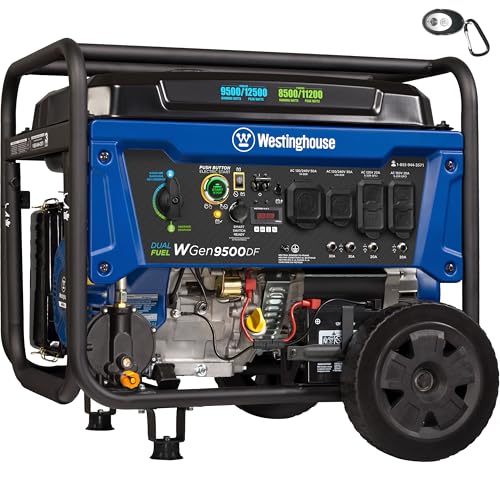
The Westinghouse WGen9500DF gets the fundamentals right. It is large enough to support serious household loads, but the controls remain familiar instead of burying everything in a complicated interface. Remote starting is especially useful when the generator is sitting outside during bad weather, and the included key fob gives it a practical advantage over models that require a trip to the control panel.
Its gasoline output is 9, 500 running watts and 12, 500 peak watts. Propane output drops to 8, 500 running watts and 11, 200 peak watts, still enough for a broad group of essential circuits when the generator is connected properly. The 6.6-gallon tank is listed for up to 12 hours of operation, and the fuel gauge helps you judge when a refill is approaching rather than guessing from engine sound.
The outlet layout is one of the reasons this model leads the list. Two GFCI 120V household receptacles handle ordinary plug loads, the L14-30R supports a transfer switch connection, and the 120/240V 14-50R outlet gives it useful capacity for an RV or larger connection. Its VFT display reports voltage, frequency, and lifetime hours. That is more useful than a simple running light when you are trying to keep a refrigerator, sump pump, or heating equipment within a sensible load.
The 457cc four-stroke OHV engine has a cast iron sleeve, automatic low-oil shutdown, and a digital hour meter. At 209.999 pounds and roughly 27 inches on each side, it is a machine for its wheel kit and a second person, not something to casually reposition. The main omission compared with the Westinghouse 12500 Watt CO Generator is a listed carbon monoxide sensor. Anyone who wants that extra shutdown protection should choose the next Westinghouse instead.
The WGen9500DF is the one we would keep for a conventional home backup setup. It is less refined than the inverter model later in this guide, but its output, controls, included accessories, and connection options make it the most balanced choice here.
2. DuroStar DS13000MX: Best Rugged Build

Pros
- 13, 000-watt class output for demanding loads
- Rugged all-metal frame and reinforced panel
- Push-button starting and front-facing fuel selector
- 50A outlet supports a transfer switch
Cons
- 220-pound chassis is difficult to move without clear access
- Conventional design lacks inverter-style low-THD output
- Fewer detailed outlet specifications than some competitors
Best for: users who prioritize a steel-bodied machine for storm preparation and heavy use.
The DuroStar DS13000MX is built around a simple proposition: use a large engine, put the controls where you can reach them, and avoid fragile exterior parts. Its all-metal construction gives it a more workmanlike character than the smaller WEN models, and the reinforced power panel is reassuring for a generator that may be moved, stored, and brought out during difficult weather.
DuroStar lists 13, 000 watts of output for home, jobsite, or RV use, though the product information does not separate gasoline and propane running figures. That makes the model harder to compare directly with the Westinghouse WGen9500DF, which clearly states its continuous output on each fuel. The practical advantage is still obvious: this is the larger-output tier, suited to a transfer-switch installation where several household circuits need to operate together.
The push-button electric start avoids the chore of repeated pulling, while the front-facing selector lets you move between gasoline and propane without reaching around the frame. A 50-amp outlet is provided for whole-home connection through a correctly installed transfer switch. The built-in CO Alert is an important safety feature because it can shut the generator down when dangerous carbon monoxide levels are detected. It does not replace outdoor placement and ventilation, but it adds a useful layer of protection.
At 220 pounds, the DS13000MX is heavier than the Westinghouse WGen9500DF and much heavier than the WEN DF680iX. That weight is the price of its heavy-duty frame and larger output class, and it means storage location matters. The DuroMax XP13000EH offers a more detailed feature set, including copper windings and no-flat tires, while the DS13000MX counters with its reinforced panel and direct, uncluttered controls.
Choose this model when durability and maximum household capability matter more than a refined electrical design or compact handling. It is a solid storm backup machine, but buyers who need clean inverter output for sensitive equipment should look to the Westinghouse iGen12000DFc or one of the WEN inverter models.
3. DuroMax XP13000EH: Best Heavy-Duty Versatility

Pros
- 13, 000-watt class output
- All-metal frame and power panel
- Copper windings designed for heat conduction
- No-flat tires and broad use case
Cons
- 234-pound weight limits portability
- No inverter or low-THD claim
- Product information does not give separate fuel output figures
Best for: buyers who need one rugged generator for home backup, RV use, and occasional jobsite work.
The DuroMax XP13000EH feels like a generator designed to stay useful after the outage is over. Its intended roles include home backup, RV power, and jobsite work, and the all-metal construction supports that versatility. The frame and power panel avoid plastic parts, while no-flat tires make it easier to roll across uneven ground than a machine dependent on delicate pneumatic tires.
The headline specification is 13, 000 watts, placing it alongside the DuroStar DS13000MX and DuroMax XP13000HX. The listing does not provide separate gasoline and propane running figures, so we would not assume that both fuels produce identical output. What is clear is that the XP13000EH has the capacity for substantial loads and includes a transfer switch-ready 50A outlet, which is the connection that matters most for a properly installed whole-home backup arrangement.
The controls are arranged for quick use. A push-button start handles ignition, and the front-facing interface lets you change fuel type in seconds. DuroMax also calls out 100% copper windings, which conduct heat better than aluminum and are intended to support long-term generator life. Those details matter more for a machine that may run for extended periods than decorative trim or an oversized peak figure.
The drawback is size. At 234 pounds and about 30 inches long by 29 inches wide, it is a serious piece of equipment. The XP13000HX is even heavier, but it offers a more extensive outlet panel. The DS13000MX is lighter and includes CO Alert, while the XP13000EH makes a stronger case for users who value copper windings, no-flat tires, and flexible use.
This is a sensible pick for someone who wants a conventional generator that can move between home, RV, and worksite duties. Skip it if sensitive electronics are a priority or if you do not have a practical place to store and roll a 234-pound machine.
4. Westinghouse 12500 Watt CO Generator: Best Safety-Focused Large Generator

Pros
- CO and low-oil automatic shutdown
- Remote, electric, and recoil starting
- 50A RV-ready and 30A transfer switch outlets
- Up to 12 hours on the listed gasoline tank
Cons
- Nearly 213 pounds
- Conventional output is not inverter-regulated
- Propane running output is lower than gasoline output
Best for: households that want large output with carbon monoxide monitoring built in.
The Westinghouse 12500 Watt CO Generator is very close to the WGen9500DF in physical design and output, but its carbon monoxide shutdown makes it the more safety-focused choice. The generator still belongs outdoors, far from doors, windows, and ventilation openings. The CO system is a backup safeguard, not permission to run it in a garage or enclosed shelter.
On gasoline, it produces 9, 500 running watts and 12, 500 peak watts. Propane output is listed at 8, 500 running watts and 11, 200 peak watts. The 6.6-gallon tank is rated for up to 12 hours, and the fuel gauge gives you a useful indication of remaining supply. Those figures make it a strong match for a transfer switch installation that needs to support multiple essential circuits rather than a single appliance.
The 457cc four-stroke OHV engine includes a cast iron sleeve, low-oil shutdown, and a digital hour meter. Starting options include the remote key fob, an electric start, and recoil backup. For connections, there are two GFCI 120V household receptacles, a 30A L14-30R transfer switch outlet, and a 120/240V 14-50R outlet for RV use or larger loads. Rubber outlet covers add protection when the machine is stored or operating outside.
Compared with the WGen9500DF, this version gives up none of the major output or connection features while adding CO shutdown. The tradeoff is the same substantial footprint, at roughly 26.5 inches tall, 27.2 inches long, and 26.1 inches wide, with a listed weight of 212.1 pounds. The Westinghouse iGen12000DFc is quieter and provides low-THD inverter output, but it is a different kind of machine with a more complicated electrical design.
This is the Westinghouse to choose when a conventional whole-home generator fits your needs and CO monitoring is non-negotiable. It is not the right answer for anyone seeking quiet operation or lightweight portability.
5. Westinghouse iGen12000DFc: Best Inverter for Home Backup

Pros
- Inverter output with no more than 3% THD
- Up to 19 hours at 25% load on gasoline
- Quieter operation as low as 64 dBA
- Parallel capable and transfer switch ready
Cons
- 187.4 pounds is still substantial
- Lower continuous output on propane
- More complex than a basic conventional generator
Best for: homeowners who need large backup capacity and cleaner power for sensitive electronics.
The Westinghouse iGen12000DFc is the most technically complete generator here. It combines the output needed for serious home backup with inverter electronics, so it can vary engine speed with demand instead of running at one fixed pace all the time. That makes it a better fit near living spaces and a safer electrical partner for computers, chargers, and other sensitive devices.
Gasoline output is 12, 000 peak watts and 9, 000 running watts. Propane output is 11, 000 peak watts and 8, 100 running watts. The generator is rated at no more than 3% total harmonic distortion, a specification that describes how cleanly the power waveform is delivered. It is not a guarantee that every device will behave perfectly, but it is a meaningful advantage over conventional models when electronics are part of the backup plan.
The fuel and noise figures are equally useful. Eco Mode, insulation, and mufflers help reduce operation to as low as 64 dBA, while the 7.9-gallon tank supports up to 19 hours at 25% load. That runtime figure depends on load, but it explains why this generator is more appealing for long outages than a smaller tank model. The LED data center shows fuel level, output, remaining runtime, voltage, and lifetime hours, giving you more information than the simpler displays on the WEN DF475T or Westinghouse 6500 Watt Generator.
Connections include a 120/240V 14-50R 50A outlet, a 120V/240V L14-30R 30A twist-lock outlet, and a GFCI 120V household duplex. It is transfer switch or interlock kit ready and can run in parallel to increase output with a compatible setup. At 187.4 pounds, it is lighter than the large DuroMax options, though its roughly 30.2-inch length still demands a suitable storage area.
The weakness is not capability but complexity and scale. If you only need to keep a refrigerator and a few lights operating, the machine is more generator than necessary. For full-home backup with electronics, longer operating periods, and a need for lower noise, it is the most compelling upgrade from the conventional models.
6. DuroMax XP13000HX: Best Outlet Selection

Pros
- 13, 000-watt class output
- Four GFCI 120V household outlets
- 30A and 50A connection options
- Push-button start and front-facing fuel selector
Cons
- Heaviest generator in this roundup at 245 pounds
- No inverter or low-THD specification
- Large footprint needs careful storage planning
Best for: users who need to connect several household, RV, or workshop loads directly.
The DuroMax XP13000HX stands out because its power panel is unusually useful. Instead of making you rely on one primary connection, it includes four 120V GFCI household outlets, a 120V 30A outlet, a 120/240V 30A twist-lock outlet, and a heavy-duty 120/240V 50A outlet. That spread makes it easier to accommodate different cables and equipment without constantly rearranging the setup.
DuroMax lists this as a 13, 000-watt dual-fuel generator for whole-home backup, but the supplied product details do not separate peak and running output by fuel. Treat the headline figure as a capacity class rather than a promise that every appliance can run simultaneously. A licensed electrician should determine the correct transfer switch or interlock arrangement and the circuits it can support.
A 500cc OHV engine powers the unit, and the listing specifically calls out all-copper windings. The push-button start reduces startup effort, while the front-facing fuel interface makes gasoline and propane changes quick. That arrangement is more convenient than a selector hidden behind a frame, particularly when the generator is being operated in poor weather or low light.
Its major drawback is the 245-pound weight. The frame is built for severe weather and heavy wear, but that sturdiness makes this the least casual generator to move. The DuroStar DS13000MX is lighter and includes CO Alert, while the DuroMax XP13000EH is also lighter and emphasizes no-flat tires. The XP13000HX wins when the outlet assortment is more important than carrying weight or inverter output.
Choose it for a permanent backup location, workshop, or RV setup where connection flexibility matters. Skip it if you need to carry the generator up steps, move it alone, or power sensitive electronics without a separate conditioning solution.
7. WEN DF680iX: Best for EV Backup
Pros
- Inverter design with 240V configuration
- Supports low-power Level 2 charging
- Electric start and fuel shutoff
- RV, USB, 12V, and 120V/240V outlets
Cons
- Lower output than the large home backup models
- 240V configuration may not suit every charging setup
- Not a full-home generator
Best for: RV owners and EV or hybrid owners who need a portable dual-fuel inverter.
The WEN DF680iX is the most interesting middle ground in this group. It is much smaller than the full-home machines, yet its bonded-neutral 240V configuration provides low-power Level 2 charging for battery and hybrid electric vehicles. That feature makes it more versatile than a typical RV generator, provided your vehicle and charging equipment are compatible with the available output.
Its 224cc dual-fuel engine produces 6, 800 surge watts and 5, 100 rated watts on gasoline. Propane output is 6, 000 surge watts and 4, 500 rated watts. Those numbers are enough for RV equipment, refrigerators, lights, chargers, and selected household circuits, but not a realistic replacement for the 9, 000-watt and higher running output of the Westinghouse home backup models.
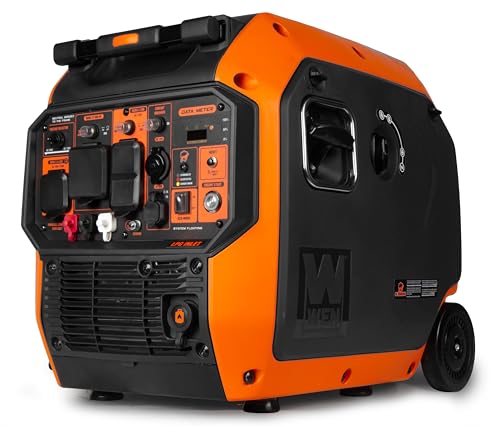
The outlet selection is well judged for travel. There is one L14-30R 120V/240V receptacle, two three-prong 120V receptacles, one TT-30R RV outlet, one 12V DC receptacle, and two 5V USB ports. The voltage selector gives you control over the electrical configuration, while the tool-free LPG connector and six-foot regulator hose simplify propane setup. Fuel shutoff uses the remaining fuel in the carburetor before the engine stops, which can reduce residue during storage.
At 99.2 pounds, this is still a two-person lift for many users, but it is far more manageable than the 180-pound-plus home units. The telescoping pull handle and onboard wheels help with movement. WEN Watchdog CO shutdown provides a useful safety layer, though correct outdoor placement remains essential. The WEN DF360iX is quieter and dramatically lighter, but it cannot provide the same 240V and 5, 100-watt gasoline output.
Buy this when RV use, EV backup, and flexible outlet options matter more than whole-home capacity. For a house with large startup loads, its ceiling will arrive quickly.
8. WEN DF475T: Best Conventional Mid-Size Option

Pros
- 120V and 240V operation
- Electric start with simple fuel selector
- Up to 11 hours at half load
- Wheel and handle kit included
Cons
- Conventional output is not inverter-regulated
- Limited to 30A transfer switch connection
- No CO shutdown feature is listed
Best for: essential-circuit backup when you need 240V capability without a very large chassis.
The WEN DF475T is a straightforward generator for people who know which circuits they need to keep alive. It does not try to be a whole-home powerhouse. Instead, it provides a useful 120V/240V selector, electric start, and enough output for a refrigerator, freezer, lights, internet equipment, and selected tools when the loads are managed sensibly.
On gasoline, it produces 4, 750 surge watts and 3, 800 running watts. Propane output is 4, 350 surge watts and 3, 500 running watts. The difference between the two fuel modes is modest, but startup loads still need attention. A refrigerator compressor or pump can briefly demand more than its normal running wattage, so the sensible approach is to start large appliances one at a time and avoid stacking high-draw loads.
The 224cc four-stroke OHV engine starts with a turn of the key. A four-gallon tank is rated for up to 11 hours at half load, which is a useful reference for overnight essential-circuit operation. Its panel includes two 120V GFCI outlets, a 120V/240V L14-30R twist-lock outlet, and a 12V DC receptacle. The included wheel and handle kit make the 105.8-pound chassis much easier to position than the heavier DuroMax units.
The limitation is its conventional electrical design. It is not the choice for someone who wants inverter-style clean power, and the listing does not mention a CO shutdown sensor. The Westinghouse 6500 Watt Generator offers substantially more running output and CO protection, while the WEN DF680iX offers inverter operation and RV-specific connectivity. The DF475T occupies the practical middle for a basic transfer-switch installation.
Choose this model when your backup plan is defined and moderate. It is a useful essential-circuit generator, but it should not be mistaken for a machine capable of carrying an entire modern home.
9. WEN DF360iX: Best Lightweight Inverter
Pros
- Only 49 pounds
- Inverter output for sensitive electronics
- Quiet operation suited to camping and neighborhoods
- Fuel shutoff and CO Watchdog included
Cons
- No 240V output listed
- Limited to 2, 900 rated watts on gasoline
- RV outlet is 30A, not a whole-home connection
Best for: campers, travelers, and households needing portable power for electronics and small appliances.
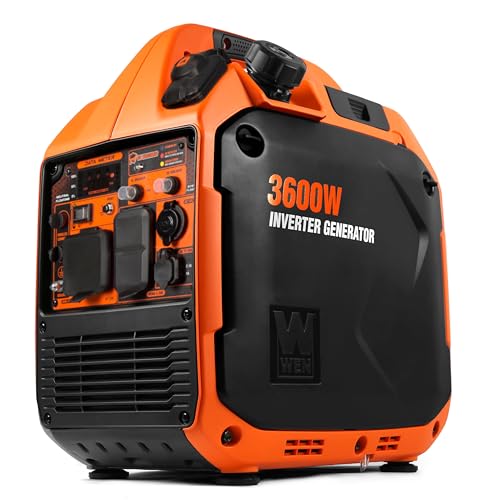
The WEN DF360iX is the easiest generator here to carry and store. At 49 pounds, it can be handled by one person and fits a very different lifestyle from the 200-pound home backup machines. That makes it a natural choice for camping, tailgating, mobile work, and emergency electronics when a large generator would spend most of its life taking up space.
Gasoline output is 3, 600 surge watts and 2, 900 rated watts. Propane output is 3, 500 surge watts and 2, 600 rated watts. That is enough for a modest collection of electronics, lights, a refrigerator depending on startup demand, and RV equipment, but it will not support central heating, large electric ranges, or several major appliances at once.
The inverter system produces clean power for phones, tablets, laptops, and similar sensitive devices. WEN also describes operation as quiet enough to compare with a normal conversation, a useful trait at a campsite or near a home. The panel includes two three-prong 120V outlets, an RV TT-30R receptacle, a 12V DC receptacle, and two 5V USB ports. A tool-free LPG connector makes switching to propane uncomplicated.
Fuel shutoff helps use the remaining carburetor fuel before shutdown, which is helpful for storage and maintenance. The WEN Watchdog CO sensor automatically turns the generator off if dangerous carbon monoxide levels are detected. The WEN DF680iX is the better choice if you need 240V capability or low-power EV charging, but it weighs more than twice as much and produces a different level of noise and output.
The DF360iX is not a whole-home backup solution, and buyers should not try to make it one. It is the right small inverter for anyone who values light weight, clean power, and manageable operation above raw capacity.
10. Westinghouse 6500 Watt Generator: Best Simple Home Backup

Pros
- 5, 300 running watts on gasoline
- 30A transfer switch and RV outlets
- Up to 14.5 hours with the listed fuel tank
- CO and low-oil automatic shutdown
Cons
- No electric or remote start is listed
- Conventional power design
- Smaller output than the large home backup picks
Best for: essential household circuits and RV use with a simple, familiar control panel.
The Westinghouse 6500 Watt Generator is a sensible step down from the oversized full-home machines. It has enough output for essential circuits, a transfer switch connection, and an RV outlet, without the footprint of the 12, 500-watt class. It is still a substantial generator at 135.6 pounds, but its 21-inch length and 18-inch width make storage easier than with the DuroMax models.
Gasoline output is 5, 300 running watts and 6, 500 peak watts. Propane output is 4, 800 running watts and 5, 800 peak watts. The 4.7-gallon tank is rated for up to 14.5 hours, though actual runtime depends on load. A 120/240V selector lets you configure the generator for the connection you need, and the fuel gauge helps monitor the tank during an outage.
The outlet panel has a 120V household duplex, an RV-ready TT-30R 30A receptacle, and an L14-30R 30A transfer switch-ready outlet. Rubber covers protect the outlets from the elements. The 274cc four-stroke OHV engine has a cast iron sleeve and automatic low-oil and carbon monoxide shutdown. Oil, a funnel, propane hose, tool kit, wheel kit, and manual are included, reducing the number of setup items to gather.
Starting is the main compromise. The supplied details do not list electric or remote start, so operation relies on the starting method provided by the generator. The WEN DF475T offers electric start and similar mid-size capacity, while the Westinghouse has more gasoline running output and explicitly lists CO shutdown. Neither replaces the cleaner output of the inverter models.
This is a good fit for a defined essential-circuit plan, especially when RV connectivity matters. Choose a larger Westinghouse or DuroMax if you expect to run many major household loads at once.
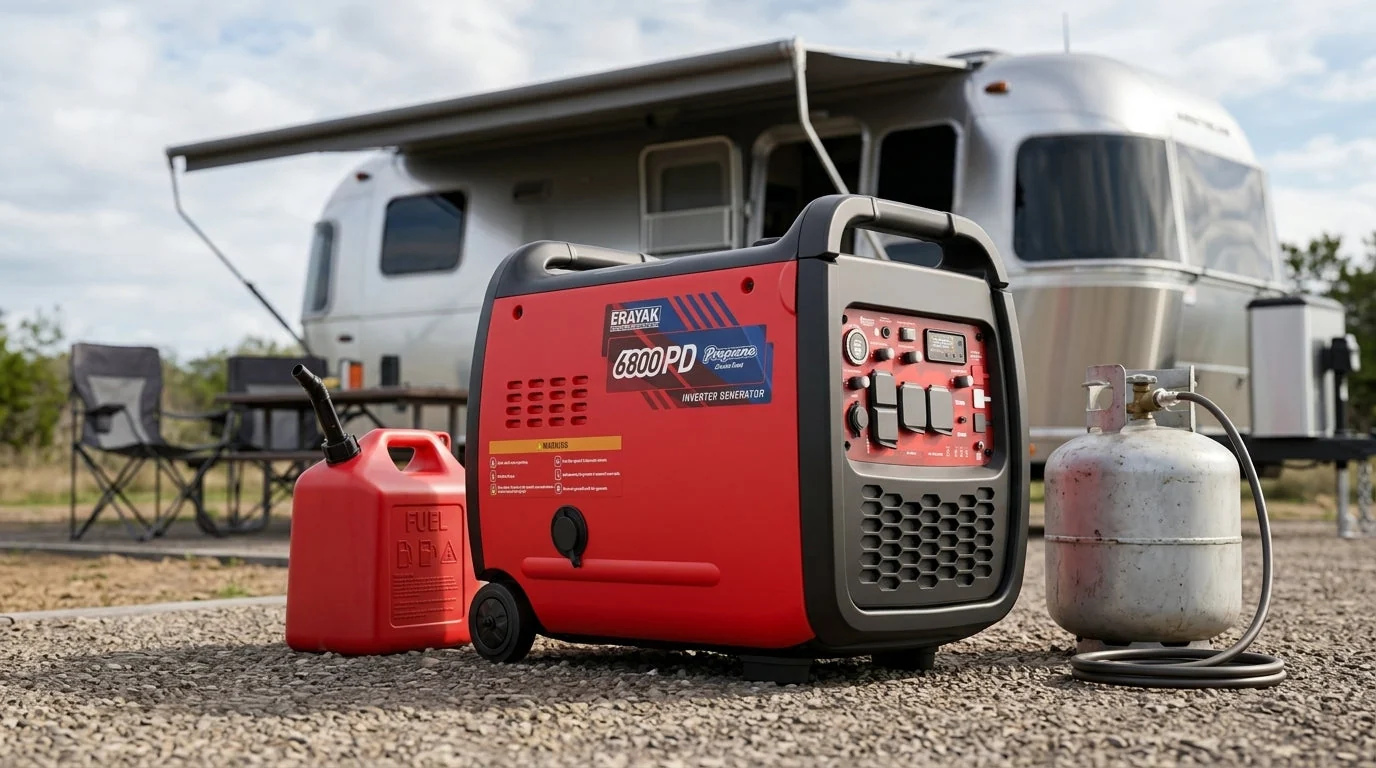
How to choose best dual fuel generator
The right generator depends on the loads you must run, the way you will connect them, and how much machine you can safely store and move.
Running and peak watts
Running watts describe the sustained electrical load a generator can carry. Peak or surge watts cover the brief startup demand from motors in refrigerators, pumps, furnaces, and similar appliances. For home backup, compare running output first, then leave room for startup surges rather than treating the peak figure as continuous capacity.
The largest models here provide roughly 9, 000 watts or more of gasoline running output. The WEN DF360iX is closer to 2, 900 watts, making it appropriate for smaller loads. Make a list of appliances, add their running watts, and account for the largest startup demand before choosing.
Gasoline and propane output
Dual-fuel operation is useful because gasoline and propane do not produce identical output on every model. The Westinghouse WGen9500DF, for example, lists 9, 500 running watts on gasoline and 8, 500 on propane. Propane can be convenient for storage and fuel switching, but the generator still needs to be sized around the lower figure if propane is your normal backup fuel.
A front-facing fuel selector is easier to use during an outage than a control hidden behind the frame. Fuel gauges, included regulator hoses, and fuel shutoff systems also reduce setup friction.
Outlet and transfer switch compatibility
A 30A L14-30R outlet can support a suitable transfer switch installation, while a 50A 120/240V outlet gives larger systems more connection capacity. The outlet alone does not make a generator safe to connect to a home. A qualified electrician should install the transfer switch or interlock and confirm that the home wiring and generator configuration match.
RV owners should look for a TT-30R outlet. The WEN DF680iX and WEN DF360iX include one, while the larger Westinghouse models add 14-50R connections useful for larger RV setups.
Inverter output and noise
Inverter generators regulate output electronically and can be a better match for sensitive electronics. The Westinghouse iGen12000DFc specifies no more than 3% THD, while the WEN DF680iX and DF360iX are also inverter models. Conventional generators can power many household loads effectively, but their listings do not provide the same low-THD claim.
Noise matters when the generator will operate near a home, campsite, or neighbor. The iGen12000DFc is listed as low as 64 dBA, and the DF360iX is designed for quiet operation. Large conventional generators generally need more distance and careful placement.
Choose the generator around the load you must sustain, not the largest peak number printed on the box.
Weight and storage
Large output comes with large frames. The DuroMax XP13000HX weighs 245 pounds, while the WEN DF360iX weighs 49 pounds. Wheels and handles help, but they do not make a heavy generator easy to lift over steps or load into a vehicle.
Measure the storage area and the route to the operating location before buying. A generator that cannot be moved safely will not be useful during an outage. For a broader look at portability, compare the generator sizes that are easiest to move and store before choosing a large home backup model.
Carbon monoxide protection
A CO sensor or automatic shutdown feature adds protection if dangerous carbon monoxide levels are detected. Several models here include CO monitoring, including the Westinghouse 12500 Watt CO Generator, DuroStar DS13000MX, and WEN DF360iX. The feature does not make indoor operation safe. Every fuel-burning generator must operate outdoors, well away from doors, windows, and vents.
If your priority is a dedicated home installation rather than occasional portable use, read about the connection and installation choices for a home backup setup before making a final decision.
Frequently asked questions
Can a dual fuel generator run on gasoline and propane at the same time?
No. These generators are designed to run on one fuel at a time. A selector or fuel control lets you switch between gasoline and propane, but follow the manual's procedure and shut down safely before changing fuel sources.
Is propane or gasoline better for a generator?
Neither fuel is universally better. Gasoline generally provides the higher listed output on these models, while propane can be convenient for long-term storage and fuel flexibility. Compare the separate running-watt figures and choose the fuel that fits your emergency supply plan.
Can I connect a dual fuel generator to my house?
You can connect a transfer switch-ready generator to a home through a properly installed transfer switch or approved interlock system. Never connect a generator to a wall outlet with a homemade cable. A qualified electrician should handle the installation and confirm that the selected circuits are within the generator's capacity.
Do inverter generators power a whole house?
Some large inverter generators can support many or all essential household circuits, but the label alone does not determine that. The Westinghouse iGen12000DFc has 9, 000 running watts on gasoline, while the WEN DF360iX has 2, 900, so their practical roles are very different. Calculate the household load and startup demand first.
How far should a generator be from the house?
The supplied product information does not give one universal placement distance. Follow the generator manual and local safety guidance, and keep the machine outdoors with exhaust directed away from doors, windows, and vents. Carbon monoxide protection is an extra safeguard, not a substitute for safe placement.
Are dual fuel generators good for RVs?
Several models here are well suited to RV use. The WEN DF680iX and DF360iX include TT-30R RV outlets, while some larger Westinghouse models include 120/240V 14-50R outlets. Check the RV's required voltage and amperage before selecting a generator.
The bottom line
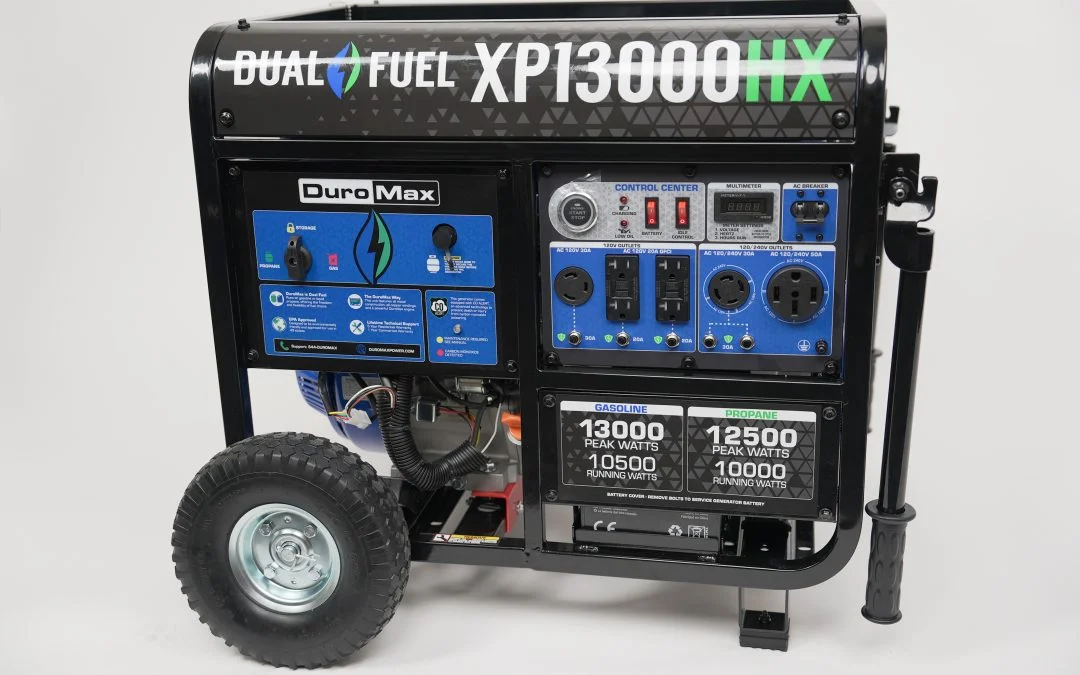
The Westinghouse WGen9500DF is the Best dual fuel generator for most homeowners who need substantial output, remote starting, a useful outlet panel, and clear operating information. The Westinghouse 12500 Watt CO Generator is the better choice when automatic carbon monoxide shutdown is a deciding feature.
For clean power, lower noise, and long operating periods, choose the Westinghouse iGen12000DFc. RV owners and people who need a lighter machine should step down to the WEN DF680iX, while the WEN DF360iX is the easiest option to carry.
If you are undecided, size the generator around your essential running watts and startup loads, then choose the smallest model that can handle them safely.
As an Amazon Associate we earn from qualifying purchases.