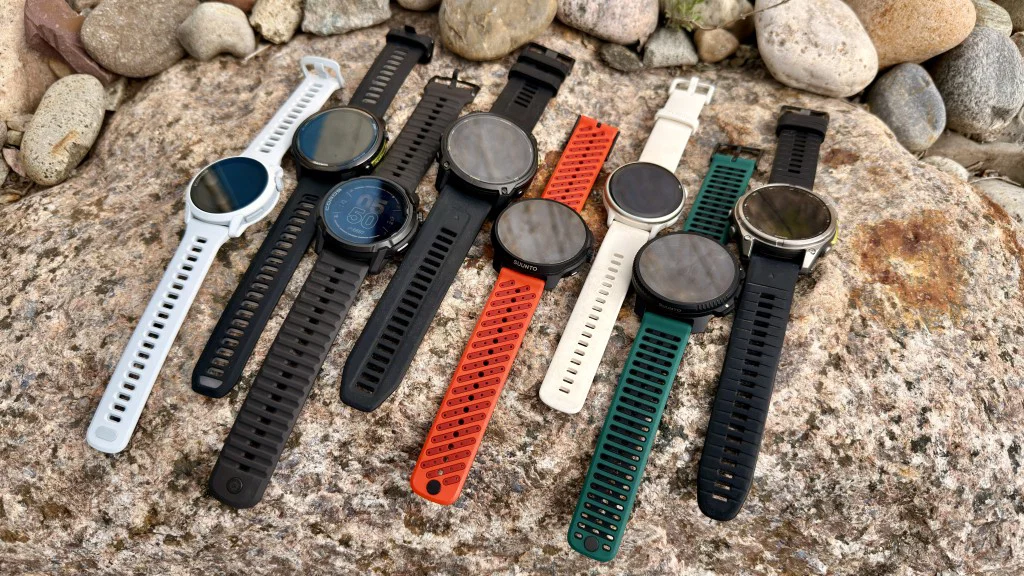

A GPS watch should make it easier to leave your phone behind, not give you another complicated device to manage. The right model tracks a run accurately, lasts through a long weekend, and turns health data into something you can actually use. The wrong one may have plenty of activity modes but little guidance when you need it.
Our Best GPS Watch picks range from simple running watches to rugged outdoor models and full-featured smartwatches. We considered navigation, battery endurance, training tools, health tracking, screen quality, and the practical limits of each watch.
The Garmin vívoactive 6 is our top pick for most people, with the Garmin Forerunner 165, Apple Watch Series 11, and Garmin Instinct 3 Solar covering more specialized needs.
Comparison table
| # | Product | Award | Display | GPS and battery | Best for |
|---|---|---|---|---|---|
| 1 | Garmin vívoactive 6 | Best overall | AMOLED | Up to 11 days in smartwatch mode | Everyday health and fitness |
| 2 | Garmin Forerunner 165 | Best for runners | 43mm AMOLED touchscreen | Up to 11 days, up to 19 hours GPS | Guided run training |
| 3 | Apple Watch Series 11 | Best for iPhone users | Always-on display | Up to 24 hours normal use | Health and smart features |
| 4 | Amazfit Active Max | Best battery life | 1.5-inch AMOLED, 3, 000 nits | Up to 25 days | Long trips and navigation |
| 5 | Garmin Instinct 3 Solar | Best rugged solar watch | 0.9-inch solar-charging display | Solar charging can provide unlimited battery | Serious outdoor use |
| 6 | Garmin vívoactive 5 | Best for balanced fitness tracking | AMOLED | Up to 11 days, 5 days always-on | Health and workout variety |
| 7 | Amazfit Bip 6 | Best for easy navigation | 1.97-inch AMOLED | Up to 14 days | General fitness and maps |
| 8 | Garmin Instinct E | Best rugged value | 45mm display | Up to 16 days | Durable daily outdoor wear |
| 9 | Garmin Forerunner 55 | Best simple running watch | Compact watch display | Up to 2 weeks, up to 20 hours GPS | New runners |
| 10 | Tiwain Military Smart Watch | Best feature-packed alternative | 1.43-inch AMOLED | 7 to 10 days, up to 30 days standby | Basic outdoor tracking |
1. Garmin vívoactive 6: Best Overall

Pros
- Bright AMOLED display
- Up to 11 days of smartwatch battery life
- More than 80 indoor and GPS sports apps
- Sleep coaching, Body Battery, and recovery tools
- Animated workouts and adaptive Garmin Coach plans
Cons
- Less rugged than the Instinct models
- Training features may be more than casual users need
- No detailed screen size is provided in the listing
Best for: someone who wants one watch for daily health tracking, workouts, and normal smartwatch duties.
The Garmin vívoactive 6 is the easiest watch in this group to recommend because it does not force you to choose between fitness depth and everyday comfort. It is built around a bright AMOLED display and an adjustable fit, while its battery can last up to 11 days in smartwatch mode. That combination makes it practical as a sleep tracker and workout companion, rather than a device you remember only when it needs charging.
Its strength is the breadth of useful information. Body Battery combines sleep, naps, stress, and workouts into an estimate of when you may be ready to push and when recovery deserves attention. Sleep Score and sleep coaching add context instead of simply recording hours in bed. The watch also tracks wrist-based heart rate, stress, fitness age, menstrual cycle and pregnancy tracking, meditation, and other wellness measurements. Garmin makes clear that these health figures are estimates and that the device is not a medical device, which is the right way to treat them.
For training, the vívoactive 6 includes more than 80 indoor and GPS sports apps, covering activities such as walking, running, cycling, HIIT, mobility, swimming, and golf. Personalized daily suggested workouts, workout benefit, and recovery time help it grow with you. Animated workouts for cardio, yoga, strength, HIIT, and Pilates are especially useful for people who want instruction on the wrist. You can also create workouts in Garmin Connect or use Garmin Coach adaptive plans.
Compared with the older Garmin vívoactive 5, the vívoactive 6 offers a broader collection of built-in sports apps and more explicit daily workout guidance. The Garmin Forerunner 165 is a stronger choice for a runner who cares most about training progression, while the Apple Watch Series 11 is better for iPhone-centered communication and health features. The vívoactive 6 sits between those approaches with fewer distractions than Apple and a more relaxed fitness focus than the Forerunner.
The main limitation is that it is not the toughest watch here. The Garmin Instinct 3 Solar is the clear choice for harsh outdoor work, and its solar charging changes what is possible on long trips. Choose the vívoactive 6 if your typical week includes walks, gym sessions, runs, sleep tracking, and general health goals, and you want all of that in one polished watch.
2. Garmin Forerunner 165: Best for Runners
Pros
- Bright 43mm AMOLED touchscreen
- Traditional buttons supplement touch controls
- Daily workouts adapt to performance and recovery
- Training Effect and recovery time
- Garmin Pay and safety features
Cons
- Shorter GPS battery life than the Forerunner 55
- More running-focused than general-purpose
- Safety features require a paired phone and network coverage
Best for: runners who want structured guidance without moving to a larger or more specialized training watch.
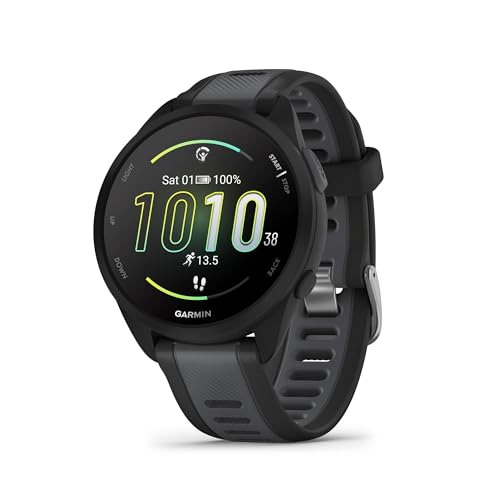
The Garmin Forerunner 165 feels purpose-built for someone who has moved beyond simply recording runs. Its 43mm case keeps it relatively compact, while the AMOLED touchscreen makes pace, distance, and workout prompts easy to read. Traditional button controls remain available, a meaningful detail when sweaty fingers or a cold morning make touch controls less appealing.
Battery life reaches up to 11 days in smartwatch mode and up to 19 hours in GPS mode. That is enough for regular training and long runs, though the Garmin Forerunner 55 lasts up to 20 hours in GPS mode. The difference is small on paper, but runners planning a long event or several GPS sessions between charges may prefer the older model's simpler display and longer GPS figure.
The appeal is Garmin's adaptive training system. Suggested daily workouts respond to performance and recovery, while Garmin Coach and race-adaptive plans can shape preparation around a specific event. Training Effect helps explain how a workout affects fitness, and recovery time gives a practical indication of when another hard session may be sensible. A morning report combines sleep, recovery, training outlook, weather, and HRV status, though these health measurements should be treated as estimates rather than clinical readings.
The Forerunner 165 also brings useful smartwatch features that the Forerunner 55 lacks or handles less completely. Incident detection and Assistance can send a live location to emergency contacts during supported outdoor activities when the watch is paired with a compatible phone. Android and Apple notifications are supported, and Garmin Pay lets you leave cards behind when the relevant payment network is supported. For more context on choosing a training device, the features that matter most during regular run training are a useful place to start.
Against the Garmin vívoactive 6, the Forerunner 165 wins for runners who want every training feature to point toward better sessions. The vívoactive 6 is the more natural everyday fitness watch, with a wider lifestyle balance. Skip the Forerunner 165 if you rarely run and mainly want sleep, walking, and general wellness tracking. It is at its best on the wrist of someone who wants a plan, not just a record.
3. Apple Watch Series 11: Best for iPhone Users

Pros
- 46mm case with always-on display
- ECG and extensive health monitoring
- Sleep Score and Vitals tracking
- Fall and crash detection
- Up to 24 hours of normal use
Cons
- Requires an iPhone for its full experience
- Much shorter battery life than Garmin alternatives
- GPS model depends on iPhone or Wi-Fi for connectivity
Best for: iPhone owners who want a smartwatch first and a GPS fitness tracker second.
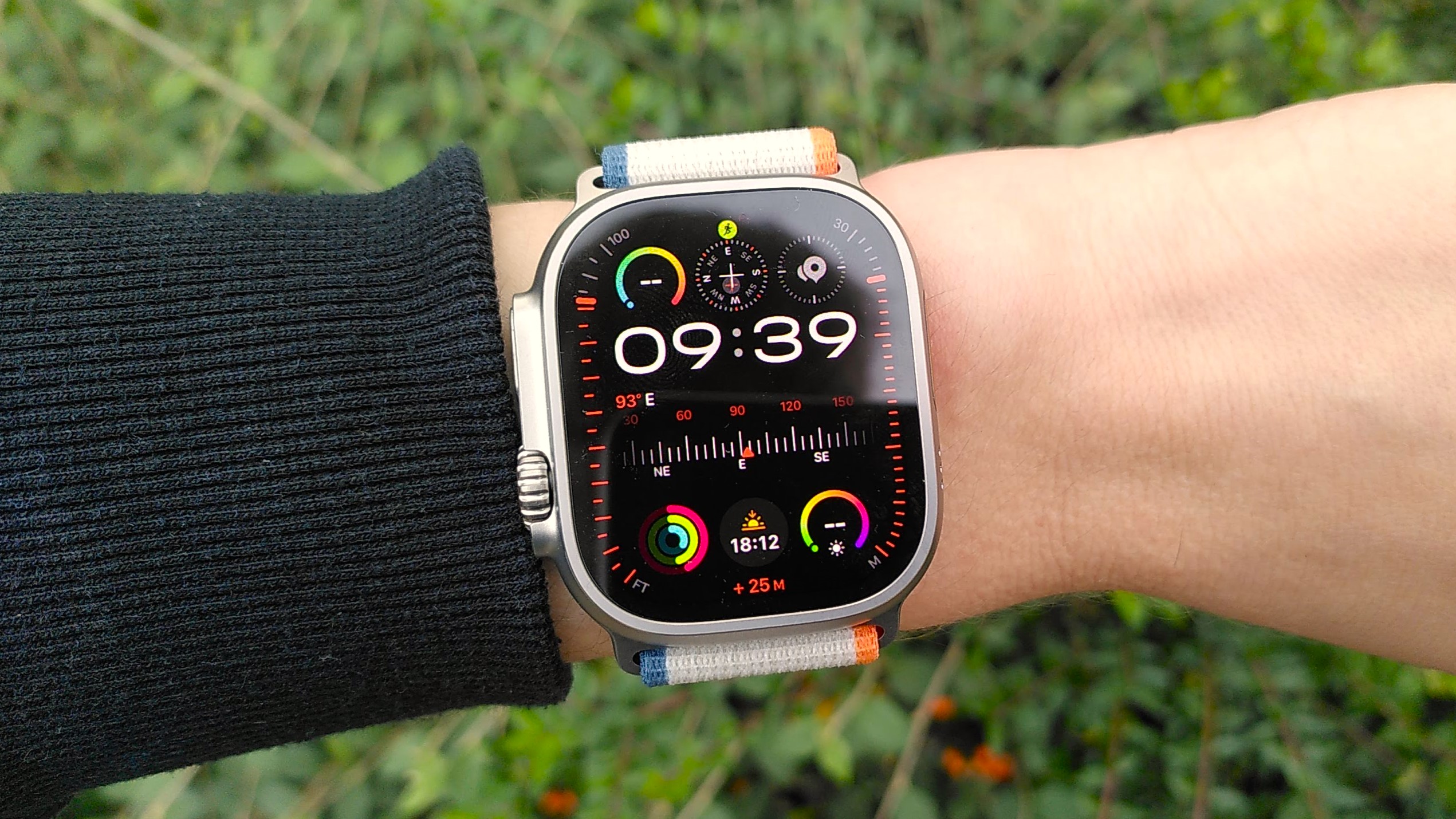
The Apple Watch Series 11 is the most capable conventional smartwatch in this roundup. Its 46mm case, always-on display, notifications, calls, texts, music, Siri, and iPhone integration make it feel like a small extension of your phone rather than a dedicated sports instrument. It is thin and lightweight enough for continuous wear, including sleep tracking, and the display is designed to stay visible without requiring a wrist raise every time.
Health tracking is where it separates itself from the Garmin models. Series 11 can take an ECG and issue alerts for high or low heart rate or irregular rhythm. The Vitals app surfaces overnight health metrics, while sleep tracking produces a daily Sleep Score. The watch can also notify the wearer of possible sleep apnea and signs of chronic high blood pressure. Those features are useful for spotting patterns, but the listing's medical disclaimers matter. They do not turn the watch into a substitute for professional medical advice.
For exercise, Apple includes Pacer, heart-rate zones, training load, and Workout Buddy powered by Apple Intelligence from a nearby iPhone. It is also designed for runners, hikers, and strength-training users rather than only one kind of athlete. Safety tools can detect a hard fall or severe car crash, and Check In can notify someone when you arrive. The 50m water resistance and IP6X dust resistance broaden its use to swimming and other water activities.
The drawback is the charging routine. Apple lists up to 24 hours of normal use, with 15 minutes of fast charging providing up to 8 hours of normal use. That is reasonable for a daily smartwatch, but the Garmin vívoactive 6 can go up to 11 days and the Amazfit Active Max up to 25 days. If you want a watch that can spend an entire trip recording activity without thinking about a charger, Apple is not the relaxed option.
The Series 11 is the right pick when messages, calls, health alerts, and iPhone integration matter as much as route tracking. Android users should skip it. Runners who want Garmin's adaptive training ecosystem should choose the Garmin Forerunner 165 instead, but iPhone owners seeking the richest connected experience will find Apple Watch Series 11 the most complete fit.
4. Amazfit Active Max: Best Battery Life

Pros
- Up to 25 days of battery life
- 3, 000-nit AMOLED display
- Offline terrain and ski maps
- 4GB of onboard storage
- More than 170 workout modes
Cons
- Large design may not suit smaller wrists
- Some messaging features require Android
- Limited listing detail about case construction
Best for: travelers, hikers, and active users who want long battery endurance with maps and a very bright screen.
The Amazfit Active Max is the endurance specialist. Its up to 25 days of battery life is the most generous figure in this group, and that changes how you use a watch. You can leave for a trip without making charging part of every evening's routine. The large 1.5-inch AMOLED display is rated at 3, 000 nits, so workout data and maps should remain legible in harsh sunlight.
Navigation is unusually well developed for a watch in this category. The Active Max stores downloaded terrain and ski maps, offers turn-by-turn directions, and uses five satellite systems for positioning. Its 4GB of onboard storage gives it room for maps and music, and the watch can handle calls through its built-in speaker and microphone. These are the features that make it more suitable for a day outdoors than a basic activity tracker.
Training coverage is broad, with more than 170 workout modes and personalized Zepp Coach plans. The coaching can adapt running plans for distances from 3K through a full marathon, while BioCharge uses workout and stress information to estimate when to push or recover. Those tools are useful for people who want encouragement and direction without the more formal Garmin training ecosystem.
The Active Max is not the discreet option. Its size is listed as Large, and the 0.123-pound weight is higher than several Garmin watches here. The Amazfit Bip 6 has a larger 1.97-inch screen and up to 14 days of battery life, but the Active Max is the stronger outdoor tool because of its maps, storage, brightness, and much longer endurance. The Garmin Instinct 3 Solar is tougher and has more specialized navigation hardware, though its 0.9-inch display is far smaller.
Choose the Active Max if battery anxiety is your biggest frustration and you want maps available without a phone signal. People with smaller wrists or those who prefer a compact, training-first watch should look at the Garmin Forerunner 165 instead.
5. Garmin Instinct 3 Solar: Best Rugged Solar Watch

Pros
- Solar charging lens
- Multi-band GPS with SatIQ
- 10 ATM water rating
- MIL-STD-810 thermal and shock resistance
- Built-in LED flashlight
Cons
- Small 0.9-inch display
- Solar battery result depends on outdoor light
- Rugged design is less discreet for sleep and office wear
Best for: hikers, campers, and outdoor workers who prioritize durability, navigation, and long battery endurance.
The Garmin Instinct 3 Solar is built around a simple idea: charging should interfere as little as possible with outdoor use. Its 45mm fiber-reinforced polymer case has a metal-reinforced bezel, and the solar charging lens can provide unlimited battery under Garmin's stated conditions of all-day wear and 3 hours outside per day at 50, 000 lux. That is a specific scenario, not a guarantee for every user, but it explains why this watch is so appealing for time spent outdoors.
The display is a trade-off. At 0.9 inches, it is much smaller than the AMOLED screens on the Amazfit Active Max, Garmin Forerunner 165, and Garmin vívoactive 6. It will not look as rich or spacious, but the lower-demand display helps the watch conserve power. The monochrome-style approach also suits a device intended to show navigation and training information without becoming a miniature phone.
Navigation hardware is strong. The Instinct 3 Solar combines a 3-axis compass, barometric altimeter, and multi-band GPS with SatIQ technology. Multi-band positioning can improve location tracking in challenging environments, while SatIQ is designed to balance positioning quality with battery use. The built-in LED flashlight adds a practical layer of utility for finding gear, walking around camp, or handling a late return.
This is also one of the most durable watches here. It is 10 ATM water-rated and designed to meet MIL-STD-810 requirements for thermal and shock resistance. Health tools include wrist-based heart rate, advanced sleep monitoring, and Pulse Ox, with the usual caveat that these are estimates and not medical measurements. Garmin Pay, smart notifications, Connect IQ compatibility, incident detection, and Assistance make it more useful away from a trailhead, provided a compatible phone is paired when those features require it.
The Garmin Instinct E offers a similar rugged approach with up to 16 days of battery life, but the Instinct 3 Solar is the more ambitious choice for long expeditions and maximum positioning capability. Skip it if a bright, colorful screen is central to your smartwatch experience. For everyone else, this is the Best GPS Watch for demanding outdoor use, particularly when repeated charging is inconvenient.
6. Garmin vívoactive 5: Best for Balanced Fitness Tracking

Pros
- Bright AMOLED display
- Up to 11 days in smartwatch mode
- More than 30 indoor and GPS sports apps
- Sleep Score, naps, and Body Battery
- Music storage and headphone support
Cons
- Fewer built-in sports apps than the vívoactive 6
- Always-on display reduces battery life to 5 days
- Less focused on serious running than the Forerunner 165
Best for: people who want a comfortable health and fitness watch with music, sleep tools, and broad activity support.
The Garmin vívoactive 5 remains a well-rounded fitness watch because it keeps the emphasis on habits rather than extreme training. Its bright AMOLED display is easy to read, and Garmin lists up to 11 days in smartwatch mode. If you keep the display always on, that figure drops to 5 days, which is still workable but shows how much the screen setting affects ownership.
Its health platform is comprehensive without being intimidating. Body Battery uses sleep, naps, stress, and workouts to estimate energy, while Sleep Score and sleep coaching help make overnight data more actionable. Automatic nap detection, morning reports, wrist-based heart rate, stress tracking, fitness age, meditation, and menstrual cycle and pregnancy tracking add depth. The watch also includes wheelchair mode, which tracks pushes rather than steps and includes push and handcycle activities.
More than 30 built-in indoor and GPS sports apps cover walking, running, cycling, HIIT, swimming, golf, and other activities. Preloaded cardio, yoga, strength, HIIT, and Pilates workouts provide structure, and Garmin Coach can help prepare for a running challenge. Music can be downloaded from Spotify, Amazon Music, or Deezer accounts and played through connected wireless headphones, allowing phone-free listening during exercise.
The Garmin vívoactive 6 is the better choice if you want more than 80 sports apps and more personalized daily suggested workouts. The vívoactive 5 is calmer and less training-heavy, which may be exactly what a casual exerciser wants. It also makes more sense than the Apple Watch Series 11 for users who prioritize longer battery life over calls, apps, and iPhone integration.
Its weakness is not a missing core feature but its middle-ground position. The Forerunner watches provide stronger running direction, while the Instinct models offer more outdoor toughness. Choose the vívoactive 5 if your routine mixes walking, gym sessions, swimming, sleep tracking, and music, and you want useful fitness information without a rugged case.
7. Amazfit Bip 6: Best for Easy Navigation

Pros
- Large 1.97-inch AMOLED display
- Up to 14 days of battery life
- Downloadable maps and turn-by-turn directions
- Five satellite systems
- More than 140 workout modes
Cons
- Less specialized training guidance than Garmin runners
- Health measurements are not medical readings
- The large screen may feel oversized on some wrists
Best for: active users who want a large, readable screen, broad workout tracking, and straightforward map guidance.
The Amazfit Bip 6 makes its case with a screen that is hard to ignore. The 1.97-inch AMOLED display gives workout figures, notifications, and navigation plenty of room, while the lightweight aluminum build keeps the watch from feeling as bulky as its face suggests. The display is described as readable in bright sunlight, a useful quality when a quick glance matters more than a polished indoor smartwatch view.
Battery life reaches up to 14 days, giving it a comfortable advantage over the Apple Watch Series 11 for users who dislike daily charging. GPS uses support from five satellite systems for faster connection and tracking, and downloadable maps with turn-by-turn directions make the watch more useful when exploring unfamiliar places. It is not as specialized as the Garmin Instinct 3 Solar for demanding navigation, but its large screen is friendlier for casual route following.
The activity list is extensive, with more than 140 workout modes including HYROX Race and Strength Training. Personalized AI coaching adds direction, while 50m water resistance allows it to accompany swimming and wet-weather workouts. Health tracking includes heart rate, sleep, blood-oxygen, and stress monitoring. These are useful for observing trends, but the watch should not be treated as a medical device.
The Bip 6 is a different proposition from the Amazfit Active Max. The Active Max has a brighter 3, 000-nit display, offline terrain and ski maps, 4GB of storage, and up to 25 days of battery life. The Bip 6 counters with a bigger 1.97-inch display and a lighter listed weight. Compared with the Garmin Forerunner 55, it offers a more modern screen and broader general fitness coverage, while Garmin remains the stronger running ecosystem.
The main weakness is the lack of the Garmin training depth that dedicated runners may want. Choose the Bip 6 if you want readable maps, a broad collection of workout modes, and a watch that can go for many days between charges. If your priority is race preparation rather than general activity, the Forerunner 165 is a more focused tool.
8. Garmin Instinct E: Best Rugged Daily Watch

Pros
- Up to 16 days of battery life
- 45mm rugged case
- 10 ATM water rating
- MIL-STD-810 thermal and shock resistance
- Compass and barometric altimeter
Cons
- Less advanced than the Instinct 3 Solar
- No solar charging
- Rugged styling may not suit everyone
Best for: users who want dependable outdoor durability without moving to the solar model.
The Garmin Instinct E is the straightforward rugged option in this lineup. Its 45mm case is built for a bolder fit, and up to 16 days of battery life gives it enough endurance for regular outdoor use without making charging a daily concern. It does not try to imitate a luxury smartwatch. The appeal is its purpose, durability, and clear access to outdoor data.
Its construction is rated for thermal and shock resistance under MIL-STD-810, and the 10 ATM water rating supports swimming and wet conditions. A 3-axis compass, barometric altimeter, and multi-GNSS support cover the main navigation tools needed for hiking, camping, and active work. These features make it more informative than a simple GPS tracker while keeping the design focused on outdoor use.
Health monitoring includes wrist-based heart rate, advanced sleep monitoring, and Pulse Ox. As with the other watches in this guide, those figures are estimates and not a medical diagnosis. Smart notifications and Connect IQ Store integration expand its daily usefulness when paired with a compatible smartphone, letting you add watch faces and apps rather than treating the watch as a closed instrument.
The Garmin Instinct 3 Solar beats it on battery strategy and positioning technology. Solar charging, multi-band GPS, SatIQ, an LED flashlight, Garmin Pay, and stronger expedition appeal justify choosing the newer model for extended trips. The Instinct E is the simpler answer for someone who wants a rugged watch for everyday hikes, weather, and workouts without needing every premium outdoor feature.
Skip the Instinct E if a bright AMOLED screen is important. The Garmin vívoactive 6 is more comfortable for health dashboards and indoor workouts, while the Instinct E is better when bumps, water, and temperature changes are part of normal use. It suits buyers who want a durable Garmin watch but do not need solar charging.
9. Garmin Forerunner 55: Best Simple Running Watch

Pros
- Up to 2 weeks in smartwatch mode
- Up to 20 hours in GPS mode
- Daily suggested workouts
- PacePro guidance and race predictions
- Lightweight, simple running design
Cons
- Less smartwatch-focused than newer Garmin models
- Smaller, less vivid display than AMOLED alternatives
- Safety and app features depend on a compatible phone
Best for: runners who want reliable training fundamentals without an elaborate smartwatch interface.
The Garmin Forerunner 55 is the least complicated running watch here, and that is its point. It tracks how far, how fast, and where you run with built-in GPS, while wrist-based heart-rate monitoring adds useful effort context. The lightweight design and simple controls keep attention on the workout rather than on navigating a busy collection of apps.
Battery life is strong for a dedicated runner. Garmin lists up to two weeks in smartwatch mode and up to 20 hours in GPS mode. That GPS figure is slightly longer than the Forerunner 165's listed 19 hours, though the newer model has a brighter AMOLED touchscreen and a more advanced training presentation. For long runs and basic training, the Forerunner 55's endurance remains compelling.
Suggested workouts vary intensity according to training history, fitness level, and recovery time. PacePro provides GPS-based pace guidance for a selected course or distance, while race time predictions and finish-time estimates give runners targets to think about. Activity profiles also cover cycling, track running, virtual running, pool swimming, Pilates, HIIT, and breathwork, so it is not restricted to outdoor road running.
The trade-off is that the Forerunner 55 feels more like a running instrument than a modern smartwatch. The Garmin Forerunner 165 adds an AMOLED touchscreen, morning report, Training Effect, recovery time, Garmin Pay, and stronger safety features. The Garmin vívoactive 6 offers a broader health and lifestyle experience. For a runner who wants fewer distractions and solid fundamentals, the 55 can be the more comfortable choice.
It is not the right pick for someone who wants music storage, a vivid display, or extensive smartwatch functions. Choose it if your priority is recording runs and following sensible training suggestions. Runners who are preparing for an event and want a richer view of recovery should move up to the Forerunner 165.
10. Tiwain Military Smart Watch: Best Feature-Packed Alternative

Pros
- Built-in GPS with six satellite systems
- Compass, altimeter, and barometer
- 1.43-inch AMOLED display
- LED flashlight
- 170-plus sport modes
Cons
- Heavier than the other watches here
- GPS use is listed at about 3 days
- Notifications are receive-only with no sending capability
- Not designed for sea water or saunas
Best for: users who want a broad set of outdoor extras and phone-call support in a tough-looking watch.
The Tiwain Military Smart Watch packs a striking number of outdoor features into a 1.43-inch AMOLED design. Built-in GPS supports six satellite systems, including GPS, GLONASS, Beidou, Galileo, NAVIC, and QZSS. A compass, altimeter, and barometer provide information beyond simple distance tracking, giving hikers and general outdoor users a broader picture of their surroundings.
Its claimed durability is another part of the appeal. The watch uses a zinc alloy construction and is described as meeting military standards for extreme temperatures, low pressure, and dust resistance. An LED flashlight can illuminate up to 20 meters, which is a useful feature for checking a lock, finding equipment, or walking outside after dark. The 170-plus sport modes cover common activities from walking and running to hiking and basketball.
Battery life is listed at 7 to 10 days on a full charge, up to 30 days in standby mode, and about 3 days of continuous GPS use. That last figure is the one to keep in mind if you plan extended GPS activities. The watch is IP68 waterproof for rain and sweat, but the listing says it is not intended for sea water or saunas. Health features include heart rate, sleep, and blood oxygen tracking, with alerts for abnormal readings.
The watch can make and receive calls and show message and app notifications, but notifications are receive-only, so you cannot send replies from the watch. That is a meaningful distinction compared with the Apple Watch Series 11 and Garmin models with richer phone integration. It is also much heavier than the rest of this group at a listed 0.330693393 pounds, so it may feel substantial during sleep or running.
The Amazfit Bip 6 is a cleaner choice for maps and general fitness, while the Garmin Instinct E offers a more established training and navigation ecosystem. Choose the Tiwain if its flashlight, six-system positioning, many sport modes, and direct calling are more important than polished software and lighter wear. Skip it if you want detailed running plans or a watch that disappears on your wrist.
How to choose best gps watch
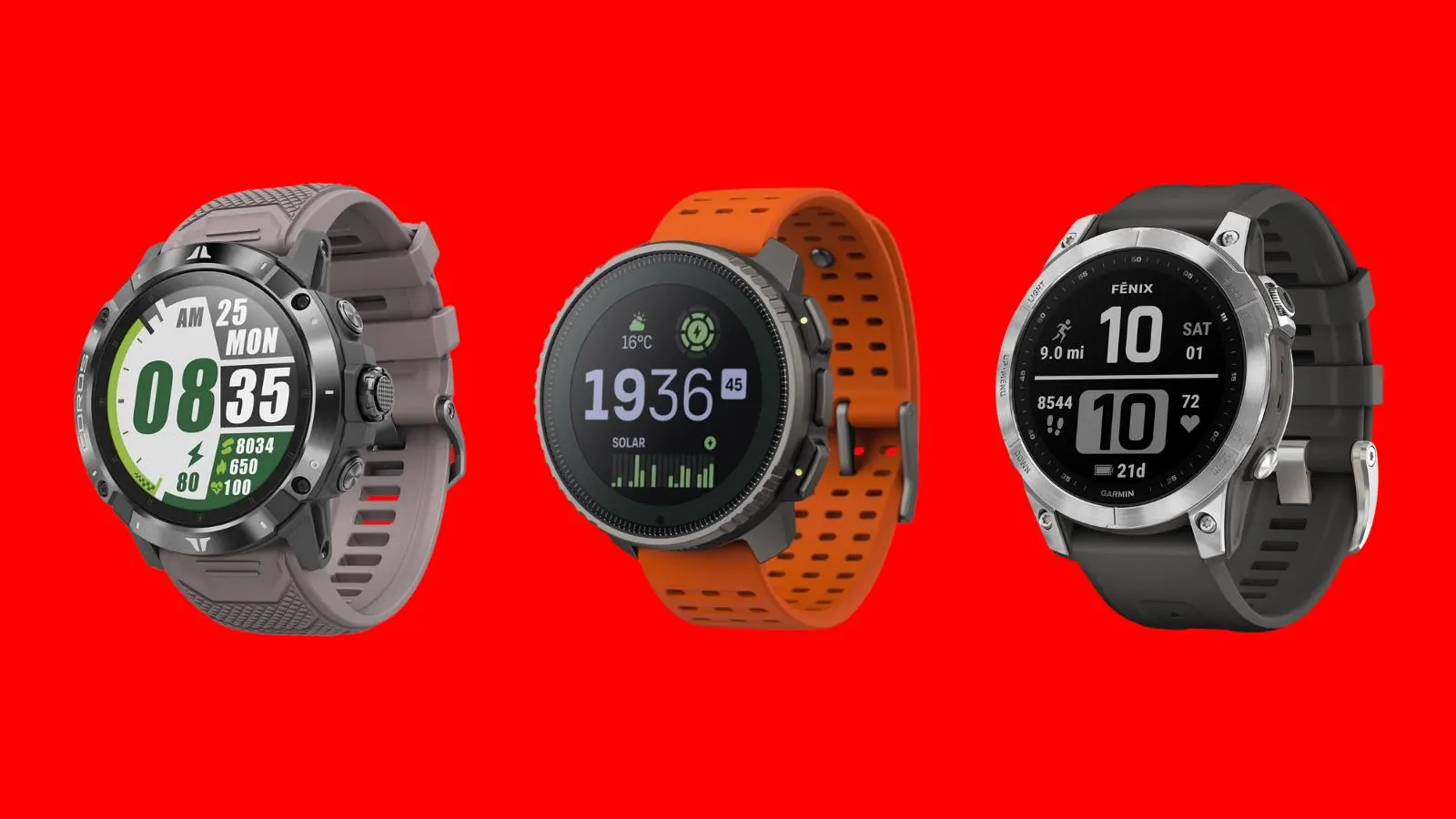
The right Best GPS Watch depends less on the number of activity modes than on how you train, where you travel, and how often you are willing to charge it.
GPS and navigation
Built-in GPS records location, pace, and distance without requiring a phone beside you. Multi-GNSS support uses several satellite systems, which can help a watch establish a position and maintain tracking in more challenging surroundings. Multi-band GPS, as found on the Garmin Instinct 3 Solar, is a more advanced approach for demanding environments.
Navigation features vary sharply. The Amazfit Bip 6 supports downloadable maps and turn-by-turn directions, while the Amazfit Active Max adds offline terrain and ski maps with 4GB of storage. The Garmin Instinct watches add a compass and barometric altimeter. Decide whether you only need a route trace or want guidance and environmental information directly on the watch.
Battery endurance
Battery figures have two very different meanings. Smartwatch mode reflects lighter everyday use, while GPS mode shows how long the watch may last during continuous tracking. The Garmin Forerunner 55 lists up to 20 hours in GPS mode, the Forerunner 165 lists up to 19 hours, and the Tiwain lists about 3 days of continuous GPS use.
Solar charging can change the calculation, but it depends on time outdoors and light conditions. The Instinct 3 Solar's unlimited battery claim assumes all-day wear and three hours outside per day at 50, 000 lux. For ordinary use, a long standard battery figure may be easier to predict.
Training tools
A basic watch records a workout. A training watch helps decide what to do next. Daily suggested workouts, race predictions, pace guidance, Training Effect, recovery time, and adaptive coaching are most useful for runners who follow a plan or are preparing for an event.
The Forerunner 165 and Forerunner 55 are the focused running choices. The vívoactive 6 adds structured workouts across more activities, while the Apple Watch Series 11 emphasizes Pacer, heart-rate zones, training load, and Workout Buddy. Choose based on whether you need race progression or broader motivation.
The best GPS watch is the one whose battery, controls, and training advice match the way you actually exercise.
Health and sleep tracking
Most watches in this roundup track heart rate, sleep, stress, and blood oxygen in some form. Garmin's Body Battery, Sleep Score, sleep coaching, nap detection, morning reports, and HRV status are designed to turn those measurements into daily context. Amazfit uses BioCharge and personalized coaching for a similar purpose.
The Apple Watch Series 11 goes further into health features with ECG, irregular rhythm alerts, Vitals, possible sleep apnea notifications, and possible hypertension notifications. These features should be treated as wellness and screening tools, not as replacements for a clinician.
Screen and controls
AMOLED screens are bright, colorful, and easy to read, but they can affect battery life. The Apple Watch Series 11, Garmin vívoactive models, Forerunner 165, and Amazfit watches favor this style. The Instinct 3 Solar uses a smaller 0.9-inch display that is less visually impressive but better suited to long endurance.
Touchscreens are convenient for maps and menus. Physical buttons matter during workouts, rain, or cold weather. The Forerunner 165 combines an AMOLED touchscreen with traditional button controls, giving it a useful compromise.
Frequently asked questions
Do GPS watches work without a phone?
Yes. A watch with built-in GPS can record location, pace, and distance without carrying a phone during the activity. Smart notifications, calls, assistance, and some safety features may still require a paired phone and network coverage.
Which GPS watch has the longest battery life?
The Amazfit Active Max lists up to 25 days of battery life in smartwatch use. The Garmin Instinct 3 Solar can potentially provide unlimited battery with sufficient outdoor light under Garmin's stated conditions, while the Garmin Instinct E lists up to 16 days.
Is the Apple Watch Series 11 good for running?
Yes. It includes GPS, Pacer, heart-rate zones, training load, and Workout Buddy features. Its main limitation for runners is battery endurance, since normal use is listed at up to 24 hours, much less than the Garmin running watches.
Can these watches track swimming?
Several can. The Amazfit Bip 6 lists 50m water resistance, the Apple Watch Series 11 is water resistant up to 50m, and the Garmin Instinct models have 10 ATM water ratings. The Tiwain is rated IP68 for rain and sweat but is not intended for sea water or saunas.
Do GPS watches measure health conditions?
They can provide estimates and alerts based on tracked data, but they are not all-purpose medical devices. The Apple Watch Series 11 includes ECG and notifications for several possible health concerns, while the Garmin and Amazfit models provide wellness measurements such as heart rate, sleep, stress, and blood oxygen.
Which GPS watch is best for beginners?
The Garmin Forerunner 55 is the simplest running-focused option, with suggested workouts, PacePro, race predictions, and straightforward activity tracking. For someone who does several kinds of exercise and wants sleep and health tools too, the Garmin vívoactive 6 is easier to grow into.
Are rugged GPS watches comfortable for everyday use?
That depends on the wearer and the case design. The Garmin Instinct E and Instinct 3 Solar are built for durability and have larger 45mm cases, while the vívoactive watches are better suited to people who want a lighter, less rugged daily watch. The Tiwain is the heaviest model listed here and may feel more noticeable during sleep.
The bottom line
The Garmin vívoactive 6 is the Best GPS Watch for most people because it combines up to 11 days of battery life, a bright AMOLED display, extensive health tracking, more than 80 sports apps, and useful training guidance. It is more balanced than the Forerunner 165 and more fitness-focused than the Apple Watch Series 11.
Choose the Garmin Forerunner 165 if running plans and recovery guidance matter most. Pick the Apple Watch Series 11 for an iPhone-first experience, or the Garmin Instinct 3 Solar for rugged outdoor use and solar charging. The Amazfit Active Max is the endurance specialist for travelers and hikers who want bright maps and up to 25 days of battery life.
If you are still undecided, choose the vívoactive 6 unless your main activity clearly points to running, iPhone health features, or rugged outdoor navigation.
As an Amazon Associate we earn from qualifying purchases.