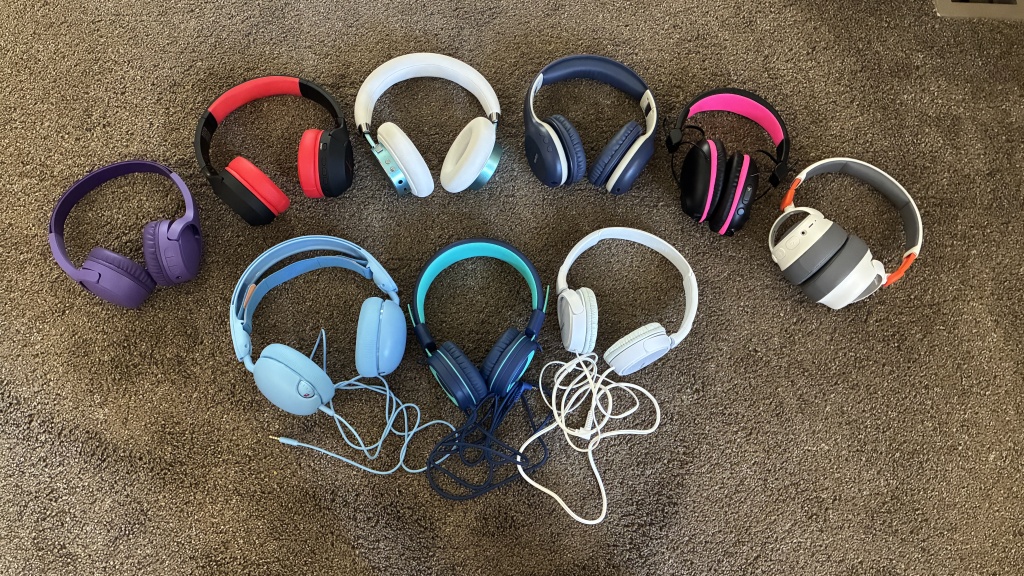

Long car rides, school tablets, and online lessons expose kids to headphones for hours at a time. The hard part is finding a pair that stays comfortable, does not get painfully loud, and can survive being stuffed into a backpack.
Our Best headphones for kids picks cover simple wired models, wireless sets with microphones, and one standout pair with active noise cancelling. The iClever BTH12 is our top pick, while the rest of the range gives you good alternatives for school, travel, younger children, and cord-free listening.
Comparison
| # | Product | Award | Connection | Volume control | Battery | Mic | Best for |
|---|---|---|---|---|---|---|---|
| 1 | iClever BTH12 | Best overall | Bluetooth 5.2, wired | 74 or 85 dBA | Up to 85 hours | Built in | Long trips and everyday wireless use |
| 2 | noot K11 | Best simple wired pair | 3.5mm wired | Not specified | Not applicable | None on headset | Basic school and travel listening |
| 3 | Acer HK03 | Best wired over ear | 3.5mm wired | 85 or 94 dB | Not applicable | Built in | School devices and shared family use |
| 4 | JBL Junior 470NC | Best noise cancelling | Wireless | Maximum 85 dB, adjustable lower | Not specified | Built in | Noisy travel and parental controls |
| 5 | iClever HS19 | Best with audio sharing | 3.5mm wired | 85 dBA | Not applicable | Inline | Two children sharing a device |
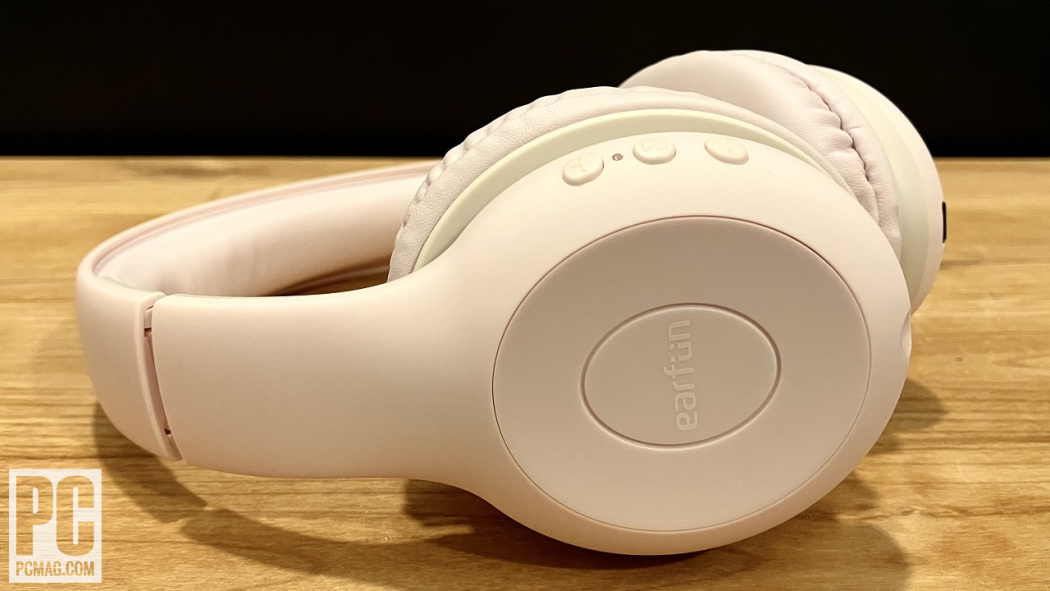
| 6 | EarFun K1 | Best wired controls | 3.5mm wired | 85 or 94 dB | Not applicable | Inline | Online lessons and calls |
| 7 | Acer OHR668 | Best wireless battery life | Bluetooth 6.0, wired | 85 or 94 dB | Up to 60 hours | Built in | Cord free school and travel |
| 8 | JBL Junior 320 | Best lightweight wired pair | 3.5mm wired | Maximum 85 dB | Not applicable | Built in | Smaller children and school bags |
| 9 | Candy Bila Kids | Best adjustable wired pair | 3.5mm wired | 85 or 94 dB | Not applicable | Inline | Children who need a flexible fit |
| 10 | iClever Cat Ear | Best fun wireless design | Bluetooth, 3.5mm wired | 74 or 85 dBA | Up to 50 hours | Not specified | Kids who want colorful headphones |
1. iClever BTH12: Best Overall

Pros
- Wireless and wired listening
- Up to 85 hours of playtime
- Two selectable volume limits
- Four independent LED light modes
- Built-in microphone
Cons
- LED lighting uses extra battery power
- The feature-rich design may be more than younger children need
- No active noise cancelling
Best for: families wanting one versatile pair for school, travel, and home use.
The iClever BTH12 is the pair we'd hand to a child who uses headphones in several different situations. It works wirelessly over Bluetooth 5.2, but it can also connect through an AUX cable when a tablet, airplane screen, or school computer needs a wired connection. That flexibility matters because it avoids the usual problem of buying a wireless headset and then discovering that one of the child's main devices still needs a cable.
Its standout feature is the unusually long battery claim. The BTH12 is rated for up to 85 hours of playtime, and a 10 minute charge is said to provide seven hours of use. USB C charging is more convenient than older charging connectors, especially in a family that already carries USB C cables. The LED lights are controlled by their own button and have four color and effect modes. They can be turned off in Bluetooth mode when battery life matters more than decoration.
The built-in 40mm speaker unit is paired with a selectable 74 or 85 dBA volume limit. The control uses a key combination, which helps prevent a child from changing the setting accidentally with a casual press. There is also a built-in microphone for calls, homework, and online classes. The headset weighs 0.44 pounds, and its over-ear format with a foldable construction makes it a more substantial travel companion than the lightweight wired models here.
The weakness is that the BTH12 does not offer the parental listening reports or active noise cancelling found on the JBL Junior 470NC. It also has more buttons and light controls than a very young child may need. The simpler iClever HS19 is easier if the headset will stay wired, while the Acer OHR668 is a sensible alternative if 60 hours is enough and a newer Bluetooth version matters to you.
The BTH12 earns the top spot by combining the most useful everyday features without forcing the family to choose between wireless convenience and a cable. It is the right pick for children who travel, switch between devices, or simply forget to charge their headphones.
2. noot K11: Best Simple Wired Pair

Pros
- Straightforward 3.5mm wired connection
- Five foot braided cable
- Foldable design
- Adjustable flexible headband
- 24 month warranty
Cons
- No microphone on the headset
- No volume control
- On-ear cushions provide less isolation than over-ear designs
Best for: families that want a basic, device-powered headset with no charging routine.
The noot K11 is refreshingly uncomplicated. Plug its five foot nylon braided cable into a tablet, laptop, game system, or other device with a 3.5mm jack, and there is nothing else to pair or charge. That makes it a practical school backup and a good choice for a child who is likely to leave a wireless headset in a seat pocket with a dead battery.
This is an on-ear design with padded cushions and an adjustable, flexible headband. On-ear headphones sit directly against the ears rather than surrounding them, so they are compact and easier to fold into a bag. The tradeoff is that they do not provide the same natural ambient-noise reduction as the over-ear Acer HK03 or iClever HS19. For a quiet classroom or home lesson, that may be perfectly adequate. On a busy plane, it is less convincing.
The K11 weighs 0.5 pounds and folds inward for storage. Its cable is described as durable and tangle resistant, which is more useful for children than a delicate smooth cord. It is listed for children from ages 3 to 16, with a headband intended to accommodate a broad range of head sizes. The design is built around comfort and portability rather than advanced controls.
There is no microphone, remote, or volume control on the headphones. The product information says a child can still speak through the microphone on the connected device, but that is not the same as having a microphone positioned at the headset. Families should skip this pair if online classes or calls are a central use. The EarFun K1 and JBL Junior 320 add a headset microphone while keeping the wired simplicity.
The noot K11 makes sense when fewer features are actually better. It is a reliable option for a spare pair, a school supply list that requires a cable, or a child who needs headphones that can be plugged in and forgotten.
3. Acer HK03: Best Wired Over Ear

Pros
- Dual 85 and 94 dB volume modes
- Built-in microphone
- Over-ear cushions
- Foldable and adjustable
- Works with any standard 3.5mm jack
Cons
- Wired only
- The higher volume mode needs careful parental supervision
- No audio sharing port listed
Best for: children who need over-ear comfort and a microphone for school devices.
The Acer HK03 is a sensible school headset because it focuses on the two things that matter most in that setting: a dependable cable and a fit that can handle long lessons. Its over-ear cushions sit around the ears, helping reduce some outside sound without requiring electronic noise cancellation. That can make speech and videos easier to follow in a classroom or at a kitchen table.
Acer gives the HK03 two volume modes, limited to 85 or 94 dB. The lower setting is the more conservative choice for routine listening, while the second setting gives older children or particular content more headroom. The important point is that this is a physical listening choice parents need to make, not a promise that every listening environment will be quiet. The built-in volume limiting works best when paired with sensible listening breaks.
The 3.5mm jack gives it broad compatibility with phones, tablets, laptops, Kindles, and other listed devices. The built-in microphone makes it more useful than the noot K11 for online lessons and calls. Acer also specifies hypoallergenic materials inside and soft, breathable cushions, while the adjustable slider is intended to fit as children grow. At 0.325 pounds, it is the lightest product in this roundup by the listed weight.
The HK03 folds for storage and carries a 12 month warranty. It does not offer Bluetooth, so it cannot provide the cable-free freedom of the iClever BTH12 or the Acer OHR668. It also lacks the audio sharing feature found on the iClever HS19. Choose another model if the child regularly moves between devices without a headphone jack.
For school use, the Acer HK03 is more carefully balanced than its plain appearance suggests. It is the wired model to choose when a child needs a microphone, over-ear comfort, and a lighter frame, but not wireless extras.
4. JBL Junior 470NC: Best Noise Cancelling

Pros
- Active noise cancelling
- Automatic maximum of 85 dB
- Lower volume and playtime settings can be customized
- App reports listening time and volume
- Built-in microphone
Cons
- Battery information is not specified in the provided product details
- More setup than a wired headset
- Noise cancelling adds a feature children may not need at home
Best for: families who want the strongest listening controls for travel and daily use.
The JBL Junior 470NC is the most parent-focused headset here. Its active noise cancelling is designed to reduce distracting outside noise, which can help a child hear a video or lesson without reaching for a louder setting. That is particularly useful in cars, airplanes, and busy public spaces. It is a meaningful distinction from the passive isolation offered by the over-ear wired models.
JBL sets an automatic maximum of 85 dB and lets parents customize a lower limit. The listening controls also cover daily playtime, not just volume. Through the JBL Headphones app, parents can view daily and weekly reports showing how long the child has listened and at what volume. A PIN protects the settings, so a curious child cannot casually undo the restrictions.
The built-in microphone covers calls, teacher conversations, and family chats. The headset weighs about 0.43 pounds according to the listed product information, placing it close to the iClever BTH12 rather than the very light JBL Junior 320. JBL's safety controls are more detailed than the fixed or dual-mode systems on the Acer HK03, EarFun K1, and Candy Bila Kids.
The biggest drawback is complexity. This is not the pair to choose if a child simply needs to plug into a school Chromebook and start working. The product details supplied here do not specify battery life, so families that want a clearly stated long-running wireless model should look at the BTH12 or OHR668. The app also requires a parent to spend time setting up and monitoring the headset.
The JBL Junior 470NC is the strongest choice when listening habits matter as much as sound. It is especially well suited to parents who want noise reduction and the ability to set both a lower volume ceiling and a daily listening limit.
5. iClever HS19: Best With Audio Sharing

Pros
- 85 dBA volume limit
- Built-in inline microphone
- Extra port for sharing audio
- Foldable over-ear design
- Works with many 3.5mm devices
Cons
- No wireless connection
- Sharing requires a second wired headset
- No inline playback controls listed
Best for: siblings or friends who sometimes listen together from one device.
The iClever HS19 solves a very specific family nuisance: two children wanting to hear the same tablet. A second headphone can plug directly into the HS19's sharing jack, so there is no splitter to lose and no complicated wireless pairing. It is a small feature, but one that can save a lot of frustration on trips and during shared movie time.
This is a wired over-ear headset with soft earmuffs and a foldable frame. The over-ear shape can provide better passive isolation than the on-ear noot K11, while the folding hinges make it easier to store in a school bag. The headset weighs about 0.38 pounds, lighter than the K11 and close to the EarFun K1.
The built-in 40mm drivers are specified for balanced stereo sound. iClever limits the volume to 85 dBA, and the inline microphone supports online courses and voice calls. Compatibility includes devices such as Chromebooks, Kindle Fire tablets, Switch, iPad, laptops, and PCs when they have a 3.5mm audio connection. This broad device support is more useful than a vague claim of universal compatibility.
The HS19 cannot compete with the BTH12 or Cat Ear headphones for wireless convenience. It also does not list an inline remote, so playback controls may still need to be handled on the connected device. If the child mostly attends online classes, the Acer HK03 has a lighter listed weight and a dual volume mode. If shared listening is common, though, the HS19 has the more distinctive design.
This is a practical wired choice with a feature that earns its place. Choose it for siblings, road trips, and families that want one child to be able to share audio without carrying extra accessories.
6. EarFun K1: Best Wired Controls

Pros
- Inline microphone and playback controls
- 85 or 94 dB volume modes
- Braided nylon cable
- Audio sharing jack
- Foldable design with 40mm drivers
Cons
- Wired only
- The 94 dB mode needs adult oversight
- Heavier than the Acer HK03
Best for: children who need to control calls and playback from the cable.
The EarFun K1 is the wired headset for children who actually use the controls on the cable. Its inline microphone and remote can play or pause audio, answer or end calls, and skip tracks. That is much more convenient during an online lesson or a phone call than reaching across the desk for the tablet every time.
EarFun uses 85 and 94 dB volume modes, giving parents a lower setting for routine use and a higher setting when appropriate. The K1 also has built-in 40mm drivers, with the product description emphasizing balanced stereo sound, bass, and clear highs. Those details point to a fuller presentation than a bare-bones headset, though the volume limit remains the more important feature for young listeners.
The nylon braided cable is designed to resist tangling, tugging, and knots. The adjustable sliders and soft ear caps support a more secure fit, while the foldable construction helps it travel. At about 0.44 pounds, it is similar in listed weight to the BTH12 and JBL Junior 470NC. The extra sharing jack lets a second wired headset connect directly, matching the iClever HS19's useful family feature.
The K1 is not a wireless product, and the 94 dB setting means adults should not treat the limiter as permission for unrestricted listening. The Acer HK03 is lighter and simpler, while the JBL Junior 320 is a more compact wired option. The K1 wins when its inline controls and sharing port will be used often.
For a child doing online school, listening to audiobooks, and taking calls from one wired device, the EarFun K1 is thoughtfully equipped. It gives children useful control without relying on a wireless app or battery.
7. Acer OHR668: Best Wireless Battery Life

Pros
- Up to 60 hours of playtime
- Bluetooth 6.0
- Wired 3.5mm fallback
- Two volume limit modes
- Built-in microphone and foldable frame
Cons
- The 94 dB mode needs careful supervision
- No app-based listening reports
- Slightly heavier than the lightest wired options
Best for: children who need wireless listening but also need a cable backup.
The Acer OHR668 is the practical wireless alternative to the iClever BTH12. It removes the cable for ordinary listening, yet keeps a 3.5mm connection for devices or situations where Bluetooth is not suitable. That combination is particularly useful for school tablets, travel systems, and households that do not want to replace a headset simply because its battery is empty.
Acer rates the battery for up to 60 hours and says a five minute USB C charge can provide two hours of playtime. Bluetooth 6.0 handles the wireless connection, and the built-in microphone supports calls, games, video chats, and interactive learning. The battery figure is lower than the BTH12's stated 85 hours, but it is still ample for repeated trips and regular school use.
The OHR668 uses a 40mm speaker unit and has 85 and 94 dB volume modes. It is also listed as weighing 6.63 ounces, or about 0.41 pounds. Memory foam ear cushions, an adjustable headband, and a reinforced hinge target the rough handling that comes with school bags and travel. The foldable frame makes it easier to carry than a rigid over-ear set.
The limitations are clear. There is no mention of an app for usage reports, and the higher volume mode requires an adult to choose it deliberately. The JBL Junior 470NC offers more sophisticated parental controls and active noise cancelling, while the BTH12 offers a longer stated battery life and selectable 74 or 85 dBA settings. The OHR668 is the middle ground for families that want wireless freedom without giving up a wired fallback.
It is a strong fit for a child who moves between home, school, and travel. Choose the OHR668 when a battery that lasts for many sessions, a current wireless connection, and a backup cable matter more than app controls.
8. JBL Junior 320: Best Lightweight Wired Pair

Pros
- Maximum volume of 85 dB
- Built-in microphone
- Very light listed weight
- Foldable design
- Padded headband and customizable stickers
Cons
- Wired only
- No selectable lower volume setting listed
- On-ear fit offers less isolation than over-ear models
Best for: smaller children who need a light, uncomplicated school headset.
The JBL Junior 320 is the easiest pair in this roundup to carry. Its listed weight is about 0.26 pounds, well below the larger over-ear models. That matters for smaller children who find a heavier headband tiring, especially during a full school day or a long trip.
It uses a wired connection and has a built-in microphone, so there is no charging or pairing to manage. JBL limits the headphones to a maximum of 85 dB. The product description also calls out a soft 12mm padded headband and round earcups intended to improve grip and reduce sound leakage. Those design choices make the 320 a compact, child-focused headset rather than a scaled-down adult pair.
The foldable frame is useful for backpacks, and the included customizable stickers give children a way to personalize the headset. There is no need for a companion app or parental setup. That simplicity is the main contrast with the JBL Junior 470NC, which offers active noise cancelling, adjustable settings, and listening reports.
The Junior 320 has fewer safety controls than the JBL 470NC, and the supplied details do not list an audio sharing port or a wireless mode. Its on-ear format also gives less passive isolation than the Acer HK03 or iClever HS19. Families choosing it should prioritize low weight and simple wired use over maximum flexibility.
The JBL Junior 320 is a good match for a young child who needs a comfortable, recognizable headset for school or travel. Its light frame makes it the one to consider when bulk is the main concern.
9. Candy Bila Kids: Best Adjustable Wired Pair

Pros
- 85 or 94 dB volume modes
- Inline remote and microphone
- Tear-resistant nylon cord
- Foldable, adjustable design
- Works with common 3.5mm devices
Cons
- Wired only
- The 94 dB mode requires supervision
- No audio sharing port listed
Best for: families looking for an adjustable wired pair that can suit several children.
The Candy Bila Kids headphones are built around flexibility. The adjustable headband is intended for children from age 3 and up, as well as teens and adults, so this is a useful option when one headset may be passed between children of different sizes. The over-ear format gives it a more enclosing fit than the on-ear noot K11 and JBL Junior 320.
Its dual volume limiter offers 85 and 94 dB modes. The lower setting is the sensible default for everyday listening, while the second mode should be treated as an intentional choice rather than a feature to leave unexplained. An inline remote provides one-button control for play, pause, calls, and track switching, and the inline microphone supports online learning and communication.
The 3.5mm wired connection works with listed devices such as Kindle Fire tablets, smartphones, laptops, and PCs. A tear-resistant nylon cord is designed to withstand pulling, and the headphones fold for storage. The listed weight is 0.5 pounds, making them heavier than the Acer HK03 and JBL Junior 320, though still in line with the noot K11.
The Candy Bila model does not offer Bluetooth, a charging battery, or an audio sharing port. That leaves the EarFun K1 as the more complete alternative for children who need a similar wired feature set, since EarFun adds a sharing jack and emphasizes its 40mm drivers. The Candy Bila pair is more compelling when fit adjustment across different users is the priority.
It is a straightforward, adaptable headset for families that prefer cables. Pick it when the child needs a microphone and inline controls, and when the headband must accommodate more than one size of listener.
10. iClever Cat Ear: Best Fun Wireless Design

Pros
- Wireless and wired modes
- Up to 50 hours with lights off
- 74 or 85 dBA volume limit
- RGB LED cat ear design
- Adjustable, foldable headband
Cons
- Decorative lights reduce battery life when used
- No microphone listed in the provided features
- Less practical than the BTH12 for school calls
Best for: children who care strongly about a playful design and wireless listening.
The iClever Cat Ear headphones understand a truth that parents sometimes overlook: children are more likely to wear headphones they genuinely like. The cat ear shape and RGB LED lighting give this pair a distinctive identity, while an independent button controls the lights. The lights can be switched off in Bluetooth mode to preserve battery life.
Under the decoration, this is a capable hybrid headset. It offers wireless listening from its rechargeable battery and can switch to a standard 3.5mm cable when needed. Battery life is listed as up to 50 hours with the RGB lights off. The volume limiter can be set to 74 or 85 dBA through a button combination, and the setting is designed not to change accidentally.
The adjustable headband, soft skin-friendly ear pads, and silicone headband are intended for children from ages 3 to 16. The headphones fold for travel, and the listed weight is about 0.38 pounds. That puts them close to the HS19 in weight, although the Cat Ear model adds wireless hardware and lighting.
The obvious weakness is focus. The supplied features do not list a built-in or inline microphone, so this is not the pair we'd choose for frequent online classes or calls. The BTH12 has a microphone, a longer stated battery life, and four light modes, while the Acer OHR668 offers a newer Bluetooth version and a 3.5mm fallback. The Cat Ear model wins on personality, not on family management.
Choose it for a child who might reject a plain headset but will happily wear a colorful pair. It remains useful for travel and casual listening, provided calls and school meetings are not its main job.
How to choose best headphones for kids
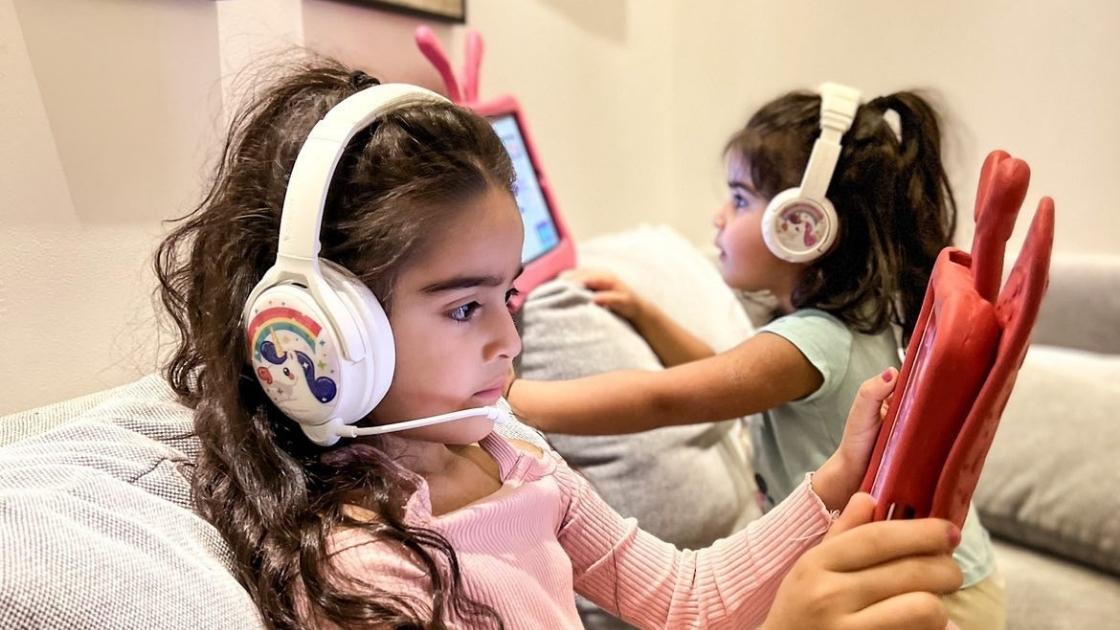
The right headset depends on how often the child listens, which devices they use, and whether an adult needs to manage volume and listening time.
Volume limiting
A volume limiter is the most important safety feature in children's headphones, but the implementations differ. Some models use a fixed maximum, such as the JBL Junior 320's 85 dB ceiling. Others offer two modes, such as 85 and 94 dB, or selectable 74 and 85 dBA settings. A lower limit is the simpler choice for younger children and routine listening.
A limiter cannot make unlimited listening harmless. Parents should still encourage breaks and check that the child is not trying to compensate for loud surroundings by increasing the device output.
A safe maximum works best when the headphones are comfortable enough that a child does not keep turning them up.
Wired and wireless connections
Wired headphones do not need charging and work immediately with a compatible 3.5mm jack. The noot K11, Acer HK03, and JBL Junior 320 are simple choices for school devices. Wireless headphones are more convenient for phones and tablets, but they introduce battery management.
Hybrid models provide the most flexibility. The iClever BTH12, Acer OHR668, and iClever Cat Ear can use Bluetooth or a cable. If you are weighing that tradeoff more broadly, what you give up moving from wired to wireless is a useful question to settle before choosing.
Fit and comfort
Over-ear cushions surround the ear and can reduce some outside sound without electronics. On-ear cups are often more compact and lighter, but they press against the ear and may let in more ambient noise. Adjustable headbands are important because children grow quickly and a loose fit can be uncomfortable.
Weight also matters. The JBL Junior 320 is the lightest listed model, while the Acer HK03 is also notably light. A heavier wireless headset may still be comfortable, but younger children can notice the difference during long lessons.
Microphones and controls
A built-in or inline microphone matters for online classes, calls, and voice chats. The noot K11 specifically does not include a microphone on the headset, while the Acer HK03, JBL Junior models, BTH12, OHR668, and EarFun K1 list microphone support.
Inline controls can be more useful than they sound. The EarFun K1 and Candy Bila Kids allow children to manage playback and calls without reaching for the connected device. If the headset will be used with a computer, how a microphone changes everyday computer listening can help clarify which controls are worth prioritizing.
Battery and charging
Battery life determines whether wireless headphones are convenient or another thing to remember before leaving home. The BTH12 lists up to 85 hours, the OHR668 up to 60 hours, and the Cat Ear model up to 50 hours with its lights off. Quick charging can also matter when a child forgets to charge overnight.
A wired fallback removes much of the risk. Hybrid models can continue working from a 3.5mm cable, while wired-only headphones remain ready whenever the device has the correct jack.
Travel features
Foldable frames make headphones easier to store in a school bag or travel case. A braided cable is useful for children who pull or twist cords, and an audio sharing port can let two children listen from one device. The iClever HS19 and EarFun K1 include this feature.
For noisy travel, active noise cancelling can reduce outside sound before a child raises the volume. The JBL Junior 470NC is the only model here with active noise cancelling and app-based reports, so it is the specialist choice for flights, cars, and busy environments.
Frequently asked questions
What volume limit should children's headphones have?
A lower setting is generally the more cautious choice for everyday listening. Several models here offer an 85 dB mode, while some also provide a 94 dB mode for specific situations. Parents should consider both the setting and the length of listening sessions.
Are wired or Bluetooth headphones better for children?
Wired headphones are easier to use because they do not need charging or pairing. Bluetooth models are more convenient with phones and tablets, especially during travel. Hybrid headphones such as the iClever BTH12 and Acer OHR668 offer both connection types.
Do children's headphones need a microphone?
A microphone is useful for online classes, video calls, and voice chats. It is not essential for watching downloaded videos or listening to music. The noot K11 does not include a headset microphone, while the EarFun K1, Acer HK03, and JBL Junior 320 do.
Is active noise cancelling safe for kids?
Active noise cancelling can reduce distracting outside noise, which may help a child listen at a lower volume. It does not replace a volume limit or sensible listening breaks. The JBL Junior 470NC combines active noise cancelling with an 85 dB maximum and parental controls.
What is the benefit of an audio sharing port?
An audio sharing port lets a second wired headset connect directly to the first headset. This allows two children to listen from one tablet or other device without a separate splitter. The iClever HS19 and EarFun K1 include this feature.
Are over-ear headphones more comfortable than on-ear models?
Comfort depends on the child and the fit, but over-ear cushions can avoid direct pressure on the ears and provide more passive isolation. On-ear models are often lighter and easier to store. The JBL Junior 320 and noot K11 favor a compact on-ear design, while the Acer HK03 and iClever HS19 use over-ear cushions.
How long should a child wear headphones?
There is no single session length that fits every child or listening environment. Regular breaks are sensible, especially when the child is listening for school or travel. A volume limiter helps, but it should be paired with reasonable listening habits.
The bottom line
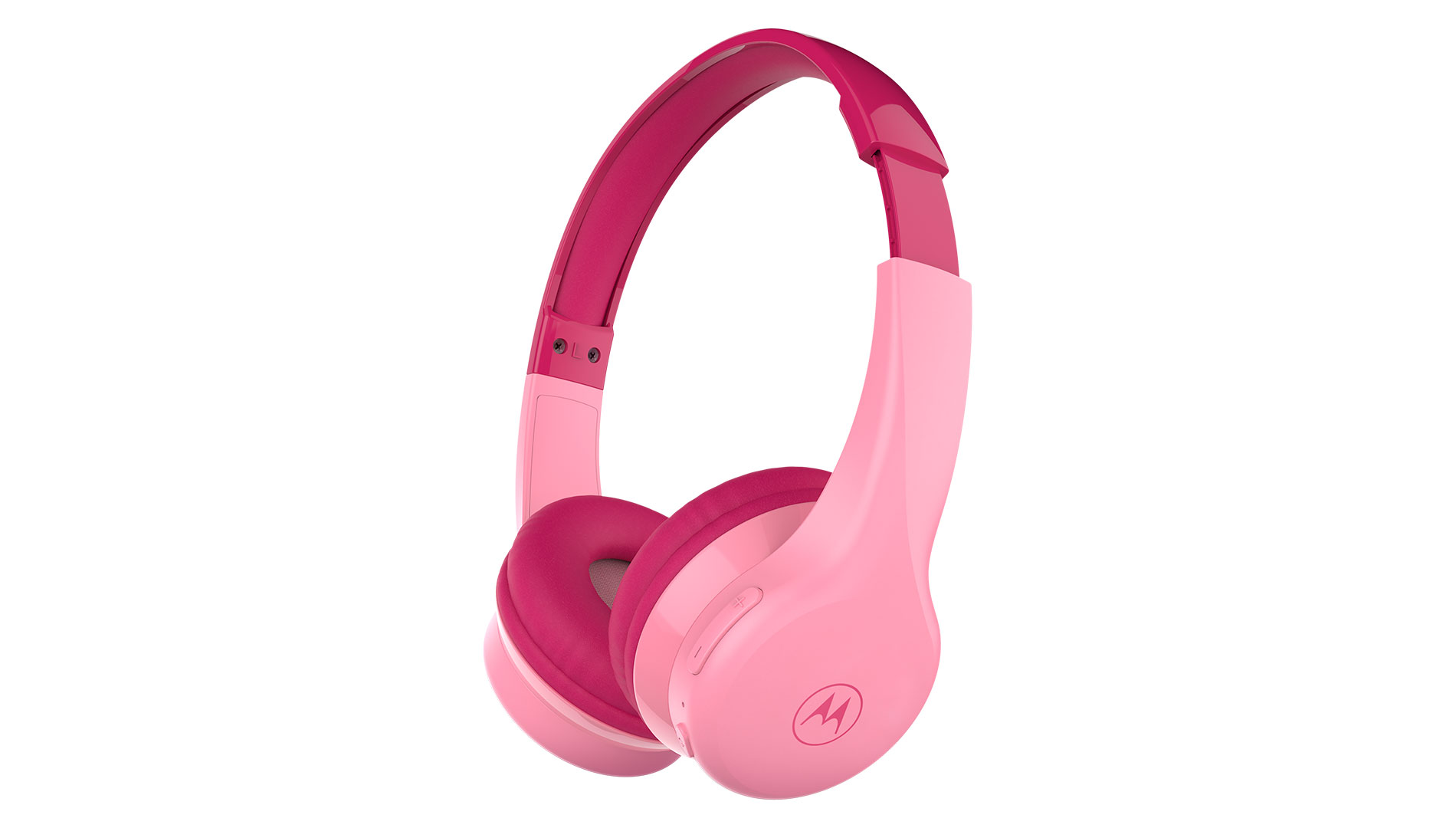
The Best headphones for kids in this roundup are the iClever BTH12 for most families and the JBL Junior 470NC for parents who want active noise cancelling plus detailed listening controls. The BTH12 is more versatile, with Bluetooth 5.2, wired playback, a microphone, selectable 74 or 85 dBA limits, and up to 85 hours of playtime.
For a wired school headset, the Acer HK03 is the strongest practical choice because it is light, over ear, microphone equipped, foldable, and compatible with standard 3.5mm devices. The EarFun K1 is the better alternative when inline controls and audio sharing matter, while the JBL Junior 320 suits smaller children who need the lightest design.
If you are undecided, choose the iClever BTH12 unless the child specifically needs app-based parental controls or a simple wired school pair.
As an Amazon Associate we earn from qualifying purchases.