
Swimming headphones have one awkward limitation: Bluetooth does not travel reliably through water. The Best best headphones for swimming solve that problem with built-in MP3 storage, while still using Bluetooth for running, cycling, and gym sessions on land.
The strongest options also keep your ears open, stay compatible with goggles and swim caps, and survive submersion. Our top pick is SHOKZ OpenSwim Pro Grey, but the other seven products cover longer battery claims, different storage capacities, and more specialized driver designs.
Comparison
| # | Product | Award | Water protection | Built-in storage | Battery claim | Best for |
|---|---|---|---|---|---|---|
| 1 | SHOKZ OpenSwim Pro Grey | Best overall | IP68, up to 2 meters for 2 hours | Up to 8, 000 songs | Up to 9 hours | Regular swimmers who also train on land |
| 2 | PSIER IPX8 Headphones | Best balanced alternative | IPX8, up to 2 meters for 1 hour | 32GB, up to 4, 000 songs | Up to 8 hours | Swimmers wanting flexible Bluetooth and MP3 modes |
| 3 | Tevese 32GB Swimming Headphones | Best storage capacity | IPX8 | 32GB, 9, 000+ songs | Not specified | Phone-free listening with a large music library |
| 4 | CXK IPX8 Headphones | Best for long sessions | IPX8, up to 2 meters for 2 hours | Up to 8, 000 songs | Up to 12 hours | Extended training and mixed workouts |
| 5 | ZOVIMAX X7 MAX | Best deep-water rating | IPX8, up to 5 meters for 2.5 hours | Up to 2, 000 songs | Up to 8 hours | Swimming and deeper water activities |
| 6 | SHOKZ OpenSwim Pro Red | Best colorful option | IP68, up to 2 meters for 2 hours | Up to 8, 000 songs | Up to 9 hours | Swimmers who want the OpenSwim Pro in red |
| 7 | Opinta 32GB Headphones | Best format flexibility | IPX8 | 32GB, up to 8, 000 tracks | Up to 7 hours at 70% volume | Swimmers with varied audio files |
| 8 | PSIER Hybrid Headphones | Best hybrid drivers | IPX8, up to 2 meters for 1 hour | 32GB, up to 8, 000 songs | Up to 8 hours | Listeners who want more bass on land |
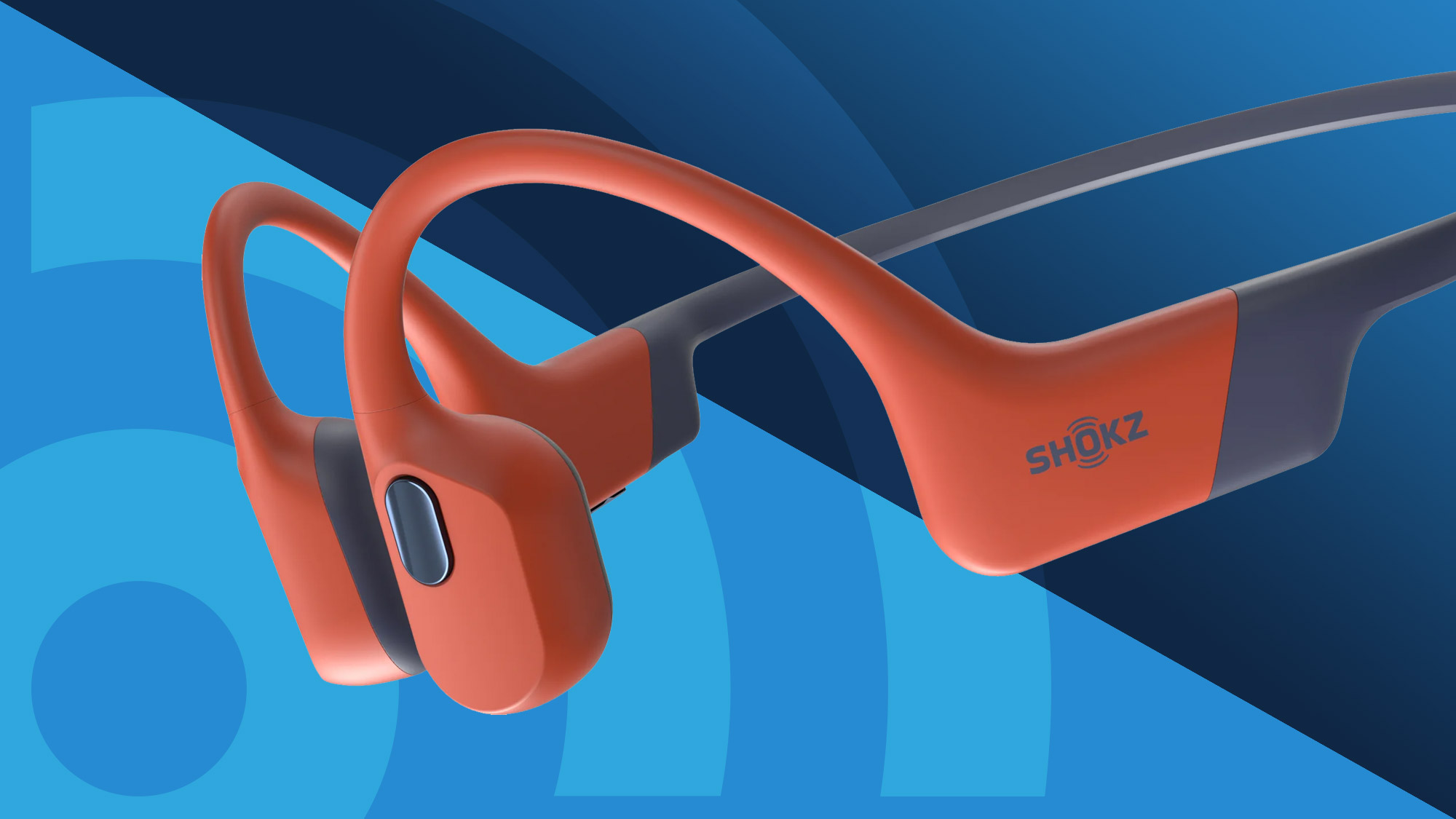
1. SHOKZ OpenSwim Pro Grey: Best Overall

Pros
- IP68 protection for submersion up to 2 meters for 2 hours
- MP3 storage for up to 8, 000 songs
- Bluetooth and MP3 modes cover land and water
- Up to 9 hours of playback
- 10-minute quick charge provides up to 3 hours
Cons
- Bluetooth cannot work underwater
- Open-ear audio is less isolated from pool noise
- MP3 playback requires preparing music in advance
Best for: regular swimmers who want one open-ear headset for pool sessions and everyday training.
The SHOKZ OpenSwim Pro Grey is the easiest recommendation because its limits are clear and its feature set fits how people actually swim. You use Bluetooth for running, cycling, calls, and podcasts on land, then switch to MP3 mode before entering the water. That last step matters. No Bluetooth headset in this roundup can maintain a normal phone connection underwater.
Its IP68 rating supports submersion up to 2 meters for 2 hours, which is a more useful swimming specification than a vague splashproof claim. The built-in storage holds up to 8, 000 songs, giving you enough room for long playlists without carrying a phone to the pool. The physical controls and Shokz app also make mode switching and audio customization less fiddly than on many generic models.
Battery life reaches up to 9 hours, and a 10-minute quick charge can provide up to 3 hours of listening. That is a practical advantage for swimmers who forget to charge before training. The slim, lightweight design is intended to work with swim caps and goggles, and the open-ear layout preserves awareness of the pool environment. The listed weight is about 0.06 pounds, so it should not feel like a bulky band competing with other equipment.
The weakness is the same one shared by every open-ear swimming headset: water and pool noise can make music less prominent. The OpenSwim Pro also requires a small amount of music management because streaming stops when you go underwater. PSIER IPX8 Headphones offer similar two-mode flexibility, but SHOKZ has the clearer all-round package. Skip this model if you only want streaming from a phone during laps.
For swimmers who alternate between pool work and land workouts, this is the Best best headphones for swimming because it handles both environments without pretending they use the same connection method.
2. PSIER IPX8 Headphones: Best Balanced Alternative

Pros
- Bluetooth 6.0 for above-water listening
- 32GB storage for up to 4, 000 songs
- IPX8 protection to 2 meters for 1 hour
- 14mm bone conduction drivers
- Adjustable strap and silicone cushions
Cons
- Bluetooth cannot connect underwater
- Submersion time is shorter than the SHOKZ models
- App support may be unnecessary for simple swim listening
Best for: swimmers who want a straightforward dual-mode design with an adjustable fit.
The PSIER IPX8 Headphones are a sensible alternative to the top pick when you want the core swimming features without moving into a more specialized design. They use bone conduction to keep the ear canals open, while soft silicone cushions sit at the front of the ears. An adjustable strap helps accommodate different head sizes, which is useful when a headset has to sit alongside goggles or a cap.
The two modes are clearly divided. Bluetooth 6.0 handles listening and calls above water, while the 32GB internal MP3 storage handles swimming. The storage is listed as holding up to 4, 000 songs, enough for a substantial offline library. A double click switches between modes, so the important control is easy to reach before a session.
The 14mm acoustic drivers are intended to provide richer sound than a bare-bones bone conduction unit. Battery life reaches up to 8 hours in Bluetooth mode, and magnetic charging takes about 2 hours for a full charge. The IPX8 rating is specified for submersion up to 2 meters for 1 hour, which covers normal pool training but gives less stated water margin than the SHOKZ OpenSwim Pro Grey.
The included microphone and Boean app add flexibility for calls and EQ customization, though swimmers focused only on MP3 playback may never use those extras. The main reason to choose this over Opinta 32GB Headphones is the adjustable strap and the larger stated 14mm driver. Choose SHOKZ instead if you want longer stated submersion and a quicker top-up.
This is a good fit for someone who wants the Best best headphones for swimming experience built around simple controls, open ears, and a moderate offline library.
3. Tevese 32GB Swimming Headphones: Best Storage Capacity
Pros
- 32GB storage listed for 9, 000 or more songs
- Bluetooth 6.0 for land use
- IPX8 waterproof design
- Open-ear fit keeps ear canals free
- Designed to work with swim caps and goggles
Cons
- Battery duration is not specified
- Bluetooth cannot transmit underwater
- Storage claims are more useful for large libraries than short playlists
Best for: swimmers who want to carry a very large offline music collection.
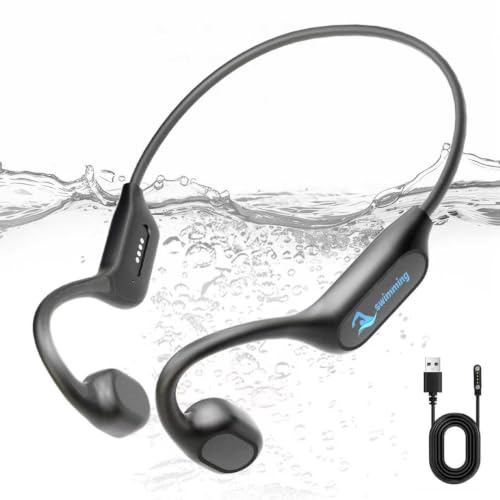
The Tevese 32GB Swimming Headphones stand out for their unusually large stated music capacity. The built-in 32GB memory is listed as holding more than 9, 000 songs, so this model makes sense for someone who dislikes repeatedly loading a small playlist before every swim. It also avoids the phone entirely while underwater, which is the only dependable way to listen in the pool.
Bluetooth 6.0 is for above-water activities such as gym training, running, and commuting. The open-ear bone conduction design leaves the ear canals unobstructed and aims to preserve awareness of nearby sounds. The listing specifically describes compatibility with swim caps and goggles, an important practical detail because a headset that interferes with either can become uncomfortable quickly.
The IPX8 rating is intended for swimming and prolonged submersion. The listing does not provide a specific depth or duration, so it is harder to compare directly with the stated limits of SHOKZ OpenSwim Pro Grey or ZOVIMAX X7 MAX. That missing detail does not make the headset unsuitable, but it gives cautious buyers less information about the exact water tolerance.
The biggest omission is battery information. The product supports Bluetooth and MP3 modes, but no playback duration is supplied in the available details. That makes it a less complete choice for long-distance training than CXK IPX8 Headphones, whose listing states up to 12 hours. It is also better suited to listeners who already have music files ready to transfer than to anyone expecting streaming in the pool.
If carrying thousands of songs matters more than a stated battery figure, Tevese is the most direct choice. For a broader look at how open-ear designs handle movement and ambient sound, the trade-offs that matter during active listening are useful beyond the pool.
4. CXK IPX8 Headphones: Best for Long Sessions

Pros
- Up to 12 hours of playback
- IPX8 protection to 2 meters for 2 hours
- Storage for up to 8, 000 songs
- 15 by 10mm bone conduction transducer
- Adjustable headband and silicone pads
Cons
- Bluetooth cannot work underwater
- Music files must be transferred for swim use
- App features may distract from the straightforward controls
Best for: athletes combining long swim sessions with extended land workouts.
The CXK IPX8 Headphones are built around endurance. Their stated battery life reaches up to 12 hours, the longest claim in this group, and the IPX8 design is specified for immersion up to 2 meters for 2 hours. That combination suits swimmers who train frequently and do not want to charge after every session.
The built-in storage holds up to 8, 000 songs, while Bluetooth 6.0 handles calls and streaming above water. A double click on the power button switches to MP3 mode, so the headset follows the same basic rule as the other swimming models: load music first, change modes before entering the water. The supported file formats include WMA, FLAC, WAV, and MP3, giving listeners more flexibility than a device limited to one common format.
CXK lists a 15 by 10mm PulseCraft bone conduction transducer and up to two microphones with AI noise-canceling algorithms. Those details matter more for calls and land workouts than for underwater laps, where water noise and bone conduction's open presentation shape what you hear. The soft silicone pads and adjustable headband are intended to keep the headset stable across different head shapes.
The weakness is that the feature list is more ambitious than the basic swimming task requires. The Boean app adds custom EQ modes and AI music generation, but those tools will not compensate for a poor fit or an unprepared MP3 library. SHOKZ OpenSwim Pro Grey is lighter on feature claims and easier to recommend as an all-rounder, while CXK makes the stronger case for long sessions.
Choose CXK if battery endurance is your main concern. It is also a reasonable pick for athletes who use the same headset for swimming, rowing, surfing training, and phone-based workouts on land.
5. ZOVIMAX X7 MAX: Best Deep-Water Rating

Pros
- IPX8 rating listed for 5 meters and 2.5 hours
- 14.2mm dynamic drivers
- Bluetooth 6.0 and MP3 modes
- Adjustable strap
- Open-ear fit with silicone pads
Cons
- Storage is limited to up to 2, 000 songs
- Battery information is inconsistent in the listing
- Bluetooth still cannot function underwater
Best for: swimmers and water athletes who prioritize the deepest stated protection.
The ZOVIMAX X7 MAX has the most ambitious water-protection claim here. Its IPX8 description specifies submersion up to 5 meters for 2.5 hours, exceeding the stated limits of the other products. That makes it the obvious model to examine if your activities involve more than ordinary lap swimming.
It combines Bluetooth 6.0 for land listening with MP3 playback underwater, and a double click toggles between the two. Internal storage holds up to 2, 000 songs, which is enough for a curated training library but considerably less than the 8, 000-song claims from Tevese 32GB Swimming Headphones and CXK IPX8 Headphones.
The product uses 14.2mm dynamic drivers alongside bone conduction, with soft silicone pads and an adjustable strap for stability. Those details suggest a more energetic presentation for land workouts, while the open-ear construction keeps the canals clear. The listing says it can be used with swimming, diving, and water workouts, though fit remains important whenever a headset is worn beneath goggles or other equipment.
There is an important inconsistency in the battery information. One feature heading refers to 12 hours, while the detailed description says up to 8 hours and a 2-hour full charge. We would treat the lower figure as the safer expectation. The model also lacks the larger offline library and app ecosystem found on some competitors.
Pick ZOVIMAX when its stated submersion depth is the deciding factor. For ordinary pool laps, PSIER IPX8 Headphones or SHOKZ offer a more balanced set of known specifications.
6. SHOKZ OpenSwim Pro Red: Best Colorful Option

Pros
- IP68 protection to 2 meters for 2 hours
- Up to 8, 000 songs in MP3 mode
- Up to 9 hours of playback
- Quick charge provides up to 3 hours after 10 minutes
- Secure fit for caps, goggles, helmets, and sunglasses
Cons
- Bluetooth cannot work underwater
- Red finish is the only listed distinction from the grey version
- Pool noise can reduce perceived detail
Best for: swimmers who want the OpenSwim Pro design in a red finish.
The SHOKZ OpenSwim Pro Red is functionally the same product as the grey version in this roundup. Its appeal is simple: it brings the same open-ear design, MP3 storage, and water protection in a more visible color. That can make the headset easier to spot in a crowded kit bag, though the available product details do not identify a performance difference between the two finishes.
The important specifications remain strong. IP68 protection supports submersion up to 2 meters for 2 hours, and the 32GB MP3 storage is listed for up to 8, 000 songs. Bluetooth works on land with Android, iOS, Windows, and other compatible devices, but it must be replaced by MP3 mode in the water.
Battery life reaches up to 9 hours, while a 10-minute quick charge can add up to 3 hours of listening. The lightweight ergonomic design is described as compatible with swim caps, goggles, sunglasses, and bike helmets. That range makes it more versatile than a headset designed only for pool use.
The weakness is not unique to the red model, but it is worth stating plainly: the headset cannot stream from a phone underwater. You need to transfer music ahead of time. Since SHOKZ OpenSwim Pro Grey has the same core specification set, the choice between them comes down to finish preference rather than capability.
Choose this model if you want the OpenSwim Pro platform and prefer red. If color is irrelevant, the grey version is the more obvious listing to compare first. For more general training use, how to keep headphones secure through vigorous movement is a useful consideration.
7. Opinta 32GB Headphones: Best Format Flexibility

Pros
- 32GB memory for up to 8, 000 tracks
- Supports MP3, WAV, WMA, APE, and FLAC
- Bluetooth 6.0 for land use
- IPX8 waterproof design
- Magnetic charging
Cons
- Up to 7 hours is shorter than several competitors
- Bluetooth cannot work underwater
- No specific submersion depth or duration is given
Best for: listeners who keep music in several file formats.
The Opinta 32GB Headphones are aimed at people whose music library is not neatly organized around MP3 alone. The built-in memory is listed for up to 8, 000 tracks and supports MP3, WAV, WMA, APE, and FLAC. That is a practical advantage if you already maintain lossless or less common files and do not want to convert everything before a swim.
The open-ear bone conduction design keeps the ear canals clear and leaves the user aware of the surroundings. Bluetooth 6.0 works within a stated effective range of 10 meters on land, useful for cycling, running, or gym sessions. Underwater, the headset must use MP3 mode because Bluetooth signals cannot travel through the water.
Battery life is listed as up to 7 hours at 70 percent volume, with a full charge taking about 2 hours. That should cover many training sessions, but it trails CXK IPX8 Headphones and both SHOKZ models on their stated maximum playback figures. The magnetic charging design is convenient, though it means keeping the supplied cable available.
Opinta confirms IPX8 protection for swimming and describes compatibility with caps and goggles, but it does not provide a specific submersion depth or duration. That makes the water rating less informative than the detailed claims on ZOVIMAX X7 MAX and the OpenSwim Pro models. The headset is a better fit for file flexibility than for buyers who need the clearest possible water specification.
For swimmers who want to understand the wider design compromise, what changes when headphones stay outside your ear canals is a useful starting point. Opinta is the right pick when audio-file support matters more than maximum battery life.
8. PSIER Hybrid Headphones: Best Hybrid Drivers
Pros
- Bone and air conduction driver system
- 32GB storage for up to 8, 000 songs
- Bluetooth 6.0 for land listening
- IPX8 protection to 2 meters for 1 hour
- Soft liquid silicone coating
Cons
- Stated submersion limit is shorter than several competitors
- Bluetooth cannot function underwater
- App description contains duplicated and unclear wording
Best for: listeners who want a hybrid driver approach and stronger bass emphasis on land.
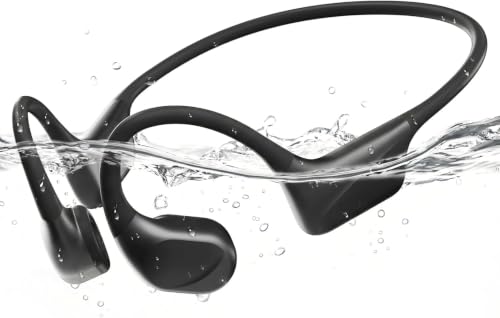
The PSIER Hybrid Headphones take a different route from the single-driver designs elsewhere in the list. They combine bone conduction with air conduction, with the stated goal of producing clearer highs and stronger bass. The product claims 30 percent more bass than standard single-driver bone conduction headphones, making this the model to consider if music sounds too thin through conventional open-ear designs.
It includes Bluetooth 6.0 for land use and 32GB of internal storage for up to 8, 000 songs. As with the rest of this roundup, MP3 mode is essential underwater. The headphones are intended for phone-free listening in the pool, while Bluetooth covers running, cycling, and other activities where a phone connection is available.
The IPX8 rating is specified for submersion up to 2 meters for 1 hour. A liquid silicone coating is intended to keep the fit soft and stable, and the design is described as compatible with swim caps, goggles, sunglasses, and bike helmets. Battery life reaches up to 8 hours, with a full magnetic charge taking about 2 hours.
The hybrid system is also the reason to be cautious. Air conduction can make the sound presentation more familiar on land, but open-ear audio still cannot provide the isolation of sealed earbuds. Its stated water limit is also less generous than ZOVIMAX X7 MAX or SHOKZ OpenSwim Pro Grey. The Boean app offers customizable profiles, but the product description is repetitive and less clear than the feature lists for SHOKZ or CXK.
Choose PSIER if bass and driver design matter more to you than the longest stated immersion time. It is a more specialized pick than PSIER IPX8 Headphones, which offers a simpler conventional bone conduction setup and an adjustable strap.
How to choose best headphones for swimming
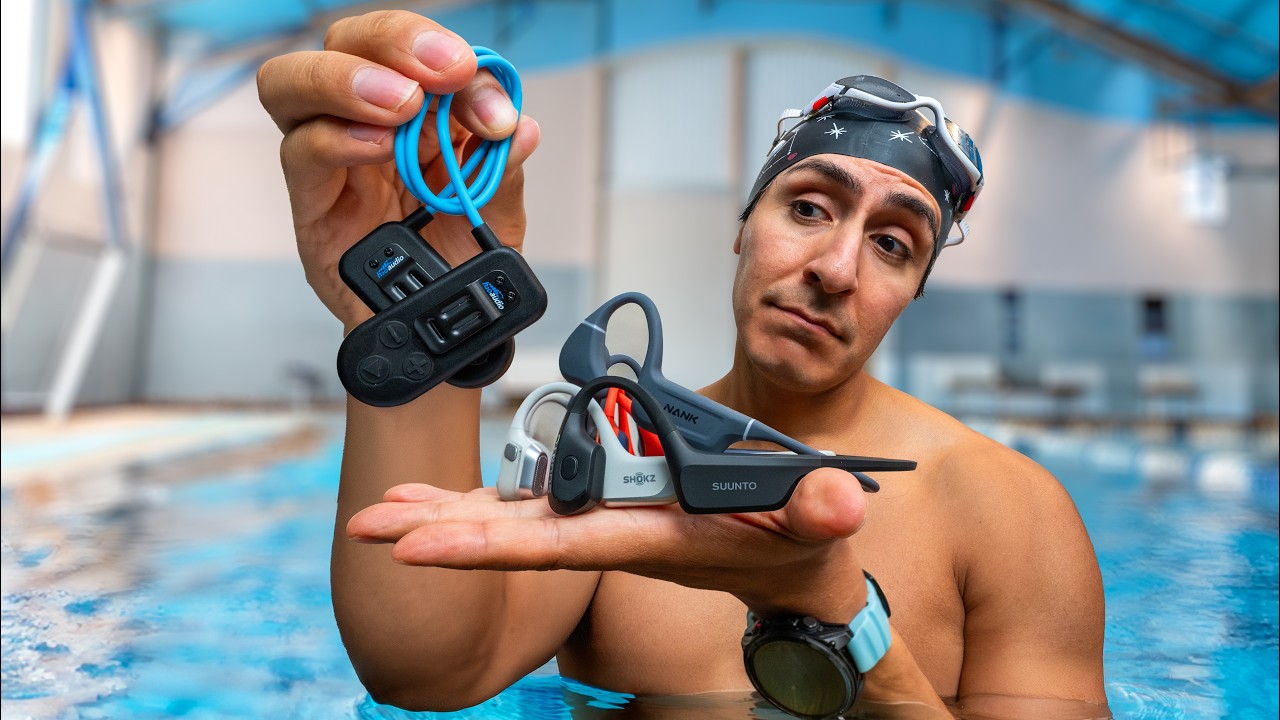
The Best best headphones for swimming are defined less by ordinary wireless convenience than by how well they handle offline audio, water exposure, and a secure open-ear fit.
MP3 storage
A swimming headset needs local storage because Bluetooth does not reliably transmit underwater. Look for enough capacity for the playlists you actually use, and check whether the device supports the file types in your music library. The listed options range from up to 2, 000 songs to more than 9, 000, so storage can be a meaningful difference.
Waterproof rating
IPX8 and IP68 both indicate protection against immersion, but the exact depth and duration claims still matter. SHOKZ specifies up to 2 meters for 2 hours, while ZOVIMAX lists up to 5 meters for 2.5 hours. A product with no stated depth or duration gives you less information for open-water or diving use.
A waterproof label is only half the decision. The stated depth, duration, and required listening mode tell you how the headset is meant to be used.
Battery life
Battery claims are usually maximum figures, so leave room for volume and usage differences. A headset rated for 7 or 8 hours may suit ordinary lap sessions, while the CXK's stated 12 hours better suits long training days. Quick charging can matter just as much when you often forget to charge before leaving home.
Open-ear fit
Bone conduction and other open-ear designs leave the ear canals free, which helps awareness and avoids the sealed pressure of earbuds. The band must still stay stable under a cap and alongside goggles. Adjustable straps, silicone pads, and lightweight construction are useful signs, but head shape and equipment fit remain personal.
Above-water connectivity
Bluetooth remains useful for calls, podcasts, and streaming on land. Bluetooth 6.0 appears across several models here, but it does not change the underwater limitation. Choose a model with simple mode switching, then transfer music before entering the pool.
Frequently asked questions
Can Bluetooth headphones work underwater?
No. Bluetooth signals cannot reliably transmit through water for these products. Use the built-in MP3 mode and switch to it before starting your swim.
Do swimming headphones need built-in storage?
Yes, if you want music while underwater. Built-in storage lets the headset play downloaded files without maintaining a connection to a phone.
Are bone conduction headphones safe for swimming?
The open-ear design leaves the ear canals unobstructed and can help you remain aware of nearby sounds. Water safety still depends on your environment and behavior, so headphones should not replace attention to lifeguards, other swimmers, or changing conditions.
Can these headphones work with a swim cap and goggles?
Several listings specifically describe compatibility with swim caps and goggles. Fit depends on the shape of your head and equipment, so position the headset before entering the water and check that the band does not interfere with the goggles' seal.
Which model has the largest music library?
Tevese lists 32GB storage for more than 9, 000 songs. SHOKZ, CXK, Opinta, and the PSIER Hybrid model list capacities of up to 8, 000 songs, while ZOVIMAX lists up to 2, 000.
Do these headphones support phone calls?
Several models include microphones and Bluetooth connectivity for calls on land. Calls are not a Bluetooth swimming feature, because the underwater mode uses locally stored music instead.
How should swimming headphones be charged?
The products listed use magnetic charging systems. Dry the charging contacts and the headset before connecting the cable, then allow the unit to charge fully according to its stated charging time.
The bottom line
The Best best headphones for swimming for most people are SHOKZ OpenSwim Pro Grey. Its IP68 protection, up to 8, 000-song MP3 library, 9-hour battery claim, quick charging, and secure open-ear fit make it the most complete choice for pool training and workouts on land.
PSIER IPX8 Headphones are the strongest alternative for swimmers who want a straightforward dual-mode design with 32GB storage, 14mm drivers, and an adjustable strap. Choose CXK IPX8 Headphones instead when long battery life is the priority, or ZOVIMAX X7 MAX when its deeper stated submersion rating is more relevant to your activities.
If you are undecided, choose SHOKZ for the most balanced experience, then remember to load your music and switch to MP3 mode before getting in the water.
As an Amazon Associate we earn from qualifying purchases.