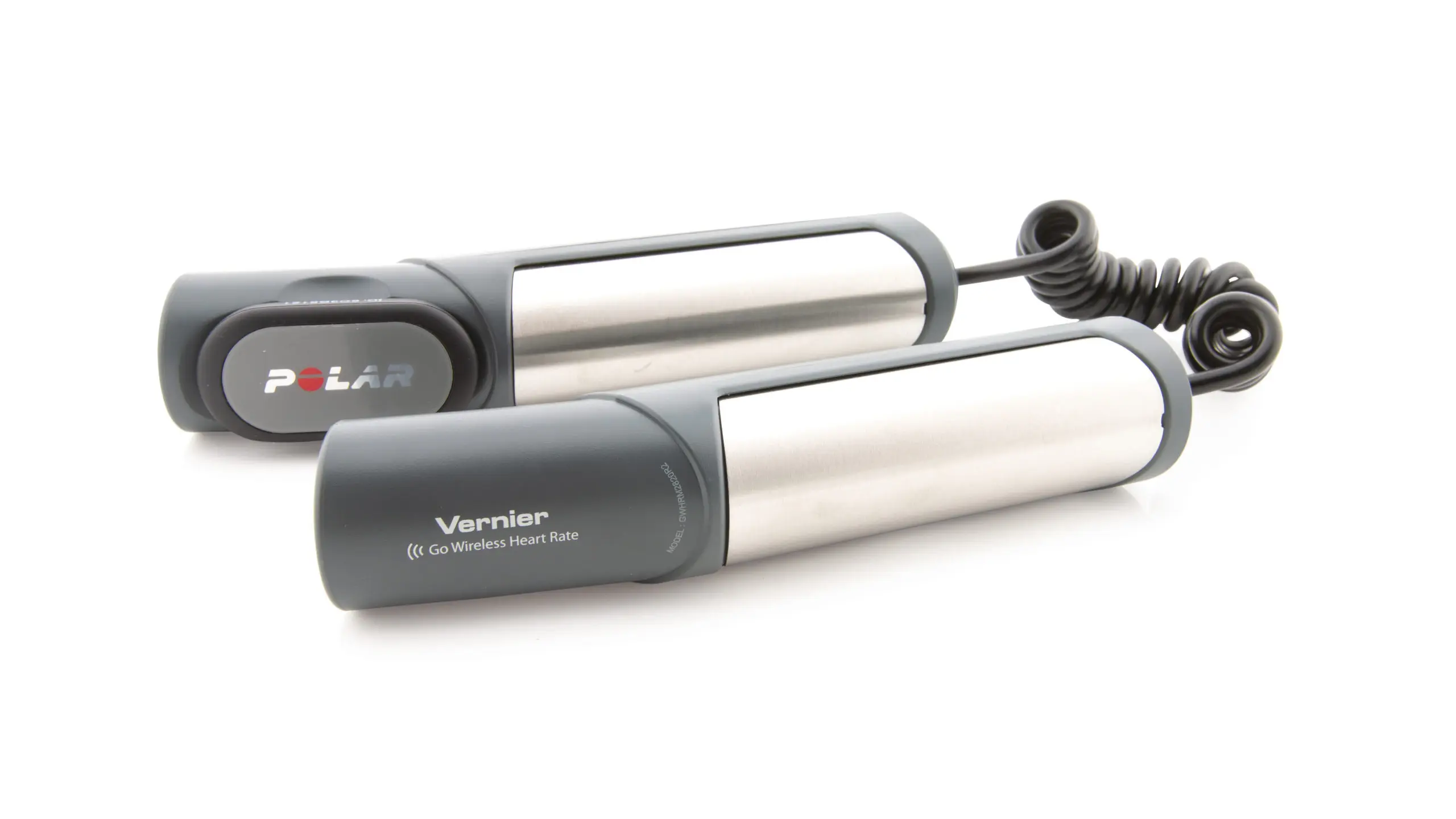

A heart rate monitor has one job, but the right tool depends on when you need that reading. A chest strap can send responsive workout data to a bike computer, while a fingertip device gives you a quick spot check and a fitness tracker keeps watch around the clock. Those are very different jobs, and treating them as interchangeable leads to disappointing results.
Our Best heart rate monitor pick is the Polar H10, thanks to its broad connectivity, waterproof design, internal memory, and reputation for precise readings. The rest of this list covers serious Garmin training tools, comfortable armbands, ECG hardware, everyday trackers, and simple pulse oximeters.
| # | Product | Award | Connection | Key capability | Best for |
|---|---|---|---|---|---|
| 1 | Polar H10 | Best overall | Bluetooth, ANT+, 5 kHz | Internal memory, waterproof | Serious training |
| 2 | Garmin HRM 600 | Best for Garmin runners | Bluetooth, ANT+ | Running dynamics, swim recording | Garmin users |
| 3 | Fitbit Inspire 3 | Best fitness tracker | Smartphone app | 24/7 heart rate, sleep tracking | Daily wellness |
| 4 | KardiaMobile 1-Lead | Best for ECG checks | Smartphone app | 30-second single-lead ECG | Rhythm checks |
| 5 | COROS Armband | Best armband | Bluetooth | Up to three devices | Watch-free workouts |
| 6 | Garmin HRM 200 | Best simple Garmin strap | Bluetooth, ANT+ | Replaceable battery | Regular training |
| 7 | HealthTree Pulse Oximeter | Best spot checker | OLED display | Pulse and SpO2 readings | Occasional checks |
| 8 | Polar H9 | Best straightforward strap | Bluetooth, ANT+ | Waterproof chest strap | App-based workouts |
| 9 | MorePro Fitness Tracker | Best feature-packed tracker | Android, iOS app | Heart rate, sleep, activity | Broad wellness tracking |
| 10 | CooSpo H808S | Best compact chest strap | Bluetooth, ANT+ | Third-party app support | Connected workouts |
1. Polar H10: Best Overall

Pros
- Bluetooth, ANT+, and 5 kHz connectivity
- Can use Bluetooth and ANT+ simultaneously
- Internal memory for multiple hours
- Waterproof sensor and comfortable Pro chest strap
Cons
- Chest straps are less convenient than wrist trackers
- Uses a CR2025 battery rather than a rechargeable cell
Best for: athletes who want a flexible, accurate chest strap for serious training.
The Polar H10 is the chest strap we would keep for mixed-device training. It stays out of the way once fitted, sends live data to the equipment or app you are using, and does not force you into one brand's ecosystem. That last point matters if your routine moves between a phone, a treadmill, a bike computer, and gym equipment.
Its connectivity is unusually flexible. The H10 supports Bluetooth, ANT+, and 5 kHz transmission, and it can use Bluetooth and ANT+ at the same time. It can also maintain two Bluetooth connections simultaneously. In practical terms, that gives you room to send heart rate to a watch and a second device without constantly repairing the sensor.
The strap itself uses improved electrodes, a simple buckle, and silicone dots intended to limit movement and interference. The unit is fully waterproof, and its internal memory can hold multiple hours of data. That is useful when you cannot wear or connect a watch during an activity. The included CR2025 battery is replaceable, though it is one more small maintenance task beside charging other training gear.
The H10 beats the Polar H9 when you need internal memory and broader simultaneous connections. Garmin HRM 600 offers more Garmin-specific running and swimming features, but the H10 is less tied to a particular watch family. Its real weakness is the form factor: anyone who dislikes a band around the chest will prefer the COROS Armband or a wrist tracker. For the athlete who cares about responsive workout data and device compatibility, this remains the Best heart rate monitor in this group.
2. Garmin HRM 600: Best for Garmin Runners

Pros
- Stores workouts when a watch cannot be worn
- Adds running dynamics with a compatible watch
- Sends pace and distance for indoor running
- Rechargeable battery lasts up to two months
- Machine-washable strap
Cons
- Its advanced features depend on compatible Garmin equipment
- M-XL is not the only available strap size
Best for: Garmin users who want deeper running data and recording away from the wrist.
The HRM 600 is not simply a replacement strap for a Garmin watch. It is a small training sensor built around the idea that the watch cannot always go with you. Team sports, pool sessions, and activities where a wrist device is awkward all benefit from a strap that can record data and sync it later through Garmin Connect.
For runners, the interesting feature is the extra motion data. With a compatible smartwatch, the HRM 600 can provide stride length, vertical oscillation, ground contact time balance, and step speed loss. Those measurements are more useful to runners refining form than to someone who only wants a live pulse number. The sensor also sends pace and distance for indoor track and treadmill runs to a compatible watch.
The rechargeable battery is rated for up to two months, which is a welcome change from button-cell maintenance. The machine-washable strap is available in XS-S and M-XL sizes, with this listing covering M-XL. It can record heart rate, calories, speed, distance, and other workout data, and it can store heart rate during swimming before syncing after the workout is saved.
The Polar H10 is the more adaptable choice across brands, and Garmin HRM 200 is the cleaner choice if you only need live heart rate. The HRM 600 earns its place above both for Garmin runners who will use its running dynamics and offline recording. Skip it if you do not own compatible Garmin equipment, since much of its appeal is locked inside that ecosystem. If you do, this is the Best heart rate monitor for training detail rather than basic pulse display.
3. Fitbit Inspire 3: Best Fitness Tracker

Pros
- Tracks heart rate around the clock
- Automatic exercise tracking and 40-plus exercise modes
- Sleep and stress features
- Includes small and large bands
- Works with current Android and Apple phone software
Cons
- Less focused on live workout transmission than a chest strap
- Not an ECG device
Best for: people who want heart rate context alongside sleep, activity, and wellness tracking.
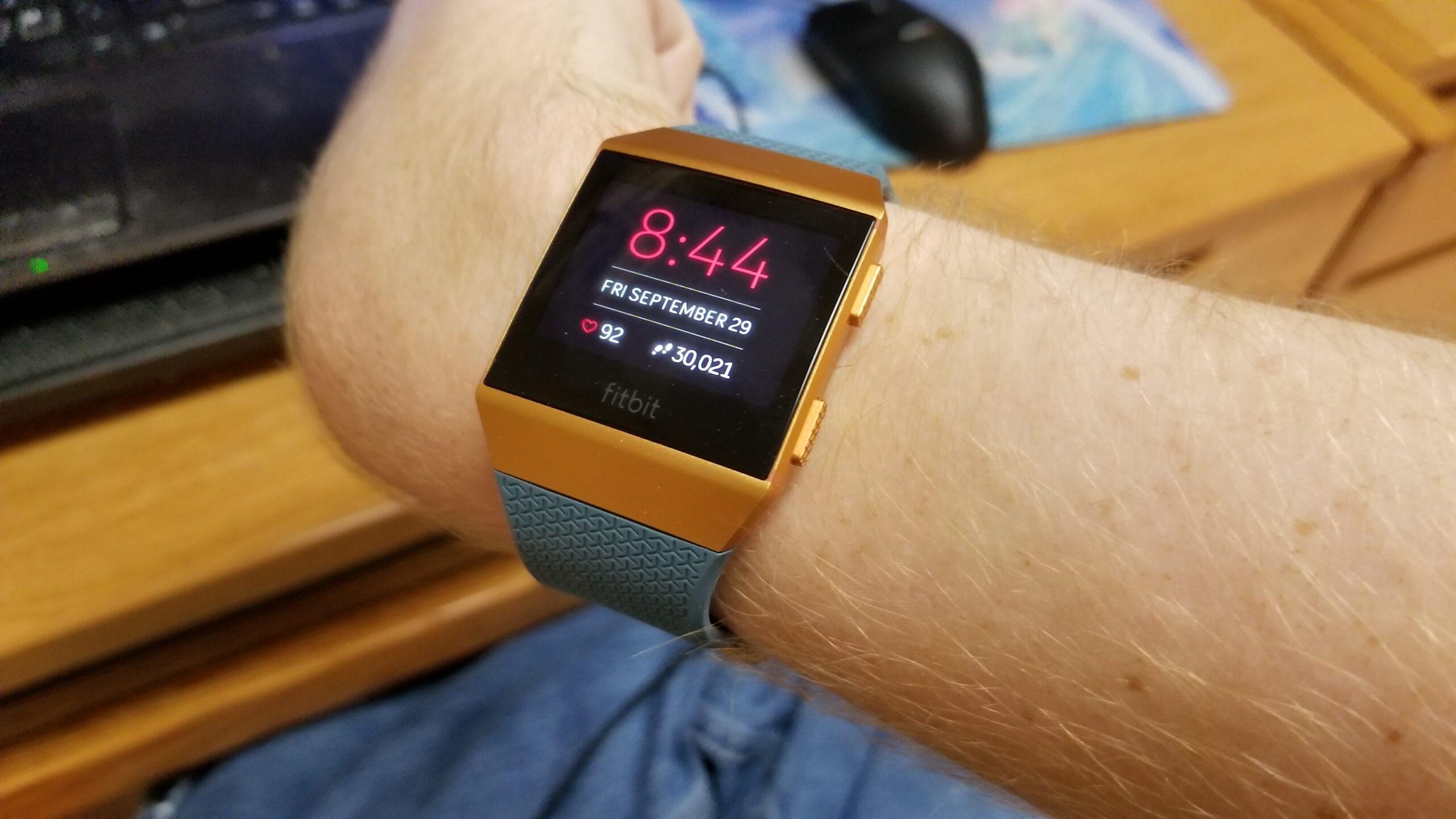
The Fitbit Inspire 3 makes sense for the person who wants to wear a heart monitor all day rather than attach one only for exercise. It is a slim fitness tracker with 24/7 heart rate tracking, automatic exercise recognition, and a collection of sleep and stress tools. That changes the question from “What is my pulse during this workout?” to “How does activity fit into my day?”
Its software tracks resting heart rate, Active Zone Minutes, and more than 40 exercise modes. It also offers automatic exercise tracking, reminders to move, and a Daily Readiness Score. These features give the heart rate data some useful context, particularly for people balancing workouts with sleep and recovery.
The Inspire 3 goes beyond exercise. It tracks sleep automatically, produces a detailed Sleep Score, and includes a smart wake vibrating alarm. Stress management tools, mindfulness and breathing sessions, irregular heart rhythm notifications, SpO2, and menstrual health tracking round out the health dashboard. Compatibility covers Apple iOS 16.4 or higher and Android 11.0 or higher.
A chest strap such as the Polar H10 or Garmin HRM 200 is the better tool for immediate training data. The Inspire 3 is the better fit when you want a device that stays on your wrist and builds a longer record of activity, sleep, and resting heart rate. It should not be chosen as a substitute for the KardiaMobile when the specific goal is a single-lead ECG. Readers deciding between a tracker and a watch can also compare how all-day wear changes health tracking before choosing a format.
4. KardiaMobile 1-Lead: Best for ECG Checks

Pros
- Records a single-lead ECG in 30 seconds
- Detects AFib, tachycardia, bradycardia, and normal sinus rhythm
- No Bluetooth, Wi-Fi, or computer required
- Small enough to carry anywhere
- Replaceable battery can last up to two years under stated use
Cons
- Measures episodic ECG readings, not continuous workout heart rate
- Not tested or recommended for pacemakers and ICDs
- Does not check for a heart attack
Best for: people who need an occasional smartphone-connected heart rhythm recording.
KardiaMobile is a different kind of heart monitor from nearly everything else here. You do not wear it during a run or use it to broadcast live pulse data to a bike computer. Instead, you place your fingers or thumbs on its silver sensors and capture a single-lead electrocardiogram through the Kardia app.
The result arrives in 30 seconds. The device can identify normal sinus rhythm, atrial fibrillation, tachycardia, and bradycardia, then present an easy-to-read result. The recording can be emailed to a doctor or another person, which makes the device useful for documenting an episode instead of trying to remember how you felt later.
It does not need Bluetooth, Wi-Fi, cords, or a PC. The pocket-sized device weighs less than one ounce and uses a replaceable CR2016 battery, which is stated to last up to two years with two to three ECGs per day. The app is free to use for the basic recording function, while the optional KardiaCare subscription adds features such as extra rhythm detections and doctor reviews.
The limitation is fundamental: an ECG spot check is not the same thing as a chest strap or fitness tracker's continuous workout monitoring. KardiaMobile is not tested or recommended for use with pacemakers and ICDs, does not check for a heart attack, and does not replace regular medical care. If you want a device for keeping track of heart rhythms away from a clinic, this is the specialized pick. For exercise zones, choose Polar H10 instead.
5. COROS Armband: Best Armband

Pros
- Soft, breathable alternative to a chest strap
- Pairs with up to three devices at once
- Automatic wear detection
- 38 hours of operation per charge
- 80 days of standby time
Cons
- Bluetooth only, with no ANT+ support
- Intended for sports and activities, not daily tracking
- Large band is listed for 9.4 to 16.9 inch arm sizes
Best for: athletes who want a comfortable upper-arm sensor without wearing a chest strap.
The COROS Armband solves the main complaint people have about chest straps: the chest is not where everyone wants to wear a sensor. Its fabric band sits around the arm, lies flat, and uses a textured surface and sliding buckle to set the fit. The fabric is breathable, and the sensor can be removed for quick cleaning.
It connects through Bluetooth and can pair with up to three devices simultaneously. Those devices may include sports watches, phones, apps, treadmills, indoor rowers, bike computers, and indoor trainers. Automatic wear detection powers it on and off when it senses that it is being worn, then reconnects to paired devices when a workout begins.
Battery life is up to 38 hours of full operation or 80 days in standby. The supplied magnetic cable takes about two hours to recharge it. The large band fits arms from 9.4 to 16.9 inches, while the listing identifies this version as Standard. It includes a USB charging cable, but not a Type-C adapter.
The COROS is more comfortable than a chest strap for many people, but it is not as broadly compatible as Polar H10 because it does not support ANT+. It also is not meant to collect daily heart rate data. Choose it over Garmin HRM 200 when comfort and watch-free sports matter more than a replaceable battery. For a broader look at the trade-offs between wrist, arm, and chest wear, the format matters as much as the sensor.
6. Garmin HRM 200: Best Simple Garmin Strap

Pros
- Bluetooth and ANT+ transmission
- Real-time heart rate and HRV data
- User-replaceable battery lasts up to a year
- Machine-washable strap
- 3 ATM water rating
Cons
- Does not offer the HRM 600's advanced running features
- Chest strap fit is less convenient than an armband for some users
Best for: Garmin users who need dependable live heart rate without extra training metrics.
Garmin HRM 200 is the sensible middle ground in Garmin's lineup here. It sends real-time heart rate and heart rate variability data to compatible Garmin watches, cycling computers, fitness equipment, and apps, without adding the broader recording and running-dynamics feature set of the HRM 600.
The M-XL strap is one of two available sizes, and the strap is machine washable. A 3 ATM water rating gives it useful protection for sweaty sessions and ordinary water exposure. It uses a user-replaceable battery rated for up to one year, so the owner is not tied to a charging routine.
That simplicity is its strength. If your watch or app already handles workout recording, the HRM 200 supplies the heart rate signal and gets out of the way. It is also a better fit than the COROS Armband for equipment that expects ANT+, since the Garmin supports both Bluetooth and ANT+ transmission.
The Polar H10 offers more connection flexibility and internal memory, while the HRM 600 is the clear step up for Garmin runners who want running dynamics, indoor pace and distance, or swim recording. The HRM 200 is the one to choose when those features are unnecessary. It is a straightforward Best heart rate monitor for regular Garmin-based training, but not the most capable choice for athletes who want stored workouts or advanced form analysis.
7. HealthTree Pulse Oximeter: Best Spot Checker

Pros
- Displays pulse rate and SpO2
- Large OLED screen
- One-button operation
- Includes lanyard and two AAA batteries
- Compact for travel and outdoor use
Cons
- Provides spot readings rather than continuous tracking
- Not designed to transmit workout data to apps
- A pulse oximeter is not a substitute for clinical advice
Best for: anyone who wants a simple fingertip reading of pulse and blood oxygen.
The HealthTree Pulse Oximeter is the least complicated device in this roundup. Insert a finger, press the button, and read the pulse rate, SpO2 level, signal strength, and waveform bar graph on the OLED screen. It is made for a quick check, not for building a detailed exercise history.
The large digits are useful when a tiny wearable display is difficult to read. The waveform bar graph provides a visual indication of pulse strength, while the one-button design keeps the interaction simple. The unit powers off automatically to preserve battery life, and its compact size makes it easy to carry in a pocket or bag.
The package includes two AAA batteries, a lanyard, and an instruction manual, so it is ready to use without a separate charging cable. It is suited to home checks, workouts, hiking, skiing, and high-altitude trips. That flexibility does not change its role: it is a spot checker for pulse and blood oxygen, not a wireless training sensor.
A chest strap such as CooSpo H808S is the better match for live exercise data, and Fitbit Inspire 3 is the better match for all-day trends. Choose the HealthTree when the display and immediate reading matter more than app history. Anyone using readings to make a medical decision should follow professional guidance rather than treating a consumer pulse oximeter as a diagnosis.
8. Polar H9: Best Straightforward Strap

Pros
- Bluetooth and ANT+ connectivity
- Waterproof chest strap
- Soft strap in the M-XXL size
- Works with compatible equipment and smartphone apps
- Uses a replaceable CR2025 battery
Cons
- No internal memory listed
- Less flexible than Polar H10 for simultaneous connections
Best for: users who want a reliable Polar chest strap for connected workouts.
Polar H9 strips the chest strap down to the part most people actually need: a sensor that sends heart rate to a compatible watch, phone, app, or fitness machine. It is a good fit for a runner or indoor cyclist who already has a screen and wants the chest to provide the signal.
The H9 supports Bluetooth and ANT+, giving it a wide range of connection options. Polar lists the M-XXL strap for chests from 26 to 36 inches, and also offers an XS-S version. The strap is waterproof, while the sensor uses a CR2025 button-cell battery that is included.
Its place below Polar H10 is about capability, not a different category of measurement. The H10 adds 5 kHz connectivity, simultaneous use of Bluetooth and ANT+, two simultaneous Bluetooth connections, and internal memory for multiple hours. If those functions do not matter, the H9 keeps the setup easier to understand and use.
Garmin HRM 200 is a close alternative for Garmin equipment, and CooSpo H808S is another dual-mode option with broad third-party app support. The H9 is the pick for someone who prefers Polar's soft chest strap and wants a familiar Bluetooth or ANT+ connection without moving to a more advanced sensor. Skip it if you need the strap to record while disconnected.
9. MorePro Fitness Tracker: Best Feature-Packed Tracker

Pros
- 24/7 heart rate and blood pressure monitoring features
- On-demand blood oxygen checks
- 120-plus sport modes
- Sleep and menstrual health tracking
- Up to seven days of normal use
Cons
- The product states it is not for medical use
- Not a replacement for a dedicated chest strap
- Does not work with PCs or tablets
Best for: users who want a broad activity and wellness dashboard on the wrist.
MorePro's appeal is breadth. This is a smartwatch-style fitness tracker with 24/7 heart rate and blood pressure monitoring features, on-demand blood oxygen checks, sleep tracking, and all-day activity data. It is designed to keep many wellness metrics in one place rather than focus narrowly on workout heart rate.
The tracker supports more than 120 sport modes, including running and walking, and records steps, distance, calories burned, heart rate, and training time. It also includes sleep stages and wake-up tracking, sedentary and drink-water reminders, weather, music control, camera control, alarms, and a find-my-phone function.
There are useful lifestyle features too. Menstrual cycle tracking includes period, safe-day, ovulation-window, and ovulation-day logging, with period, trying-to-conceive, and pregnancy modes in the app. Notifications for calls, texts, and apps appear on the wrist. The IP68 design is intended to handle sweat, rain, and hand washing.
Battery life is listed as up to seven days of normal use or 15 days on standby, with a full charge taking about two hours. It works with Android 7.0 and above and iOS 13.0 and above, but not PCs or tablets. The product explicitly says it is not for medical use, so KardiaMobile is the right choice for ECG recording and Polar H10 is better for training precision. For people comparing wrist devices, which health features matter in daily wear is a more useful starting point than a long feature count.
10. CooSpo H808S: Best Compact Chest Strap

Pros
- Bluetooth 4.0 and ANT+ connectivity
- Supports many third-party fitness apps
- LED and beep connection reminders
- IP67 waterproof design
- Small and light sensor
Cons
- Electrodes need to be moistened before use
- The manufacturer recommends periodic strap replacement
- Setup instructions require connecting through the app
Best for: runners, cyclists, and gym users who need a compact dual-mode sensor.
The CooSpo H808S is a compact chest strap aimed at people who already use a fitness app, cycling computer, or connected exercise machine. Its sensor supports Bluetooth 4.0 and ANT+, so it can fit into a mixed-device setup instead of demanding a single brand of watch.
CooSpo lists compatibility with sports watches, bike computers, Peloton, Strava, Wahoo Fitness, Polar Beat, Zwift, and other apps. The LED indicator and beep provide basic status feedback, with the blue light indicating a Bluetooth connection and the green light indicating Bluetooth is disconnected. That is helpful when a phone or console has not paired as expected.
The sensor is rated IP67 for water protection, and the listed dimensions are 2.36 by 1.37 by 0.59 inches. The product recommends moistening the plastic electrode areas before use, connecting the sensor inside the app rather than through the phone's general Bluetooth menu, and disconnecting it after exercise. It also recommends replacing the strap every six months or 300 washes.
Polar H9 is the more established straightforward alternative, while Polar H10 adds internal memory and more simultaneous connection options. The CooSpo is the practical choice when broad third-party app support and a small sensor matter most. It is not the right pick for someone who wants a maintenance-free wearable or a medical ECG, but it can be a useful connected workout companion.
How to choose best heart rate monitor
The right monitor starts with the type of reading you need, then narrows down by fit, connections, and maintenance.
Measurement type
Chest straps and armbands are designed to provide live workout heart rate to another device. Fitness trackers collect longer-term trends such as resting heart rate, sleep, and activity. A pulse oximeter gives a local screen reading, while KardiaMobile records an ECG rather than acting as a continuous exercise sensor.
Do not choose an ECG device for training zones or a tracker when the main requirement is responsive transmission to a bike computer. The measurement method should match the question you want the device to answer.
Connectivity
Bluetooth is convenient for phones, apps, and many watches. ANT+ remains useful when a sensor needs to feed cycling computers, gym equipment, or multiple compatible devices. Polar H10 supports Bluetooth, ANT+, and 5 kHz, while COROS is Bluetooth only.
Check the receiving equipment before buying. A sensor can be accurate and still be a poor fit if the treadmill, watch, or app cannot accept its connection type.
The most accurate sensor is useless when it cannot connect to the screen you use during training.
Fit and comfort
A chest strap should sit securely without making breathing feel restricted or sliding during movement. Polar and Garmin offer different strap sizes, and the listed M-XXL Polar range covers a 26 to 36 inch chest for the H9. The COROS Armband uses an upper-arm fit and may feel more natural for people who dislike chest wear.
A wrist tracker is easier to wear continuously, but it serves a different purpose. Think about how often you will put the device on, not only how impressive its feature list looks.
Workout recording
Internal memory matters when you cannot wear a watch or keep a phone nearby. Polar H10 stores multiple hours, and Garmin HRM 600 can record workouts and sync data through Garmin Connect after activities such as team sports or swimming.
If every workout already includes a connected watch, stored sensor memory may not matter. If you regularly train without a watch, it can be the difference between having a record and losing the session.
Battery and maintenance
Rechargeable devices reduce the need for button-cell replacement, but they still need charging before a workout. COROS provides up to 38 hours of operation per charge, while Garmin HRM 600 lists up to two months and Garmin HRM 200 lists up to one year from a replaceable battery.
Straps also need care. The CooSpo H808S requires moistened electrodes before use and recommends replacing the strap after six months or 300 washes. Machine-washable Garmin straps simplify cleaning, and removable sensors make the COROS band easier to wash.
Frequently asked questions
Are chest straps more useful for exercise than wrist trackers?
Chest straps are generally the more direct choice when you need live workout heart rate sent to a watch, phone, or exercise machine. They are especially useful for training zones and activities where a responsive signal matters. Wrist trackers are more convenient for all-day wear and broader wellness trends.
Which monitor works without a smartwatch?
Polar H10 can store multiple hours of data in its internal memory, and Garmin HRM 600 can record activities and sync them through Garmin Connect. KardiaMobile also works without a smartwatch, but it records a 30-second single-lead ECG rather than a continuous exercise session.
Can a pulse oximeter replace a heart rate strap?
No. The HealthTree Pulse Oximeter is designed for fingertip spot checks of pulse and SpO2 on its OLED screen. It does not serve as a wireless workout sensor for a watch, bike computer, or fitness app.
What is the difference between an ECG and heart rate tracking?
Heart rate tracking reports how fast the heart is beating, often continuously during exercise or daily wear. An ECG records the heart's electrical activity for a defined period and can identify specific rhythm results. KardiaMobile is intended for the latter and is not a substitute for a chest strap.
Does ANT+ matter?
ANT+ matters when your watch, cycling computer, treadmill, or other equipment uses it. It also helps in setups that need a sensor to communicate with compatible devices beyond a single phone connection. If your entire setup uses Bluetooth, a Bluetooth-only product such as the COROS Armband may be sufficient.
Are these devices medical monitors?
Not all of them. KardiaMobile is an FDA-cleared personal ECG device according to its product information, but it does not check for a heart attack and does not replace medical care. The MorePro listing states that its tracker is not for medical use, and consumer fitness devices should not be used to diagnose a condition.
The bottom line
The Best heart rate monitor here is Polar H10 for serious training because it combines broad Bluetooth, ANT+, and 5 kHz connectivity with internal memory, waterproofing, and a comfortable chest strap. Garmin HRM 600 is the better specialist choice for Garmin runners who want running dynamics, offline workout recording, indoor pace and distance, and swim data.
For daily wellness, choose Fitbit Inspire 3 instead. For a quick blood oxygen and pulse reading, choose HealthTree Pulse Oximeter, while KardiaMobile 1-Lead is the specialized option for a short ECG recording.
If you are undecided, choose the chest strap that matches your equipment first, then choose the most comfortable fit you will actually wear.
As an Amazon Associate we earn from qualifying purchases.