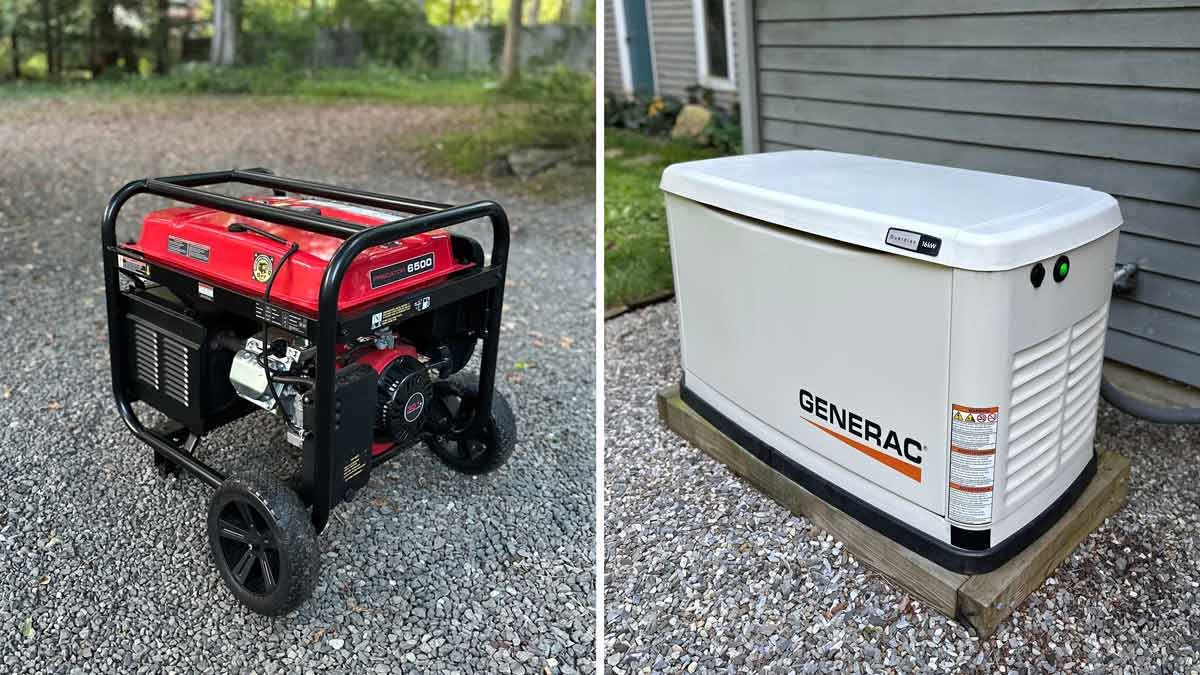

A generator becomes useful only when it starts easily, powers the appliances you actually need, and can be moved into position without turning setup into a second emergency. The challenge is matching a compact inverter to light backup duties or choosing a much larger open-frame machine for a transfer switch and whole-home circuits.
This guide to the best portable home generator options covers small inverter models, mid-sized gas and dual-fuel machines, and high-output tri-fuel units. The range includes quiet equipment for electronics and camping as well as heavy-duty generators designed for larger homes.
Our top pick is the Westinghouse WGen9500DF, with the Oxseryn 4400 Inverter as the most manageable choice for lighter backup needs.
Comparison table
| # | Product | Award | Output | Fuel | Weight | Best for |
|---|---|---|---|---|---|---|
| 1 | Oxseryn 4400 Inverter | Best compact inverter | 4, 400 peak, 3, 400 running watts | Gasoline | 56 pounds | RVs and essential circuits |
| 2 | Westinghouse WGen9500DF | Best overall | 12, 500 peak, 9, 500 running watts | Gasoline or propane | 210 pounds | Whole-home backup |
| 3 | DuroStar DS13000MX | Best rugged dual-fuel design | 13, 000 watts | Gasoline or propane | 220 pounds | High-demand emergency power |
| 4 | Westinghouse 13500 Tri-Fuel | Best natural gas flexibility | 13, 500 peak, 10, 500 running watts | Gasoline, propane, or natural gas | 230 pounds | Homes with multiple fuel options |
| 5 | Westinghouse 12500 Dual Fuel CO | Best dual-fuel safety package | 12, 500 peak, 9, 500 running watts | Gasoline or propane | 212.1 pounds | Backup with CO shutdown |
| 6 | Westinghouse 14500 Tri-Fuel | Best high-output tri-fuel | 14, 500 peak, 11, 500 running watts | Gasoline, propane, or natural gas | 230 pounds | Larger homes and heavy loads |
| 7 | WEN GN5602X | Best mid-size safety pick | 5, 600 starting, 4, 500 running watts | Gasoline | 120 pounds | Essential home circuits |
| 8 | Oxseryn 2800 Inverter | Best lightweight inverter | 2, 800 peak, 2, 000 running watts | Gasoline | 40 pounds | Quiet portable backup |
| 9 | WEN DF475T | Best small dual-fuel unit | 4, 750 surge, 3, 800 running watts | Gasoline or propane | 105.8 pounds | 120V and 240V flexibility |
| 10 | Westinghouse 6500 Dual Fuel | Best mid-size dual-fuel option | 6, 500 peak, 5, 300 running watts | Gasoline or propane | 135.6 pounds | RVs and transfer switches |
1. Oxseryn 4400 Inverter: Best Compact Inverter

Pros
- 3, 400 running watts in a relatively light frame
- ECO mode can extend operation to 14 hours at 25 percent load
- RV outlet, household outlets, and 12V DC output
- Fuel gauge makes quick checks simple
Cons
- Gasoline only
- Open-frame design is louder than the smaller enclosed inverter here
- Not intended for the largest whole-home loads
Best for: RV owners and households that need a movable generator for essential circuits.
The Oxseryn 4400 Inverter is the generator we would choose when portability matters more than running a large collection of appliances at once. At 56 pounds, it is far easier to position than the 100-plus-pound conventional units below. The 3, 400 running watts also give it enough headroom for refrigeration, lights, networking equipment, and selected kitchen loads, provided you manage startup demands carefully.
Its 4, 400 peak watts cover the brief surge that motors need when they start. The two 120V AC outlets are useful for ordinary household equipment, while the 12V DC port and RV outlet make the layout more practical at a campsite. ECO mode is the feature that changes the ownership experience most: the listed runtime reaches up to 14 hours at 25 percent load, and the two-gallon tank has a fuel gauge for a quick visual check.
The open-frame construction keeps the weight down, but it does not make this a silent bedroom-adjacent machine. Oxseryn lists noise under 72 dBA from 23 feet away, which is noticeably less discreet than the smaller Oxseryn 2800 Inverter. This model is also gasoline only, so it lacks the fuel flexibility of the Westinghouse WGen9500DF and the WEN DF475T.
For a smaller home, RV, or emergency setup focused on essentials, that trade-off is reasonable. Anyone needing a transfer-switch connection for a large central air conditioner or several major appliances should move up to a larger conventional generator. Readers comparing portable fuel generators with battery alternatives may also want to consider how quiet emergency power can be without an engine.
2. Westinghouse WGen9500DF: Best Overall
Pros
- 9, 500 running watts on gasoline
- Gasoline and propane operation
- Remote, electric, and recoil starting
- 120V, 240V, household, RV, and transfer-switch outlets
- Digital display shows voltage, frequency, and lifetime hours
Cons
- About 210 pounds before positioning
- Large frame needs a dedicated storage spot
- No natural gas option
Best for: households that want one substantial generator for a broad mix of emergency loads.
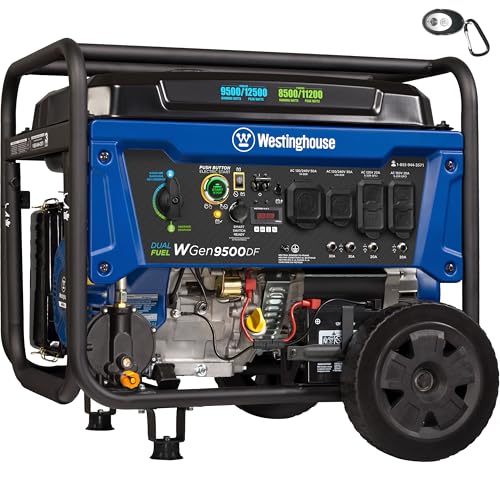
The Westinghouse WGen9500DF strikes the most convincing balance in this group. It has enough continuous output for serious home backup without moving all the way to the largest tri-fuel models. Remote start is particularly useful during a storm, since the included key fob lets you start the machine without standing beside a cold, wet control panel.
On gasoline, it produces 9, 500 running watts and 12, 500 peak watts. Propane output drops to 8, 500 running watts and 11, 200 peak watts, but that is still substantial for refrigerators, sump pumps, furnaces, lighting, and several household circuits. Its 6.6-gallon tank is listed for up to 12 hours of operation, with a fuel gauge that removes some guesswork during a long outage.
The outlet selection is unusually practical. Two GFCI-protected 120V household receptacles handle everyday cords, the L14-30R supports a transfer switch, and the 14-50R outlet serves larger 120V or 240V loads, including an RV connection. The VFT display reports voltage, frequency, and lifetime hours, while automatic low-oil shutdown and a cast iron sleeve support routine ownership.
The weakness is physical rather than electrical. At roughly 210 pounds, this is portable only in the broad generator sense, with wheels and a stable place to park it doing most of the work. The DuroStar DS13000MX offers more headline output and a 50-amp outlet, while the WGen9500DF is the easier recommendation for most households because its controls and output are less specialized. It is the one we would keep for a typical home that needs serious backup but does not have a natural gas connection.
3. DuroStar DS13000MX: Best Rugged Dual-Fuel Design

Pros
- 13, 000 watts of stated output
- Gasoline and propane fuel choices
- 50-amp outlet for transfer-switch connections
- Remote electric start
- Steel construction and reinforced power panel
Cons
- About 220 pounds
- Output details are less fully specified by fuel than some competitors
- Conventional open-frame noise and footprint
Best for: buyers who want a high-output dual-fuel generator with a particularly sturdy chassis.
The DuroStar DS13000MX is built around a straightforward idea: give a home a large reserve of generator capacity and make the machine tough enough for repeated emergency use. Its all-metal construction and reinforced power panel feel more at home beside a worksite than in a utility closet, which is useful if the generator will spend time outdoors under proper shelter or move between backup and jobsite duties.
DuroStar lists 13, 000 watts of output and pairs the machine with gasoline or propane operation. The fuel selector sits on the front panel, so changing between the two supported fuels does not require hunting around the frame. A 50-amp outlet makes it a serious candidate for a professionally installed transfer-switch setup, and remote electric start makes the large engine less awkward to wake up when the weather is poor.
Carbon monoxide detection is another meaningful part of the design. The generator can automatically shut down when dangerous CO levels are detected, but that safety feature does not replace outdoor placement, ventilation discipline, or a separate home CO alarm. The control panel is designed for quick access, which matters when several circuits need to be managed during an outage.
The DuroStar is a more specialized choice than the Westinghouse WGen9500DF. It offers higher stated output and a heavy-duty build, but its 220-pound body is not something most people will casually reposition. The Westinghouse 14500 Tri-Fuel goes further for households that can use natural gas, while the DuroStar makes more sense for buyers who want rugged dual-fuel operation and a substantial 50-amp connection without adding a third fuel.
4. Westinghouse 13500 Tri-Fuel: Best Natural Gas Flexibility

Pros
- Gasoline, propane, and natural gas operation
- Up to 19 hours on the gasoline tank
- Remote, electric, and recoil start
- CO and low-oil shutdown
- 50-amp RV-ready outlet
Cons
- 230-pound frame
- Natural gas produces less output than gasoline
- No inverter design is specified
Best for: homes that want to keep a natural gas line available during a long outage.
The Westinghouse 13500 Tri-Fuel is the practical middle ground for a home with more than one realistic fuel plan. Gasoline is useful when maximum output matters, propane stores well, and natural gas can reduce the need to keep portable fuel on hand. That flexibility is more important than a small difference in peak wattage when an outage lasts longer than expected.
On gasoline, the machine produces 13, 500 peak watts and 10, 500 running watts. Propane output is listed at 12, 500 peak and 9, 500 running watts, while natural gas produces 10, 000 peak and 8, 500 running watts. Those figures make the fuel choice consequential: natural gas is convenient, but heavy simultaneous loads should be planned around its lower continuous output.
The 9.5-gallon tank is rated for up to 19 hours of runtime, giving this model a useful endurance advantage over the smaller Westinghouse dual-fuel machines. It has two GFCI 120V household outlets, a 30-amp transfer-switch outlet, and a 50-amp RV-ready outlet. Remote start, a digital hour meter, automatic low-oil shutdown, and CO shutdown round out a control system that feels designed for real backup duty rather than occasional recreational use.
Like the other large Westinghouse models, this is a 230-pound open-frame generator that needs a planned storage and operating location. The 14500 Tri-Fuel offers more output, but this 13500 model is easier to justify when natural gas access is the central requirement and the home does not need the extra electrical reserve. It is a strong fit for readers who want a fuel plan that can keep a home running through a prolonged outage.
5. Westinghouse 12500 Dual Fuel CO: Best Dual-Fuel Safety Package

Pros
- 9, 500 gasoline running watts
- Propane support with substantial output
- CO and low-oil automatic shutdown
- Remote, electric, and recoil start
- 120V, 240V, RV, and transfer-switch connections
Cons
- No natural gas operation
- Heavy 212.1-pound design
- Runtime is shorter than the larger tank on the tri-fuel models
Best for: families seeking high output with a clear carbon monoxide safety feature.
The Westinghouse 12500 Dual Fuel CO closely resembles the WGen9500DF in its basic mission, but the carbon monoxide shutdown is the detail that separates it in this list. It is a conventional home backup machine with enough capacity for demanding circuits, while still offering gasoline and propane as two practical fuel paths.
Gasoline output reaches 12, 500 peak watts and 9, 500 running watts. On propane, it produces 11, 200 peak watts and 8, 500 running watts. Those figures are well suited to a transfer-switch installation that prioritizes refrigeration, heating equipment, water pumps, lights, and selected outlets rather than attempting to power every large load at the same time.
The 6.6-gallon tank is rated for up to 12 hours, and the fuel gauge helps with planning. Two GFCI household outlets, an L14-30R transfer-switch connection, and a 14-50R 120V or 240V outlet give it a useful spread of connection options. Remote start, electric start, and recoil start provide three ways to get the 457cc engine running, while the digital hour meter makes maintenance intervals easier to track.
Its main limitation is that it does not offer natural gas, so the Westinghouse 13500 Tri-Fuel is the better match for a home already set up around that fuel. It is also too heavy for casual carrying. Choose this model when dual-fuel capability and CO shutdown matter more than tri-fuel flexibility, especially for a fixed emergency setup with a transfer switch.
6. Westinghouse 14500 Tri-Fuel: Best High-Output Tri-Fuel

Pros
- Highest gasoline output in this group
- Gasoline, propane, and natural gas support
- Up to 19 hours on a 9.5-gallon tank
- Low-THD power for sensitive electronics
- Copper windings and cast iron engine sleeve
Cons
- 230 pounds
- Natural gas output is lower than gasoline output
- Large physical footprint
Best for: larger homes with high startup loads and access to multiple fuel types.
The Westinghouse 14500 Tri-Fuel is the capacity leader here, and it earns that position through continuous output rather than a single impressive peak figure. It is designed for larger homes, substantial electrical loads, and owners who want the option to use natural gas when storing gasoline is inconvenient.
Gasoline operation reaches 14, 500 peak watts and 11, 500 running watts. Propane produces 13, 500 peak and 10, 500 running watts, while natural gas produces 12, 000 peak and 9, 500 running watts. That spread gives a homeowner room to choose convenience without losing the ability to run a broad selection of circuits, though the transfer-switch installation still needs to be designed around the actual fuel and load.
The 9.5-gallon tank is listed for up to 19 hours, and the generator can run up to seven hours on a 20-pound propane tank. Westinghouse also specifies low total harmonic distortion, which is reassuring for phones, computers, televisions, and other electronics. Durable copper windings are intended to help the unit run cooler and produce cleaner power, while the cast iron sleeve supports the heavy-duty engine.
The limitation is the same one that follows every high-output generator: portability is mostly about rolling it on its wheels, not lifting it. The DuroStar DS13000MX is a simpler dual-fuel alternative, and the Westinghouse 13500 Tri-Fuel is enough for many homes. Pick the 14500 when the additional electrical reserve and three-fuel support solve a real need, not simply because the largest number looks attractive.
7. WEN GN5602X: Best Mid-Size Safety Pick

Pros
- Electric start on a 224cc engine
- CO shutdown sensor
- Transfer-switch and RV-ready outlets
- Up to 12.5 hours at half load
- Wheel kit included
Cons
- Gasoline only
- Less output than the large home backup machines
- Not suitable for every whole-home load
Best for: essential-circuit backup when a full-size generator would be excessive.
The WEN GN5602X is a sensible step up from a small inverter when the priority is simple home backup rather than maximum capacity. Its 5, 600 starting watts and 4, 500 running watts can cover a refrigerator, lights, internet equipment, a furnace blower, and other carefully selected loads. It is not a whole-home solution for heavy electric heating or multiple large motors, but it has the right shape for an essential-circuits plan.
Electric start turns the 224cc engine on with a switch, a useful feature when the generator is stored for months between outages. The 4.3-gallon tank is rated for up to 12.5 hours at half load, giving it a useful operating window without the footprint of the 9.5-gallon Westinghouse models. The included wheel kit makes positioning easier, though the roughly 120-pound frame still benefits from two-person handling when stairs or uneven ground are involved.
The connection panel is well matched to its intended role. Two standard 120V 20-amp outlets handle ordinary cords, the TT-30R serves an RV, and the NEMA L5-30R twist-lock outlet supports a transfer-switch connection. WEN's Watchdog CO shutdown sensor automatically turns the generator off if dangerous carbon monoxide levels are detected, an important layer of protection alongside correct outdoor placement.
The WEN DF475T adds dual-fuel and 240V capability, while the Westinghouse 6500 Dual Fuel offers more output and a larger engine. The GN5602X remains the cleaner choice for a gasoline-only setup that needs a manageable mid-size machine with CO protection. Before connecting it to a home panel, have the installation handled by a qualified electrician.
8. Oxseryn 2800 Inverter: Best Lightweight Inverter

Pros
- 40-pound portable design
- Under 58 dBA from 23 feet away
- USB and USB-C outputs
- Less than 3 percent THD
- Parallel function and ECO mode
Cons
- Only 2, 000 running watts
- Gasoline only
- Small 1.1-gallon tank
Best for: quiet electronics backup, camping, and light emergency loads.
The Oxseryn 2800 Inverter is the easiest generator here to carry and the least intrusive to operate. At 40 pounds, its built-in handle makes moving it between a garage, vehicle, and outdoor operating position realistic for one adult. That makes it a much better fit for short, targeted power needs than the large open-frame units, even though it cannot approach their output.
Its 2, 800 peak watts and 2, 000 running watts are enough for smaller refrigerators, charging equipment, lights, routers, and selected tools. The clean-power specification is less than 3 percent THD, which suits phones, laptops, cameras, drones, and similar electronics. Alongside two 120V AC outlets and a 12V DC port, the USB and Type-C outputs let you charge small devices without occupying a household receptacle.
Noise is the standout feature. Oxseryn lists operation under 58 dBA from 23 feet away, a considerable improvement over the open-frame Oxseryn 4400 Inverter. The 1.1-gallon tank supports up to nine hours at 25 percent load, and ECO mode can adjust engine behavior for lighter demand. A fuel shutoff is useful when preparing the machine for storage, while the parallel function provides a path to more output with compatible equipment.
The small tank and low continuous output define the limits. This is not the generator to connect to a broad home panel or use for several high-draw appliances. The Oxseryn 4400 Inverter is a better choice when an RV outlet and more running capacity matter, while this model wins for quiet, lightweight operation. If your emergency plan is mostly communications, lighting, and device charging, it is the least cumbersome option here.
9. WEN DF475T: Best Small Dual-Fuel Unit

Pros
- Gasoline and propane operation
- Switchable 120V and 240V output
- Electric start
- Wheel and handle kit included
- Transfer-switch connection
Cons
- Lower output on propane
- No CO shutdown sensor is listed
- Heavier than the compact inverter models
Best for: smaller homes that need dual-fuel and 240V support in a mid-size package.
The WEN DF475T offers a useful combination that the smaller inverter generators cannot: dual-fuel operation and selectable 120V or 240V output. That makes it better suited to a transfer switch or equipment that needs 240V, while its 105.8-pound frame remains easier to manage than the large Westinghouse and DuroStar machines.
Gasoline operation produces 4, 750 surge watts and 3, 800 running watts. Propane output falls to 4, 350 surge and 3, 500 running watts, so users should plan around the lower figure when propane is the preferred fuel. The selector dial makes switching between fuels direct, and electric start powers the 224cc four-stroke engine with a turn of the key.
The four-gallon tank is listed for up to 11 hours at half load. Two 120V GFCI outlets handle ordinary equipment, while the L14-30R twist-lock receptacle supports 120V or 240V transfer-switch connections. A 12V DC outlet, wheel and handle kit, and included propane hose add practical flexibility. This is a conventional generator, not an inverter, so it is better treated as a home and worksite machine than a quiet electronics specialist.
The most important omission is the lack of a listed CO shutdown sensor. That does not make it unsafe when used correctly, but it puts more emphasis on outdoor placement and separate carbon monoxide alarms. The WEN GN5602X offers a CO sensor and more gasoline running output, while the WEN DF475T is the better pick when propane and 240V support are central to the plan.
10. Westinghouse 6500 Dual Fuel: Best Mid-Size Dual-Fuel Option

Pros
- Gasoline and propane support
- 120V and 240V selector
- RV-ready and transfer-switch-ready 30-amp outlets
- CO and low-oil shutdown
- Up to 14.5 hours of operation
Cons
- 135.6-pound frame
- Less output than the WGen9500DF
- Conventional generator noise
Best for: RV use and essential home circuits that need more capacity than a compact model.
The Westinghouse 6500 Dual Fuel is a well-defined middle option. It has more reserve than the WEN GN5602X and supports both gasoline and propane, but it avoids the size and handling demands of the 200-pound class. Its 135.6-pound weight is still substantial, yet the included wheel kit makes it practical to roll into position on a suitable surface.
Gasoline operation provides 6, 500 peak watts and 5, 300 running watts. Propane produces 5, 800 peak and 4, 800 running watts. A 120V or 240V selector helps match the output to the job, and the 4.7-gallon tank is listed for up to 14.5 hours. That combination works for refrigerators, pumps, lighting, electronics, and an RV, assuming the running load and motor startup demands remain within the available capacity.
The outlet layout is particularly useful for this category. There is a 120V household duplex receptacle, a 30-amp TT-30R RV outlet, and a 30-amp L14-30R transfer-switch outlet. Rubber covers protect the receptacles, while automatic low-oil and CO shutdown add useful safeguards. The 274cc four-stroke engine has a cast iron sleeve, and the package includes an oil funnel, propane hose, tool kit, and wheel kit.
The WEN DF475T is lighter and offers 240V switching in a smaller frame, while the Westinghouse 6500 Dual Fuel brings more output and a longer listed runtime. The WEN GN5602X is the better match if a CO sensor is the deciding feature and gasoline is sufficient. Choose this Westinghouse for a balanced RV and home backup setup with dual-fuel flexibility.
How to choose best portable home generator
The right generator depends on the loads you must run, the fuel you can store or access, and how realistically you can place and move the machine.
Continuous and starting watts
Running watts describe the load a generator can sustain, while peak or starting watts cover the brief surge from motors in refrigerators, pumps, air conditioners, and power tools. Start by listing the appliances that must run together, then account for the largest motor startup rather than simply adding appliance labels.
The Oxseryn 2800 Inverter is aimed at light loads, while the Westinghouse 14500 Tri-Fuel has the reserve for larger homes. A generator with barely enough running capacity may shut down whenever a second motor starts, so leave practical headroom.
Fuel type
Gasoline generally provides the highest listed output on these models, while propane gives you a second storage option. Tri-fuel generators add natural gas, which can be useful when a home has a suitable connection and the outage may last for days.
Fuel changes output. For example, the Westinghouse 13500 Tri-Fuel produces 10, 500 running watts on gasoline and 8, 500 on natural gas. Choose based on the fuel you will actually have available during an outage, not just the largest number on the product page.
Transfer-switch and outlet layout
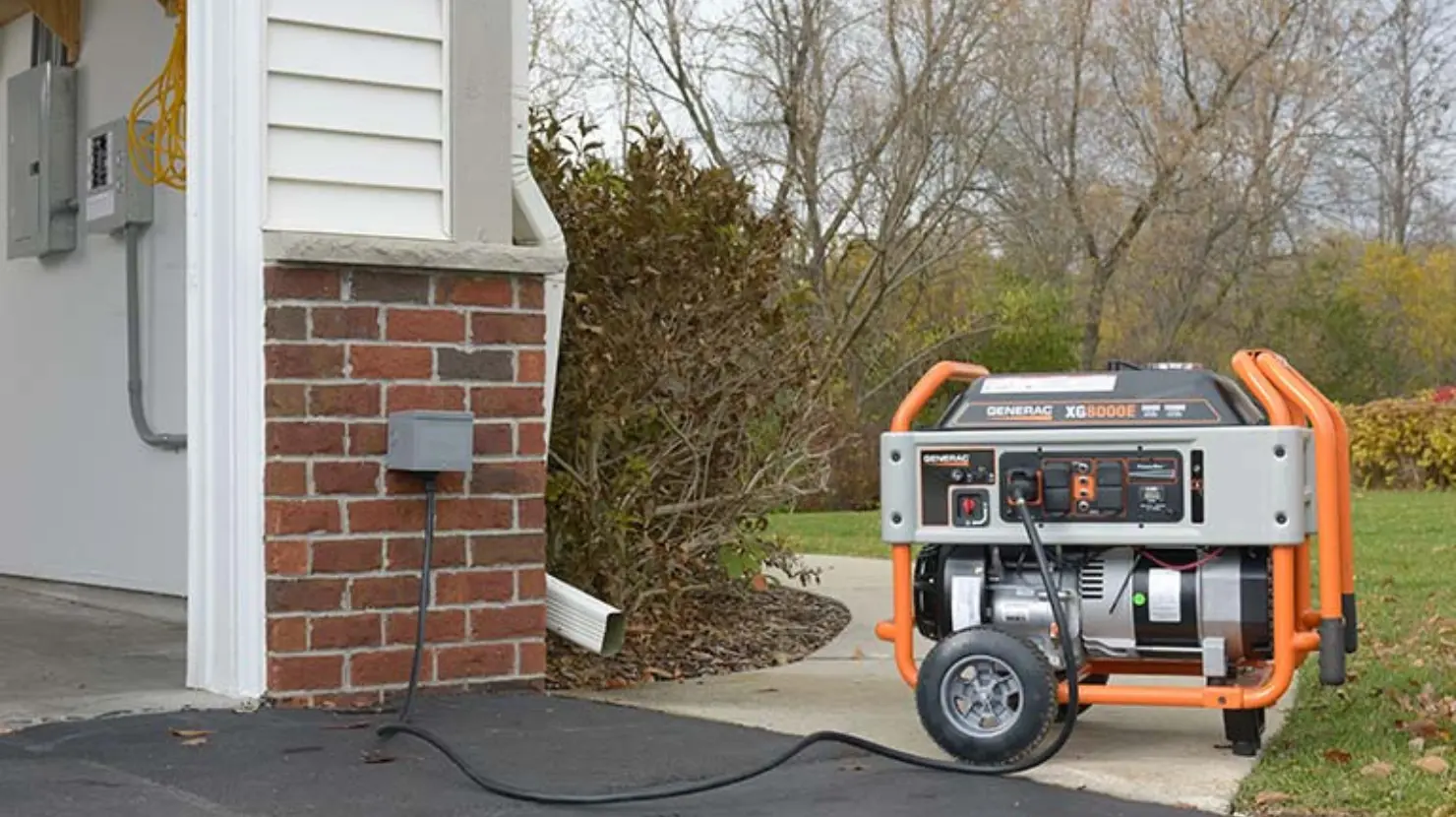
A transfer switch allows selected home circuits to receive generator power without running extension cords through the house. The generator must have the appropriate outlet, and the installation should be completed by a qualified electrician.
Look for an L14-30R or another connection that matches the planned transfer switch. RV-ready outlets are useful for campers and some large appliances, but an RV receptacle is not automatically a substitute for a proper home connection.
A generator should be sized around the circuits you can safely power, not every appliance you own.
Noise and power quality
Open-frame generators are generally louder and larger than inverter models. The Oxseryn 2800 Inverter lists operation under 58 dBA from 23 feet away, while the Oxseryn 4400 Inverter lists under 72 dBA from the same distance. Those figures matter when the generator will operate near living areas or neighbors.
Inverter designs and low-THD specifications are especially relevant for computers, televisions, phones, and other sensitive electronics. The Westinghouse 14500 Tri-Fuel specifically lists low THD, while the compact Oxseryn inverter lists less than 3 percent THD.
Safety and storage
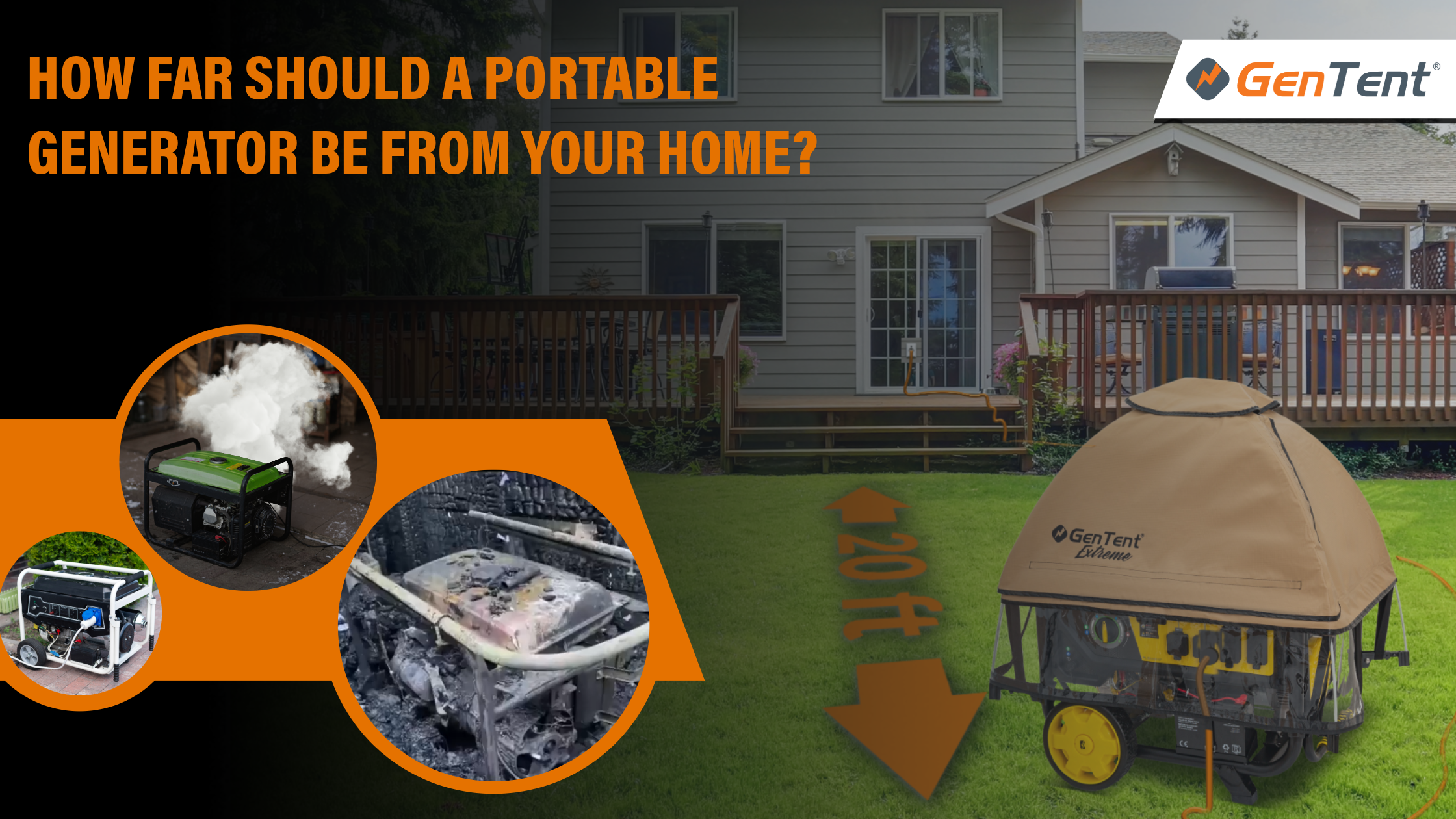
Carbon monoxide shutdown sensors add protection, but they do not make indoor operation acceptable. Run a fuel generator outdoors, far from doors, windows, and vents, and follow the manufacturer's placement instructions. Keep a separate CO alarm in the home.
Storage also matters. Large machines need a dry, accessible location, and fuel should be managed according to the manufacturer's instructions. A 40-pound inverter may be easy to retrieve, while a 230-pound tri-fuel model needs wheels, a clear route, and a planned operating pad.
Frequently asked questions
Can a portable generator power an entire house?
Some high-output generators can support many home circuits through a properly installed transfer switch, but no single wattage automatically powers every appliance at once. The home's electrical loads, the generator's continuous output, and the transfer-switch design all matter. A qualified electrician should size and connect the system.
Is a dual-fuel generator better than a gasoline-only model?
Dual-fuel operation gives you gasoline and propane as separate options, which can make emergency planning more flexible. Propane output is often lower than gasoline output, so size the generator around the fuel you expect to use. A gasoline-only inverter can still be the better choice when quiet operation and low weight matter most.
What size generator is needed for essential home circuits?
There is no universal size because refrigerators, sump pumps, furnaces, medical equipment, and other loads have different running and starting demands. Small inverter models can handle selected electronics and light loads, while mid-size and large open-frame generators can support more circuits. Make a load list before choosing.
Can a portable generator connect directly to a home's outlets?
Do not connect a generator to a household outlet with a improvised cable. That can energize wiring in unsafe ways and create a serious shock or fire hazard. Use appropriately rated extension cords for individual equipment or have a qualified electrician install a transfer switch.
Are inverter generators quieter?
Usually, yes. Inverter generators often use enclosed designs and can reduce engine speed when demand is light, though actual noise depends on the model and load. The Oxseryn 2800 Inverter has a much lower listed noise figure than the open-frame Oxseryn 4400 Inverter.
Can a generator run in a garage or shed?
No. A garage, shed, porch, or other partly enclosed space can allow carbon monoxide to accumulate quickly. Operate the generator outdoors in a location that keeps exhaust away from doors, windows, and vents, and follow the safety instructions supplied with the unit.
The bottom line
The Westinghouse WGen9500DF is the strongest all-around recommendation for a household that needs substantial backup capacity, remote starting, two fuel choices, and a useful mix of 120V, 240V, RV, and transfer-switch connections. The Oxseryn 4400 Inverter is the better fit when the best portable home generator for your situation must be light enough to move without help.
For larger homes or a natural gas connection, the Westinghouse 14500 Tri-Fuel provides the most electrical reserve, while the Oxseryn 2800 Inverter is the quietest and easiest to carry for light loads.
If you are undecided, choose the smallest model that comfortably covers your required circuits, then prioritize safe placement and a properly planned fuel supply.
As an Amazon Associate we earn from qualifying purchases.