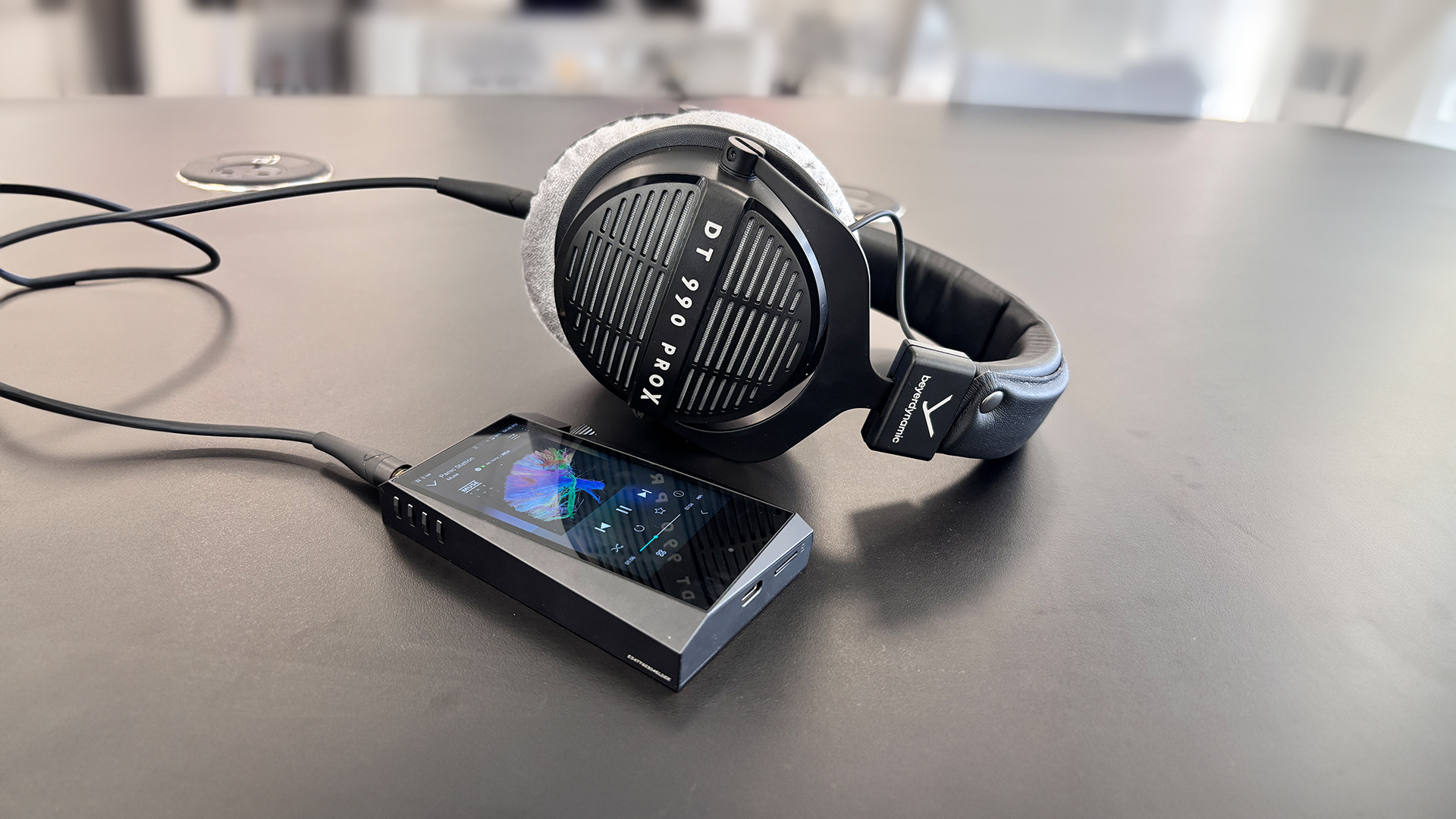

A wired headphone does not need pairing, charging, or a companion app, but the wrong one can still be frustrating. A long studio cable can feel cumbersome at a desk, while a short travel cable may leave you tethered to a pocket. Closed earcups, clamp force, and the difference between an on-ear and over-ear fit matter just as much as the driver size.
The Best wired over ear headphones in this group range from serious studio monitors to compact school and travel models. We have ranked them by the kind of listening they suit, with clear warnings where a product is on-ear, has a fixed cable, or makes compromises that matter.
Our top pick is the OneOdio Pro-10, but the Sony MDR7506 is the stronger choice for professional monitoring, and the Audio-Technica ATH-M50x is the most capable upgrade for detailed studio listening.
| # | Product | Award | Drivers | Cable and connection | Fit | Best for |
|---|---|---|---|---|---|---|
| 1 | OneOdio Pro-10 | Best overall | 50 mm | 3.5 mm and 6.35 mm, shared audio port | Over-ear, 90-degree swivel | DJing, instruments, and general listening |
| 2 | Sony MDR7506 | Best for monitoring | 40 mm | Fixed 9.8-foot cord, 3.5 mm and 1/4-inch adapter | Closed over-ear, foldable | Recording and professional audio |
| 3 | Sony MDR-ZX110 | Best compact pick | 30 mm class | 3.5 mm, 3.94-foot cord | Closed on-ear, swiveling | Travel and casual listening |
| 4 | Philips SHP2500 | Best for long sessions | 40 mm | 3.5 mm, snap-on 6.3 mm adapter, 2 m cable | Over-ear, 90-degree swivel | Home listening and instruments |
| 5 | Audio-Technica ATH-M20x | Best studio starter | 40 mm | Single-side fixed cable | Circumaural | Tracking and basic mixing |
| 6 | Audio-Technica ATH-M50x | Best for detail | 45 mm | Detachable cable | Circumaural, 90-degree swivel | Critical listening and studio work |
| 7 | OneOdio A71 | Best for flexible connections | 40 mm | Coiled 6.6 to 9.8-foot cable, 3.5 mm and 6.35 mm | Over-ear, 90-degree swivel | DJing and keyboards |
| 8 | Audio-Technica ATH-M30x | Best for midrange detail | 40 mm | Single-side fixed cable | Circumaural, collapsible | Voice and instrument monitoring |
| 9 | Panasonic RP-HT161-K | Best for TV and gaming | 30 mm | 6.5-foot cable, 3.5 mm | Over-ear | Movies and console gaming |
| 10 | Botesty Sound Headphones | Best for calls and school | Not specified | 4.9-foot nylon cable, 3.5 mm with microphone | Over-ear, 90-degree swivel | Tablets, classes, and travel |
1. OneOdio Pro-10: Best Overall

Pros
- 50 mm drivers give music and instruments plenty of presence
- Accepts both 3.5 mm and 6.35 mm connections
- 90-degree swiveling earcups support one-ear monitoring
- Soft cushions and an adjustable stretchable headband
- Shared audio port lets two pairs listen together
Cons
- Wired only
- The included cable setup is less tidy for ordinary portable listening
- The larger build is less discreet than the Sony MDR-ZX110
Best for: someone who wants one adaptable pair for music, DJing, instruments, and computers.
The OneOdio Pro-10 is the pair we would hand to someone who has not yet decided what their wired headphones need to do. It feels purpose-built for plugging into whatever is nearby. A phone, laptop, desktop, DJ mixer, amplifier, keyboard, guitar setup, and audio interface are all covered by its 3.5 mm and 6.35 mm compatibility, so you are not constantly hunting for an adapter.
Its 50 mm speaker drivers and neodymium magnets give the sound a broad, energetic presentation. The product is described as producing powerful bass, clear vocals, and crisp highs, which makes sense for casual listening and instrument practice where a thin presentation would be distracting. The emphasis is not the same as the more monitoring-focused balance of the Sony MDR7506 or Audio-Technica ATH-M50x, but the OneOdio is more immediately forgiving with everyday music.
The 90-degree swiveling earcups are the feature that separates this model from most ordinary home headphones. They make single-ear monitoring practical for DJ work, and they also help when you need to hear a conversation without removing the headset. The padded cushions and adjustable, stretchable headband are useful for longer sessions, while the listed 0.66-pound weight keeps it from feeling excessively heavy.
The shared audio port is a clever extra. Another pair can connect directly for shared music or video, without a splitter. That is more useful on a laptop or tablet than in a studio, but it gives the Pro-10 a kind of flexibility the Audio-Technica models do not match.
There are limits. This is a wired-only headphone, and its DJ-oriented design is not as compact as the Sony MDR-ZX110. Listeners who want the most restrained, revealing studio presentation should move to the Sony MDR7506 or ATH-M50x. For everyone else, the Pro-10 is the easiest all-purpose recommendation because its connection options and swivel design remove common annoyances.
2. Sony MDR7506: Best for Monitoring

Pros
- Detailed sound from 40 mm drivers and neodymium magnets
- Closed design reduces outside sound
- Folds for storage and includes a soft case
- Long 9.8-foot cord suits recording setups
- 1/4-inch adapter works with studio equipment
Cons
- The cable is fixed
- The 9.8-foot cord is excessive for a phone or small desk
- Less versatile for casual portable use than the OneOdio Pro-10
Best for: recording, editing, and monitoring where a closed fit and long cable matter.
The Sony MDR7506 is a studio tool first and a casual headphone second. Its closed ear design cuts down external sound, helping vocals, instruments, and playback stay intelligible when the room is not quiet. The rugged construction and familiar foldable shape also make it easy to store between sessions.
Sony uses 40 mm drivers with neodymium magnets and lists a 10 Hz to 20 kHz frequency response. That range is not a promise that every frequency will sound equally loud, but it describes a monitor intended to cover the audible band without an obvious gap at either end. In use, the appeal is its detailed, direct character. It is more disciplined than the bass-forward Panasonic RP-HT161-K and less exuberant than the OneOdio Pro-10.
The fixed 9.8-foot cord is a real studio advantage. It gives a musician or editor room to move from an interface or recorder without pulling on the source. The gold-plated plug is 3.5 mm, and the included 1/4-inch adapter makes the same cable suitable for larger audio outputs. At a desk, that length can become a loop to manage, and it is awkward when the source is a phone in a pocket.
The MDR7506 folds up and comes with a soft case, so it travels better than its long cable suggests. Its listed weight is 0.5 pounds, lighter than several full-size alternatives here. The closed fit can become warm over a long period, though that is a common trade-off for passive isolation.
Compared with the Audio-Technica ATH-M20x, the Sony feels like the more established monitoring choice, with a more travel-ready folding design and a longer reach. The ATH-M50x goes further for cable flexibility and one-ear monitoring, thanks to its detachable cable and swiveling cups. Skip the MDR7506 if you need a short portable lead or a cable you can replace. Choose it if your priority is dependable closed-back monitoring with enough reach for a real recording space.
3. Sony MDR-ZX110: Best Compact Pick

Pros
- Lightweight design folds through swiveling earcups
- 3.94-foot cable is manageable with portable devices
- Closed-back construction helps contain sound
- 24-ohm impedance suits common portable sources
- L-shaped 3.5 mm plug
Cons
- On-ear rather than over-ear
- Smaller drivers and pads offer less isolation than full-size models
- No microphone or detachable cable
Best for: travel and everyday portable listening when a small, simple headset is the priority.
The Sony MDR-ZX110 is the outlier in this roundup because it sits on the ears, not around them. That makes it a poor fit for anyone specifically seeking full over-ear isolation, but it is also why the headphone is easy to carry and less bulky than the studio models. The swiveling earcups fold for storage, and the compact shape is well suited to a backpack or seat pocket.
Its 1.38-inch neodymium dynamic drivers are designed for a punchy, rhythmic response. Sony lists a 12 Hz to 22 kHz frequency range, while the 24-ohm impedance means the headphone is an uncomplicated match for typical portable sources. It will not create the same sense of space or low-frequency weight as the 50 mm OneOdio Pro-10, yet its sound is lively enough for music, podcasts, and films.
The 3.94-foot cord is a better match for a phone, tablet, or laptop than the long cables on the Sony MDR7506 and Panasonic RP-HT161-K. It ends in an L-shaped 3.5 mm plug, which can put less strain on a device sitting in a pocket or bag. There is no microphone, so calls require the device's own microphone or a separate accessory.
The closed-back design and cushioned earpads help keep sound contained, but the fit cannot isolate as much as a properly sealed circumaural headphone. On-ear pads also create a different comfort experience. Some listeners prefer the lighter contact, while others will find the pressure on the outer ear tiring over long sessions.
The MDR-ZX110 is the right answer when portability matters more than the category label. The Philips SHP2500 and Audio-Technica ATH-M20x are better if your ears need full coverage, and the Botesty Sound Headphones add a microphone for calls. Pick the Sony for short commutes, school bags, and simple listening. Skip it if you want deep passive isolation or a true over-ear fit.
4. Philips SHP2500: Best for Long Sessions

Pros
- Full-size over-ear fit with padded cushions
- 40 mm drivers produce clear sound
- Includes both 3.5 mm and 6.3 mm connection options
- 2 m cable gives useful room to move
- 90-degree rotating earcups
Cons
- Cable is not detachable
- The large cable is less convenient for pocket listening
- Passive isolation will not replace active noise cancellation
Best for: home listening, podcast work, and keyboards or guitars that use either common jack size.
The Philips SHP2500 is a straightforward home headphone with a particularly practical connection setup. It comes with a 3.5 mm jack and a snap-on 6.3 mm adapter, so it can move between a laptop, tablet, computer, keyboard, guitar, or studio equipment without requiring a separate adapter purchase. That versatility makes it a sensible choice for a shared household or a beginner recording corner.
The 40 mm drivers are described as producing crisp, clear sound, and the over-ear fit provides passive noise isolation. Those two traits work together for spoken audio. Podcasts and lessons stay easy to follow, while the full earcup helps prevent the headphone from feeling like a small portable headset. It is less focused than the Sony MDR7506, but it is also less narrowly tied to monitoring.
Comfort is the main reason to choose this Philips. The ear cups and adjustable headband are cushioned, and the listed weight is 0.55 pounds. The 2 m cable gives enough distance to keep a laptop or tablet in a bag or on a nearby table. That length is useful around a keyboard or guitar, although it becomes surplus cable when you are sitting close to a phone.
The 90-degree rotating earcups support one-ear DJ monitoring and make the headset easier to rest around the neck. The headband is described as lightweight and durable. There is no detachable cable, so the lead is the component most likely to limit long-term convenience if it is repeatedly bent or packed tightly.
The OneOdio Pro-10 offers larger 50 mm drivers and a shared audio port, while the Philips feels calmer and more home-oriented. The Panasonic RP-HT161-K has a longer 6.5-foot cord and an extra-bass tuning, but the Philips has the more useful 6.3 mm adapter arrangement. Choose the SHP2500 for extended listening and mixed equipment. Skip it if you need a compact cable or active noise control.
5. Audio-Technica ATH-M20x: Best Studio Starter

Pros
- Circumaural cups provide strong passive isolation
- 40 mm drivers are tuned for low-frequency performance
- Single-side cable exit keeps the lead out of the way
- Built for studio tracking and mixing
- Light listed weight of about 0.46 pounds
Cons
- Cable is not detachable
- No earcup swivel is specified
- Less portable than the collapsible ATH-M30x
Best for: a first pair of serious closed studio headphones for tracking and basic mixing.
The ATH-M20x makes sense when the main job is hearing what is happening in a recording setup without outside sound getting in the way. It has a purposeful, no-nonsense shape and a circumaural fit that surrounds the ears. That seal is more useful for tracking than a light on-ear design such as the Sony MDR-ZX110.
Audio-Technica uses 40 mm drivers with rare earth magnets and copper-clad aluminum wire voice coils. The tuning is aimed at enhanced low-frequency performance, so kick drums, bass lines, and low guitar parts have enough weight to remain useful during tracking. It is not the same kind of detail-led presentation as the ATH-M30x, whose design emphasizes midrange definition.
The single-side cable exit is a small feature with a large practical benefit. One lead is easier to route around a chair, keyboard, or instrument than two separate cables. The downside is that the cable is fixed. If you want the ability to change from a long studio lead to a short portable one, the ATH-M50x is the clear step up because its cable is detachable.
The headphone is listed at about 0.46 pounds, making it one of the lighter full-size models here. Its build is described as engineered for studio tracking and mixing, but the simple design does not fold for storage. It is best treated as a desk or studio headphone rather than something to toss into a small bag.
The Sony MDR7506 offers a foldable frame, longer cord, and a supplied 1/4-inch adapter. The ATH-M20x counters with a more focused studio identity and a comfortable circumaural seal. People who want enhanced low end for tracking should choose the M20x. Listeners who want portability, a detachable cable, or one-ear monitoring should skip it and look at the ATH-M30x, ATH-M50x, or OneOdio A71.
6. Audio-Technica ATH-M50x: Best for Detail

Pros
- Large 45 mm drivers support detailed playback
- Deep, accurate bass response
- Detachable cable improves serviceability and flexibility
- 90-degree swiveling cups support one-ear monitoring
- Circumaural design isolates well in loud spaces
Cons
- Heavier than the ATH-M20x
- Closed fit can feel warm during long sessions
- Studio-focused shape is not especially discreet
Best for: listeners who want a more capable monitor for critical music work and detailed playback.
The ATH-M50x is the most complete studio headphone in this group. It does not try to be a tiny travel headset, and it does not add a microphone or wireless controls. Instead, it concentrates on a detailed closed-back presentation, a robust fit, and the small physical features that make repeated studio use easier.
Its proprietary 45 mm large-aperture drivers use rare earth magnets and copper-clad aluminum wire voice coils. Audio-Technica describes the result as clear across an extended frequency range with deep, accurate bass. That combination gives the M50x more authority than the 40 mm ATH-M20x and ATH-M30x, while keeping bass detail useful for editing and mixing rather than turning every track into a thump-heavy listen.
The circumaural cups contour around the ears and help isolate in louder environments. Each cup swivels 90 degrees, which is valuable for one-ear monitoring and quick communication in a studio. The professional-grade earpad and headband materials are intended to withstand regular use, although the listed weight of about 0.64 pounds is notably higher than the ATH-M20x.
The detachable cable is the biggest practical advantage over the Sony MDR7506 and the two lower Audio-Technica models. It lets you replace the cable or choose a more suitable length for the setup. That matters when a fixed 9.8-foot cable is too much, or when a short desk lead is preferable. The closed design still brings the usual warmth around the ears, and the headphone does not disappear on the head like the Sony MDR-ZX110.
The OneOdio Pro-10 is more flexible with dual jack sizes and a shared audio port, while the ATH-M50x feels more refined and purpose-built for critical listening. The Sony MDR7506 is lighter and more compact when folded, but its fixed cable is less convenient. Choose the M50x if sound detail, isolation, swivel monitoring, and cable flexibility all matter. Skip it if you only need occasional tablet listening or prefer a lightweight portable fit.
7. OneOdio A71: Best for Flexible Connections

Pros
- 40 mm drivers are suited to monitoring and DJ use
- Includes 3.5 mm and 6.35 mm plugs
- Coiled cable stretches from 6.6 to 9.8 feet
- 90-degree swiveling earcups
- Shared audio port for listening with another pair
Cons
- Heavier than the OneOdio Pro-10
- Coiled cable can feel bulky for portable listening
- Wired only
Best for: DJs, keyboard players, and computer users who need both common audio jack sizes.
The OneOdio A71 is built around connection flexibility. Its 40 mm drivers are aimed at studio monitoring, mixing, and DJing, but the real reason to consider it is the cable arrangement. The included lead has both a 3.5 mm plug and a standard 6.35 mm plug, covering portable devices and larger audio equipment without a loose adapter hanging from the connection.
The coiled cable stretches from 6.6 to 9.8 feet. That reach is useful when the source is across a desk or connected to a keyboard, amplifier, or mixer. The coil also keeps some slack gathered rather than lying in a straight loop on the floor. For a phone or tablet in a pocket, though, it is more cable than most people want.
The 90-degree swiveling earcups support single-sided monitoring. That is handy for DJ transitions, instrument practice, or simply keeping one ear open for someone nearby. Soft padded cushions and an adjustable, stretchable headband are intended to keep the fit comfortable while also providing noise isolation.
At 0.83 pounds, the A71 is the heaviest listed headphone in this selection. That does not automatically make it uncomfortable, but it is a reason to favor the lighter OneOdio Pro-10 or Sony MDR7506 for long mobile sessions. The A71 also remains wired only, with no wireless fallback when a device lacks a headphone jack.
The Pro-10 has larger 50 mm drivers and a lighter listed weight, while the A71 has the more substantial coiled cable arrangement. The ATH-M50x offers a detachable cable and a more studio-focused build, but it does not provide the same dual-plug convenience in the supplied configuration. Choose the A71 for DJing and instruments. Skip it if your main source is a phone and you want a short, straight lead.
8. Audio-Technica ATH-M30x: Best for Midrange Detail

Pros
- 40 mm drivers emphasize midrange definition
- Circumaural cups provide passive isolation
- Single-side cable exit simplifies routing
- Collapsible frame saves storage space
- Light listed weight of about 0.49 pounds
Cons
- Fixed cable
- No swiveling earcups is specified
- Less low-end emphasis than the ATH-M20x
Best for: voice, guitars, and other sources where midrange clarity is more important than heavy bass.
The ATH-M30x occupies a useful middle position in Audio-Technica's studio lineup. It keeps the straightforward closed circumaural design of the ATH-M20x, but its stated tuning gives extra attention to detail and midrange definition. That makes it an appealing fit for speech, vocals, guitars, and other sources where the center of the mix needs to stay easy to hear.
The 40 mm drivers use rare earth magnets and copper-clad aluminum wire voice coils. Unlike the M20x, which is tuned for enhanced low-frequency performance, the M30x is described around midrange clarity. That does not mean it lacks bass. It means the model is better suited to hearing the shape of a vocal or instrument than to chasing a boosted low end.
The circumaural earcups help reduce ambient sound, and the single-side cable exit keeps the lead manageable at a desk. At about 0.49 pounds, it is still a relatively light full-size headphone. The collapsible design is valuable for storage and makes the M30x more practical to carry than the non-collapsible ATH-M20x.
Its cable is fixed, so the portability advantage has a limit. The Sony MDR7506 folds and includes a soft case, while the ATH-M50x adds a detachable cable and 90-degree swiveling cups. The M30x does not specify a swivel mechanism either, which makes it less useful for one-ear monitoring than the OneOdio models.
Choose the M30x when midrange definition and a collapsible frame line up with your work. It is a better match for vocal monitoring than the bass-oriented ATH-M20x, but not as flexible as the M50x. Skip it if you need a replaceable cable, one-ear DJ monitoring, or a more forceful low end.
9. Panasonic RP-HT161-K: Best for TV and Gaming

Pros
- Lightweight full-size over-ear design
- 30 mm neodymium drivers with extra-bass tuning
- 6.5-foot cable suits TV viewing and gaming
- Padded earcups surround the entire ear
- 3.5 mm connection works with phones and laptops
Cons
- Cable is fixed
- No microphone or detachable cable
- Less precise for studio work than the Audio-Technica models
Best for: movies, television, and gaming from a seated position where a long cable is useful.
The Panasonic RP-HT161-K is a simple home entertainment headphone. Its 6.5-foot audio cord gives you room to sit back from a television or move around a gaming setup without keeping the source directly beside you. That is more practical for a couch than the shorter Sony MDR-ZX110 cable.
Panasonic uses dual 30 mm neodymium driver units and describes the tuning around bass, vocals, and treble. The extra-bass approach gives movie effects and game soundtracks a more noticeable foundation, while the stated focus on vocals and lyrics helps dialogue remain present. It is not the monitoring choice for balancing a recording, where the Sony MDR7506 or ATH-M30x offers a more purpose-driven presentation.
The full-size earcups are padded and designed to surround the ear, which can reduce ambient distractions during a film. A quick-adjust headband helps set the fit, and the listed weight is 0.66 pounds. That is light enough for a home headset, though the broad plastic shape is less compact than the folding Sony MDR-ZX110.
The fixed 6.5-foot cable is both the reason to buy and the main thing to manage. It avoids the need for an extension cable at a television, but it can be cumbersome at a small desk. There is no microphone, so it is not a natural choice for voice chat unless the gaming device supplies another mic.
The Philips SHP2500 is a stronger all-purpose option for instruments because it includes a 6.3 mm adapter and 90-degree rotating cups. The Panasonic is better if you mainly watch television or play games from a sofa. Choose it for comfortable seated entertainment. Skip it if you need studio accuracy, a microphone, or a cable that can be swapped.
10. Botesty Sound Headphones: Best for Calls and School

Pros
- Built-in microphone supports calls and online learning
- Foldable design is easy to pack
- Braided 4.9-foot nylon cable resists tangling
- Adjustable headband and rotating earcups
- 3.5 mm connection suits tablets and laptops
Cons
- Microphone support is not universal on desktops and laptops
- Volume must be adjusted on the connected device
- Driver size is not specified
Best for: students and travelers who need a foldable wired headset with a microphone.
The Botesty Sound Headphones are the practical choice for calls, classes, and devices that still have a 3.5 mm jack. The built-in microphone sits on the cable and is intended for hands-free calls, online learning, and video meetings. That makes this model more useful for school or work than the otherwise simple Panasonic RP-HT161-K.
The 4.9-foot nylon-braided cord is long enough for a laptop or tablet without being as unwieldy as the Sony MDR7506 cable. Its tangle-resistant construction should make it less annoying to pull from a bag. The 120-degree curved plug is designed for flexible connection and reduced strain, though the cable remains permanently attached.
The headset folds for travel, and its adjustable headband, 90-degree rotating earcups, and soft memory protein cushions are aimed at a broad range of head sizes. The over-ear design provides more coverage than the Sony MDR-ZX110, while the listed weight of about 0.55 pounds keeps it reasonably portable. The product is offered in a beige-white finish, which is the only color detail that matters here because it distinguishes this entry from the black models.
The important limitation is compatibility. The built-in microphone is intended for phones and tablets, but it may not work with desktops and certain laptops. The in-line button does not provide usable volume adjustment on this product, so volume has to be changed on the connected device. Devices without a 3.5 mm headphone jack also need an adapter.
The OneOdio Pro-10 and Philips SHP2500 are better for instruments and larger audio equipment, while the Botesty is better for direct communication. Choose it for a tablet, school laptop, airplane, or online class where a microphone and foldability matter. Skip it if you need dependable desktop microphone support or detailed studio monitoring.
How to choose best wired over ear headphones
The right wired headphone depends on where the cable goes, how much outside sound reaches you, and whether you need a neutral monitor or an entertaining everyday sound.
Fit and isolation
A true over-ear headphone surrounds the ear, while an on-ear model rests on it. Circumaural designs such as the Audio-Technica ATH-M20x and ATH-M50x generally provide better passive isolation and avoid pressing directly against the ear, though they can feel warmer. The Sony MDR-ZX110 is explicitly on-ear, so choose it for portability rather than maximum isolation.
Driver size and tuning
Driver size gives a rough indication of the design, not a guarantee of sound quality. The 50 mm OneOdio Pro-10 emphasizes a broad, energetic sound, while the 30 mm Panasonic and Sony portable models use smaller drivers for lighter designs. Tuning matters more for the job: the ATH-M20x emphasizes low-frequency performance, the ATH-M30x focuses on midrange definition, and the ATH-M50x aims for detail with accurate bass.
Cable length and construction
A short cable is easier to use with a phone, but a longer lead is more practical for a television, keyboard, or studio interface. The Sony MDR7506 reaches 9.8 feet, the Panasonic reaches 6.5 feet, and the Botesty uses a 4.9-foot braided cord. Coiled cables such as the OneOdio A71 can keep slack under control, while detachable cables such as the ATH-M50x offer the easiest replacement and setup flexibility.
Pick the cable for the distance between your ears and the source, not for the longest number on the box.
Connection options
A 3.5 mm plug covers most phones, tablets, laptops, and portable players that still include a headphone jack. A 6.35 mm plug is common on keyboards, guitar equipment, mixers, amplifiers, and audio interfaces. The OneOdio Pro-10 and A71 include both connection sizes, while the Philips SHP2500 uses a 3.5 mm connection with a snap-on 6.3 mm adapter.
Monitoring features
Swiveling earcups are useful for DJs and anyone who needs to monitor with one ear. The Pro-10, ATH-M50x, A71, Philips SHP2500, and Botesty Sound Headphones include a rotating earcup feature. A detachable cable is a separate consideration. It helps with storage and replacement, and the ATH-M50x is the only model here that specifically provides one.
Comfort and portability
Weight, padding, adjustment, and folding features determine whether a headphone remains comfortable after an hour. The Sony MDR7506, Sony MDR-ZX110, ATH-M30x, and Botesty fold or collapse for easier carrying. Full-size models with padded headbands and earcups are usually more comfortable for long listening, but a lighter on-ear model may be preferable for short trips.
If your listening also includes untethered use, what you give up moving from wired to wireless is a useful comparison before choosing a second pair. For a music-first setup, how much tonal balance matters for everyday listening can help separate studio monitors from bass-oriented home headphones.
Frequently asked questions
Are all of these headphones truly over-ear?
No. The Sony MDR-ZX110 is an on-ear model, so its pads rest on the ears rather than surrounding them. The other products are presented as over-ear, closed, or circumaural designs, although individual ear shapes will affect the fit.
Do wired headphones need power?
They do not need a battery or wireless pairing. The connected device supplies the audio signal, though an amplifier or audio interface may be useful for some studio setups. These products are listed as wired headphones and do not provide a wireless fallback.
Which model is best for a keyboard or guitar?
The OneOdio Pro-10 and OneOdio A71 are particularly convenient because they support both 3.5 mm and 6.35 mm connections. The Philips SHP2500 also works well for this use because it includes a snap-on 6.3 mm adapter. Check the output on the instrument before choosing a cable arrangement.
Which headphones are suitable for recording vocals?
The Sony MDR7506, Audio-Technica ATH-M20x, ATH-M30x, and ATH-M50x all have closed or circumaural designs suited to monitoring. The MDR7506 is a strong straightforward pick, while the ATH-M50x adds swiveling cups and a detachable cable. The choice between them depends on whether you value lighter weight, cable reach, or connection flexibility.
Can I use the Botesty microphone on a desktop computer?
The product information warns that the microphone may not be supported on desktops and certain laptops. It is intended primarily for phones and tablets, and the connected device handles volume adjustment. Check your computer's jack and microphone compatibility before relying on it for meetings.
Do any of these headphones have active noise cancellation?
No active noise cancellation feature is listed for these products. Several use closed or over-ear designs to provide passive reduction of outside sound. For stronger electronic noise control, a separate category of headphones is more appropriate.
Which model is easiest to travel with?
The Sony MDR-ZX110 is the most compact because it is lightweight, on-ear, and uses swiveling earcups. The Sony MDR7506, Audio-Technica ATH-M30x, and Botesty Sound Headphones also fold for storage. The long cables on studio models may still need careful packing.
The bottom line
The Best wired over ear headphones here are the OneOdio Pro-10 for broad compatibility and the Audio-Technica ATH-M50x for detailed studio listening. The Pro-10 is the easier all-purpose recommendation because it combines 50 mm drivers, two common jack sizes, swiveling earcups, and a shared audio port. The ATH-M50x is the more serious monitor, with 45 mm drivers, a detachable cable, and a circumaural fit that suits critical work.
The Sony MDR7506 remains the smarter pick for recording setups that need a long fixed cable, a foldable frame, and closed-back monitoring. For travel, the Sony MDR-ZX110 is the least cumbersome, while the Botesty Sound Headphones make more sense for calls and school because they include a microphone.
If you are undecided, choose the OneOdio Pro-10 unless your main job is studio monitoring, in which case choose the Sony MDR7506 or ATH-M50x.
As an Amazon Associate we earn from qualifying purchases.